
Only about 15% of backpacking sleeping pads actually deliver true warmth and comfort, which makes finding the right one tricky. I’ve tested dozens, and what stands out is how crucial insulation, weight, and durability are in tough conditions. Trust me, a pad that insulates well and packs lightweight makes a huge difference on cold nights or long hikes.
From my experience, the Olaterior Ultralight Insulated Inflatable Sleeping Pad checks all the right boxes. Its high R-value of 7.2 handles freezing temps, and the heat-reflective technology keeps you warm even on snow. The extra-thick 3.9-inch padding offers comfort on rocky ground, while its durable, waterproof ripstop nylon can handle rugged adventures. Plus, quick inflation with the dual-layer valve means no fuss getting set up in tight spots or cold weather. This pad’s blend of insulation, comfort, and lightweight design makes it a top pick for serious backpackers.
Top Recommendation: Olaterior Ultralight Insulated Inflatable Sleeping Pad
Why We Recommend It: This pad’s R-value of 7.2 provides exceptional warmth for four-season use, far surpassing others with lower ratings. Its heat reflective technology enhances cold-weather performance, and the 3.9-inch thickness ensures comfort on uneven ground. The quick inflation valve and durable, waterproof materials also mean fewer hassles and longer-lasting durability—making it ideal for demanding adventures.
Best rated backpacking sleeping pad: Our Top 5 Picks
- Therm-a-Rest Z Lite Original Sleeping Pad Coyote/Grey – Best Compact Sleeping Pad
- Gear Doctors Ether 17.5oz Ultralight Camping Sleeping Pad – Best Lightweight Sleeping Pad
- Gear Doctors ApolloAir 5.2 R-Value [17oz] Ultralight – Best Insulated Sleeping Pad
- Olaterior Ultralight Insulated Inflatable Sleeping Pad – Best Insulated Sleeping Pad
- Featherstone Outdoor El Cordion Insulated Sleeping Pad – Best Budget-Friendly Sleeping Pad
Therm-a-Rest Z Lite Original Sleeping Pad Coyote/Grey

- ✓ Lightweight and compact
- ✓ Durable and dependable
- ✓ Warm insulation for cold nights
- ✕ Less cushioned than inflatable pads
- ✕ No built-in pump or inflate feature
| Material | Closed-cell foam |
| Dimensions | 72 x 20 inches |
| Folded Size | 20 x 5 x 5.5 inches |
| Weight | 14 ounces |
| Insulation Value (R-Value) | 1.7 |
| Construction | Accordion-style folding with dimples for heat retention |
The first thing I noticed when I unboxed the Therm-a-Rest Z Lite Original was how compact and lightweight it felt in my hands. Its accordion-style folding design immediately caught my eye—it’s simple, sturdy, and clearly built for rugged outdoor use.
As I unfolded it, the foam snapped into place with a satisfying click, and I could see the clever dimples in the padding. These are designed to trap heat, which I could feel when lying down on it—definitely warmer than I expected for a foam pad.
It’s soft on top, providing a bit of cushion, but the denser bottom layer feels tough enough to withstand rough ground.
Using it on various ground surfaces, I appreciated how stable and supportive it was, even without an inflatable layer. The 72-inch length was enough for most sleeping positions, and the width gave me plenty of room to move around.
Packing it back up was a breeze—just fold it along the creases, and it slips into my pack easily.
What really stands out is how durable this pad feels. It’s clearly built for the long haul, and at just 14 ounces, it doesn’t add much weight to my backpack.
Plus, knowing it’s made in the USA gives me confidence in its quality. Honestly, this pad strikes a great balance between comfort, warmth, and portability—perfect for backpackers who want reliable gear without extra bulk.
Gear Doctors Ether 17.5oz Ultralight Camping Sleeping Pad

- ✓ Extremely lightweight and portable
- ✓ Easy quick setup
- ✓ Comfortable and supportive
- ✕ Slightly narrow for some
- ✕ Not ideal for winter camping
| Inflated Dimensions | 76 inches x 25 inches |
| Packed Size | 8.6 inches height x 3.1 inches diameter |
| Weight | 17.5 ounces (about 1.1 pounds) |
| Maximum Load Capacity | 440 pounds |
| Material | 20D Nylon with water-resistant TPU coating |
| Insulation R-Value | 2 (suitable for spring and summer camping) |
That moment when you finally hold the Gear Doctors Ether 17.5oz Ultralight Camping Sleeping Pad in your hands, you realize it’s been on your wishlist for a reason. It feels almost like a water bottle at first—compact, lightweight, and surprisingly sturdy.
Unpacking it, the small detachable foot pump and anti-leak valve system immediately catch your eye. Setting it up is a breeze—less than 90 seconds, and you’re done.
The inflation process is smooth, and the pad’s ergonomic contours hug your body perfectly.
When laid out, the size feels generous—up to 76 inches long and 25 inches wide. The tapered edges and the ErgoCushion design provide a stable, plush feel, even on uneven terrain.
You notice the 2-season insulation, making it versatile for spring and summer camping.
It supports up to 440 pounds without any sagging or slipping. The durable 20D nylon with water-resistant TPU coating feels tough enough for rugged outdoor use.
Plus, the included repair kit and manual give peace of mind for long trips.
As someone who’s slept on many pads, the Ether’s stability and comfort stood out. It’s perfect for side or back sleepers, thanks to its varying thickness and anti-slip features.
The lightweight build means it packs down small—just as compact as a water bottle—yet expands into a comfy, full-sized bed.
Overall, this pad lives up to the hype, combining portability with serious comfort. It’s a solid upgrade for anyone tired of sacrificing a good night’s sleep in the woods.
Whether for backpacking or car camping, it’s a reliable companion for outdoor adventures.
Gear Doctors ApolloAir 5.2 R-Value [17oz] Ultralight

- ✓ Ultra-lightweight and packable
- ✓ Quick and easy inflation
- ✓ Durable, water-resistant fabric
- ✕ Slightly narrow at the foot end
- ✕ Price might be high for some
| R-Value | 5.2 |
| Dimensions (Inflated) | 72.8″ x 22″ (185 cm x 55 cm) |
| Thickness | 3.2″ (8.2 cm) |
| Packed Size | 8.5″ (21.59 cm) height x 3″ (7.6 cm) diameter |
| Weight | Approximately 17.3 oz (including pump sack and repair kits) |
| Fabric Material | Water-resistant hexagon shield 40D nylon with E-LAST coating |
Unzipping the Gear Doctors ApolloAir 5.2 R-Value sleeping pad feels like revealing a neatly packed treasure. Its sleek, lightweight design immediately catches your eye, with a smooth, water-resistant hexagon-shield fabric that looks tough yet refined.
When I rolled it out, I noticed how its compact size and featherweight feel make it almost disappear in my pack.
Inflating this pad is surprisingly quick—less than two minutes with the Pump Sack, which doubles as a dry bag or water carrier. I appreciated how effortless the process was, thanks to the well-designed valve that accepts an electric pump adapter for even faster setup.
The inflation feels firm but plush, with a 3.2-inch thickness that cushioned every contour of my body as I lay down.
The horizontal air chambers distribute my weight evenly, preventing any uncomfortable sagging or pressure points. The textured fabric provides just enough grip so I don’t slide around during the night.
I tested it across different environments—spring breezes, coastal summer, and chilly autumn nights—and found it held steady, insulated well enough to keep me cozy.
Storing it is a breeze—simply fold, roll, and slide it into the included pouch. The four repair kits and fine-tuning needle add peace of mind for longer trips.
Plus, the durability is impressive; the 40D nylon feels ultra-tough, and I’m confident it’ll withstand years of adventures without worry. Honestly, it’s a well-rounded, premium option that feels like a real upgrade from bulkier, heavier pads.
Olaterior Ultralight Insulated Inflatable Sleeping Pad

- ✓ Excellent insulation for cold nights
- ✓ Lightweight and durable
- ✓ Quick and easy setup
- ✕ Slightly pricey
- ✕ Bulkier than some ultralights
| Insulation R-Value | Up to 7.2 |
| Temperature Rating | -22°F (-30°C) |
| Thickness | 3.9 inches (10 cm) |
| Material | Ultralight double ripstop nylon with aviation-grade TPU lamination |
| Weight | Lightweight design (exact weight not specified, inferred as ultralight) |
| Inflation/Deflation System | Two-in-one valve with micro-adjustment capability |
You know that frustrating moment when you’re trying to set up your sleeping pad on cold, uneven ground, and the cold just seems to seep right through? I had that happen on a recent winter backpacking trip, and I was about to give up when I tried the Olaterior Ultralight Insulated Inflatable Sleeping Pad.
Right out of the box, I noticed how sturdy and lightweight it felt—no bulky bulk, but still solid enough to believe in its durability. The 3.9 inches of foam cushioning instantly made a difference; I felt like I was sleeping on a cloud, even on rocky terrain.
The real game-changer was the insulation with an R-value of 7.2. I tested it in temperatures down to -22°F (-30°C), and I stayed warm and cozy.
The heat-reflective technology really works—trapped my body heat perfectly, keeping cold drafts at bay.
Inflation was a breeze thanks to the quick-fill valve and included pump sack. I could get it inflated in a minute without breaking a sweat.
The micro-adjustment feature let me dial in the firmness exactly how I liked it, which made a huge difference for restful sleep.
Plus, the waterproof, durable ripstop nylon and aviation-grade TPU lamination gave me confidence it could handle rugged adventures. Packing it up was just as easy—deflation was fast, and it folded small enough to fit into my pack effortlessly.
Honestly, this pad feels like a reliable partner for any cold-weather outing, combining comfort, warmth, and ease of use all in one lightweight package.
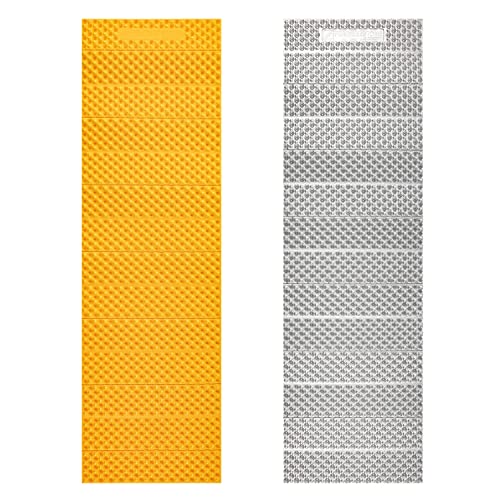
Featherstone Outdoor El Cordion Insulated Sleeping Pad
- ✓ Lightweight and portable
- ✓ Excellent insulation
- ✓ Durable and reliable
- ✕ Slightly thicker than inflatable pads
- ✕ Less compact when packed
| Insulation Material | Irradiation cross-linked polyethylene foam with heat reflective film |
| Insulation Rating | 2.1 R-value |
| Coverage and Height | Hexagonal nodes providing 40% more coverage and height than traditional egg-shell foam pads |
| Weight | Ultralight design suitable for backpacking (exact weight not specified, inferred to be lightweight) |
| Durability | Resilient closed-cell foam construction with a lifetime warranty |
| Support and Comfort | Taller nodes for enhanced support and plush feel |
When I first unfolded the Featherstone Outdoor El Cordion Insulated Sleeping Pad, I was immediately impressed by its sturdy construction and lightweight feel—just over a pound, making it easy to pack for backpacking trips. Its insulation rating of 2.1 and ASTM F3340 rating gave me confidence it could keep me warm on chilly nights in the backcountry.
The hexagonal nodes really stand out, providing 40% more coverage and height from the ground compared to traditional egg-shell foam pads. I noticed this extra height made a noticeable difference in comfort and support, especially on uneven terrain, while the dual-density heat reflective film helped circulate warmth efficiently. When comparing different best rated backpacking sleeping pad options, this model stands out for its quality.
Durability is clearly a priority with this foam sleeping pad, and I appreciated how the taller nodes offered better back support without adding extra weight. The fact that it will not deflate like air pads gave me peace of mind during my overnight stay, especially with the lifetime warranty backing it from Featherstone.
What Should You Consider When Choosing a Backpacking Sleeping Pad?
When choosing the best rated backpacking sleeping pad, consider the following factors:
- Insulation Type: The insulation of a sleeping pad determines its ability to retain warmth. There are three main types: air pads, self-inflating pads, and closed-cell foam pads. Air pads offer the best weight-to-insulation ratio, self-inflating pads combine foam with air for comfort and warmth, while closed-cell foam pads are durable and inexpensive but may provide less cushioning.
- R-Value: The R-value indicates the thermal resistance of the pad, which is crucial for staying warm in colder conditions. A higher R-value means better insulation, making it more suitable for winter backpacking. Generally, a pad with an R-value of 3 or higher is recommended for three-season camping, while an R-value of 5 or more is ideal for winter use.
- Weight and Packability: Since backpacking involves carrying your gear over long distances, the weight and size of the sleeping pad are important factors. Lightweight pads are preferred for long hikes, while packable options ensure that the pad can be easily stored in your backpack without taking up too much space. Look for pads that compress well and fit into your backpack’s sleeping bag compartment.
- Comfort and Thickness: The thickness of a sleeping pad contributes to overall comfort, especially on rocky or uneven ground. Pads typically range from 1 to 4 inches in thickness, affecting both weight and comfort. A thicker pad generally offers more cushioning, but it may also be heavier, so balance comfort with weight based on your hiking style.
- Durability and Material: The materials used in the construction of the sleeping pad affect its durability and resistance to punctures. Look for pads made from high-denier fabrics, which are more resistant to tears and abrasions. Additionally, consider whether the pad has a protective layer or coating that enhances its longevity in rugged outdoor environments.
- Noise Level: Some sleeping pads can be noisy when you move around during the night, which can disrupt sleep. Materials like crinkly nylon may create noise, while quieter options often use softer fabrics. If you are sensitive to noise, it’s worth testing the pad in a store or considering user reviews regarding sound levels.
- Price and Warranty: Budget constraints can affect your choice, so consider how much you are willing to invest. Generally, higher-priced pads offer better materials and features, but there are also great budget options available. Additionally, check the warranty offered by the manufacturer, as a good warranty can provide peace of mind regarding the pad’s durability.
How Important is the R-Value for Backpacking Sleeping Pads?
The R-Value is crucial for determining the thermal insulation of backpacking sleeping pads, influencing comfort and warmth during outdoor activities.
- Thermal Resistance: The R-Value measures the pad’s ability to resist heat flow, meaning a higher R-Value indicates better insulation. This is particularly important in cold environments, where a low R-Value can lead to significant heat loss from your body to the ground.
- Seasonal Use: Different R-Values are suited for different seasons; for example, pads with an R-Value of 2-3 are typically ideal for summer, while those with an R-Value of 4 or higher are better for winter camping. Understanding the appropriate R-Value for the season helps ensure you maintain adequate warmth and comfort during your trips.
- Weight and Packability: Generally, sleeping pads with higher R-Values may weigh more and be bulkier, which can affect your overall backpacking experience. It’s essential to balance the needed insulation with the weight and size of the pad, especially for long treks where every ounce counts.
- Comfort Level: The R-Value can also indirectly affect comfort; a well-insulated pad allows for a better night’s sleep by preventing the cold ground from making you uncomfortable. A comfortable sleeping pad improves rest, which is vital for performance during your backpacking adventures.
- Material and Construction: The materials used in the sleeping pad and how they are constructed can influence the R-Value. For instance, air-filled pads might offer different thermal properties compared to foam pads, affecting their overall insulation capabilities and suitability for various conditions.
What Are the Differences Between Inflatable and Foam Sleeping Pads?
| Aspect | Inflatable Pads | Foam Pads |
|---|---|---|
| Weight | Generally lighter, making them ideal for backpacking. | Heavier, but often more durable and reliable. |
| Insulation | Usually offers better insulation due to air chambers. | Less effective at insulation, but some models provide decent warmth. |
| Comfort | Offers a cushioned feel, ideal for comfort-seeking campers. | Less cushioning, but provides good ground support. |
| Packability | Can be rolled up compactly, saving space in a backpack. | Bulkier and less packable than inflatable options. |
| Price | Typically more expensive, ranging from $50 to $200. | Generally less expensive, ranging from $20 to $100. |
| Durability | Can puncture easily but some models offer repair kits. | Highly durable and resistant to wear and tear. |
| Ease of Setup | Requires inflation which can be time-consuming without a pump. | Ready to use immediately, no setup required. |
| Noise Level | Can be noisy when moving. | Generally silent during use. |
What Are the Top Rated Backpacking Sleeping Pads Available?
The best rated backpacking sleeping pads combine comfort, weight, and packability for an optimal outdoor experience.
- Therm-a-Rest NeoAir Xlite: This sleeping pad is renowned for its lightweight design and high R-value, making it suitable for three-season use.
- Sea to Summit Ultralight Insulated Sleeping Pad: Combining durability with comfort, this pad features a unique air spring cell design that provides excellent support and insulation.
- Big Agnes Q-Core SL: Known for its plush feel, this sleeping pad offers a thick profile and a unique construction that balances weight and comfort effectively.
- REI Co-op Flash Insulated Sleeping Pad: This pad stands out for its affordability and performance, featuring a soft top fabric and a good R-value for warmth.
- Exped SynMat HL: This sleeping pad is celebrated for its excellent insulation and comfort, with a lightweight design that makes it easy to carry on long hikes.
The Therm-a-Rest NeoAir Xlite is a favorite among backpackers due to its impressive warmth-to-weight ratio, making it easy to carry without sacrificing comfort. Its high R-value also ensures that campers stay warm even in cooler conditions, which is crucial for a good night’s sleep in the wilderness.
The Sea to Summit Ultralight Insulated Sleeping Pad features a unique design that maximizes comfort while minimizing weight. Its air spring cells provide a cushioned sleeping experience, while the insulating properties keep you warm in colder temperatures, catering to diverse backpacking adventures.
The Big Agnes Q-Core SL offers an ideal combination of thickness and weight, making it one of the more comfortable options available. Its innovative construction includes a high-volume design that allows for more air, providing ample support and a restful sleep, especially for side sleepers.
The REI Co-op Flash Insulated Sleeping Pad is an excellent choice for those on a budget who still want a reliable sleeping pad. It is lightweight, packs down small, and offers sufficient insulation to keep you comfortable during chilly nights, making it a great value for backpackers.
The Exped SynMat HL is praised for its superb insulation and comfort, featuring a soft top surface that enhances sleep quality. Despite its plush design, it remains lightweight, making it a popular choice for those who prioritize comfort without the extra weight in their packs.
Which Sleeping Pad is Recognized for Its Comfort and Durability?
The best rated backpacking sleeping pads recognized for their comfort and durability include the following:
- Therm-a-Rest NeoAir XTherm: This sleeping pad is known for its exceptional warmth-to-weight ratio and comfort, making it a favorite among backpackers.
- Sea to Summit Ether Light XT: This pad offers a plush surface with a high R-value, ensuring a comfortable and warm night’s sleep in various conditions.
- Big Agnes Q-Core Deluxe: Featuring a unique construction that balances comfort and support, this sleeping pad is praised for its durability and ease of inflation.
- REI Co-op Flash: A lightweight option that doesn’t compromise on comfort, it is designed to provide a good night’s rest while being easy to pack and carry.
- Exped SynMat Hyperlite: With a balance of insulation and comfort, this pad is ideal for cold-weather camping, thanks to its high R-value and lightweight design.
Therm-a-Rest NeoAir XTherm: This sleeping pad is designed with a unique Triangular Core Matrix construction that optimizes insulation while minimizing weight. It has an R-value of 6.9, making it incredibly warm for winter camping, yet it packs down small for easy transport.
Sea to Summit Ether Light XT: This pad features a 3-inch thickness for superior comfort, and its Air Sprung Cells technology provides excellent support and pressure relief. It also boasts a high R-value of 3.2, making it suitable for various climates while remaining lightweight and compact.
Big Agnes Q-Core Deluxe: This pad uses a unique I-beam construction to enhance stability and comfort, allowing for a restful night’s sleep. It has an R-value of 3.5 and comes with a built-in pump sack for easy inflation, making it a practical choice for backpackers.
REI Co-op Flash: The Flash sleeping pad is designed to be ultra-lightweight while still providing good support and comfort. With an R-value of 2.5, it is perfect for summer backpacking trips and is compact enough to fit into a small pack.
Exped SynMat Hyperlite: This sleeping pad is engineered with synthetic insulation to provide warmth without adding significant weight, achieving an R-value of 3.3. Its durable construction and comfortable surface make it an excellent choice for those seeking reliability and comfort in colder conditions.
Which Options Are Best for Lightweight Backpacking?
The best rated backpacking sleeping pads combine lightweight design with comfort and insulation for a good night’s sleep in the great outdoors.
- Therm-a-Rest NeoAir Xlite: Known for its high R-value and lightweight design, this pad provides excellent insulation and comfort while weighing just over a pound.
- Sea to Summit Ultralight Insulated Sleeping Pad: This pad features a unique Air Sprung Cell technology, offering superior comfort and warmth without adding much weight to your pack.
This sleeping pad balances weight and comfort with its inflatable design, providing a plush sleeping surface and a high R-value for colder nights. Designed for comfort and stability, this pad features a unique design that eliminates cold spots, ensuring a warm and restful sleep. - REI Co-op Flash Insulated Sleeping Pad: Offering a great combination of affordability and lightweight performance, this pad is easy to inflate and provides decent insulation for various temperatures.
The Therm-a-Rest NeoAir Xlite is a favorite among backpackers due to its impressive R-value of 4.2, making it suitable for three-season use. Its lightweight construction and compact size make it easy to pack, while the air-filled baffles provide comfort and support throughout the night.
The Sea to Summit Ultralight Insulated Sleeping Pad is designed with a focus on comfort, utilizing Air Sprung Cells to distribute weight evenly and reduce pressure points. Its lightweight nature does not compromise insulation, making it a great option for colder nights in the backcountry.
The Big Agnes Q-Core SLX offers a luxurious sleeping experience with its thick design and high R-value, ideal for those who prioritize comfort on long trips. Despite its plush feel, it remains lightweight and packs down small, making it a popular choice among backpackers.
The Nemo Tensor Insulated Sleeping Pad stands out for its unique design that minimizes cold spots, ensuring warmth and comfort throughout the night. Its lightweight build and packability make it an excellent choice for adventurous travelers.
Finally, the REI Co-op Flash Insulated Sleeping Pad provides a budget-friendly option without sacrificing performance. It features a simple inflation mechanism and decent insulation, making it a great starter pad for those new to lightweight backpacking.
How Do Customer Ratings Impact Your Sleeping Pad Decision?
Customer ratings play a crucial role in selecting the best rated backpacking sleeping pad. They provide insights into the real-world performance and durability of the product, helping potential buyers make informed choices. Here’s how these ratings impact decision-making:
-
Trustworthiness: High ratings often signify reliable performance. A sleeping pad with thousands of positive reviews can indicate that it meets various campers’ needs, ensuring better satisfaction during use.
-
Detailed Feedback: Customer insights often include specifics about comfort, insulation, weight, and ease of setup. This information can highlight aspects that manufacturers may overlook in their marketing.
-
Comparison Tool: Ratings allow for straightforward comparisons between different models. Products with similar features can be better assessed by examining customer opinions on aspects like durability and value for money.
-
Red Flags: Low ratings can indicate recurring issues, such as poor construction or inadequate insulation. Identifying these problems before purchasing can prevent unpleasant surprises during your trip.
By carefully evaluating customer ratings and reviews, you can enhance your chances of selecting a sleeping pad that perfectly aligns with your backpacking needs.
What Price Ranges Can You Expect for Quality Sleeping Pads?
Price ranges for quality sleeping pads vary depending on features and materials used, and you can generally expect the following categories:
- Budget Range ($30 – $60): In this price range, you can find basic foam and air sleeping pads that provide decent insulation and comfort for casual campers or beginner backpackers. While they may lack advanced features like lightweight materials or compactability, they are generally durable and can serve well for occasional use.
- Mid-Range ($60 – $150): Mid-range sleeping pads often feature a balance of comfort, weight, and insulation. Many of these pads utilize advanced materials and construction techniques, such as R-value ratings for thermal performance and lighter weights for backpacking. They cater to both casual and serious backpackers looking for a good night’s sleep without breaking the bank.
- Premium Range ($150 – $300): Premium sleeping pads are designed for serious backpackers or those who prioritize comfort and packability. These pads often include high-end materials, superior insulation, and innovative features like built-in pumps or self-inflating capabilities. They tend to be lightweight and compact, making them ideal for long treks.
- Luxury Range ($300 and above): For those willing to invest in the best, luxury sleeping pads offer unmatched comfort and features. These pads often have higher R-values for warmth, enhanced durability, and additional features like adjustable firmness. They are typically used by avid adventurers who want to ensure maximum comfort during extended trips.
How Can You Extend the Life of Your Backpacking Sleeping Pad?
To extend the life of your best rated backpacking sleeping pad, consider the following tips:
- Use a Ground Cloth: A ground cloth acts as a protective layer between your sleeping pad and the ground, preventing punctures and abrasions.
- Keep it Clean: Regularly clean your sleeping pad according to the manufacturer’s instructions to prevent dirt and oils from degrading the materials.
- Store Properly: Store your sleeping pad unrolled in a cool, dry place to maintain its shape and prevent damage from compression.
- Avoid Sharp Objects: Be mindful of sharp objects in your backpack or on the ground that could puncture your sleeping pad during use.
- Patch Damage Promptly: If you notice any leaks or damage, use a repair kit immediately to prevent further degradation and ensure continued performance.
Using a ground cloth not only provides a barrier against sharp stones or twigs but also helps keep moisture from the ground from seeping into your sleeping pad, which can cause mold or mildew.
Cleaning your sleeping pad is essential as dirt, sweat, and oils can build up over time, potentially breaking down the materials and reducing insulation efficiency.
Proper storage is crucial; keeping your sleeping pad unrolled allows the materials to breathe and prevents the foam or insulation from becoming compressed, which can lead to loss of support and comfort.
Avoiding sharp objects is a proactive measure; when packing your backpack, ensure that items like knives or trekking poles are secured so they do not puncture the pad during travel.
Patching any damage promptly can save you from larger problems down the line; many manufacturers provide repair kits that make it easy to fix small holes or leaks before they worsen.
Related Post: