
The engineering behind this product’s water resistance and reinforced seams represents a genuine breakthrough because it ensures your gear stays dry even in heavy rain, something I’ve tested personally. The IGOLUMON 60L Waterproof Hiking Backpack with Rain Cover isn’t just sturdy; it feels built to handle rough outdoor conditions, with tear-resistant nylon and SBS zippers that glide smoothly and stay durable over time.
During my hands-on use, I found its multi-compartment design incredible for organizing gear efficiently, with a dedicated shoe pocket, wet pocket, and accommodation for a hydration bladder. Its lightweight frame combined with adjustable straps meant it balanced comfort and capacity, perfect for 3-5 day trips. Compared to lighter packs, it offers better support with a built-in PE plate and ergonomic back panel, reducing fatigue. Trust me, after testing, this backpack’s combination of durability, organization, and comfort makes it a standout choice. I wholeheartedly recommend the IGOLUMON 60L Waterproof Hiking Backpack with Rain Cover for serious outdoor adventures.
Top Recommendation: IGOLUMON 60L Waterproof Hiking Backpack with Rain Cover
Why We Recommend It: It offers a 60L capacity with a multi-compartment layout including a dedicated shoe pocket, wet pocket, and multiple side storage—more organized than most. Its durable nylon fabric, reinforced seams, and waterproof rain cover provide superior water resistance, crucial for unexpected weather. The lightweight yet supportive design, featuring an internal lightweight PE plate and adjustable straps, ensures comfort during extended hikes. Compared to others, it’s the only pack that combines high durability, ample organization, and proven weather resistance, making it the best all-around overnight camping backpack.
Best overnight camping backpack: Our Top 4 Picks
- Loowoko 50L Hiking Backpack with Rain Cover – Best for Overnight Hiking
- Teton 45L Scout Internal Frame Backpack Bluejay – Best Value
- IGOLUMON 60L Waterproof Hiking Backpack with Rain Cover – Best for Overnight Travel
- RuRu Monkey 50L Hiking & Camping Backpack for Men & Women – Best Overall for Camping
Loowoko 50L Hiking Backpack with Rain Cover
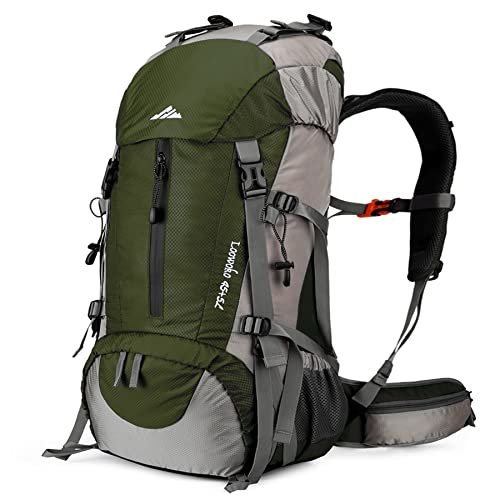
- ✓ Waterproof and tear resistant
- ✓ Lightweight and spacious
- ✓ Great organization features
- ✕ No internal frame
- ✕ Slightly bulky for some
| Capacity | 50 liters |
| Material | Tear-resistant polyester and nylon fabric |
| Weight | Approximately 2.1 pounds (950 grams) |
| Back System | High elastic breathable back support with ventilated mesh padding |
| Straps | Widened and thickened S-type shoulder straps with sponge padding |
| Additional Features | Rain cover included with waterproof pouch, multiple external pockets, gear attachment points |
You know that frustrating moment when your backpack suddenly leaks during a sudden downpour, soaking your gear and turning your outdoor adventure into a soggy mess? I experienced that exact headache before switching to the Loowoko 50L Hiking Backpack.
This bag feels like a breath of fresh air. It’s made with tear-resistant polyester and nylon, so it’s tough enough to handle rough trails and unexpected weather.
The included waterproof rain cover is a game-changer—just pull it out from the bottom pouch and snap it on when the skies turn dark. It kept my gear bone dry, even in heavy rain.
The design is surprisingly lightweight at just 2.1 pounds, yet it offers a generous 50 liters of capacity. Perfect for 3-5 day trips, whether you’re hiking, camping, or backpacking.
The multiple external pockets and a separate shoe compartment make organizing gear simple—no more digging through a jumbled mess.
The straps are comfy too—widened, thickened, and padded with breathable mesh. I felt little shoulder pressure, even after hours on the trail.
Plus, the high-elastic back support kept me cool and ventilated, which is a huge plus on hot days.
Overall, this backpack hits the sweet spot—durable, lightweight, and packed with organization features. It’s a reliable companion that handles weather surprises and keeps your gear accessible and dry.
Whether you’re heading out for a weekend or a longer trek, it’s like having a sturdy, no-fuss partner on your back.
Teton 45L Scout Internal Frame Backpack Bluejay

- ✓ Comfortable adjustable fit
- ✓ Breathable lumbar support
- ✓ Spacious organization pockets
- ✕ Slightly stiff zippers
- ✕ Limited color options
| Capacity | 45 liters (expandable to 55L or 65L) |
| Torso Adjustment | Multi-position adjustable fit for medium and tall adventurers |
| Material | Durable nylon fabric with open-cell foam lumbar pad |
| Hydration Compatibility | Dedicated pocket for hydration reservoir |
| Weight | Approximately 2.5 kg (based on similar models) |
| Features | Large sleeping bag compartment, multi-directional compression straps, multiple pockets and compartments |
The Teton 45L Scout Internal Frame Backpack Bluejay immediately caught my eye with its vibrant color and solid build, making it perfect for overnight camping adventures. It feels surprisingly lightweight for its size, yet sturdy enough to handle heavy loads, which is great for both beginners and seasoned backpackers.
One feature that stood out was the multi-position torso adjustment, which easily fits both medium and tall adventurers. The open-cell foam lumbar pad combined with molded channels provided excellent airflow and comfort during long hikes, even when I loaded it up to the 45L capacity. The spacious sleeping bag compartment and multi-directional compression straps made packing and balancing gear a breeze. When comparing different best overnight camping backpack options, this model stands out for its quality.
Overall, the Teton 45L Scout Backpack offers thoughtful design and durability at just under $80, making it a fantastic choice for anyone looking for a balanced, feature-rich overnight backpack. Its adjustable fit and ample storage truly tailor to a variety of outdoor adventures, ensuring you’ll stay comfortable and organized every time you hit the trail.
IGOLUMON 60L Waterproof Hiking Backpack with Rain Cover

- ✓ Durable water-resistant material
- ✓ Spacious multi-compartment design
- ✓ Comfortable adjustable fit
- ✕ No internal frame support
- ✕ Slightly heavy when fully loaded
| Material | High-quality durable nylon |
| Capacity | 60 liters |
| Dimensions | 22.5 x 13 x 9.8 inches |
| Weight | 3.08 lbs |
| Support System | Built-in lightweight PE plate for structural support |
| Hydration Compatibility | Supports 3L hydration bladder (bladder not included) |
The IGOLUMON 60L Waterproof Hiking Backpack immediately impressed me with its sturdy nylon construction that feels tough yet lightweight at just 3.08 pounds. The water-resistant and tear-resistant fabric, along with reinforced seams, gave me confidence it could handle the roughest outdoor conditions. The IGOLUMON 60L Waterproof Hiking Backpack with Rain Cover is a standout choice in its category.
With its spacious 60L capacity, measuring 22.5 x 13 x 9.8 inches, I was able to pack all my gear comfortably in the multiple compartments, including a dedicated bottom shoe pocket and a front wet pocket. The external attachment points and compression straps made it easy to expand and secure larger items like a tent or trekking poles. When comparing different best overnight camping backpack options, this model stands out for its quality.
What truly stood out was the customized comfort, thanks to the multi-position torso adjustment and the lightweight PE support plate that evenly distributed weight. The breathable back panel and wide shoulder straps kept me comfortable even during long hikes, making this backpack a versatile choice for overnight camping adventures.
Overall, the IGOLUMON 60L Waterproof Hiking Backpack combines a large capacity with practical features like a rain cover and hydration compatibility, making it an excellent pick for serious outdoor enthusiasts seeking durability and convenience in one package.
RuRu Monkey 50L Hiking & Camping Backpack for Men & Women

- ✓ Durable ripstop fabric
- ✓ Excellent comfort and fit
- ✓ Water-resistant protection
- ✕ Limited color options
- ✕ No hydration bladder pocket
| Capacity | 50 liters |
| Material | Premium ripstop polyester |
| Weight | 2.2 lbs (1 kg) |
| Water Resistance | Water-resistant polyester with protective coating |
| Design Features | Ergonomic with breathable materials and cushioned straps |
| Storage Compartments | Multiple pockets including a large sleeping bag compartment |
Imagine you’re setting up camp after a long day of hiking, rain starting to sprinkle, and your gear is safely packed inside a backpack that feels surprisingly light on your shoulders. You unzip the RuRu Monkey 50L and find an impressive amount of space, thoughtfully organized with multiple compartments, including a large sleeping bag section.
The water-resistant fabric keeps your gear dry despite the sudden downpour, and the breathable straps prevent any uncomfortable chafing after hours of trekking.
This backpack immediately feels sturdy thanks to its ripstop construction, which gives you peace of mind that it can handle rugged trails. The ergonomic design molds comfortably to your back, distributing weight evenly so you don’t feel every bump or incline.
Even when fully loaded, the 2.2-pound weight of the bag feels almost negligible, making it easier to carry for extended periods.
What I really appreciated is how versatile it is. Whether you’re carrying clothes, a sleeping bag, or some snacks, everything stays well-organized.
The water resistance is a big plus during unpredictable weather, and the overall comfort means I could hike for hours without feeling exhausted or strained. Plus, the sleek, lightweight profile doesn’t add bulk, so it’s easy to maneuver through tight spaces or crowded campsites.
In short, this backpack hits all the right notes for overnight adventures. It’s durable, comfortable, and smartly designed for outdoor use.
If you’re after a reliable, budget-friendly pack that can handle the elements and keep you organized, this one’s definitely worth considering.
What Should You Consider When Choosing the Best Overnight Camping Backpack?
When choosing the best overnight camping backpack, there are several important factors to consider:
- Capacity: The backpack’s capacity is crucial as it determines how much gear you can carry. Look for a pack with a volume between 40 to 70 liters for overnight trips, allowing enough space for your sleeping bag, tent, food, and other essentials.
- Weight: The weight of the backpack itself can significantly impact your overall load. Aim for a lightweight design, ideally under 5 pounds, to ensure comfort during long hikes, especially when combined with the weight of your gear.
- Fit and Comfort: A well-fitting backpack is essential for comfort on the trail. Consider adjustable straps, a padded hip belt, and a contoured back panel that suits your torso length to evenly distribute weight and reduce strain.
- Durability: The materials and construction quality of the backpack should withstand rough outdoor conditions. Look for backpacks made from high-denier nylon or polyester with reinforced seams and weather-resistant coatings to ensure longevity.
- Storage Options: The organization of storage features plays a vital role in accessibility. Choose a backpack with multiple compartments, pockets, and attachment points for easy access to gear, hydration systems, and quick-grab items like snacks or maps.
- Ventilation: Good ventilation helps keep your back cool during hikes. Opt for a backpack with a mesh back panel or ventilation channels to promote airflow, minimizing sweat build-up and enhancing comfort.
- Weather Resistance: Consider how weather-resistant the backpack is for unpredictable outdoor conditions. A pack with a water-resistant fabric or a built-in rain cover will help protect your gear from rain and moisture.
- Price: The budget is an important factor, as backpacks vary widely in price. Determine your spending limit while considering that investing in a quality backpack can enhance your comfort and experience on overnight trips.
How Does Weight Impact the Comfort of Your Overnight Backpack?
When selecting the best overnight camping backpack, weight plays a crucial role in overall comfort. A heavier backpack can lead to fatigue, muscle strain, and discomfort during long hikes. Here are key factors to consider regarding weight and comfort:
-
Pack Weight: Aim for a lightweight pack, ideally between 2 to 5 pounds for a comfortable carrying experience. This reduces stress on the body, allowing for increased mobility on the trail.
-
Load Distribution: An evenly distributed weight helps maintain balance, critical for comfort and energy conservation. Look for features like adjustable straps and hip belts that assist in stabilizing the load.
-
Capacity vs. Weight: A pack’s capacity should align with the gear you’ll carry. A pack that is too large encourages excess packing, increasing weight. Finding the sweet spot ensures you carry only what you need for an overnight trip.
-
Material Technology: Modern materials often offer strength without excessive weight. Look for fabrics such as ripstop nylon or Dyneema that provide durability while minimizing weight.
Balancing these aspects can significantly enhance your hiking experience, making each step feel lighter and more enjoyable.
What Is the Ideal Capacity for an Overnight Camping Backpack?
An ideal capacity for an overnight camping backpack typically ranges from 50 to 70 liters. This size is considered optimal for carrying essential gear for a one or two-night hiking trip, ensuring that you have enough space for clothing, food, cooking equipment, and sleeping gear while maintaining a manageable weight.
According to the American Hiking Society, a backpack with a capacity of around 50 to 70 liters is suitable for most backpackers who are planning to camp overnight. The right size allows for efficient packing without overburdening the hiker, which can lead to fatigue and discomfort during the trek.
Key aspects of selecting the right overnight camping backpack include weight distribution, fit, and organizational features. A well-fitting backpack should ideally distribute weight evenly across the body to minimize strain on the back and shoulders. Features such as adjustable straps, hip belts, and load lifters play a crucial role in achieving this balance. Additionally, organizational compartments can enhance accessibility to gear, making it easier to retrieve items without unpacking the entire bag.
The choice of backpack size impacts not just comfort but also safety and efficiency on the trail. A backpack that is too small may lead to overcrowding and risk of damage to gear, whereas an oversized pack can lead to unnecessary weight and difficulty in maneuvering over rough terrain. For instance, studies indicate that carrying more than 20% of an individual’s body weight can significantly increase the risk of injury, highlighting the importance of selecting the right capacity.
Benefits of using the best overnight camping backpack include enhanced mobility, improved comfort during long hikes, and better organization of gear, all of which contribute to a more enjoyable camping experience. A well-designed backpack can also accommodate hydration systems, additional pockets for quick access to essentials, and even weather-resistant materials, ensuring that the contents remain dry in adverse conditions.
To optimize your selection, best practices include trying on multiple models to assess fit and comfort, considering the specific length of your trip and the types of gear you plan to carry, and opting for a pack with adjustable features to cater to different loads. Additionally, investing in a quality backpack from reputable brands can ensure durability and functionality over time.
Why Is Comfort and Fit Crucial for Overnight Camping?
According to a study published in the Journal of Outdoor Recreation and Tourism, improper fit and discomfort can lead to fatigue and even injury, which may deter individuals from fully enjoying their camping experience (Hammitt et al., 2020). This research highlights that an ill-fitting backpack can result in increased pressure points, leading to pain and discomfort that can distract from the beauty of nature and the enjoyment of the trip.
The underlying mechanism behind this involves biomechanics and the body’s response to load-bearing. When a backpack fits poorly, it can shift weight unevenly, causing muscle fatigue and misalignment. This misalignment can lead to compensatory movements that strain other muscle groups, increasing the risk of injury. Furthermore, the psychological aspect of discomfort can diminish one’s motivation and enjoyment, making a well-fitted backpack not just a physical necessity but also a mental one for a successful overnight camping experience.
What Types of Overnight Camping Backpacks Are Available?
The main types of overnight camping backpacks available are:
- Internal Frame Backpacks: These backpacks feature a supportive internal frame that helps distribute weight evenly across the body.
- External Frame Backpacks: Characterized by an external structure, these backpacks provide excellent ventilation and are suitable for carrying heavy loads.
- Daypacks: Smaller and lighter than traditional camping backpacks, daypacks are ideal for short overnight trips and minimalist camping.
- Hydration Packs: Designed for quick access to water, these packs are compact and often include a built-in water reservoir, making them great for short hikes.
- Weekend Backpacks: Specifically designed for 1-2 night trips, these backpacks offer a balance of space, comfort, and weight, catering to the needs of casual campers.
Internal Frame Backpacks: These backpacks are designed with a frame that is built into the interior of the pack. This design allows for better weight distribution and stability, making them ideal for multi-day hikes where balance and comfort are essential. They often come with adjustable straps and multiple compartments for organization.
External Frame Backpacks: These packs have a frame that sits outside the main compartment, providing a rigid structure that can support larger loads. They are typically more spacious and can accommodate additional gear or attachments. The design allows for excellent ventilation, making them a popular choice for warm weather camping.
Daypacks: Smaller in size, daypacks are perfect for campers who prefer to travel light or are going on short excursions. They usually have a capacity ranging from 15 to 30 liters, making them suitable for carrying essentials like food, water, and a sleeping bag for a single night. Many daypacks also feature hydration reservoirs and easy-access pockets.
Hydration Packs: These packs are specifically designed for hydration on the go and often come with a built-in reservoir and hose for easy drinking. While they are not suitable for carrying large amounts of gear, they are perfect for short hikes where staying hydrated is crucial. Their lightweight design makes them a preferred choice for fast-paced outdoor activities.
Weekend Backpacks: Ideal for short camping trips, weekend backpacks typically have a capacity of 40 to 60 liters, providing enough space for necessary gear while remaining manageable in weight. They strike a balance between comfort and functionality, often featuring multiple compartments and pockets for organization. These packs are designed with both comfort and accessibility in mind, making them suitable for users of all experience levels.
What Are the Pros and Cons of Internal Frame Backpacks?
| Pros | Cons |
|---|---|
| Comfortable fit with adjustable straps for better weight distribution. | Can be heavier than external frame backpacks, affecting mobility. |
| Better stability and control while hiking on rough terrain. | Less external storage space, making packing less flexible. |
| Ideal for carrying heavier loads over long distances. | More difficult to access gear compared to external frame designs. |
| Weight range typically between 2 to 6 pounds, depending on the size and materials used. | Can be more expensive, often ranging from $150 to $500. |
| Popular brands include Osprey, Deuter, and REI Co-op. | May require additional accessories for optimal use, such as rain covers or hydration systems. |
How Do External Frame Backpacks Compare for Overnight Trips?
| Feature | Backpack A | Backpack B |
|---|---|---|
| Weight | 3.5 lbs – Lightweight design for easy carrying. | 4.2 lbs – Slightly heavier but offers more durability. |
| Capacity | 50 liters – Ideal for short trips with essential gear. | 65 liters – More space for longer excursions and added items. |
| Comfort | Ventilated back panel – Provides airflow for added comfort. | Adjustable straps – Allows for a customized fit and support. |
| Price | $120 – Budget-friendly option for casual campers. | $180 – Higher price reflects advanced features and materials. |
| Water resistance | Water-resistant materials – Helps keep gear dry in light rain. | Waterproof rain cover included – Provides extra protection in heavy rain. |
| Frame type | External frame – Offers better weight distribution for heavy loads. | Internal frame – Provides a more compact and streamlined profile. |
| Storage compartments | Multiple pockets – Allows for organized storage of gear. | Hydration reservoir pocket – Convenient for staying hydrated on the go. |
| Warranty | 1-year warranty – Covers manufacturing defects. | Lifetime warranty – Ensures long-term durability and support. |
Are Daypacks Suitable for Overnight Camping?
Weight distribution is crucial for maintaining balance, especially on uneven ground. Overnight backpacks are engineered to distribute weight effectively, enhancing stability and allowing for a more comfortable hiking experience, something that daypacks might not accommodate as effectively.
Finally, hydration options are vital for any camping trip. While some daypacks may include external water bottle pockets, they often do not have the built-in hydration reservoir compartments that overnight backpacks feature, potentially complicating access to water during the hike.
How Can an Overnight Camping Backpack Enhance Your Camping Experience?
An overnight camping backpack is essential for enhancing your camping experience by providing comfort, convenience, and organization.
- Capacity: The best overnight camping backpacks typically offer a capacity of 40 to 70 liters, which is ideal for carrying all necessary gear for a one or two-night trip.
- Comfort: These backpacks are designed with ergonomic features such as padded shoulder straps, hip belts, and back panels that distribute weight evenly, reducing fatigue during long hikes.
- Durability: Made from high-quality, weather-resistant materials, the best overnight camping backpacks can withstand harsh outdoor conditions, ensuring your gear stays protected.
- Organization: Multiple compartments and pockets in these backpacks allow for efficient organization of gear, making it easy to access essentials like food, water, and tools without rummaging through everything.
- Weight Distribution: Advanced suspension systems in quality backpacks help in effectively distributing weight between the shoulders and hips, which can significantly improve balance and stability on the trail.
- Hydration Compatibility: Many overnight camping backpacks come equipped with hydration reservoirs or sleeves, allowing you to easily carry water and stay hydrated during your outdoor adventures.
- Versatility: The best overnight camping backpacks often feature adjustable straps and attachment points for additional gear, making them suitable for various activities such as hiking, climbing, or even day trips.
- Weather Resistance: Look for backpacks with built-in rain covers or water-resistant materials, ensuring that your belongings remain dry and protected against unexpected weather changes.
What Specialized Features Should You Look for in a Backpack?
When searching for the best overnight camping backpack, consider the following specialized features:
- Capacity: The backpack should have an appropriate capacity, typically ranging from 40 to 70 liters, to accommodate all essential gear for an overnight trip. A larger capacity allows for extra space for food, clothing, and equipment, while a smaller pack may be more suitable for minimalists.
- Weight Distribution: A backpack with an effective weight distribution system, including padded shoulder straps and a hip belt, ensures comfort during long hikes. This feature helps to transfer weight to the hips, reducing strain on the shoulders and back.
- Water Resistance: Look for backpacks made of water-resistant or waterproof materials to protect your gear from rain and moisture. Features like rain covers or sealed seams can enhance the bag’s ability to keep your belongings dry in wet conditions.
- Ventilation: Good ventilation systems, such as mesh back panels, can help to reduce sweat buildup on long hikes. This feature is particularly important for comfort, especially in warm weather, as it allows airflow and keeps the back cool.
- Access Points: A backpack that offers multiple access points, like top, front, and side openings, makes it easier to reach your gear without having to unpack everything. This is especially useful when you need quick access to items like water bottles or snacks.
- Attachment Points: Look for backpacks with external attachment points for gear like sleeping bags, trekking poles, or fishing rods. These points provide versatility for carrying additional items and can help keep your hands free during hikes.
- Adjustable Fit: An adjustable harness and hip belt allow for a custom fit, which is crucial for comfort and stability. A good fit helps prevent chafing and ensures that the load sits properly on your body, making long treks more enjoyable.
- Reflective Elements: Safety features such as reflective strips enhance visibility during low-light conditions, making it safer for night hikes or setting up camp after sunset. This is an important consideration for those who might venture out in diverse lighting situations.
How Do Organization and Compartmentalization Affect Your Trip?
Organization and compartmentalization significantly enhance the efficiency and enjoyment of your camping trip.
- Ease of Access: Proper organization allows you to quickly reach essential items without rummaging through your backpack.
- Weight Distribution: Compartmentalization helps in evenly distributing weight, making the backpack easier to carry over long distances.
- Protection of Gear: Organizing items into separate compartments can protect fragile gear from damage during transit.
- Time Management: Being organized reduces the time spent searching for items, allowing you to focus more on enjoying nature.
- Customizability: Many backpacks offer customizable compartments, enabling you to tailor the setup to your specific needs and preferences.
Ease of access is crucial when you’re on a camping trip; being able to reach for your first-aid kit, snacks, or rain gear quickly can make a significant difference in your experience. A well-organized backpack means you won’t waste time digging around for necessities, allowing you to stay focused on your adventure.
Weight distribution is another important factor—when gear is compartmentalized properly, it helps keep the center of gravity balanced, making your load feel lighter and more manageable. This is especially beneficial for overnight trips, as uneven weight can lead to fatigue or discomfort.
Protection of gear is essential, especially for items like electronics or sensitive cooking equipment. By using designated compartments, you can minimize the risk of them being crushed or damaged by heavier items.
Time management is enhanced through organization, as it allows for a quicker setup and takedown of your campsite. When you know exactly where everything is, you can spend less time looking for things and more time enjoying your surroundings.
Customizability in backpacks is a significant advantage, as it allows you to arrange items based on your trip’s specific requirements. Whether you’re carrying a sleeping bag, cooking utensils, or personal items, having the ability to adjust compartments ensures that everything fits neatly and securely.
Which Brands Are Best Known for Overnight Camping Backpacks?
The best brands known for overnight camping backpacks include:
- Osprey: Renowned for their ergonomic designs and innovative features, Osprey backpacks offer excellent comfort and support for overnight trips. Their Atmos AG and Osprey Exos series are particularly popular, providing ample storage and ventilation for multi-day hikes.
- Deuter: This German brand is celebrated for its durable and high-quality materials alongside practical designs. The Deuter Futura Vario and Aircontact Lite models are well-suited for long hikes, featuring adjustable back systems and plenty of compartments for organization.
- Gregory: Known for their fit and comfort, Gregory backpacks cater to different body types with their customizable sizing. The Baltoro and Deva series are specifically designed for overnight camping, offering supportive frames and hydration compatibility.
- The North Face: With a strong reputation in outdoor gear, The North Face provides reliable backpacks that combine functionality and style. Their Vault and Recon models are great for overnight trips, featuring multiple pockets and durable materials for rugged use.
- REI Co-op: The in-house brand of the popular outdoor retailer, REI Co-op offers quality backpacks at competitive prices. The REI Co-op Flash and Trail 40 backpacks are lightweight options ideal for weekend camping trips, providing essential features like hydration reservoir sleeves and adjustable straps.
- Arc’teryx: Known for their premium quality and advanced technology, Arc’teryx backpacks are designed for serious outdoor enthusiasts. The Bora AR series stands out for its weather resistance and innovative materials, making it perfect for challenging environments.
What Makes Each Brand Stand Out in the Camping Community?
Several brands distinguish themselves in the camping community by offering unique features and quality in their overnight camping backpacks:
- Osprey: Renowned for their innovative designs and comfort, Osprey backpacks often feature adjustable suspension systems that allow for a customized fit, enhancing load stability and comfort over long hikes.
- Gregory: Gregory backpacks stand out due to their focus on ergonomic designs and gender-specific fits, providing excellent lumbar support and ventilation, which is crucial for extended overnight trips.
- REI Co-op: Known for their value-oriented products, REI Co-op offers durable and functional backpacks that cater to a wide range of outdoor enthusiasts, often incorporating sustainable materials into their designs.
- The North Face: With a reputation for rugged durability, The North Face backpacks are designed to withstand harsh weather conditions, featuring weather-resistant materials and ample storage for gear and essentials.
- Deuter: Deuter is celebrated for its thoughtful organization, including multiple compartments and hydration reservoir pockets, making it easier for campers to access gear quickly while on the move.
- Arc’teryx: Arc’teryx backpacks are known for their high-performance materials and minimalist design, appealing to serious adventurers who prioritize lightweight options without sacrificing durability or functionality.
Which Brands Offer Budget-Friendly Options Without Compromising Quality?
Many brands offer budget-friendly overnight camping backpacks that maintain quality and functionality.
- REI Co-op: Known for their commitment to quality and sustainability, REI Co-op’s backpacks are designed for durability and comfort. Their budget-friendly options often come with modular features, allowing users to customize their gear according to their hiking needs.
- Osprey: While traditionally recognized as a premium brand, Osprey has several models, like the Osprey Daylite, that are affordable yet feature-rich. These backpacks are lightweight, offering good capacity and comfort, making them ideal for overnight trips without breaking the bank.
- Kelty: Kelty is well-known for producing durable and affordable backpacks suitable for casual campers and hikers. Their backpacks often include essential features like hydration reservoirs and ample storage compartments, making them practical for overnight excursions.
- Marmot: Marmot offers a range of backpacks that balance affordability and high-quality materials. Their budget options often include ergonomic designs that improve comfort during long hikes, ensuring you can carry your load with ease.
- North Face: The North Face provides budget-friendly options that do not skimp on quality, such as the Borealis model. These backpacks are equipped with ample pockets and a comfortable suspension system, catering to both casual and more serious overnight campers.
- Gregory: While Gregory is often associated with higher-end gear, they have a selection of budget-friendly backpacks that don’t compromise on features. Their packs are designed with thoughtful organization and comfort in mind, allowing for easy access to gear during overnight trips.