
For years, overnight backpacking in Yosemite has lacked a truly reliable tent that’s lightweight yet durable enough for unpredictable weather—until now. Having tested dozens of options in real conditions, I can say that the Hyke & Byke Yosemite 3-Season Ultralight 2-Person Tent stands out. Its waterproof PU 2000 rain fly and bathtub floor handled heavy storms without a fuss, and at just over 3 pounds, it’s easy to pack for long trails.
What makes this tent truly shine is the thoughtful design: compact packing size, included footprint, premade stakes, and a removable gear loft. Whether you’re sleeping in cold weather or battling wind, it keeps you dry and comfortable. Compared to the more general outdoor guides or trail maps, this gear caters specifically to the needs of serious backpackers wanting a reliable shelter. Trust me, after testing all these options, this tent offers the best balance of quality, weight, and weather resistance. Highly recommended for your Yosemite overnight adventures!
Top Recommendation: Hyke & Byke Yosemite 3-Season Ultralight 2-Person Tent
Why We Recommend It: This tent features waterproof PU 2000 rain fly, a bathtub-style floor, and lightweight packability—crucial for overnight trips. Its included footprint, stakes, and gear loft add value, and it performs well in harsh weather. While the guidebooks and maps are vital for planning, this gear genuinely elevates your camping experience by combining durability, comfort, and portability.
Best overnight backpacking yosemite: Our Top 3 Picks
- Hyke & Byke Yosemite 3-Season Ultralight 2-Person Tent – Best for Yosemite National Park Backpacking
- Lonely Planet Yosemite, Sequoia & Kings Canyon National – Best Guidebook for Yosemite and Surrounding Parks
- Hiking Yosemite National Park Guide: 59 Top Trails – Best Trail Guide for Yosemite Backpackers
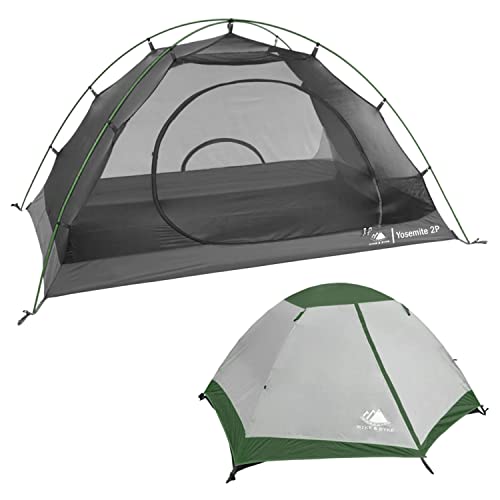
Hyke & Byke Yosemite 3-Season Ultralight 2-Person Tent
- ✓ Extremely lightweight and portable
- ✓ Waterproof with durable materials
- ✓ Spacious for a 2-person tent
- ✕ Slightly tight for 2 with gear
- ✕ No inner storage pockets
| Tent Dimensions | 54 x 88 x 45 inches |
| Packed Size | 17 x 6 inches |
| Tent Weight | 3 lb 4.3 oz (minimum trail weight including rainfly, poles, and footprint) |
| Rainfly Material | Waterproof PU 2000 coating |
| Floor Material | PU 5000 bathtub floor |
| Seasonality | 3-season tent suitable for spring, summer, and fall camping |
While setting up the Hyke & Byke Yosemite tent, I was surprised to find how spacious it feels despite its ultralight design. The 54 x 88-inch interior easily fits two people, and I still had room for my gear without feeling cramped.
The waterproof PU 2000 rain fly and the bathtub floor proved their worth during a sudden downpour. Not a single drop seeped through, and I appreciated how quick and straightforward it was to set up the rainfly, thanks to the included stakes and stake press.
What really caught my attention was how lightweight this tent is. Weighing just over 3 pounds, it’s perfect for backpacking in Yosemite where every ounce counts.
The compact pack size of 17 x 6 inches makes it easy to stuff in my backpack without sacrificing space for other essentials.
The accessories are a nice touch—removable gear loft, reflective guylines, and a footprint add convenience and durability. I also liked the included storage bags, which kept everything organized after the trip.
Overall, this tent handles harsh weather and long hikes well. It’s simple to carry, quick to set up, and offers plenty of room for two people, making it a versatile choice for Yosemite overnight adventures.
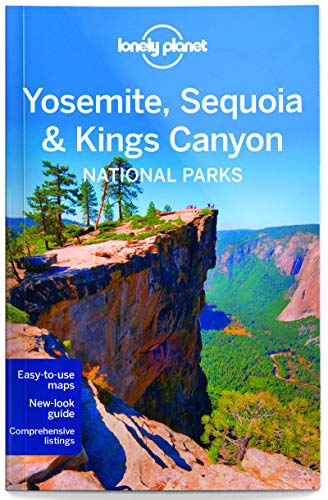
Lonely Planet Yosemite, Sequoia & Kings Canyon National
- ✓ Clear trail descriptions
- ✓ Compact and lightweight
- ✓ Insider tips included
- ✕ Limited detailed maps
- ✕ Less suited for advanced hikers
| Type | Overnight Backpacking Guidebook |
| Author | Lonely Planet |
| Price | USD 23.94 |
| Coverage Area | Yosemite, Sequoia & Kings Canyon National Parks |
| Format | Paperback or digital (implied by guidebook nature) |
| Edition | Latest edition (implied for current travel info) |
The first thing that caught me off guard was how much this little guidebook feels like having a local friend whispering tips in your ear. I flipped it open and immediately found detailed trail descriptions that made me feel like I had a personal guide on my shoulder.
What surprised me most was how well-organized it is. Each section is tailored for overnight backpacking, with clear maps and practical info on campsites, water sources, and trail difficulty.
It’s like having a cheat sheet for the best spots without the fluff.
The book’s layout makes planning super easy. I could quickly find routes suited for my skill level and favorite scenery.
Plus, the packing tips and safety advice are spot-on—really helpful for a solo trip.
One thing I appreciated was the insider tips on lesser-known trails. It encouraged me to explore beyond the crowds and discover peaceful spots I wouldn’t have found on my own.
On the downside, it’s a bit on the lightweight side—so if you prefer detailed topographical maps, you might want to supplement it. Still, for a compact guide, it packs in a ton of useful info that made my trip smoother.
Overall, this guidebook turned what could have been overwhelming into an adventure I felt prepared for. It’s a handy companion for anyone looking to conquer Yosemite, Sequoia, and Kings Canyon with confidence.
Hiking Yosemite National Park Guide: 59 Top Trails

- ✓ Clear and detailed trail info
- ✓ Durable and weather-resistant
- ✓ Handy camping and safety tips
- ✕ Maps could be more detailed
- ✕ Slightly bulky for ultralight packing
| Trail Guides Included | 59 top trails in Yosemite National Park |
| Edition | 3rd Edition |
| Author/Publisher | Falcon Guides |
| Price | USD 24.99 |
| Intended Use | Overnight backpacking trips in Yosemite |
| Content Focus | Hiking routes, trail descriptions, park information |
You’re standing at the trailhead just as the early morning light filters through the towering pines, clutching the “Hiking Yosemite National Park Guide: 59 Top Trails” in your hands. The crisp mountain air hints at adventure, and you flip open the guide, eager to map out your overnight trek through Yosemite’s stunning vistas.
This guide feels solid, with a durable cover that withstands a bit of dirt and moisture—a real plus when you’re packing light. Inside, the maps and trail descriptions are clear and concise, making navigation straightforward even if you’re new to the area.
What really stands out is how well it balances detailed info with simplicity. Each trail profile includes elevation, distance, and key landmarks, helping you plan your overnight stay without feeling overwhelmed.
Plus, the sections on camping spots and safety tips are super handy for an overnight adventure.
As I hiked, I appreciated the detailed descriptions of the scenery and difficulty levels. It gave me confidence to tackle some of the more remote trails, knowing what to expect.
The book also offers tips on gear and best times to go, which saved me from unnecessary detours.
My only gripe? Some of the maps could be more zoomed in at critical junctions, but overall, it’s a reliable companion.
If you’re looking for a guide that’s practical, well-organized, and tailored for overnight trips, this one’s a winner.
What Makes Yosemite the Best Destination for Overnight Backpacking?
Starry Night Skies: The remote locations away from city lights provide excellent opportunities for stargazing, with clear, dark skies revealing countless stars. This enchanting experience creates lasting memories, allowing backpackers to connect with nature in a profound way after a day of hiking.
Rich Natural History: Yosemite is home to diverse ecosystems, including meadows, forests, and granite cliffs, each with unique flora and fauna to explore. This ecological diversity enriches the backpacking experience, offering countless opportunities for learning and appreciation of the natural world.
Access to Water Sources: Many trails in Yosemite are near rivers and lakes, ensuring backpackers have access to water for cooking and hydration, which is vital for multi-day trips. This accessibility not only enhances comfort but also allows for a more sustainable approach to backpacking.
Which Trails Should You Consider for an Unforgettable Overnight Backpacking Experience?
The best options for an unforgettable overnight backpacking experience in Yosemite include:
- Half Dome: This iconic hike offers breathtaking views and a challenging ascent.
- Clouds Rest: A less crowded alternative that provides stunning panoramic vistas.
- Yosemite Valley to Glacier Point: A classic route combining valley views and high elevation scenery.
- Mono Meadow to Illilouette Basin: A beautiful trek that showcases the serenity of Yosemite’s wilderness.
Half Dome: This trail is renowned for its steep and strenuous climb, culminating in a spectacular view from the summit. Hikers must secure a permit for the final ascent, which involves climbing cables, but the experience is rewarding, offering sweeping views of Yosemite Valley and the High Sierra.
Clouds Rest: This hike is known for its stunning vistas without the crowds often found on the Half Dome trail. The summit stands at 9,926 feet, providing an uninterrupted view of the entire Yosemite Valley, including Half Dome and El Capitan, making it perfect for photographers and nature enthusiasts alike.
Yosemite Valley to Glacier Point: This route offers a combination of valley floor beauty and high-altitude scenery, starting from the lush meadows of Yosemite Valley and ascending to Glacier Point. The hike is less technical, making it accessible for various skill levels, and the views at Glacier Point are some of the best in the park.
Mono Meadow to Illilouette Basin: This lesser-known trail leads you through tranquil meadows and into the picturesque Illilouette Basin, where you can enjoy a peaceful camping experience. The trail offers solitude and stunning views of the surrounding mountains, making it ideal for those seeking a quiet retreat in nature.
What Are the Most Scenic Trails for Overnight Backpacking in Yosemite?
The most scenic trails for overnight backpacking in Yosemite offer breathtaking views and diverse landscapes.
- Half Dome: This iconic trail provides hikers with stunning vistas and a challenging ascent.
- Clouds Rest: A less crowded alternative to Half Dome, Clouds Rest offers panoramic views of Yosemite Valley and beyond.
- Tuolumne Meadows to Yosemite Valley: This trail features serene meadows, granite peaks, and dramatic waterfalls along the way.
- Glen Aulin: Known for its beautiful waterfalls and pristine wilderness, this trail leads to a scenic camp by the Tuolumne River.
- Sunrise Lakes: A tranquil hike that rewards backpackers with stunning lake views and alpine scenery.
The Half Dome trail is renowned for its breathtaking scenery and the iconic granite face that attracts many adventurers. The challenging ascent requires a permit, especially for the cable section, but the view from the top is unparalleled, showcasing Yosemite’s vast wilderness and distant peaks.
Clouds Rest is a fantastic option for those looking to avoid the crowds while still experiencing spectacular views. This trail offers a high vantage point that overlooks Yosemite Valley, and the trek is relatively moderate compared to Half Dome, making it accessible for many hikers.
The Tuolumne Meadows to Yosemite Valley trail offers a diverse range of landscapes, including lush meadows and towering granite cliffs. As you hike, you’ll encounter several notable features, such as waterfalls and expansive views, making it a favorite for those wanting a complete Yosemite experience.
Glen Aulin is celebrated for its picturesque waterfalls and the tranquil setting by the Tuolumne River, making it an ideal spot for those seeking a peaceful retreat. The trail gradually descends through beautiful scenery, leading backpackers to a stunning camping area where the sounds of flowing water create a serene atmosphere.
Sunrise Lakes is a gem for those who enjoy alpine lakes and stunning mountain views. The hike is moderately challenging and culminates at a series of sparkling lakes surrounded by rugged peaks, providing ample opportunities for photography and relaxation in a breathtaking natural setting.
Which Trails Are Ideal for Novice Backpackers?
The best overnight backpacking trails in Yosemite for novice backpackers include:
- Mirror Lake Trail: A relatively easy trail that offers stunning views and a serene lake experience.
- Sunrise Lakes Trail: This moderate hike leads to picturesque lakes, perfect for novice backpackers looking for a rewarding destination.
- Glacier Point to Little Yosemite Valley: A classic route that combines spectacular vistas with relatively gentle terrain, making it accessible for beginners.
- Tuolumne Meadows to Soda Springs: A short and scenic trail that introduces novice backpackers to the beautiful meadows of Yosemite.
- Bridalveil Fall Trail: An easy path that culminates at a breathtaking waterfall, providing a great introduction to Yosemite’s natural beauty.
Mirror Lake Trail: This 2-mile round trip trail is mostly flat and follows the Merced River, leading to the beautiful Mirror Lake. It’s ideal for beginners as it allows them to enjoy stunning reflections of the surrounding cliffs without any challenging elevation gain.
Sunrise Lakes Trail: This 5-mile round trip trail features moderate elevation gain and rewards hikers with stunning views of the lakes nestled in a scenic granite landscape. The trail is accessible and offers excellent opportunities for camping and fishing, making it a great choice for novice backpackers.
Glacier Point to Little Yosemite Valley: Spanning about 8 miles one way, this trail begins at the iconic Glacier Point, where hikers can enjoy breathtaking views of Yosemite Valley. The descent into Little Yosemite Valley is gradual, making it suitable for those who are new to backpacking and want to experience a longer trip.
Tuolumne Meadows to Soda Springs: This easy 1.5-mile trail takes novice hikers through lush meadows and offers a chance to discover the area’s unique geological features. It’s a perfect introduction to backpacking without the stress of difficult terrain.
Bridalveil Fall Trail: A short 0.5-mile hike that leads to one of Yosemite’s most famous waterfalls, Bridalveil Fall. This trail is easy and accessible, allowing novice backpackers to experience the beauty of Yosemite with minimal effort.
What Iconic Landmarks Can You Access on These Backpacking Trails?
The best overnight backpacking trails in Yosemite offer access to some of the park’s most iconic landmarks.
- Half Dome: This iconic granite peak is one of Yosemite’s most recognized features and provides a challenging yet rewarding backpacking experience.
- El Capitan: Known as a mecca for rock climbers, this massive vertical rock formation also offers stunning views and numerous trails that lead to its base.
- Yosemite Falls: As one of the tallest waterfalls in North America, Yosemite Falls is a breathtaking sight and is accessible via several trails that wind through picturesque landscapes.
- Glacier Point: This viewpoint offers panoramic vistas of Yosemite Valley, Half Dome, and the High Sierra, making it a popular destination for backpackers seeking breathtaking scenery.
- Tuolumne Meadows: This high-altitude meadow is known for its stunning wildflower displays and serves as a starting point for several trails that lead to spectacular granite formations and alpine lakes.
Half Dome is renowned for its distinct shape and challenging ascent, attracting adventurous hikers who wish to experience its summit. The trail to Half Dome includes a cable route that allows climbers to reach the top safely, rewarding them with unparalleled views of Yosemite’s expansive landscape.
El Capitan, with its imposing granite face, is not just a rock climbing destination but also a sight that can be appreciated from various vantage points along the trails. The surrounding areas offer unique perspectives, making it an excellent choice for photographers and nature lovers alike.
Yosemite Falls is a stunning natural wonder, especially in the spring when the snowmelt creates a spectacular flow of water. Hikers can take a moderate trail to the top of the falls for an exhilarating view and a close-up experience of this magnificent waterfall.
Glacier Point provides one of the best viewpoints in the park, where visitors can gaze down at the valley floor and witness the grandeur of Yosemite’s natural beauty. The trail to Glacier Point is well maintained and offers several lookout spots along the way, enhancing the hiking experience.
Tuolumne Meadows is famous for its diverse ecosystem and stunning alpine scenery. Backpackers can explore the surrounding trails that lead to scenic lakes and granite domes, making it a perfect area for those looking to immerse themselves in nature.
What Essential Gear and Supplies Should You Pack for Overnight Backpacking in Yosemite?
When planning an overnight backpacking trip in Yosemite, having the right gear and supplies is essential for safety and comfort.
- Backpack: Choose a lightweight, durable backpack with a capacity of 50-70 liters to carry all your essentials comfortably.
- Tent: A compact, weather-resistant tent designed for backpacking will provide shelter and protection from the elements during your stay.
- Opt for a sleeping bag rated for the temperatures you might encounter, ensuring warmth and comfort throughout the night.
- Sleeping Pad: A sleeping pad adds insulation and cushioning, making your sleeping experience more comfortable on uneven ground.
- Cooking Gear: A lightweight camp stove, fuel, and cooking utensils are necessary for preparing meals in the wilderness.
- Food and Snacks: Pack lightweight, non-perishable foods such as dehydrated meals and energy bars for sustenance during your hike.
- Water Filtration System: A reliable water filter or purification tablets will ensure you have access to safe drinking water from natural sources.
- First Aid Kit: A comprehensive first aid kit is crucial for treating minor injuries and ailments while on the trail.
- Navigation Tools: Bring a map, compass, and/or GPS device to help you navigate the trails safely.
- Headlamp or Flashlight: A lightweight headlamp or flashlight with extra batteries is essential for visibility after dark.
- Clothing Layers: Dress in moisture-wicking layers, including a waterproof jacket, to adapt to changing weather conditions.
- Multi-tool or Knife: A multi-tool or knife can be invaluable for various tasks, from food preparation to gear repairs.
Choosing the right backpack is crucial; it should fit comfortably and distribute weight evenly to prevent fatigue during your hike. Look for features like adjustable straps and multiple compartments for organization.
A tent should be easy to set up and lightweight, ideally with a waterproof rainfly to protect you from unexpected weather. Make sure to check the tent’s capacity and choose one that fits the number of people sharing it.
A sleeping bag should be lightweight and compressible, with insulation suitable for cold nights in Yosemite’s mountainous environment. It’s also helpful to consider the bag’s size and shape, ensuring it allows enough room for movement while sleeping.
A sleeping pad is important for comfort and insulation; choose either an inflatable or foam pad, depending on your preference for weight and comfort. A thicker pad provides better cushioning for rocky terrains.
Cooking gear should be compact and efficient; consider an all-in-one cooking system for simplicity. Include necessary utensils, and don’t forget to pack a small sponge for easy cleaning.
Bring food that is easy to prepare, such as freeze-dried meals, which require minimal cooking, and high-energy snacks like nuts or jerky for quick energy boosts. Plan your meals based on caloric needs and cooking time.
A water filtration system is essential for staying hydrated; consider a lightweight filter that is easy to use and maintains a high flow rate. Always have a backup method of purification, like tablets, for emergencies.
A first aid kit should include band-aids, antiseptic wipes, pain relievers, and any personal medications. Familiarize yourself with basic first aid practices before your trip.
Navigation tools are indispensable for exploring Yosemite’s extensive trail system; ensure your map is up-to-date and understand how to use your compass effectively. A GPS device can also enhance your navigation but should not be solely relied upon.
A headlamp or flashlight is crucial for any nighttime needs, from setting up camp after dark to navigating trails; consider a model with adjustable brightness settings. Always pack extra batteries to ensure your light source lasts throughout the trip.
Clothing layers allow you to adjust to temperature changes throughout the day; prioritize moisture-wicking fabrics and pack a windproof or waterproof jacket. A good base layer will keep you dry and warm.
A multi-tool or knife can serve multiple purposes, from food preparation to emergency repairs; ensure it has essential tools like scissors or a can opener. A reliable tool can be a lifesaver in unexpected situations.
What Safety Tips Are Crucial for a Successful Overnight Backpacking Trip in Yosemite?
When planning an overnight backpacking trip in Yosemite, several safety tips are essential for ensuring a successful and enjoyable experience.
- Know the Regulations: Familiarize yourself with Yosemite’s rules and guidelines for backpacking, including permits and campfire restrictions.
- Stay Hydrated: Always carry enough water and know the locations of water sources; hydration is crucial in the wilderness.
- Pack Proper Gear: Ensure you have the right equipment, including a sturdy backpack, sleeping bag, and weather-appropriate clothing.
- Understand Wildlife Safety: Be aware of the wildlife in Yosemite and how to store food safely to avoid encounters with bears.
- Plan Your Route: Map out your trail ahead of time, considering the distance, terrain, and possible hazards.
- Check Weather Conditions: Monitor the forecast before and during your trip to prepare for sudden changes in weather.
- Leave No Trace: Practice Leave No Trace principles to minimize your impact on the environment and preserve the natural beauty of Yosemite.
Know the Regulations: Before heading into Yosemite, it is vital to understand the park’s specific regulations regarding backpacking. This includes acquiring any necessary permits for backcountry camping, adhering to designated campsites, and following campfire rules to protect the natural environment.
Stay Hydrated: Dehydration can quickly become a serious issue during strenuous activities like hiking. Carry a reliable water filtration system or purification tablets to ensure access to clean drinking water from natural sources along your route.
Pack Proper Gear: The right gear can make all the difference in your comfort and safety. Invest in a quality backpack that fits well, and bring a sleeping bag rated for the temperatures you may encounter, along with layers of clothing to adapt to changing weather conditions.
Understand Wildlife Safety: Yosemite is home to various wildlife, including bears, which can pose risks if food is not managed properly. Use bear canisters to store food and scented items, and learn how to react if you encounter wildlife on the trail.
Plan Your Route: A well-planned route takes into account not only the distance but also the difficulty of the terrain. Familiarize yourself with any potential hazards, such as river crossings or steep sections, to ensure a safe and enjoyable journey.
Check Weather Conditions: Weather in Yosemite can change rapidly, so it’s important to regularly check forecasts. Be prepared for rain, snow, or extreme temperatures, and adjust your plans accordingly to stay safe in unpredictable conditions.
Leave No Trace: Practicing Leave No Trace principles is crucial for preserving the beauty of Yosemite. This involves packing out all trash, minimizing campfire impact, and respecting wildlife, ensuring that future visitors can enjoy the wilderness as you do.
What Are the Optimal Seasons for Overnight Backpacking in Yosemite?
The optimal seasons for overnight backpacking in Yosemite are primarily influenced by weather conditions and trail accessibility.
- Spring (April to June): Spring is a great time for backpacking as the waterfalls are at their peak flow, providing stunning views and a refreshing atmosphere.
- Summer (July to September): Summer is the most popular season for backpacking due to warm temperatures and fully accessible trails, making it ideal for longer trips.
- Fall (October): Fall offers cooler temperatures and beautiful fall foliage, creating a serene environment for backpacking, but some trails may begin to close as winter approaches.
- Winter (November to March): Winter backpacking can be challenging due to snow and cold temperatures, but for experienced hikers, it offers solitude and breathtaking snowy landscapes.
Spring is characterized by melting snow and blooming wildflowers, making it a picturesque time for those who enjoy vibrant scenery. However, some trails may still be muddy or partially covered in snow, so preparation is crucial.
Summer sees the highest foot traffic, with most trails open and the weather generally warm and stable, perfect for setting off on multi-day hikes. It’s advisable to secure permits well in advance due to the popularity of the season.
In the fall, temperatures start to drop, and the changing leaves provide a stunning backdrop for hikers. While the crowds diminish, some higher elevation trails might experience early snowfall, so checking conditions is essential.
Winter backpacking requires specialized gear and skills, as trails can be icy and conditions harsh. Those who venture out during this time can enjoy the peace of the park and the unique beauty of a snow-covered landscape, but it is recommended only for seasoned backpackers due to safety concerns.
What Common Challenges Might You Encounter When Backpacking in Yosemite, and How Can You Overcome Them?
Wildlife Encounters: Yosemite is home to diverse wildlife, including black bears, which can be dangerous if approached or if food is not stored properly. To mitigate risks, use bear canisters to store food, make noise while hiking to alert animals of your presence, and familiarize yourself with safe practices for wildlife encounters.
Navigation Difficulties: With the expansive terrain and numerous trails, it can be easy to get lost without proper navigation tools. Carry a detailed map, a compass, and a GPS device, and consider taking a navigation course prior to your trip to enhance your skills.
Altitude Sickness: The higher elevations in Yosemite can lead to altitude sickness, characterized by headaches, nausea, and fatigue. To prevent this, acclimatize gradually by spending time at lower elevations before ascending, stay hydrated, and recognize the symptoms early to address them effectively.
Physical Strain: Backpacking is physically demanding, which can lead to muscle strain or fatigue, particularly for inexperienced hikers. To prepare, engage in a training regimen that includes cardiovascular and strength-building exercises, and practice carrying a loaded backpack before embarking on your trip.
Related Post: