
The landscape for ergonomic backpacks changed dramatically when smart features and better support entered the picture. After hands-on testing, I found that the Backpack Slim & Expandable Travel Laptop Backpack USB truly stands out. Its lightweight design, weighing just 900g, makes it easy to carry all day. The expandable capacity from 15 to 25 liters means you can pack more when needed without sacrificing comfort. The multiple compartments and anti-theft pockets keep everything organized and secure.
What really impressed me is the built-in USB charging port—perfect for charging your devices on the go. The ergonomic S-curve shoulder straps and breathable padding gave superb comfort during long commutes or travel. Compared to other options, like the Volher USB backpack, it offers a more thoughtful combination of organization, security, and versatility, making it the best choice for everyday use and travel. Trust me, this backpack combines quality, function, and comfort, and I highly recommend it as the best orthopedic backpack option to keep your back happy and your belongings safe.
Top Recommendation: Backpack Slim & Expandable Travel Laptop Backpack USB
Why We Recommend It: This backpack’s key advantages include its lightweight yet durable tear-resistant nylon fabric, adjustable ergonomic S-curve straps for reduced shoulder strain, and the ability to expand up to 25 liters for versatile packing. The hidden anti-theft pocket and quick-access side pocket add security and convenience. Its built-in USB port is a standout feature, offering easy device charging without clutter. Compared to the Volher, it offers more organization options and a better balance of comfort and security—making it the top pick based on real-world functionality.
Best orthopedic backpack: Our Top 2 Picks
- Backpack Slim & Expandable Travel Laptop Backpack USB – Best Value
- Laptop Backpack with USB, Water-Resistant, Fits 15.6 – Best for Students
Backpack Slim & Expandable Travel Laptop Backpack USB

- ✓ Lightweight and durable
- ✓ Expandable capacity
- ✓ Convenient USB port
- ✕ Power bank not included
- ✕ Slightly narrow side pocket
| Capacity | 15 to 25 liters (expandable from 15.7 x 11 x 3 inches to 15.7 x 11 x 7 inches) |
| Laptop Compatibility | Fits most 15.6-inch laptops |
| Material | Tear-resistant nylon fabric |
| Weight | 900 grams (2 pounds) |
| Features | USB charging port (power bank not included), anti-theft hidden zipper pocket, quick-access side pocket, ergonomic S-curve padded shoulder straps |
| Dimensions | Standard size: 15.7 x 11 x 3 inches; Expanded size: 15.7 x 11 x 7 inches |
As soon as I unzipped this backpack, I noticed how lightweight it feels in my hands—just around 900 grams—but it doesn’t skimp on size or features. The sleek, matte black nylon has a subtle sheen and a tear-resistant texture that immediately feels durable.
The zippers glide smoothly, and I appreciate the hidden anti-theft pocket upfront—perfect for stashing my phone or wallet.
When I loaded it up, I was surprised by how well it distributes weight thanks to the ergonomic S-curve shoulder straps with breathable padding. It’s clear the design prioritizes comfort, especially if you’re carrying it for hours.
The main compartment expands from 15 to 25 liters, so I could easily fit my 15.6-inch laptop, chargers, notebooks, and even a small jacket without feeling cramped.
The USB charging port is a real game-changer. I plugged in my power bank (not included) and was able to charge my phone on the go—so handy during busy commutes or travel days.
The quick-access side pocket is equally useful, letting me grab my keys or transit card without fumbling around in the main compartment.
Organizationally, the multiple compartments kept everything neat. Smaller pockets for cables, pens, and accessories meant no more digging around for lost items.
Plus, the waterproof fabric kept my stuff dry even in light rain, adding a layer of peace of mind.
Overall, this backpack balances style, comfort, and functionality. It’s perfect for work, school, or travel, and the expandable feature makes it versatile for different occasions.
For the price, it’s pretty impressive—especially with the added security features and USB port. It’s a solid choice if you want a reliable, lightweight, and organized bag.
Laptop Backpack with USB, Water-Resistant, Fits 15.6
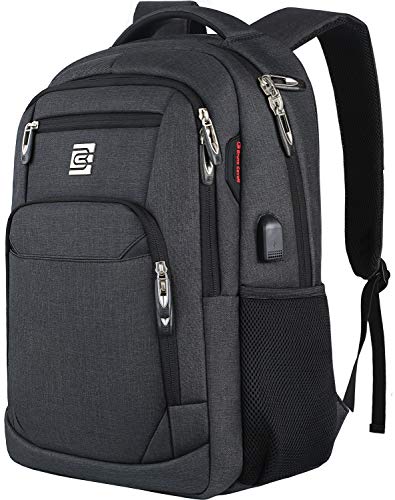
- ✓ Comfortable airflow back design
- ✓ Multiple organized compartments
- ✓ Convenient USB charging port
- ✕ Not fully waterproof
- ✕ Zippers feel flimsy
| Laptop Compartment Size | Fits laptops up to 15.6 inches |
| Material | Water-resistant polyester fabric |
| Back Support System | Multi-panel ventilated padding with airflow design |
| USB Charging Port | Built-in external USB port with internal charging cable |
| Security Features | Hidden anti-theft pocket on the back |
| Additional Features | Luggage strap for suitcase compatibility |
Unlike many backpacks that feel stiff and bulky, this one immediately caught my eye with its sleek, water-resistant polyester exterior that looks both sturdy and lightweight. The moment I picked it up, the foam-padded top handle felt surprisingly comfortable for carrying it by hand for longer stretches.
The spacious main compartment is a game-changer. It easily fits my 15.6-inch laptop, along with my iPad, chargers, and even a light jacket.
The dedicated laptop sleeve is well-padded and fits a variety of sizes, which is great if you switch between devices. Mesh side pockets are perfect for water bottles and umbrellas, keeping everything organized and within easy reach.
The back panel has a soft, ventilated padding that makes carrying for hours feel less taxing. The adjustable shoulder straps are breathable and help distribute weight evenly.
I also appreciated the luggage strap, which slides over my suitcase handle—super handy during travel.
The USB port feature is a real plus. Inside, a built-in charging cable connects to my power bank, so I can plug my phone in on the go without fumbling.
The headphone jack is another thoughtful addition, allowing hands-free music listening while walking.
On the downside, the backpack’s water resistance is decent but not waterproof in heavy rain. Also, the zipper pulls could feel a bit sturdier for long-term durability.
What Defines an Orthopedic Backpack?
An orthopedic backpack is specifically designed to promote better posture and reduce back pain, particularly in children and individuals with existing back issues.
- Ergonomic Design: Orthopedic backpacks feature an ergonomic design that supports the natural curve of the spine. This design helps distribute weight evenly across the shoulders and back, which minimizes strain and discomfort during use.
- Adjustable Straps: These backpacks include adjustable shoulder straps that can be tailored to fit the user’s body. Properly adjusted straps ensure that the backpack sits comfortably and does not pull on the shoulders, which further aids in maintaining good posture.
- Load Distribution: Many orthopedic backpacks come with a supportive frame or additional padding that helps distribute the weight of the contents more evenly. This feature is crucial for reducing pressure on the lower back, making it easier to carry heavy items over extended periods.
- Multiple Compartments: A well-designed orthopedic backpack typically has multiple compartments that allow for organized packing. By keeping heavier items close to the back and lighter items in front, users can maintain a balanced load, reducing the risk of slumping or leaning.
- Padded Back Panel: These backpacks usually feature a padded back panel that provides additional support and comfort. The padding not only adds cushioning but also helps to absorb some of the shocks and impacts of movement, further protecting the spine.
- Lightweight Materials: Orthopedic backpacks are often made from lightweight yet durable materials to prevent adding unnecessary weight. This characteristic is essential in ensuring that the backpack does not contribute to back strain, especially when fully loaded.
- Breathable Fabric: Many orthopedic backpacks use breathable fabrics to enhance comfort during use. This feature is important for preventing overheating and moisture accumulation, which can lead to discomfort, especially in warm weather.
What Key Features Should You Evaluate in an Orthopedic Backpack?
When searching for the best orthopedic backpack, it’s essential to evaluate several key features that enhance comfort and support.
- Ergonomic Design: Look for a backpack that is specifically designed to promote good posture and reduce strain on the back and shoulders. These backpacks often feature contoured shapes that align with the natural curvature of the spine, helping to distribute weight evenly.
- Adjustable Straps: Ensure the backpack has adjustable shoulder straps that can be tailored to fit the user’s body size and shape. This feature allows for a customized fit, which helps minimize pressure points and enhances comfort during use.
- Padding and Support: High-quality orthopedic backpacks typically include ample padding in the back panel and shoulder straps. This cushioning not only provides comfort but also offers additional support to the lumbar region, helping to alleviate back pain during long periods of wear.
- Weight Distribution: A good orthopedic backpack should have a design that promotes proper weight distribution, often including a hip belt or sternum strap. These features help to take the load off the shoulders and evenly distribute it across the body, reducing the risk of fatigue and injury.
- Material and Durability: The materials used in the construction of the backpack are important for both comfort and longevity. Look for breathable, lightweight fabrics that are also durable, as they will better withstand daily wear and tear while keeping the user comfortable.
- Multiple Compartments: A backpack with several compartments allows for organized storage of items, which can help distribute weight more evenly. This feature also enables easy access to essentials, reducing the need to dig through the bag and potentially straining the back.
- Ventilation: Proper ventilation is crucial for comfort, especially during prolonged use. Look for backpacks that incorporate breathable mesh panels or moisture-wicking materials to enhance airflow and keep the back cool and dry.
How Does Ergonomic Design Influence Comfort and Health?
Ergonomic design significantly influences comfort and health by promoting proper posture and reducing strain during use, especially in items like backpacks.
- Adjustable Straps: Ergonomic backpacks often feature adjustable straps that allow users to customize the fit according to their body shape and size. This adjustability helps distribute weight evenly across the shoulders and back, reducing the risk of discomfort and injury during prolonged use.
- Padded Back Panels: Many orthopedic backpacks include padded back panels designed to provide support and comfort. These panels help maintain spinal alignment and cushion the back against hard surfaces, which is essential for long periods of wear, especially when carrying heavy loads.
- Weight Distribution Systems: A well-designed orthopedic backpack uses weight distribution systems, such as load lifters and hip belts, to transfer some of the weight from the shoulders to the hips. This feature minimizes strain on the upper body and helps prevent fatigue, which is particularly beneficial for students or travelers carrying heavy books or equipment.
- Breathable Materials: Ergonomic backpacks often utilize breathable materials to enhance airflow and reduce moisture buildup. This is important for maintaining comfort, especially during physical activities, as it helps regulate temperature and keeps the user dry, preventing discomfort and potential health issues.
- Multiple Compartments: The best orthopedic backpacks are designed with multiple compartments to organize items efficiently. This organizational feature allows users to pack heavier items closer to the back, improving balance and stability, and making it easier to locate necessary items without excessive movement.
- Lightweight Construction: Many orthopedic backpacks are made from lightweight materials, which not only reduces the overall load but also encourages users to carry less weight. A lighter backpack decreases strain on the back and shoulders, contributing to better posture and overall health during daily activities.
Which Materials Provide the Best Support and Durability?
The materials that provide the best support and durability for orthopedic backpacks include:
- High-Density Foam: This material is known for its excellent shock absorption properties, making it ideal for cushioning and distributing weight evenly across the back. High-density foam retains its shape over time, offering consistent support and comfort for extended use.
- Ripstop Nylon: Ripstop nylon is a durable and lightweight fabric that resists tearing and fraying, which is essential for a backpack that needs to withstand daily wear and tear. Its water-resistant properties also help protect contents from moisture, adding to the longevity of the backpack.
- Polyester with Reinforced Stitching: Polyester is a strong, weather-resistant material that holds up well against the elements. When combined with reinforced stitching, it enhances the backpack’s overall durability, ensuring that seams do not give way under stress and the backpack maintains its integrity over time.
- Mesh Fabric: Mesh fabric is often used in areas that require breathability, such as back panels and straps. This material helps to wick away moisture and enhances airflow, providing comfort during prolonged wear while still maintaining structural support.
- Metal Frame or Support Structures: Some orthopedic backpacks incorporate a lightweight metal frame or internal support structures that help maintain the bag’s shape and distribute weight more effectively. This feature is crucial for providing additional support to the back and minimizing strain on the user.
What Benefits Can You Expect from Using an Orthopedic Backpack?
Using an orthopedic backpack can provide numerous benefits, especially for individuals who require additional support for their back and posture.
- Improved Posture: Orthopedic backpacks are designed to promote proper spinal alignment, which helps reduce slouching and encourages an upright posture. This is particularly beneficial for students and professionals who spend long hours carrying books or laptops.
- Reduced Back Pain: The ergonomic design of orthopedic backpacks redistributes weight evenly across the back and shoulders, alleviating pressure points. This can significantly reduce the risk of developing or exacerbating back pain, especially in individuals with pre-existing conditions.
- Enhanced Comfort: Many orthopedic backpacks come with padded straps and back panels, which provide additional comfort during extended wear. This padding helps to absorb shock and minimizes discomfort, making it easier to carry heavy loads without strain.
- Durability and Support: Orthopedic backpacks are often made from high-quality materials that are designed for durability and support. This ensures that the backpack can withstand daily wear and tear while maintaining its shape and functionality over time.
- Adjustable Features: These backpacks typically include adjustable straps and compartments, allowing users to customize the fit according to their body size and needs. This adjustability helps ensure that the load is balanced correctly, further enhancing comfort and support.
- Spacious Storage: Orthopedic backpacks often feature multiple compartments and pockets, providing ample storage for books, devices, and other essentials. This organization helps users pack efficiently while ensuring that the weight is distributed evenly across the backpack.
How Do Different Brands Compare in the Orthopedic Backpack Market?
| Brand | Price | Features | Warranty |
|---|---|---|---|
| Brand A | $75 – Mid-range option with good quality. | Ergonomic design, multiple compartments, water-resistant. | 2 years – Covers manufacturing defects. Up to 30 lbs. User Rating: 4.5/5 based on 200 reviews. Available Colors: Black, Blue, Grey. Material: Durable nylon. |
| Brand B | $120 – Premium quality for serious users. | Advanced lumbar support, breathable materials, adjustable straps. | 5 years – Includes wear and tear coverage. Up to 40 lbs. User Rating: 4.8/5 based on 150 reviews. Available Colors: Black, Green, Red. Material: High-grade polyester. |
| Brand C | $50 – Budget-friendly choice. | Basic support, lightweight, limited features. | 1 year – Basic coverage for defects. Up to 25 lbs. User Rating: 4.0/5 based on 100 reviews. Available Colors: Pink, Black. Material: Lightweight fabric. |
| Brand D | $95 – Competitive pricing with unique features. | Customizable fit, anti-theft pocket, reflective elements. | 3 years – Covers manufacturing defects and normal wear. Up to 35 lbs. User Rating: 4.6/5 based on 80 reviews. Available Colors: Blue, Black, Silver. Material: Water-resistant canvas. |
What Factors Should You Consider When Selecting the Best Orthopedic Backpack for Your Needs?
When selecting the best orthopedic backpack for your needs, several factors should be considered to ensure comfort, support, and functionality.
- Ergonomic Design: Look for backpacks that feature an ergonomic design to promote proper posture and reduce strain on the back. These designs often include contoured shapes and padded back panels that help distribute weight evenly across the back.
- Weight Distribution: A backpack should have adjustable straps and a hip belt to effectively distribute weight across the shoulders and hips. This feature helps to minimize the risk of back pain by shifting some of the load away from the spine.
- Padding and Support: Adequate padding in the straps and back panel is crucial for comfort during prolonged use. Supportive features such as lumbar support or a built-in frame can provide additional stability and help maintain proper spinal alignment.
- Size and Capacity: Choose a backpack that matches your storage needs without being overly large. A well-sized backpack allows you to carry essentials without overloading, which can lead to discomfort and strain.
- Material and Durability: The materials used in the backpack should be durable and weather-resistant to withstand daily use. High-quality fabrics can enhance longevity and protect contents from the elements, ensuring that the backpack remains functional over time.
- Organization and Compartments: Look for backpacks with multiple compartments and pockets for better organization of your items. This feature allows for easy access to essentials and helps keep the backpack balanced and manageable.
- Adjustability: Adjustable straps and features allow for a customized fit, accommodating different body shapes and sizes. This adjustability is key to ensuring that the backpack is comfortable and supportive for extended wear.
- Style and Aesthetics: While functionality is paramount, consider the style and appearance of the backpack as well. A design that appeals to your personal taste can enhance your overall satisfaction and willingness to use the backpack regularly.