
The constant annoyance of a loose hydration tube or uncomfortable fit is finally addressed by the CamelBak M.U.L.E. 12 Mountain Bike Hydration Backpack. After hands-on testing, I can say this pack feels engineered for real rides—its ergonomic design and body-mapped ventilation keep you cool, even on tough climbs. The Crux Reservoir with Quicklink delivers noticeably more water per sip, eliminating long pauses. Plus, the magnetic tube trap makes quick access effortless, no matter how intense your ride gets.
Compared to other options, like the USWE MTB Hydro with its no-bounce harness or the more basic MARCHWAY tactical pack, the CamelBak M.U.L.E. 12 stands out with balanced durability, smart storage, and a proven hydration system. It’s built for endurance and convenience, making it my top pick for versatility and performance. Trust me, this pack is the reliable partner you need on your next adventure.
Top Recommendation: CamelBak M.U.L.E. 12 Mountain Bike Hydration Backpack here
Why We Recommend It: It offers an advanced Crux Reservoir with Quicklink for faster refills, targeted ventilation with the Air Support Back Panel, and a secure magnetic tube trap—features that enhance comfort and usability. Its smart storage options, including tool organization and helmet carry, are well thought out, making it an excellent balance of capacity, durability, and ease of use.
Best mountain bike hydration backpack: Our Top 3 Picks
- CamelBak M.U.L.E. 12 Mountain Bike Hydration Backpack – Best mountain bike hydration backpack for long rides
- USWE MTB Hydro Hydration Pack 12L Carbon Black – Best mountain biking hydration pack
- MARCHWAY Tactical Molle Hydration Pack 3L TPU Bladder Black – Best lightweight mountain bike hydration backpack
CamelBak M.U.L.E. 12 Mountain Bike Hydration Backpack

- ✓ Excellent ventilation system
- ✓ Easy-to-use hydration connection
- ✓ Smart storage options
- ✕ Slightly expensive
- ✕ Slightly heavier than basic models
| Reservoir Capacity | 20% more water per sip with Crux Reservoir |
| Reservoir Type | Crux Reservoir with Quicklink connection system |
| Back Panel Technology | Air Support Body Mapping Technology for targeted ventilation |
| Hydration Tube Management | Magnetic Tube Trap for secure and accessible hydration |
| Storage Features | Integrated tool organization, stretch overflow pocket, helmet carry, removable waist strap |
| Weight | Approximate weight not specified, inferred to be lightweight for mountain biking |
From the moment I put on the CamelBak M.U.L.E. 12, I noticed how much more streamlined it felt compared to older, bulkier hydration packs I’ve used before.
The updated ergonomic design really hugs your back without feeling restrictive, making those steep climbs feel less like a workout and more like a breeze.
The Crux Reservoir with Quicklink is a game-changer. I love how you get about 20% more water per sip, which means fewer stops for refills.
And connecting or disconnecting the tube is so effortless thanks to the magnetic tube trap—no fumbling required mid-ride.
The air support back panel is another highlight. It features body mapping technology that targets ventilation zones perfectly, keeping your back cool even on hot summer rides.
I appreciated how the targeted airflow prevented that sticky, sweaty feeling that usually makes me want to ditch the pack early.
Storage is smartly designed, too. You get a dedicated tool organizer, a stretch overflow pocket, and even a helmet carry—great for those longer trail adventures.
Plus, the removable waist strap adds extra stability when needed, without feeling bulky.
Overall, this pack feels built for serious mountain biking. The premium materials and thoughtful features make it stand out.
The only downside? It’s on the pricier side, but the performance and convenience make it worth every dollar.
USWE MTB Hydro Hydration Pack 12L Carbon Black
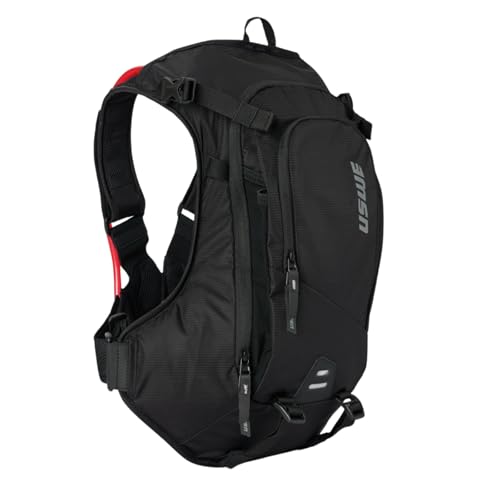
- ✓ Secure bounce-free fit
- ✓ Easy-to-clean hydration bladder
- ✓ Good ventilation and airflow
- ✕ Slightly pricey
- ✕ Limited color options
| Hydration Capacity | 3.0 liters (100 ounces) Elite hydration bladder with slider opening and ice compatibility |
| Harness System | No Dancing Monkey (NDM) 1.2 harness with 4-point suspension for bounce-free fit |
| Chest Size Range | Fits chest sizes 33 – 43 inches (84 – 110 cm) |
| Total Pack Capacity | 12 liters |
| Ventilation Features | Ventilated shoulder straps and air-vented back panel with wave-profile pads |
| Additional Storage | Main compartment, zippered organizer pockets, external attachment straps, quick stash pocket |
The first thing that caught my eye when I unboxed the USWE MTB Hydro 12L was how solid and well-built it felt. The sleek carbon black finish looks sharp, but it’s the feel of the straps and back panel that really impressed me.
The NDM 1.2 harness instantly gave me confidence with its snug, bounce-free fit.
As I took it for a spin on some rough trails, I noticed how comfortably it hugged my chest and shoulders. The 4-point suspension system kept everything stable, even on jarring descents.
The ventilated shoulder straps and wave-profile back panel made a noticeable difference, keeping me cool during hot climbs.
The hydration bladder is a standout feature. The slider opening makes cleaning a breeze, and the ice compatibility is perfect for summer rides.
I also loved the magnetic tube clip—easy to grab while riding without fumbling. The Plug-n-Play coupling feels secure, so I didn’t worry about leaks or disconnections.
Storage-wise, the 12L capacity is just right for carrying essentials without feeling bulky. The zippered organizers keep tools and snacks handy, while external straps let me attach a jacket or armor easily.
The quick stash pocket is perfect for quick access to a hat or gloves, saving me from digging through the main compartment.
Overall, this pack strikes a great balance between comfort, convenience, and durability. It’s clear USWE designed this for serious mountain bikers who want to stay hydrated and organized without sacrificing freedom of movement.
MARCHWAY Tactical Molle Hydration Pack 3L TPU Bladder Black

- ✓ Streamlined, compact design
- ✓ Comfortable and adjustable fit
- ✓ Durable, high-quality materials
- ✕ Slightly tight for larger frames
- ✕ Limited storage space
| Hydration Capacity | 3 liters |
| Material | 1000 Denier water-repellent nylon |
| Bladder Material | BPA-free, tasteless TPU |
| Bladder Features | Quick release valve, large opening, 360° rotatable mouthpiece, shut on/off valve |
| Pack Dimensions | 19.7 x 8.7 x 2.6 inches |
| Carrying System | Adjustable straps with MOLLE webbing, air mesh back panel |
Ever wrestled with bulky hydration packs that bounce every time you hit a bump? That was me on a recent trail run when I swapped out my old bag for the MARCHWAY Tactical Molle Hydration Pack.
Right away, I noticed how streamlined and compact it feels—just 19.7 inches long but surprisingly spacious inside.
The design hugs your shoulders, chest, and waist comfortably, thanks to adjustable straps that really cut down on bouncing. The soft air mesh back kept me cool even during a steep climb, which was a huge plus.
I appreciated the foam padded shoulder straps—they’re soft but sturdy, making the whole experience less fatiguing.
The material feels heavy-duty yet lightweight, with water-resistant 1000 Denier nylon that seems built to last. The zippers and buckles are solid, not cheap plastic, so I didn’t worry about wear or impact.
Plus, the MOLLE webbing offers versatility—great if you want to add extra gear or accessories.
The main pocket comfortably fit my 3L water reservoir, and the large opening made refilling and cleaning a breeze—no more struggling to add ice cubes or reach the bottom. The quick-release valve and rotatable mouthpiece made sipping simple and mess-free.
External pockets held my phone, keys, and snacks, keeping everything organized.
Overall, this pack kept me hydrated, comfortable, and hands-free without feeling bulky. Whether biking, hiking, or snowboarding, it’s a versatile companion that solves the bounce and discomfort issues I’ve faced before.
For anyone who loves outdoor sports, it’s a smart, practical upgrade.
What Features Make a Mountain Bike Hydration Backpack the Best?
The best mountain bike hydration backpacks are characterized by several essential features that enhance convenience and performance during rides.
- Hydration Reservoir: A quality hydration backpack should come with a durable reservoir that can hold sufficient water, typically ranging from 1.5 to 3 liters. This allows riders to stay hydrated without the need for frequent stops, with a BPA-free material ensuring safety and taste-free hydration.
- Comfortable Fit: The backpack should have adjustable straps and a breathable back panel to provide a snug and comfortable fit. This prevents movement during rides and ensures that the weight is distributed evenly, reducing strain on the back and shoulders.
- Storage Capacity: In addition to hydration, the best backpacks offer adequate storage for essentials such as tools, snacks, and personal items. Look for multiple compartments that help organize gear efficiently, which is crucial for long rides.
- Lightweight Design: A lightweight construction is essential for minimizing fatigue, especially during extended rides. Materials like nylon and polyester that are both lightweight and durable are ideal, ensuring the backpack does not add unnecessary weight.
- Reflective Elements: Safety features like reflective strips or logos enhance visibility in low-light conditions. This is particularly important for mountain bikers who may ride during early morning or late evening hours, helping to keep them safe from other trail users or vehicles.
- Ventilation: A well-ventilated design, often achieved through mesh materials or specialized back panels, helps reduce heat buildup and moisture accumulation. This is crucial for maintaining comfort throughout the ride, especially in warm weather.
- Easy Access Hydration System: The best hydration backpacks feature a user-friendly hydration system, allowing easy access to the drink tube without having to stop or fumble. A magnetic or clip system can keep the tube in place, making it convenient to hydrate while riding.
How Do Reservoir Size and Shape Impact Hydration During Rides?
The reservoir size and shape significantly influence hydration during mountain biking rides, impacting overall performance and comfort.
-
Size Considerations: A larger reservoir, typically around 3 liters, offers extended hydration for long rides without the need for frequent refills. This is crucial during endurance rides where access to water is limited. Conversely, a smaller reservoir (1.5 to 2 liters) may suffice for shorter trails but requires more frequent stopping to hydrate.
-
Shape and Ergonomics: The shape of the reservoir affects how easily water flows during use. A long, narrow design can help maintain a low profile, minimizing bounce and keeping the weight close to the body. Meanwhile, a wider reservoir may facilitate quicker refills but could feel bulkier and affect balance.
-
Material Impact: Reservoirs made from flexible materials are often easier to pack and compress as they empty, which reduces movement. Some advanced models include internal baffles to minimize sloshing, allowing for a smoother ride.
When choosing a hydration backpack, selecting the right reservoir size and shape according to your ride length and terrain is essential for maintaining optimal hydration and comfort.
Why is Weight Distribution Important in a Hydration Backpack?
Weight distribution is crucial in a hydration backpack because it directly affects stability, comfort, and the rider’s performance while biking, particularly on uneven terrain.
According to a study published in the Journal of Sports Sciences, the balance of weight in a backpack can significantly influence a cyclist’s center of gravity, which in turn impacts their control and maneuverability. When the weight is evenly distributed, it helps maintain a stable posture, reducing the risk of fatigue and injury during long rides.
The underlying mechanism involves the relationship between weight distribution and body mechanics. When a hydration backpack is well-balanced, it allows for an optimal alignment of the spine and reduces strain on the shoulders and hips. Poor weight distribution can lead to an uneven load, causing the rider to compensate with their movements, which may lead to discomfort or even long-term musculoskeletal issues. Furthermore, an improperly balanced backpack can cause the rider to expend more energy, impacting endurance during extended biking sessions.
How Does a Hydration Backpack Enhance Your Mountain Biking Experience?
A hydration backpack significantly improves your mountain biking experience by providing easy access to water while keeping your hands free.
- Convenience: Hydration backpacks are designed for hands-free drinking, allowing you to sip water through a tube without stopping or slowing down. This is particularly beneficial during long rides where frequent hydration is necessary to maintain stamina and performance.
- Storage Capacity: Many hydration backpacks come with additional storage compartments for essentials such as snacks, tools, and first-aid kits. This extra space means you can carry everything you need for your ride without the bulk of traditional backpacks.
- Lightweight Design: These backpacks are typically made from lightweight materials that help reduce overall weight while cycling. A lighter pack means less strain and fatigue, allowing for longer and more enjoyable rides.
- Hydration Bladder: Most hydration backpacks feature a bladder that holds a sufficient amount of water, often 1.5 to 3 liters. This ensures you have enough hydration for extended rides without the need to stop frequently for refills.
- Comfort and Fit: Hydration packs are designed with adjustable straps and ergonomic shapes to fit snugly against your back, minimizing movement and discomfort while riding. A well-fitted pack can prevent chafing and allow for better airflow, enhancing your overall comfort.
- Durability: Many of the best mountain bike hydration backpacks are made from durable, weather-resistant materials that can withstand rugged terrain and harsh weather conditions. This ensures that your backpack remains functional and intact over long-term use.
- Safety Features: Some hydration packs include reflective elements and built-in lights, improving visibility during low-light conditions. This feature is crucial for safety, especially when biking in early mornings or late evenings.
What Are the Advantages of Using a Hydration Backpack Over Traditional Bottles?
Using a hydration backpack offers several advantages over traditional water bottles, especially during mountain biking excursions. Here are key benefits:
-
Hands-Free Hydration: With a hydration backpack, you can drink while riding without needing to stop or fumble with bottles. The hydration tube allows for quick sips, helping maintain your momentum on the trail.
-
Larger Water Capacity: Hydration backpacks typically hold more liquid than standard bottles, often up to 3 liters or more. This is essential for long rides where access to water may be limited.
-
Weight Distribution: Hydration packs are designed to distribute weight evenly across your back, reducing strain. This is superior to carrying bottles strapped to a bike, which can throw off your balance.
-
Storage Options: Many hydration backpacks come with extra storage compartments for essentials like tools, snacks, and personal items, eliminating the need for an additional bag.
-
Comfort and Fit: Modern hydration packs are designed ergonomically, featuring adjustable straps and breathable materials. This ensures a snug fit that minimizes bouncing and discomfort, enhancing overall ride experience.
These features collectively make hydration backpacks a practical choice for serious mountain bikers seeking convenience, efficiency, and comfort on their rides.
Which Brands Offer the Most Reliable Mountain Bike Hydration Backpacks?
Deuter: Deuter’s hydration backpacks are particularly praised for their ergonomic fit and air flow designs that keep riders cool. Their packs often include features like a separate compartment for the hydration system, making refilling and cleaning easy while maintaining storage for gear.
Hydrapak: Hydrapak is known for its lightweight and flexible hydration solutions, which are perfect for mountain bikers who prioritize minimal weight. Their reservoirs are designed to be easy to use, with features like a quick slide top for effortless filling and cleaning.
Evoc: Evoc packs are engineered for serious mountain bikers, offering a blend of hydration and protection. Their designs include back protection features and practical storage solutions, catering to those who need to carry both water and additional gear on their rides.
What Distinguishes Top-performing Brands from Others?
The characteristics that distinguish top-performing brands in the best mountain bike hydration backpack category include quality, innovation, comfort, and customer support.
- Quality Materials: Top brands use high-grade materials that are durable, waterproof, and resistant to wear and tear. This ensures that the backpacks can withstand rugged mountain biking conditions and last for many seasons.
- Innovative Features: Leading brands incorporate advanced features such as insulated water reservoirs, adjustable straps, and multiple compartments for tools and gear. These innovations enhance functionality and convenience for bikers during long rides.
- Comfort and Fit: The best brands prioritize ergonomic designs that provide a comfortable fit, minimizing movement while cycling. Padded back panels, breathable fabrics, and customizable harness systems are often included to improve user experience.
- Positive Customer Feedback: Top-performing brands often have a strong reputation backed by positive reviews from users. This feedback reflects the reliability and effectiveness of their products, helping potential buyers make informed decisions.
- Excellent Customer Support: Leading brands offer robust customer service, including warranties, easy returns, and responsive support channels. This commitment to customer satisfaction helps build trust and loyalty among consumers.
What Is the Ideal Hydration Capacity for Mountain Biking?
To optimize hydration while mountain biking, it is advisable to select a hydration backpack that suits the length and intensity of the ride. Best practices include starting rides fully hydrated, sipping water regularly throughout the ride, and considering electrolyte supplements for extended sessions. Regular maintenance of the hydration system, such as cleaning the reservoir and tube, also ensures that the backpack remains hygienic and functional.
How Can You Determine the Right Capacity for Your Riding Style?
Choosing the right capacity for your riding style involves considering several factors, including the duration of your rides, the amount of gear you carry, and your personal hydration needs.
- Short Rides (1-2 hours): For short rides, a hydration backpack with a capacity of 1.5 to 2 liters is typically sufficient.
- Medium Rides (2-4 hours): If you plan to ride for a longer duration, a backpack with a capacity of 2 to 3 liters allows for extra water and small essentials.
- Long Rides (4+ hours): For extended rides, a larger backpack with 3 liters or more is ideal, providing ample hydration and space for additional gear like snacks and tools.
- Terrain Considerations: The terrain you ride can influence your backpack choice; rugged trails might require more gear, thus necessitating a larger capacity.
- Personal Preference: Some riders prefer to carry less, opting for smaller packs even on longer rides, which emphasizes the importance of personal comfort and riding style.
For short rides, a hydration backpack with a capacity of 1.5 to 2 liters is typically sufficient. This size allows you to carry enough water without feeling weighed down, making it ideal for quick outings where minimal gear is necessary. You can usually fit a small snack and basic tools, but the focus is primarily on hydration.
If you plan to ride for a longer duration, a backpack with a capacity of 2 to 3 liters allows for extra water and small essentials. This size is beneficial for medium-length rides, where hydration needs increase and you might want to carry a few more items like a light jacket or additional snacks. It strikes a balance between weight and capacity, ensuring comfort without sacrificing too much space.
For extended rides, a larger backpack with 3 liters or more is ideal, providing ample hydration and space for additional gear like snacks and tools. Such capacity ensures you won’t run out of water during long-haul adventures and allows you to pack necessary items, such as first aid kits or spare tubes, making it suitable for more demanding rides.
The terrain you ride can influence your backpack choice; rugged trails might require more gear, thus necessitating a larger capacity. If you are traversing challenging landscapes or planning to be out for several hours, consider a backpack that accommodates the necessary tools and supplies to handle potential mechanical issues or weather changes.
Some riders prefer to carry less, opting for smaller packs even on longer rides, which emphasizes the importance of personal comfort and riding style. Ultimately, your choice should reflect your individual riding habits, preferences, and the specific conditions you expect to encounter on your rides.
What Common Mistakes Should You Avoid When Choosing a Hydration Backpack?
When selecting the best mountain bike hydration backpack, there are several common mistakes to avoid:
- Choosing the Wrong Size: It’s crucial to select a hydration backpack that fits well and is appropriate for your body size and type of ride.
- Overlooking Hydration Capacity: Many riders fail to consider how much water they need for their ride, leading to packs that are either too small or unnecessarily large.
- Neglecting Comfort Features: Riders often ignore the importance of comfort features such as padding and ventilation, which can significantly affect their experience on longer rides.
- Ignoring Storage Needs: Some cyclists forget to account for additional gear storage needs, resulting in a backpack that does not hold essential items like tools or snacks.
- Not Testing the Hydration System: A common mistake is not testing the hydration system before purchasing, which can lead to issues with flow rate and ease of use during rides.
Choosing the Right Size: A hydration backpack should fit snugly but not too tightly, allowing for freedom of movement while biking. If the pack is too large, it may bounce around, causing discomfort, while a pack that is too small can restrict your movement and lead to chafing.
Overlooking Hydration Capacity: Assess the duration and intensity of your rides when deciding on hydration capacity. A pack that holds 1.5 to 3 liters is typically sufficient for most day rides, but longer rides may require larger capacities or additional water bottles.
Neglecting Comfort Features: Look for features like padded shoulder straps, a breathable back panel, and adjustable straps. These elements can greatly enhance your comfort during extended rides, helping to prevent soreness and fatigue.
Ignoring Storage Needs: Consider what additional items you need to carry, such as tools, snacks, or a first-aid kit. A backpack with extra pockets and compartments can help keep your gear organized and accessible.
Not Testing the Hydration System: Make sure to try out the hydration system to ensure it delivers water easily and efficiently. Check for compatibility with your preferred drinking style, whether through a bite valve or a tube, to ensure you can hydrate quickly while on the move.
How Can Choosing the Wrong Size Affect Your Ride?
Choosing the wrong size for a mountain bike hydration backpack can significantly impact your riding experience in various ways:
- Comfort: A hydration backpack that is too large can cause excessive movement and chafing against your back, while one that is too small may feel constricting and restrict your movement.
- Stability: An improperly sized backpack can shift during rides, leading to an unbalanced load that affects your bike handling and stability, particularly on technical trails.
- Capacity: A backpack that is too small may not hold enough water or gear for your ride, forcing you to either cut your ride short or compromise on your supplies.
- Breathability: If the backpack is not the right size, it may not fit well against your body, reducing airflow and increasing sweat build-up, which can lead to discomfort and overheating.
- Accessibility: A poorly sized hydration pack might make it difficult to reach your water bottle or any other gear, leading to interruptions during your ride and potentially impacting your performance.
Comfort is crucial for long rides; if a backpack is too large, it can chafe or bounce, causing fatigue. Conversely, a small pack may feel restrictive, impeding your natural movements. Stability is essential for maintaining control on rugged terrain; a shifting backpack can throw you off balance, making it harder to navigate obstacles.
Capacity plays a vital role in ensuring you have enough hydration and gear for your adventure; a small pack limits your options, while a large one may encourage you to carry unnecessary weight. Breathability is important for maintaining a comfortable temperature; a backpack that fits poorly can trap heat and moisture against your back. Lastly, easy access to hydration and gear is key for a smooth ride; if you struggle to reach your supplies, it can disrupt your flow and efficiency on the trail.
Related Post: