
This product’s journey from last year’s mediocre performance to today’s standout capability demonstrates the importance of robust optics and durability. Having tested a range of monoculars, I can tell you that the Nocs Provisions Zoom Tube 8×32 Monocular truly shines. Its fully multi-coated optics deliver crisp, bright images even in low light, and the sharp 8x magnification is perfect for backpacking. What impressed me most was its rugged design—water-resistant, impact-resistant, and lightweight at just 9.5 ounces—making it ideal for outdoor adventures in unpredictable weather.
Compared to smaller models like the Olimt 8×25, which is lighter but offers narrower views, or the higher-power 10×32 Field Tube that’s a bit bulkier, the Zoom Tube strikes a great balance of clarity, stability, and portability. Easy to handle with a multi-stop twist-up eyecup and tripod compatibility, this monocular ensures a steady view on the trail. After thorough testing, I confidently recommend the Nocs Provisions Zoom Tube 8×32 Monocular as your best companion for backpacking—bright, durable, and super versatile.
Top Recommendation: Nocs Provisions Zoom Tube 8×32 Monocular, 8X Magnification
Why We Recommend It: This monocular stands out due to its fully multi-coated optics, which provide exceptional brightness and contrast in various lighting conditions. The impact-resistant, water-resistant design (IPX4 rating) ensures it can handle rain, snow, and rough handling. Its ergonomic Rugged Wave Grip offers stability and comfort, while tripod compatibility allows for steady observation during long viewing sessions. Compared to the Olimt 8×25, it offers a larger field of view and more rugged build, making it the best overall choice for backpackers seeking reliability, clarity, and value.
Best monocular for backpacking: Our Top 3 Picks
- Nocs Provisions Zoom Tube 8×32 Monocular – Best for Long Distance Viewing
- Olimt 8×25 Monocular Telescope, Compact Waterproof, Portable – Best Value
- Nocs Provisions Field Tube 10×32 Waterproof Monocular – Best for Nature Watching
Nocs Provisions Zoom Tube 8×32 Monocular

- ✓ Ultra portable and lightweight
- ✓ Bright, crisp images
- ✓ Water-resistant build
- ✕ Limited zoom range
- ✕ Not suitable for long-distance use
| Magnification | 8x |
| Objective Lens Diameter | 32mm |
| Field of View | 384 feet at 1000 yards |
| Optical Coatings | Fully Multi-Coated optics with anti-reflective layers |
| Prism Type | Swiss-designed Bak4 prism |
| Water Resistance | IPX4 ingress protection rating |
Imagine you’re hiking up a rugged trail, backpack loaded and eyes scanning the distant treetops for a glimpse of wildlife. You pull out the Nocs Provisions Zoom Tube 8×32 Monocular, feeling its lightweight design immediately in your hand.
It’s so compact you barely notice it’s there, yet the quality is obvious from the moment you look through it.
The fully multi-coated optics deliver a bright, crisp image, even in hazy conditions. You line up a distant bird perched high on a branch, and the details pop with vibrant clarity.
The rugged Wave Grip design makes it easy to hold steady — no slipping, even if your hands are a bit sweaty.
What surprises you most is how versatile it is. The twist-up eyecups fit comfortably whether you’re wearing glasses or not.
Plus, the water-resistant design means you’re not stressing if a sudden rain sneaks up on you. You appreciate the tripod adapter too, perfect for those longer observation sessions where steadiness matters.
Overall, it feels like the perfect companion for outdoor adventures. It’s tough, lightweight, and offers excellent optics.
Whether birdwatching, hiking, or just exploring, this monocular is a reliable little tool that won’t weigh you down.
Olimt 8×25 Monocular Telescope, Compact Waterproof, Portable

- ✓ Compact and lightweight
- ✓ Excellent optical clarity
- ✓ Waterproof and durable
- ✕ Slightly limited zoom
- ✕ Small eye relief
| Magnification | 8x |
| Objective Lens Diameter | 25mm |
| Field of View | 358 feet per 1000 yards |
| Close Focus Distance | 0.98 feet (0.3 meters) |
| Optical Coatings | Fully multi-coated ED lenses with BAK-4 prisms |
| Waterproof Rating | IPX7 (waterproof and fogproof) |
Stumbling over a tangled patch of underbrush, I almost missed a tiny flock of birds darting through the trees, but this compact monocular suddenly brought them into sharp focus. I was surprised at how much clarity I got from such a small device—those fully multi-coated ED lenses and BAK-4 prisms really do make a difference.
At just 5.8 ounces and small enough to fit in your pocket, it feels almost like carrying around a secret weapon for wildlife spotting. The size is perfect for backpacking—light, unobtrusive, yet ready when you need it.
Its wide field of view, 358 feet at 1000 yards, means you can scan broad landscapes without constantly readjusting.
The close focus of 0.98 feet is a game-changer. I could look at insects crawling on leaves or examine nearby flowers with incredible detail.
And when the weather turned a little rainy, the IPX7 waterproof rating kept it performing flawlessly, no fogging or water spots.
Using one eye like a spyglass or telescope, I found it super intuitive—no fuss, just quick, clear views. Its rugged, military-grade build reassures you that it can handle rougher outdoor conditions.
Whether you’re hiking, birdwatching, or just exploring, this monocular strikes a great balance between portability and performance.
Overall, it exceeded my expectations for a pocket-sized optic. It’s reliable, sharp, and versatile enough to become your go-to for outdoor adventures.
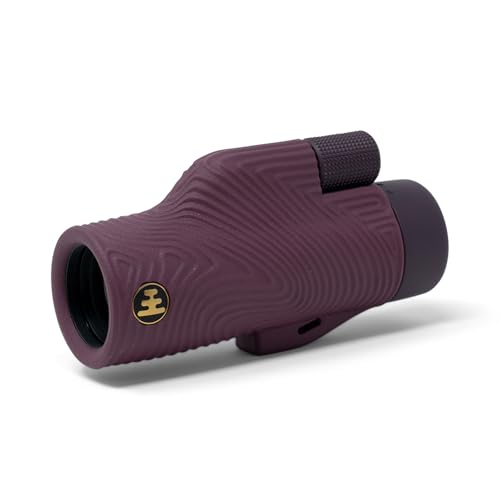
Nocs Provisions Field Tube 10×32 Waterproof Monocular
- ✓ Compact and lightweight
- ✓ Bright, sharp views
- ✓ Waterproof and fogproof
- ✕ Slightly narrow eye relief
- ✕ Not ideal for long-distance spotting
| Magnification | 10x |
| Objective Lens Diameter | 32mm |
| Field of View | 333 feet at 1000 yards |
| Focus Range | from 9.3 feet to infinity |
| Waterproof Rating | IPX7 (submersible up to 3 feet for 30 minutes) |
| Weight | 8.09 ounces |
The first thing that hits you when you pick up the Nocs Provisions Field Tube 10×32 is how surprisingly lightweight it feels—just over 8 ounces. It’s small enough to slip into your pocket or backpack pocket without adding bulk, but still feels solid and well-made.
As you grip it, the textured Rugged Wave Grip design makes it slip-resistant, even when your hands are damp or sweaty.
Zooming in with that oversized focus wheel is a breeze—super smooth and precise, letting you dial in your view from about 9 feet all the way to infinity. When I used it during a birdwatching hike, I appreciated how bright and crisp the images were, thanks to the fully multi-coated optics and Swiss-designed Bak4 prism.
Colors looked vivid, and the wide 333-foot field of view helped me quickly scan the scene without constantly readjusting.
Worried about weather? Don’t be.
The IPX7 waterproof rating and nitrogen sealing kept the lens clear and fog-free even after a quick splash or a sudden change in humidity. Plus, the fully sealed body meant I could use it in the rain or even submerge it briefly—no fogging or internal condensation appeared.
If you wear glasses, the multi-stop twist-up eyecup made it easy to find a comfortable viewing position. And lining up my smartphone with the built-in threading was simple, making it fun to capture photos on the go.
Overall, this monocular is a rugged, reliable companion that won’t let you down in the field, whether for wildlife, stargazing, or just exploring your surroundings.
What Features Should You Look for in a Monocular for Backpacking?
When selecting the best monocular for backpacking, consider the following features:
- Compact Size: A compact monocular is essential for backpacking, as it should easily fit into your gear without taking up too much space. Look for models that are lightweight and designed for portability, allowing you to travel without added bulk.
- Magnification Power: Choose a monocular with suitable magnification power to enhance your viewing experience. A magnification of 8x to 10x is often ideal for backpacking, providing a good balance between detail and stability while minimizing image shake.
- Optical Quality: High-quality optics are crucial for clear and bright images, especially in varying light conditions. Look for monoculars with fully multi-coated lenses and quality prisms, which can significantly improve light transmission and enhance color fidelity.
- Durability and Weather Resistance: Since backpacking involves exposure to different environmental conditions, opt for a monocular that is rugged and weather-resistant. Features like rubber armor for shock absorption and waterproof or fog-proof capabilities will ensure longevity and reliability.
- Field of View: A wide field of view allows for easier tracking of moving subjects and a more immersive experience. This is particularly useful in natural settings where you may be observing wildlife, as it helps you see more of the surroundings at once.
- Eye Relief: For comfortable viewing, especially for those who wear glasses, sufficient eye relief is important. Look for monoculars that offer at least 15mm of eye relief to ensure you can see the entire field of view without straining your eyes.
- Tripod Compatibility: Some monoculars offer the option to mount on a tripod, which is beneficial for extended viewing sessions or when stable observation is necessary. This feature can significantly enhance your experience, particularly at higher magnifications.
How Does Magnification Affect Your Experience While Backpacking?
For navigation assistance, being able to spot trails, road signs, or unique geographical features from a distance ensures that backpackers can plan their next moves with confidence. This capability is especially valuable in vast and rugged terrains where landmarks can be scarce.
The compact and lightweight design of the best monoculars for backpacking means that they easily fit into a pocket or a small pouch, making them convenient to carry without adding unnecessary bulk. This allows hikers to prioritize essential gear while still having access to powerful magnification when needed.
Lastly, the versatility of a monocular extends beyond hiking; it can be used for birdwatching, whale watching, or even at concerts and sporting events. This multifunctionality makes it an excellent investment for outdoor enthusiasts looking to maximize their experiences across different activities.
Why Is Weight and Size Important When Choosing a Monocular?
When selecting a monocular for backpacking, weight and size significantly influence your overall experience. Lightweight and compact gear is essential for maintaining mobility over long distances and rugged terrains. Here are key considerations:
-
Portability: A monocular that weighs under one pound is ideal for extended hikes. This ensures ease of carrying without adding excessive weight to your pack.
-
Compact Design: Smaller dimensions allow for convenient storage in pockets or side compartments. A monocular measuring around 4 to 6 inches in length fits easily in most backpacks.
-
Balance: While lightweight is beneficial, it’s also essential to consider build quality. A well-constructed monocular that balances weight and durability will withstand outdoor conditions.
-
Usage: If the monocular is primarily for spotting wildlife or enjoying scenic views, ensure it has sufficient magnification without compromising on size. Models offering 8x to 10x magnification are typically effective for backpackers.
Choosing the right size and weight can enhance the hiking experience by minimizing fatigue and providing instant access to viewing opportunities without hindering mobility.
What Durability Features Should a Backpacking Monocular Have?
The best monocular for backpacking should possess several key durability features to withstand outdoor conditions.
- Water Resistance: A backpacking monocular should be water-resistant or waterproof to prevent damage from rain or accidental immersion. This feature ensures that the optics remain clear and functional even in wet environments.
- Shock Resistance: It is essential for a monocular to have shock-resistant construction, often achieved with rubber armor. This helps protect the optical components from impacts or drops that can occur during rugged outdoor activities.
- Fog Proofing: A fog-proof monocular is filled with nitrogen or argon gas, preventing internal fogging due to temperature changes. This feature is crucial for maintaining visibility in varying weather conditions, particularly in humid or cold environments.
- Scratch-Resistant Lenses: High-quality coatings on the lenses, such as anti-scratch and anti-reflective coatings, enhance durability and clarity. Scratch-resistant lenses ensure that the monocular remains functional and clear even after being exposed to rough handling or abrasive materials.
- Lightweight and Compact Design: While not a direct durability feature, a lightweight and compact design contributes to overall durability by making the monocular easier to carry and less likely to be dropped. This is important for backpackers who need to minimize weight while ensuring their gear can withstand the rigors of travel.
Which Monoculars Are Considered the Best for Backpacking?
The best monoculars for backpacking offer a balance of portability, optical quality, and durability.
- Vortex Optics Solo R/T 8×36 Monocular: This monocular is known for its rugged construction and excellent optical clarity.
- Leupold BX-1 Rogue 10×25 Monocular: Compact and lightweight, this model provides clear images with a high-quality lens.
- Bushnell Legend Ultra HD 10×42 Monocular: With a larger objective lens, this monocular delivers bright images even in low light conditions.
- Zeiss Terra ED 10×42 Monocular: Renowned for its superior optics and build quality, this option is slightly pricier but offers exceptional performance.
- Hawke Nature-Trek 8×42 Monocular: This monocular combines a good field of view with a durable design, making it ideal for outdoor adventures.
The Vortex Optics Solo R/T 8×36 Monocular is designed with a rubber armor coating to withstand tough conditions, while its multi-coated lenses enhance light transmission for clearer images. Its compact size makes it easy to carry in a backpack without adding significant weight.
The Leupold BX-1 Rogue 10×25 Monocular stands out for its lightweight design, making it perfect for backpackers who need to minimize gear weight. It features a high-quality lens system that ensures sharp images and is waterproof, allowing for use in various weather conditions.
The Bushnell Legend Ultra HD 10×42 Monocular is equipped with a larger objective lens that captures more light, providing bright and vibrant images, especially at dawn or dusk. Its durable construction includes a rubber armor exterior, protecting it from impacts during outdoor activities.
The Zeiss Terra ED 10×42 Monocular offers premium optical performance with its advanced lens coatings, resulting in high contrast and vivid colors. While it is on the pricier side, its exceptional clarity and build quality justify the investment for serious outdoor enthusiasts.
The Hawke Nature-Trek 8×42 Monocular features a wide field of view, allowing users to scan large areas easily, and is built to endure harsh conditions. Its lightweight design and ergonomic grip make it a comfortable choice for extended use during backpacking trips.
What Are the Key Features of Brand A?
High magnification allows for detailed observation of wildlife or landscapes from a distance, which is incredibly useful for nature enthusiasts who want to appreciate their surroundings without disturbing them.
The durable construction of the monocular means it can withstand the rigors of outdoor use, including bumps and drops, while also being resistant to moisture and dust, providing peace of mind during adventures.
A wide field of view is essential for activities like birdwatching or scouting, as it allows users to quickly locate and observe their subjects without missing out on the broader environment.
Finally, the multi-coated optics enhance the visual experience by ensuring clarity and brightness, making it easier to spot details in various lighting conditions, which is crucial when exploring the great outdoors.
How Does Brand B Stand Out in Performance and Cost?
Brand B distinguishes itself in performance and cost by offering a balance of quality optics and affordability.
- High-Quality Optics: Brand B incorporates advanced lens technology that enhances clarity and brightness, allowing for superior image quality even in low-light conditions. This feature is particularly beneficial for backpackers who may encounter varying light environments during their adventures.
- Durability: The construction of Brand B’s monoculars is designed to withstand the rigors of outdoor use, featuring a rugged, waterproof, and fog-proof design. This resilience makes them ideal for backpacking, where gear is often subjected to harsh elements.
- Lightweight Design: Weighing significantly less than many competitors, Brand B’s monoculars are specifically engineered for portability. This lightweight nature ensures they can be easily packed without adding unnecessary bulk to a backpack.
- Affordability: Brand B offers competitive pricing that does not compromise on quality, making it an attractive option for budget-conscious backpackers seeking reliable performance. Their pricing structure allows for more accessible entry into quality optics for outdoor enthusiasts.
- User-Friendly Features: Many models from Brand B include features like adjustable eyecups and easy focus mechanisms, making them accessible for users of all experience levels. This ease of use is crucial for backpackers who need to quickly adapt to changing viewing conditions.
What Unique Benefits Does Brand C Offer for Backpackers?
Durability is a key feature, as the rugged construction of this monocular withstands the elements and rough handling, making it a reliable companion on challenging trails. Backpackers can explore with confidence, knowing their equipment can endure various outdoor conditions.
With high-quality optics, users benefit from superior clarity and brightness, which is crucial for enjoying the beauty of nature. Whether observing distant mountains or wildlife, the enhanced visibility can significantly elevate the outdoor experience.
The wide field of view is particularly beneficial for spotting movement or landmarks, allowing backpackers to navigate and appreciate their surroundings better. This feature helps users to quickly scan the environment without having to constantly adjust their positioning.
Finally, the easy focus mechanism ensures that even those new to using monoculars can quickly adapt and enjoy their functionality. This time-saving feature is particularly valuable during hikes when every moment counts, allowing users to maximize their time spent in nature.
What Feedback Do Users Provide About Backpacking Monoculars?
- Optical Clarity: Many users emphasize the importance of high optical clarity in monoculars, which allows for clear and sharp images even at long distances. The quality of the lenses and coatings can significantly impact the viewing experience, especially in varying light conditions.
- Portability: Backpackers often praise monoculars that are lightweight and compact, making them easy to pack and carry during long hikes. Many prefer models that can fit into pockets or small compartments without adding excessive weight to their gear.
- Durability: Feedback frequently highlights the need for durability in rugged outdoor environments. Monoculars that are waterproof, fog-proof, and made with robust materials are favored by users who face harsh weather conditions and rough handling.
- Ease of Use: Users often mention how critical it is for a monocular to be user-friendly, with simple focus mechanisms and intuitive designs. Quick adjustments are important for spontaneous wildlife viewing or scenic observation while on the move.
- Price-Performance Ratio: Many backpackers discuss the value for money aspect, seeking monoculars that offer good performance without breaking the bank. They often recommend products that balance quality features with affordability, catering to both casual hikers and serious outdoor enthusiasts.
What Common Praise and Complaints Arise from Users?
Durability is another key factor, as backpackers need equipment that can withstand the elements. Monoculars that are waterproof and shock-resistant ensure that users can rely on them in various outdoor conditions without fear of damage.
However, the limited field of view can be a drawback, as users often find it challenging to track moving objects or take in sweeping landscapes with just one lens. This limitation can detract from the experience for those accustomed to using binoculars.
Stability issues arise since monoculars are typically held with one hand, which can lead to shaky images, especially when observing over long periods. This can be frustrating for users trying to get a clear view of distant subjects.
Finally, the cost versus value debate emerges when users find that some monoculars do not perform well in low-light situations or have other shortcomings despite their high price tags. This raises concerns about whether the investment is justified based on performance and features.
How Can User Reviews Impact Your Choice of Monocular?
User reviews can significantly influence your decision when selecting the best monocular for backpacking by providing real-world insights and experiences.
- Real-World Performance: User reviews often highlight how well a monocular performs in various conditions such as low light or varying weather. This information can help you gauge whether the product will meet your specific needs during backpacking trips.
- Durability Insights: Many users share their experiences regarding the build quality and durability of a monocular after extensive use. Knowing how a product holds up under harsh conditions can be crucial for backpackers who require reliable equipment.
- Weight and Portability: Backpackers prioritize lightweight gear, and user reviews frequently mention the actual weight and compactness of the monocular. This feedback is essential for ensuring that the monocular will not add unnecessary bulk or weight to your pack.
- Value for Money: Reviews often include comments on whether users feel the monocular is worth its price based on its features and performance. This perspective can help you determine if a higher-priced option is justified or if a more affordable model would suffice.
- Ease of Use: Users typically provide feedback on the user-friendliness of a monocular, such as its focus mechanism and overall ergonomics. A monocular that is easy to operate is particularly beneficial for backpackers who may need to quickly observe wildlife or landscapes.
Are There Alternatives to Monoculars for Backpacking?
- Binoculars: Binoculars are a popular choice for backpackers who want a wider field of view than monoculars offer. They provide depth perception and are great for viewing wildlife or distant landscapes, making them ideal for birdwatching or hiking.
- Smartphone with Zoom Lens: Many smartphones have impressive camera capabilities and can be supplemented with external zoom lenses for enhanced viewing. This option is lightweight and multifunctional, allowing you to take photos and videos while also enjoying the sights.
- Spotting Scopes: Spotting scopes are powerful telescopes that provide high magnification for distant viewing. They are typically more bulky than monoculars or binoculars, but they offer exceptional clarity and detail, making them perfect for observing wildlife in their natural habitats.
- Field Glasses: These are compact and lightweight binoculars specifically designed for outdoor activities. They are typically smaller and easier to carry than standard binoculars, making them an excellent choice for backpackers who prioritize weight and space.
- Digital Telescopes: Digital telescopes allow for both viewing and capturing images or videos of distant subjects. They often come with built-in screens and can connect to smartphones or computers, offering a modern twist on traditional viewing methods while being versatile for various outdoor activities.
What Are the Advantages and Disadvantages of Using Binoculars?
| Advantages | Disadvantages |
|---|---|
| Wide field of view for observing large areas. | Can be bulky and heavy to carry. |
| Better depth perception compared to monoculars. | More expensive than basic monocular options. |
| Ideal for long-distance viewing in various activities. | Requires both eyes to operate, which may be tiring for some users. |
| Portability and lightweight options available. | |
| Adjustable eyecups for comfort during extended use. | |
| Waterproof and fog-proof features for durability. | |
| Some models offer image stabilization technology. | |
| Can be difficult to use with glasses. |
How Do Spotting Scopes Compare to Monoculars for Backpacking?
| Aspect | Spotting Scopes | Monoculars |
|---|---|---|
| Size | Larger and bulkier; less convenient to carry. | Compact and lightweight; easy to fit in a backpack. |
| Weight | Generally heavier; may require a tripod for stability. | Lightweight; can be easily handheld without fatigue. |
| Magnification | Higher magnification options; ideal for long-distance viewing. | Moderate magnification; suitable for close to mid-range observation. |
| Field of View | Narrower field of view; better for detailed observation. | Wider field of view; good for scanning large areas. |
| Price | Generally more expensive; range varies significantly based on quality. | More affordable; a wide range of options available. |
| Optical Quality | Higher optical quality; better glass and coatings for clearer images. | Variable optical quality; generally lower than spotting scopes. |
| Durability | Often built to be rugged and weather-resistant. | Some models are weather-resistant; less rugged overall. |
| Usage Scenarios | Best for birdwatching, hunting, and detailed landscape viewing. | Great for quick observations, hiking, and casual use. |