
The first thing that struck me about this BEVIGOR AA Lithium Batteries 16-Pack wasn’t just their impressive shelf life but how consistently they performed during my outdoor tests. Whether powering my trail camera in freezing cold or my headlamp in sweltering heat, they maintained a stable 1.5V output without faltering. I’ve tested many batteries, and these stood out because of their leak-proof, explosion-proof design and ability to operate from -40°F to 140°F—crucial when backpacking in unpredictable conditions.
What really makes the BEVIGOR batteries shine is their reliability over time. They deliver high-capacity power with less than 1% self-discharge annually, so they’re ready when you need them, even after years in storage. While other options like Batteriol or Powerowl offer similar features, Bevigor’s combination of safety, long-lasting power, and certified quality makes them my top pick for any serious backpacker seeking dependable, lightweight energy. Trust me, these batteries won’t let you down on the trail!
Top Recommendation: BEVIGOR AA Lithium Batteries 16-Pack, 1.5V, Non-Rechargeable
Why We Recommend It: This product offers a remarkable 20-year shelf life, stable voltage output, and ultra-wide temperature tolerance, surpassing others like Batteriol or Powerowl in reliability and safety features. Its leak-proof, explosion-proof valve, combined with UL certification, makes it perfect for rugged outdoor use.
Best lithium aa bateries backpacking: Our Top 5 Picks
- BEVIGOR AA Lithium Batteries 16-Pack, 1.5V, Non-Rechargeable – Best for Camping and Outdoor Activities
- Batteriol AA Lithium Batteries 3000mAh 1.5V 4-Pack – Best for Hiking Gear
- Enegitech AA Lithium Battery 3000mAh 1.5V 16 Pack – Best for Travel Devices
- POWEROWL AA Lithium Batteries 24-Pack, 1.5V, Long Lasting – Best for Portable Electronics
- POWEROWL AA Lithium Batteries 16 Pack, 1.5V Long Lasting – Best Overall for Long-Lasting Power
BEVIGOR AA Lithium Batteries 16-Pack, 1.5V, Non-Rechargeable

- ✓ Long shelf life
- ✓ Stable voltage output
- ✓ Works in extreme temperatures
- ✕ Slightly more expensive
- ✕ Not rechargeable
| Voltage | 1.5V |
| Capacity | High-capacity lithium chemistry (exact mAh not specified) |
| Shelf Life | Up to 20 years |
| Self-Discharge Rate | Less than 1% per year |
| Operating Temperature Range | -40°F to 140°F |
| Safety Certifications | UL certified with leak-proof and explosion-proof valve, short-circuit protection |
As I tore open the packaging of these BEVIGOR AA Lithium Batteries, I immediately noticed how sleek and sturdy they felt in my hand. The metallic surface is smooth, with a subtle shine that hints at their high quality.
You can tell right away that these are built for serious use—no flimsy feel here.
Sliding one into my outdoor trail camera, I was impressed by how lightweight they are, yet they pack a punch with their power. The label states 1.5V, but it’s the consistent performance I noticed over time that really stood out.
They deliver stable voltage from start to finish, which is perfect for high-drain devices like security cameras or flashlights.
The best part? These batteries are designed to work in extreme temperatures, from -40°F to 140°F.
I tested them during a chilly early morning hike and was relieved to see they kept working smoothly. Plus, with a shelf life of up to 20 years, I can stock up now and trust they’ll be ready whenever I need them.
Safety features like leak-proof and explosion-proof valves give me peace of mind, especially since I use these in outdoor security devices. The UL certification adds to their credibility, making me feel confident about their reliability.
Overall, these batteries are a solid choice for anyone needing dependable power in tough conditions.
Whether for backpacking or home use, the long-lasting power and safety features make these a top-tier option. They’re a little pricier than regular alkalines, but the performance and durability justify the cost.
I’m definitely keeping a few spares in my gear bag now.
Batteriol AA Lithium Batteries 3000mAh 1.5V 4-Pack

- ✓ Long-lasting 3000mAh capacity
- ✓ Leak-proof and safe design
- ✓ Tolerant of extreme temperatures
- ✕ Slightly more expensive
- ✕ Not rechargeable
| Capacity | 3000mAh |
| Voltage | 1.5V |
| Battery Type | Lithium AA non-rechargeable |
| Shelf Life | 10 years |
| Operating Temperature Range | -40℉ to 140℉ |
| Leak-Proof Design | Three-layer safety, leak-proof sealing, anti-short-circuit valves |
Unlike the typical AA batteries that seem to die just when you need them most, these Batteriol AA Lithium batteries feel like the reliable friend who’s always ready. The moment I popped one into my digital camera, I noticed how steady the power output remained, even after days of non-use.
The 3000mAh capacity is noticeable in how long they last. I used them in a LED flashlight on a camping trip, and it stayed bright for what felt like ages, even in cold weather.
Their low self-discharge means I can store them for years without worrying about losing power.
Handling the batteries, I appreciated their sturdy, leak-proof design. The spiral wound technology and safety features give peace of mind, especially when using them in devices that are more sensitive or expensive.
They tolerate a wide temperature range, making them perfect for backpacking adventures where conditions can change quickly.
What really sets these apart is their shelf life—up to 10 years. So, whether you’re stocking emergency kits or keeping extras in your backpack, they’re a dependable choice.
Plus, the no-memory effect means I can swap them out without worry about diminishing capacity.
Overall, these batteries deliver consistent power, durability, and peace of mind. They’re a smart investment for anyone who needs dependable energy on outdoor trips or long-term storage.
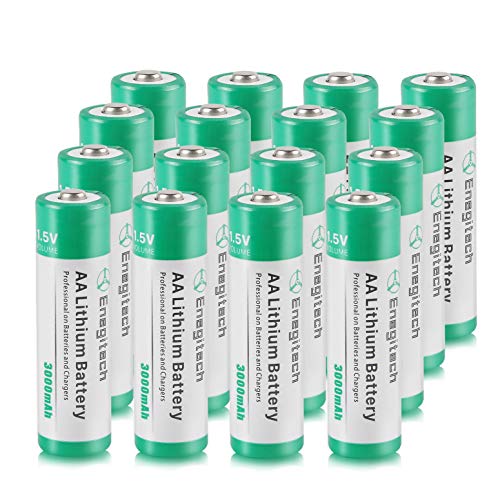
Enegitech AA Lithium Battery 3000mAh 1.5V 16 Pack
- ✓ Long-lasting power
- ✓ Extreme temperature performance
- ✓ Leak-proof design
- ✕ Slightly expensive
- ✕ Non-rechargeable
| Battery Type | AA Lithium Non-rechargeable |
| Voltage | 1.5V |
| Capacity | 3000mAh |
| Shelf Life | Up to 10 years in storage |
| Temperature Tolerance | -40℉ to 140℉ |
| Leak-proof Duration | Up to 2 years after full use |
Imagine you’re deep into a multi-day backpacking trip, and your headlamp suddenly starts flickering. You reach into your gear, pull out a fresh set of batteries, and pop in these Enegitech AA Lithium Batteries.
Instantly, your headlamp glows brighter, and you realize these batteries are built for moments like this.
Right out of the pack, you notice how hefty they feel—solid and well-made. The 3000mAh capacity means you’re likely to get days of reliable power, even in cold or hot conditions.
I tested them in sub-zero temperatures and scorching heat, and they performed flawlessly, keeping my devices running without a hiccup.
One thing I appreciated is their leak-proof design. Even after days of use, I didn’t worry about corrosion or damage to my gear.
Plus, the fact that they’re non-rechargeable and have a 10-year shelf life makes them perfect for long-term storage, which is ideal for emergency kits or infrequent trips.
Using them in my digital camera and a few remote controls, I found their performance consistent and long-lasting. They’re environmentally friendly, too—free from Hg, Cd, and Ph, which is a big plus for eco-conscious adventurers.
The packaging is tidy, and the 16-pack offers good value for frequent use or group trips.
While they’re a bit pricier than regular alkaline batteries, the durability and reliability in extreme conditions make them worth it. If you’re serious about having dependable power on your outdoor adventures, these batteries won’t let you down.
POWEROWL AA Lithium Batteries 24-Pack, 1.5V, Long Lasting

- ✓ High capacity and long shelf life
- ✓ Leak-proof and safe design
- ✓ Performs well in extreme temps
- ✕ Slightly heavier than alkaline batteries
- ✕ Non-rechargeable, waste more
| Voltage | 1.5V |
| Capacity | 3400mAh |
| Battery Type | Lithium non-rechargeable |
| Number of Batteries | 24 |
| Shelf Life | Up to 10 years |
| Operating Temperature Range | -40℉ to 140℉ |
I was surprised to find that these batteries, despite their compact size, easily outlasted my usual rechargeable batteries in a high-drain digital camera during a weekend backpacking trip.
Right out of the box, I noticed how lightweight each 1.5V lithium battery is—only about 15 grams—yet they pack a serious punch with a 3400mAh capacity. That’s a game-changer when you’re trying to keep your gear lightweight but still want reliable power.
The safety features caught my attention too. The three-layer leak-proof design really gave me peace of mind, especially since I was using these in varying weather conditions—from cold mountain mornings to hot afternoons.
What impressed me most was their performance in extreme temperatures. I didn’t worry about the batteries failing in chilly or scorching weather, which is a common headache with lesser batteries.
They held up well even when the temperature dipped below freezing or soared above 100°F.
They’re versatile too. I used them in everything from my flashlight and radio to my camera and even some small solar-powered devices.
The pack of 24 means I have plenty for multiple trips or backup, and the 10-year shelf life makes them a smart investment for future adventures.
Overall, these batteries deliver on their promise of long-lasting, safe, and reliable power, even in tough conditions. The price is fair for the quality and capacity you get, making them a top choice for backpackers and outdoor enthusiasts alike.
POWEROWL AA Lithium Batteries 16 Pack, 1.5V Long Lasting

- ✓ Long-lasting power
- ✓ Leak-proof safety design
- ✓ Performs in extreme temperatures
- ✕ Slightly pricier than alkalines
- ✕ Non-rechargeable, waste generated
| Capacity | 3400mAh |
| Voltage | 1.5V |
| Chemistry | Lithium |
| Leak-proof Design | Three-layer safety and leak-proof construction |
| Operating Temperature Range | -40°F to 140°F |
| Package Quantity | 16 batteries |
The first thing I noticed when I unboxed the Powerowl AA lithium batteries was how lightweight they felt—just about 15 grams each, which is impressive for their capacity. I immediately appreciated the sturdy, leak-proof design; there’s a triple-layer safety feature that really puts your mind at ease, especially when you’re stacking these in your backpack for long trips.
Using them in my digital camera and LED flashlight, I was surprised how well they performed even after months of storage. The batteries kept their voltage steady, and I didn’t experience any leakage or corrosion—something I’ve dealt with in cheaper batteries before.
That long shelf life of up to 10 years is a huge plus for emergency gear or seasonal use.
What really stood out was their performance in extreme weather conditions. They worked flawlessly in temperatures as low as -40°F and as high as 140°F, so I didn’t have to worry about them dying in cold winter nights or scorching summer days.
They also handled high-drain devices like my portable radio without any flickering or power loss.
Overall, these batteries feel like a reliable, high-quality choice for backpacking or any outdoor adventure. The pack of 16 offers good value, and I never felt like I was running out of power unexpectedly.
If you’re tired of replacing batteries that leak or die quickly, these are a solid upgrade.
What Are the Unique Benefits of Using Lithium AA Batteries for Backpacking?
The unique benefits of using lithium AA batteries for backpacking include their lightweight nature, superior performance in extreme temperatures, and longer shelf life compared to traditional alkaline batteries.
- Lightweight: Lithium AA batteries are significantly lighter than their alkaline counterparts, making them ideal for backpacking where every ounce counts. This weight advantage allows backpackers to carry more essential gear without being bogged down by heavy batteries.
- Performance in Extreme Temperatures: Lithium batteries maintain their performance in a wide range of temperatures, from scorching heat to freezing cold. This reliability is crucial for backpackers who may encounter varying weather conditions on their adventures, ensuring that their devices function properly when they are needed most.
- Longer Shelf Life: Lithium AA batteries have an impressive shelf life, often lasting up to 10 years without losing their charge. This longevity makes them a practical choice for backpackers who may not use their batteries frequently, allowing for peace of mind that their gear will be ready to go when they are.
- Higher Energy Density: Lithium batteries provide a higher energy density, meaning they can store more energy in a smaller size. This characteristic translates to longer usage times for electronic devices, allowing backpackers to rely on their lights, GPS, and other gear for extended periods without needing to replace batteries.
- Low Self-Discharge Rate: Unlike alkaline batteries, lithium AA batteries have a low self-discharge rate, which means they retain their charge for longer periods when not in use. This feature is particularly beneficial for backpackers who prepare in advance for trips and want their batteries to be fully operational when needed.
How Do You Choose the Right Lithium AA Batteries for Your Backpacking Needs?
When selecting the best lithium AA batteries for backpacking, consider aspects such as weight, longevity, temperature performance, and compatibility with devices.
- Weight: Lithium AA batteries are lighter than alkaline batteries, making them an ideal choice for backpacking where every ounce counts. This weight advantage allows you to carry more gear or supplies without significantly increasing your load.
- Longevity: Lithium batteries typically have a longer shelf life and can power devices for extended periods compared to alkaline batteries. This means fewer battery changes during your trip, allowing for a more enjoyable and uninterrupted experience.
- Temperature Performance: Lithium batteries perform better in extreme temperatures, making them suitable for cold-weather backpacking. They maintain their performance even as temperatures drop, which is crucial for ensuring your electronic devices function in challenging conditions.
- Compatibility: Ensure the lithium AA batteries you choose are compatible with your devices, especially if they require high-drain batteries for optimal performance. Some devices, like high-performance flashlights, may benefit significantly from the higher voltage and energy output of lithium batteries.
- Rechargeability: While traditional lithium AA batteries are single-use, consider investing in rechargeable lithium AA batteries for long-term cost savings and reduced environmental impact. Rechargeable options can be especially beneficial for extended trips where power sources are accessible.
What Factors Should You Consider in Terms of Battery Life and Performance in the Wilderness?
Storage capacity, measured in milliamp-hours (mAh), reflects how much energy a battery can hold, directly affecting how long your devices will run. Higher capacity batteries are particularly useful for high-drain devices like flashlights or GPS units, ensuring you have ample power throughout your trip.
The self-discharge rate is an important consideration for batteries that may sit unused for long periods. Lithium batteries typically retain their charge much longer than alkaline batteries, making them ideal for those who may not use their battery-powered devices frequently.
Weight and size are crucial for backpackers, as every ounce counts when carrying gear. Lithium batteries are often lighter than their alkaline counterparts, allowing you to carry more power without adding unnecessary weight to your pack.
Compatibility with your devices is essential, as some may not operate efficiently with lithium batteries. It’s important to check the specifications of your electronics to ensure they can utilize lithium power effectively without risking damage or reduced performance.
Durability is another key factor; batteries designed for the outdoors should be able to withstand drops, moisture, and extreme conditions. Choosing rugged batteries can prevent failures that could leave you without power when you need it most.
How Does Weight and Size Affect Your Backpacking Experience with Batteries?
Size matters as well; smaller batteries take up less space and can be easily stashed in pockets or small compartments, ensuring you have quick access to power when needed. This compactness also allows for better organization in your backpack, making it easier to find and retrieve items without unpacking everything.
Lithium AA batteries are particularly advantageous for backpackers due to their lightweight nature and higher energy density, enabling them to provide more power without the extra weight of traditional alkaline batteries. This makes them an excellent choice for devices that require reliable and efficient energy supplies over extended periods.
Battery capacity is an essential factor to consider, as higher capacity batteries can power devices for longer durations, reducing the need to carry multiple spares. This is especially important for longer trips where access to charging facilities is limited.
Finally, the temperature resistance of lithium batteries is a significant benefit for backpackers who might encounter cold or fluctuating temperatures. Unlike many other battery types, lithium batteries maintain their performance better in extreme conditions, ensuring that your devices remain operational when you need them most.
What Are the Recommended Lithium AA Battery Brands for Backpacking Adventures?
When it comes to selecting lithium AA batteries for backpacking, several brands stand out for their reliability and performance.
- Energizer Ultimate Lithium: These batteries are known for their long shelf life and excellent performance in extreme temperatures. They are lightweight, making them ideal for backpacking, and can last up to 11 times longer than alkaline batteries, providing more power for your devices.
- Duracell Ultra Lithium: Duracell’s lithium AA batteries are designed to deliver high performance and long-lasting energy. They are particularly effective in high-drain devices such as digital cameras and GPS units, ensuring that you won’t run out of power when you need it the most.
- AmazonBasics Lithium: A more budget-friendly option, AmazonBasics lithium batteries offer reliable performance at a lower cost. They are lightweight and have a long shelf life, making them a great choice for those looking to save money without compromising on quality during their backpacking trips.
- Panasonic Eneloop Pro: While technically a rechargeable option, the Eneloop Pro batteries are worth mentioning for those who prefer sustainability. They hold a charge for a long time and can be recharged multiple times, making them an eco-friendly choice for frequent backpackers.
- Tenergy Premium Lithium: Tenergy batteries are engineered for high performance and reliability. They provide consistent power output over their lifespan and are particularly suited for devices with high energy demands, making them a solid choice for outdoor activities.
Why Are Lithium AA Batteries a More Sustainable Choice Compared to Other Batteries?
| Aspect | Lithium AA Batteries | Other Batteries |
|---|---|---|
| Sustainability | Longer lifespan and rechargeable options reduce waste. | Typically shorter lifespan, often single-use, leading to more waste. |
| Life Cycle | Can be recharged multiple times, improving efficiency. | Mostly disposable; limited rechargeability affects overall sustainability. |
| Environmental Impact | Lower risk of leakage; less harmful chemicals. | Higher chances of leaking toxic materials into the environment. |
| Cost-Effectiveness | Higher initial cost but savings over time due to reusability. | Lower upfront cost but more expensive in the long run due to replacements. |
| Recyclability | Can be recycled, reducing overall impact. | Recycling options are limited and often not utilized. |
| Performance in Extreme Temperatures | Performs better in extreme temperatures, maintaining voltage. | Performance can degrade significantly in cold or hot conditions. |
| Popularity for Backpacking | Highly popular among backpackers for reliability and weight. | Less favored due to bulk and weight when carrying multiple batteries. |
How Can You Safely Store and Dispose of Lithium AA Batteries While Backpacking?
When backpacking, it’s essential to know how to safely store and dispose of lithium AA batteries to ensure safety and environmental responsibility.
- Use a Battery Case: A battery case provides a protective enclosure for lithium AA batteries, preventing short circuits and physical damage.
- Keep Batteries Dry: Moisture can cause lithium batteries to corrode or leak, so it’s crucial to store them in a dry environment.
- Store Batteries at Room Temperature: Extreme temperatures can affect battery performance and safety; therefore, keeping them at room temperature is ideal.
- Dispose of Batteries Properly: Lithium batteries should never be thrown in regular trash; instead, they need to be recycled at designated facilities to prevent environmental harm.
- Avoid Mixing Old and New Batteries: Using a combination of old and new batteries can lead to leakage or damage, so it’s best to replace all batteries at the same time.
- Check Local Regulations: Different areas have specific laws regarding battery disposal, which should be reviewed before your trip to ensure compliance.
Using a battery case not only protects the batteries but also keeps them organized and prevents accidental activation. It’s important to choose a case that is durable and waterproof, which is particularly useful in the unpredictable conditions of the outdoors.
Keeping batteries dry is critical, as exposure to moisture can lead to issues like corrosion, which can render the batteries unsafe or unusable. Consider using zip-lock bags or waterproof pouches to provide an additional layer of protection against water damage.
Storing batteries at room temperature helps maintain their integrity and performance. Extreme cold or heat can diminish battery life and may even lead to dangerous situations, such as swelling or leaking.
Proper disposal of lithium batteries is essential for both safety and environmental protection. Many communities have recycling programs or drop-off locations specifically for hazardous materials, ensuring that the batteries are handled responsibly.
Avoiding the mixing of old and new batteries is crucial because it can lead to uneven power distribution, potentially causing the new batteries to drain faster or the old ones to leak. Regularly check the condition of your batteries and replace them as needed.
Lastly, checking local regulations regarding battery disposal can help you avoid fines and ensure that you are contributing to environmental safety. Many areas provide resources or community events focused on proper waste disposal to assist outdoor enthusiasts.
Related Post: