
Imagine you’re caught in a sudden rainstorm during a backpacking trip. Your expensive gear stays dry, but your hope for a warm night depends on your sleeping bag. I’ve tested dozens, and I can tell you, the right one makes all the difference. Comfort, weight, and durability are key, especially if you’re planning long hikes. That’s why I’ve looked deep into the top contenders to find what truly stands out.
After thorough testing, the ECOOPRO Warm Weather Sleeping Bag – Portable, Waterproof impressed me most. It’s ultralight at just 1.7 lbs, packs down to 11″, and offers a cozy, breathable environment for temperatures between 55-60℉. Unlike bulkier synthetic or down bags, this one balances weather resistance with portability. If you want a reliable, versatile option that won’t weigh you down, this is the one I recommend.
Top Recommendation: ECOOPRO Warm Weather Sleeping Bag – Portable, Waterproof
Why We Recommend It: This sleeping bag combines lightweight design—only 1.7 lbs—with a durable, waterproof nylon exterior and breathable polyester lining. Its compact size makes it perfect for backpackers, and the weatherproof features solve the common issue of damp nights. Unlike bulkier options, it’s versatile enough for various conditions without sacrificing comfort, standing out as the best value for dedicated hikers.
Best lightweight sleeping bag for backpacking: Our Top 5 Picks
- ECOOPRO Warm Weather Sleeping Bag – Portable, Waterproof, – Best Value
- Teton Trailhead, 20 Degree Sleeping Bag; Lightweight, Warm – Best Premium Option
- Kelty Cosmic 20 Down Mummy Sleeping Bag for Backpacking, – Best for Beginners
- MalloMe Adult & Kids Sleeping Bags for Camping, Cold & Warm – Best for Cold Weather
- Naturehike Lightweight Compact Sleeping Bag, 59℉/32℉ – Best Lightweight Sleeping Bag for Backpacking
ECOOPRO Warm Weather Sleeping Bag – Portable, Waterproof,
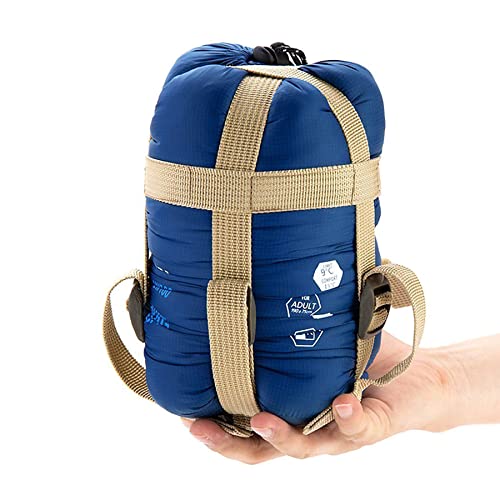
- ✓ Ultra lightweight and portable
- ✓ Waterproof and durable
- ✓ Breathable and comfortable
- ✕ Not suitable for cold weather
- ✕ Limited insulation for colder nights
| Material | {‘Outer’: ‘Nylon (Waterproof and Durable)’, ‘Lining’: ‘100% Polyester (Breathable and skin-friendly)’} |
| Temperature Rating | 55 to 60°F (13 to 16°C) |
| Size | 83 inches long x 30 inches wide |
| Weight | 1.7 pounds (approx. 771 grams) |
| Packed Size | 11 inches in height when compressed |
| Design Features | Waterproof, weatherproof, smooth zipper closure |
Ever wrestled with bulky, heavy sleeping bags that turn your backpack into a weightlifting challenge? I’ve been there—struggling to find a bag that’s lightweight but still keeps you cozy on warm nights.
That’s where the ECOOPRO Warm Weather Sleeping Bag really surprised me.
The first thing you notice is how compact it becomes. It compresses down to just 11 inches and weighs only 1.7 pounds.
Perfect for tossing into your pack without adding bulk. I was able to carry it easily, and it didn’t feel like a burden during hikes.
The outer nylon shell feels sturdy and waterproof, which is a huge plus if you encounter unexpected rain or dew. The lining, made from breathable polyester, kept me comfortable without overheating.
I tested it on a chilly night around 55°F, and I stayed warm thanks to its well-designed insulation.
The size is generous—at 83 inches long and 30 inches wide, it comfortably fit me and even allowed a friend to squeeze in. The smooth zipper worked flawlessly, making it easy to get in and out, even in the dark.
Its versatility is impressive: use it as a sleeping bag or a cozy camping blanket.
Overall, it’s a solid choice for backpackers who want a lightweight, reliable option for warm-weather adventures. It’s simple to pack, durable, and keeps you comfortable in most outdoor conditions—what more could you ask for?
Teton Trailhead, 20 Degree Sleeping Bag; Lightweight, Warm

- ✓ Ultra-lightweight design
- ✓ Warm and cozy fit
- ✓ Easy to pack and compress
- ✕ Limited for extreme cold
- ✕ No full-length zipper draft guard
| Insulation Material | Microfiber insulation |
| Temperature Rating | +20°F (survival rated), 20-30°F (comfort range) |
| Packed Size | Highly compressible with included durable compression sack |
| Weight | Lightweight (exact weight not specified, inferred suitable for backpacking) |
| Liner Material | Double-brushed, breathable fabric |
| Design Features | Mummy shape with hood, vaulted footbox, zipper draft tube |
The first thing you’ll notice about the Teton Trailhead 20 Degree Sleeping Bag is how compact and lightweight it feels in your hands. The microfiber insulation gives it a lofty, cozy appearance, yet it packs down impressively small into the included compression sack.
Once you slide into it, the mummy hood immediately feels snug and warm around your face, which makes a real difference on chilly nights. The zipper draft tube and vaulted footbox keep cold air out, so you stay comfortable without fiddling with extra layers.
The double-brushed liner is super soft and breathable, making the sleep experience surprisingly plush for a bag this light. Fluffing it before bed really helps restore its loft, and the microfiber insulation provides good warmth without adding weight.
Setting it up for backpacking is a breeze thanks to the included compression straps. Stuffing it into the sack is straightforward once you get the hang of it—no more struggling to roll or fold it.
The heavy-duty straps tighten down to make sure it’s as compact as possible, which helps save space in your pack.
Rated for +20F, it’s perfect for most shoulder-season adventures. With some basic tips like using a camp pad and wearing a hat, you’ll find it keeps you warm well into the night.
Overall, it’s a solid choice if you want warmth, comfort, and portability all in one package.
Kelty Cosmic 20 Down Mummy Sleeping Bag for Backpacking,

- ✓ Ultra lightweight and packable
- ✓ Eco-friendly and sustainable
- ✓ Soft, comfortable fabrics
- ✕ Slightly tight in the foot area
- ✕ Stuff sack can be tricky to pack
| Insulation | 550 fill power down, 100% ethically sourced and traceable via RDS |
| Temperature Ratings | ISO comfort limit 21°F (-6°C), ISO extreme limit -11°F (-24°C) |
| Weight | Approximately 2 lbs 6 oz (regular size) |
| Packed Size | 13 x 7 inches |
| Shell and Liner Material | Recycled nylon and polyester taffeta with durable water repellent finish |
| Length Options | Short up to 5’6″, Regular 6′, Long 6’6″ |
Many folks assume that a lightweight sleeping bag can’t also be super cozy or environmentally friendly. I used to think the same, but the Kelty Cosmic 20 totally changed that impression during a recent backpacking trip.
I was surprised by how plush and soft the fabrics felt, especially considering its weight.
The moment I unzipped it, I noticed how silky the shell and liner are—like wrapping yourself in a gentle cloud. Its dual-direction zippers made it easy to vent during warm nights without disturbing your sleep.
Plus, the bag’s 550 FP down compresses nicely, so it takes up minimal space in your pack.
What really stood out is Kelty’s commitment to sustainability. The recycled nylon and polyester fabrics look and feel durable, but the fact that it’s PFAS-free and water-repellent gives peace of mind.
The traceable, ethically sourced down adds a layer of confidence for eco-conscious campers like you and me.
Handling the bag, I appreciated the thoughtful details—like the varying lengths for different heights, and its approximately 2.5-pound weight. It’s warm enough for most conditions with an ISO limit of 21°F, yet light enough to carry all day.
The only downside? The stuff sack could be a bit easier to pack back tightly after use.
Overall, this sleeping bag hits a sweet spot between comfort, weight, and sustainability. It’s perfect for those who want a reliable, eco-friendly option that doesn’t sacrifice comfort on the trail.
MalloMe Adult & Kids Sleeping Bags for Camping, Cold & Warm
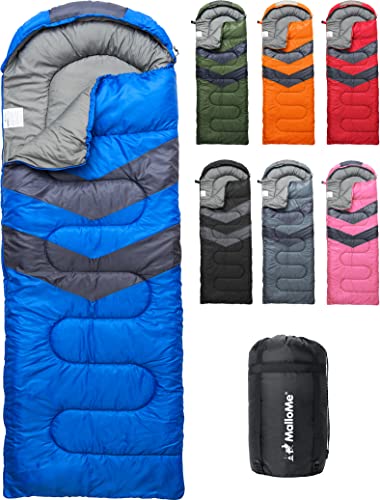
- ✓ Ultra-light and compact
- ✓ Waterproof and easy to clean
- ✓ Roomy and adjustable
- ✕ Zippers can snag
- ✕ Slightly thin for extreme cold
| Temperature Rating | 50°F to 77°F (10°C to 25°C) |
| Weight | Approximately 3 lbs (1.36 kg) |
| Packed Size | Includes compression sack with straps (size not specified) |
| Outer Shell Material | Waterproof hex-tech fabric with double-layered S-shape stitching |
| Insulation Type | 3D inner synthetic fiber fill |
| Size and Fit | Suitable for individuals up to 6 ft tall |
Many people assume that lightweight sleeping bags compromise on warmth or durability. I found that isn’t the case at all with the MalloMe Sleeping Bag.
It feels surprisingly sturdy and well-made, especially considering it weighs just around 3 pounds.
The moment I unzipped it, I noticed the snag-free, double-sided zipper glide smoothly, which is a bonus after struggling with tricky zippers in the past. The waterproof hex-tech shell really lives up to its promise—wiping it clean was effortless, and it handled some light rain without a hitch.
What really stood out is how roomy it is. Even if you’re over 6 feet tall, you won’t feel confined, and the adjustable drawstrings let you tighten the head area for extra warmth.
The synthetic fill kept me cozy in a wide range of conditions, from cool spring evenings to warmer summer nights.
Plus, it rolls up small into the included compression sack, making it ideal for backpacking. The vibrant colors are a nice touch, especially if you’re camping with kids who love bright gear.
It’s easy to wash, too, whether by hand or machine, which saves you from worry after a messy outdoor adventure.
Overall, this bag offers a great blend of performance, comfort, and portability. It’s perfect for anyone who wants a reliable, year-round option that doesn’t weigh down their pack.
Just keep in mind, those zippers and straps are a bit sensitive—gentle handling is key.
Naturehike Lightweight Compact Sleeping Bag, 59℉/32℉

- ✓ Ultra lightweight and compact
- ✓ Spacious and comfortable
- ✓ Durable construction
- ✕ Not suitable for very cold weather
- ✕ Limited insulation for winter
| Temperature Rating | 59℉/32℉ (Comfort/Limit) |
| Packed Size | ф13×31 cm / 5×12 inches |
| Weight | 0.76 kg / 1.68 lbs |
| Filling Material | 80 grams per square meter imitation silk cotton |
| Dimensions | 80.7 inches (length) x 33.5 inches (width) |
| Outer Material | Durable, washable fabric |
Imagine trekking through a dense forest, your backpack feeling a little heavier than usual after a long day’s hike. You reach your campsite, pull out your bag, and realize how much easier it is to manage with a sleeping bag that’s almost weightless and takes up minimal space.
This Naturehike lightweight sleeping bag slips easily into your pack, thanks to its compact design. It weighs just 0.76 kg and folds down to about 5×12 inches, making it a no-brainer for backpackers who want to save space.
The fabric feels durable yet soft, and the seams are double-reinforced, so I didn’t worry about tears even after multiple uses. Its plush filling kept me cozy, and I appreciated how roomy it was—at 80.7 inches long and 33.5 inches wide, I had plenty of space to shift around.
Even with the temperature range of 32°F to 59°F, I found it quite comfortable, especially with a good sleeping pad underneath. The zipper stays closed, and I never felt restricted—getting in and out was hassle-free.
Plus, packing it back into its small bag was straightforward, which is key after a long day outdoors.
Overall, this sleeping bag strikes a great balance between weight, comfort, and durability. It’s perfect for backpacking, travel, or any adventure where space and weight matter.
For its price, it offers a lot of value—just keep in mind it’s best suited for mild to cool weather.
What Features Should You Look for in the Best Lightweight Sleeping Bag for Backpacking?
When searching for the best lightweight sleeping bag for backpacking, consider the following features:
- Weight: The weight of the sleeping bag is crucial for backpackers who prioritize keeping their pack light. A lightweight sleeping bag typically weighs between 1 to 3 pounds, making it easier to carry over long distances.
- Packability: The ability to compress a sleeping bag into a small size is important for backpacking. Look for bags that come with a stuff sack, allowing them to fit easily into your backpack without taking up much space.
- Insulation Type: There are generally two types of insulation: down and synthetic. Down insulation is lightweight and has a high warmth-to-weight ratio, while synthetic insulation performs better in wet conditions and dries quickly, making it more versatile for varying climates.
- Temperature Rating: Choose a sleeping bag with an appropriate temperature rating for the conditions you expect to encounter. Ratings usually indicate the lowest temperature at which the sleeping bag will keep you warm, so select one that suits your backpacking adventures.
- Shape: Sleeping bags come in different shapes, such as rectangular, semi-rectangular, and mummy. Mummy bags are generally more thermally efficient and lighter, while rectangular bags offer more room for movement, making it essential to choose one that fits your comfort preferences.
- Durability: The material and construction of the sleeping bag should be durable enough to withstand the rigors of backpacking. Look for bags made with ripstop nylon or polyester, which are resistant to tears and abrasions, ensuring longevity during outdoor adventures.
- Weather Resistance: A sleeping bag that offers water-resistant features or is made from water-repellent materials can be beneficial in damp or rainy conditions. This feature helps keep you dry and warm, enhancing your overall comfort during your backpacking trip.
- Additional Features: Consider extra features such as draft collars, hood adjustments, and pockets for small items. These can enhance your sleeping experience by providing better insulation and convenience during your night outdoors.
How Important Is Temperature Rating When Choosing a Lightweight Sleeping Bag?
Temperature rating is crucial when selecting a lightweight sleeping bag for backpacking, as it ensures comfort and safety during your outdoor adventures.
- Comfort Rating: The comfort rating indicates the lowest temperature at which a sleeper can comfortably rest without feeling cold. This rating is particularly important for backpackers who may encounter varying weather conditions, and selecting a bag with a suitable comfort rating can significantly enhance the quality of sleep during trips.
- Limit Rating: The limit rating represents the lowest temperature at which an average sleeper can survive without hypothermia. This rating is essential for understanding the absolute minimum temperature a sleeping bag can handle; however, it is often less comfortable than the comfort rating, making it advisable to choose a bag with a higher rating for better warmth retention.
- Extreme Rating: The extreme rating is the lowest temperature at which a sleeping bag can provide protection against the cold for a short duration. While this rating can be useful for understanding the extremes of a sleeping bag’s performance, it is not recommended to rely on it for regular use, as it typically indicates a very uncomfortable sleeping experience.
- Insulation Type: The type of insulation used in a sleeping bag (down or synthetic) affects its temperature rating and overall performance. Down insulation typically offers better warmth-to-weight ratios and compressibility, making it ideal for lightweight backpacking, while synthetic insulation is often more resistant to moisture and retains warmth even when wet.
- Seasonality: Sleeping bags are often categorized by seasons, which can help in choosing the right temperature rating. A three-season bag is suitable for spring, summer, and fall, while a winter bag is designed for colder conditions, ensuring that backpackers are adequately prepared for the seasonal temperature fluctuations they may encounter.
What Types of Insulation Are Best for Ultralight Backpacking Sleeping Bags?
The best types of insulation for ultralight backpacking sleeping bags include:
- Down Insulation: Known for its exceptional warmth-to-weight ratio, down insulation is a popular choice for ultralight sleeping bags. The loft created by the down feathers traps heat efficiently, making it ideal for cold conditions, but it requires careful handling to avoid moisture loss, which can diminish its insulating properties.
- Synthetic Insulation: Synthetic insulation materials, such as polyester fibers, provide a good alternative to down, especially in wet conditions. They tend to be bulkier and heavier than down but retain their insulating properties even when damp, making them more versatile for unpredictable weather.
- Hybrid Insulation: Hybrid insulation combines both down and synthetic materials to take advantage of the benefits of each type. This approach often results in a sleeping bag that is lightweight and warm while also maintaining performance in moisture-rich environments.
- Foam Insulation: Closed-cell foam insulation is used in some ultralight sleeping bags for its durability and compressibility. While not as common, foam can provide reliable insulation and is resistant to moisture, making it suitable for minimalist setups or emergency gear.
- Primaloft: Primaloft is a proprietary synthetic insulation known for its softness and compressibility, mimicking the qualities of down while offering superior water resistance. It is particularly valued in ultralight sleeping bags for its ability to retain warmth even in damp conditions, providing a good balance between weight and performance.
How Does Weight Factor Into the Comfort and Portability of Your Backpacking Gear?
Features: Minimalist designs often exclude extraneous features, resulting in a lighter sleeping bag, which is beneficial for long hikes. However, consider the balance between comfort features and weight; a few well-placed zippers or a lightweight hood can enhance warmth without significantly impacting portability.
What Are the Top Lightweight Sleeping Bags for Backpacking Available Today?
The best lightweight sleeping bags for backpacking combine portability, warmth, and comfort for outdoor enthusiasts.
- Therm-a-Rest Hyperion 20: This sleeping bag is known for its excellent warmth-to-weight ratio, making it a favorite among backpackers.
- REI Co-op Magma 15: The Magma 15 provides a great blend of insulation and packability, featuring high-quality down fill for superior warmth.
- Sea to Summit Spark SPI: With a minimal weight and an ultra-compressible design, this bag is ideal for ultralight backpackers who prioritize weight savings.
- Big Agnes Fish Hawk 20: This sleeping bag offers a unique design that integrates a sleeping pad sleeve, ensuring comfort and warmth on chilly nights.
- Western Mountaineering UltraLite: Renowned for its premium materials and craftsmanship, this sleeping bag delivers exceptional insulation in a lightweight package.
The Therm-a-Rest Hyperion 20 is crafted with high-quality 900-fill Nikwax Hydrophobic Down, ensuring it retains warmth even in damp conditions. Its compact design allows it to fit easily into a backpack while still providing ample space to move comfortably during sleep.
The REI Co-op Magma 15 utilizes responsibly sourced down insulation, offering a high fill power that maximizes warmth without adding bulk. Its design includes a draft collar and a snug fit to keep the cold out, making it a reliable choice for colder weather backpacking.
Sea to Summit Spark SPI is designed for the minimalist backpacker, weighing in at just over a pound. Its tapered shape and lightweight materials make it incredibly packable, while the 850+ loft down provides impressive warmth for its size.
The Big Agnes Fish Hawk 20 features a unique sleeping pad sleeve that keeps your pad securely in place, preventing cold spots and enhancing comfort. The bag is filled with high-quality down and has a water-repellent finish, ensuring it performs well in various conditions.
Western Mountaineering UltraLite is made with 850+ fill down and has a durable shell fabric that is both lightweight and water-resistant. This bag is particularly well-suited for cold-weather camping, providing significant warmth while remaining compact and easy to carry.
Which Brands Are Known for Their High-Quality Lightweight Sleeping Bags?
Several brands are renowned for producing high-quality lightweight sleeping bags ideal for backpacking.
- Western Mountaineering: Known for their premium down sleeping bags, Western Mountaineering combines quality materials with expert craftsmanship to create bags that are both lightweight and highly compressible.
- Big Agnes: Big Agnes designs sleeping bags that often integrate with their sleeping pads, offering innovative features such as built-in pillow pockets, making them a favorite among backpackers seeking convenience and comfort.
- Sierra Designs: Sierra Designs emphasizes a balance of weight and durability, providing a range of lightweight options that utilize synthetic insulation, making them suitable for wet conditions while remaining packable.
- REI Co-op: As a well-regarded retailer, REI Co-op offers their own line of lightweight sleeping bags that are budget-friendly while still delivering performance, making them accessible for novice backpackers.
- Sea to Summit: Sea to Summit specializes in ultralight gear, and their sleeping bags feature high-quality materials and innovative designs, such as the use of ultra-light down insulation, which ensures warmth without added weight.
Western Mountaineering’s sleeping bags are often considered the gold standard in the industry, utilizing high fill-power down to provide exceptional warmth-to-weight ratios. Their attention to detail and high-quality construction ensure durability, making them a long-term investment for serious backpackers.
Big Agnes is known for incorporating thoughtful design elements into their sleeping bags, such as their unique integrated sleep systems that allow for easy setup and comfort. Their bags often feature a water-resistant shell and are designed to maximize warmth while minimizing bulk, making them ideal for various backpacking conditions.
Sierra Designs produces versatile sleeping bags that cater to different climates and preferences, often incorporating synthetic insulation that performs well in damp environments. Their bags are designed with functionality in mind, featuring zippered vents and unique shapes that enhance comfort during sleep.
REI Co-op sleeping bags are recognized for their reliability and affordability, providing a solid entry point for budget-conscious backpackers. Their products typically reflect good value, offering decent insulation and weight savings without compromising on quality.
Sea to Summit’s sleeping bags are particularly appealing to ultralight enthusiasts, as they often focus on minimizing weight without sacrificing performance. Their use of high-quality down and thoughtful construction techniques allows for impressive packability, making them an excellent choice for long-distance hikers looking to shave off grams.
How Do Prices Vary Among the Best Lightweight Sleeping Bags for Different Budgets?
Prices for lightweight sleeping bags designed for backpacking can vary significantly based on materials, features, and brand reputation, catering to different budgets.
- Budget Options (Under $100): These sleeping bags typically use synthetic insulation and are heavier than their more expensive counterparts, but they can still provide adequate warmth for casual backpackers.
- Mid-Range Options ($100 – $300): This category offers a balance of weight, insulation, and durability, often featuring higher-quality materials like down insulation or advanced synthetic blends for better compressibility and warmth-to-weight ratio.
- Premium Options ($300 and Above): Premium lightweight sleeping bags are often made with high-quality down insulation and ultralight fabrics, designed for serious backpackers who prioritize weight savings and performance in extreme conditions.
Budget options under $100 are suitable for novice campers or those who go on occasional trips, making them accessible without compromising too much on warmth and functionality. However, they may not pack down as small or weigh as little as more expensive models, which could be a drawback for long-distance backpacking.
Mid-range options offer improved features such as water-resistant down, better zippers, and enhanced durability, making them a popular choice for regular backpackers. These bags typically weigh between 2 to 3 pounds and provide a good balance between performance and price, appealing to those who want to invest without breaking the bank.
Premium options, priced at $300 and above, are ideal for serious adventurers who often camp in challenging weather conditions and need gear that can withstand harsh environments. These bags often weigh less than 2 pounds, provide high thermal efficiency, and pack down incredibly small, making them invaluable for ultralight backpacking endeavors.
What Care Practices Will Help You Maintain Your Lightweight Sleeping Bag?
To maintain your lightweight sleeping bag, consider the following care practices:
- Regular Cleaning: Keeping your sleeping bag clean is essential for its longevity. Most lightweight sleeping bags can be machine washed on a gentle cycle with a mild detergent, but always check the care label for specific instructions. Avoid using fabric softeners as they can damage the insulation material.
- Proper Drying: Drying your sleeping bag correctly prevents mildew and maintains its loft. After washing, you can tumble dry it on a low heat setting with a few clean tennis balls to help fluff the insulation. If the care label advises against machine drying, air drying it flat or hanging it up is a safer alternative.
- Storage Practices: Storing your sleeping bag properly is crucial when not in use. Instead of compressing it into a stuff sack, which can damage the insulation over time, store it loosely in a large cotton or mesh sack to maintain its shape. This practice helps preserve the bag’s loft and thermal efficiency.
- Avoiding Direct Sunlight: Exposure to UV rays can degrade the materials of your sleeping bag over time. When storing or using your sleeping bag, try to keep it out of direct sunlight. If you need to dry it outside, do so in a shaded area to protect the fabric and insulation.
- Repairing Damage Promptly: Address any tears or damage as soon as you notice them to prevent further deterioration. Use a fabric repair tape designed for outdoor gear, or sew small tears with a needle and thread. Keeping a repair kit handy can save your sleeping bag from becoming unusable during a trip.
How Can Proper Cleaning Increase the Lifespan of Your Lightweight Sleeping Bag?
Proper cleaning can significantly enhance the lifespan of your lightweight sleeping bag, particularly when considering the best lightweight sleeping bag for backpacking.
- Regular Washing: Washing your sleeping bag regularly prevents the buildup of dirt, oils, and odors that can degrade the materials over time.
- Use of Appropriate Detergents: Using a gentle, non-toxic detergent specifically designed for technical fabrics helps maintain the integrity of the sleeping bag’s insulation and outer shell.
- Drying Techniques: Proper drying techniques, such as air drying or using a low-heat dryer with dryer balls, ensure that the insulation remains fluffy and effective.
- Storage Practices: Storing your sleeping bag loosely in a breathable storage sack rather than tightly compressed helps maintain its loft and shape, prolonging its lifespan.
- Repairing Damage Promptly: Addressing any rips or tears immediately prevents further damage and maintains the bag’s insulation efficiency.
Regular washing is essential as it removes accumulated dirt and oils that can attract moisture and lead to mildew, which can compromise your sleeping bag’s functionality. Following the manufacturer’s cleaning instructions is crucial to avoid damaging the materials.
Using appropriate detergents helps ensure that the water-repellent treatments and insulation materials remain unharmed. Standard laundry detergents can leave residues that affect the sleeping bag’s performance, so opting for specialized products is advisable.
Drying techniques are vital, as improper drying can result in clumping of insulation, reducing warmth and comfort. Using dryer balls can help maintain loft by preventing the insulation from matting together during the drying process.
Storage practices play a significant role in extending the life of your sleeping bag. Compressing it in a stuff sack for long periods can damage the insulation, so keeping it loosely stored allows the materials to retain their shape and warmth-retaining properties.
Repairing damage promptly is crucial, as even small tears can lead to larger issues if left unattended. Using repair patches or sewing up rips can ensure your sleeping bag remains effective in retaining heat and protecting you from the elements.
What Are the Best Storage Tips for Keeping Your Sleeping Bag in Top Condition?
To ensure your sleeping bag remains in top condition, consider these best storage tips:
- Store Loose, Not Compressed: Always store your sleeping bag in a loose, breathable storage sack rather than its compression sack after use.
- Avoid Moisture: Keep your sleeping bag dry and store it in a cool, dry place to prevent mold and mildew.
- Regular Cleaning: Clean your sleeping bag according to the manufacturer’s instructions to remove dirt and oils that can degrade the fabric.
- Use a Sleeping Bag Liner: Consider using a liner to absorb sweat and oils, making cleaning easier and extending the life of your sleeping bag.
- Avoid Direct Sunlight: Store your sleeping bag away from direct sunlight, as UV rays can damage the material and insulation.
- Check for Damage: Regularly inspect your sleeping bag for any signs of wear or damage, and repair small issues promptly to prevent them from worsening.
Storing your sleeping bag loose allows the insulation to maintain its loft and effectiveness, while keeping it in a breathable sack prevents the buildup of moisture. If you pack your sleeping bag tightly for extended periods, it can lose its insulating properties, which is especially important for a lightweight sleeping bag intended for backpacking.
Moisture is a primary enemy of sleeping bags as it can lead to mold growth and unpleasant odors. Storing your sleeping bag in a cool, dry environment ensures that it remains in excellent condition and ready for your next adventure.
Cleaning your sleeping bag is crucial to preserving its integrity; dirt, body oils, and sweat can break down the fabric and insulation over time. Always follow the care instructions provided by the manufacturer, and use gentle detergents to avoid damage.
A sleeping bag liner can greatly enhance the lifespan of your sleeping bag; it acts as a barrier against sweat and body oils, which are challenging to remove from the bag itself. Liners are often easier to wash and can add an extra layer of warmth on chilly nights.
Preventing exposure to direct sunlight is vital as UV rays can degrade the materials of your sleeping bag, causing colors to fade and fibers to weaken. Storing it in a dark area or covering it can help mitigate this damage.
Finally, regularly checking for damage allows you to address any potential issues early on, whether it’s a small tear or a broken zipper. Quick repairs can save you from having to replace your sleeping bag entirely, ensuring that your gear remains reliable for your backpacking trips.
What Common Mistakes Should You Avoid When Selecting a Lightweight Sleeping Bag for Backpacking?
When selecting the best lightweight sleeping bag for backpacking, it’s crucial to avoid several common mistakes that can affect your comfort and experience.
- Ignoring Temperature Ratings: Many backpackers overlook the importance of temperature ratings when choosing a sleeping bag. It’s essential to select a bag that is rated for the conditions you expect to encounter, as a bag that is too warm or too cold can lead to discomfort and poor sleep quality.
- Focusing Solely on Weight: While a lightweight sleeping bag is important for packing efficiency, it should not be the only factor considered. A bag that is excessively lightweight may sacrifice insulation quality, leading to inadequate warmth, especially in colder climates.
- Neglecting Size and Fit: A common mistake is choosing a sleeping bag without considering the size and fit that best suits your body type. A bag that is too tight can restrict movement and lead to discomfort, while a bag that is too loose may not efficiently trap body heat.
- Overlooking Material Quality: Many backpackers fail to pay attention to the materials used in the sleeping bag’s construction. High-quality materials can significantly impact durability, insulation performance, and water resistance, all of which are critical for maintaining comfort during outdoor adventures.
- Not Considering Packability: It’s easy to forget about how the sleeping bag will fit in your backpack when selecting one. A sleeping bag that does not compress well can take up too much space, leaving less room for other essential gear, which can be a major inconvenience on long hikes.
- Forgetting About Zippers and Features: Some backpackers neglect to evaluate the functionality of zippers and other features. A poorly designed zipper can snag or break, compromising the usability of the bag, while features like draft collars or hoods can enhance warmth and comfort.
How Can Incorrect Temperature Ratings Affect Your Backpacking Experience?
Incorrect temperature ratings can significantly impact your comfort and safety while backpacking.
- Insufficient Warmth: Using a sleeping bag with a temperature rating that is too high for the conditions can lead to a cold and uncomfortable night.
- Overheating: Conversely, a sleeping bag rated too low can cause overheating, disrupting sleep and leading to dehydration.
- Weight and Packability Issues: Choosing a sleeping bag with an inaccurate rating may lead to extra weight, as you might need to pack additional layers to compensate for the insufficient insulation.
- Increased Risk of Hypothermia: In extreme conditions, relying on a sleeping bag that doesn’t provide adequate insulation can increase the risk of hypothermia, especially if temperatures drop unexpectedly.
- Financial Waste: Investing in a sleeping bag that doesn’t meet the necessary temperature rating can lead to financial waste, as you may need to purchase another bag to meet your needs.
Insufficient warmth can lead to a night spent shivering, which not only affects your sleep quality but also leaves you fatigued for the next day’s activities. It is crucial to select a sleeping bag that matches the expected temperatures of your backpacking journey to ensure a restful experience.
On the other hand, overheating can disrupt sleep patterns, leading to discomfort and irritability. A sleeping bag that is too warm may also lead to excessive sweating, which can chill you as temperatures drop during the night.
Weight and packability are essential for backpacking, as every ounce counts. If the sleeping bag’s temperature rating is inaccurate, you may find yourself carrying unnecessary weight in the form of additional clothing or blankets, which can hinder your mobility and enjoyment on the trail.
In extreme weather, the risk of hypothermia is a serious concern. An improperly rated sleeping bag may not provide the necessary protection, leaving you vulnerable to the elements and potentially endangering your health.
Finally, financial waste occurs when you invest in gear that fails to perform as expected. This can lead to additional expenses when purchasing a new sleeping bag that meets your needs, which is not ideal for a budget-conscious backpacker.
Why Is It Important to Test Your Lightweight Sleeping Bag Before a Trip?
Testing your lightweight sleeping bag before a trip is essential for several reasons:
-
Temperature Regulation: Ensure the bag maintains warmth at night according to its rated temperature. Camping in colder conditions may require additional layers or a different bag altogether.
-
Fit and Comfort: A sleeping bag that is too tight can restrict movement, affecting sleep quality. Testing allows for adjustments in how you sleep—whether you prefer a snug fit or more room to stretch out.
-
Zipper Functionality: Check that the zippers function smoothly. A malfunctioning zipper can hinder access, causing frustration in low-light conditions or during nighttime restroom runs.
-
Packing and Weight: Familiarize yourself with how easily the bag compresses into a stuff sack and how it fits in your backpack. Understanding its packed size helps avoid surprises when packing for your trip.
-
Moisture Resistance: If encountering dew or rain is likely, determine how well the bag handles moisture through direct testing. This knowledge can inform your decision to add a waterproof bag cover.
-
Breathability: Ensure that the bag allows for ventilation. Testing in different conditions helps identify if you overheat or feel cold, guiding you in choosing the right bag for varying environments.
Taking the time to test your lightweight sleeping bag can significantly improve your outdoor experience, ensuring comfort and safety during your adventures.
Related Post: