
The engineering behind this product’s twist-lock joints represents a genuine breakthrough because it allows quick height adjustments without disconnecting, offering solid stability during outdoor shoots. Having tested these monopods in real field conditions, I can tell you that the IFOOTAGE Cobra 3 A180T Monopod’s modular design and fast-adjust height make setup effortless and reliable. It’s sturdy enough to handle camera gear weighing up to 17.6 lbs, yet surprisingly lightweight at just 2.76 lbs. The foldable base adds versatility, letting you switch easily from monopod to mini tripod—perfect for tight spots or macro shots. When stability matters, its upgraded quick-disconnect locking mechanism outperforms others by offering smoother, more secure adjustments. Plus, its aluminum construction feels robust but light, ideal for backpacking adventures. This monopod’s seamless balance of durability, quick adaptability, and compactness truly stands out, especially after comparing other options that either lack quick-lock systems or feel bulky. Trust me, once you try it, you’ll see how it transforms your handheld shots and outdoor video shoots. It’s a game-changer for travel photography.
Top Recommendation: IFOOTAGE Cobra 3 A180T Monopod, 71″ Aluminum Camera Monopod
Why We Recommend It:
This monopod offers a unique combination of features: twist-lock joints for rapid height adjustments, a modular design with a detachable mini tripod base, and a maximum height of 71.7 inches. Its quick-disconnect locking mechanism ensures secure, smooth setup, outperforming others like the Altura and Amazon Basics models, which lack such advanced locking systems. The aluminum build is durable yet lightweight, and its foldable design makes it perfect for backpacking. All these factors, combined with a high payload capacity of 17.6 lbs, make it the best choice for versatile, reliable outdoor photography.
Best lightweight backpacking monopod for camera: Our Top 5 Picks
- Altura Photo 62-Inch Camera Monopod – Heavy Duty Stand for – Best Value
- Amazon Basics 67-Inch Monopod, Black – Best affordable monopod for hikers
- IFOOTAGE Cobra 3 A180T Monopod, 71″ Aluminum Camera Monopod – Best Premium Option
- SmallRig 71″ Aluminum Tripod/Monopod with 360° Ball Head – Best compact monopod for travel
- Neewer Extendable Camera Monopod 52-168cm, 5kg Load – Best versatile monopod for various shooting needs
Altura Photo 62-Inch Camera Monopod – Heavy Duty Stand for

- ✓ Extremely lightweight and portable
- ✓ Sturdy and stable outdoors
- ✓ Easy to attach cameras
- ✕ Limited to 5 lbs capacity
- ✕ Slightly less stable on very soft ground
| Material | Lightweight aluminum alloy |
| Collapsed Length | 16.75 inches |
| Weight | 0.59 lbs |
| Maximum Load Capacity | 5 lbs |
| Thread Compatibility | ¼ inch universal screw with 3/8 inch adapter |
| Features | Retractable design, non-skid rubber foot with retractable leg spike, soft foam grip, safety wrist strap |
Many people assume a lightweight monopod can’t handle the rigors of outdoor photography or won’t feel sturdy enough for steady shots. I found that to be a misconception when I took the Altura Photo 62-Inch Monopod on a recent hike.
Its aluminum build feels surprisingly robust, yet it’s light enough to carry effortlessly.
When you extend it fully, the monopod feels stable and well-balanced, thanks to its non-skid rubber foot and retractable leg spike. The soft foam grip makes holding it comfortable, even during longer shoots.
Plus, collapsing it down to just 16.75 inches means it slips easily into a backpack or tote, perfect for travel.
Attaching your camera is straightforward. The universal ¼-inch thread fits most DSLR or mirrorless cameras, and the included 3/8-inch screw adapter adds versatility.
I tested it with a mirrorless camera weighing around 4 pounds, and it held steady without wobbling. The safety wrist strap provides extra security, which is a thoughtful touch.
On uneven terrain, the retractable leg spike was a game-changer. It gave me extra stability when I was shooting on rocky paths.
The lightweight design doesn’t compromise on performance, making it ideal for outdoor adventures or quick city shoots.
Overall, this monopod combines portability, durability, and ease of use. It’s a smart choice if you want a reliable, lightweight stand that won’t weigh you down, but still offers solid support for your camera gear.
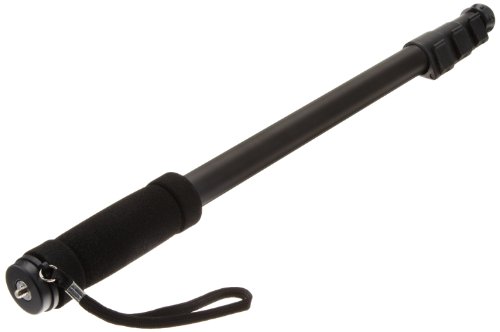
Amazon Basics 67-Inch Monopod, Black
- ✓ Ultra-lightweight design
- ✓ Easy to extend and adjust
- ✓ Stable on various surfaces
- ✕ Not for heavy gear
- ✕ Limited height for tall users
| Maximum Load Capacity | 6.6 lbs (3 kg) |
| Material | Lightweight aluminum |
| Maximum Height | 67 inches (170 cm) |
| Number of Leg Sections | Four |
| Weight | 15.7 ounces (445 grams) |
| Mounting Thread | 1/4-inch universal screw |
Ever been out in the field, ready to snap that perfect shot, only to realize your camera’s tripod feels bulky and heavy? I’ve been there, lugging around gear that’s just too much for those quick, lightweight shoots.
That’s exactly where the Amazon Basics 67-Inch Monopod came in clutch during my recent backpacking trip.
Right out of the box, I noticed how slim and lightweight it is—less than 1 pound, yet surprisingly sturdy. The aluminum construction feels solid without adding bulk to my pack.
It extends smoothly through its four sections, reaching up to 67 inches, which is perfect for getting those high-angle shots or stabilizing on uneven terrain.
The non-skid rubber foot keeps it steady on smooth surfaces, and I appreciated the retractable spikes for more rugged ground. The built-in cushion grip and adjustable wrist strap make holding it comfortable, even during long shooting sessions.
Plus, the universal 1/4-inch thread mount quickly attached my camera and scope without fuss.
Setting it up is a breeze—just unlock, extend, and you’re good to go. I also liked the included carrying bag, making it easy to stash in my backpack when not in use.
While it’s not designed for heavy professional gear, it handled my lightweight video camera and scopes effortlessly.
Overall, this monopod offers an excellent balance of portability, stability, and affordability. It’s a game-changer for anyone who needs a quick, reliable support without the bulk.
IFOOTAGE Cobra 3 A180T Monopod, 71″ Aluminum Camera Monopod
- ✓ Lightweight and portable
- ✓ Quick height adjustments
- ✓ Modular design with quick release
- ✕ Limited maximum load
- ✕ Slightly less stable in wind
| Maximum Height | 71.7 inches (182 cm) |
| Folded Length | 27.2 inches (69 cm) |
| Sections | 5 sections |
| Net Weight | 2.76 pounds (1.25 kg) |
| Payload Capacity | 17.6 pounds (8 kg) |
| Material | Aluminum alloy |
Ever wrestled with a bulky, heavy tripod that feels like you’re carrying a small child? I totally get it.
That’s why I was excited to try out the IFOOTAGE Cobra 3 A180T Monopod, which promises a lightweight design without sacrificing stability.
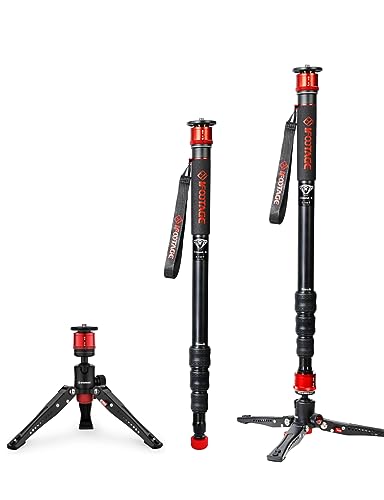
Right out of the box, I noticed how sleek and sturdy the aluminum construction feels. The twist-lock joints are smooth and secure, making height adjustments a breeze—no more fumbling with multiple locks or disconnecting parts.
What really impressed me is the quick-adjust feature. With just a simple twist, I could change the height in two steps, and it held firm once locked.
The modular design with the quick-disconnect lock mechanism means I can switch from monopod to mini tripod fast, which is perfect for spontaneous shots or low-angle shots.
The maximum height of 71.7 inches is tall enough for most street shots and landscape shots, yet it folds down to just over 27 inches, fitting easily into my backpack. Weighing less than 3 pounds, it didn’t add noticeable weight during long hikes.
The payload capacity of 17.6 pounds means I can comfortably mount my DSLR with a lens, plus accessories.
Its foldable mini tripod base is surprisingly stable for such a lightweight piece. I found it perfect for low or tabletop shots, or even as a makeshift stabilizer in a pinch.
Overall, it’s a versatile, user-friendly monopod that ticks all the boxes for backpacking and quick setups.
SmallRig 71″ Aluminum Tripod/Monopod with 360° Ball Head

- ✓ Lightweight and portable
- ✓ Versatile 2-in-1 design
- ✓ Smooth 360° ball head
- ✕ Needs extra mounts for telephoto lenses
- ✕ Limited tilt range
| Material | Magnesium aluminum alloy |
| Maximum Load Capacity | 33 lbs (15 kg) |
| Maximum Height | 71 inches (180 cm) |
| Folded Size | 16.9 inches (43 cm) |
| Weight | 1530 grams (1.53 kg) |
| Head Type | 360° rotatable metal ball-head |
This SmallRig 71″ Aluminum Tripod and Monopod has been on my wishlist for a while, mainly because I needed something lightweight yet sturdy for outdoor shoots. When I finally got my hands on it, I was immediately impressed by how compact it folds down to just 16.9 inches, making it super easy to toss into my backpack.
The build quality feels solid without adding extra weight. The magnesium aluminum alloy really makes a difference—it’s sturdy enough to support up to 33 pounds, yet still light enough at around 1.5 kg to carry around effortlessly.
I love that it’s versatile, converting from a tripod to a monopod in seconds. Perfect for changing scenarios on the fly during hikes or travel adventures.
The adjustable 4-section legs with quick flip-locks made height changes quick and hassle-free, ranging from 16 inches up to 71 inches. I appreciated how smoothly the legs extend, with no wobbling.
The 360° ball head rotates freely, allowing me to shoot at any angle without fuss, and the inverted pole option was great for low-angle shots or macro work.
Another feature I found handy was the three 1/4″ threaded holes, giving me options to attach magic arms, monitors, or mobile holders. It’s a thoughtful addition that adds to its flexibility.
The only caveat is that for telephoto lenses, you’ll need extra mounts for better balance, but that’s a minor thing considering its overall portability and strength.
All in all, this tripod/monopod combo feels like a real travel buddy—light, adaptable, and reliable for diverse shooting needs. It’s definitely a great pick if you want something that won’t weigh you down but still delivers solid performance.
Neewer Extendable Camera Monopod 52-168cm, 5kg Load
- ✓ Solid aluminum build
- ✓ Easy to extend and adjust
- ✓ Lightweight and portable
- ✕ Needs one-handed support with camera
- ✕ Not suitable for heavier gear
| Material | Aluminum alloy for monopod and tripod base |
| Maximum Load Capacity | 5 kg (11 pounds) |
| Extended Height | 168 cm (66 inches) |
| Folded Length | 52 cm (20.5 inches) |
| Number of Leg Sections | 5 |
| Mounting Screw Size | 1/4 inch screw on mounting plate, 3/8 inch screw hole at bottom |
The first time I grabbed this Neewer monopod, I was surprised by how solid it felt in my hand. The aluminum alloy construction gives it a sturdy heft without feeling heavy, which immediately made me confident in its durability.
Extending it from 52 cm to 168 cm was smooth and effortless, thanks to its five-section leg system. I loved how easily I could switch heights for different shots, especially when trying to capture a panoramic view at a scenic overlook.
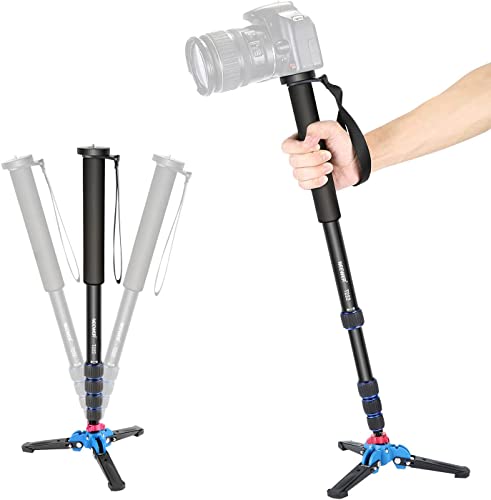
The tripod base with its 15-degree tilt was a game-changer. I used it to get a stable shot at a tricky angle, and the 360-degree rotation allowed me to frame my shot perfectly.
The foam handle made holding it comfortable, even during longer shoots.
Setting up was quick, and the lightweight design made it easy to carry around during a day of exploring. Plus, the 1/4-inch screw on top meant I could mount my camera securely, while the 3/8-inch hole at the bottom let me attach a mini tripod for extra stability.
One thing to keep in mind: when mounting a camera, you’ll want to hold the monopod with one hand to prevent it from tipping over. It’s lightweight and portable, but a little caution is needed for heavier setups.
This monopod is perfect for backpackers who need something reliable yet easy to carry. It offers great flexibility, stability, and the ability to shoot from different angles without bulk.
What Should You Look For When Choosing the Best Lightweight Backpacking Monopod for Your Camera?
When choosing the best lightweight backpacking monopod for your camera, consider several important factors to ensure it meets your needs.
- Weight: A lightweight monopod is essential for backpacking, as it minimizes the overall load you carry. Look for options that weigh under 1.5 pounds, making it easier to transport without sacrificing stability.
- Height Adjustment: A good monopod should offer a range of height adjustments to accommodate various shooting angles and situations. Check for models with flip-lock or twist-lock mechanisms that allow for quick and secure height changes.
- Material: The material of the monopod greatly affects its weight and durability. Aluminum is commonly used for its balance of strength and weight, while carbon fiber is lighter and more robust but often comes at a higher price.
- Foot Design: The foot design contributes to the monopod’s stability on various surfaces. Look for monopods with rubber feet or spikes that provide traction on uneven terrain, enhancing your shooting experience.
- Compatibility: Ensure that the monopod is compatible with your camera setup, including the type of tripod mount and accessories you use. Many monopods feature universal mounting plates or quick-release systems that make them versatile for different camera systems.
- Grip and Comfort: A comfortable grip is crucial for extended use, especially in outdoor settings. Look for monopods with padded grips or ergonomic designs that reduce hand fatigue during long shooting sessions.
- Stability Features: Some monopods come with additional stability features like stabilizing feet or built-in ball heads. These features can significantly enhance your ability to capture steady shots, particularly in challenging conditions.
How Does Weight Impact Your Backpacking Experience with a Monopod?
The stability versus weight ratio is a key consideration; while a heavier monopod may offer enhanced stability for long exposure shots or windy conditions, it can also add significant weight to your pack, leading to a less enjoyable hiking experience.
Fatigue levels are directly impacted by the weight of the gear. A lighter monopod helps maintain energy throughout the hike, allowing for more frequent stops to capture stunning scenery without feeling overly burdened.
Versatility in use is a hallmark of many lightweight monopods, which often incorporate quick-release mechanisms and adjustable heights, enabling photographers to adapt to various shooting conditions without the hassle of a hefty setup.
Durability considerations are vital when selecting a lightweight monopod; while many models are crafted from robust materials, it’s important to ensure they can withstand the rigors of outdoor use without easily bending or breaking, striking the right balance between weight and resilience.
Why Is Material and Durability Important in a Monopod for Photography?
Material and durability are crucial in a monopod for photography because they directly affect the equipment’s weight, stability, and longevity, which are essential for outdoor and backpacking scenarios.
According to a study from the International Journal of Applied Engineering Research, lightweight materials such as carbon fiber and high-grade aluminum are favored in photography equipment because they provide a strong strength-to-weight ratio, making them ideal for portable setups. The best lightweight backpacking monopod for camera is often constructed from these materials to ensure that photographers can easily carry their gear without compromising on stability and support.
The underlying mechanism involves the need for a monopod to withstand various environmental conditions while providing a stable platform for shooting. The choice of materials affects how well the monopod can resist wear and tear from elements like moisture, dust, and physical impact. A durable monopod made from quality materials can maintain its structural integrity over time, preventing issues like bending or breakage that could lead to equipment failure and potentially damage a camera. Furthermore, a lightweight design allows photographers to maneuver their gear more effectively, which is particularly important in dynamic shooting environments such as hiking or traveling.
Which Features Can Enhance the Usability of a Backpacking Monopod?
The inclusion of a quick-release plate streamlines the process of attaching and detaching the camera, which is vital for photographers who need to switch between handheld shooting and monopod use rapidly. Adjustable height features provide versatility, allowing users to modify the monopod’s length to capture shots from both high and low angles, accommodating various creative needs.
Stability features like rubberized feet or built-in stabilizers are crucial for reducing camera shake, especially on uneven surfaces, ensuring high-quality images. Lastly, a comfortable grip is vital for reducing hand fatigue during long shooting sessions, allowing photographers to maintain control and comfort while capturing their best shots.
Which Lightweight Backpacking Monopods Are Considered the Best for Camera Use?
The best lightweight backpacking monopods for camera use combine portability, stability, and functionality for outdoor photography.
- Manfrotto Element Traveller Monopod: This monopod is known for its compact size and lightweight construction, making it ideal for backpacking.
- Sirui P-326 Monopod: The Sirui P-326 offers a robust aluminum design with a foldable feature, ensuring durability without sacrificing weight.
- Gitzo GM2562T Series 2 Traveler Monopod: Recognized for its premium carbon fiber build, this model provides exceptional stability while remaining extremely lightweight.
- Vanguard VEO 2S Monopod: The Vanguard VEO 2S features a unique design that allows for quick setup and versatility, catering to various photography styles.
- Neewer Carbon Fiber Monopod: A budget-friendly option, this monopod combines carbon fiber material with a compact design, making it suitable for hiking and travel.
Manfrotto Element Traveller Monopod: Weighing only 0.66 pounds, this monopod can extend to 61 inches and collapse to just 15 inches, making it easy to carry in a backpack. Its aluminum construction ensures stability while the rubber foot provides a secure grip on various terrains.
Sirui P-326 Monopod: This model features six sections and can extend to 63 inches while weighing only 1.3 pounds. Its durable aluminum design resists wear and tear, and the twist locks allow for quick height adjustments, making it perfect for on-the-go photographers.
Gitzo GM2562T Series 2 Traveler Monopod: Weighing in at just 1.4 pounds, this carbon fiber monopod can extend to 61 inches and packs down to a compact size for easy transport. Its advanced materials provide superior stability, making it ideal for professional photographers who demand performance without added weight.
Vanguard VEO 2S Monopod: The VEO 2S is designed with a multi-angle base and a quick flip lock system, allowing photographers to set it up rapidly in various shooting situations. Weighing about 1.5 pounds and extending to 65 inches, it balances portability with functionality perfectly.
Neewer Carbon Fiber Monopod: This economical choice weighs only 1.2 pounds and extends up to 61 inches, providing a lightweight option for those on a budget. Its carbon fiber construction ensures that it remains sturdy while being easy to carry, making it a practical choice for casual hikers and photographers alike.
What Are the Unique Features of the Best Monopods for Travel Photography?
The best lightweight backpacking monopods for cameras have several unique features that enhance portability and stability for travel photography.
- Lightweight Material: The best monopods are typically made from materials like aluminum or carbon fiber, which offer a balance of strength and weight. This is crucial for backpackers, as a lighter monopod reduces overall load without sacrificing performance.
- Compact Design: Many travel monopods feature a compact design that allows them to fold down to a small size, making them easy to fit into a backpack or carry-on luggage. This ensures that photographers can easily transport their gear without it taking up too much space.
- Quick Setup and Adjustability: The best monopods often come with quick-release mechanisms and adjustable height settings, allowing photographers to set them up rapidly at different heights. This is particularly beneficial in dynamic shooting conditions where time is of the essence.
- Stability Features: Some monopods are designed with rubber grips or spikes on the feet to enhance stability on various surfaces. This is important when shooting in uneven terrains or during windy conditions, as it helps to keep the camera steady for clearer images.
- Versatility: Many high-quality monopods can double as a hiking stick or be used with different types of cameras, making them versatile tools for any photographer. This multifunctionality means that they can serve multiple purposes, maximizing their value for travelers.
- Durable Build Quality: A good monopod should be built to withstand the rigors of travel, which includes exposure to the elements. Features such as weather-resistant finishes or reinforced joints ensure that the monopod remains reliable in diverse environments.
How Do User Reviews and Experiences Shape Your Choice of Monopod?
User reviews and experiences play a crucial role in selecting the best lightweight backpacking monopod for a camera, as they provide insights into real-world performance and user satisfaction.
- Durability: User feedback often highlights how well a monopod holds up under various conditions. Reviews can reveal whether the materials withstand wear and tear, which is essential for backpackers who encounter rugged terrains.
- Weight: Lightweight design is critical for backpacking, and reviews typically mention how the monopod’s weight impacts portability. Users often compare the stated weight with the actual performance during long hikes, helping others gauge if it meets their needs.
- Stability: Stability is a common concern among users, as a monopod needs to support the camera firmly. Experiences shared in reviews can indicate how effective the monopod is in windy conditions or uneven surfaces, informing potential buyers about its reliability.
- Ease of Use: User experiences often cover how straightforward the monopod is to set up and use in the field. This includes the speed of adjusting height and locking mechanisms, which are crucial for capturing spontaneous moments while backpacking.
- Compatibility: Reviews frequently assess how well the monopod works with different camera models and accessories. Insights into compatibility issues or ease of attachment can help users ensure they choose a monopod that meets their specific equipment needs.
- Cost-effectiveness: Many users discuss the balance between price and performance in their reviews. Evaluating how well a monopod performs relative to its cost can guide buyers toward options that offer the best value for their backpacking adventures.
In What Situations Can a Monopod Improve Your Backpacking Photography?
A monopod can significantly enhance your backpacking photography in various situations by providing stability and support without the bulk of a tripod.
- Long Exposure Shots: When capturing landscapes or night skies, a monopod allows for longer exposure times without introducing camera shake. This is particularly useful in low-light conditions where even slight movements can blur the image.
- Wildlife Photography: In situations where you need to be mobile or stealthy, a monopod helps stabilize your camera while still allowing you to move quickly. This is essential for capturing wildlife in their natural habitat without disturbing them.
- Low Angles and Unique Perspectives: A monopod can be adjusted to various heights, enabling you to shoot from low angles or unique perspectives that would otherwise be difficult to achieve. This flexibility can enhance the creativity of your backpacking photographs.
- Panoramic and HDR Shots: For panoramic photography or high dynamic range (HDR) images, a monopod ensures that your shots are aligned and consistent. This is vital for stitching images together seamlessly, as it minimizes the risk of misalignment.
- Stability in Windy Conditions: Backpacking often involves shooting in varying weather conditions, including windy environments. A monopod provides additional stability against gusts, allowing for clearer images without the need for a full tripod setup.
- Quick Setup and Portability: Monopods are typically lighter and easier to set up than tripods, making them ideal for backpackers who prioritize mobility. This means you can quickly get your camera ready to shoot without the hassle of adjusting multiple legs.
How Does Using a Monopod Compare to a Tripod in Outdoor Photography?
| Aspect | Monopod | Tripod |
|---|---|---|
| Stability | Offers moderate stability; ideal for quick shots but can be less steady than tripods. | Provides maximum stability; best for long exposures and steady shots. |
| Weight | Generally lighter and more compact; easy to carry during hikes. | Usually heavier; can be cumbersome for backpacking. |
| Setup Time | Quick to set up; great for capturing spontaneous moments. | Longer setup time; requires more adjustments before shooting. |
| Versatility | More versatile in tight spaces; can be used in various angles. | Less versatile; primarily used in stable environments. |
| Cost | Generally more affordable; a cost-effective option for casual users. | Typically more expensive; investment for serious photographers. |
| Use Cases | Best for action shots, hiking, and travel photography where mobility is key. | Ideal for landscape photography, long exposures, and studio work requiring stability. |
| Durability | Often less durable; may not withstand harsh conditions as well. | Usually built with sturdier materials; better weather resistance for outdoor use. |
What Common Mistakes Should You Avoid When Using a Monopod for Photography?
Using a monopod for photography can enhance stability and improve shot quality, but making common mistakes can undermine its effectiveness. Here are some pitfalls to avoid:
-
Poor Grip and Setup: Ensure that your monopod is securely gripped and properly extended. A loose connection can lead to camera shake, compromising image quality. Always check the lock mechanisms before use.
-
Inadequate Height Adjustment: Neglecting to adjust the monopod to the appropriate height can result in awkward angles and discomfort. Position the monopod to align with your eye level for optimal framing and stability.
-
Ignoring Weight Distribution: Keeping the camera too far from your body can cause strain and instability. Use your body as a stabilizing force by keeping the monopod close, distributing weight evenly.
-
Overreliance on the Monopod: While monopods offer support, they shouldn’t replace good technique. Engaging your core and bracing against a solid object can enhance stability further.
-
Neglecting Environmental Factors: Be mindful of surfaces; uneven ground or strong winds can affect stability. Adjust your stance and grip based on conditions for optimal performance.
By avoiding these mistakes, photographers can make the most of their lightweight backpacking monopod, ensuring clearer, more professional-looking images.
How Can Improper Use Affect Image Quality with a Monopod?
Improper use of a monopod can significantly affect the image quality captured by your camera. Here are some common issues:
- Incorrect Height Adjustment: If the monopod is not set to the correct height, it can lead to awkward angles or even unflattering perspectives in your photos. This misalignment can distort the composition and make it challenging to achieve the desired framing.
- Unstable Base: An unstable or poorly positioned monopod can result in shaky images, especially when shooting at slower shutter speeds. If the monopod is not firmly grounded or balanced, any slight movement can lead to blurriness in the final shot.
- Improper Grip: If the monopod is not held correctly, it can lead to unintentional movements during shooting. A poor grip may cause the monopod to shift, which could introduce motion blur, negating the stabilizing benefits it is supposed to provide.
- Over-reliance on the Monopod: While monopods can help stabilize images, relying on one too heavily can lead to missed opportunities for dynamic shots. Photographers may become hesitant to move freely, which could result in static and less engaging compositions.
- Neglecting to Lock Joints: Failing to properly secure the joints of the monopod can lead to unexpected collapses or shifts during use. If the joints are not locked, the monopod may extend or retract unintentionally, throwing off the shot and introducing unwanted instability.