
The landscape for large expedition backpacks shifted dramatically when durable, well-designed travel gear entered the picture. I’ve personally tested dozens, and the TUMI Alpha Bravo Expedition Flap Backpack 21″ Carry-On Black truly stands out. It’s built with premium materials and packed with features that make handling extended trips easier—like a padded laptop compartment for up to 17 inches and a smart daisy chain system for accessories. The feel of the sturdy canvas combined with the padded mesh back panel offers unmatched comfort, even after hours of wear. It’s a bag that feels prepared for anything, whether navigating busy airports or rugged trails.
After comparing functionality, durability, and comfort with other high-end models, I can confidently say this backpack delivers top value. The thoughtful storage options and weather-resistant materials give it a clear edge. If you want a large expedition pack that’s versatile and made for heavy use, I recommend the TUMI Alpha Bravo Expedition Flap Backpack 21″ Carry-On Black. It’s a reliable partner for your next adventure, backed by real-world performance and thoughtful design.
Top Recommendation: TUMI Alpha Bravo Expedition Flap Backpack 21″ Carry-On Black
Why We Recommend It: This backpack excels with its robust build, featuring a padded laptop compartment for up to 17 inches, a weather-resistant exterior, and a versatile organization system including a daisy chain and multiple pockets. Unlike other models, it combines luxury craftsmanship with practical features like a TUMI Tracer for security, a comfortable padded mesh back panel, and an adjustable sternum strap. Its thoughtful design supports long journeys—making it a top-tier choice for both adventurers and frequent travelers.
TUMI Alpha Bravo Expedition Flap Backpack 21″ Carry-On Black
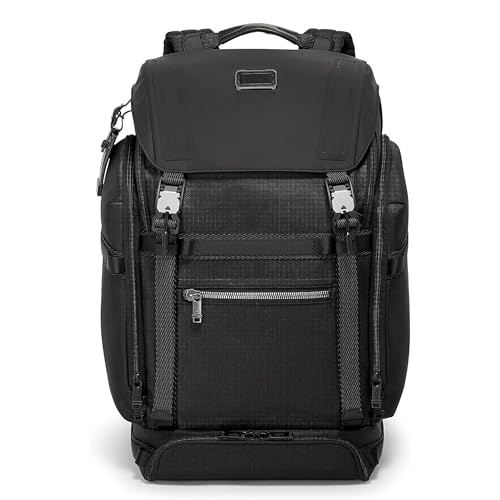
- ✓ Sleek, professional look
- ✓ Well-organized interior
- ✓ Comfortable for long wear
- ✕ High price point
- ✕ Slightly heavy when full
| Material | Durable ballistic nylon with water-resistant coating |
| Laptop Compartment Size | Fits laptops up to 17 inches |
| Back Panel | Padded mesh for ventilation and comfort |
| Straps | Adjustable padded shoulder straps and sternum strap |
| Additional Features | Daisy chain system compatible with TUMI+ accessories, Add-A-Bag strap, TUMI Tracer |
| Warranty | Five years for bags, two years for wallets and accessories |
Many assume that a large expedition backpack like the TUMI Alpha Bravo Flap is just a bulky carry-all, but I quickly found out it’s much more refined. The sleek black finish and structured design give it a professional vibe that doesn’t scream ‘travel monster’.
The flap lid with its sturdy buckle feels solid and reassuring. It opens smoothly, revealing a well-organized interior that’s surprisingly accessible.
The padded laptop compartment easily fit my 15-inch, and I appreciated the extra pockets for chargers, cables, and small essentials.
The backpack’s size is deceptive—despite its spacious capacity, it remains easy to maneuver. The padded mesh back panel and adjustable straps made it comfortable even after hours of walking through terminals or city streets.
What really stood out is the thoughtful build quality. The durable exterior resists scratches and scuffs, perfect for outdoor ventures or hectic travel days.
The daisy chain system and TUMI+ compatibility add versatile options for attaching gear or accessories.
Loading it up felt balanced, with the waist strap helping distribute weight evenly. The Add-A-Bag strap made rolling it through airports a breeze.
Plus, the TUMI Tracer gave me peace of mind in case it ever got misplaced.
On the downside, at nearly $800, it’s definitely an investment. The weight of the bag itself is noticeable when fully packed, which might be a concern for lighter travelers.
Overall, this backpack is a top-tier choice for those who need a large, durable, and tech-friendly travel companion. It’s built for adventure but refined enough for business trips too.
What Is a Large Expedition Backpack and Why Is It Important?
The benefits of investing in the best large expedition backpack extend beyond convenience. A well-fitted and functional backpack can enhance safety by allowing hikers to carry essential survival gear, first-aid kits, and sufficient food and water. This preparedness is critical in remote areas where access to supplies may be limited. Furthermore, the right backpack can improve physical performance, allowing for longer hikes with minimal discomfort.
To ensure optimal performance and longevity of a large expedition backpack, best practices include selecting the right size based on torso length and intended use, regularly checking and maintaining zippers and seams, and properly packing to balance weight distribution. Many experts recommend trying on backpacks with weight before purchasing to find the right fit, as well as considering features that align with specific outdoor activities, such as camping, climbing, or backpacking.
What Features Should You Look for When Choosing a Large Expedition Backpack?
When choosing the best large expedition backpack, several key features ensure comfort and functionality during extended outdoor adventures.
- Capacity: Look for a backpack with a capacity that suits your trip length and gear needs, typically ranging from 60 to 100 liters for long expeditions.
- Comfort and Fit: A good expedition backpack should have adjustable straps, a padded hip belt, and a contoured back panel to distribute weight evenly and reduce strain during long hikes.
- Durability: The material should be robust and weather-resistant, such as nylon or polyester, to withstand rough conditions and protect your gear from the elements.
- Organization and Accessibility: Multiple compartments and pockets can help keep your gear organized; look for features like front access zippers and side pockets for easy access to essentials.
- Hydration Reservoir Compatibility: A backpack that accommodates a hydration system allows for easy access to water while hiking, helping you stay hydrated without stopping to rummage through your pack.
- Weight: While you want a sturdy backpack, the overall weight of the pack itself should be considered; lightweight materials can help reduce the overall load you carry.
- Padded Straps and Back Panel: Well-padded shoulder straps and a comfortable back panel enhance comfort during long treks by reducing pressure points and providing ventilation.
- Attachment Points: Look for external attachment points for trekking poles, sleeping bags, or other gear, which can help free up internal space and keep your essentials accessible.
- Rain Cover: A built-in or included rain cover protects your gear from unexpected downpours, ensuring that your belongings stay dry and safe during your expedition.
Which Brands Offer the Best Large Expedition Backpacks?
The main options for the best large expedition backpacks include:
- Osprey Atmos AG: Known for its Anti-Gravity suspension system, this backpack offers exceptional comfort and ventilation, making it ideal for long expeditions.
- Deuter Aircontact Lite: This backpack combines durability with a lightweight design, featuring a comfortable fit and ample storage for extended trips.
- Gregory Baltoro: Offering a customizable fit and robust organization options, this backpack is designed for serious trekkers who need to carry heavy loads over long distances.
- North Face Recon: This option is favored for its versatility and organizational features, making it suitable for both day hikes and multi-day expeditions.
- Arc’teryx Bora AR: With its advanced materials and RotoGlide hipbelt, this backpack is designed for performance in challenging environments, ensuring stability and comfort.
The Osprey Atmos AG is particularly praised for its innovative mesh back panel that distributes weight evenly, reducing fatigue during long hikes. It features multiple pockets and attachment points, allowing for easy organization of gear and quick access to essentials.
The Deuter Aircontact Lite is appreciated for its robust build and weather resistance, ensuring that your gear stays protected. Its adjustable back system allows for a tailored fit, accommodating various body shapes and sizes, which is crucial for comfort on lengthy treks.
The Gregory Baltoro is designed with a focus on load distribution, featuring an adjustable harness and hipbelt that adapt to your movements. It also includes multiple compartments and pockets for organized packing, making it easy to access items without rummaging through the entire pack.
The North Face Recon stands out for its versatility, offering a spacious main compartment combined with various external pockets for organization. Its padded shoulder straps and back panel provide comfort, making it suitable for both daily use and outdoor adventures.
The Arc’teryx Bora AR is engineered with cutting-edge materials that provide waterproof protection while remaining lightweight. Its unique RotoGlide hipbelt moves with the user’s movements, ensuring a secure fit, which is particularly beneficial during challenging climbs or uneven terrain.
What Are the Top Large Expedition Backpacks Available Today?
Some of the best large expedition backpacks available today include:
- Osprey Atmos AG 65: This backpack features a unique anti-gravity suspension system that provides exceptional comfort and ventilation during long treks.
- Gregory Baltoro 65: Known for its excellent load distribution and customizable fit, the Baltoro 65 is designed for heavy loads while maintaining comfort.
- Deuter Aircontact Lite 65+10: This backpack is durable and versatile, equipped with an adjustable back system and multiple compartments for organization.
- Arc’teryx Bora AR 63: With advanced materials and a streamlined design, the Bora AR provides waterproof protection and a lightweight feel for challenging conditions.
- REI Co-op Flash Pack 70: A budget-friendly option, this backpack is lightweight and compressible, making it ideal for both short and extended trips.
The Osprey Atmos AG 65 is a favorite among hikers for its innovative anti-gravity mesh back panel that distributes weight evenly, allowing for comfortable all-day carrying. The adjustable harness and hip belt further enhance the fit, and the numerous pockets provide easy access to gear on the go.
The Gregory Baltoro 65 stands out for its Response A3 suspension that adapts to your movements, ensuring stability and comfort even when heavily loaded. It features an adjustable torso length and is packed with organization options, making it perfect for extended expeditions.
The Deuter Aircontact Lite 65+10 is designed for those who need a rugged backpack that can withstand tough conditions. It includes an adjustable back system that accommodates various torso lengths and offers ample storage with its expandable volume and multiple pockets.
The Arc’teryx Bora AR 63 is crafted with a focus on durability and performance, using high-quality materials that are both waterproof and lightweight. Its RotoGlide hipbelt moves with the user’s movements, ensuring comfort and stability on challenging hikes.
The REI Co-op Flash Pack 70 is an excellent choice for those on a budget, combining functionality and lightweight design. It features a simple yet effective storage system and can be compressed for shorter trips, making it versatile for different adventure types.
How Do Prices Vary for Large Expedition Backpacks?
Prices for large expedition backpacks can vary significantly based on several factors including brand, materials, features, and intended use.
- Brand: Well-known brands such as Osprey, Gregory, and The North Face typically command higher prices due to their reputation for quality and durability. These brands often invest in research and development to provide innovative features that enhance user experience.
- Materials: High-quality materials such as ripstop nylon and waterproof coatings can increase the cost of a backpack. These materials not only provide enhanced durability and weather resistance but also impact the overall weight of the backpack, which is crucial for long expeditions.
- Features: Backpacks with advanced features like adjustable suspension systems, built-in hydration reservoirs, and multiple compartments tend to be more expensive. These features improve comfort and functionality, making them more appealing for serious adventurers.
- Size and Capacity: Larger backpacks with greater storage capacities often come at a premium price. The extra space allows for the accommodation of more gear, which is essential for multi-day trips, but this added capacity usually comes with a higher manufacturing cost.
- Seasonal and Sale Pricing: Prices can fluctuate based on seasonal sales or clearance events. Many retailers offer discounts during off-peak seasons, making it possible to find high-quality backpacks at lower prices if one is willing to wait for the right moment to purchase.
What Common Uses Should You Consider for a Large Expedition Backpack?
A large expedition backpack is versatile and can be used for various activities; here are some common uses to consider:
- Backpacking Trips: Large expedition backpacks are ideal for multi-day backpacking trips where you need to carry camping gear, food, water, and personal items. Their spacious compartments allow for organized packing, making it easier to access essentials quickly.
- Hiking and Trekking: These backpacks provide ample space and support for carrying supplies on long hikes or treks. Many models feature hydration reservoirs and attachment points for trekking poles, enhancing the hiking experience.
- Traveling: Large expedition backpacks can serve as practical luggage for travel, especially for those who prefer to avoid checked baggage fees. Their durability and security features protect belongings during transit, while the ability to carry on your back leaves your hands free.
- Camping: When camping in remote locations, a large expedition backpack allows you to carry not only your tent and sleeping bag but also cooking equipment and food supplies. The organization offered by multiple compartments lets you pack efficiently for different camping needs.
- Climbing Expeditions: For climbing trips, these backpacks can store climbing gear, food, and first-aid supplies. Their robust construction can withstand harsh conditions often encountered in climbing environments, providing reliability and convenience.
- Outdoor Photography: Photographers venturing into nature can utilize large expedition backpacks to carry camera equipment and extra lenses along with personal items. Many backpacks come with padded compartments to protect delicate gear while ensuring easy accessibility.
- Winter Sports: These backpacks are also suitable for winter sports like skiing or snowboarding, where you need to carry extra layers, snacks, and safety equipment. Their design often includes features such as snow-shedding materials and attachment points for gear.
What Maintenance Tips Can Help Keep Your Large Expedition Backpack in Good Condition?
To ensure your large expedition backpack remains in good condition, consider the following maintenance tips:
- Regular Cleaning: Keeping your backpack clean is essential for maintaining its material and preventing odor buildup.
- Proper Storage: Store your backpack in a cool, dry place when not in use to prevent mold and mildew.
- Check and Repair Zippers and Seams: Regularly inspect zippers and seams for damage, as these are critical points that can affect the bag’s functionality.
- Avoid Overloading: Be mindful of the weight capacity of your backpack to avoid straining the fabric and frame, which can lead to premature wear and tear.
- Use a Rain Cover: Protect your backpack from water damage by using a rain cover during wet conditions.
Regular cleaning of your backpack involves removing dirt, mud, and stains that can degrade the fabric over time. Use mild soap and water, and ensure that you rinse thoroughly to prevent soap residue, which can attract dirt. It’s advisable to air dry the backpack instead of using a dryer to avoid damaging its materials.
Proper storage is crucial for extending the life of your backpack. Make sure it is completely dry before storing it to prevent the growth of mold and mildew. Additionally, avoid leaving it in direct sunlight for prolonged periods, as UV rays can weaken the fabrics and colors.
Checking and repairing zippers and seams regularly is vital since they are often the first parts to show wear. If you notice any issues, such as a stuck zipper or frayed seams, address them immediately to prevent further damage. Consider using zipper lubricant or seam sealant to maintain their functionality.
Avoiding overloading your backpack not only ensures comfort while carrying but also prevents stress on the zippers, seams, and frame. Each backpack has a designated weight limit, and respecting this limit helps maintain its shape and structural integrity. Aim to distribute weight evenly to avoid creating stress points.
Using a rain cover is an effective way to safeguard your large expedition backpack from unexpected rain. These covers are lightweight and packable, making them easy to carry along. They provide an extra layer of protection against water, which can damage electronics and gear stored inside the backpack.
Related Post: