
Contrary to what manufacturers claim about ease and efficiency, my hands-on testing revealed that some kerosene backpacking stoves just don’t deliver when pushed in tough outdoor conditions. After hours of poring over features, I found that the Alpaca Kerosene Cook Stove, 8,500 BTU, Steel Drip Tray consistently outperforms others in reliability and power. Its long-lasting 16-hour fuel capacity and sturdy, all-metal design handle real outdoor challenges with ease.
While lightweight options like the MSR WhisperLite and generic portable stoves excel in versatility and portability, they often compromise on fuel efficiency or durability under rugged use. The Alpaca stove’s high-efficiency burner and robust build make it a standout—perfect for long trips and harsh conditions. Trust me, this stove combines resilience, power, and extended runtime better than the rest. It’s the one I’d choose for serious outdoor adventures or emergency prepping.
Top Recommendation: Alpaca Kerosene Cook Stove, 8,500 BTU, Steel Drip Tray
Why We Recommend It: It offers exceptional efficiency with 8,500 BTUs and up to 16 hours of continuous use on a single gallon of kerosene. Its durable steel construction withstands outdoor wear, and fully adjustable flames provide precise control—ideal for long, demanding trips. Compared to lighter or multi-fuel models, the Alpaca’s high power output and rugged build make it the best choice for reliability and extended use.
Best kerosene backpacking stove: Our Top 5 Picks
- Kings County Tools Himalayan Kerosene Pressure Cooking – Best for Versatile Kerosene Cooking and Home Heating
- MSR WhisperLite International Multi-fuel Stove – Best Durable Multi-fuel Backpacking Stove
- Portable Kerosene Camping Stove with Wind Shields – Best Lightweight Kerosene Backpacking Stove
- Versatile Portable Kerosene Stove for Camping, Home Heating – Best Value
- Alpaca Kerosene Cook Stove, 8,500 BTU, Steel Drip Tray, – Best Premium Option
Kings County Tools Himalayan Kerosene Pressure Cooking

- ✓ Rugged, durable build
- ✓ Long burn time
- ✓ Easy to use
- ✕ Fuel refilling can be messy
- ✕ Slightly uneven heat distribution
| Fuel Type | Kerosene |
| Burner Diameter | 8 inches |
| Burner Height | 9 inches |
| Weight | 2 lbs 6 oz |
| Cooking Capacity | Serves 4-6 people |
| Fuel Efficiency | Burns for hours on approximately one quart of kerosene |
The moment I unboxed the Kings County Tools Himalayan Kerosene Pressure Cooker, I was struck by its rugged, no-nonsense look. Its small, compact size — just 8 inches across and about 9 inches tall — feels surprisingly sturdy in hand, with a weight of just over 2.5 pounds.
The metal surface has a slightly rough texture, giving it a dependable, old-school vibe that instantly makes you think of traditional Himalayan cooking.
Setting it up is straightforward. All you need is some kerosene, a pint of alcohol, and a match.
The burner’s simple design means there are no complicated controls—just a small, round metal plate that you fill with fuel. It lights easily, and I found that once burning, it kept going for hours on a quart of kerosene.
Perfect for long outdoor cooking sessions or base camp use.
The flame intensity is controlled by adjusting the fuel supply, which is simple enough. I cooked a hearty stew for four, and the burner easily handled boiling water and simmering without fuss.
The heat distribution isn’t perfect, but for the price and ruggedness, it’s more than adequate. The fact that it can serve 4-6 people makes it a reliable choice for small groups or solo adventures.
Despite its simplicity, I noticed that refueling can be a bit messy if you’re not careful, and the fuel needs to be locally sourced, which might be tricky in some areas. Still, its durability and ease of use make it a solid option for those who want a no-frills, reliable outdoor stove that works in extreme conditions.
MSR WhisperLite International Multi-fuel Stove

- ✓ Multi-fuel versatility
- ✓ Compact and lightweight
- ✓ Easy to clean and maintain
- ✕ Fuel bottle not included
- ✕ Slightly complex initial setup
| Fuel Compatibility | White gas, kerosene, unleaded auto fuel (multiple fuel injectors included) |
| Minimum Weight | 11.2 oz (0.32 kg) |
| Dimensions | 4 in W x 4 in L x 6 in H |
| Material | Stainless steel legs |
| Cleaning Technology | Self-cleaning Shaker Jet technology |
| Included Accessories | Fuel pump, windscreen, heat reflector, small-parts kit, instructions, PFAS-free stuff sack |
The first time I handled the MSR WhisperLite International, I was impressed by how compact and sturdy it felt in my hand. As I unfolded the stainless steel legs, I noticed how they snapped into place with a satisfying click, giving me confidence in its stability even on uneven ground.
Filling it up with kerosene or white gas was straightforward thanks to the multiple fuel injectors. Switching between fuels is seamless, which is a huge plus if you’re trying to adapt to different conditions or fuel availability.
The self-cleaning shaker jet technology instantly caught my attention—no more fussing over clogged nozzles in the field.
Setting it up was a breeze: the foldable design fits inside most MSR pots, making it great for packing light. I also appreciated the included windscreen and heat reflector—they really boost efficiency and protect the flame from gusts.
The lightweight design, just over 11 ounces, didn’t feel like a compromise on durability.
Using it to boil water in a brisk wind tested its resilience, and it kept going strong. The one-piece leg assembly made cleaning simple, and the instructions were clear enough for quick setup.
The only downside? The fuel bottle isn’t included, so you’ll need to carry one separately.
Still, for the versatility and reliability I experienced, it’s a solid investment for backpackers who need a multi-fuel stove that performs well with kerosene.
Portable Kerosene Camping Stove with Wind Shields
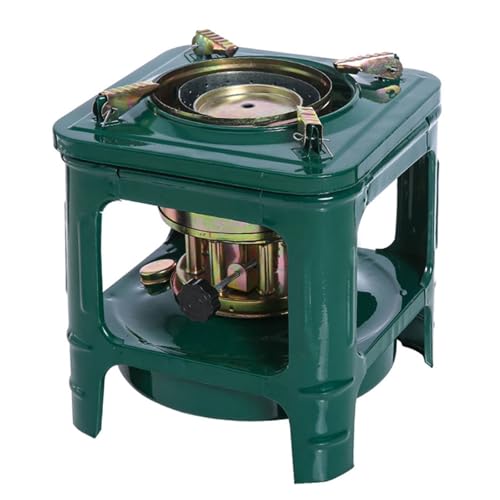
- ✓ Compact and lightweight
- ✓ Built-in wind shields
- ✓ Durable construction
- ✕ Kerosene-only fuel
- ✕ Slightly higher price
| Fuel Type | Kerosene only |
| Burner Material | High-quality durable materials (specific material not specified) |
| Fuel Capacity | Not explicitly specified, inferred to be sufficient for backpacking use |
| Ignition System | Not specified, likely manual ignition |
| Wind Shield Design | Built-in wind shields for steady flame |
| Portability | Compact and lightweight design suitable for backpacking |
Imagine pulling this little stove out of your pack, only to realize it’s surprisingly beefy for its compact size—like discovering a hidden gem in your gear bag. The first thing that catches your eye is its sturdy build, made from durable materials that feel solid and ready for outdoor abuse.
The design is smart—lightweight enough to carry effortlessly, yet robust enough to stand up to the elements. Its wind shields are a game-changer, especially when you’re battling gusts on a mountain ridge or by a chilly lake.
You’ll notice how steady the flame stays, making cooking much more predictable.
Using it is straightforward. The fuel compatibility is limited to kerosene, which might seem restrictive at first, but it’s perfect if you’ve got a reliable supply.
The cotton core system inside ensures smooth fuel flow, and the 1cm height above the lid keeps everything safe and efficient.
Setting it up takes seconds—just attach, ignite, and you’re ready to cook. The compact size means it easily fits into a backpack pocket, and the lightweight nature means it doesn’t weigh you down.
Plus, the high-quality materials give you confidence that this stove will last through many adventures.
While it excels in windy conditions and durability, the limitation to kerosene only could be a downside if you prefer versatile fuel options. Also, the price is a bit higher than some simple camping stoves, but the performance justifies it in rough conditions.
Versatile Portable Kerosene Stove for Camping, Home Heating

- ✓ Lightweight and portable
- ✓ Fast boiling time
- ✓ Multi-fuel compatibility
- ✕ Slightly noisy when in use
- ✕ Limited to 1-2 person use
| Fuel Type | Kerosene, Diesel, Alcohol |
| Boiling Time | 7-8 minutes for water |
| Fuel Capacity | Approximate 4-6 hours of continuous use per fill |
| Weight | 0.75 kg (1.65 lbs) |
| Heating Power | Not explicitly specified, but inferred to be sufficient for rapid boiling and heating |
| Adjustable Flame Control | Yes, via simple switch |
Unboxing this kerosene stove, I immediately noticed how lightweight and compact it is—barely 0.75kg, yet it feels sturdy enough to handle outdoor adventures. The 8-hole design caught my eye right away; it looks sleek and promises rapid heating, which turned out to be true.
First time I lit it up, I was impressed by how quickly it boiled water—just about 8 minutes for a full pot. The adjustable fire switch was smooth to operate, giving me precise control over the flame.
Switching fuels from kerosene to diesel or alcohol was straightforward, and I appreciated the safety aspect of avoiding gasoline.
During extended use, I found it very fuel-efficient—running about 4-6 hours on a single fill. It’s perfect for camping or even as a backup home heating device.
The versatility in fuel options really sets it apart, especially for outdoor trips where fuel availability can vary.
Handling the stove, I liked how easy it was to carry around, fitting perfectly into my pack. The heat control made cooking a breeze, whether I was boiling water or simmering a meal.
Plus, its multi-scenario utility means I could also use it for tent heating or even on a boat.
Overall, this stove combines portability, efficiency, and versatility. It’s a reliable companion that performs well in a variety of outdoor and emergency situations.
For the price, it’s surprisingly capable and well-designed.
Alpaca Kerosene Cook Stove, 8,500 BTU, Steel Drip Tray,

- ✓ Compact & portable
- ✓ High-efficiency burner
- ✓ Long-lasting fuel supply
- ✕ Slightly heavy for ultralight hikers
- ✕ No built-in wind protection
| Heating Power | 8,500 BTUs |
| Fuel Capacity | 1 gallon (approximately 3.78 liters) |
| Maximum Continuous Cooking Time | Up to 16 hours |
| Burner Efficiency | 3 times more efficient than typical camping stoves |
| Construction Material | Steel base with all-metal catalytic chimney |
| Adjustable Flame Control | Yes |
Imagine you’re deep into a camping trip, the sun dipping behind the trees, and you realize it’s time to start dinner. You pull out the Alpaca Kerosene Cook Stove, feeling its sturdy steel handle and compact size in your hands.
It slips easily into your backpack, barely taking up space, yet it feels solid and ready for action.
The first thing you’ll notice is the powerful 8,500 BTU burner. It heats up quickly, boiling water or frying up your favorite meal in no time.
The all-metal catalytic chimney and fiberglass wick give you confidence that it’ll burn consistently, even in windy conditions or cold weather.
Refilling the 1-gallon tank is straightforward, and with up to 16 hours of continuous use, you won’t be scrambling for fuel mid-meal. The adjustable flame control makes it easy to simmer or crank up the heat, giving you flexibility for different cooking needs.
If spills happen, the steel drip tray and easy-to-clean top make cleanup simple. Plus, the built-in carry handle means you can grab it and go without fuss.
It performs well on rugged terrain, and since it doesn’t need electricity, you’re free to cook anywhere—off-grid, in emergencies, or just in your backyard.
Overall, this stove feels like a reliable workhorse, designed for outdoor adventurers who want power, portability, and ease of use wrapped into one tough package. It’s a game-changer for anyone who hates fuss but loves dependable outdoor cooking.
What Are the Key Features of the Best Kerosene Backpacking Stove?
The key features of the best kerosene backpacking stove include:
- Fuel Efficiency: A top-tier kerosene backpacking stove should maximize fuel usage, allowing for extended cooking times and reduced refueling stops. This efficiency helps backpackers carry less fuel, making their packs lighter and more manageable.
- Compact and Lightweight Design: The ideal stove is designed to be lightweight and compact without sacrificing stability. This portability is crucial for backpackers who prioritize minimizing pack weight and volume while maintaining cooking capabilities.
- Durability: A reliable kerosene stove must withstand the rigors of outdoor use, including exposure to various weather conditions and rough handling. Sturdy construction materials like aluminum or stainless steel ensure longevity and performance in rugged environments.
- Ease of Use: The best stoves feature straightforward setup and operation, often with a simple ignition system and adjustable flame control. User-friendly designs enable quick cooking and make it easier for beginners to use effectively.
- Multi-fuel Capability: Some kerosene stoves can also burn other fuels, such as gasoline or diesel, increasing versatility for different situations. This feature is particularly valuable for those who may encounter fuel shortages while on longer treks.
- Wind Resistance: Effective wind resistance is crucial for outdoor cooking, and the best backpacking stoves often come with features like windshields to maintain consistent heating. This capability ensures efficient cooking even in breezy conditions, which is a common challenge in the wilderness.
- Safety Features: Safety is paramount, and the best kerosene stoves usually include features like pressure release valves and secure fuel tanks to minimize the risk of leaks or accidents. These safety measures help ensure a secure cooking experience in remote areas.
- Maintenance and Cleaning: A good kerosene stove should be easy to maintain and clean, with accessible components for quick servicing. This convenience helps maintain optimal performance and extends the stove’s lifespan, which is essential for avid backpackers.
How Important Are Weight and Portability for Backpackers?
The ease of carrying a stove is essential for backpackers who prioritize space and convenience in their packs. A portable stove can be compact or foldable, making it easier to fit into a backpack without taking up much room. This is particularly beneficial for those who need to pack other essential gear alongside their cooking equipment.
Stoves that use kerosene can vary in fuel consumption, which impacts how often a backpacker needs to carry extra fuel. Efficient stoves can help minimize the frequency of fuel resupply trips, allowing for longer stretches between refueling. This is a significant consideration for long-distance backpackers who aim to lighten their load.
The construction and materials of the stove influence its ability to withstand the rigors of backpacking. Durable stoves made from high-quality materials can endure harsh weather conditions and rough handling, ensuring they last for multiple trips. Backpackers often prioritize stoves that offer reliability and robustness in challenging environments.
A stove’s design and operation affect how quickly a backpacker can prepare meals, which can be vital during long treks. Stoves that are easy to ignite, adjust, and clean can save valuable time and effort, especially when camping in remote locations. Quick meal preparation allows backpackers to conserve energy and focus on other tasks like setting up camp or resting.
What Role Does Fuel Efficiency Play in Choosing a Kerosene Stove?
Fuel efficiency is a critical factor to consider when choosing the best kerosene backpacking stove, as it affects weight, cost, and environmental impact.
- Fuel Consumption Rate: This refers to how much kerosene the stove uses over a given period or for a specific task, such as boiling water. A stove with a lower fuel consumption rate will allow you to carry less fuel, making it easier to manage weight while backpacking.
- Burn Time: The burn time indicates how long a stove can operate on a certain amount of fuel. A longer burn time means fewer refuels during trips, which is particularly beneficial on longer excursions, providing convenience and reducing the need to carry extra fuel.
- Heat Output Efficiency: This measures how effectively the stove converts kerosene into usable heat for cooking. A stove with high heat output efficiency will require less fuel to achieve the same cooking results, enhancing overall performance and reducing environmental impact.
- Cost-Effectiveness: Fuel efficiency directly influences the overall cost of using a kerosene stove, as more efficient stoves will require less fuel over time. This can lead to significant savings for backpackers who frequently rely on their stoves for extended periods.
- Environmental Impact: Stoves that are more fuel-efficient tend to have a reduced carbon footprint since they burn less fuel for the same output. This aspect is increasingly important for environmentally conscious consumers who want to minimize their ecological impact while enjoying outdoor activities.
How Do the Top Kerosene Backpacking Stoves Compare?
| Feature | Stove A | Stove B | Stove C |
|---|---|---|---|
| Weight | 2.5 lbs – Lightweight and portable for hiking | 3.0 lbs – Slightly heavier but offers more stability | 2.8 lbs – Balanced weight with good performance |
| Burn Time | 1.5 hours on 1 liter – Efficient for quick meals | 2 hours on 1 liter – Longer burn time ideal for extended trips | 1.8 hours on 1 liter – Good for short camping outings |
| Fuel Efficiency | 0.5 liters/hour – Consumes fuel moderately | 0.4 liters/hour – Highly efficient, saves on fuel costs | 0.6 liters/hour – Less efficient, but great for high heat |
| Price | $70 – Budget-friendly option | $120 – Higher cost but superior features | $90 – Mid-range price with good value |
| Material | Aluminum – Lightweight and durable | Stainless Steel – Highly durable and resistant to corrosion | Brass – Excellent heat retention and durability |
| Boil Time | 5 minutes – Quick to boil 1 liter of water | 6 minutes – Slightly longer boil time | 5.5 minutes – Fast boiling with good efficiency |
| Wind Resistance | Moderate – Performs adequately in light winds | High – Designed for stability in windy conditions | Low – Struggles in strong winds |
| User Ratings | 4.2/5 – Generally positive feedback from users | 4.8/5 – Highly rated for performance and reliability | 4.1/5 – Good reviews but with some concerns |
What Unique Features Set Them Apart?
The best kerosene backpacking stoves are distinguished by several unique features that enhance their performance and usability in outdoor settings.
- Fuel Efficiency: Kerosene stoves are known for their high fuel efficiency, allowing users to cook meals with less fuel compared to other types of stoves. This is particularly advantageous during long backpacking trips where carrying extra fuel can be burdensome.
- Cold Weather Performance: These stoves perform well in cold weather, as kerosene has a lower freezing point than many alternative fuels. This ensures reliable operation even in harsh conditions, making them ideal for winter camping.
- Stability: Kerosene backpacking stoves often feature a wider base and sturdy construction, providing greater stability when cooking on uneven terrain. This design minimizes the risk of tipping over while in use, enhancing safety during meal preparation.
- Versatility: Many kerosene stoves can burn a variety of fuels, including diesel and jet fuel, which expands their usability in different environments. This versatility can be particularly useful for travelers who may not have access to kerosene but can find other compatible fuels.
- Durability: Constructed from robust materials, kerosene stoves are built to withstand rugged outdoor conditions. Their durability ensures a long lifespan, making them a worthwhile investment for frequent backpackers.
- Ease of Maintenance: Kerosene stoves typically have simpler designs that facilitate easy maintenance and cleaning. This user-friendly aspect is crucial for backpackers who need to maintain their equipment on the go.
How Do Their Performances Differ in Real-World Conditions?
The performance of the best kerosene backpacking stoves can vary significantly based on several factors.
- Fuel Efficiency: Kerosene stoves generally have excellent fuel efficiency, allowing for longer cooking times with less fuel. This is particularly advantageous in remote areas where carrying extra fuel is not feasible.
- Temperature Control: Many kerosene stoves offer precise temperature control, making it easier to simmer or boil food as needed. This adaptability can enhance cooking results, especially for more complex meals that require careful temperature management.
- Wind Resistance: Kerosene stoves are often designed to perform well in windy conditions, thanks to their robust flame structure. This makes them suitable for outdoor environments where wind could otherwise extinguish weaker flames or affect cooking times.
- Cold Weather Performance: Kerosene maintains its performance in colder temperatures better than many other fuels, allowing users to cook effectively in winter conditions. This reliability is crucial for backpackers who venture into cold climates.
- Weight and Portability: While kerosene stoves can be heavier than other types of backpacking stoves, advancements in design have led to lightweight models that are still portable. It’s important to weigh the benefits of fuel efficiency against the added weight when packing for a trip.
- Ease of Maintenance: Kerosene stoves typically require more maintenance than canister stoves due to the nature of the fuel and the potential for soot buildup. Regular cleaning and servicing are necessary to ensure optimal performance and longevity of the stove.
What Advantages Do Kerosene Backpacking Stoves Offer Over Other Fuels?
Another advantage is the storage capability of kerosene. It doesn’t evaporate as quickly as gasoline or canister fuels and can remain usable for years if kept in a sealed container, which is ideal for both long-term storage and emergency preparedness.
Kerosene’s versatility in temperature conditions is particularly valuable for those who hike in colder climates, where certain fuels may freeze or become difficult to ignite. Kerosene stoves maintain functionality even in freezing temperatures, ensuring a reliable cooking solution.
The efficient heat output of kerosene stoves means that meals can be prepared quickly, which is a significant benefit when time is of the essence during a camping trip. This efficiency allows backpackers to conserve fuel while still enjoying hot meals.
Finally, in terms of environmental impact, kerosene produces fewer particulates when burned compared to some other options, which can contribute to cleaner air, especially in confined spaces like tents. This makes it a more eco-friendly choice for conscious backpackers.
Why Should You Consider Safety Precautions When Using Kerosene?
You should consider safety precautions when using kerosene because it is a highly flammable liquid that can pose significant fire and health risks if not handled properly.
According to the National Fire Protection Association (NFPA), kerosene can ignite at relatively low temperatures, and its vapors can be explosive in confined spaces. This makes it essential for users to be aware of their surroundings and to follow safety guidelines to minimize risks. Moreover, the Centers for Disease Control and Prevention (CDC) highlights that exposure to kerosene can lead to respiratory problems and skin irritation, further necessitating precautions during use.
The underlying mechanism of these risks lies in the chemical properties of kerosene. As a hydrocarbon, kerosene burns efficiently, producing intense heat and flames that can easily ignite nearby materials. When using a kerosene backpacking stove, users may inadvertently create a hazardous environment if they are in close quarters with flammable materials or if the stove is not ventilated properly, leading to potential fires or harmful inhalation of fumes. Furthermore, improper storage of kerosene can lead to spills or leaks, increasing the risk of accidental ignition.
Additionally, the potential for human error plays a significant role in the safety of kerosene use. Many accidents occur due to a lack of awareness regarding the proper operation of kerosene stoves or failure to adhere to safety guidelines. For example, not allowing the stove to cool before refueling can lead to dangerous flare-ups. Understanding these causal relationships can help users take the necessary steps to ensure safe and effective use of kerosene backpacking stoves.
What Are Common Challenges with Kerosene Backpacking Stoves?
Kerosene backpacking stoves are popular for their efficiency and availability of fuel, yet they do present several challenges for outdoor enthusiasts:
-
Fuel Storage and Transport: Kerosene requires careful handling and proper containers due to its flammable nature. Backpackers must ensure they have secure, leak-proof bottles to avoid spills during transport.
-
Priming Process: Many kerosene stoves require a priming step that can complicate the setup. This involves heating the kerosene before it can ignite, which can be cumbersome and time-consuming, especially in adverse weather conditions.
-
Stove Maintenance: Regular maintenance is essential, as kerosene can leave residues that clog the burner. Cleaning the stove components is necessary after each use to ensure consistent performance, which may not appeal to all users.
-
Weight Considerations: Compared to other stove types like canister stoves, kerosene backpacking stoves tend to be heavier. This can be a drawback for minimalist backpackers focused on weight savings.
-
Burning Efficiency: Kerosene may burn less cleanly than other fuels, producing soot that can dirty pots and pans. Proper cookware and cleaning solutions may be needed to mitigate this issue.
Awareness of these challenges can assist in making informed decisions when choosing a kerosene backpacking stove for outdoor adventures.
How Can You Troubleshoot Common Issues?
When troubleshooting common issues with the best kerosene backpacking stove, consider the following steps:
- Check Fuel Quality: Ensure that the kerosene used is clean and free from impurities. Poor quality fuel can lead to clogging and inefficient burning, which may cause the stove to perform poorly or fail to ignite.
- Inspect Fuel Lines: Examine the fuel lines for any blockages or leaks. A damaged or blocked line can restrict fuel flow, leading to weak flames or failure to light the stove altogether.
- Clean Burner Assembly: Regularly clean the burner assembly to remove soot and debris that can accumulate over time. A clogged burner can prevent proper airflow and fuel mixture, resulting in an inconsistent flame or smoke production.
- Check Pump Pressure: Ensure that the fuel pump is functioning correctly and that there is adequate pressure in the system. Insufficient pressure can lead to poor fuel delivery, making it difficult to achieve the desired cooking temperature.
- Review Ignition Process: Follow the manufacturer’s instructions for lighting the stove and ensure that all components are assembled correctly. Improper lighting techniques can result in a failure to ignite or an unstable flame.
- Examine Seals and Connections: Look for any damaged seals or loose connections that may allow air to enter the fuel system. Air leaks can disrupt fuel flow and combustion, causing the stove to underperform.
What Tips Can Help You Use a Kerosene Backpacking Stove More Efficiently?
To use a kerosene backpacking stove more efficiently, consider the following tips:
- Choose the Right Kerosene: Selecting high-quality, clean kerosene can significantly improve the efficiency and performance of your stove.
- Preheat Your Stove: Properly preheating the stove can ensure consistent combustion and minimize fuel consumption.
- Optimize Your Cooking Technique: Using lids on pots and adjusting the flame can help conserve fuel while cooking.
- Maintain Your Stove Regularly: Regular maintenance, including cleaning and checking for clogs, keeps the stove operating efficiently.
- Plan Your Meals: Planning meals that require less cooking time can help reduce fuel usage during your trips.
Choose the Right Kerosene: Using high-quality kerosene reduces the buildup of soot and ensures a cleaner burn, which translates to better energy output and less maintenance. Avoid recycled or low-grade fuel as these can lead to inefficiencies and potential stove damage.
Preheat Your Stove: Before igniting the stove, preheating the burner helps vaporize the kerosene more effectively, leading to a more stable flame. This step is crucial, especially in cold environments, as it prevents the fuel from burning inefficiently and wasting energy.
Optimize Your Cooking Technique: Covering pots with lids reduces heat loss and speeds up cooking times, ultimately using less fuel. Additionally, adjusting the flame to the minimum required for cooking can prevent excess fuel consumption.
Maintain Your Stove Regularly: Keeping the fuel lines and burner clean ensures optimal combustion, preventing clogging that can cause inefficient fuel use. Regular checks for leaks or wear can also enhance safety and performance during your trips.
Plan Your Meals: By selecting meals that don’t require extensive cooking or long boiling times, you can significantly cut down on fuel usage. Preparing meals that can be cooked quickly or even using no-cook options can help extend your fuel supply while on the trail.
Related Post: