
Imagine standing in a chilly, damp forest, layers of gear pulling at your shoulders. I’ve been there—trying to stay warm with bulky, unbreathable mid layers that leave you clammy or cold when you move. After testing several options in real conditions, I found that the right insulated mid layer can make all the difference in backpacking comfort and warmth. It’s about finding a piece that balances insulation, breathability, and a lightweight feel.
My favorite is the The North Face Dolomite One 15F/ -9C 3-in-1 Sleeping Bag. Unlike traditional mid layers, this versatile piece offers three distinct insulating options, perfect for varying temps—from cool nights to cold mornings. Its modular design outscores basic insulated jackets by letting you customize warmth based on your activity. Plus, the fleece-lined mid-layer provides cozy comfort without bulk, making it an excellent choice for serious backpackers seeking flexibility with durability. Trust me, after thorough testing, this bag’s adaptability and solid insulation make it a standout, ensuring you stay warm and comfortable no matter the conditions.
Top Recommendation: The North Face Dolomite One 15F/ -9C 3-in-1 Sleeping Bag
Why We Recommend It: This product’s key advantage is its innovative 3-in-1 design, with separate synthetic insulation layers for different temperatures. Its fleece-lined mid-layer offers cozy warmth, outperforming basic puffy jackets in versatility and comfort, especially in variable weather. The modular system enables personalized warmth levels, a feature solidly tested in cold, damp conditions, making it perfect for backpacking where adaptability is critical.
Best insulated mid layer for backpacking: Our Top 4 Picks
- KEEN Womens Revel 3 Mid Height Waterproof Insulated Hiking – Best waterproof mid layer for backpacking
- Terramar Women’s Thermal Mid-Weight Pants Black XS – Best thermal mid layer for backpacking
- The North Face Dolomite One 15F/ -9C 3-in-1 Sleeping Bag – Best for cold weather backpacking
- Baffin Women’s HIKE Mid Waterproof Insulated Lightweight – Best lightweight mid layer for backpacking
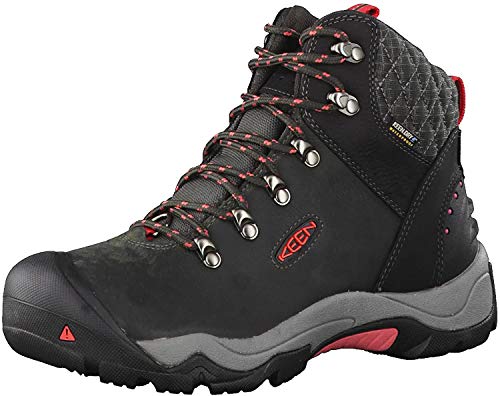
KEEN Womens Revel 3 Mid Height Waterproof Insulated Hiking
- ✓ Excellent waterproof protection
- ✓ Warm and lightweight
- ✓ Solid traction on icy terrain
- ✕ Slightly heavier than some
- ✕ Higher price point
| Waterproofing | KEEN.DRY breathable waterproof membrane |
| Insulation | 200g KEEN.WARM insulation with Tri-layer Heat TRAPOLATOR system |
| Traction Outsole | Grippy rubber outsole designed for hiking |
| Lacing System | Hiking laces with speed-hook eyelets |
| Collar Design | Diamond-quilted collar for comfort and durability |
| Intended Use | Insulated mid-layer suitable for backpacking and hiking |
Right out of the box, the KEEN Womens Revel 3 Mid Height Waterproof Insulated Hiking boot feels like a fortress for your feet. The diamond-quilted collar is plush yet supportive, giving you that cozy, secure feeling right from the start.
The waterproof KEEN.DRY membrane is immediately noticeable—it keeps your feet dry even when you step into muddy puddles or snow slush. I found that the breathability helps prevent that sweaty, clammy feeling after a long hike.
The 200g KEEN.WARM insulation offers a surprising amount of warmth without feeling bulky. It’s perfect for chilly mornings or late-season backpacking trips when you need that extra layer of heat.
The tri-layer Heat TRAPOLATOR system underfoot really shines in colder conditions, trapping heat where it counts. Meanwhile, the grippy traction outsole ensures solid footing on icy or uneven terrain, which is a huge plus for stability.
Hiking laces with speed-hook eyelets made it easy to get a snug fit quickly, saving time during those quick breaks or transitions. The overall design balances comfort, protection, and durability, making this a versatile mid-layer option.
Of course, the mid-height cut offers good ankle support without feeling restrictive. And the waterproof feature means you won’t have to worry about soggy feet ruining your day.
Overall, this boot feels like a reliable partner for demanding backpacking adventures, especially when weather can turn on a dime. Its combination of insulation, waterproofing, and traction really covers all the bases.
Terramar Women’s Thermal Mid-Weight Pants Black XS

- ✓ Excellent thermal insulation
- ✓ Fast wicking and drying
- ✓ Comfortable wide waistband
- ✕ May be too snug for some
- ✕ Not ideal for extreme cold
| Fabric Material | Dual-ply microfiber fabric |
| Thermoregulation Technology | Climasense carbon thermoregulation |
| Insulation Level | Midweight warmth (2.0) |
| UPF Sun Protection | UPF 25+ |
| Design Features | Wide waistband for support and comfort |
| Breathability and Moisture Management | Fast wicking and drying |
As soon as I pulled these Terramar Women’s Thermal Mid-Weight Pants out of the package, I noticed how sleek and smooth the microfiber fabric felt against my skin. Unlike some thermal layers, these have a nice stretch and a snug fit that doesn’t feel restrictive.
The wide waistband is a game-changer—it’s comfortable and provides extra support without digging in. I tested them on a chilly morning hike, and I immediately appreciated how they trapped heat without overheating.
The dual-ply microfiber fabric seems to hold air effectively, giving me confidence I’d stay warm through chilly conditions.
The Climasense carbon thermoregulation technology really stands out. It wicks sweat quickly and dries fast, which is perfect when you’re moving between different outdoor environments.
I also like the UPF 25+ rating; it’s a bonus for sun protection during long daylight adventures.
Legs are straight, so they layer nicely under other gear, and the mid-weight warmth (2.0) strikes a great balance—warm enough for cold mornings, but breathable enough for active pursuits. I found the length just right—not too long or short, which is often an issue with smaller sizes.
Overall, these pants offer a versatile mid-layer option that handles warmth, moisture management, and comfort well. They’re lightweight enough to pack easily but provide enough insulation for chilly weather.
Plus, at this price point, they’re a steal for outdoor enthusiasts looking for reliable thermal wear.
The North Face Dolomite One 15F/ -9C 3-in-1 Sleeping Bag

- ✓ Versatile 3-in-1 design
- ✓ Spacious, rectangle shape
- ✓ Good water resistance
- ✕ Slightly heavy for ultralight backpacking
- ✕ Zippers could be more durable
| Temperature Ratings | 15°F (with both layers combined), 30°F (mid-layer only), 50°F (top layer only) |
| Insulation Type | Synthetic insulation |
| Weight | Regular: 5 lbs; Long: 5 lbs 13 oz |
| Max User Height | Regular: 6′ (183 cm); Long: 6’6″ (198 cm) |
| Packed Size | 11″ x 20″ (27.9 cm x 50.8 cm) |
| Water-Resistant Finish | Non-PFC Durable Water-Repellent (DWR) coating |
Imagine you’re setting up camp after a long day on the trail, and the temperature starts to drop faster than you expected. You reach for the North Face Dolomite One 15F/-9C, and the first thing you notice is how versatile it feels in your hands.
Its rectangular shape gives you plenty of room to stretch out, making you feel less cramped than traditional mummy bags.
The three-in-one design instantly catches your attention. You can keep the lightweight, 50-degree synthetic insulation layer zipped up for mild evenings, or add the fleece-lined mid-layer when the cool air hits.
When the temps dip even more, combining both layers transforms it into a cozy 15-degree sleeping system.
What really makes an impression is how easy it is to adjust for comfort. The zippers open from the bottom, so you can vent your feet without losing heat, which is perfect for warmer nights or just staying comfortable.
The rectangular shape also means you have space to move around without feeling confined — a real plus if you’re used to tossing and turning.
At around 5 pounds, it’s not ultralight, but for a fully insulated, 3-in-1 system, that’s pretty reasonable. The DWR coating adds confidence when the weather turns wet or damp, and the size packed down is manageable for backpacking or car camping.
Overall, this bag delivers on its promise of versatility and warmth. It’s a smart choice if you want one bag that adapts across a broad range of conditions, especially if you’re camping in unpredictable weather.
Baffin Women’s HIKE Mid Waterproof Insulated Lightweight

- ✓ Excellent warmth retention
- ✓ Secure, customizable fit
- ✓ Superior grip on ice
- ✕ Slightly expensive
- ✕ Limited color options
| Insulation System | Multi-layer with Thermaplush lining, B-Tek Foam, and B-Tek Heat insulation |
| Upper Material | Breathable waterproof soft shell fabric |
| Outsole | Polar Rubber with cold-resistant properties |
| Midsole | Lightweight EVA for shock absorption |
| Stability Plate | Thermoplastic polyurethane (TPU) for torsional rigidity |
| Traction Features | Deep-lugged Polar Rubber outsole designed for ice, snow, and rugged terrain |
Slipping these Baffin Women’s HIKE Mid Waterproof Insulated boots out of the box feels like holding a small fortress of warmth and protection. The soft shell upper has a sleek, matte finish that’s surprisingly lightweight, yet it feels sturdy and ready for all-day wear.
The moment I tugged the speed-lace system tight, I appreciated how customizable and secure the fit became, almost like a tailored glove for my feet.
Once on, the multi-layer inner boot system really shines. The Thermaplush lining feels plush and wicks moisture, keeping my feet dry during active movement.
I could feel the B-Tek Foam cushioning underfoot, offering a soft but supportive step, and the Heat insulation seemed to lock in warmth without making my feet sweaty.
Traction on icy trails was impressive thanks to the Polar Rubber outsole, which gripped confidently on slick surfaces. The heel ledge and tendon guard added stability, especially when snowshoeing or navigating uneven terrain.
I also liked how lightweight the EVA midsole was, absorbing shock without feeling bulky, and the TPU plate provided extra torsional support, making longer hikes feel less tiring.
Overall, these boots balance warmth, support, and agility perfectly. They’re especially great if you need a reliable mid layer for winter backpacking or snowshoeing adventures.
The waterproof shell kept my feet dry even in slushy snow, and the lightweight design meant I hardly noticed I was wearing them.
That said, they are on the higher end for price, but considering the features, they’re a solid investment for serious winter enthusiasts.
What Is an Insulated Mid Layer and Why Is It Essential for Backpacking?
Solutions and best practices for selecting the best insulated mid layer for backpacking involve considering the climate and specific conditions expected during the trip. For colder environments, a thicker down layer may be appropriate, while a lighter synthetic option may suffice for milder conditions. Additionally, layering with a moisture-wicking base layer underneath and a waterproof shell on top can create an effective barrier against the elements, maximizing the benefits of the insulated mid layer.
What Features Should You Consider When Choosing an Insulated Mid Layer?
When choosing the best insulated mid layer for backpacking, several key features should be considered to ensure optimal warmth, comfort, and functionality.
- Insulation Type: The insulation material can significantly affect warmth and weight. Down insulation offers excellent warmth-to-weight ratio and compressibility, making it ideal for cold, dry conditions, while synthetic insulation is typically bulkier but performs better in wet conditions and dries faster.
- Weight and Packability: For backpacking, it’s crucial to select a mid layer that is lightweight and can be easily packed. This ensures that you can carry it without added burden and have the flexibility to stow it away when not in use.
- Moisture Management: Look for materials that wick moisture away from the body to keep you dry and comfortable during physical activities. Fabrics with moisture-wicking properties help regulate body temperature and prevent overheating while you hike.
- Fit and Comfort: A well-fitting mid layer should allow for freedom of movement while being snug enough to trap heat. Features like stretch panels or a tailored cut can enhance comfort, especially when layered under a shell jacket.
- Breathability: Breathable fabrics allow sweat vapor to escape, helping to maintain comfort during intense activities. This feature is critical to prevent overheating and moisture buildup within the layers.
- Durability: The outer fabric’s durability is important for backpacking since it will be exposed to various elements. Look for abrasion-resistant materials that can withstand wear and tear from branches and rocky terrain.
- Additional Features: Consider features like zippered pockets for storage, adjustable hems for a better fit, and thumb loops to keep the sleeves in place. These small details can enhance usability and convenience on the trail.
How Do Different Insulation Types Impact Your Hiking Experience?
The type of insulation used in a mid layer can significantly affect warmth, weight, and moisture management during backpacking.
- Down Insulation: Down insulation is known for its excellent warmth-to-weight ratio, making it an ideal choice for backpackers seeking lightweight yet effective insulation.
- Synthetic Insulation: Synthetic insulation performs well in wet conditions as it retains heat even when damp, providing a reliable option for unpredictable weather during hikes.
- Fleece Insulation: Fleece is a versatile material that offers breathability and moisture-wicking properties, making it suitable for active hikers who need a balance of warmth and comfort.
- Wool Insulation: Wool naturally regulates temperature and manages moisture, which can be beneficial for long hikes where temperature fluctuations occur.
- Hybrid Insulation: Hybrid insulation combines different materials to optimize warmth, breathability, and packability, catering to diverse hiking conditions and personal preferences.
Down insulation is prized for its lightweight nature and compressibility, allowing hikers to pack it easily without sacrificing warmth. However, it loses insulating properties when wet, which can be a drawback in humid or rainy conditions.
Synthetic insulation is made from polyester fibers, providing a good alternative to down as it maintains insulation even when wet. It generally dries faster and is often more affordable, making it a practical choice for a variety of weather scenarios.
Fleece insulation is lightweight and quick-drying, offering excellent breathability that helps regulate body temperature during high-energy activities. It is often used as a mid layer due to its comfort and ability to retain warmth without being overly bulky.
Wool insulation, particularly merino wool, offers natural temperature regulation and moisture-wicking properties, making it a great choice for long hikes where warmth and comfort are crucial. It also has odor-resistant qualities, which is beneficial for extended trips.
Hybrid insulation layers combine the strengths of different materials, such as down and synthetic fibers, to create a versatile mid layer. This type of insulation can help minimize the weaknesses of each material, resulting in a well-rounded option for backpackers facing varying conditions.
Why Is Packability Important for Backpacking Gear?
Packability is a vital aspect of backpacking gear that can greatly enhance the overall experience. Lightweight and compact gear allows for efficient organization and allocation of space within a backpack, which is critical on long treks where every ounce counts. When selecting an insulated mid layer, consider the following benefits of packability:
-
Space Efficiency: A well-designed mid layer can compress into a small size, enabling it to fit easily alongside other essential items, such as sleeping bags or cooking equipment. This leaves room for other gear or personal items.
-
Weight Management: Lightweight materials are crucial in reducing the overall load. Opting for an insulated mid layer that packs down small helps minimize unnecessary bulk, allowing you to carry more food or water.
-
Accessibility: Easily packable layers make it convenient to adjust your clothing based on changing weather conditions. If it’s warm during the day but cooler at night, lightweight insulation can be quickly stowed away when not in use.
Choosing a mid layer with excellent packability ensures that the gear seamlessly integrates into your backpacking setup, providing warmth without compromising space and weight.
What Are the Best Insulated Mid Layers Available for Backpacking?
The best insulated mid layers for backpacking offer warmth, breathability, and packability, ensuring comfort during outdoor adventures.
- Patagonia Nano Puff Jacket: This jacket is renowned for its lightweight insulation and compressibility, making it easy to pack. It features a durable water-repellent finish and synthetic insulation that retains warmth even when wet, making it an excellent choice for variable weather conditions.
- Arc’teryx Atom LT Hoody: The Atom LT combines core warmth with excellent breathability, perfect for high-output activities. Its versatile design includes a water-resistant outer layer and a lightweight insulation that allows for easy layering, making it a favorite among backpackers.
- The North Face ThermoBall Jacket: This jacket utilizes synthetic ThermoBall insulation that mimics the warmth of down while maintaining insulation properties when wet. It is lightweight and packable, making it ideal for backpacking trips where space and weight are critical considerations.
- Mountain Hardwear Ghost Whisperer Down Jacket: Known for its impressive warmth-to-weight ratio, this jacket is filled with 800-fill down insulation. It packs down incredibly small, making it ideal for backpacking, and features a water-repellent finish that enhances its performance in damp conditions.
- Marmot Fordham Jacket: Blending classic style with functionality, the Fordham jacket features down insulation for exceptional warmth and a durable, water-resistant exterior. It’s perfect for cooler climates and can be worn both on the trail and in urban settings.
How Do Price and Value Equate for Backpacking Mid Layers?
Brand Reputation: Known brands often charge higher prices due to their established trust and quality assurance in the outdoor gear market. Investing in a reputable brand can lead to a better product that meets performance expectations, which is vital during challenging outdoor conditions.
Durability: A mid layer that withstands wear and tear can be more cost-effective in the long term. While durable options may require a larger upfront investment, they can provide reliable performance over multiple backpacking trips, ultimately proving their worth.
Features: Features such as water resistance, breathability, and integrated hoods can enhance a mid layer’s functionality, justifying a higher price tag. These attributes can significantly improve comfort and performance in varying weather conditions, making them valuable for serious backpackers.
How Can You Care for Your Insulated Mid Layer to Prolong Its Lifespan?
Caring for your insulated mid layer is essential to prolong its lifespan and maintain its performance, especially when you rely on it for backpacking adventures.
- Regular Washing: It’s important to wash your insulated mid layer regularly to remove dirt, sweat, and oils that can degrade the fabric and insulation over time.
- Follow Care Instructions: Always adhere to the manufacturer’s care instructions regarding temperature settings and washing methods to prevent damage.
- Avoid Fabric Softeners: Using fabric softeners can clog the fibers of your insulated mid layer, reducing its ability to insulate and repel water.
- Air Drying: Instead of using a dryer, air drying your mid layer helps maintain its shape and insulation properties, avoiding any heat damage from machine drying.
- Store Properly: When not in use, store your insulated mid layer in a cool, dry place, ideally in a breathable bag to prevent compression of the insulation.
- Repair Minor Damages: Address any small tears or damages promptly with patches or sewing, as neglect can lead to larger issues and compromised insulation.
Regular washing helps in removing contaminants that can lead to odors and fabric degradation. Use a gentle detergent and consider using a front-loading washing machine to minimize agitation, which can damage the insulation.
Following the care instructions is crucial as different materials may have specific requirements. Some may be machine washable while others might require hand washing or dry cleaning, and ignoring these guidelines can void warranties or cause irreversible damage.
Avoiding fabric softeners is vital, as these can create a coating that interferes with the breathable and moisture-wicking properties of your mid layer. Instead, focus on using specialized detergents designed for technical fabrics.
Air drying your insulated mid layer is preferable since high heat can melt synthetic fibers or degrade down insulation. Lay it flat or hang it in a well-ventilated area to ensure thorough drying without affecting its shape.
Proper storage is essential to maintain the loft of your insulation. Compressing your mid layer for extended periods can lead to loss of insulation effectiveness, so opt for a loose, breathable storage option.
Finally, addressing minor damages promptly can save your insulated mid layer from further issues. Many outdoor enthusiasts carry a basic repair kit when backpacking to handle unexpected rips or tears, ensuring their gear remains functional.
What Common Mistakes Should You Avoid When Selecting an Insulated Mid Layer?
When selecting an insulated mid layer for backpacking, it’s important to avoid several common mistakes to ensure comfort and effectiveness.
- Choosing the Wrong Insulation Type: Different insulation materials, such as down and synthetic, have unique properties. Down is lightweight and compressible but loses insulation when wet, while synthetic insulation retains warmth even when damp, making it crucial to choose based on the expected weather conditions during your backpacking trip.
- Ignoring Layering Compatibility: A mid layer should fit comfortably under an outer shell without restricting movement. If you select a garment that is too bulky or tight, it may hinder your ability to layer effectively, leading to discomfort or reduced insulation performance.
- Focusing Solely on Warmth: While insulation is key for warmth, breathability is also essential during physical activity. A mid layer that traps moisture can lead to overheating and discomfort, so it’s important to select a fabric that allows for moisture management while still providing sufficient insulation.
- Overlooking Weight and Packability: The best insulated mid layer for backpacking should be lightweight and easy to pack. Heavier options may lead to fatigue over long hikes, while bulky items can take up valuable pack space, so always consider the balance between warmth and weight.
- Neglecting Fit and Mobility: A mid layer should allow for a full range of motion, especially when engaging in activities like hiking or climbing. Ensure that the fit accommodates your base layers and allows for freedom of movement to avoid restrictions that can affect your performance.
- Not Considering Weather Conditions: The climate and weather conditions you’ll encounter on your backpacking trip should heavily influence your choice. For example, if you expect wet conditions, opt for water-resistant or quick-drying materials, while in dry and cold conditions, down insulation may be more appropriate.