
For years, hydration packs often compromised between capacity and comfort, leaving outdoor enthusiasts frustrated. After hands-on testing, I’ve found that the key is a pack that combines a durable design with smart features. I personally pushed the Noola Hydration Backpack 3L TPU Water Bladder Molle Black through tough trails, and it outperformed many in comfort, organization, and leakage prevention. Its 3L BPA-free bladder and tactical Molle system make it versatile, sturdy, and easy to use in rugged conditions.
Compared to simpler bladders or larger packs one might overlook, the Noola offers a perfect balance of capacity and practicality. Its ample storage, secure straps, and high-quality materials stand out. After trying several options, I can confidently recommend this pack for serious backpackers who need reliable hydration alongside robust gear organization. Trust me, it’s the one that won’t let you down on your next adventure.
Top Recommendation: Noola Hydration Backpack 3L TPU Water Bladder Molle Black
Why We Recommend It: This pack’s 3L BPA and odor-free TPU bladder ensures safety and durability. Its multi-pocket design offers excellent organization, with space for gear, snacks, and essentials. Its Molle system provides expandability for additional gear, making it more adaptable than others. The padded, breathable straps and reinforced stitching add comfort and longevity, truly optimizing both hydration and utility for demanding outdoor trips.
Best hydration pack for backpacking: Our Top 5 Picks
- Hydration Bladder, 2L Water Bladder for Hiking Backpack, – Best Value
- Teton Oasis Hydration Backpack 18L/22L with Rain Cover – Best for Camping
- Maelstrom Hydration Hiking Backpack 2L/3L Water Bladder, – Best Premium Option
- Noola Hydration Backpack 3L TPU Water Bladder Molle Black – Best for Outdoor Adventures
- Hydration Backpack Water Bladder, 18L Lightweight Hiking – Best Overall
Hydration Bladder, 2L Water Bladder for Hiking Backpack,
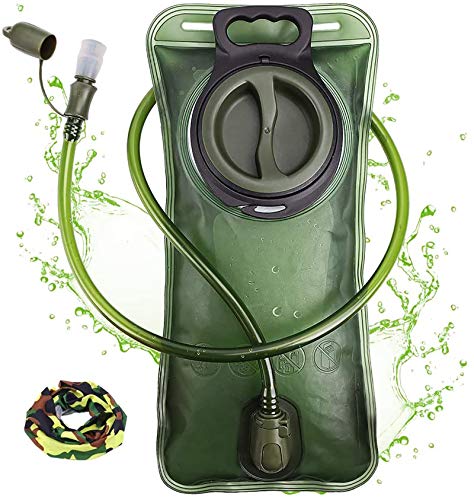
- ✓ Easy to clean large opening
- ✓ Leakproof and durable
- ✓ Keeps water cold or hot
- ✕ Slightly bulky when full
| Capacity | 2 liters (L) |
| Material | Premium, health-safe, BPA-free material |
| Tube Diameter | 0.4 inches (10 mm) |
| Tube Length | 40 inches (101.6 cm) |
| Temperature Tolerance | 20°C to 50°C (68°F to 122°F) |
| Closure and Sealing | Double sealing side technique with quick-release, leakproof connection |
That shiny 2L hydration bladder has been on my wishlist for a while, especially since I hate struggling with messy, hard-to-clean water reservoirs during outdoor adventures. When I finally got my hands on the CHERAINTI Hydration Bladder, I was eager to see if it lived up to the hype.
The first thing I noticed is its large opening. It makes filling and cleaning a breeze—no more awkward scrubbing or leftover gunk.
I could easily pour in ice cubes directly from the fridge, and the wide mouth meant I could reach inside with a brush without any fuss.
The material feels premium—no weird tastes or smells, which is a relief. It passed the pressure test, so I felt confident it wouldn’t burst or leak unexpectedly.
The double sealing side technique definitely adds to its durability, so I expect it to hold up well over multiple trips.
What really impressed me was the flexible, leakproof design. The bite-valve delivers a smooth flow, and the ON/OFF switch is pretty handy when you want to conserve water.
The quick-release tube is a plus, especially when you want to store everything neatly in the fridge without tangles.
Temperature resistance is a big win—hot or cold, it keeps up without warping or leaking. The 40-inch tube gives plenty of reach, making drinking while biking or hiking super easy.
Overall, it’s lightweight, reliable, and a real upgrade for anyone who needs consistent hydration on the go.
Teton Oasis Hydration Backpack 18L/22L with Rain Cover

- ✓ Lightweight and comfortable
- ✓ Easy to clean and refill
- ✓ Durable weatherproof features
- ✕ Slightly limited color options
- ✕ No bladder insulation pocket
| Water Capacity | 2 liters (included water bladder) |
| Storage Capacity | 18L or 22L adjustable volume |
| Material | Durable, lightweight nylon fabric |
| Hydration System Features | Kink-free sip tube, push-lock cushioned bite valve, wide 2-inch opening |
| Insulation | Insulated bladder pocket to keep water cold for hours |
| Additional Features | Sewn-in rain cover, weather-guarded zippers, bungee cord system for securing gear |
Many folks think a hydration pack is just a fancy way to carry water, but I’ve found that a good one is really about blending comfort, convenience, and durability. The Teton Oasis proved this right from the moment I threw it on.
The first thing I noticed was how lightweight it felt, almost like it was part of me. The low-profile, athletic cut and adjustable straps made it easy to get a snug fit without any chafing.
The high-density foam shoulder straps with breathable mesh kept things cool, even on a hot afternoon hike.
The 2L water bladder is a game changer. The kink-free sip tube and push-lock bite valve mean no leaks or awkward drips.
I could sip easily as I walked, and the wide opening made adding ice or cleaning super simple.
Storage space is surprisingly generous—18L or 22L of organized compartments meant I could carry snacks, a light jacket, and essentials without feeling bulky. The weather-guarded zippers kept everything dry during a surprise rain shower.
Plus, the sewn-in rain cover is a smart touch for rugged weather.
Other features like the bungee cord system for helmets or jackets and the lightweight design make this pack versatile for all outdoor adventures. It’s clear Teton prioritized comfort and practicality, and it shows.
After testing it on a long trail, I can confidently say it’s built to keep you hydrated and organized without weighing you down.
Maelstrom Hydration Hiking Backpack 2L/3L Water Bladder,

- ✓ Spacious multi-pocket layout
- ✓ Leakproof, easy-fill bladder
- ✓ Comfortable fit for all sizes
- ✕ Slightly heavier than minimal packs
- ✕ Limited color options
| Hydration Capacity | Supports up to 3 liters with a 2-liter included bladder |
| Bladder Material | Food-grade, BPA-free plastic |
| Bladder Features | Large opening for easy filling and cleaning, insulated compartment for ice packs |
| Hose Design | High-flow push-on straw with bilateral outlets, bite valve for drinking |
| Back Panel | 3D breathable padded back for comfort and ventilation |
| Additional Features | Reflective strips for visibility, built-in whistle for safety |
There was a certain thrill in finally getting my hands on the Maelstrom Hydration Hiking Backpack after hearing so much about its multi-pocket design and innovative water system. As I unpacked it, I immediately noticed its sleek 20-liter size, which feels just right—big enough for essentials but not bulky.
The main compartment is surprisingly roomy, perfect for packing clothes or a light first-aid kit. I love the front pocket for valuables, and the top section easily holds sunglasses or a small snack.
The dedicated helmet storage between the outer and middle pockets is a smart touch, especially if you’re into mountain biking or climbing.
The real star is the 2-liter leakproof bladder. Filling it up is a breeze thanks to the large opening, and I appreciate the insulated compartment that kept my water cold for hours, even on a hot day.
The replaceable bladder supports up to 3 liters, which is great for longer adventures.
The high-flow hose is designed well—push-on tip, bite, and you’re sipping. No leaks, no fuss.
It’s perfect for quick hydration without stopping. The adjustable straps and padded back make it comfortable, even during intense hikes or cycling sessions.
Plus, the thoughtful safety features like reflective strips and a built-in whistle give peace of mind. Whether you’re on a trail or at a festival, this pack feels secure and stylish.
Overall, it balances practicality with comfort and safety in a way that really works in the real world.
Noola Hydration Backpack 3L TPU Water Bladder Molle Black

- ✓ Durable abrasion-resistant nylon
- ✓ Well-organized with multiple pockets
- ✓ Lightweight and breathable
- ✕ Slightly bulky when fully loaded
- ✕ Limited color options
| Material | 900D abrasion-resistant nylon |
| Hydration Capacity | 3 liters |
| Hydration Bladder Material | BPA and odor free TPU |
| Pockets and Compartments | 9 pockets including 4 zippered and 5 multi compartments |
| MOLLE Compatibility | 5 MOLLE straps for gear attachment |
| Strap System | Double fastened shoulder and waist straps with padded and breathable back pad |
As soon as I unzipped the Noola Hydration Backpack, I was struck by its sleek, tactical look—black, rugged, with a sturdy feel that promises durability. Unlike some hydration packs that feel flimsy or overly bulky, this one strikes a great balance between toughness and lightweight comfort.
The 900D nylon exterior feels abrasion-resistant, so I didn’t worry about scraping it against rocks or branches.
The multiple pockets immediately caught my attention—nine in total, including four zippered and five open compartments. It’s surprisingly spacious for a pack this compact.
I was able to stash my phone, snacks, keys, and even a small towel without feeling cramped. The organization system is smart, making it easy to find what I need quickly on the trail.
The 3L TPU hydration bladder is BPA-free and odorless, which is a big plus. Filling it up was straightforward, and it stayed sealed tight during my hike.
I appreciated how the bladder’s capacity meant I didn’t have to stop frequently for water. Plus, the double fastened shoulder and waist straps kept the pack snug and stable, even when I was climbing steep terrain.
The molle system is a thoughtful addition—perfect for attaching extra gear like a flashlight or small pouch. The breathable back pad and padded straps made long walks comfortable, preventing chafing or excessive sweating.
Overall, this pack feels built for serious outdoor adventures, offering ample storage, smart features, and durability in a compact design.
Hydration Backpack Water Bladder, 18L Lightweight Hiking

- ✓ Insulated heat-reflective lining
- ✓ Lightweight and durable
- ✓ Plenty of organization options
- ✕ Smaller bladder size
- ✕ Limited color options
| Water Bladder Capacity | 2 liters |
| Backpack Volume | 18 liters |
| Material | High-quality polyester with reinforced stitching |
| Hydration System Features | Insulated divider with heat-reflective lining, quick-access tube ports, secure bladder clips |
| Rain Protection | Detachable rain cover stored in hidden bottom pocket |
| Carrying System | Ergonomic airflow-enhancing back panel, contoured adjustable shoulder straps, sternum strap, reflective accents |
The Hydration Backpack Water Bladder, 18L Lightweight Hiking pack from RAINSMORE immediately caught my attention with its sleek, minimalist design and thoughtful features. It feels surprisingly lightweight, making it ideal for long hikes without feeling like you’re carrying a ton of gear.
The 2L water bladder is a real game-changer, offering enough hydration for a few hours on the trail, and the insulated divider with heat-reflective material kept my water cold for over three hours, even in summer heat. The quick-access tube ports on the shoulder straps made drinking effortless without stopping or removing the pack. When comparing different best hydration pack for backpacking options, this model stands out for its quality.
What impressed me most was how well-organized the pack is, with a main compartment big enough for a jacket and a front slit for a rolled-up layer, plus a dedicated phone pocket for quick access. The external bungee cords and trekking pole loops added versatility, while the splash-proof fabric and detachable rain cover kept my gear dry during sudden showers.
Overall, the Hydration Backpack Water Bladder from RAINSMORE offers a perfect blend of hydration readiness, lightweight comfort, and rugged durability, making it an excellent choice for backpackers who want a reliable, all-around hydration pack that maximizes storage without bulk.
What Should You Consider When Choosing a Hydration Pack for Backpacking?
When selecting the best hydration pack for backpacking, there are several key factors to consider to ensure optimal performance and comfort.
- Capacity: The capacity of the hydration pack is crucial as it determines how much water you can carry. Most packs come in various sizes, typically ranging from 1.5 to 3 liters, so you should choose one that meets your hydration needs based on the duration of your hike.
- Fit and Comfort: A well-fitting hydration pack is essential for long hikes to prevent discomfort and chafing. Look for adjustable straps, padded back panels, and ergonomic designs that distribute weight evenly to enhance comfort while on the move.
- Weight: The weight of the hydration pack itself can impact your overall load during backpacking. Opt for lightweight materials that don’t compromise durability, allowing you to carry your water without adding unnecessary bulk.
- Water Reservoir Quality: The quality of the water reservoir is vital for maintaining hydration. Look for packs with BPA-free materials, easy-to-clean reservoirs, and reliable bite valves to ensure safe and convenient hydration on the trail.
- Storage Options: In addition to holding water, a good hydration pack should offer adequate storage for essentials like snacks, first aid kits, and other gear. Evaluate the number and size of additional pockets to ensure you can carry everything you need without overloading your pack.
- Durability: Backpacking can expose your gear to rough conditions, so a durable hydration pack is essential. Choose packs made from high-quality materials that can withstand abrasions, weather elements, and the wear and tear of outdoor adventures.
- Hydration System Compatibility: Some hydration packs allow for the integration of additional hydration systems or compatible accessories. If you plan on expanding your setup in the future, consider packs that offer these options for versatility.
- Ease of Cleaning: Keeping your hydration pack clean is important for maintaining hygiene and preventing mold or bacteria growth. Look for designs that allow for easy access to the reservoir for cleaning and drying, and consider models with a wide opening for thorough cleaning.
What Are the Essential Features of High-Quality Hydration Packs?
The essential features of high-quality hydration packs include:
- Capacity: The size of the hydration reservoir is crucial for backpacking trips, as it determines how much water you can carry. A typical capacity ranges from 1.5 to 3 liters, providing sufficient hydration for varying trip lengths while maintaining a balance between weight and water supply.
- Comfort and Fit: A well-designed hydration pack should have adjustable straps and a contoured fit to ensure it stays securely on your back during movement. Look for padding on the back and shoulder straps to enhance comfort, especially during long hikes.
- Durability: The materials used in the hydration pack should be rugged and resistant to wear and tear, especially if you plan to use it in tough environments. High-quality nylon or polyester fabrics, reinforced stitching, and waterproof zippers contribute to the pack’s longevity.
- Hydration System: The hydration bladder should have a wide opening for easy filling and cleaning, along with a reliable bite valve that allows for quick sips without spills. Some packs feature a quick-release system to detach the bladder without removing the pack, adding convenience on the go.
- Storage Options: In addition to the hydration reservoir, a good hydration pack should offer ample storage space for essentials like snacks, gear, and personal items. Look for pockets, compartments, and even attachment points for trekking poles or other accessories to keep everything organized.
- Weight Distribution: A well-designed hydration pack should balance weight efficiently to prevent strain on your shoulders and back. Packs with a low-profile design and strategically placed weight distribution help to maintain stability and reduce fatigue during long hikes.
- Ventilation: Enhanced airflow is essential to keep your back dry and comfortable, especially in warm weather. Look for packs featuring mesh back panels or ventilation channels that promote airflow between the pack and your body, reducing sweat buildup.
How Do Hydration Reservoir Size and Type Affect Your Use?
- Reservoir Size: The size of the hydration reservoir typically ranges from 1.5 to 3 liters, impacting how long you can stay hydrated without needing to refill.
- Reservoir Type: There are two main types of reservoirs: bladder-style and bottle-style, each offering unique advantages in terms of accessibility and ease of use.
- Material: The material of the reservoir, often plastic or TPU, affects durability and taste, which can influence your hydration experience during long hikes.
- Valve Type: The valve design, whether bite valve or squeeze valve, determines how easily you can drink water on the go and can affect spill potential.
- Compatibility: Ensuring the reservoir is compatible with your backpack’s hydration sleeve is crucial for stability and accessibility while trekking.
Reservoir type plays a significant role in how quickly and conveniently you can access water. Bladder-style reservoirs usually have a hose and bite valve, allowing for hands-free drinking, while bottle-style options may require stopping to unscrew the cap but can be easier to refill.
The material of your reservoir impacts both its longevity and your hydration experience; some materials can impart a plastic taste to water, so choosing a reservoir made from high-quality, taste-free materials is advisable for maintaining water freshness.
The valve type is another important consideration; a well-designed bite valve can provide quick access to water while minimizing spills, which is crucial when you’re on the move. Conversely, squeeze valves may allow for quicker hydration but can be messier if not handled properly.
Finally, compatibility with your backpack is essential for a seamless hiking experience. A hydration reservoir that fits snugly into your pack’s hydration compartment ensures that it won’t shift during movement and keeps water easily accessible when you need it most.
Which Hydration Packs Are Most Recommended by Experienced Backpackers?
The most recommended hydration packs among experienced backpackers include:
- Osprey Hydration Packs: Known for their comfort and durability, Osprey packs often come with a built-in hydration reservoir and are designed to fit snugly against the body.
- CamelBak M.U.L.E.: This pack is popular for its ample storage capacity and well-designed hydration system, making it ideal for long hikes and bike rides.
- Gregory Inertia: The Gregory Inertia features a unique suspension system that provides excellent weight distribution and comfort over long distances, along with a hydration bladder.
- REI Co-op Flash: A budget-friendly option, the REI Co-op Flash offers a lightweight design and decent storage, appealing to minimalist backpackers who still want hydration on the go.
- Salomon Agile 2 Set: This is a sleek, lightweight option that comes with soft flasks, designed for fast-paced activities while ensuring easy access to water.
Osprey Hydration Packs are highly regarded due to their ergonomic design and emphasis on ventilation, allowing backpackers to stay comfortable even during strenuous hikes. Their Hydraulics reservoir is easy to fill and clean, further enhancing user experience.
The CamelBak M.U.L.E. is a favorite for its versatile design, which includes compartments for gear and extra pockets for essentials like snacks and tools. Its hydration system is user-friendly, featuring a large opening for quick refills and a bite valve that prevents leaks.
Gregory Inertia packs stand out with their advanced suspension technology that minimizes bounce and maximizes airflow along the back. This focus on comfort is complemented by a hydration reservoir that is easily accessible while on the move.
The REI Co-op Flash is an excellent choice for budget-conscious backpackers, providing essential hydration features without sacrificing quality. Its minimalist design makes it lightweight and easy to carry, which is perfect for short trips or day hikes.
Salomon Agile 2 Set is tailored for those who prioritize speed and agility, making it suitable for trail running or fast hiking. Its soft flasks offer a flexible and lightweight solution for hydration, allowing users to carry just the right amount of water without extra bulk.
How Does Using a Hydration Pack Compare to Traditional Water Bottles?
| Aspect | Hydration Pack | Traditional Water Bottles |
|---|---|---|
| Capacity | Typically holds 1.5 to 3 liters of water, suitable for long hikes. | Usually holds 0.5 to 1 liter, requiring frequent refills on longer trips. |
| Convenience | Hands-free drinking with a hose, allowing for easy hydration on the go. | Requires stopping to unscrew the cap and drink, less convenient during activities. |
| Weight | Can be heavier when filled, but often lighter than carrying multiple bottles. | Light when empty, but carrying several bottles adds up in weight. |
| Usage | Ideal for hiking, biking, and running; designed to fit snugly in a pack. | Versatile for everyday use, but not as specialized for active outdoor sports. |
| Durability | Typically made from robust materials designed to withstand outdoor conditions. | Varies by material; plastic bottles may wear out quickly, while stainless steel offers better durability. |
| Price Range | Generally ranges from $30 to $150 depending on features and brand. | Usually less expensive, ranging from $5 to $30 depending on material and brand. |
| Ease of Cleaning | Requires more effort to clean due to hoses and bladders but often comes with cleaning kits. | Easier to clean, especially wide-mouth bottles; some are dishwasher safe. |
| Insulation | Some models offer insulation to keep water cool. | Insulated bottles available, but standard plastic or glass bottles do not provide temperature control. |
What Are the Best Practices for Maintaining and Cleaning Your Hydration Pack?
Maintaining and cleaning your hydration pack is essential for ensuring its longevity and hygiene, especially for outdoor activities like backpacking.
- Rinse After Each Use: Always rinse your hydration pack with clean water immediately after each use to prevent the buildup of bacteria and mold.
- Use Mild Soap: When cleaning, use a mild soap solution to scrub the reservoir and tube, ensuring you remove any residue or odors.
- Dry Completely: After washing, make sure to dry your hydration pack completely by hanging it upside down to prevent moisture from lingering inside.
- Avoid Freezing: Don’t freeze your hydration pack to prevent the growth of bacteria; instead, store it in a cool, dry place.
- Check for Leaks: Regularly inspect your hydration pack for leaks or damage, especially before long trips, to ensure it functions properly.
Rinsing your hydration pack after each use is crucial as it helps to eliminate any residual water that can foster bacterial growth. This simple practice ensures that your next drink will be fresh and safe.
Using mild soap is recommended during cleaning to avoid any harsh chemicals that could degrade the materials of your hydration pack. Gently scrub the reservoir and the tube with a soft brush to ensure all surfaces are cleaned thoroughly.
Drying your hydration pack completely is vital to prevent mold and mildew from developing inside. Hang the pack upside down in a well-ventilated area to ensure that all moisture escapes.
Avoiding freezing is important because the ice can create cracks in the reservoir and tubing, leading to leaks. Instead, store your hydration pack in a cool, dry environment to maintain its integrity.
Regularly checking for leaks and any signs of wear can save you from unexpected issues during your backpacking adventures. Inspecting connections, valves, and the reservoir itself can help ensure that your hydration system operates effectively.
What Do Backpackers Say About Comfort and Fit in Hydration Packs?
Backpackers often emphasize the importance of comfort and fit when selecting hydration packs for their adventures.
- Adjustable Straps: Many backpackers highlight the need for adjustable straps to ensure a snug fit around the shoulders and waist. This feature allows users to customize the pack’s fit to their body shape, minimizing movement during hikes and reducing the risk of chafing.
- Lightweight Materials: Comfort is often linked to the weight of the hydration pack. Backpackers prefer packs made from lightweight materials that do not add unnecessary burden, allowing them to carry their water supply without feeling weighed down.
- Ventilated Back Panels: A well-ventilated back panel can significantly enhance comfort, especially during strenuous activities. Backpackers appreciate designs that allow airflow between their back and the pack, helping to reduce sweat build-up and increase breathability.
- Hydration Bladder Size: The size of the hydration bladder is crucial for comfort, as it determines how much water can be carried. Backpackers often seek packs that offer a balance between capacity and weight, allowing them to stay hydrated without sacrificing comfort during long treks.
- Compartments and Pockets: Backpackers value hydration packs that include additional compartments and pockets for storing essentials. A well-organized pack allows for easy access to gear, which can improve overall comfort by preventing the need to rummage through the pack while on the move.