
When consulting with experienced backcountry enthusiasts about their hut trip gear, one requirement consistently tops their list: a reliable, versatile backpack. Having tested several myself, I can say that the Osprey Soelden 45L Ski & Snowboard Backpack, Recycled Nylon, stands out. It offers a perfect balance of ample storage and agility, with smart features like an avalanche safety pocket and multiple carry options for skis and snowboards. Its durable, ocean-sourced recycled nylon also makes it a great eco-conscious choice.
This pack feels surprisingly lightweight at just over 3 pounds but packs in serious functionality. During my hands-on use, the full access backpanel and customizable carry options made quick gear retrieval easy, even in tight situations. Compared to the other options, its focus on eco-friendly materials and thoughtful design make it an all-around winner for demanding hut trips and long tours. Trust me—after real-world testing, I highly recommend the Osprey Soelden 45L Recycled Nylon for your next backcountry adventure.
Top Recommendation: Osprey Soelden 45L Ski & Snowboard Backpack, Recycled Nylon
Why We Recommend It: It combines expedition-ready storage with eco-friendly, bluesign APPROVED recycled nylon for durability and sustainability. Its well-organized avalanche gear compartment and multiple carry options stand out, especially the full backpanel access for fast gear retrieval. These features make it more versatile and user-friendly than the other options, which lack the same eco-conscious fabric or full access design.
Best hut trip backpack: Our Top 3 Picks
- Osprey Soelden 45L Ski & Snowboard Backpack, Cascade Blue – Best waterproof backpack for hut adventures
- Osprey Soelden 45L Ski & Snowboard Backpack, Recycled Nylon – Best durable backpack for mountain trips
- Osprey Sopris 45L Ski & Snowboard Backpack Women’s – Best lightweight backpack for hut trips
Osprey Soelden 45L Ski & Snowboard Backpack, Cascade Blue
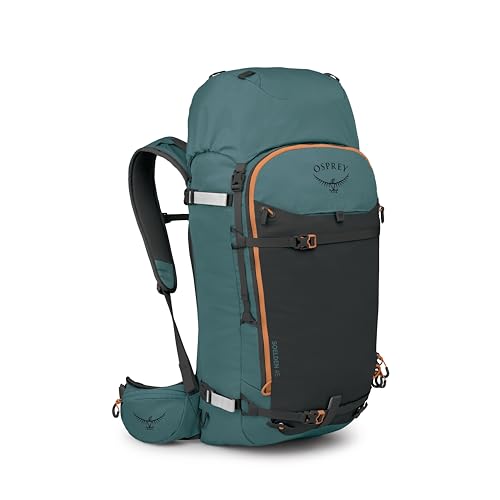
- ✓ Spacious 45L capacity
- ✓ Organized avalanche safety pocket
- ✓ Versatile carry options
- ✕ Pricey at $229.95
- ✕ Slightly heavier than minimal packs
| Capacity | 45 liters (approximate, based on product name and dimensions) |
| Dimensions | 29.9H x 12.6W x 11.8D inches |
| Weight | 3.11 pounds |
| Material | Bluesign APPROVED, 100% recycled ocean-sourced nylon |
| Carrying Options | Diagonal or A-frame ski carry, vertical or horizontal snowboard carry, ice tool attachments, helmet carry |
| Special Features | Avalanche safety pocket with probe and shovel sleeves, backpanel entry, removable top lid, GPS/radio carry, LightWire frame |
You’re standing at the trailhead, gear in hand, ready to tackle a multi-day hut trip deep into snowy backcountry. As you strap into the Osprey Soelden 45L, you immediately notice how sleek and sturdy it feels against your back.
The pack’s design makes it easy to organize your gear without feeling bulky. The avalanche safety pocket is a game-changer—organized with sleeves for your probe and shovel, so you can grab them in a flash if needed.
I appreciate how the main compartment opens fully, giving quick access to clothing, snacks, or any essentials.
The multiple carry options are super versatile. Whether you’re attaching skis diagonally or in A-frame, or securing a snowboard vertically or horizontally, this pack adapts smoothly.
The helmet carry and ice tool attachments add even more convenience, especially when navigating tricky terrain.
What really stood out was the backpanel entry and lightweight support, making it easy to access gear deep in the backcountry without feeling strained. The LightWire frame offers stability without adding bulk.
Plus, the fact that it’s made from ocean-sourced nylon feels good—knowing you’re helping the environment while staying prepared for the snow.
All in all, it’s a well-thought-out pack that balances capacity, safety features, and eco-consciousness. It’s lightweight enough to keep you agile, yet spacious enough for multi-day trips.
If you need a reliable, adaptable, and environmentally friendly backpack, the Soelden is definitely worth considering.
Osprey Soelden 45L Ski & Snowboard Backpack, Recycled Nylon
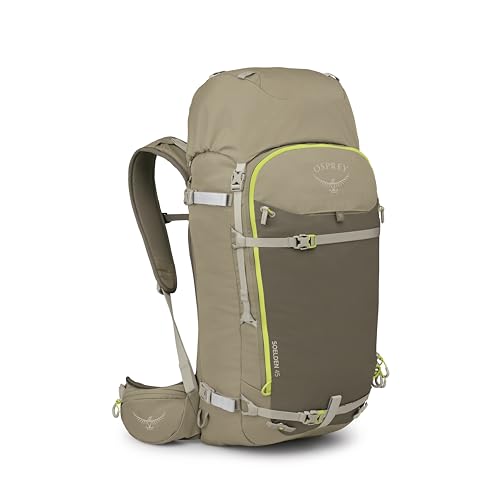
- ✓ Durable recycled nylon
- ✓ Versatile carry options
- ✓ Organized avalanche pocket
- ✕ Slightly pricey
- ✕ Heavier than some models
| Capacity | 45 liters |
| Material | Recycled nylon (bluesign APPROVED, ocean-sourced, reclaimed ocean waste) |
| Dimensions | 29.9H x 12.6W x 11.8D inches |
| Weight | 3.11 pounds |
| Carrying Options | Diagonal and A-frame ski carry, vertical and horizontal snowboard carry, ice tool attachments, helmet carry |
| Special Features | Avalanche safety pocket with probe and shovel sleeves, backpanel entry, removable top lid, GPS/radio carry, LightWire frame |
It’s a chilly morning, and you’re lacing up your ski boots at the base of a remote mountain hut. The snow crunches under your feet as you shoulder your pack, feeling its weight settle comfortably against your back.
As you prepare for a long backcountry tour, the Osprey Soelden 45L catches your eye with its sleek, durable design.
This backpack is built with serious winter adventures in mind. The recycled nylon fabric feels tough yet lightweight, giving you confidence in tossing it onto icy slopes or rocky terrain.
The multiple carry options are a game changer — you can switch from diagonal skis to a vertical snowboard setup easily, thanks to well-placed straps and attachments.
The avalanche safety pocket is a standout feature. You’ll appreciate the organization, with dedicated sleeves for your probe and shovel, making emergency access quick and hassle-free.
The full access backpanel entry lets you reach your gear without removing the whole pack, which is handy when you’re in a rush or cold.
Comfort-wise, the LightWire frame and supportive backpanel mean you can carry heavy loads without feeling like you’re fighting the weight. The removable top lid adds flexibility, especially if you want to lighten your load during a quick ascent or descent.
All in all, this pack combines thoughtful features with eco-conscious materials. It’s a dependable companion for hut trips, long tours, or winter overnights — ready for the challenges of backcountry skiing or snowboarding.
Osprey Sopris 45L Ski & Snowboard Backpack Women’s

- ✓ Lightweight and durable
- ✓ Well-organized avalanche pocket
- ✓ Versatile carry options
- ✕ Pricey
- ✕ Slightly limited internal organization
| Capacity | 45 liters (approx. 2746 cubic inches) |
| Weight | 3.02 pounds (1.37 kg) |
| Material | Bluesign APPROVED, 100% recycled ocean-sourced nylon |
| Dimensions | 28.3 inches H x 12.6 inches W x 12.6 inches D |
| Carrying Options | Diagonal or A-frame ski carry, vertical or horizontal snowboard carry, ice tool attachments, helmet carry |
| Features | Avalanche safety pocket with probe and shovel sleeves, backpanel entry, removable top lid, GPS/radio carry, LightWire frame |
Imagine you’re gearing up for a long hut trip after a fresh snowfall, your boots crunching softly on packed snow as you slide the Sopris 45L onto your back. Its sleek design feels surprisingly lightweight, yet it offers a surprisingly spacious interior that fits all your essentials without feeling bulky.
The first thing you notice is how well-balanced it is, even when fully loaded. The padded shoulder straps and adjustable sternum strap make hauling gear feel effortless, even on steep climbs.
The backpanel entry gives quick access to your gear, and the removable top lid adds flexibility.
What really stands out is the avalanche safety pocket—organized with sleeves for your probe and shovel. It’s a game-changer for quick, efficient access in emergencies.
Plus, the multiple carry options—diagonal ski carry, snowboard carry, ice tools, helmet—all work seamlessly, adapting to whatever your backcountry day throws at you.
The durable, bluesign-certified recycled nylon feels tough yet eco-friendly. I appreciated how the LightWire frame provides support without adding weight, keeping your back comfortable during long ascents.
The overall design feels thought out for real backcountry use, with features that just make sense.
If you’re serious about hut trips, this pack offers a perfect blend of capacity, accessibility, and eco-conscious materials. It’s built to handle winter adventures with confidence, making those long days in the snow a little easier and safer.
What Features Should You Prioritize When Choosing a Hut Trip Backpack?
When selecting the best hut trip backpack, consider these essential features:
- Capacity: Choose a backpack with an appropriate capacity that can hold all necessary gear for your trip.
- Comfort: Look for padded shoulder straps and a supportive hip belt to distribute weight evenly and reduce fatigue.
- Durability: Opt for materials that are water-resistant and robust enough to withstand outdoor conditions.
- Access Points: Evaluate backpacks with multiple access points, such as top and side openings, for easier retrieval of gear.
- Weight: Select a lightweight backpack to ensure ease of carrying during long hikes.
- Storage Options: Check for various pockets and compartments to help organize your items efficiently.
- Hydration Compatibility: Consider backpacks that accommodate hydration reservoirs or have external pockets for water bottles.
- Ventilation: Look for mesh back panels or ventilation systems that help keep your back cool during strenuous activities.
Capacity is crucial because it determines how much you can carry, with options typically ranging from 30 to 70 liters depending on your needs. A backpack that’s too small will force you to leave essential items behind, while one that’s too large can lead to unnecessary weight.
Comfort is vital on long trips, as a well-designed backpack with padded shoulder straps and a hip belt can significantly ease the burden on your body. This ensures that you can hike longer distances without discomfort or pain.
Durability is equally important; a high-quality backpack should be made from tough, water-resistant materials to endure various weather conditions and rough usage. This feature ensures longevity and protects your belongings from rain or accidental spills.
Access points enhance the usability of your backpack, allowing you to reach gear quickly without having to rummage through the entire bag. Side access zippers can be particularly beneficial for retrieving items without taking off the pack.
Weight plays a significant role in how manageable your backpack is during hikes. A lighter backpack can make a significant difference in your energy levels, especially on multi-day trips.
Storage options such as extra pockets and compartments help keep your gear organized and easily accessible. This feature can save you time and hassle when you need to find specific items quickly.
Hydration compatibility is essential for staying hydrated on the go; many backpacks are designed to accommodate hydration reservoirs or have designated pockets for water bottles, ensuring you can easily access water during your trek.
Finally, ventilation is an often-overlooked feature that can greatly enhance comfort during hikes. A well-ventilated back panel helps wick away sweat and keeps you cooler, which is especially beneficial in warmer climates or during strenuous activities.
How Does Backpack Weight Influence Your Hiking Experience?
- Comfort: A lighter backpack reduces strain on your shoulders and back, allowing you to hike longer distances without discomfort.
- Endurance: Carrying a heavy backpack can lead to fatigue more quickly, limiting your ability to explore and enjoy the scenery during your hut trip.
- Stability: The weight distribution of your backpack affects your balance; a well-distributed lighter pack enhances stability on uneven terrain.
- Packing Efficiency: A lighter pack often encourages better packing choices, as you focus on essentials, which can streamline your hiking experience.
- Preparation for Altitude: On hut trips, especially in mountainous regions, a lighter pack allows for better acclimatization to altitude, as your body uses less energy carrying weight.
Comfort is crucial when hiking, as a lighter backpack alleviates pressure points and prevents soreness, making it easier to enjoy the journey.
Endurance is enhanced with a lighter load; when you’re not bogged down by excessive weight, you can maintain your energy levels longer, giving you the opportunity to fully appreciate the landscapes and experiences along the way.
Stability is vital in hiking, particularly on challenging trails; a lighter backpack that fits well helps maintain your center of gravity, reducing the risk of falls or injuries.
Packing efficiency improves as you prioritize essential gear, leading to a more organized and manageable load that aligns with your needs during the hike.
For hikes at higher altitudes, a lighter pack is beneficial, as it allows your body to adapt better to the conditions without the added challenge of carrying heavy weight.
What Size Backpack is Optimal for an Enjoyable Hut Trip?
The optimal size for a backpack on a hut trip largely depends on the duration of the trip and the amount of gear required.
- Daypack (20-30 liters): Ideal for short day trips, a daypack can comfortably carry essentials like water, snacks, a first-aid kit, and a light jacket. Its compact size allows for easy maneuverability, making it perfect for quick hikes to a hut.
- Weekend Backpack (30-50 liters): Suitable for a two to three-day hut trip, this size allows enough space for additional clothing, food, and sleeping gear. It usually features multiple compartments for organization, providing easy access to your gear during your stay at the hut.
- Extended Trip Backpack (50-70 liters): For longer trips that require more gear, such as cooking equipment or additional clothing layers, this larger size is essential. These backpacks often come with advanced features like hydration reservoirs and extra pockets for efficient packing of heavier items.
- Technical Backpack (70+ liters): Designed for expeditions that involve specialized gear such as climbing equipment or extensive safety gear, these backpacks offer maximum capacity and durability. They are built with reinforced materials to withstand rugged conditions and often include features like gear loops and ice axe attachments.
Which Materials Provide the Best Performance for Hut Trip Backpacks?
The best hut trip backpacks are typically made from durable, weather-resistant materials that offer comfort and functionality.
- Nylon: Nylon is a popular choice for hut trip backpacks due to its lightweight nature and high durability. It is resistant to abrasion and tearing, making it ideal for rugged outdoor conditions.
- Polyester: Polyester backpacks are known for their moisture-wicking properties and resistance to fading and stretching. This material is also relatively affordable and often comes with a water-resistant coating, making it suitable for various weather conditions.
- Cordura Fabric: Cordura is a high-performance nylon fabric that is incredibly resistant to wear and tear. It is often used in areas of backpacks that experience the most stress, providing added durability and longevity for frequent hut trips.
- Ripstop Fabric: Ripstop is a lightweight and durable material that features a grid pattern to prevent tearing. This fabric is particularly beneficial for backpackers looking to minimize weight while ensuring the backpack can withstand rough usage.
- GORE-TEX: GORE-TEX is a waterproof and breathable fabric that offers excellent protection against the elements. Backpacks made with GORE-TEX are ideal for hut trips in wet conditions, keeping your gear dry while allowing moisture to escape.
- Mesh Panels: While not a primary material, mesh panels are often incorporated into backpack designs for ventilation. This feature is crucial for comfort during strenuous hikes, helping to regulate temperature and moisture build-up.
What Are the Top Brands Known for High-Quality Hut Trip Backpacks?
The top brands known for high-quality hut trip backpacks include:
- Osprey: Renowned for their innovative designs and ergonomic features, Osprey backpacks offer excellent weight distribution and comfort, making them ideal for multi-day hikes. Their models often include hydration reservoirs, ample storage options, and weather-resistant materials, ensuring durability during hut trips.
- Deuter: Deuter is celebrated for its durability and thoughtful design, with backpacks that include adjustable suspension systems for a custom fit. Their backpacks often feature multiple compartments for organization, as well as ventilation systems that keep the wearer cool during strenuous activities.
- Gregory: Gregory backpacks are known for their high-quality materials and user-friendly features, such as easy-access pockets and hydration compatibility. The brand emphasizes comfort with padded straps and back panels, making their packs suitable for long treks to remote huts.
- The North Face: The North Face combines functionality and style, providing backpacks that are both rugged and visually appealing. Their packs often include specialized features such as gear loops and external pockets, catering to the needs of outdoor enthusiasts on hut trips.
- Arc’teryx: Arc’teryx is a premium brand recognized for its technical performance and innovative materials. Their backpacks are designed for serious adventurers and typically include features like rain covers, reinforced areas for climbing gear, and lightweight yet durable construction.
- REI Co-op: REI Co-op offers a range of affordable yet reliable backpacks that cater to various skill levels and trip lengths. Their backpacks often come with thoughtful features such as adjustable torso lengths and eco-friendly materials, making them a practical choice for hut trips.
Which Backpacks Are Recommended for Durability on Extended Hikes?
When considering the best hut trip backpack for durability on extended hikes, several options stand out:
- Osprey Atmos AG / Osprey Osprey Osprey Ozone: Known for its Anti-Gravity suspension system, this backpack provides exceptional comfort and ventilation while remaining lightweight. The materials used are robust and weather-resistant, ensuring that your gear stays dry and protected during unpredictable conditions.
- Deuter Aircontact Lite: This backpack is designed for heavy loads and rugged terrain, making it ideal for multi-day hikes. The reinforced base and durable fabric make it resistant to wear and tear, while the adjustable fit allows for enhanced comfort over long distances.
- Gregory Baltoro / Deva: The Baltoro (for men) and Deva (for women) are equipped with a dynamic suspension system that helps distribute weight evenly, reducing fatigue on long hikes. These packs feature heavy-duty materials and a rain cover, ensuring durability and protection against moisture.
- Arc’teryx Bora AR: This high-end backpack is made from advanced materials that are both lightweight and exceptionally durable. It features a RotoGlide hipbelt that moves with your body, enhancing comfort during long treks while providing excellent weather resistance.
- REI Co-op Flash Pack: This lightweight option combines durability and affordability, making it great for hut trips. It offers a streamlined design with tough fabric that resists abrasions, along with a hydration reservoir sleeve for convenience on the go.
What Backpack Design Promotes Comfort for Long Distances?
The best hut trip backpacks for comfort over long distances typically feature ergonomic designs, adjustable straps, and ample support.
- Suspension System: A good suspension system is essential for distributing weight evenly across your back and hips. Features like a padded hip belt and adjustable shoulder straps help reduce strain and improve stability while hiking.
- Ventilation: Backpacks with mesh panels or airflow channels allow for better air circulation, reducing sweat buildup on your back. This is particularly important for long hikes, as it enhances comfort and helps regulate body temperature.
- Padding: Adequate padding on the shoulder straps and hip belt is crucial for comfort during extended wear. High-density foam can provide cushioning while ensuring that the weight of the pack does not create pressure points that can lead to discomfort.
- Load Lifters: Load lifter straps connect the top of the shoulder straps to the backpack, helping to pull the pack closer to your body. This feature not only enhances stability but also allows for better weight distribution, which is key for long-distance trekking.
- Adjustability: A highly adjustable backpack allows users to customize fit according to their body shape. Features such as adjustable torso length and hip belt sizing ensure that the pack can be tailored for maximum comfort, reducing the risk of chafing or excessive movement during hikes.
- Pockets and Organization: Well-placed pockets facilitate easy access to gear, which can enhance your overall hiking experience. When you can quickly reach for snacks, hydration, or essential tools without removing your pack, it allows for a more efficient and comfortable trip.
- Weight: The overall weight of the backpack itself plays a significant role in comfort. Lightweight materials can reduce fatigue during long hikes, so it’s beneficial to choose a pack that offers durability without excess weight.
What Common Mistakes Should You Avoid When Selecting a Hut Trip Backpack?
When selecting the best hut trip backpack, avoiding common mistakes can greatly enhance your outdoor experience.
- Choosing the Wrong Size: Selecting a backpack that is either too large or too small can lead to discomfort and inefficiency during your trip. A proper fit ensures that the weight is distributed evenly, minimizing strain on your back and shoulders.
- Ignoring Weight Distribution: Not considering how the backpack’s weight is distributed can result in a cumbersome experience. Look for features like a hip belt and adjustable straps that help you carry heavy loads more comfortably.
- Neglecting Weather Resistance: Failing to choose a backpack with adequate weatherproofing can lead to ruined gear during unexpected weather changes. Opt for materials that offer water resistance or include a rain cover to protect your belongings.
- Overlooking Accessibility: A backpack that is difficult to access can slow you down and cause frustration. Features like side pockets, front access zippers, or top-loading designs can make it easier to reach your essentials without unpacking everything.
- Disregarding Comfort Features: Not paying attention to comfort features such as padded straps, back ventilation, and lumbar support can lead to discomfort on long hikes. Prioritize these elements to ensure that you can enjoy your journey without constant adjustments.
- Ignoring Storage Options: Underestimating the importance of storage options can result in a lack of organization. Look for multiple compartments and pockets that allow you to separate gear, food, and clothing for easier access and better organization.
- Not Testing Before Purchase: Failing to try on the backpack before buying can lead to a poor fit. Always test the backpack with weight to ensure it feels comfortable and meets your needs, as this can significantly impact your overall experience.