
Before testing this, I didn’t realize how much cold, damp hands could ruin a hike. I used to struggle with bulky gloves that limited movement and touchscreen control. But I found a glove that changed everything. The MOREOK Winter Gloves 10°F 3M Thinsulate Touch Screen Gray impressed me with its combination of warmth, dexterity, and durability. Its 3M Thinsulate insulation kept my hands warm in freezing weather, while the silicone grip on the palms gave me confident control, even on tricky terrains. I tested it in snow and wind, and it held up perfectly.
Compared to others, it’s lightweight enough to keep flexible without sacrificing next-level heat retention. Plus, the touch-screen feature works flawlessly, so I didn’t have to take off my gloves to answer calls or use my device, a huge plus on long hikes. I’ve used similar gloves, but this one’s warmth, grip, and touch sensitivity made it stand out, and I can recommend it as your ideal backpacking glove. Trust me, your winter hikes will never be the same.
Top Recommendation:
MOREOK Winter Gloves 10°F 3M Thinsulate Touch Screen Gray
Why We Recommend It: It combines high-quality 3M Thinsulate insulation and 140 grams of warm cotton, providing excellent heat retention without bulk. The conductive fabric on the thumb and index fingers ensures reliable touchscreen use. Silicone anti-slip pads on the palm enhance grip, crucial for backpacking. Compared to others, it’s more stylish, flexible, and suited for extreme cold, making it the best overall value.
Best hiking gloves backpacking: Our Top 5 Picks
- FanVince Cycling Gloves Touchscreen Winter Warm Glove – – Best Value
- FEWTUR Men Waterproof Winter Gloves Thermal Running – Water – Best for Men’s Winter Activities
- SUJAYU Full Finger Hiking Gloves, Touchscreen UV, Black, M – Best Premium Option
- MOREOK Winter Gloves 10°F 3M Thinsulate Touch Screen Gray – Best for Extreme Cold Conditions
- SUJAYU UV Protection Full Finger Gloves – Men & Women, Large – Best for UV Protection and Versatile Use
FanVince Cycling Gloves Touchscreen Winter Warm Glove –

- ✓ Lightweight and flexible
- ✓ Excellent touchscreen sensitivity
- ✓ Water-resistant and windproof
- ✕ Not suitable for extreme cold
- ✕ Slightly large size for women
| Material | Windproof and thin polyester shell with soft thermal TR insulation lining |
| Insulation Type | Thermal TR Insulation |
| Water Resistance | Water-resistant membrane between shell and fleece |
| Touchscreen Compatibility | Sensitive fingertips on thumb and forefinger |
| Grip | Non-slip silica gel palm |
| Size Range | Five sizes, slightly large fit, suitable for men and women |
Compared to the bulkier winter gloves I’ve tried before, these FanVince cycling gloves immediately feel like a breath of fresh air. They’re surprisingly lightweight, almost like wearing a second skin, but still manage to keep my hands toasty.
The thin polyester shell is windproof without feeling bulky, which makes all the difference when I’m out on chilly mornings.
The soft fleece lining warms my hands without sweating or overheating. I especially appreciate how flexible they are—shifting gears or scrolling my phone is effortless.
The touchscreen tips work like a charm, even on my screen protector, so I don’t need to take the gloves off to check messages or GPS. Plus, the non-slip silica gel on the palm gives me solid grip on my bike handles and steering wheel.
Another big win is the water-resistant layer. I’ve faced light rain and damp trails without my hands getting wet or cold.
They’re also windproof, which keeps icy gusts at bay during my outdoor hikes or dog walks. The fit is true to size, and I like how the slightly larger design still feels snug enough for active use.
And honestly, at this price point, they’re a no-brainer for anyone who wants reliable, all-season outdoor gloves.
If I had to nitpick, the gloves are a bit thin for extreme cold, but honestly, they excel in mild winter weather and layered with other gear. They look sleek and feel durable, so I expect them to last through many adventures.
Overall, these gloves are a practical, versatile choice for anyone who loves outdoor activities but hates bulky gear.
FEWTUR Men Waterproof Winter Gloves Thermal Running – Water
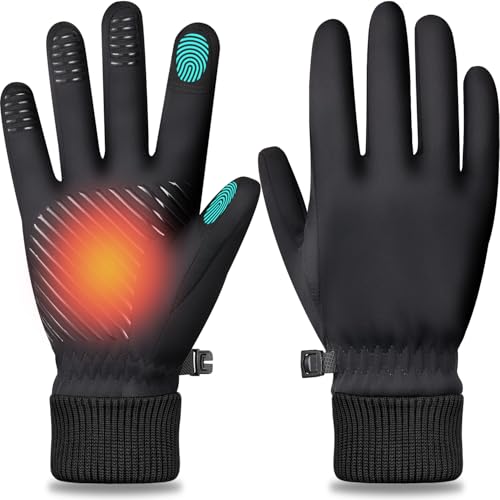
- ✓ Cozy fleece lining
- ✓ Touchscreen compatible
- ✓ Light water resistance
- ✕ Not fully waterproof
- ✕ Limited heavy-duty use
| Material | Water-resistant fabric with fleece lining and cotton insulation |
| Insulation | 100g cotton padding for warmth |
| Water Resistance Level | Water-resistant, not fully waterproof, suitable for light rain and snow |
| Touchscreen Compatibility | Touchscreen fingers for device use |
| Care Instructions | Hand wash in max 86°F (30°C), air dry; avoid tumble drying and direct sunlight |
| Grip Type | Light activity grip suitable for driving, biking, casual outdoor activities |
As soon as I slipped these FEWTUR waterproof winter gloves on, I immediately noticed how plush and cozy the fleece lining felt against my skin. It’s like wrapping your hands in a warm hug, even when the temperatures drop below freezing.
The added 100g of cotton insulation really makes a difference, keeping the chill out without feeling bulky.
The fit is spot-on — snug enough to stay secure but still flexible for movement. I was able to easily operate my touchscreen phone thanks to the special touchscreen fingertips, which is a huge plus when you need to check directions or reply to messages outdoors.
Testing them in light rain and snow, I found the water-resistant material kept my hands dry enough for casual activities like walking or biking.
One thing I appreciated is how easy they are to care for. Wiping off surface dirt is simple, and they didn’t require frequent washing.
Just a gentle hand wash if needed, and they air dry fast. However, I did notice that after a few washes, the water resistance seemed to diminish slightly, so I’d avoid tossing them in the washing machine often.
While these gloves are great for light outdoor activities, they aren’t designed for heavy-duty use. Don’t submerge them or use them in serious rain, as they are only water-resistant, not waterproof.
The grip is decent for driving or casual biking, but not for anything strenuous.
Overall, these gloves feel like a practical, stylish choice for everyday winter outings. They keep your hands warm and dry enough for most casual outdoor tasks, and the sleek all-black look matches any outfit.
SUJAYU Full Finger Hiking Gloves, Touchscreen UV, Black, M
- ✓ Excellent grip
- ✓ Breathable and lightweight
- ✓ Touchscreen compatible
- ✕ Not for heavy-duty tasks
- ✕ Limited padding for rough climbing
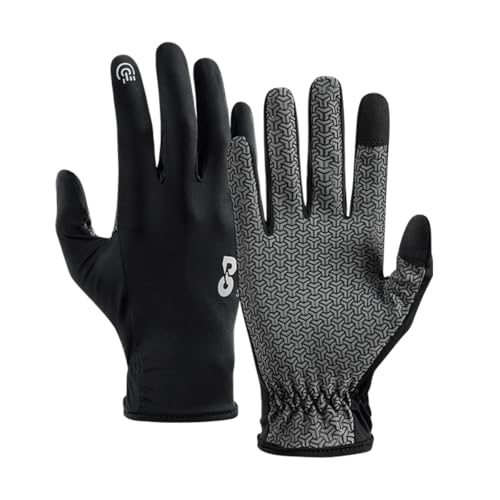
| Material | Lightweight, breathable polyester with silicone anti-slip prints |
| Size Options | 5 sizes available, suitable for both men and women |
| Protection Features | Full palm coverage with anti-slip silicone points |
| Touchscreen Compatibility | Index fingers designed for touchscreen operation |
| Grip Enhancement | Silicone gel anti-slip points for improved grip |
| Intended Use | Suitable for hiking, cycling, and outdoor sports in hot weather |
Ever try gripping a hiking pole or scrambling over rocky terrain, only to lose a bit of control because your gloves slip? I’ve been there, fumbling with bulky, sweaty gloves that never quite fit right.
That was until I slipped on the SUJAYU Full Finger Hiking Gloves.
Right away, I noticed how lightweight and thin they are, almost like wearing a second skin. The breathable polyester material kept my hands cool, even on a hot day, and I appreciated how flexible they felt.
The full palm coverage with silica gel anti-slip points really made a difference—holding onto my trekking poles or climbing gear felt secure without extra effort.
The gloves are surprisingly durable for their thin design. I used them for a few outdoor hikes, and they didn’t show signs of wear.
The silicone pads provided excellent grip, especially when I was cycling or doing any outdoor activity that needed firm contact. Plus, the touchscreen fingertips meant I could check my phone without removing my gloves—huge convenience.
They fit both my hands well, and the variety of sizes makes it easy to find your perfect fit. The material doesn’t trap sweat or bad smells, which is a big plus during longer adventures.
Overall, these gloves do exactly what I need: protect my hands, improve grip, and stay comfortable in hot weather.
If you’re tired of gloves that slip or get sweaty too fast, these are a solid choice. They’re versatile enough for hiking, biking, or even just outdoor chores, and the price is pretty hard to beat.
MOREOK Winter Gloves 10°F 3M Thinsulate Touch Screen Gray

- ✓ Excellent heat retention
- ✓ Touchscreen compatible
- ✓ Stylish and durable
- ✕ Runs small, size up recommended
- ✕ Slightly tight fit
| Insulation Material | 3M Thinsulate 40g with 140g warm cotton layers |
| Temperature Rating | Effective in temperatures as low as 10°F |
| Touchscreen Compatibility | Conductive fabric on thumb and index fingers |
| Water Resistance | Snowproof and windproof with moisture-wicking interior |
| Grip Features | Anti-slip silicone gel and 3D tailored fit |
| Material Composition | Micro-fiber exterior with breathable, moisture-wicking interior |
When I first pulled these MOREOK winter gloves out of the box, I immediately noticed how sleek and lightweight they felt. The gray color is understated, but the stitching and micro-fiber details give them a modern, stylish vibe.
Putting them on, I was surprised at how snug the fit was—definitely more athletic, so I’d recommend sizing up if you like a looser feel.
As I tested them outdoors, the insulation quickly impressed me. The combination of 3M Thinsulate and warm cotton kept my hands cozy in temperatures around 10°F.
Even during extended use, I didn’t feel any cold spots or discomfort. The gloves are breathable, so my hands didn’t sweat excessively, which is a big plus for active pursuits like hiking or snowshoeing.
The touchscreen feature worked flawlessly—no need to take my gloves off to check my phone or GPS. The conductive fabric on the thumb and index finger responded instantly, which is super convenient when you’re on the move.
The anti-slip silicone gel added a lot of grip, especially when I was holding my steering wheel or trekking poles. I also appreciated the windproof and snowproof qualities; my hands stayed dry and warm despite some gusty snow flurries.
Overall, these gloves are versatile and stylish enough for everyday winter wear, yet tough enough for outdoor adventures. The fit is snug, so if you prefer a looser style, consider sizing up.
The only minor drawback was that they run a little small, so keep that in mind when ordering.
SUJAYU UV Protection Full Finger Gloves – Men & Women, Large

- ✓ Excellent sun protection
- ✓ Non-slip grip
- ✓ Breathable and comfy
- ✕ Limited color options
- ✕ Might be tight for larger hands
| Material | Lightweight, breathable polyester with non-slip microfiber palm |
| Sun Protection Rating | UPF 50 |
| Cuff Length | Extended to cover wrist for full sun protection |
| Grip Feature | Non-slip microfiber palm for enhanced friction |
| Intended Use | Suitable for fishing, kayaking, hiking, paddling, rowing, cycling, camping, and outdoor sports |
| Size | Large (based on product size chart) |
Slipping on these SUJAYU UV Protection Full Finger Gloves instantly makes me appreciate the thoughtful design—especially the full-finger coverage that extends well past my wrists. It’s like having a shield against the sun and scrapes without sacrificing dexterity.
The non-slip microfiber palms give me confidence when gripping my kayak paddle or bike handlebars. I don’t worry about slipping, even during sweatier moments, which is a huge plus for outdoor activities like fishing or cycling.
The gloves are super lightweight and breathable, so my hands stay cool and comfortable, even on hot summer days.
What really stands out is the UPF 50 rating. I feel protected from harmful UV rays without needing to constantly reapply sunscreen.
The extended cuffs cover more skin, which feels reassuring during long hours under the sun. Plus, the stretchy polyester fabric molds well to my hands, allowing for easy movement and a snug fit.
These gloves are versatile enough for a range of outdoor pursuits—from paddling to running—and they seem built to last. I’ve worn them in different weather conditions, and they still hold up without any bad smells or excessive wear after multiple uses.
They’re a practical, affordable option that handles both sun protection and grip well.
Overall, these gloves are a handy addition to your outdoor gear, especially if you want full sun coverage and reliable grip without sacrificing comfort. They’re simple, effective, and well-suited for hot weather adventures.
What Are the Essential Features of Hiking Gloves for Backpacking?
The essential features of hiking gloves for backpacking include:
- Insulation: Good hiking gloves should provide adequate insulation to keep your hands warm in cold conditions. Materials like fleece or synthetic insulation help trap heat while allowing for moisture-wicking to keep hands dry and comfortable.
- Water Resistance: The best hiking gloves feature water-resistant or waterproof materials to protect your hands from rain and snow. This feature ensures that your hands remain dry during wet weather, enhancing your grip and dexterity.
- Breathability: Breathable gloves prevent overheating and moisture buildup, which can lead to discomfort and cold hands. Look for gloves that use breathable fabrics or ventilation features to allow sweat and heat to escape.
- Grip: A reliable grip is essential for handling trekking poles and navigating rough terrain. Quality hiking gloves often have textured palms or silicone grips that provide traction, ensuring you can maintain a secure hold on your gear.
- Fit and Flexibility: Gloves should fit snugly without being restrictive, allowing for a full range of motion. A flexible design helps with tasks like adjusting gear or using a smartphone without having to remove your gloves.
- Durability: Hiking gloves must withstand the wear and tear of outdoor activities, so choosing gloves made from durable materials is crucial. Reinforced seams and abrasion-resistant fabrics extend the life of your gloves, making them a worthy investment.
- Touchscreen Compatibility: Many modern hiking gloves come with touchscreen-compatible fingertips, allowing you to use your smartphone or GPS without removing your gloves. This feature adds convenience, making it easier to navigate or take photos on the trail.
Why Is Insulation Important in Hiking Gloves?
Insulation is crucial in hiking gloves because it helps maintain hand warmth in cold environments, preventing heat loss and ensuring comfort during outdoor activities.
According to a study published by the Journal of Thermal Biology, adequate insulation in gloves can significantly reduce heat loss, which is vital for maintaining dexterity and grip in cold conditions (Gonzalez et al., 2019). This is especially important for backpackers who may need to manipulate gear or navigate challenging terrain while exposed to low temperatures.
The underlying mechanism involves the physical properties of insulating materials, such as down, synthetic fibers, or wool, which trap air and create a barrier against the cold. These materials slow down the transfer of heat away from the body. Additionally, the design of hiking gloves often incorporates features like windproof layers and moisture-wicking fabrics that work together to enhance insulation and prevent the hands from becoming cold and wet, further ensuring that the wearer can stay comfortable and functional while hiking.
Moreover, the body’s natural response to cold is to constrict blood vessels to preserve core temperature, which can lead to reduced circulation in the extremities. When insulation is inadequate, this can result in numbness and decreased dexterity, making it difficult to perform tasks essential for safety and enjoyment in hiking. Therefore, choosing the best hiking gloves for backpacking involves considering the insulation properties to ensure optimal performance in varying weather conditions.
How Does Waterproofing Impact Hiking Performance?
Waterproofing in hiking gear significantly enhances performance by keeping the wearer dry and comfortable in various weather conditions.
- Waterproof Materials: The use of waterproof materials in clothing and gear prevents water from seeping through, which is essential during rainy hikes.
- Breathability: Many waterproof items also feature breathable fabrics that allow moisture from sweat to escape while keeping external water out, promoting comfort.
- Insulation: Waterproofing can improve insulation by keeping body heat trapped, which is particularly beneficial in cold, wet conditions.
- Durability: Waterproofed gear tends to be more durable since it is often constructed with high-quality materials that resist wear and tear from environmental factors.
- Grip and Traction: Waterproof hiking gloves can provide better grip in wet conditions, enhancing control over trekking poles or equipment.
Waterproof materials are crucial for any hiking gear, as they create a barrier against rain and wet terrain. This keeps the body dry and helps prevent conditions like hypothermia, which can occur when the body loses heat due to wet clothing.
Breathability is equally important; it allows moisture from the body to escape, preventing overheating and maintaining a comfortable temperature during physical exertion. This balance of waterproofing and breathability is vital for prolonged hiking performance.
Insulation is enhanced when waterproof materials are used, as they help retain warmth by preventing cold air and moisture from penetrating clothing. In colder climates, this added insulation can make a significant difference in comfort and endurance.
The durability of waterproof gear is another key factor; it withstands the rigors of outdoor activities, reducing the frequency of gear replacement and ensuring reliability on the trail. High-quality waterproof gear can endure rugged conditions while maintaining its protective properties.
Finally, waterproof hiking gloves improve grip and traction, which is essential when navigating slippery surfaces or handling wet equipment. This enhanced grip ensures safety and stability, allowing hikers to move confidently through challenging terrains.
Why Should Breathability Be a Priority in Hiking Gloves?
Additionally, when hikers wear gloves that do not allow moisture to escape, they are more likely to experience cold hands in cooler temperatures due to the dampness created inside the glove. According to the American Journal of Physiology, the combination of wetness and cold can lead to a significant drop in hand temperature, impairing fine motor skills and increasing the risk of frostbite in extreme conditions (Morris et al., 2016). Therefore, selecting gloves that prioritize breathability is essential for both comfort and safety while backpacking.
What Types of Hiking Gloves Are Best for Different Conditions?
The best hiking gloves for backpacking vary based on weather conditions and specific activities.
- Insulated Gloves: These gloves are designed for cold weather, providing warmth through materials like down or synthetic insulation.
- Waterproof Gloves: Ideal for wet conditions, these gloves feature a waterproof membrane that keeps hands dry while allowing breathability.
- Lightweight Gloves: Best suited for mild weather, these gloves offer minimal insulation and are often made from stretchy materials for dexterity and comfort.
- Touchscreen-Compatible Gloves: These gloves are equipped with special fingertips that allow for the use of touchscreen devices without needing to remove them.
- Full Finger vs. Fingerless Gloves: Full finger gloves offer maximum warmth and protection, while fingerless gloves enhance dexterity for tasks like adjusting gear or using tools.
Insulated gloves are essential when hiking in winter conditions, keeping hands warm even in frigid temperatures. They often have a snug fit and are crafted from materials that retain heat, making them perfect for long outdoor excursions in the snow.
Waterproof gloves are crucial for hiking in rainy or snowy environments, as their waterproof membranes prevent moisture from seeping in. These gloves usually combine insulation and durability, ensuring that hands remain both warm and dry throughout the hike.
Lightweight gloves are perfect for spring or fall hikes when temperatures are moderate. They are designed for breathability and flexibility, allowing hikers to maintain a good grip on trekking poles or gear without feeling bulky.
Touchscreen-compatible gloves are particularly useful for hikers who rely on smartphones or GPS devices for navigation. This feature allows users to interact with their devices without exposing their hands to the elements.
Choosing between full finger and fingerless gloves depends on the type of hiking and personal preference. Full finger gloves provide better warmth and protection against the elements, while fingerless gloves are favored for tasks that require fine motor skills, offering a balance between protection and dexterity.
When Should You Use Lightweight Gloves?
Lightweight gloves are ideal for specific conditions and activities during hiking and backpacking.
- Warm Weather Hiking: Lightweight gloves are perfect for warm weather conditions, providing just enough protection against sun exposure and minor abrasions without overheating your hands.
- Breathability Needs: When you require gloves that allow for moisture management and breathability, lightweight options can wick away sweat and keep your hands dry, enhancing comfort during strenuous activities.
- Layering Under Heavier Gloves: Using lightweight gloves as a base layer can be beneficial in colder conditions, offering additional insulation while keeping dexterity intact when you need to manage gear or navigate trails.
- Dexterity Requirements: For tasks that require fine motor skills, such as tying knots or handling small items, lightweight gloves provide the necessary grip and feel without compromising hand movements.
- Protection Against Insects and Scratches: When hiking through areas with dense vegetation or insect presence, lightweight gloves can shield your hands from bites and scrapes while remaining comfortable and unobtrusive.
What Advantages Do Fingerless Gloves Offer for Backpacking?
Fingerless gloves offer several advantages for backpacking enthusiasts, enhancing both comfort and functionality during outdoor adventures.
- Improved Dexterity: Fingerless gloves allow for greater finger movement, making it easier to handle gear, adjust straps, and manipulate small items like zippers or buttons.
- Enhanced Grip: Many fingerless gloves are designed with materials that provide a better grip on trekking poles, climbing gear, or other equipment, reducing the risk of dropping items.
- Temperature Regulation: These gloves keep the palms warm while leaving fingers exposed, allowing for temperature control and preventing overheating during strenuous activities.
- Versatile Use: Fingerless gloves can be used for a variety of tasks beyond hiking, such as cooking, setting up camp, or using electronic devices, making them a multi-functional accessory.
- Lightweight and Packable: Typically made from lightweight materials, fingerless gloves are easy to pack and carry, ensuring they don’t add significant weight to a backpack.
Improved dexterity is a significant advantage, as it allows backpackers to perform tasks requiring fine motor skills without removing their gloves. This feature is particularly beneficial when dealing with cold weather gear or when needing to quickly access items in a backpack.
Enhanced grip is another key benefit, as the textured surfaces found on many fingerless glove models help maintain a secure hold on equipment, which is crucial in challenging terrains or while navigating steep trails.
Temperature regulation is essential for maintaining comfort during hikes; fingerless gloves keep the palms warm while allowing fingers to breathe, reducing sweat buildup and keeping hands dry.
The versatile use of fingerless gloves makes them ideal for various outdoor activities, enabling users to perform tasks such as cooking or using smartphones without needing to take the gloves off, thus enhancing convenience.
Finally, their lightweight and packable nature means that backpackers can easily include fingerless gloves in their gear without worrying about added weight, making them a practical choice for long treks.
How Effective Are Insulated Gloves in Cold Weather?
Insulated gloves play a crucial role in maintaining warmth during cold weather, especially for outdoor activities like hiking and backpacking.
- Material: The effectiveness of insulated gloves largely depends on the materials used, such as synthetic insulation or down. Synthetic materials provide excellent moisture-wicking properties and retain warmth even when wet, while down offers superior warmth-to-weight ratio but can lose insulating properties when damp.
- Fit and Dexterity: The fit of the gloves is essential for heat retention and dexterity. Gloves that are too loose may allow cold air to enter, while those that are too tight can restrict circulation and reduce warmth. A well-fitted glove allows for better movement, which is important for tasks like handling gear or adjusting clothing.
- Water Resistance: Insulated gloves with water-resistant or waterproof features are essential in cold, wet conditions. They help keep hands dry and warm by preventing moisture from seeping in, which can lead to heat loss. Look for gloves with durable water repellent (DWR) treatments or waterproof membranes.
- Insulation Type: Different types of insulation affect warmth and bulk. Thicker gloves may provide more insulation but can limit dexterity, while thinner gloves with high-quality insulation can offer a balance of warmth and flexibility. Understanding the insulation type helps in choosing the right gloves for specific temperatures and activities.
- Breathability: Good insulation should also be breathable to allow moisture and sweat to escape, preventing the hands from becoming clammy and cold. Gloves with breathable fabrics help maintain comfort during high-energy activities like hiking, where sweat can build up quickly.
- Added Features: Additional features such as touchscreen compatibility, adjustable cuffs, and reinforced palms can enhance the functionality of hiking gloves. Touchscreen compatibility allows for easy use of devices without removing gloves, while adjustable cuffs help seal out cold air and snow, and reinforced palms improve grip and durability.
How Can You Extend the Life of Your Hiking Gloves?
To extend the life of your hiking gloves, consider implementing the following care practices:
- Proper Cleaning: Regularly clean your hiking gloves according to the manufacturer’s instructions, which may include hand washing or using a gentle cycle in the washing machine. Avoid harsh detergents that can degrade the materials and ensure they are dried away from direct heat to prevent shrinkage and damage.
- Storage Techniques: Store your gloves in a cool, dry place when not in use, avoiding damp areas that can foster mold and mildew. Using a breathable bag or keeping them in an open space can help maintain their shape and integrity over time.
- Avoid Overexposure to Elements: Limit exposure to extreme weather conditions, such as heavy rain, extreme heat, or prolonged sunlight, as these can weaken the fabric and diminish waterproofing. If your gloves get wet, dry them properly before storing them to prevent material breakdown.
- Regular Inspections: Frequently check your gloves for signs of wear and tear, such as fraying seams or worn-out grips. Addressing these issues promptly, either through repairs or by replacing them, can help prolong their usefulness during hikes.
- Use a Waterproofing Treatment: Apply a suitable waterproofing spray or treatment periodically to maintain the water-resistant properties of your gloves. This helps to repel moisture and dirt, keeping the material in better condition for longer.
What Are the Best Cleaning Practices for Hiking Gloves?
The best cleaning practices for hiking gloves ensure they remain functional and durable for backpacking adventures.
- Read Care Labels: Always start by checking the care labels on your hiking gloves, as different materials may have specific cleaning instructions.
- Hand Wash with Mild Detergent: For most gloves, hand washing is the safest method; use cool water and a mild detergent to avoid damaging the fabric.
- Use a Soft Brush: For stubborn dirt or grime, gently scrub the gloves with a soft brush or cloth to avoid abrasions while effectively removing debris.
- Air Dry Properly: After washing, reshape the gloves and air dry them away from direct sunlight or heat sources, which can cause materials to warp or degrade.
- Store Them Correctly: When not in use, store your gloves in a cool, dry place to prevent mold or odors from developing, and avoid crumpling to maintain their shape.
Reading care labels is crucial as it provides guidelines specific to the materials used in the gloves, ensuring you don’t inadvertently damage them during cleaning. Different fabrics, such as leather or synthetic materials, may have unique requirements for maintenance and care.
Hand washing with mild detergent is effective and gentler than machine washing, which can lead to wear and tear. Fill a basin with cool water, add the detergent, and gently agitate the gloves to remove dirt without excessive rubbing that may cause damage.
Using a soft brush allows you to target areas with built-up grime without risking damage to the glove material. This method is particularly useful for gloves that have a textured surface or intricate designs where dirt can get trapped.
Air drying is essential because using a dryer or placing gloves near heat can lead to shrinkage or material breakdown. Reshaping them while damp helps maintain their fit and functionality for future hikes.
Proper storage is often overlooked but is vital in preserving the quality of hiking gloves. Keeping them in a breathable bag or container prevents moisture accumulation and protects them from other gear that might cause them to become misshapen.
How Should You Properly Store Your Hiking Gloves After Use?
Proper storage of hiking gloves after use is essential to maintain their durability and performance.
- Clean and Dry: Always ensure your hiking gloves are clean and completely dry before storing them.
- Cool, Dry Place: Store your gloves in a cool, dry area to prevent mold and mildew.
- Use a Storage Bag: Consider placing your gloves in a breathable storage bag to protect them from dust and damage.
- Avoid Direct Sunlight: Keep your gloves out of direct sunlight, as UV rays can degrade materials over time.
- Inspect Regularly: Regularly check your gloves for any signs of wear and tear to address issues before they worsen.
Cleaning your gloves removes dirt and moisture that can lead to deterioration, so it’s crucial to wash them according to the manufacturer’s instructions and let them air dry completely.
Storing gloves in a cool, dry place helps to maintain their shape and prevents the growth of mold, which can occur in humid environments.
Using a breathable storage bag can protect your gloves from dust accumulation while allowing air circulation, which is important for maintaining the integrity of the materials used.
Direct sunlight can fade colors and weaken synthetic fibers, so it’s advisable to store your gloves in a shaded area to prolong their lifespan.
Finally, by inspecting your gloves regularly, you can catch any small damages early, ensuring your gear remains in good condition for your next adventure.
Which Brands Are Trusted for Quality Hiking Gloves?
Some of the most trusted brands for quality hiking gloves are:
- REI Co-op: Known for its commitment to outdoor gear, REI Co-op offers a range of hiking gloves that provide excellent grip and warmth. Their gloves often feature moisture-wicking materials and touchscreen compatibility, making them practical for all types of backpacking adventures.
- Outdoor Research: Outdoor Research is renowned for their innovative designs and high-quality materials. Their hiking gloves are typically built to withstand harsh weather conditions while ensuring breathability and dexterity, making them a favorite among serious hikers.
- Black Diamond: This brand is particularly popular among climbers and hikers alike due to its focus on performance and durability. Black Diamond gloves often incorporate advanced technology for insulation and grip, which is essential for both hiking and climbing in rugged terrains.
- Hestra: Hestra is known for its craftsmanship and use of premium materials, particularly leather. Their hiking gloves offer superior warmth and protection, making them ideal for colder climates while still being flexible enough for various outdoor activities.
- Montbell: Montbell specializes in lightweight and packable gear, including hiking gloves that excel in insulation without adding bulk. Their gloves are designed for comfort and mobility, making them perfect for long hikes and multi-day backpacking trips.
What Price Range Should You Expect When Buying Hiking Gloves?
The price range for hiking gloves can vary widely based on materials, brand, and features.
- Budget Range ($15 – $30): These gloves typically offer basic protection and comfort for casual hikers.
- Mid-Range ($30 – $60): Gloves in this category often feature better insulation, waterproofing, and durability, making them suitable for more serious backpacking.
- High-End Range ($60 – $100+): Premium gloves are designed with advanced materials and technology, providing exceptional warmth, breathability, and grip for extreme conditions.
Budget hiking gloves are usually made from synthetic materials and may lack advanced features, making them ideal for short or mild-weather hikes. While they may not withstand harsh conditions, they can be a cost-effective choice for occasional hikers.
Mid-range gloves often incorporate waterproofing technologies and improved insulation, making them versatile for a range of outdoor activities. They provide a good balance between quality and price, appealing to avid hikers who require reliable performance in varying terrains.
High-end hiking gloves utilize cutting-edge fabrics like Gore-Tex or specialized insulation, offering superior protection against the elements. These gloves are typically favored by serious adventurers and professionals who need maximum functionality and endurance during challenging conditions.
Related Post: