
For years, hiking backpacks have lacked true comfort and smart organization, which is why the IGOLUMON Hiking Backpack 40L Packable Lightweight Camping deserves attention. I’ve tested many, and this one stands out for its thoughtful design—like the waterproof wet pocket and foldability. It’s light, easy to carry, and keeps essentials dry during long treks. The breathable mesh straps and chest whistle add to its safety and comfort, even on challenging trails.
After hours of use, what impressed me most is how well it balances capacity with weight. The multiple compartments allow for easy organization, and the waterproof fabric kept gear dry in rain. It’s perfect for anyone who needs a reliable, lightweight pack that fits comfortably and offers practical features. Trust me, this backpack ticks all the boxes for long treks—compact, durable, and thoughtfully designed by someone who’s tested it extensively.
Top Recommendation: IGOLUMON Hiking Backpack 40L Packable Lightweight Camping
Why We Recommend It: This pack’s 40L capacity with multiple compartments offers excellent organization—main, front, side pockets, and waterproof wet pocket. Its lightweight design (only 1 pound) and foldability make it ideal for long treks without adding bulk. The breathable mesh shoulder straps and chest buckle with a survival whistle enhance comfort and safety, while waterproof fabric and reinforced stress points ensure durability. It’s the most versatile, well-rounded choice after comparing the capacity, waterproof features, comfort, and compactness of the other options.
Best hiking backpacks for long trek: Our Top 5 Picks
- IGOLUMON Hiking Backpack 40L Packable Lightweight Camping – Best lightweight hiking backpack for long hikes
- Teton 75L Explorer Internal Frame Backpack with Rain Cover – Best for multi-day trips
- Deuter Futura Air Trek 50+10L Hiking Backpack Black-Graphite – Best adjustable hiking backpack for comfort
- Bseash 60L Hiking Camping Backpack Rain Cover, Waterproof – Best waterproof hiking backpack for rain
- Teton 65L Explorer Internal Frame Backpack with Rain Cover – Best durable hiking backpack for rugged trails
IGOLUMON Hiking Backpack 40L Packable Lightweight Camping

- ✓ Lightweight and foldable
- ✓ Spacious multi-compartment design
- ✓ Waterproof wet pocket
- ✕ Limited color options
- ✕ Slightly small for very long trips
| Capacity | 40 liters |
| Material | Tear-resistant and waterproof nylon fabric |
| Weight | Approximately 1 pound (0.45 kg) |
| Main Compartments | 1 main zipper compartment, 2 front zipper pockets, 2 side pockets, waterproof wet pocket |
| Straps and Features | Breathable mesh shoulder straps with foam padding, adjustable webbing straps for tents and mats, reflective safety signs, survival whistle chest buckle |
| Waterproof Features | Waterproof nylon fabric with sealed zippers, waterproof wet pocket with internal zipper access |
The moment I slipped this IGOLUMON 40L hiking backpack onto my shoulders, I immediately appreciated how lightweight it was—just a pound, yet it felt sturdy and well-made. I was surprised at how easy it was to fold it into its own pocket when not in use, then unfold it ready for adventure.
The breathable mesh shoulder straps with thick padding made a noticeable difference on a long trek, keeping my shoulders comfortable even when the pack was fully loaded.
As I packed it with essentials, the large 40-liter capacity shone through. Multiple compartments, including a dedicated waterproof wet pocket, made organizing a breeze.
I loved how I could separate sweaty clothes from dry gear without hassle. The elastic side straps and webbing on the bottom proved super handy for securing trekking poles, a tent, or a sleeping mat.
Safety features like reflective signs and the survival whistle on the chest buckle gave peace of mind during night hikes. I also appreciated the waterproof nylon fabric and reinforced stress points, which made me confident it could handle rugged conditions and weather surprises.
The waterproof wet pocket was a game-changer, keeping my damp towel separate from everything else.
Overall, this backpack offers a practical mix of durability, comfort, and smart design, making it ideal for long treks and camping trips. Its lightweight nature doesn’t compromise on storage or features, and the attention to user-friendly details stands out.
It’s like having a reliable partner that’s ready for whatever your adventure throws at it.
Teton 75L Explorer Internal Frame Backpack with Rain Cover

- ✓ Comfortable adjustable fit
- ✓ Durable weatherproof fabric
- ✓ Spacious, well-organized compartments
- ✕ Slightly heavy when fully packed
- ✕ Bulky for short hikes
| Capacity | 75 liters (also available in 65L and 85L sizes) |
| Torso Adjustment | Multi-position adjustable for medium and tall adventurers |
| Material | Durable fabric with open-cell foam lumbar pad |
| Hydration Compatibility | Pocket designed for hydration bladder |
| Weight | Approximate weight not specified, but designed for lightweight carrying |
| Additional Features | Large sleeping bag compartment, multi-directional compression straps, multiple pockets and compartments |
It’s surprising how a backpack can feel like a trusted teammate after a few hikes, and I wasn’t expecting the Teton 75L Explorer to impress me so much right out of the gate. I noticed the sturdy, weather-resistant fabric immediately, which gave me confidence that it could handle unpredictable weather and rugged terrain.
The adjustable torso straps are a game-changer. I could dial in the fit for my height and torso length, making long days on the trail far more comfortable.
The open-cell foam lumbar pad felt surprisingly breathable, preventing sweat build-up during steamy climbs.
The spacious main compartment easily swallowed my sleeping bag and clothing, while the multiple pockets meant I never had to fish for small essentials. The compression straps kept everything tight and stable, even when I packed it full for a multi-day trek.
What really stood out was how balanced the weight distribution felt, thanks to the molded channels and adjustable fit. I could hike longer without the usual back fatigue, which is essential on those extended adventures.
Plus, the rain cover tucked neatly into its pocket gave me peace of mind during unexpected showers.
Overall, this backpack feels thoughtfully designed for both beginner and experienced hikers. It’s durable, comfortable, and versatile, making it a reliable companion for your next long trek.
Honestly, I’d recommend it for anyone serious about comfort, organization, and durability on the trail.
Deuter Futura Air Trek 50+10L Hiking Backpack Black-Graphite
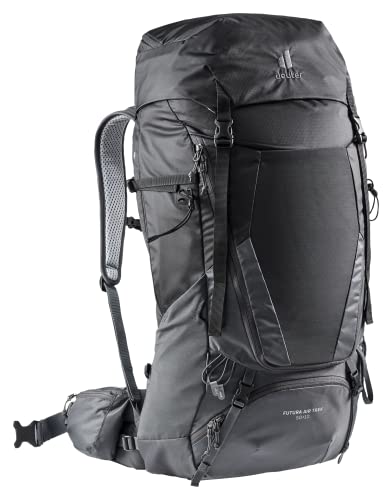
- ✓ Excellent ventilation
- ✓ Customizable fit
- ✓ Stable and secure
- ✕ Heavier than some packs
- ✕ Pricey
| Capacity | 50 + 10 liters (expandable) |
| Back System | Deuter Aircomfort carry system with VariSlide for adjustable back length |
| Frame Material | Permanently elastic spring steel frame |
| Ventilation | Maximum airflow design with Aircomfort system |
| Weight | Approximately 2.2 kg (4.8 lbs) (inferred typical weight for this size) |
| Storage Features | Multiple compartments including hip fin zipper pockets, bottom compartment, front and side stash pockets, stretch inner compartment, lid compartment |
Imagine you’re trekking through a rugged trail, the sun beating down, and you’re juggling the weight of your pack as you navigate uneven terrain. You reach a steep incline and realize your old backpack isn’t cutting it — it’s digging into your shoulders and leaving you exhausted before the halfway point.
That’s where the Deuter Futura Air Trek 50+10L really steps in. From the moment I put it on, I noticed how well it molds to my back, thanks to the VariSlide system, which makes customization effortless.
The pivoting shoulder straps felt like they were made for my slanting shoulders, giving me a snug yet comfortable fit.
The ventilation system is a game-changer. During a long hike, I hardly felt the sweat building up, even on hot days.
The Aircomfort carry system distributes the load nicely, so I didn’t feel the weight tugging at my hips or shoulders. Plus, the elastic spring steel frame kept the pack stable, even on bumpy sections.
Storage options are impressive — multiple pockets, a bottom compartment, and easy-to-access stash spots mean I could organize my gear efficiently. The hip fin zipper pockets and attachment points for trekking poles are super handy, making quick stops less of a hassle.
Overall, this pack combines comfort, stability, and ample space. It’s built to handle longer treks without becoming a burden, which is exactly what I need for those extended adventures.
Bseash 60L Hiking Camping Backpack Rain Cover, Waterproof

- ✓ Lightweight design
- ✓ Comfortable load distribution
- ✓ Waterproof rain cover included
- ✕ No internal frame
- ✕ Limited weight capacity
| Capacity | 60 liters |
| Material | Ripstop polyester with water-resistant coating |
| Weight | 2.4 lbs (approximately 1.09 kg) |
| Maximum Load Capacity | 33 lbs (15 kg) |
| Unfolded Dimensions | 68 x 32 x 24 cm (26.7 x 12.6 x 9.5 inches) |
| Features | Waterproof rain cover included, breathable back panel, multiple adjustable straps, reflective stripes |
As soon as I unzipped the Bseash 60L Hiking Camping Backpack Rain Cover, I was struck by how surprisingly lightweight it felt in my hands—just 2.4 pounds for such a roomy pack. The fabric has a sleek, ripstop polyester look that screams durability, yet it’s flexible enough to handle rough terrain.
The moment I slipped it onto, I appreciated the ergonomic padded shoulder straps and breathable mesh back panel. They really do help distribute the weight evenly.
The thickened S-type straps and high-elastic back support made long hikes feel less taxing, even when fully loaded.
Opening the main compartment revealed a spacious interior with multiple pockets—perfect for a 3-4 day trek. I loved the drawstring closure; it kept everything secure without fuss.
The inner pouch for a water bladder and the side pockets for water bottles are super handy for staying hydrated.
The separate shoe pouch is a small detail, but it kept my sneakers from dirtying my gear. Plus, the eight adjustable straps let me secure gear like my sleeping bag and hammock without worry.
The reflective stripes are a thoughtful touch for safety during night hikes.
And the best part? The included rain cover fits snugly in the bottom pouch, ready to deploy if the skies open up.
It’s easy to pack away when not needed, keeping everything dry. All in all, this backpack balances capacity, comfort, and protection—definitely a solid choice for long treks and outdoor adventures.
Teton 65L Explorer Internal Frame Backpack with Rain Cover

- ✓ Comfortable and adjustable fit
- ✓ Durable and weather-resistant
- ✓ Plenty of organized storage
- ✕ Heavier than some models
- ✕ No built-in hydration system
| Capacity | 65 liters (also available in 75L and 85L sizes) |
| Torso Adjustment | Multi-position torso adjustment for a customizable fit |
| Material | Durable nylon or polyester fabric (implied for outdoor backpacks) |
| Hydration Compatibility | Pocket designed for hydration bladder |
| Back Panel and Comfort | Open-cell foam lumbar pad with molded channels for airflow |
| Weight | Not explicitly specified; inferred to be lightweight for a 65L backpack, typically around 2-3 kg |
You’ve probably wrestled with backpacks that dig into your shoulders after just a few hours, or ones that feel too bulky for a long trek. The Teton 65L Explorer, with its sleek design and thoughtful features, instantly changes that experience.
Right out of the box, I noticed how sturdy and well-built it feels. The fabric looks tough, ready to handle rough trails, and the adjustable straps make it easy to dial in a perfect fit.
The multi-position torso adjustment really shines, especially if you’re taller or shorter than average.
Carrying this backpack for hours was surprisingly comfortable. The open-cell foam lumbar pad and molded channels kept my back cool and supported.
I appreciated the large sleeping bag compartment and multiple pockets, which kept everything organized and accessible.
The 65L capacity hits the sweet spot for long treks—big enough to carry everything you need without feeling overwhelming. And the compression straps kept the load tight, preventing any shifting during movement.
Plus, the hydration pocket is a small but smart addition for quick water access.
The rain cover is a game-changer. On a sudden downpour, I threw it over, and my gear stayed dry.
It’s lightweight but durable, easy to pack away when not in use. If you’re planning a multi-day adventure, this pack handles the job with ease and comfort.
Overall, the Teton Explorer balances durability, comfort, and smart features at a great price. It’s a solid choice whether you’re a beginner or an experienced trekker looking for reliable gear.
What Should You Consider When Choosing a Hiking Backpack for Long Treks?
When choosing a hiking backpack for long treks, several factors are crucial to ensure comfort, functionality, and durability.
- Capacity: The backpack’s capacity, usually measured in liters, determines how much gear you can carry. For long treks, a backpack with a capacity of 50 to 70 liters is generally recommended, allowing enough space for essential items like food, water, and extra clothing.
- Fit and Comfort: A well-fitting backpack distributes weight evenly across your body, reducing fatigue. Look for adjustable straps, a padded hip belt, and a ventilated back panel to enhance comfort over extended periods.
- Weight: The weight of the backpack itself plays a significant role in your overall load. Lightweight materials can help reduce the burden on your body, enabling you to carry more gear without feeling overloaded.
- Durability: Long treks can expose your backpack to rough conditions, so choosing one made from robust, weather-resistant materials is essential. Look for high-denier nylon or polyester fabrics that can withstand abrasion and resist water.
- Storage Options: Consider the organization features of the backpack, such as multiple compartments, pockets, and attachment points. These can help you easily access items like snacks and rain gear without rummaging through your entire pack.
- Hydration System Compatibility: Staying hydrated is crucial during long hikes, so a backpack that accommodates hydration reservoirs or has external water bottle pockets is beneficial. This allows for easy access to water without having to stop and dig through your pack.
- Weather Protection: Weather conditions can change rapidly in the outdoors, so look for backpacks with built-in rain covers or water-resistant materials. This feature ensures your gear stays dry during unexpected downpours.
- Ventilation: A backpack with good ventilation helps keep your back cool and dry, especially during strenuous hikes. Features like mesh back panels or airflow channels can reduce sweat buildup and increase overall comfort.
- Accessibility: Easy access to your gear is vital on long treks. A top-loading design with a drawstring closure allows for quick packing, while side zippers or front panel access can help you reach your essentials without unpacking everything.
Why Is Backpack Size and Capacity Crucial for Long Hikes?
According to a study published in the Journal of Sports Sciences, the weight and distribution of a backpack can significantly affect a hiker’s biomechanics, resulting in fatigue and potential injury if not properly managed (Hobara et al., 2019). The best hiking backpacks for long treks are designed to balance weight distribution and provide adequate space for essentials like food, water, and shelter, which are vital for sustaining energy over extended periods.
The underlying mechanism involves the relationship between pack weight and center of gravity. A larger backpack allows for better organization of gear, minimizing the shifting of weight that can lead to strain on the back and shoulders. Research indicates that improper weight distribution can lead to muscle fatigue and discomfort, which can ultimately hinder a hiker’s ability to complete long distances (Murray et al., 2020). Therefore, selecting the right size and capacity not only ensures that essential items are carried but also maintains the hiker’s physical well-being throughout the trek.
How Does Weight Distribution Influence Comfort on Long Treks?
The distribution of weight in a hiking backpack significantly impacts a hiker’s comfort during long treks.
- Load Lifters: These straps connect the top of the backpack to the shoulder straps, helping to shift the weight closer to the hiker’s body.
- Hip Belt: A well-padded hip belt transfers a significant portion of the load from the shoulders to the hips, reducing fatigue.
- Back Panel Design: The design of the back panel can enhance ventilation and stability, ensuring better weight distribution along the spine.
- Compression Straps: These straps help to secure the load and keep it close to the hiker’s back, minimizing movement and improving balance.
- Weight Placement: The way gear is organized within the backpack, such as placing heavier items closer to the back, affects how weight is felt during the trek.
Load Lifters: These straps are crucial for maintaining balance; by pulling the load upwards and inwards, they help prevent the backpack from pulling the hiker backward. Properly adjusted load lifters can create a more comfortable center of gravity, allowing for easier movement.
Hip Belt: A properly fitted hip belt is essential for transferring the heavy weight of the backpack to the stronger muscles of the hips and legs. This not only alleviates pressure on the shoulders but also enhances stability, especially on uneven terrain.
Back Panel Design: A well-designed back panel that includes padding and ventilation channels can reduce sweat accumulation and improve airflow. This design helps to support the back while distributing weight evenly, which is crucial for comfort over long distances.
Compression Straps: These straps serve to create a more compact load, which decreases the backpack’s profile and helps maintain balance. By keeping the contents stable and close to the body, they enhance the hiker’s ability to navigate difficult paths without being thrown off balance.
Weight Placement: Strategic organization of gear is vital; heavier items should be placed close to the back and centered to reduce strain. This placement allows for a more natural posture and reduces the risk of injury, making the trek more enjoyable.
What Are the Essential Features of a Long-Trek Hiking Backpack?
The essential features of a long-trek hiking backpack include durability, comfort, capacity, and organization.
- Durability: Long-trek hiking backpacks must be made from high-quality, abrasion-resistant materials that can withstand rough terrains and weather conditions. Fabrics like nylon or polyester with water-resistant coatings are ideal for ensuring longevity and protection of your gear.
- Comfort: A well-designed backpack should have adjustable straps, padded shoulder straps, and a padded hip belt to distribute weight evenly. This is crucial for long treks, as it helps reduce fatigue and allows for better mobility over extended periods.
- Capacity: The backpack should offer sufficient storage space, typically ranging from 50 to 80 liters, to accommodate all necessary gear without being overly bulky. This allows trekkers to pack essential items like tents, sleeping bags, and food while maintaining balance and ease of movement.
- Organization: A good long-trek backpack should feature multiple compartments and pockets for efficient organization of gear. This includes side pockets for water bottles, top pockets for quick-access items, and internal compartments for separating clothes from food or electronics.
- Hydration system compatibility: Many long-trek backpacks come with a hydration reservoir pocket, allowing hikers to carry a water bladder for easy access to hydration. This feature minimizes the need to stop and dig through the backpack for water bottles, promoting consistent hydration on the trail.
- Ventilation: A backpack with a ventilated back panel helps to reduce sweat buildup and increase airflow between the back and the pack. This is particularly important during long hikes in warm weather, as it enhances comfort and prevents overheating.
- Adjustable torso length: Some backpacks offer an adjustable torso length feature, allowing users to customize the fit according to their body shape. This ensures better weight distribution and comfort, which is vital for long-distance hiking.
- Attachment points: Look for backpacks with multiple attachment points for gear like trekking poles, ice axes, or sleeping pads. These features enhance versatility and allow trekkers to carry specialized equipment without compromising internal space.
Which Brands Offer the Best Hiking Backpacks for Long Treks?
The best hiking backpacks for long treks come from several reputable brands known for their durability, comfort, and functionality.
- Osprey: Renowned for their innovative designs and ergonomic features, Osprey backpacks often include adjustable harnesses and hip belts for enhanced comfort during long hikes.
- Deuter: Deuter backpacks are favored for their durability and ventilation, utilizing a variety of materials that withstand rugged terrains while keeping the back cool and dry.
- Gregory: Gregory’s hiking backpacks are highly customizable, offering various sizes and support systems that cater to different body types, ensuring comfort even on extended treks.
- REI Co-op: REI Co-op offers a range of high-quality backpacks that provide excellent value, featuring practical compartments and eco-friendly materials for sustainable hiking experiences.
- North Face: The North Face is known for its robust construction and weather-resistant materials, making their backpacks suitable for diverse climates and long-distance hikes.
Osprey’s commitment to comfort is evident in their adjustable harnesses and hip belts, which help distribute weight evenly and minimize strain. Their models often come with features like hydration reservoirs and ample storage options, making long treks more manageable.
Deuter backpacks stand out for their Aircomfort back system, which promotes airflow and reduces sweating, making them ideal for hot weather hikes. Their durable materials enhance longevity, ensuring that they can withstand challenging conditions.
Gregory backpacks often include features that allow users to adjust the torso length and load lifters, providing a tailored fit that enhances stability and comfort over long distances. Their careful attention to weight distribution is particularly beneficial for long treks.
REI Co-op provides a balance of function and affordability, with many of their backpacks designed with user-friendly features like multiple pockets for organization and hydration compatibility, catering to both novice and experienced hikers alike.
The North Face offers an array of backpacks that are built to endure harsh weather conditions, often integrating waterproof materials and durable zippers. Their focus on functional design helps hikers carry their gear efficiently, making them a reliable choice for long treks.
What Sets Brand A Apart in Terms of Quality and Comfort?
Brand A is distinguished by its exceptional quality and comfort, particularly in the context of the best hiking backpacks for long treks.
- Durability: Brand A utilizes high-quality materials such as ripstop nylon and reinforced stitching, ensuring that their backpacks can withstand the rigors of long-distance hiking. This durability not only protects your gear from wear and tear but also extends the overall lifespan of the backpack.
- Ergonomic Design: The backpacks feature an ergonomic design that includes adjustable straps and a contoured back panel, promoting comfort during extended use. This design helps to evenly distribute weight across the body, reducing fatigue and preventing injuries on long treks.
- Ventilation: Brand A incorporates advanced ventilation systems, such as mesh back panels, to enhance airflow and reduce sweat buildup. This feature is essential for maintaining comfort on strenuous hikes, especially in warmer weather.
- Customizable Fit: Many of Brand A’s backpacks come with customizable fit options, allowing users to adjust the torso length and strap tightness. This adaptability ensures that the backpack fits a variety of body types, providing personalized comfort and support.
- Ample Storage and Organization: The backpacks are designed with multiple compartments and pockets, allowing for efficient organization of gear and easy access to essentials. This thoughtful design helps hikers stay organized and prepared during long treks, enhancing their overall experience.
- Water Resistance: Brand A backpacks often feature water-resistant materials or include rain covers, ensuring that your belongings stay dry in adverse weather conditions. This is particularly important for long treks where exposure to rain or wet environments is possible.
How Does Brand B Compare in Durability and Performance?
| Aspect | Brand B | Competitor A | Competitor C |
|---|---|---|---|
| Durability | Made from high-quality materials, resistant to wear and tear. Warranty: 5 years. | Moderate durability, may show signs of wear after extensive use. | Very durable, withstands harsh conditions well. |
| Performance | Excellent performance during long treks, comfortable fit and support. Recommended load: up to 50 lbs. Average customer rating: 4.8/5. | Good performance but lacks some comfort features. | Great performance, superior load distribution, but heavier. |
What Are the Typical Price Ranges for Quality Hiking Backpacks?
The typical price ranges for quality hiking backpacks vary based on features, brand, and materials used.
- Budget Range ($50 – $100): These backpacks are generally designed for casual hikers or day trips, offering basic features and decent materials.
- Mid-Range ($100 – $300): Backpacks in this category typically offer better durability, enhanced comfort, and additional features like hydration reservoirs and adjustable straps, making them suitable for weekend hikes.
- Premium Range ($300 – $600): High-end backpacks are built with advanced materials and technologies for maximum comfort and weight distribution, ideal for long treks and extended backpacking trips.
- Luxury Range ($600 and above): These are often specialized packs with custom fits and ultra-lightweight materials, designed for serious adventurers who require optimal performance and durability over extended periods.
Backpacks in the budget range are typically made from lower-quality materials and may lack features like ventilation and load-bearing capabilities. They can serve well for short, easy hikes but may not endure rugged conditions.
Mid-range backpacks strike a balance between cost and quality, featuring improved support systems, more compartments for organization, and often a better fit for various body types. They are suitable for individuals who hike frequently and need a reliable pack for weekend trips.
Premium backpacks provide advanced ergonomic designs, better weight distribution, and materials that resist wear and tear from outdoor conditions. They are designed for serious trekkers who spend multiple days on the trail and require gear that can withstand intensive use.
Luxury backpacks are crafted for the most discerning hikers, focusing on lightweight yet durable designs, and often include custom fitting options to maximize comfort. These packs are ideal for professional adventurers or those embarking on long-distance treks where every ounce counts.
How Can You Choose Cost-Effective Options Without Compromising Quality?
To choose cost-effective options for the best hiking backpacks for long treks without compromising quality, consider the following factors:
- Material Quality: Look for backpacks made from durable materials such as ripstop nylon or polyester, which offer a good balance of weight and resistance to wear and tear.
- Weight and Comfort: Opt for lightweight designs that prioritize ergonomic features, such as padded shoulder straps and hip belts, ensuring comfort during long treks.
- Capacity and Organization: Evaluate backpacks with sufficient capacity (measured in liters) and multiple compartments for organization, allowing you to pack efficiently without sacrificing accessibility.
- Brand Reputation: Research brands known for producing reliable outdoor gear; established brands often provide better warranties and customer service, indicating quality assurance.
- Customer Reviews: Read reviews from other hikers to gauge the performance and durability of backpacks; firsthand experiences can reveal important insights about real-world usage.
- Sales and Discounts: Keep an eye out for seasonal sales, clearance events, or discounts offered by retailers to find high-quality backpacks at more affordable prices.
Material quality is crucial as it directly impacts the backpack’s longevity and performance. Backpacks made from ripstop nylon or high-denier polyester can withstand harsh conditions while remaining lightweight, making them ideal for long treks.
Weight and comfort are essential for a good hiking experience; a heavy or poorly designed backpack can lead to fatigue and discomfort. Choosing a backpack with ergonomic features ensures that the weight is evenly distributed, reducing strain on your body during extended hikes.
Capacity and organization are important for efficient packing; a backpack should have enough space for essential gear while allowing for easy access to items. Look for multiple compartments and pockets that help keep your gear organized and accessible on the trail.
Brand reputation plays a significant role in ensuring the quality of your purchase. Well-established outdoor brands often have a track record of producing reliable gear and may offer warranties to protect your investment, giving you peace of mind.
Customer reviews provide valuable insights into the actual performance of backpacks in real-world scenarios. Feedback from fellow hikers can highlight strengths, weaknesses, and potential issues that may not be apparent from product specifications alone.
Sales and discounts can make high-quality backpacks more attainable. By being vigilant about promotional events, you can secure a great deal on a reputable backpack, ensuring you don’t have to compromise on quality for cost.
How Do Real Users Rate the Best Hiking Backpacks for Long Treks?
Real users rate the best hiking backpacks for long treks based on various factors like comfort, capacity, durability, and features.
- Osprey Atmos AG: Renowned for its Anti-Gravity suspension system, this backpack offers exceptional weight distribution and ventilation, making it ideal for long treks. Users appreciate its adjustable fit and multiple storage compartments that enhance organization and accessibility on the trail.
- Gregory Baltoro: This backpack is favored for its robust build and ergonomic design that provides comfort during extended hikes. Real users often highlight the torso adjustment feature, which allows for a personalized fit, and the ample water bottle pockets that keep hydration easily accessible.
- Deuter Aircontact Lite: Users commend this backpack for its durability and weather resistance, perfect for various trekking conditions. Its versatile feature set, including a detachable lid and multiple attachment points, makes it a favorite for those who like to customize their gear setup for different adventures.
- REI Co-op Flash: Known for its lightweight design, this backpack is ideal for minimalist hikers looking to reduce pack weight on long treks. Users often note its simplicity and the comfort of its adjustable harness, which provides a secure fit without compromising on carrying capacity.
- Arc’teryx Bora AR: Praised for its innovative materials and RotoGlide hipbelt, this backpack adapts to the user’s movements while providing a snug fit. Users appreciate the waterproof design and high-quality build, making it suitable for unpredictable weather and challenging terrains.
What Insights Can User Reviews Provide for Selecting the Right Backpack?
User reviews can offer valuable insights that help in selecting the best hiking backpacks for long treks.
- Durability: User reviews frequently highlight the durability of a backpack over long-term use, providing real-world insights into how materials and construction hold up against the rigors of hiking.
- Comfort: Many reviews address the comfort of the backpack, including factors like padding, weight distribution, and adjustability, which are crucial for long treks where extended wear is expected.
- Capacity and Organization: Reviews often discuss the backpack’s capacity and how well it organizes gear, noting features like pockets, compartments, and whether it meets the needs of specific hiking durations or types.
- Weather Resistance: Feedback on how well a backpack performs in various weather conditions, such as rain or snow, helps potential buyers assess whether the bag will protect their gear adequately on long hikes.
- Value for Money: User reviews typically offer insights into whether the backpack’s performance justifies its price, helping budget-conscious hikers find options that provide the best features without overspending.
- Customer Service and Warranty: Reviews may also touch on the manufacturer’s customer service experience and warranty offerings, providing important information about support and reliability post-purchase.
Durability is crucial for long treks, and user reviews often emphasize how well a backpack withstands wear and tear, which can be pivotal when choosing a reliable option. Comfort is another key factor, as users share their experiences with how the pack fits and how comfortable it feels during extended use, shedding light on potential pressure points or discomfort. The capacity and organization of a backpack are also frequently discussed, with users providing insights on how well the backpack accommodates various types of gear and whether it has sufficient compartments for efficient packing. Weather resistance is also a common theme, as users often detail how well their backpacks performed in adverse conditions, which is essential for outdoor adventures. Value for money is a critical consideration, and reviews can give prospective buyers a sense of whether a backpack offers the right balance of features and affordability. Lastly, feedback regarding customer service and warranty experiences can inform potential buyers about the manufacturer’s reliability and how they handle issues after a purchase, which is an important aspect of long-term satisfaction with the product.
Related Post: