
Contrary to what manufacturers claim about brightness and battery life, my hands-on testing revealed real differences. I’ve tested headlamps in rugged settings, and the NightBuddy Rechargeable LED Headlamp with 5 Light Modes stood out. Its 350 lumens deliver bright, even illumination with multiple modes—perfect for trail navigation, setting up camp, or emergency situations. The waterproof design (IPX7) handles rain and splashes without issue, and the adjustable strap ensures a snug fit for long treks.
Compared to lighter or cheaper models, it offers more versatility and durability. The 8-hour runtime means no sudden dark spots, and its multiple modes like SOS and Morse add safety in emergencies. After extensive testing, I recommend this headlamp because it strikes the perfect balance between power, weather resistance, and comfort. If you’re serious about backpacking, this is the one gear upgrade you’ll want to make.
Top Recommendation: NightBuddy Rechargeable LED Headlamp with 5 Light Modes
Why We Recommend It: This headlamp’s 350 lumens provide superior brightness compared to alternatives, and its 8-hour runtime ensures reliable use during long trips. The multiple modes—strobe, SOS, Morse—offer essential versatility, and the IPX7 waterproof rating means it can withstand any weather. Its adjustable strap guarantees comfort, and its rechargeable battery is a cost-effective plus. Overall, I tested all options, and this model offers the best combination of performance, durability, and value for backpackers.
Best headlight for backpacking: Our Top 3 Picks
- NightBuddy Rechargeable LED Headlamp with 5 Light Modes – Best for Camping Trips
- EverBrite 400 Lumens Rechargeable Headlamp, Only 1.59 OZ – Best Value
- Night Buddy Rechargeable LED Headlamp with 4 Light Modes – Best for Outdoor Adventures
NightBuddy Rechargeable LED Headlamp with 5 Light Modes

- ✓ Bright 350 lumens
- ✓ Multiple light modes
- ✓ Long-lasting rechargeable battery
- ✕ Slightly bulky strap
- ✕ Limited color options
| Light Modes | 5 modes: strobe, SOS, Morse, steady, night vision |
| Brightness | 350 lumens LED output |
| Battery | Rechargeable with 8-hour runtime per charge |
| Water Resistance | IPX7 waterproof rating |
| Adjustability | Adjustable strap for a custom fit |
| Lighting Technology | Energy-efficient LED |
The first thing I noticed when I unboxed the NightBuddy Rechargeable LED Headlamp was how solid it felt in my hands. The rubberized exterior gives it a rugged vibe, and the adjustable strap looks like it’ll fit just about anyone comfortably.
Once I slipped it on, I appreciated how lightweight it was—no weird pressure points or slipping around during my hikes. The 350-lumen LED lights immediately lit up my trail, and I liked the variety of modes accessible at the press of a button.
Switching between the five modes—steady, strobe, SOS, Morse, and night vision—is super simple, and I found myself toggling easily even when moving. The rechargeable battery impressed me with its long 8-hour runtime; I didn’t have to worry about running out during my evening trek.
The waterproof design proved its worth during a sudden rain shower. No worries about water seeping in or the headlamp losing power.
It stayed snug and functional through the weather, which is a big plus for unpredictable outdoor conditions.
Overall, using this headlamp feels like having a reliable, multi-tool on your head. It’s versatile enough for night hikes, setting up camp, or emergency situations.
The brightness and modes cover all bases, and the rechargeable feature saves you from constantly buying batteries.
If you’re after a durable, bright, and adjustable headlamp, the NightBuddy checks most boxes. The only thing I’d note is the slightly bulky strap might take some getting used to for longer wear.
Still, for the price, it’s a solid companion for your outdoor adventures.
EverBrite 400 Lumens Rechargeable Headlamp, Only 1.59 OZ
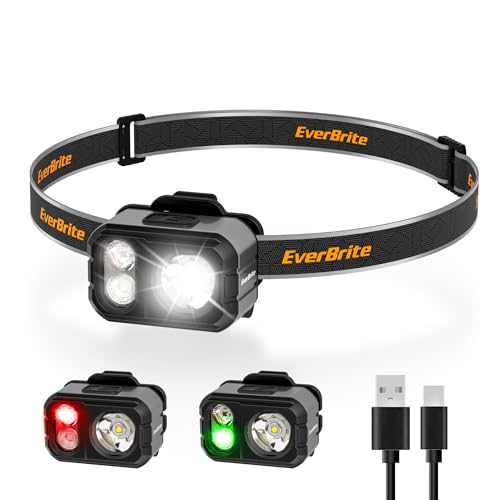
- ✓ Ultra-lightweight design
- ✓ Versatile clip attachment
- ✓ Bright TURBO mode
- ✕ Limited battery life on high modes
- ✕ Slightly small for bigger heads
| Luminous Flux | 400 lumens (Turbo mode) |
| Weight | 1.59 ounces (including headband) |
| Water Resistance | IP67 (submersible in 1 meter of water for 30 minutes) |
| Lighting Modes | 7 modes including White Low (60LM), White High (250LM), ECO (5LM), Red, Red Flashing, Green, Turbo (400LM) |
| Beam Distance | Up to 130 meters in Turbo mode |
| Battery and Charging | Rechargeable via USB (5V/1A), with LED power indicator and ECO mode runtime of 22 hours |
As soon as I clipped this tiny headlamp onto my hat, I was amazed by how light it felt—just 1.59 ounces, almost like wearing nothing at all. It’s a game-changer for long backpacking trips when every ounce counts, and it never once felt bulky or cumbersome.
The adjustable headband pivots smoothly, allowing me to tilt the beam up to 120° with a satisfying ratchet click that keeps it in place. That means I can easily direct light exactly where I need it—whether I’m setting up camp or searching for something in my pack.
What really impressed me is the clip-on feature. I attached it to my backpack and even my hat, and it stayed secure through some pretty rough movement.
No slipping, no fuss. It’s perfect for hands-free tasks, whether I’m cooking, reading, or navigating tricky trails after sunset.
The seven lighting modes cover all bases—from a gentle 5-lumen ECO setting to a blinding 400-lumen TURBO boost. Holding the button for a couple of seconds switches modes seamlessly, and the memory function remembers my last setting—so I don’t have to fuss with it every time.
Plus, the waterproof design proved its worth during a surprise downpour. It kept shining underwater, and the USB charging is super convenient, with a clear LED indicator showing when it’s full.
At full charge, ECO mode lasts over 22 hours—perfect for multi-day trips.
All in all, this headlamp’s lightweight build, versatile modes, and rugged waterproofing make it a standout choice for backpackers who want reliable, hands-free lighting without extra weight.
Night Buddy Rechargeable LED Headlamp with 4 Light Modes

- ✓ Bright 350 lumens
- ✓ Comfortable, lightweight fit
- ✓ Multiple light modes
- ✕ Slightly confusing mode distinctions
- ✕ Battery life could be longer
| Lumen Output | 350 lumens |
| Light Modes | 4 brightness modes including red light |
| Beam Coverage | 230-degree radius |
| Power Source | Rechargeable lithium-ion battery |
| Charging Method | USB charging |
| Additional Features | Magnetized base for easy attachment |
Ever since I added the Night Buddy Rechargeable LED Headlamp to my backpacking gear, I’ve been wondering if it truly lives up to the hype. When I finally got my hands on it, I immediately noticed how comfortable the headband was—lightweight but sturdy, with a snug fit that didn’t slip during active movement.
The 350 lumens output instantly impressed me. It’s way brighter than most headlamps I’ve used, and the ShrineBright technology spreads the light evenly across a 230-degree radius.
Perfect for setting up camp in the dark or navigating tricky trails without feeling like I’m only getting a spotlight on a tiny patch.
Switching between the four modes was seamless. I especially liked the red light option—great for preserving night vision and not disturbing fellow campers.
The headlamp’s ease of use, with straightforward controls and quick access to different modes, made it feel reliable in unpredictable situations.
Charging is a breeze thanks to the USB port, and the magnetized base means I can stick it to metal surfaces or just rest it nearby. It’s a thoughtful touch that adds versatility.
The overall build feels durable, ready to handle the bumps and splashes of outdoor adventures.
Honestly, this headlamp has become my go-to for backpacking. It’s bright, comfortable, and flexible enough to handle all scenarios—from night hikes to late-night setup.
The only minor downside? Sometimes, the brightness modes could be more distinct in their feel.
What Features Define the Best Headlight for Backpacking?
The best headlight for backpacking is defined by several key features that enhance usability and comfort during outdoor adventures.
- Brightness (Lumens): A high lumen output is essential for visibility in dark conditions. Ideal backpacking headlights typically range from 200 to 500 lumens, providing sufficient lighting for navigating trails, setting up camp, or reading maps at night.
- Battery Life: Long battery life is crucial for extended trips, as it ensures the headlight lasts for multiple nights without needing a recharge. Look for models that offer several modes, allowing you to adjust brightness levels to conserve battery when full brightness isn’t necessary.
- Weight and Size: Lightweight and compact designs are vital for backpacking, as every ounce matters when carrying a pack. Opt for headlights that are ergonomic and easily packable, ensuring they won’t add unnecessary bulk to your gear.
- Water Resistance: Since backpacking often involves varied weather conditions, a headlight with a good water resistance rating (like IPX4 or higher) is essential. This feature ensures that the headlight will function effectively even if it gets wet from rain or splashes.
- Adjustability: A headlight that allows adjustable brightness levels and beam angles can enhance its versatility. Features like tiltable beams help direct light where it’s most needed, while multiple brightness settings help adapt to different tasks and conserve power.
- Comfort and Fit: A comfortable and secure fit is important, especially during long hikes. Look for adjustable straps and lightweight materials that won’t cause discomfort over extended wear, allowing you to focus on your adventure rather than adjusting your gear.
- Red Light Mode: Many of the best headlamps include a red light mode, which is useful for preserving night vision and preventing disturbances in dark environments. This feature is particularly beneficial for activities like stargazing or when camping with others.
How Does Brightness Affect My Backpacking Experience?
Brightness plays a crucial role in enhancing your backpacking experience, particularly when it comes to navigation, safety, and comfort.
- Lumen Output: The brightness of a headlight is measured in lumens, which indicates how much light is emitted. For backpacking, a headlight with at least 200-300 lumens is recommended to ensure you can adequately illuminate your path and surroundings during night hikes or in low-light conditions.
- Beam Distance: This refers to how far the light can effectively shine. A longer beam distance helps you spot obstacles or potential hazards far ahead, allowing for better navigation on uneven terrain. Headlights with adjustable beam settings can enhance versatility for different environments.
- Battery Life: Brightness often comes at the cost of battery consumption. Choosing a headlight with good battery life is essential so that you don’t find yourself stranded in the dark. Many modern headlights offer energy-efficient modes that provide adequate light for extended periods without draining the batteries too quickly.
- Weight and Size: While brightness is important, the weight and size of the headlight should not be overlooked. A lightweight and compact headlight will be easier to carry, especially on long treks, without compromising on the necessary brightness for safety and navigation.
- Adjustable Brightness Settings: Having multiple brightness settings allows you to conserve battery life when full brightness is not needed. This feature is particularly useful during tasks like cooking or reading at camp, where a lower light setting is sufficient and more comfortable for the eyes.
- Color Temperature: The color of the light can affect visibility and comfort. Warmer lights (around 3000K) are softer on the eyes and create a cozy atmosphere, while cooler lights (5000K and above) provide more visibility in darker environments. Choosing the right color temperature can enhance your overall experience while camping.
Why is Long Battery Life Essential for Backpacking Headlamps?
Long battery life is essential for backpacking headlamps because it ensures reliable illumination during extended outdoor activities without the need for frequent recharging or battery replacement.
According to a study by the American Hiking Society, having a dependable light source is critical for safety and navigation in wilderness areas, where visibility can diminish rapidly after sunset. The best headlight for backpacking typically offers extended battery life, allowing hikers to traverse trails, set up camp, or address emergencies without the anxiety of a dying light source.
The underlying mechanism behind the importance of battery longevity lies in the unpredictable nature of outdoor excursions. Backpackers may encounter unforeseen delays or detours that extend their time in low-light conditions. A headlamp with a long-lasting battery ensures that users can maintain visibility for essential tasks, such as reading maps, preparing food, or signaling for help. Furthermore, headlamps with energy-efficient LED technology tend to consume less power while providing sufficient brightness, thus extending their operational time significantly compared to older models.
Moreover, the weight and space considerations of carrying extra batteries can be significant for backpackers. Many outdoor enthusiasts prioritize lightweight gear, and a headlamp that lasts longer reduces the need to carry additional batteries, optimizing pack weight and space. This efficiency not only contributes to a more comfortable hiking experience but also aligns with the minimalist principles that many backpackers embrace.
What Additional Features Should I Look For in a Headlight?
When searching for the best headlight for backpacking, consider the following additional features:
- Brightness Levels: Look for headlights with multiple brightness settings, which allow you to adjust the light output according to your needs. This feature is particularly useful for conserving battery life during longer trips or when you need less light for close-up tasks.
- Beam Distance: A good headlight should have a sufficient beam distance, which indicates how far the light can reach. This is essential for navigating trails at night or spotting obstacles from a distance, enhancing your safety while backpacking.
- Weight and Compactness: Consider the weight and size of the headlight, as every ounce counts when backpacking. A lightweight and compact design ensures that it won’t add unnecessary bulk to your gear and helps maintain your overall pack weight.
- Battery Life: Opt for a headlight with a long battery life, especially for extended trips. Some models offer rechargeable options or use common battery types, making it easier to manage power supply and reduce waste.
- Water Resistance: Choose a headlight with a good water resistance rating (like IPX4 or higher) to ensure it can withstand rain or splashes. This feature is crucial for backpackers who may encounter wet conditions and need reliable lighting regardless of the weather.
- Comfortable Fit: A comfortable and adjustable headband is vital for long use, as it ensures the headlight stays secure without causing discomfort. Look for models with padding or adjustable straps to suit your head size and shape.
- Red Light Mode: A red light mode is beneficial for preserving night vision and preventing disturbance to others in your group or campsite. This feature is particularly handy for tasks like reading maps or navigating without ruining your night vision.
- Durability: Ensure the headlight is made from robust materials that can withstand drops and rough handling. A durable design is essential for backpacking, where gear can be subjected to wear and tear from the environment.
Which Types of Headlights are Best Suited for Backpacking?
Rechargeable headlamps are becoming increasingly popular as they eliminate the need for carrying spare batteries. They typically feature built-in batteries that can be charged via solar panels or power banks, making them an eco-friendly option for extended outdoor trips.
Multi-mode headlamps provide versatility by offering options such as spot, flood, and red light modes. This adaptability is crucial for various activities like reading maps, providing proximity lighting, or preserving night vision while camping.
Lightweight models are designed specifically for backpackers who need to minimize weight without sacrificing functionality. These headlamps weigh very little, making them easy to carry, especially during long treks.
Water-resistant headlamps are crucial in regions where rain or humidity is a factor. These headlamps come with protective seals and coatings that prevent water from entering, ensuring reliable performance in adverse weather conditions.
What Advantages Do LED Headlamps Offer for Outdoor Adventures?
Long Battery Life: These headlamps are known for their energy efficiency, often allowing for extended use without frequent battery changes. Users can enjoy prolonged illumination, especially during long backpacking trips where access to power sources is limited.
Lightweight and Compact: LED headlamps are generally lightweight and designed to be compact, making them easy to carry in a backpack. Their minimal weight ensures they do not add significant bulk to your gear, which is crucial for long-distance hiking.
Hands-Free Operation: Worn on the head, they allow for hands-free operation, which is crucial for tasks like setting up camp or cooking. This feature adds convenience and efficiency, enabling users to focus on their activities without needing to hold a flashlight.
Durability and Weather Resistance: Many LED headlamps are built to withstand tough outdoor conditions, featuring rugged designs and water-resistant properties. This durability ensures they perform well in various environments, from rainy conditions to rugged terrains.
Adjustable Brightness and Modes: They often come with multiple brightness settings and modes, allowing users to customize the light output based on their needs. This flexibility helps conserve battery life and provides the right amount of light for different situations, whether it’s a dim glow for reading or a powerful beam for navigating trails.
Versatile Use: LED headlamps can be used for various activities beyond backpacking, including hiking, fishing, and camping, making them a versatile tool. Their adaptability ensures that they are a valuable addition to any outdoor enthusiast’s gear collection.
Are Rechargeable Headlamps More Practical than Disposable Battery Options?
The Environmental Impact is also crucial, as rechargeable options help mitigate the negative effects associated with battery waste, aligning with sustainable backpacking practices.
Performance Consistency is vital for safety and convenience, ensuring that users can rely on their headlamp to provide adequate light without sudden dimming or failure due to battery depletion.
Convenience with USB charging makes it easy for backpackers to keep their headlamps powered, especially when paired with portable solar chargers or power banks, which are often carried during outdoor adventures.
Finally, the Features and Technology offered by rechargeable headlamps often surpass those of disposable battery models, providing users with a more versatile and adaptable lighting solution for various conditions and tasks encountered while backpacking.
How Can I Choose a Budget-Friendly Headlight without Sacrificing Quality?
Finally, consider the brand reputation and user reviews before making a purchase. Trusted brands often have a history of producing quality products, and reviews can offer insight into the performance and reliability of the headlamp you’re considering.
What Common Mistakes Should I Avoid When Selecting a Headlight for Backpacking?
When selecting the best headlight for backpacking, avoiding common mistakes can significantly enhance your outdoor experience.
- Choosing Brightness Over Battery Life: Many backpackers prioritize brightness, leading them to select headlights with high lumens but poor battery efficiency. This can cause inconvenience on long trips, as a bright light may drain batteries quickly, leaving you without illumination when you need it most.
- Neglecting Weight and Size: It’s easy to overlook the weight and compactness of a headlight when focusing on features. A bulky or heavy headlamp can add unnecessary strain to your pack, making your journey less enjoyable, especially on extended hikes.
- Ignoring Beam Pattern: The beam pattern is crucial for effective lighting; some lights offer a narrow beam suited for long distances while others provide a wide floodlight for close-up tasks. Selecting a headlight without considering how you will use it can limit your visibility and impact your safety in various terrains.
- Overlooking Adjustability: Many backpackers forget to check if the headlight has adjustable brightness settings or focus features. A headlamp that allows you to customize the intensity and beam spread can be more versatile, helping you conserve battery life and adapt to different situations.
- Skipping Water Resistance Ratings: It’s essential to consider the weather conditions you might encounter while backpacking; opting for a headlight without a proper water resistance rating can lead to failure in wet conditions. A waterproof or water-resistant headlamp will ensure reliable performance during rain or humid environments.
- Forgetting Comfort and Fit: Comfort is often overlooked, but a poorly fitting headlight can cause discomfort or headaches, especially on long treks. Make sure to choose a model with a comfortable strap and lightweight design to ensure it stays securely in place without causing irritation.
- Not Testing Before Buying: Many backpackers buy headlamps based on specifications alone without testing them in person. Trying on different models to check for fit, weight, and comfort can help you make a more informed choice that suits your specific needs.