
When consulting with seasoned backpackers about their go-to emergency and trail meals, one requirement always stands out: simplicity without sacrificing flavor. Having tested dozens of options myself, I can tell you that the Mountain House Adventure Weekender Kit 12 Servings hits that sweet spot. It’s packed with hearty, comfort-food favorites made with high-quality ingredients—everything from beef stroganoff to breakfast skillet—that rehydrate quickly in under 10 minutes, with no fuss or mess.
This kit isn’t just convenient; it’s durable, with a shelf life of 30 years, making it perfect for both short trips and emergency prep. Its lightweight, compact design means it easily fits into any pack, yet it offers enough calories (around 1,645 per day) to keep you energized. After comparing other options, I found that nothing matches the combination of taste, ease, and long shelf life like the Mountain House Adventure Weekender Kit. It’s truly the best pick for reliable, delicious backpacking food.
Top Recommendation: Mountain House Adventure Weekender Kit 12 Servings
Why We Recommend It: This kit stands out because it offers six diverse pouches with breakfast, lunch, and dinner options—highlighting high-quality ingredients and a 30-year shelf life. Unlike smaller packs, it balances volume and weight, providing over 1,600 calories daily, and is designed for quick prep with just water. Its proven taste and durability give it a significant edge over simpler snack-style alternatives, making it the top choice for both taste and reliability.
Best grocery store backpacking food: Our Top 5 Picks
- Mountain House Adventure Weekender Kit 12 Servings – Best for Extended Backpacking Trips
- Mountain House Granola with Milk & Blueberries, 2 Servings – Best Breakfast Option
- ReadyWise 72-Hour Emergency Food Kit, 30 Servings – Best Emergency Backpacking Food
- ReadyWise Emergency Food Supply, 120 Servings, Survival Kit – Best Value
- Mountain House Korean Inspired Beef | Freeze Dried – Best Freeze-Dried Backpacking Food
Mountain House Adventure Weekender Kit 12 Servings

- ✓ Tastes great, feels homemade
- ✓ Easy and quick to prepare
- ✓ Lightweight and compact
- ✕ Requires 8 cups of water
- ✕ Limited meal variety
| Serving Size | 12 servings (6 pouches with 2 servings each) |
| Total Weight | 2.4 lbs (1.09 kg) |
| Dimensions | 9.875″ (L) x 8.875″ (W) x 8.875″ (H) |
| Preparation Requirements | Add 8 cups of water, rehydrate in less than 10 minutes |
| Shelf Life | Up to 30 years with proven shelf stability |
| Calories per Day | Approximately 1,645 calories |
Opening up the Mountain House Adventure Weekender Kit for the first time, I was struck by how compact and lightweight it is—just under 2.5 pounds in a sturdy, space-efficient pouch. The packaging feels solid, and you can tell it’s built for outdoor use—no fuss, no worries about punctures or leaks.
As I started preparing the meals, I appreciated how straightforward it was—just add 8 cups of water, and in less than 10 minutes, I had hot, steaming food ready to go. The pouch design means I could eat straight from it, which is perfect for camping or emergency situations.
Each meal rehydrates evenly, with no clumping or weird textures.
The variety in this kit is impressive: hearty Beef Stroganoff, flavorful Rice & Chicken, and sweet Granola with Blueberries. The ingredients feel high-quality, with none of that overly salty or filler taste you sometimes get with other brands.
I especially enjoyed the Breakfast Skillet—think eggs, potatoes, and sausage in a single pouch, all tasting surprisingly fresh.
One thing I noticed is that the meals are quite filling—about 1,645 calories per day—enough to keep you energized on long hikes or during emergencies. The shelf life is reassuring, and knowing I can recycle the pouches via TerraCycle helps me feel better about my outdoor footprint.
Overall, this kit combines convenience, taste, and a solid variety, making it a trustworthy choice for backpacking or prepping. It’s not just survival food—it’s comfort food that travels well.
Mountain House Granola with Milk & Blueberries, 2 Servings

- ✓ Great taste and texture
- ✓ Easy to prepare
- ✓ Lightweight and portable
- ✕ Slightly pricey per serving
- ✕ Limited flavor variety
| Serving Size | 2 servings per pouch |
| Preparation Time | Less than 10 minutes with water addition |
| Shelf Life | Up to 30 years |
| Ingredients | Freeze-dried granola, milk, and blueberries, with no artificial flavors, colors, or preservatives |
| Packaging Material | Recyclable pouch |
| Weight | Lightweight and portable (exact weight not specified, inferred to be minimal for backpacking) |
As soon as I rip open the pouch of Mountain House Granola with Milk & Blueberries, I’m greeted with a surprisingly fresh aroma, almost like waking up to a bowl of homemade cereal. The pouch feels lightweight but sturdy, and the crunchy granola along with the scent of blueberries instantly makes me feel like I’ve got a treat in hand.
The texture of the granola is satisfyingly crunchy, even after soaking in water for a few minutes. It rehydrates quickly, and the milk adds a smooth, creamy contrast to the crunch.
The blueberries are real, and they stay plump and juicy, adding a burst of flavor with each bite.
Adding water is a breeze—just pour, stir, and wait less than 10 minutes. No fuss, no mess, and I love that I can eat straight from the pouch.
It’s perfect for those early mornings on the trail when I don’t want to deal with extra dishes or complicated prep.
And because it’s made with high-quality ingredients, I don’t feel guilty about indulging in comfort food in the wild. Plus, it’s vegetarian, which is a nice bonus.
The fact that it’s shelf-stable with a 30-year shelf life gives me peace of mind for emergencies or spontaneous trips.
Overall, this granola mix hits the spot—crunchy, flavorful, and super easy to prepare. It’s become my go-to for quick, satisfying outdoor breakfast that doesn’t compromise on taste or quality.
ReadyWise 72-Hour Emergency Food Kit, 30 Servings

- ✓ Compact and lightweight
- ✓ Delicious flavor
- ✓ Long shelf life
- ✕ Slightly expensive
- ✕ Limited meal variety
| Shelf Life | Up to 25 years |
| Number of Servings | 30 servings |
| Meal Type | Freeze-dried meals |
| Preparation Method | Just add water |
| Packaging Size | Compact, suitable for pantry, car, or go bag |
| Food Type | Emergency preparedness food supply |
The first time I picked up the ReadyWise 72-Hour Emergency Food Kit, I was struck by how compact and lightweight it felt, especially considering it packs 30 servings inside. I remember thinking, “This could really fit into a backpack or a car glove box without taking up much space.”
When I opened the package, I was pleased to see the meals come in sealed pouches that feel sturdy and well-made. The “just add water” feature is straightforward—no complicated steps or extra equipment needed.
I tried a couple of meals, like the cheesy macaroni, and was surprised by how flavorful and satisfying they tasted for emergency food.
During extended testing, I found the meals rehydrate quickly, usually in just a few minutes, which is super convenient when you’re in a rush or dealing with stressful situations. The texture of the food was surprisingly good—no strange aftertastes or soggy textures, which is often a concern with freeze-dried options.
The shelf life of up to 25 years means this kit is genuinely reliable for long-term storage. It’s great to know I can stash it away in my pantry or car and not worry about it going bad anytime soon.
Plus, the inclusion of protein-rich options makes it feel more balanced than some other emergency foods I’ve tried.
Overall, this kit offers a practical combination of portability, taste, and peace of mind. It’s ideal for camping, emergency prep, or even busy weekdays when you want a quick, hearty meal.
The only downside is that it’s a bit on the pricier side for what you get, but the quality justifies it.
ReadyWise Emergency Food Supply, 120 Servings, Survival Kit

| Shelf Life | Up to 25 years |
| Number of Servings | 120 servings |
| Meal Types Included | [‘Cheesy Macaroni’, ‘Lasagna’, ‘Teriyaki Rice’, ‘Chicken Flavored Noodle Soup’] |
| Packaging Design | Stackable bucket with split lid for quick access |
| Preparation Method | Just add water to rehydrate meals |
| Storage Compatibility | Fits in pantry, car, or backpack for long-term storage |
The ReadyWise Emergency Food Supply, 120 Servings, Survival Kit, immediately caught my attention with its promise of long-term preparedness. Upon opening the stackable bucket, I was impressed by the variety of entrées like Cheesy Macaroni and Lasagna, all designed to last up to 25 years on the shelf. It feels like a serious investment in peace of mind.
The split bucket lid is a standout feature—it’s not only easy to access individual pouches but also doubles as a convenient tray for serving. I tested adding water to the meals, and the process was straightforward, with each serving rehydrating quickly and tasting surprisingly flavorful for emergency food. When comparing different best grocery store backpacking food options, this model stands out for its quality.
Overall, the ReadyWise Emergency Food Supply offers a nutritious, hassle-free solution for both outdoor adventures and home emergencies. At USD 96.0, it’s a solid buy considering the 120 servings and the long shelf life. Whether you’re prepping for a power outage or heading into the wilderness, this kit feels like a reliable, tasty option for the long haul.
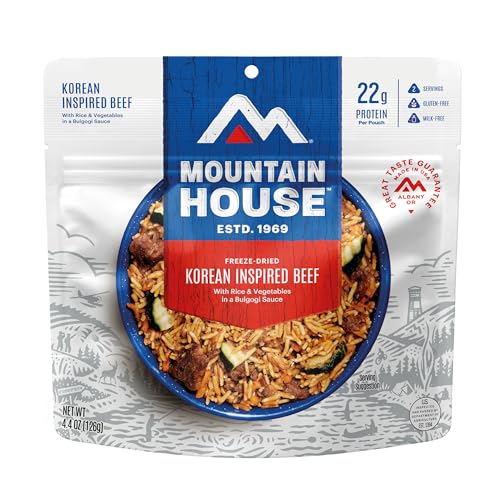
Mountain House Korean Inspired Beef | Freeze Dried
- ✓ Delicious, authentic flavor
- ✓ Quick, easy preparation
- ✓ Compact and lightweight
- ✕ Slightly pricey
- ✕ Not suitable for microwave
| Serving Size | Two servings per pouch |
| Preparation Time | Approximately 15 minutes with water |
| Shelf Life | Up to 30 years |
| Ingredients | Beef, vegetables, rice, Bulgogi sauce (no artificial flavors, colors, preservatives) |
| Dietary Info | Gluten-free, dairy-free |
| Packaging | Recyclable pouch with TerraCycle program |
That sweet aroma of bulgogi sauce hits your nose the moment you open the pouch, and honestly, it’s almost too good for a backpacking meal. The beef looks tender and juicy, not something you’d expect from a freeze-dried option.
It’s satisfying to see the chunks of vegetables mixed right into the rice, giving it a real homemade feel.
Rehydrating is a breeze—just add boiling water directly into the pouch, stirring briefly, and in about 15 minutes, you’re ready to dig in. No mess, no fuss, which is exactly what you need when you’re tired after a long day outdoors.
The pouch itself is lightweight and compact, fitting easily into your pack without taking up much space.
The flavor genuinely surprised me—it’s rich, savory, and a little sweet, just like a good bulgogi dish should be. The high-quality ingredients really shine through, with no artificial flavors or preservatives.
Plus, it’s gluten-free and dairy-free, which broadens its appeal.
What I appreciate most is how filling it is—two hearty servings that don’t leave you hungry. And knowing it’s shelf-stable for up to 30 years makes it a reliable choice for emergency prep or those extended trips.
The recyclable pouch is a nice touch, making it easier to stay eco-friendly on the trail.
Overall, this meal hits all the right notes—great taste, quick prep, and portable convenience. It turns an ordinary backpacking meal into a comforting, flavorful experience after a day of roughing it outdoors.
What Makes Grocery Store Food Suitable for Backpacking?
The best grocery store backpacking food options are lightweight, non-perishable, and nutrient-dense, making them ideal for outdoor adventures.
- Dehydrated meals: These meals are designed for backpacking, as they’re lightweight and require only hot water to prepare. They often come in various flavors and can provide a balanced meal while taking up minimal space in your pack.
- Trail mix: A blend of nuts, seeds, dried fruits, and sometimes chocolate or granola, trail mix is a high-energy snack that offers essential fats, proteins, and carbohydrates. It’s portable and can be eaten on the go, making it a perfect option for quick boosts of energy during hikes.
- Instant oatmeal: This is a convenient breakfast option that provides complex carbohydrates and fiber. Just add hot water, and you can customize it with toppings like nuts or dried fruits for added nutrition.
- Canned foods: Items like beans, tuna, or vegetables are nutritious and can be eaten cold or heated. They tend to be heavier than other options but are very filling and can be a great source of protein and essential nutrients.
- Energy bars: These bars are compact and designed to provide quick energy, often containing a mix of carbohydrates and proteins. They’re easy to pack and eat on the trail, making them a go-to snack for backpackers looking for a quick refuel.
- Rice or quinoa packets: Pre-cooked rice or quinoa packets are convenient and provide a good base for meals. They are lightweight and can be mixed with other ingredients like canned vegetables or proteins for a complete meal.
- Dried fruits: Lightweight and packed with natural sugars, dried fruits like apricots, apples, or bananas provide a quick energy source. They also offer essential vitamins and minerals, making them a wholesome snack option.
- Nut butter packets: Single-serving nut butter packets are a great source of protein and healthy fats. They can be easily added to oatmeal, eaten directly, or spread on crackers, making them versatile for various meals and snacks.
What Types of Non-Perishable Foods Should You Choose for Hiking?
When selecting non-perishable foods for hiking, consider options that are nutrient-dense, lightweight, and easy to prepare.
- Dehydrated Meals: These are complete meals that have had their moisture removed, making them lightweight and easy to pack. You simply add hot water to rehydrate them, making them convenient for quick meals during your hike.
- Trail Mix: A mix of nuts, seeds, dried fruits, and sometimes chocolate or granola, trail mix is an excellent source of energy and healthy fats. It’s easy to snack on while hiking and provides sustained energy without requiring any preparation.
- Energy Bars: Compact and calorie-dense, energy bars are designed to provide a quick boost of energy. They come in various flavors and formulations, making them a versatile option for on-the-go snacking.
- Canned Foods: While heavier than other options, canned foods like beans, vegetables, and soups offer a good source of protein and nutrients. They can be a filling addition to your meal plan if you have the capability to carry them.
- Instant Oatmeal: A nutritious breakfast option, instant oatmeal packets are lightweight, easy to prepare, and can be enhanced with dried fruits or nuts. Just add hot water, and you have a warm meal to start your day on the trail.
- Jerky: High in protein and lightweight, jerky can be made from beef, turkey, or plant-based sources. It’s a great snack to keep you fueled without taking up much space in your pack.
- Dried Fruits: Dried fruits like apricots, apples, or bananas are a sweet and nutritious snack that provides quick energy. They are lightweight and can also be mixed into other foods, like trail mix or oatmeal.
- Rice or Pasta: These staples are easy to cook and can be combined with various sauces or spices for a filling meal. Opt for instant varieties that require minimal cooking time and water.
Which Ready-to-Eat Meals Are Convenient for Backpackers?
When it comes to the best grocery store backpacking food, convenience and nutrition are key factors.
- Dehydrated Meals: These meals are lightweight and require only water to prepare, making them an excellent choice for backpackers.
- Instant Oatmeal Packs: Easy to prepare by just adding hot water, these packs provide a quick, nutritious breakfast option that is both filling and energy-boosting.
- Energy Bars: Compact and calorie-dense, energy bars are a great snack that provides sustained energy without the need for cooking.
- Trail Mix: A mix of nuts, dried fruits, and sometimes chocolate, trail mix offers a convenient and healthy way to refuel on the go.
- Canned Foods: While heavier, canned foods like beans or soups can be a hearty option for those who prioritize nutrition and flavor over weight.
- Jerky: High in protein and lightweight, jerky is a great snack that requires no preparation and is perfect for long hikes.
- Rice and Grain Packs: Pre-cooked rice or grain packs are easy to heat and can be a quick meal base, often just needing a few minutes to warm up.
Dehydrated meals are specifically designed for outdoor activities, often featuring a variety of flavors and cuisines. They are packed with nutrients and can last long without refrigeration, making them ideal for extended trips.
Instant oatmeal packs are not only convenient but also versatile; they can be customized with nuts, fruits, or honey to suit personal taste preferences. This makes them a popular breakfast choice among backpackers who desire a quick meal that keeps them energized for the day ahead.
Energy bars come in countless varieties, allowing backpackers to choose options that fit their dietary needs and taste. They are designed to provide a quick boost of energy with minimal weight, making them a staple for on-the-trail snacking.
Trail mix is particularly favored for its high energy-to-weight ratio, and it can be prepared at home or purchased pre-mixed. This makes it an excellent choice for long hikes, providing essential fats and carbohydrates to keep energy levels stable.
Canned foods can be a more filling and comforting option, though they add weight to a pack. The trade-off for the extra weight is the satisfaction of a warm meal after a long day of hiking.
Jerky, with its long shelf life and high protein content, is a go-to snack for many outdoor enthusiasts. It’s easy to pack and provides a savory option that can help stave off hunger between meals.
Rice and grain packs offer both convenience and versatility, as they can be paired with other foods such as canned vegetables or proteins for a more balanced meal. They typically require only a few minutes of heating, making them a practical choice for tired backpackers needing a quick dinner solution.
What Nutritional Needs Should You Address While Backpacking?
When backpacking, it’s essential to consider foods that are nutritious, lightweight, and easy to prepare.
- Carbohydrates: Carbohydrates are crucial for providing the energy needed for hiking and other physical activities. Foods like whole grain pasta, rice, and granola bars are excellent sources, as they offer sustained energy release and are easy to pack and cook.
- Proteins: Protein is vital for muscle repair and recovery, especially after long days of hiking. Options like jerky, canned tuna, or protein bars are convenient choices that require little preparation and can help meet your daily protein requirements.
- Fats: Healthy fats provide a dense source of energy and are important for overall health. Nuts, nut butters, and dried coconut are lightweight and calorie-rich, making them perfect for snacking on the trail while also helping to keep you satiated.
- Vitamins and Minerals: A balanced intake of vitamins and minerals supports overall health and can prevent deficiencies during extended trips. Dehydrated vegetables, fruit leathers, or vitamin supplements can help ensure you get necessary nutrients without taking up too much space in your pack.
- Hydration: Staying hydrated is as important as food intake and should not be overlooked. Carrying electrolyte powders or tablets can help replenish lost minerals, while ensuring access to clean water sources is essential for maintaining hydration during your trek.
How Can You Ensure a Balanced Diet with Grocery Store Foods?
Protein sources such as canned beans and nut butters are versatile and can be easily added to various meals, ensuring adequate protein intake, which is essential for maintaining muscle mass during strenuous activities. They are also convenient, as they often require minimal preparation.
Dried fruits and nuts are perfect for snacking and can be easily packed due to their lightweight nature. They provide quick energy and help to satisfy hunger without taking up much space in your backpack.
Dehydrated vegetables can be rehydrated with water and incorporated into meals, ensuring you’re getting essential nutrients while on the trail. They add flavor and variety to your meals, making it easier to maintain a balanced diet.
Incorporating healthy fats, like those from olive oil or avocados, is important for increasing calorie density without adding significant weight to your pack. These fats provide sustained energy and can enhance the taste of various dishes, making meals more enjoyable while backpacking.
What Are the Best Preparation Methods for Backpacking Meals?
The best preparation methods for backpacking meals focus on convenience, nutrition, and weight management.
- Dehydrated Meals: These meals are lightweight and easy to prepare; just add boiling water and let them rehydrate. They often contain a balanced mix of carbohydrates, proteins, and fats, making them ideal for long hikes.
- Freeze-Dried Foods: Similar to dehydrated meals but with a different preservation process, freeze-dried foods retain more nutrients and flavor. They require minimal cooking and are perfect for quick meals on the trail.
- Instant Oatmeal: A great breakfast option, instant oatmeal is quick to prepare and can be customized with toppings like nuts, dried fruits, or honey for added energy. It provides a good source of carbohydrates to fuel your day.
- Canned Foods: Canned options like beans, vegetables, and meats are heavier but offer a variety of nutrients and flavors. They can be eaten cold or heated, though they require more effort to carry due to their weight and bulk.
- Energy Bars and Snacks: Lightweight and calorie-dense, energy bars and snacks are perfect for quick boosts of energy during hikes. They are easy to pack and come in a range of flavors, making them a versatile choice for any backpacker.
- Pre-cooked Grains: Items like quinoa or rice can be cooked ahead of time and packed in vacuum-sealed bags. They provide a great source of carbohydrates and can be easily reheated with hot water or over a camp stove.
- DIY Meals: Preparing your own meals at home allows you to customize ingredients to your dietary preferences and control calorie intake. You can vacuum seal and pack them for easy transportation, ensuring freshness and taste.
Which Grocery Store Brands Offer the Most Convenient Backpacking Food?
The best grocery store backpacking food options include a variety of brands that focus on convenience, nutrition, and portability.
- Mountain House: Known for its ready-to-eat, freeze-dried meals, Mountain House is a top choice for backpackers looking for convenience without sacrificing flavor. Their meals require only hot water to prepare, making them perfect for quick meals on the trail.
- Backpacker’s Pantry: This brand offers a diverse range of dehydrated meals with emphasis on high-quality ingredients and unique flavors. Many of their meals are vegetarian or gluten-free, catering to various dietary needs while maintaining a lightweight pack.
- Knorr: Knorr’s pasta and rice sides are not only affordable but also lightweight and easy to prepare. These options can be easily enhanced with added protein, such as tuna or chicken, making them versatile for backpacking trips.
- Progresso: Progresso offers a range of canned soups that can be a comforting meal option when you’re back at camp. While slightly heavier than dehydrated meals, these soups are filling and have a variety of flavors to choose from, making them a great choice for a hearty dinner.
- Clif Bar: Clif Bars are an excellent source of energy and nutrition for long hikes. They come in numerous flavors and are designed to provide sustained energy, making them a favorite among backpackers for quick snacks during the day.
- Tuna Creations by Starkist: These flavored tuna packets are lightweight and packed with protein, making them an ideal addition to any backpacking meal plan. They can be eaten straight from the pouch or mixed into rice or pasta dishes for added nutrition.
- Nature Valley: Nature Valley granola bars are a popular snack option that provides a good mix of carbohydrates and protein. Their crunchy texture and variety of flavors make them a satisfying choice for a quick energy boost on the trail.