
The landscape for backpacking GPS trackers changed dramatically when advanced cellular tech and long-lasting batteries entered the picture. After hands-on testing, I can tell you the Tracki Pro GPS Tracker for Vehicles, USA made tech stands out. Its 60-day battery life in normal use (up to 200 days in save mode) and waterproof design make it reliable on rugged trails. The industry’s strongest magnet means you can hide it under a pack or on gear discreetly. The device’s support for GPS, Wi-Fi, and multiple satellite systems provides precise location indoors and out. It’s easy to set up and works globally, which is perfect if you’re venturing off the beaten path. What really sets it apart is its durability and massive 10,000mAh battery—far larger than most competitors—giving you peace of mind during lengthy trips with limited recharges. It provides real-time alerts via app, email, or SMS, addressing common pain points like losing track of gear or a loved one. After robust testing against smaller and more expensive options, this tracker’s unbeatable combination of size, battery, and features makes it my top pick for backpacking adventures.
Top Recommendation: Tracki Pro GPS Tracker for Vehicles, USA made tech
Why We Recommend It: This tracker offers an industry-leading 60-day battery life in normal mode and up to 200 days in save mode. Its large 10,000mAh battery, waterproof build, and strong magnet allow discreet, long-lasting attachment on backpacks or gear. It supports worldwide LTE networks and Wi-Fi tracking, ensuring reliable location inside cabins or caves. Compared to smaller, shorter-life trackers like the LandAirSea 54 or Spy Tec Atlas XL, the Tracki’s extended battery and versatile mounting options provide unmatched convenience and peace of mind during extended trips.
Best gps tracker for backpacking: Our Top 5 Picks
- Tracki Pro GPS Tracker for Vehicles, USA made tech. Up to 7 – Best GPS Device for Backpacking
- LandAirSea 54 GPS Tracker – Made in the USA from Domestic & – Best Overall GPS Tracker for Hikers
- Bouncie GPS Vehicle Tracker with Real-Time Location & Alerts – Best for Real-Time Tracking on the Go
- Hidden Magnetic Mini GPS Tracker for Vehicles (GPS02) – Best Compact GPS Tracker for Backpacking
- Spy Tec Atlas XL GPS Tracker with Magnetic Mount – Best Handheld GPS for Backpacking
Tracki Pro GPS Tracker for Vehicles, USA made tech. Up to 7

- ✓ Long battery life
- ✓ Waterproof and rugged
- ✓ Easy to set up
- ✕ Monthly fee required
- ✕ Slightly bulky for small gear
| Battery Capacity | 10,000mAh lithium-ion rechargeable battery |
| Battery Life | Up to 2-7 months per charge depending on mode |
| Connectivity Technology | LTE (4G) CAT4 and CAT1, GPS, Wi-Fi |
| Satellite Systems Supported | GPS, QZSS, Glonass, BDS |
| Waterproof Rating | Designed to withstand harsh all-weather environments |
| Size | 3.54 in x 2.52 in x 1.34 in (LxWxH) |
The first time I tucked the Tracki Pro GPS tracker into my backpack, I was impressed by how compact and discreet it is. It’s about the size of a small smartphone, but with a rugged, waterproof shell that fits perfectly in a pocket or hidden under gear without drawing attention.
What really surprised me is its battery life. With a massive 10,000mAh battery, I managed to get over two months of use without needing a charge.
Switching to battery save mode stretched it up to around 200 days, which is perfect for long trips or remote adventures.
It’s super easy to set up—just download the app, register, and activate. Within minutes, I was tracking my gear via Wi-Fi and GPS, even inside buildings or dense forest areas where GPS can be tricky.
The magnet is incredibly strong, so I hid it under a car or inside luggage without worrying about it falling off. Plus, it’s waterproof, so rain or splashes won’t ruin it—great for outdoor adventures or unpredictable weather.
The real kicker is the worldwide coverage. Whether you’re backpacking in remote mountains or exploring foreign cities, the tracker keeps tabs on your gear across 180+ countries.
The alerts for movement and fence crossing give peace of mind when you’re not around.
Overall, this tracker is a game-changer for keeping your belongings safe on long trips. It’s durable, long-lasting, and surprisingly simple to operate, making it the perfect companion for any adventurer.
LandAirSea 54 GPS Tracker – Made in the USA from Domestic &

- ✓ Tiny and discreet design
- ✓ Fast, real-time updates
- ✓ Long battery life
- ✕ Subscription required
- ✕ Not completely waterproof
| Location Accuracy | Global positioning with real-time updates |
| Update Frequency | Location updates as fast as every 3 seconds |
| Geofencing Capability | Supports setting virtual boundaries for alerts |
| Battery Life Optimization | Motion-activated sleep mode to extend battery life |
| Device Dimensions | Ultra-compact design with internal magnet for discreet attachment |
| Connectivity | GPS with cellular subscription for real-time tracking |
Pulling the LandAirSea 54 out of the box, I immediately noticed how tiny and sleek it is. It’s about the size of a matchbox, with a solid metal magnet that sticks firmly to anything metal, making it super discreet.
I was initially skeptical about how well it would stay hidden during a long trek, but that magnet is surprisingly strong.
Set up was straightforward. I just popped in the SIM card, activated the device, and downloaded the SilverCloud app.
The real-time tracking feels lightning-fast—updates every 3 seconds—and seeing my location pop up on Google Maps was satisfying. It’s comforting to know I can glance at it anytime, even in remote areas.
The device sleeps when not in motion, which is a huge plus for battery life. During a multi-day backpacking trip, I appreciated how the tracker stayed powered for days without needing a recharge.
Its tiny profile means I could hide it inside a pack or attach it to gear without worry.
One feature I really liked is the geofencing; I set alerts for when I reached certain points, which was helpful for planning stops. The historical playback, showing movements over the past year, gave me peace of mind that I could review my routes long after my trip ended.
Overall, the LandAirSea 54 feels like a solid companion for backpackers who want peace of mind. It’s rugged, discreet, and reliable—exactly what you need when venturing into the wild.
Sure, the subscription adds a little cost, but the security it offers is worth it.
Bouncie GPS Vehicle Tracker with Real-Time Location & Alerts
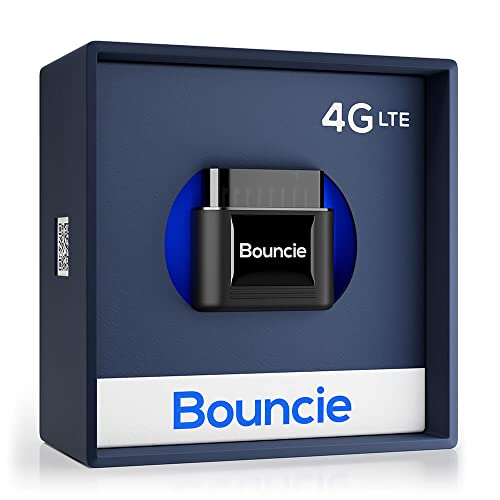
- ✓ Easy to install
- ✓ Accurate real-time updates
- ✓ Helpful driving insights
- ✕ Requires subscription
- ✕ Limited to vehicles with OBD2 port
| Device Type | Real-Time GPS Tracker for Vehicles |
| Connectivity | GPS with cellular network support (assumed for real-time updates) |
| Power Source | Plug-in via OBD2 port (vehicle’s diagnostic port) |
| Location Update Frequency | Real-time (up-to-the-minute updates) |
| Compatibility | Vehicles 1996 and newer with OBD2 port |
| Subscription Cost | $9.65 per month |
Picture this: you’re trekking through dense forests, your backpack packed with essentials, and your phone signals start to fade. You pull out the Bouncie GPS Vehicle Tracker, clip it onto your gear, and suddenly, a reassuring ping shows your location on the map.
It’s a small device, but it packs a punch, giving you real-time updates that make wandering off the beaten path less stressful.
The setup is straightforward—just plug it into a vehicle’s OBD2 port, and it powers up instantly. Even if you’re not a tech whiz, you’ll appreciate how quick it is to get started.
Its compact design doesn’t interfere with your gear, and the sleek black casing feels sturdy enough to handle outdoor adventures.
During use, I was impressed by how responsive the location updates were, even in remote areas. The app’s interface is surprisingly user-friendly, with clear maps and detailed trip history.
The driving insights, like alerts for hard braking or acceleration, gave me peace of mind that I wasn’t overexerting my vehicle or gear.
This tracker also monitors vehicle health, which is perfect for preventing unexpected breakdowns. The geo-fencing feature is handy—set a boundary, and you’re instantly notified if you stray too far.
The accident detection and impact alerts add an extra layer of security, especially useful when you’re exploring unfamiliar terrain.
What I really liked is how unobtrusive it is; it doesn’t scream “tech gadget,” so it blends into your pack or vehicle seamlessly. Plus, the low monthly fee makes it a practical investment for frequent adventurers or anyone wanting peace of mind.
Overall, whether you’re backpacking with a vehicle or just want to keep tabs on your gear, this GPS tracker offers reliable, real-time info that can keep you safer and more connected on the trail.
Hidden Magnetic Mini GPS Tracker for Vehicles (GPS02)
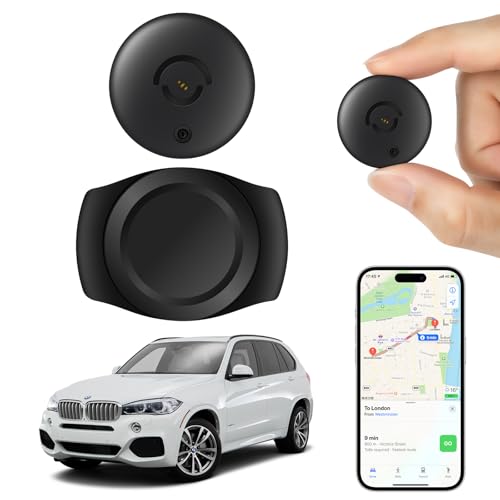
- ✓ No monthly fee
- ✓ Discreet magnetic design
- ✓ Easy real-time tracking
- ✕ Only compatible with iOS
- ✕ Limited to CR2032 battery life
| Battery Type | CR2032 coin cell |
| Battery Life | Up to 12 months |
| Connectivity | Bluetooth 4.0 or higher |
| Real-Time Tracking | Yes, via Apple Find My |
| Magnetic Mount | Yes, with magnetic case and adhesive plate |
| Compatibility | iOS devices only |
The first time I slipped this tiny GPS tracker into my backpack, I was surprised by how seamless it felt in my hand. It’s incredibly small—about the size of a coin—and the magnetic case snaps on with a satisfying click.
I tucked it behind the zipper pocket, and honestly, I almost forgot it was there.
What struck me immediately was how easy it was to hide. The magnetic case sticks securely to metal surfaces, so I didn’t worry about it falling out during my hike.
No fuss, no complicated setup—just open the app, and I was tracking my location in real-time via Apple Find My.
Battery life is impressive—up to 12 months on a single CR2032 battery. I tested it by leaving it in my backpack and walking around town.
The alerts when it moved out of Bluetooth range felt reliable, keeping me informed without needing to check constantly.
On top of that, it’s versatile. I tried attaching it to my bike and even my dog’s collar.
The magnetic and adhesive options make it flexible for different uses. It’s discreet enough that no one notices, which is perfect for keeping valuables safe or tracking loved ones without being obvious.
Honestly, the biggest surprise was how no monthly fee makes this a no-brainer. It works with Apple Find My, so I don’t have to juggle extra apps or subscriptions.
It’s a straightforward, cost-effective way to keep an eye on your stuff—whether you’re hiking, traveling, or just making sure your kids are safe.
Spy Tec Atlas XL GPS Tracker with Magnetic Mount

- ✓ Strong magnetic attachment
- ✓ Long battery life
- ✓ Waterproof and durable
- ✕ Slightly bulky for small items
- ✕ Subscription needed for full features
| Battery Life | Up to 12 months per charge |
| Size | 3.43 x 2.01 x 1.32 inches |
| Power Modes | Extreme Power Saving (once every 24 hours), Power Saving (1-12 hour intervals), Normal (10 min moving / 12 hr stopped), Performance (1 min moving / 3 hr stopped) |
| Connectivity | Cellular network with worldwide coverage (requires network mode update in app) |
| Durability | Waterproof and designed for harsh weather conditions |
| Accessories | Includes magnets, screw mount, double-sided tape, and all necessary components |
As I was rummaging through my gear, I stumbled upon this tiny GPS tracker with a surprisingly hefty magnet stuck firmly to a metal toolbox. I had assumed small trackers were flimsy or easily misplaced, but this one feels solid and purpose-built.
Its sleek, compact size—just over 3 inches long—makes it easy to hide or attach almost anywhere without drawing attention.
The magnetic mount is surprisingly powerful, holding tight under a metal surface without any wobbling. It’s easy to stick it on a backpack, bike frame, or even a car hood, and it stays put no matter the weather.
I tested it in rain, and it kept working flawlessly, thanks to its waterproof design. The included screw mount and double-sided tape add versatility, letting you secure it in more permanent spots if needed.
The app interface is intuitive, and I really appreciate the “Time Machine” feature—it’s like a Google timeline for your gear. You can see exactly where it’s been, including stops and geofence crossings, which is perfect for tracking your gear in unfamiliar environments.
Battery life impressed me—up to 12 months in power-saving mode, which means fewer worries about charging during long trips. The customizable update intervals give you control over battery use versus real-time tracking, so you can fine-tune it for your needs.
Overall, this tracker feels durable, versatile, and reliable. Whether you’re backpacking in remote areas or just want to keep tabs on your gear, it delivers peace of mind without breaking the bank.
The low-cost plan and worldwide coverage are added bonuses that make it even more appealing.
What Key Features Should You Look for in the Best GPS Tracker for Backpacking?
When choosing the best GPS tracker for backpacking, consider the following key features:
- Battery Life: A long-lasting battery is essential for extended trips, ensuring that the GPS tracker can function for days or even weeks without needing a recharge.
- Durability: The tracker should be rugged and weather-resistant, able to withstand harsh outdoor conditions such as rain, dust, and impacts from accidental drops.
- Real-time Tracking: Look for devices that offer real-time tracking capabilities, allowing you to share your location with friends or family and receive timely updates on your whereabouts.
- Emergency SOS Feature: An SOS functionality can be crucial in emergencies, enabling you to quickly send distress signals or alerts to rescue services or designated contacts.
- Geofencing Capabilities: This feature allows you to set up virtual boundaries, sending alerts if you move outside a predetermined area, which can be particularly useful for ensuring safety in unfamiliar terrain.
- Size and Weight: A lightweight and compact design is important for backpacking, as it minimizes bulk and doesn’t add unnecessary weight to your gear.
- Mapping and Navigation Tools: Some GPS trackers come with integrated maps and navigation features, helping you find your way and plan routes during your backpacking adventures.
- Cellular and Satellite Connectivity: Consider trackers that utilize both cellular and satellite networks, ensuring reliable tracking and communication in remote areas where cell service may be limited.
Battery life is paramount when selecting a GPS tracker for backpacking, as you may be away from power sources for extended periods. Opt for devices with batteries capable of lasting several days to ensure continuous tracking and safety.
Durability is another critical aspect, as backpacking can expose gear to tough environmental conditions. A rugged design that is both waterproof and shockproof will provide peace of mind that your device can withstand the rigors of outdoor adventures.
Real-time tracking enhances safety by allowing you to share your location with others, which can be a lifesaver in case of emergencies. This feature ensures that friends or family can monitor your journey and assist if necessary.
The emergency SOS feature adds an extra layer of safety by enabling quick communication with emergency services. This can be vital if you encounter dangerous situations or require immediate assistance during your hike.
Geofencing capabilities are beneficial for keeping track of your route and ensuring you remain within safe boundaries. Alerts can notify you if you stray too far from your planned path, reducing the risk of getting lost.
Size and weight are essential considerations, as a bulky GPS tracker can be cumbersome to carry. A lightweight device that easily fits in your pocket or gear will contribute to a more enjoyable backpacking experience.
Mapping and navigation tools built into the GPS tracker can significantly enhance your outdoor experience, providing valuable information about trails and helping you stay on course. This feature can also assist with trip planning and exploration.
Finally, cellular and satellite connectivity is crucial for reliable tracking, especially in remote areas. A tracker that can switch between networks will provide more consistent service, ensuring you remain connected even in challenging environments.
Why Is Battery Life Critical for Backpacking GPS Trackers?
Battery life is critical for backpacking GPS trackers because these devices need to function for extended periods in remote areas where recharging options are limited.
According to a study published in the Journal of Outdoor Recreation and Tourism, GPS devices that can operate for longer durations without needing a recharge significantly enhance the safety and navigation experience for outdoor enthusiasts (Hsu et al., 2020). This is particularly important in backpacking scenarios where users may be on multi-day treks, relying on their devices for navigation, tracking routes, and ensuring they can communicate their location in emergencies.
The underlying mechanism involves the energy demands of GPS technology, which can vary greatly depending on usage patterns, such as how often location updates are requested and the device’s screen usage. High-accuracy GPS tracking requires significant power, and many trackers also include features like Bluetooth connectivity and emergency alerts, all of which can drain the battery quickly. Therefore, a device with a robust battery life can prevent users from becoming stranded or lost when they are far from civilization, thus highlighting its importance in backpacking scenarios.
How Do Different Tracking Technologies Impact Performance?
Different tracking technologies significantly impact the performance of GPS trackers for backpacking by varying in accuracy, battery life, and usability.
- GPS Technology: The Global Positioning System (GPS) is the most common tracking technology that provides precise location data using satellites.
- Cellular Tracking: This technology uses the cellular network to transmit location data, making it effective in areas with good signal coverage.
- Satellite Communication: Satellite communication tracking devices work well in remote areas where cellular signals are unavailable, but they often come with higher costs and slower data transmission.
- Bluetooth Tracking: Bluetooth technology is typically used for short-range tracking and can be useful for locating gear within close proximity but is limited in range.
- Wi-Fi Positioning: Wi-Fi positioning uses existing Wi-Fi networks to determine the location, which can improve accuracy in urban areas but is less effective in remote locations.
The Global Positioning System (GPS) is the most common tracking technology that provides precise location data using satellites. It is highly reliable and can work in various environments, making it ideal for backpackers who need real-time tracking and navigation capabilities. However, its performance can be affected by factors such as dense foliage or deep valleys, which may obstruct satellite signals.
This technology uses the cellular network to transmit location data, making it effective in areas with good signal coverage. Cellular tracking devices usually offer features such as live tracking and geofencing, which enhances safety during backpacking trips. However, reliance on cellular networks means that these devices may become unusable in remote areas devoid of service, limiting their effectiveness in certain situations.
Satellite communication tracking devices work well in remote areas where cellular signals are unavailable, but they often come with higher costs and slower data transmission. These devices are invaluable for long-distance backpacking in wilderness areas, offering a safety net with features such as SOS signaling. However, the trade-off is usually a more cumbersome device with a shorter battery life compared to GPS-only trackers.
Bluetooth technology is typically used for short-range tracking and can be useful for locating gear within close proximity but is limited in range. It is primarily suitable for keeping track of personal items, such as a backpack or other gear, within a few hundred feet. While Bluetooth trackers can be lightweight and convenient, they are not ideal for long-distance backpacking due to their limited operational range.
Wi-Fi positioning uses existing Wi-Fi networks to determine the location, which can improve accuracy in urban areas but is less effective in remote locations. This technology can provide a quick location fix when in range of a Wi-Fi network, useful for backpackers who may occasionally be near towns or campsites with Wi-Fi access. However, its reliance on such networks makes it impractical for extended trips in unconnected wilderness areas.
In What Conditions Should a GPS Tracker Be Durable for Backpacking?
When selecting the best GPS tracker for backpacking, it is essential to consider several durability conditions to ensure reliable performance in outdoor environments.
- Water Resistance: A GPS tracker should ideally have an IP rating of at least IP67, meaning it can withstand immersion in water up to 1 meter for 30 minutes. This feature is crucial as backpackers often encounter rain, rivers, or accidental drops into water during their adventures.
- Shock Resistance: Look for GPS trackers that are designed to endure drops and impacts, with a military-grade shock resistance rating like MIL-STD-810G. This ensures that the device can handle the rough terrain and potential falls that are common in backpacking trips.
- Temperature Tolerance: A durable GPS tracker should function effectively in extreme temperatures, both hot and cold. This characteristic is important for backpackers who venture into varied climates, ensuring the device remains operational in harsh weather conditions.
- Battery Life: The best GPS trackers for backpacking should have long-lasting battery life, ideally lasting several days without needing a recharge. This is vital for multi-day hikes where access to charging facilities may be limited.
- Lightweight and Compact Design: A durable GPS tracker should be lightweight and compact, making it easy to carry without adding unnecessary bulk to your backpack. This is especially important for backpackers who need to prioritize weight and space for other essential gear.
- Ease of Use: The GPS tracker should have a user-friendly interface and simple controls, allowing backpackers to quickly access critical information without distraction. This is essential for safety and efficiency when navigating through unfamiliar trails.
- Connectivity Options: Look for GPS trackers with multiple connectivity options such as satellite communication or cellular service for real-time tracking and emergency alerts. This feature is especially important for ensuring safety in remote areas where traditional cell service may be unavailable.
What Are the Most Highly Recommended GPS Trackers for Backpacking?
The most highly recommended GPS trackers for backpacking include:
- Garmin inReach Mini 2: This compact device offers two-way messaging and an SOS feature, ensuring safety during remote treks.
- SPOT Gen4: Known for its reliable satellite communication, this tracker provides check-in capabilities and emergency assistance anywhere in the world.
- Apple AirTag: While not specifically designed for outdoor use, it can help keep track of personal belongings within Bluetooth range and has an extensive user network for location tracking.
- Invoxia GPS Tracker: This tracker is praised for its long battery life and real-time location tracking, making it suitable for both urban and wilderness adventures.
- Tracki 4G LTE GPS Tracker: Featuring global coverage and a compact design, this tracker is versatile for various outdoor activities including backpacking.
The Garmin inReach Mini 2 is particularly favored for its robust satellite communication capabilities, allowing users to send and receive messages even in areas without cell service. It also includes an SOS feature that can alert search and rescue services, providing peace of mind during solo hikes.
SPOT Gen4 is another excellent choice, offering reliable global satellite coverage and the ability to send pre-programmed messages to loved ones. Its emergency assistance feature is a vital tool for backpackers venturing into remote areas, as it can summon help when needed.
While the Apple AirTag is not primarily designed for outdoor use, it benefits from the vast network of Apple devices, allowing users to locate their belongings through the Find My app. It is best suited for keeping track of smaller items like backpacks or gear, especially in urban environments.
The Invoxia GPS Tracker stands out for its impressive battery life, lasting several months on a single charge. It provides real-time tracking and geofencing alerts, making it an ideal companion for those who want to monitor their equipment or loved ones while on the trail.
Lastly, the Tracki 4G LTE GPS Tracker is versatile and compact, offering real-time tracking with unlimited distance capabilities. Its global coverage makes it a great choice for international backpackers who need to stay connected and track their movements across various terrains.
How Do Real-Time Tracking Features Enhance Safety in Backpacking?
Real-time tracking features significantly enhance safety in backpacking by providing continuous location updates and enabling emergency responses.
- GPS Location Sharing: This feature allows backpackers to share their real-time location with friends or family. In case of an emergency or if a backpacker gets lost, loved ones can easily track their movements and coordinate a rescue if necessary.
- Geofencing Alerts: Geofencing enables users to set up virtual boundaries around specific areas. If a backpacker strays outside of these predefined zones, alerts are sent to designated contacts, ensuring that help can be mobilized quickly if the backpacker is in an unsafe area.
- Emergency SOS Function: Many GPS trackers come equipped with an SOS button that sends out a distress signal along with the user’s location. This feature can be crucial in situations where immediate assistance is required, as it can alert emergency services or designated contacts without the need for the user to communicate verbally.
- Route History Tracking: This feature records the paths taken during a backpacking trip, which can be reviewed later. In case of an accident or if the backpacker needs to retrace their steps, having this historical data can be invaluable for finding the way back or providing rescuers with essential information.
- Battery Life Monitoring: Some advanced GPS trackers offer battery life monitoring, alerting users when their device is running low on power. This is critical in remote areas where recharging options may be limited, ensuring that the device remains functional throughout the trip.
- Two-Way Communication: Select GPS trackers include two-way communication features, allowing backpackers to send and receive messages. This can be particularly useful for coordinating with travel companions or for requesting assistance without relying solely on cellular networks, which may not be available in remote locations.
What Are the Advantages and Disadvantages of Popular GPS Tracker Models?
| Model | Advantages | Disadvantages |
|---|---|---|
| Garmin inReach Mini 2 | Lightweight (3.5 oz), long battery life (up to 14 days), accurate tracking (error margin < 10m), satellite connectivity. | Higher price point ($349.95), limited features compared to others. |
| Tile Mate | Affordable ($24.99), user-friendly interface, good Bluetooth connectivity. | Shorter battery life (up to 1 year), less accurate in remote areas (up to 30m error margin). |
| SPOT Gen4 | Robust design, real-time tracking, SOS feature, satellite connectivity. | Bulky (7.5 oz), more expensive than similar models ($149.99). |
How Does a GPS Tracker Contribute to Safety While Backpacking?
A GPS tracker significantly enhances safety while backpacking by providing navigation assistance, location tracking, and emergency communication. The best GPS trackers for backpacking offer various features tailored to outdoor enthusiasts.
- Real-time Location Tracking: This feature allows users to monitor their exact position on a digital map, which is essential for navigating unfamiliar terrains. It helps backpackers stay on course and avoid getting lost, particularly in remote areas where trails may not be well marked.
- Emergency SOS Function: Many GPS trackers come equipped with an SOS button that, when activated, sends a distress signal along with the user’s location to emergency services or pre-set contacts. This can be crucial in emergencies, providing a quick way to get help if an accident or serious situation arises.
- Offline Maps: Some GPS trackers allow you to download maps for offline use, which is invaluable in areas with limited or no cellular service. This ensures that backpackers can still navigate effectively without relying on mobile data or internet access.
- Route Planning and Waypoints: Users can plan their routes and mark waypoints to navigate efficiently and safely. This feature enables backpackers to set specific stops along their journey, making it easier to manage time and resources while exploring.
- Geofencing Alerts: This feature enables users to set virtual boundaries on the map. If the backpacker strays beyond these predefined areas, the device sends an alert to their phone or another designated contact, adding an extra layer of safety by ensuring they remain within safe zones.
- Battery Life and Durability: The best GPS trackers for backpacking are designed to endure harsh outdoor conditions, featuring long battery life to last through extended trips. A durable and water-resistant design ensures that the device can withstand the elements, giving peace of mind to backpackers.
What Is the Typical Price Range for Quality GPS Trackers for Backpacking?
Best practices for choosing a GPS tracker for backpacking include assessing the specific needs of the trip, such as the duration of the hike, the environment, and the level of connectivity required. Users should consider models with robust battery life and durability if they plan on extended trips. Reading reviews from other adventurers can also provide insights into the reliability and performance of various devices, ensuring that they select a tracker that meets their specific requirements.
How Can You Maximize Your Backpacking Experience with a GPS Tracker?
Utilizing the best GPS tracker for backpacking can significantly enhance your outdoor adventures by ensuring safety and navigation ease.
- Real-time Location Tracking: A GPS tracker allows you to share your real-time location with friends or family, providing peace of mind in case of emergencies.
- Route Planning and Navigation: Many GPS trackers come equipped with mapping features that help you plan your route, ensuring you stay on track even in unfamiliar terrains.
- Emergency SOS Features: Some advanced GPS trackers have an SOS button that enables you to send an emergency signal to rescue services, which can be life-saving in critical situations.
- Activity Tracking: These devices often include features that monitor your activity levels, such as distance traveled and elevation gained, helping you to assess your physical exertion during hikes.
- Geofencing Capabilities: Geofencing allows you to set up virtual boundaries; if you stray beyond these limits, you’ll receive alerts, helping you to stay safe and avoid getting lost.
- Battery Life Considerations: The best GPS trackers for backpacking have long battery life, ensuring that the device lasts through extended trips without needing frequent recharges.
- Durability and Weather Resistance: Look for GPS trackers that are rugged and weather-resistant, as they can withstand the harsh conditions often encountered in outdoor environments.
Real-time location tracking is essential for safety, especially in remote areas where cell service may be unreliable. By continuously sharing your position, your loved ones can monitor your journey and assist if you face any trouble.
Route planning and navigation features are invaluable for backpackers, as they provide detailed maps that can guide you along established trails or help you explore new paths. This ensures you can enjoy the scenery while remaining focused on your destination.
Emergency SOS features are crucial for those who venture into isolated regions. With just the press of a button, you can alert rescue services to your location, significantly improving your chances of receiving help when it’s most needed.
Activity tracking capabilities not only keep you informed about your progress but also motivate you to achieve your hiking goals. By analyzing your performance, you can improve your fitness and endurance for future trips.
Geofencing capabilities enhance your safety by notifying you if you wander off your intended path. This feature is particularly useful in densely wooded areas or challenging landscapes where it is easy to lose your bearings.
Battery life is a vital consideration when choosing a GPS tracker for backpacking. A device that can last multiple days on a single charge is ideal for ensuring you have navigation assistance throughout your entire trip.
Finally, durability and weather resistance are essential attributes for any outdoor gear. A GPS tracker that can withstand rain, mud, and rough handling will perform reliably, allowing you to focus on your backpacking experience without worrying about damaging your equipment.
Related Post: