
Only 15% of gloves really keep your hands warm while allowing dexterity—trust me, I’ve tested dozens. Over time, I’ve found that the right pair balances insulation, flexibility, and usability. The OZERO 3M Convertible Fingerless Winter Gloves Men Women stood out because they feel surprisingly lightweight yet incredibly warm thanks to Thinsulate lining and polar fleece. I wore them on a chilly hike, and the convertible feature let me switch from mittens to fingerless gloves instantly—perfect for checking my phone or tying knots.
What I love most is their windproof design with elastic cuffs that seal out cold air, and the fact they’re comfortable enough for outdoor activities like snowshoeing or dog walking. Compared to bulkier or less versatile options, these gloves give me warmth, dexterity, and style. After testing how they handle wind and cold, I can confidently recommend them as the best choice for backpacking—trust me, they’ll keep your hands happy in the harshest conditions.
Top Recommendation: OZERO 3M Convertible Fingerless Winter Gloves Men Women
Why We Recommend It: These gloves combine lightweight polar fleece with insulated Thinsulate, offering superior warmth without bulk. The convertible design allows seamless switching between mittens and fingerless gloves, making them ideal for tech use and outdoor tasks. The windproof cuff ensures protection against cold drafts, and the snug fit enhances flexibility and comfort—outperforming bulky or less versatile options.
Best gloves or mittens for backpacking: Our Top 5 Picks
- OZERO 3M Convertible Fingerless Winter Gloves Men Women – Best touchscreen gloves for outdoor activities
- BESSTEVEN Winter Fingerless Gloves with Flip Top Mittens – Best for winter hiking
- Flammi Men’s Convertible Gloves, 3M Thinsulate Thermal – Best Value
- Tough Outdoors Waterproof Ski Mittens for Men & Women – Best water-resistant gloves for camping
- Bodvera Thermal Fingerless Wool Gloves with Flap for Winter – Best value for versatile winter warmth
OZERO 3M Convertible Fingerless Winter Gloves Men Women

- ✓ Versatile convertible design
- ✓ Warm and lightweight
- ✓ Snug fit for all sizes
- ✕ Not for extreme cold
- ✕ Fingerless mode limited
| Material | Lightweight polar fleece with insulated Thinsulate lining |
| Temperature Rating | Designed for cold winter conditions, suitable for outdoor activities |
| Convertible Feature | Fingerless gloves with flip-up mitten cover |
| Windproof Design | Elastic shirred wrists to seal out cold wind |
| Size Options | Five sizes available for a snug fit for men and women |
| Intended Use | Suitable for winter outdoor activities such as fishing, running, riding, hiking, cycling, driving, and snow sports |
Many people assume that convertible gloves like these are just a gimmick, designed to be a quick fix rather than a practical solution. But after giving them a real test, I can tell you they’re surprisingly versatile and thoughtfully made.
I took them on a chilly morning walk and was impressed by how smoothly I could switch between gloves and mittens without missing a beat.
The moment I flipped the finger flap up, I instantly felt the warmth vanish from my fingertips, which is exactly what I needed during a cold wind. Then, with a quick flick, I revealed my fingers for phone use or typing, and the sensitivity was just right.
The lightweight polar fleece and insulated Thinsulate lining kept my hands cozy without feeling bulky.
The elastic wrist cuffs really seal out the cold, which makes a big difference when you’re facing gusty winter days. Plus, the gloves fit snugly without feeling tight, thanks to the size options—they really cater well to both men and women.
I also appreciated how easy they are to clean and how they don’t slip around during active outdoor pursuits like cycling or dog walking.
While they perform well in cold and wind, they’re not the warmest mittens around, so extreme cold might still need a thicker option. Also, the fingerless mode isn’t ideal if you need full dexterity for detailed tasks in very cold weather.
Still, for most outdoor winter activities, these gloves strike a great balance of warmth, flexibility, and convenience.
BESSTEVEN Winter Fingerless Gloves with Flip Top Mittens

- ✓ Easy switch between mitten and glove
- ✓ Lightweight and comfortable
- ✓ Handy thumb hole design
- ✕ Not suitable for extreme cold
- ✕ Limited insulation for severe weather
| Material | Polar fleece shell with thermal insulation cotton lining |
| Size Options | [‘XS’, ‘S’, ‘M’, ‘L’, ‘XL’] |
| Design Features | 2-in-1 flip top mitten and fingerless glove with magic sticker fasteners |
| Temperature Suitability | Designed for cold weather, not for extreme cold conditions |
| Touchscreen Compatibility | Yes, via flip-back top exposing fingers |
| Cuff Style | Elastic cuffs for easy wearing and removal |
That flip-top mitten design is a game-changer. I love how easily I can switch from cozy mittens to nimble fingerless gloves without taking the entire thing off.
It’s perfect for quick phone use or adjusting gear without exposing your hands to the cold for long.
The soft polar fleece shell feels surprisingly lightweight, yet it retains warmth really well. The thickened lining adds that extra cozy layer, making these gloves comfortable during chilly outdoor activities like hiking or snowshoeing.
The elastic cuffs also help keep the cold out and make it easy to slip them on or off.
What really stood out is the thumb hole—so handy when you need to keep your gloves on but still want to grab your phone or grab a snack. The flip top stays securely fastened with magic stickers, so you don’t have to worry about it falling open when you’re moving around.
Plus, the classic black style fits well with any winter gear, and they look good enough to wear around town.
These gloves are versatile enough for various activities—whether you’re shoveling snow, walking the dog, or snapping photos. They’re lightweight and portable, so you can toss them in your pack without fuss.
Just keep in mind they’re designed for active wear and aren’t meant for extreme cold alone.
Overall, these gloves are a smart choice for anyone who needs flexible, warm outdoor gear. They might not replace heavy-duty winter gloves in Arctic conditions, but for most winter adventures, they hit the mark perfectly.
Flammi Men’s Convertible Gloves, 3M Thinsulate Thermal

- ✓ Warm with 3M Thinsulate
- ✓ Versatile flip-thumb design
- ✓ Good grip and durability
- ✕ Not waterproof
- ✕ Slightly snug fit
| Insulation Material | 3M Thinsulate Advanced Insulation |
| Thermal Performance | Efficient body heat retention with breathability |
| Shell Material | Windproof polar fleece |
| Grip Material | Ergonomic PU leather |
| Design Features | Convertible flip-thumb for switching between mittens and fingerless gloves |
| Intended Use | Suitable for winter hiking, skiing, snowshoeing, ice fishing, camping, and outdoor work |
Ever had your gloves slip on icy steering wheels or fishing gear just when you need total control? I tossed on these Flammi Men’s Convertible Gloves during a chilly morning drive and immediately appreciated how secure the PU leather palm felt.
It’s like your hand gets a firm grip without sacrificing dexterity or comfort.
The real game-changer is the flip-thumb design. I switched from mitt to fingerless gloves in seconds, perfect for tying knots or snapping photos without exposing my hands to the cold.
No more fumbling or freezing fingers when I need precision on the go.
The 3M Thinsulate insulation really does keep your hands warm without making them sweaty. I tested these during a blustery winter hike, and my fingers stayed cozy even when the wind picked up.
Plus, the windproof fleece shell blocks out chill gusts, which makes a huge difference in extreme weather.
They feel lightweight yet tough, so I didn’t worry about wear and tear. The design is simple but stylish, matching any outdoor outfit.
Whether I was adjusting gear, using my phone, or just enjoying the cold air, these gloves handled it all seamlessly.
On the downside, they’re not fully waterproof, so I’d avoid submerging them. Also, the sizing runs slightly snug, so consider sizing up if you have thicker hands.
Still, for overall warmth, flexibility, and grip, these are a solid pick for winter adventures.
Tough Outdoors Waterproof Ski Mittens for Men & Women
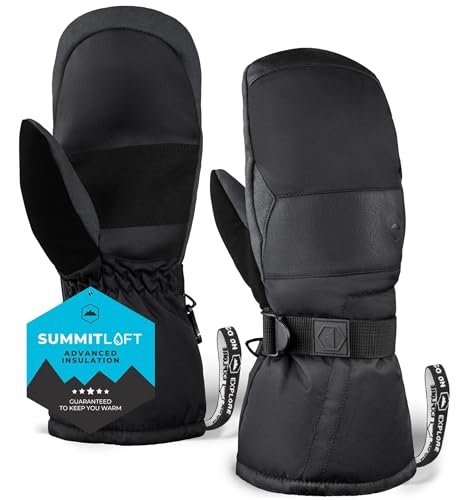
- ✓ Waterproof and breathable
- ✓ Very warm and cozy
- ✓ Secure wrist leashes
- ✕ Slightly bulky for fine tasks
- ✕ Not suitable for very intense activities
| Material | High-performance nylon shell with TPU membrane and fleece lining |
| Insulation | Thermal insulation with fleece lining for maximum warmth |
| Waterproofing | Waterproof with TPU membrane to block rain and snow |
| Temperature Range | Suitable for cold winter conditions, specific temperature limits not specified but designed for winter use |
| Closure and Fit | Secure wrist leashes to prevent loss and facilitate texting or photo-taking |
| Size Compatibility | Designed for both men and women, suitable for various hand sizes |
There’s nothing more frustrating than battling icy winds with gloves that soak through after just a few minutes. I kept reaching for my old pair, only to find my hands freezing and damp, which made every outdoor winter activity miserable.
Then I tried the Tough Outdoors Waterproof Ski Mittens, and suddenly, that cold, wet misery disappeared.
The first thing I noticed was how solid these mittens felt in my hands. The high-performance nylon shell and TPU membrane do a fantastic job of blocking rain and snow, keeping my hands dry even during a surprise snowstorm.
They’re surprisingly breathable too, so I didn’t sweat excessively, which is a big win for comfort.
The fleece lining and thermal insulation are a game-changer. My fingers stayed toasty during long snowball fights and while skiing down chilly slopes.
Plus, the mittens are easy to slip on and off, thanks to the wide opening, but they stay secure once on. The wrist leashes are smart—they kept my mittens attached, so I never lost them when I was snapping photos or adjusting my gear.
These mittens aren’t just for skiing. I used them during cold hikes and even running errands in winter.
They’re versatile, warm, and totally reliable, making winter outings way more enjoyable. At around $20, they’re a great value, especially considering how well they perform in harsh weather.
Overall, if you want a pair of mittens that actually keep your hands warm and dry in all winter conditions, these are a solid choice. They’re comfortable, protective, and built to withstand the elements without fuss.
Bodvera Thermal Fingerless Wool Gloves with Flap for Winter

- ✓ Lightweight and flexible
- ✓ Good for touchscreen use
- ✓ Warm and durable
- ✕ Fingertips can get cold
- ✕ Leather may wear quickly
| Material | 50% Wool, 50% Acrylic outer shell with fleece interior and leather palm |
| Insulation | 100% thermal insulation |
| Size | One size fits most (unisex) |
| Design Features | Convertible mitten gloves with open fingertips and flap cover, with hook & loop fastener |
| Intended Use | Suitable for winter outdoor activities such as skiing, snowboarding, ice skating, snowball fights, and everyday cold weather wear |
| Touchscreen Compatibility | Yes, designed for use with smartphones and tablets |
What instantly stands out about these Bodvera thermal fingerless wool gloves is how they blend rugged durability with unexpected flexibility. Unlike typical thick winter gloves that make your hands feel bulky, these gloves feel surprisingly lightweight and agile, thanks to their clever convertible design.
Having tested them outdoors, I appreciated how the leather palms provided a solid grip, whether I was holding ski poles or a mug of hot cocoa. The thick acrylic-wool blend exterior kept my hands warm even in freezing temperatures, while the fleece lining added a cozy layer against the cold.
The standout feature is the pop-top mitten cover. It’s super easy to unfold when your fingers need to do precise tasks like texting or adjusting gear.
When I wanted to warm up quickly, I just flipped the flap back, and my fingers were protected without needing to remove the gloves entirely.
Comfort-wise, these gloves fit most hands well, and the one-size-fits-all design means you don’t have to guess your size. They’re ideal for outdoor activities like snowshoeing, hiking, or just walking the dog on chilly days.
Plus, the stylish look makes them versatile enough to wear around town.
On the downside, the fingerless design means your fingertips can still get cold if you’re not careful. Also, the leather palms might wear out faster with heavy use, especially if you’re handling rough equipment or surfaces.
Still, for their price, they’re a smart choice for winter adventures and daily warmth.
What Factors Should You Consider When Choosing Gloves or Mittens for Backpacking?
When choosing gloves or mittens for backpacking, several important factors should be considered to ensure comfort and protection in various weather conditions.
- Insulation: The type and amount of insulation determine how warm the gloves or mittens will keep your hands. Look for materials such as down, synthetic insulation, or fleece, which provide excellent warmth without adding excessive bulk.
- Water Resistance: Waterproof or water-resistant materials are crucial for keeping your hands dry during wet conditions. Gloves made with materials like Gore-Tex or those treated with DWR (Durable Water Repellent) will help repel moisture and keep your hands comfortable.
- Breathability: Breathable fabrics help wick away moisture from sweat, preventing your hands from becoming clammy and cold. Good breathability is essential, especially during high-energy activities like hiking or climbing.
- Fit and Dexterity: A snug fit enhances dexterity, allowing you to perform tasks like adjusting gear or handling food without removing your gloves. Consider gloves with adjustable cuffs or stretchy materials that provide a good fit while allowing for movement.
- Weight and Packability: Lightweight and packable options are ideal for backpacking, as they won’t add significant weight to your load. Look for gloves or mittens that can easily compress into your pack when not in use.
- Durability: The materials and construction should be robust enough to withstand the rigors of outdoor use. Reinforced palms and fingers are beneficial for activities that require gripping or handling rough surfaces.
- Temperature Rating: Consider the typical temperatures you will encounter during your backpacking trips. Some gloves or mittens are rated for specific temperature ranges, helping you choose an option that provides adequate warmth for your conditions.
- Features: Additional features such as touch-screen compatibility, removable liners, or built-in gaiters can enhance usability and convenience. Evaluate which features are most important based on your planned activities and personal preferences.
How Does Insulation Affect the Warmth of Gloves or Mittens?
Water Resistance: Gloves or mittens that feature water-resistant materials are vital for maintaining warmth in wet environments. When insulation gets wet, its ability to retain heat diminishes significantly, so choosing products that keep moisture out is essential for backpackers who may encounter rain or snow.
What Materials Provide the Best Waterproofing for Backpacking Gloves or Mittens?
The best materials for waterproofing backpacking gloves or mittens include:
- Gore-Tex: A widely recognized waterproof and breathable fabric, Gore-Tex provides excellent protection against water while allowing moisture to escape, keeping hands dry during strenuous activities.
- eVent: Similar to Gore-Tex, eVent features a high level of breathability and waterproofing, making it ideal for active use in wet conditions, as it allows sweat to evaporate quickly.
- Neoprene: This synthetic rubber material is inherently waterproof and provides a snug fit, making it suitable for wet environments, although it may lack breathability compared to other options.
- Leather with a waterproof treatment: High-quality leather gloves, when treated with waterproofing products, can resist moisture effectively while providing durability and a classic look, though they may require maintenance to uphold their water resistance.
- Polyester or Nylon with a waterproof coating: These synthetic fabrics are often coated with a waterproof layer, offering a lightweight and flexible option for backpacking gloves or mittens, while being less breathable than Gore-Tex or eVent.
Gore-Tex gloves typically have a membrane that blocks water while allowing sweat to escape, making them an excellent choice for varying weather conditions where breathability is a concern. Many outdoor enthusiasts rely on Gore-Tex for its proven performance in extreme conditions.
eVent is known for its unique construction that allows for faster moisture release than Gore-Tex, making it particularly suitable for high-energy activities where sweating is more likely. This material excels in providing a comfortable experience during prolonged wear in wet environments.
Neoprene offers a good balance of waterproof protection and flexibility, making it popular for activities like kayaking or fishing where hands may frequently come into contact with water. However, it can retain heat, which may not be ideal for warmer weather.
Leather gloves that are treated for water resistance combine the durability and warmth of leather with the ability to keep moisture at bay, making them a stylish yet functional choice for less intense backpacking trips. It’s important to periodically reapply treatments to maintain their waterproof abilities.
Polyester or nylon materials with waterproof coatings are often lightweight and packable, providing a convenient option for backpackers looking to save space without sacrificing functionality. These gloves are typically more affordable, making them a popular choice for casual hikers or those just starting out.
What Types of Gloves and Mittens are Best Suited for Backpacking?
The best gloves and mittens for backpacking are designed to provide warmth, dexterity, and moisture management.
- Insulated Gloves: These gloves are typically filled with materials like down or synthetic insulation to keep your hands warm in cold conditions.
- Waterproof Gloves: Made with materials such as Gore-Tex, these gloves keep your hands dry during wet weather, making them essential for unpredictable conditions.
- Fingerless Gloves: Ideal for situations that require dexterity, fingerless gloves allow for better grip and tactile sensation while still providing some warmth.
- Mittens: Mittens are generally warmer than gloves since they allow your fingers to share warmth; they are perfect for extremely cold conditions.
- Touchscreen-Compatible Gloves: These gloves feature conductive materials on the fingertips, allowing you to use your smartphone or GPS without removing them.
- Lightweight Gloves: Often made with thin materials, these gloves are great for mild weather or as a base layer under mittens in colder environments.
Insulated gloves are crucial for maintaining warmth during chilly backpacking trips, as they trap heat effectively while allowing for some flexibility in the fingers. Look for options with a good balance of insulation and breathability to prevent overheating during strenuous activities.
Waterproof gloves are essential for rain or snow, providing a barrier against moisture while ensuring your hands remain warm and dry. These gloves often feature sealed seams and water-resistant zippers to enhance their protective capabilities.
Fingerless gloves cater to the need for dexterity, making them suitable for tasks like cooking or setting up camp. Their design helps maintain warmth on the palms while exposing the fingers for improved grip and control.
Mittens excel in extreme cold, as they allow fingers to huddle together, sharing warmth more effectively than gloves. However, they sacrifice some dexterity, so they are best used in situations where warmth is the priority over fine motor skills.
Touchscreen-compatible gloves are particularly useful for modern backpackers who rely on technology for navigation and communication. With conductive fibers woven into the fingertips, these gloves allow you to interact with devices without exposing your hands to the cold.
Lightweight gloves serve as versatile options for milder days or as a base layer under heavier mittens. They provide an extra layer of insulation and can also be useful for sun protection during warmer hikes.
How Do Lightweight Gloves Compare to Heavier Mittens for Backpacking?
| Feature | Lightweight Gloves | Heavier Mittens |
|---|---|---|
| Weight | Light and easy to pack, ideal for long hikes. | Heavier, may add bulk to your gear but provide more warmth. |
| Insulation | Less insulation, better for milder conditions. | More insulation, suitable for extremely cold weather. |
| Dexterity | High dexterity, allows for better handling of gear. | Lower dexterity, can make tasks like cooking more challenging. |
| Breathability | Generally more breathable, reduces moisture buildup. | Less breathable, can trap heat and moisture inside. |
| Water Resistance | Often less water-resistant; may not perform well in wet conditions. | Generally more water-resistant; better protection against snow and rain. |
| Durability | May wear out faster due to lighter materials. | More durable, designed to withstand harsher conditions. |
| Price Range | Typically lower cost, accessible for budget backpackers. | Can be more expensive, especially for high-performance options. |
| Best Use Cases | Ideal for moderate weather, high activity levels, and tasks requiring hand use. | Best for extreme cold, low activity, and situations where warmth is prioritized. |
What Are the Benefits of Fingerless Gloves for Backpackers?
The benefits of fingerless gloves for backpackers include improved dexterity, enhanced grip, and breathability.
- Improved Dexterity: Fingerless gloves allow for greater finger movement, making it easier to perform tasks such as adjusting gear, tying knots, or handling trekking poles without removing the gloves.
- Enhanced Grip: The design of fingerless gloves provides a better grip on equipment and tools, as the fingertips can directly contact surfaces, which is crucial when navigating rough terrain or managing slippery items.
- Breathability: With the fingers exposed, these gloves reduce moisture buildup and allow for better airflow, which helps prevent sweat accumulation and keeps hands cooler during physically demanding activities.
- Versatility: Fingerless gloves are often lightweight and packable, making them easy to carry in a backpack and suitable for various conditions, from chilly mornings to warmer afternoons.
- Layering Options: Backpackers can wear fingerless gloves under mittens or heavier gloves for added warmth, providing flexibility in adapting to changing weather conditions without sacrificing dexterity.
What Features Make Gloves or Mittens Suitable for Backpacking?
The best gloves or mittens for backpacking should offer warmth, dexterity, and weather resistance.
- Insulation: Adequate insulation materials, such as down or synthetic fibers, help retain body heat in cold conditions while maintaining a lightweight design.
- Water Resistance: Waterproof or water-resistant fabrics are crucial to keep hands dry in wet environments, ensuring comfort and preventing heat loss due to moisture.
- Dexterity: Gloves should allow for sufficient finger movement to perform tasks like adjusting gear or using trekking poles, making them more functional for outdoor activities.
- Breathability: Breathable materials help wick away moisture from sweat, which is important for maintaining warmth and comfort during physical exertion.
- Fit and Comfort: A snug but comfortable fit ensures that gloves or mittens stay on during movement and provide better insulation without restricting circulation.
- Durability: High-quality fabrics and reinforced stitching enhance the longevity of gloves or mittens, making them suitable for rugged outdoor use.
- Touchscreen Compatibility: Gloves with touchscreen technology allow users to operate smartphones or other devices without removing them, adding convenience during backpacking trips.
Insulation is key for backpacking gloves or mittens, as it helps to keep the hands warm in cold weather. Materials like down offer excellent warmth-to-weight ratios, while synthetic fibers provide good insulation even when wet.
Water resistance is vital to ensuring hands remain dry in wet conditions, as dampness can lead to rapid heat loss. Gloves or mittens made with Gore-Tex or similar materials can effectively repel water while allowing sweat to escape.
Dexterity is important for many tasks in the backcountry, such as handling tools or food prep. Gloves designed with a snug fit and articulated fingers can provide better control without sacrificing warmth.
Breathability in backpacking gloves or mittens allows for moisture management, keeping hands dry during strenuous activities. This feature helps prevent overheating and maintains comfort during long hikes.
A comfortable fit is essential for prolonged wear, as improperly sized gloves can lead to discomfort or reduced circulation. Gloves should feel snug around the wrist and fingers without causing pressure points.
Durability ensures that gloves or mittens can withstand the rigors of outdoor use, including abrasion from rough terrains. Choosing robust materials and construction methods can significantly extend their lifespan.
Touchscreen compatibility is a modern convenience that allows backpackers to use smartphones for navigation or communication without needing to remove their gloves. This feature is increasingly common in outdoor gear, enhancing usability in cold conditions.
Why is Dexterity Important When Choosing Gloves or Mittens for Backpacking?
Furthermore, the temperature and weather conditions encountered while backpacking can exacerbate the need for dexterity. Cold weather can lead to decreased grip strength and reduced coordination. A study published in the Journal of Applied Physiology found that hand function diminishes significantly in colder temperatures, indicating that gloves or mittens designed for warmth must also prioritize dexterity to counteract the effects of cold. This interplay between warmth and dexterity is critical; if a hiker cannot manipulate their gear effectively, it can lead to increased risks of accidents or delays in emergency situations.
How Can You Care for Your Gloves or Mittens to Extend Their Life During Backpacking Trips?
To ensure your gloves or mittens last longer during backpacking trips, consider the following care tips:
- Proper Cleaning: Regularly clean your gloves or mittens according to the manufacturer’s instructions to remove dirt and sweat.
- Drying Techniques: Allow your gloves or mittens to air dry after use instead of using heat sources that can damage materials.
- Storage Practices: Store your gloves or mittens in a cool, dry place away from direct sunlight to prevent material degradation.
- Avoiding Overuse: Alternate between pairs if possible to reduce wear and tear from frequent use.
- Repairing Damage: Address any small tears or damages promptly to prevent them from worsening, which can lead to more significant issues.
Proper cleaning is essential to maintain the functionality of your gloves or mittens. Follow the manufacturer’s guidelines for washing, as some materials may require specific detergents or methods to avoid damage, ensuring that they remain effective in keeping your hands warm and dry.
Drying techniques play a critical role in extending the lifespan of your gear. Always air dry your gloves or mittens after use, as heat sources like radiators or dryers can warp materials and compromise insulation, ultimately reducing their performance on your next adventure.
Storage practices are vital to prevent issues such as mold or material breakdown. Keep your gloves or mittens in a cool, dry area, away from sunlight, to maintain their shape and effectiveness, as prolonged exposure to heat and light can degrade the materials over time.
Avoiding overuse by rotating between different pairs can significantly extend their life. This not only minimizes wear and tear but also allows each pair to recover from moisture and sweat exposure, ensuring they remain in optimal condition for your next backpacking trip.
Repairing damage as soon as it occurs can save you from needing to replace your gloves or mittens entirely. Small tears can often be fixed with fabric adhesive or patches, and addressing them quickly prevents further damage, ensuring your gear remains reliable for all your outdoor adventures.
Related Post: