
The constant annoyance of backpacking snacks that crumble, take up too much space, or lose flavor over time is finally addressed by the Augason Farms Freeze Dried Sliced Strawberries Can. I’ve tested countless options, and these strawberries stand out because they taste just like fresh berries—crispy, sweet, and bursting with natural flavor. They’re mess-free, lightweight, and perfect for taking on the trail, without the need for refrigeration or worrying about spoilage.
Compared to mixed berry packs or bulk snacks, these strawberries excel in purity and long shelf-life—up to 30 years—making them a reliable choice for emergency prep or regular backpacking adventures. They can be enjoyed straight from the can or rehydrated for more versatility, and best of all, they contain no added sugar or preservatives. If you want a snack that’s genuinely nutritious, flavorful, and designed to withstand the rigors of outdoor life, these are my top recommendation.
Top Recommendation: Augason Farms Freeze Dried Sliced Strawberries Can 6.5 oz
Why We Recommend It: This product offers the most natural flavor with no added sugars or preservatives, plus a long shelf life of up to 30 years. Its airtight steel can ensures freshness and durability, ideal for outdoor use. Unlike mixed berries, the strawberries provide a more consistent texture and flavor, plus they’re versatile—use them straight from the can or rehydrate. Their natural, nutrient-rich profile makes them stand out as a reliable, quality choice for backpacking.
Best dried fruit for backpacking: Our Top 5 Picks
- Augason Farms Freeze Dried Sliced Strawberries Can 6.5 oz – Best for Trail Mix
- Sun-Maid Dried Mixed Berries 15 oz Resealable Bag – Best for Energy Boost
- Oregon Farm Fresh Dried Fruit Mix (24oz) – Best for Camping Food
- Augason Farms Dried Whole Blueberries Can, 26 Servings – Best for Fitness
- ONETANG Freeze-Dried Mixed Fruit 12-Pack, 0.35 Oz – Best for Hiking Snacks
Augason Farms Freeze Dried Sliced Strawberries Can 6.5 oz

- ✓ Tastes like fresh strawberries
- ✓ Long shelf life (up to 30 years)
- ✓ Mess-free and lightweight
- ✕ Can be a bit crispy for some
- ✕ Slightly more expensive than dried alternatives
| Net Weight | 6.5 oz (184 grams) per can |
| Shelf Life | Up to 30 years |
| Packaging Material | Airtight steel can |
| Ingredients | 100% freeze-dried strawberries, no added sugar or preservatives |
| Nutritional Content | Rich in natural iron |
| Rehydration/Usage | Can be eaten dry or rehydrated with water |
When I first cracked open the can of Augason Farms Freeze Dried Sliced Strawberries, I was surprised by how vibrant and fresh they looked. The bright red slices still had a crispness that made me feel like I was biting into a freshly picked berry, even after months of storage.
Using them straight from the can, I found that the strawberries retained a delightful crunch and a sweet, natural flavor. They’re not just a snack; they’re a versatile ingredient.
Tossing them into my oatmeal added a delightful burst of flavor, and they rehydrate surprisingly well in smoothies.
What really stood out is how lightweight and mess-free these strawberries are—perfect for packing on outdoor adventures. I took a few servings on a recent hike, and they didn’t add any bulk or weight to my pack.
Plus, no refrigeration needed, so they’re ideal for camping or emergency prep.
The fact that they’re made with no added sugar or preservatives gives me confidence in their natural goodness. The packaging feels sturdy, sealing in freshness for up to 30 years, which makes them a smart long-term pantry staple.
Overall, these strawberries taste just as good as fresh, with the convenience for any adventure or everyday snack.
Sun-Maid Dried Mixed Berries 15 oz Resealable Bag

- ✓ Great natural flavor
- ✓ Resealable, sturdy bag
- ✓ Versatile for snacks & recipes
- ✕ Slightly pricey
- ✕ Could be sweeter
| Net Weight | 15 oz (425 grams) |
| Fruit Composition | Cranberries, cherries, blueberries |
| Processing Method | Dried to peak ripeness, no artificial flavors |
| Packaging | Resealable bag |
| Dietary Certifications | Non-GMO Project Verified |
| Usage Recommendations | Suitable for trail mix, baking, snacking on-the-go |
As I unsealed the Sun-Maid Dried Mixed Berries bag, I immediately noticed the vibrant aroma of cherries and blueberries wafting up. I grabbed a handful and felt the berries’ firm, slightly chewy texture—nothing like the overly sticky dried fruit I’ve had before.
Taking my first bite, I was delighted by the burst of natural sweetness, balanced with a subtle tang from the cranberries. It’s clear these berries are picked at peak ripeness and dried just right, so they retain flavor without becoming overly dried or tough.
The resealable bag feels sturdy, sealing tightly each time. That’s a huge win for backpacking, as I don’t have to worry about crumbs spilling in my pack.
Plus, the size is perfect—enough for a few snacks without taking up too much space.
I’ve added these berries to oatmeal and trail mix, and they elevate both with their fresh, fruity flavor. They’re versatile enough for a quick snack, but also great mixed into yogurt or atop a salad for more variety.
What I really appreciate is that these are Non-GMO and contain no artificial flavors. It feels good knowing I’m eating whole fruit goodness even on the go.
Overall, these berries are a tasty, convenient, and wholesome choice for backpacking or anytime you need a quick, satisfying snack.
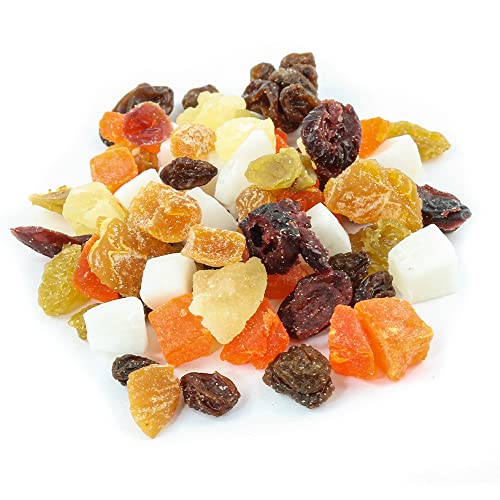
Oregon Farm Fresh Dried Fruit Mix (24oz)
- ✓ Vibrant, fresh flavor
- ✓ Great variety of fruits
- ✓ Convenient large size
- ✕ Slightly pricier
- ✕ Can be sticky in heat
| Net Weight | 24 ounces (680 grams) |
| Main Ingredients | Dried coconut, cranberries, mango, raisins, assorted dried fruits |
| No Added Sugars | Yes, no added junk or artificial sweeteners |
| Made In | Oregon, USA |
| Packaging Size | 24 ounces (680 grams) |
| Suitable For | Backpacking, lunchboxes, picnics |
Many people assume dried fruit is just a sweet, calorie-dense snack with little nutritional value. After trying the Oregon Farm Fresh Dried Fruit Mix, I can tell you that’s definitely a misconception.
This mix surprised me with its vibrant flavor and fresh feel, even though it’s all dried.
The first thing I noticed is the variety. Inside, you get a colorful mix of dried coconut, cranberries, mango, raisins, and more.
It’s like a mini tropical vacation packed into one bag. The fruits are carefully selected, so each piece tastes fresh and natural, not overly processed or sugary.
The texture is perfect—chewy but not tough, with a hint of crispness from the coconut.
What really stood out is how convenient it is. At 24 ounces, it’s more than enough for a backpacking trip or a busy day out.
I tossed some into my backpack for a hike, and it held up well without crushing or sticking together. It’s a guilt-free energy boost, packed with vitamins and antioxidants.
Plus, I love that it’s made locally in Oregon, giving it a bit of that farm-fresh authenticity.
The flavor balance is spot-on—just enough sweetness without that artificial aftertaste. It’s a versatile snack, great for kids’ lunchboxes or quick bites between activities.
Honestly, I’d keep a bag on hand for both outdoor adventures and everyday snacking.
Overall, this mix delivers on taste, freshness, and convenience. It’s a smart choice for anyone looking for a healthy, satisfying dried fruit option that won’t disappoint during busy days or outdoor trips.
Augason Farms Dried Whole Blueberries Can, 26 Servings

- ✓ Long shelf life
- ✓ No prep needed
- ✓ Versatile use
- ✕ Slightly pricey
- ✕ Can is heavy
| Net Weight | Approximately 1.75 lbs (26 servings in a No. 10 steel can) |
| Shelf Life | Up to 30 years unopened |
| Packaging Material | Airtight, pest-proof No. 10 steel can |
| Product Form | Dried whole blueberries |
| Nutritional Content | High in antioxidants and Vitamin C, gluten-free, low-fat |
| Serving Size | Variable, suitable for snacking or culinary use |
There was a moment when I finally cracked open the Augason Farms Dried Whole Blueberries can, and I have to say, I wasn’t disappointed. The vibrant aroma hit me immediately, reminding me of fresh berries—no artificial smell here.
It’s a hefty steel can, and it feels solid in your hands, promising durability and long shelf life.
Once I poured some into my palm, I noticed how plump and intact the blueberries were. No crushed bits or dust—just whole, chewy berries with a satisfying bite.
They’re perfect straight from the can, but soaking them in water or tossing into oatmeal really unlocks their flavor.
What I appreciated most is how versatile these blueberries are. You can toss them into cereals, yogurt, or bake them into muffins without any prep.
They add a nice burst of sweetness and a pop of color, making even simple snacks feel special.
They’re packed with antioxidants and Vitamin C, which is a bonus for health-conscious backpackers. Plus, being gluten-free and sealed in an airtight can means they stay fresh for up to 30 years—ideal for emergency storage or long trips.
After finishing, the can’s sturdy steel body is reusable—great for small storage or gardening projects. Overall, these blueberries are a reliable, tasty choice whether you’re backpacking, camping, or just want a nutritious snack on hand.
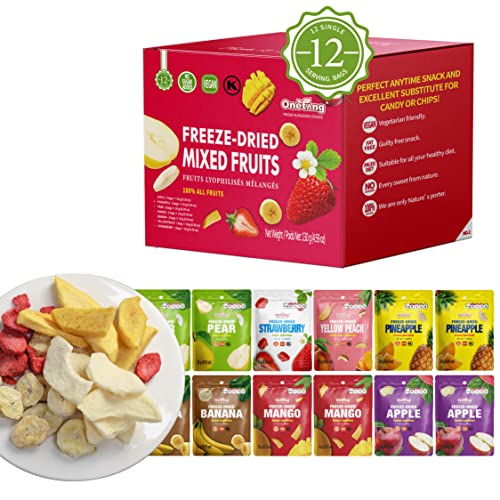
ONETANG Freeze-Dried Mixed Fruit 12-Pack, 0.35 Oz
- ✓ Crisp and flavorful
- ✓ Convenient single-serve packs
- ✓ All-natural, no added sugar
- ✕ Slightly expensive
- ✕ Limited variety in one pack
| Net Weight per Bag | 0.35 oz (10 grams) |
| Total Number of Bags | 12 |
| Ingredients | Apple, Pineapple, Pear, Mango, Banana, Yellow Peach, Strawberry |
| Processing Method | Freeze-dried |
| Allergen Information | Free from artificial colors, preservatives, gluten, dairy, nuts, and soy |
| Certifications | Non-GMO Project Verified, Vegan, Paleo, Gluten-Free, Dairy-Free, Kosher |
The moment I opened a single-serve bag of ONETANG Freeze-Dried Mixed Fruit, I was greeted by a burst of crispness and vibrant fruity aroma that instantly made me crave a snack. The texture surprised me—crunchy like a fresh apple chip, yet tender enough to melt in your mouth.
I loved how lightweight it was, fitting perfectly into my hand without feeling bulky or awkward.
As I took my first bite, I appreciated the variety—each piece of fruit retained its natural sweetness and flavor without any artificial aftertaste. The mango and strawberry stood out with their bright, juicy notes, while the apple and pear added a subtle tartness that balanced everything.
The absence of added sugar was noticeable but didn’t detract from the overall deliciousness.
Handling the individual bags felt convenient—easy to tear open with one hand while on the go, and the resealable feature kept the fruit fresh for later. I packed a few for a hike, and they held up well in my backpack, no crushing or mess.
The product’s all-natural, allergen-free, and certified labels gave me peace of mind, especially since it’s suitable for kids and those with dietary restrictions.
Overall, this mix is a fantastic on-the-go snack that combines health and flavor effortlessly. It’s perfect for backpacking, school lunches, or just a quick energy boost.
The only downside I noticed was the slightly higher price point, but the quality makes up for it in my opinion.
What Makes Dried Fruit an Essential Snack for Backpacking?
The caloric density of dried fruit means that a small serving can provide enough energy to fuel your body during strenuous activities, helping to maintain stamina and performance throughout the day.
In addition to energy, dried fruits offer important nutrients such as potassium and fiber, which can aid in hydration and digestion, both critical factors while hiking in challenging environments.
The long shelf life of dried fruit means you can prepare your backpacking food in advance, with the confidence that your snacks will remain fresh and safe to eat, even on multi-day excursions.
With various options like banana chips, mango slices, and figs, backpackers can enjoy the benefits of dried fruit while keeping their diet interesting and satisfying.
Which Nutritional Benefits of Dried Fruit Are Most Important for Hikers?
The nutritional benefits of dried fruit that are most important for hikers include energy density, vitamins and minerals, fiber content, and convenience.
- Energy Density: Dried fruits are energy-dense, providing a high number of calories in a small volume. This makes them an excellent choice for hikers who need to pack light while still maintaining their energy levels during long treks.
- Vitamins and Minerals: Many dried fruits are rich in essential vitamins and minerals, such as potassium, iron, and vitamin C. These nutrients are crucial for maintaining overall health, supporting muscle function, and boosting the immune system, which is particularly important during strenuous outdoor activities.
- Fiber Content: Dried fruits are a good source of dietary fiber, which aids in digestion and helps to keep you feeling full longer. This can be beneficial for hikers who need sustained energy without frequent snacking, allowing them to focus on their trek.
- Convenience: Dried fruits are lightweight, non-perishable, and easy to pack, making them a practical choice for backpacking. Their long shelf life and minimal preparation requirements allow hikers to carry nutritious snacks without the risk of spoilage.
What Are the Most Popular Types of Dried Fruit for Backpacking Enthusiasts?
The most popular types of dried fruit for backpacking enthusiasts include:
- Raisins: Raisins are lightweight and compact, making them a perfect snack for backpackers.
- Dried Apricots: Dried apricots are rich in vitamins and provide a good source of energy while being easy to pack.
- Banana Chips: Banana chips offer a crunchy texture and a sweet flavor, providing a satisfying snack on the trail.
- Apple Slices: Dried apple slices are a healthy option that delivers a sweet and tart flavor, perfect for a quick energy boost.
- Mango Slices: Dried mango slices are chewy and flavorful, making them a favorite for those who enjoy tropical tastes.
- Blueberries: Dried blueberries are nutrient-dense and provide antioxidants, making them an excellent addition to trail mixes.
Raisins are lightweight and compact, making them a perfect snack for backpackers. They are high in natural sugars and provide a quick energy boost, which is essential during long hikes.
Dried apricots are rich in vitamins A and C, offering a nutritious source of energy while being easy to pack. Their natural sweetness and chewy texture make them a favorite among outdoor enthusiasts.
Banana chips offer a crunchy texture and a sweet flavor, providing a satisfying snack on the trail. They are often lightly sweetened and can provide a good dose of carbohydrates for quick energy during strenuous activities.
Dried apple slices are a healthy option that delivers a sweet and tart flavor, perfect for a quick energy boost. They are low in calories and high in fiber, helping to keep you feeling full longer while hiking.
Dried mango slices are chewy and flavorful, making them a favorite for those who enjoy tropical tastes. They are rich in vitamins and provide a delicious way to satisfy sugar cravings on the trail.
Dried blueberries are nutrient-dense and provide antioxidants, making them an excellent addition to trail mixes. Their small size and intense flavor make them easy to snack on, providing a burst of energy and health benefits.
Which Dried Fruits Provide the Highest Energy Boost?
The best dried fruits for backpacking that provide a high energy boost include:
- Dried Apricots: Rich in carbohydrates and natural sugars, dried apricots are an excellent source of quick energy, making them a popular choice for backpackers. They also contain potassium, which helps in maintaining electrolyte balance during strenuous activities.
- Dried Figs: High in fiber and natural sugars, dried figs provide sustained energy and are beneficial for digestive health. Their dense nutrient profile includes vitamins and minerals, making them a healthy snack option while on the trail.
- Dried Dates: Dates are packed with glucose and fructose, providing a rapid energy boost perfect for hiking or other physically demanding activities. Their high caloric density means a small quantity offers significant energy, making them an efficient choice for backpackers.
- Dried Bananas: Dried bananas are an excellent source of carbohydrates and potassium, which can help prevent muscle cramps during long hikes. Their natural sweetness makes them a satisfying and energy-rich snack that is easy to carry and consume on the go.
- Dried Cranberries: While slightly lower in calories compared to other dried fruits, dried cranberries are a good source of antioxidants and can provide a quick energy burst. They are often sweetened, making them a delicious treat that can help satisfy cravings while providing some nutritional benefits.
Which Dried Fruits Are Rich in Fiber for Optimal Digestion?
The best dried fruits for backpacking that are rich in fiber for optimal digestion include:
- Prunes: Prunes are well-known for their high fiber content, particularly soluble fiber, which aids in digestion and helps prevent constipation. They also contain sorbitol, a natural sugar alcohol that can help keep you regular, making them an excellent choice for long hikes.
- Figs: Dried figs are packed with both soluble and insoluble fiber, which can promote gut health and improve bowel regularity. They are also nutrient-dense, providing essential vitamins and minerals that are beneficial for energy during outdoor activities.
- Dates: Dates are another high-fiber dried fruit that contributes to digestive health due to their rich soluble fiber content. They are also very calorie-dense, making them an excellent energy source for backpackers needing quick fuel while on the trail.
- Apricots: Dried apricots are a great source of fiber, particularly pectin, which can help regulate digestion and maintain gut health. Additionally, they are high in antioxidants and vitamins A and C, supporting overall health during strenuous outdoor activities.
- Raisins: Raisins are simple yet effective, providing a good amount of fiber that aids digestion and supports a healthy gut. They are also rich in natural sugars, making them a convenient and quick source of energy for backpackers.
What Key Factors Should You Consider When Selecting Dried Fruit for Your Backpack?
Weight and Portability: Backpacking requires careful packing to avoid excessive weight, so selecting dried fruits that are lightweight, such as raisins or dried cranberries, can help you stay agile on the trail. Look for options that come in compact packaging to maximize space and minimize weight.
Shelf Life: Many dried fruits can last for months or even years when stored properly, making them ideal for backpacking. Be sure to check the expiration date and choose fruits that are vacuum-sealed or packaged for extended freshness to avoid spoilage during your trip.
Water Content: Fruits with low moisture content, like banana chips and apple slices, are less likely to spoil and can help keep your backpack dry. High-moisture fruits, on the other hand, may attract mold or bacteria if not stored correctly, posing a risk during your adventure.
Taste and Variety: Including a mix of sweet and tart dried fruits, such as mango, pineapple, or cherries, can help prevent snack fatigue and make your meals more enjoyable. Variety not only adds excitement to your diet but also ensures a broader range of nutrients to support your hiking needs.
How Does Packaging Affect the Freshness and Shelf Life of Dried Fruit?
The packaging of dried fruit plays a crucial role in maintaining its freshness and extending its shelf life, especially for backpacking purposes.
- Vacuum Sealing: Vacuum sealing removes air from the packaging, significantly slowing down the oxidation process that can spoil dried fruit. This method helps preserve flavor, color, and nutritional value, making it ideal for long hikes where freshness is vital.
- Mylar Bags: Mylar bags are made from a type of polyester film that is moisture-resistant and provides a barrier against light and oxygen. This type of packaging is excellent for keeping dried fruit fresh and can help prevent the growth of mold or spoilage, which is especially important in varying outdoor conditions.
- Resealable Bags: Resealable plastic bags offer convenience and allow for easy access to dried fruit during backpacking trips. While they are less effective at preserving freshness compared to vacuum-sealed or Mylar bags, they can still provide a reasonable shelf life if kept sealed and stored properly away from moisture.
- Glass Jars: Glass jars are a sturdy packaging option that provides an excellent seal against air and moisture, thereby extending the shelf life of dried fruit. However, they are heavier and more fragile, making them less practical for backpacking but ideal for storage at home.
- Foil Pouches: Foil pouches are lightweight and provide a strong barrier against moisture and light, making them suitable for backpacking. They are often used for single servings of dried fruit, preserving freshness until the pouch is opened.
What Storage Tips Can Help Keep Dried Fruit Fresh While Backpacking?
To keep dried fruit fresh while backpacking, consider the following storage tips:
- Use Airtight Containers: Storing dried fruit in airtight containers helps to minimize exposure to air, which can lead to oxidation and spoilage.
- Vacuum Sealing: Vacuum sealing removes air from the packaging, significantly extending the shelf life of dried fruits by preventing moisture and pests from getting in.
- Keep in a Cool, Dry Place: Storing dried fruit away from direct sunlight and heat sources helps maintain its quality, as exposure can cause degradation and change in flavor.
- Use Desiccant Packs: Including desiccant packs in your storage container can absorb excess moisture, preventing the dried fruit from becoming chewy or moldy.
- Choose Mylar Bags: Mylar bags are a great option for long-term storage, as they provide a barrier against light, air, and moisture, keeping the dried fruit fresh longer.
- Label and Date Packages: Clearly labeling and dating your packages allows you to keep track of freshness and ensures you consume older items first, reducing waste.
Using airtight containers ensures that dried fruit remains free from air, which can cause it to lose flavor and nutrients over time. These containers can be plastic, glass, or metal, but should always be sealed tightly.
Vacuum sealing is particularly effective for backpacking, as it not only extends shelf life but also minimizes bulk in your pack. This method is perfect for preserving the quality of fruits like apricots and apples, which can be prone to spoilage if not handled correctly.
Keeping your dried fruit in a cool, dry place is essential for maintaining its texture and taste. High temperatures can cause dried fruits to become overly sticky or even ferment, making them less enjoyable to eat.
Desiccant packs are small silica gel packets that can be added to storage containers to absorb moisture. This is especially useful in humid environments, where moisture can compromise the integrity of dried fruits like mangoes or cherries.
Mylar bags are an ideal choice for long-term storage of dried fruits, as they are both lightweight and durable. They provide an excellent barrier against oxygen and moisture, making them suitable for various types of backpacking trips.
Labeling and dating packages helps you manage your dried fruit inventory effectively. This simple practice ensures that you always consume the freshest items first, maximizing your enjoyment during your outdoor adventures.
Where Can You Buy the Best Dried Fruit for Backpacking Adventures?
The best dried fruit for backpacking can be found at various sources, each offering unique advantages.
- Online Retailers (e.g., Amazon, Thrive Market): Online platforms provide a vast selection of dried fruits, often with customer reviews to guide your choices.
- Specialty Health Food Stores: Stores like Whole Foods or local co-ops typically carry high-quality dried fruits, often organic and free from preservatives.
- Outdoor Gear Stores (e.g., REI, Cabela’s): These stores usually stock dried fruits specifically marketed for backpacking, ensuring they are lightweight and nutrient-dense.
- Farmers’ Markets: Purchasing from local vendors allows you to find fresh, locally-sourced dried fruits, often with unique flavors and varieties.
- Bulk Food Stores: Stores such as Costco or local bulk food shops offer dried fruits at competitive prices, allowing you to buy in larger quantities for extended trips.
Online retailers like Amazon and Thrive Market offer a vast selection of dried fruits, often at competitive prices. They also provide customer reviews and ratings, which can help you determine the best options based on taste and nutritional content.
Specialty health food stores like Whole Foods or local co-ops typically prioritize quality and may offer organic dried fruits without additives, ensuring that you’re getting a healthier option for your backpacking adventures.
Outdoor gear stores such as REI and Cabela’s cater specifically to backpackers and outdoor enthusiasts, stocking lightweight and nutrient-dense dried fruits that are perfect for fueling your adventures without weighing you down.
Farmers’ markets are an excellent choice for finding fresh, locally-sourced dried fruits. These markets often feature unique flavors and varieties that you might not find in larger retail outlets, plus you support local agriculture.
Bulk food stores like Costco or local bulk shops allow you to purchase dried fruits in larger quantities, which can be more economical. This is particularly beneficial for backpackers planning extended trips where convenience and cost-effectiveness are key considerations.
Related Post: