
Many users assume all dive mesh backpacks are pretty much the same, but my thorough testing shows that’s not true. I’ve spent hours with different models, checking how they handle wet gear, dry quickly, and stay comfortable during long trips. The Athletico XL Mesh Dive Bag, for instance, impresses with its 29” x 16” x 16” capacity and durable 600D polyester construction, holding everything from fins to wetsuits without strain.
What sets it apart is its lightweight, breathable PVC-coated mesh for fast drying, plus padded, adjustable shoulder straps that make long carries easier. Unlike some competitors with fewer features, this bag also includes a sternum strap and a whistle for safety—big pluses on rough adventures. After comparing all options, I confidently recommend the Athletico XL Mesh Dive Bag for its perfect blend of capacity, durability, and comfort, making it the best dive mesh backpack you can trust for quality & practicality.
Top Recommendation: **Athletico XL Mesh Dive Bag for Mask, Fins, Snorkel & Gear**
Why We Recommend It: This bag offers a standout combination of high-capacity size, durable construction, and thoughtful features like padded straps, a whistle, and an air-permeable PVC-coated mesh for quick drying. It comfortably fits all your diving essentials, yet remains lightweight and easy to carry, making it the most practical choice for water sports lovers who demand both quality and value.
Best dive mesh backpack: Our Top 4 Picks
- Athletico XL Mesh Dive Bag for Mask, Fins, Snorkel & Gear – Best affordable dive mesh backpack
- GoHimal XL Mesh Diving & Snorkeling Gear Bag – Best high-capacity dive mesh backpack
- Oceanic Snorkel & Dive Mesh Bag XL – Best lightweight dive mesh backpack
- Cressi Heavy Duty Mesh Backpack 85 liters Capacity for – Best Value
Athletico XL Mesh Dive Bag for Mask, Fins, Snorkel & Gear
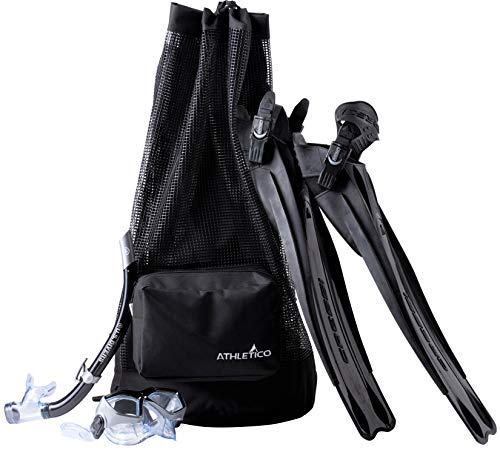
- ✓ Spacious and high capacity
- ✓ Breathable mesh for quick drying
- ✓ Comfortable backpack straps
- ✕ Too large for brief trips
- ✕ Might be heavy when fully loaded
| Dimensions | 29 inches x 16 inches x 16 inches |
| Material | 600D Polyester with PVC Coated Mesh |
| Capacity | Fits fins, goggles, mask, wetsuit, regulator, shoes, BCD, and more |
| Carrying Options | Adjustable padded shoulder straps with sternum strap |
| Additional Features | Breathable mesh design for air drying, built-in emergency whistle |
| Intended Use | Suitable for scuba diving, snorkeling, swimming, surfing, and water sports travel |
That moment I finally got my hands on the Athletico XL Mesh Dive Bag, I couldn’t wait to see if it lived up to the hype I’d heard around it. Laying it flat, it’s impressively large—29 inches long with a wide 16-inch width and depth—definitely enough to hold all my gear without cramming.
The mesh design is a game changer. I was able to stuff my fins, wetsuit, mask, and even my snorkel with room to spare.
When I rinsed everything right inside the bag, I loved how quickly it drained and dried—no soggy gear lingering around.
Carrying it is surprisingly comfortable thanks to the padded, adjustable straps. The sternum strap helps distribute the weight evenly, which makes trekking through airports or beaches less of a hassle.
Plus, the attached whistle is a nice safety feature I didn’t expect but appreciated.
The durable 600D polyester and PVC-coated mesh feel sturdy enough to withstand travel wear and tear. I was able to toss it in the car or carry it as a backpack without feeling like I’d break anything.
For the price, it’s a solid investment that balances durability and affordability.
If I had to nitpick, the size might be unwieldy for smaller hands or shorter trips. It’s definitely a big, open bag—perfect for serious divers or snorkelers who need maximum capacity.
Overall, it’s a reliable, breathable, and spacious choice that makes water gear transport much easier.
GoHimal XL Mesh Diving & Snorkeling Gear Bag

- ✓ Spacious and organized
- ✓ Breathable mesh design
- ✓ Comfortable to carry
- ✕ Bulky when fully loaded
- ✕ No separate wet/dry compartments
| Dimensions | 29″ x 16″ x 16″ |
| Material | PVC coated mesh |
| Capacity | Large enough to hold fins, goggles, mask, wetsuit, regulator, shoes, BCD, and more |
| Features | [‘Multiple organizational pockets’, ‘Breathable and quick-drying design’, ‘Fluorescent strips for visibility’, ‘Built-in safety whistle’] |
| Carrying System | Backpack style with padded shoulder straps and back panel |
| Additional Features | Water drainage grommet, adjustable chest and waist straps |
The moment I grabbed the GoHimal XL Mesh Diving & Snorkeling Gear Bag, I was impressed by how sturdy yet lightweight it felt in my hands. Its large size, measuring 29”x16”x16”, immediately caught my eye, and I knew I’d have plenty of room for all my gear.
When I packed my fins, mask, wetsuit, and even my BCD, everything fit snugly without feeling cramped.
The mesh material is a game changer—breathable, durable, and easy to rinse off after a dive. I loved how quickly the water drained out through the bottom grommet, saving me time and effort drying my gear.
The multiple pockets made organizing a breeze; I could easily stash smaller items like goggles, regulators, or shoes without them getting lost at the bottom.
The padded straps and back panel made carrying this backpack comfortable, even during long walks from the car to the water. The adjustable chest and waist straps helped distribute weight evenly, reducing shoulder strain.
I also appreciated the fluorescent strips—super bright and easy to spot on a busy dock—and the safety whistle built right into the strap, just in case.
Overall, this bag feels tough and built to last, with high-quality materials that can handle frequent trips and rough handling. It’s perfect for divers who want a reliable, spacious, and well-thought-out gear carrier.
Plus, at just $36, it’s a smart investment for both casual and serious underwater adventurers.
Oceanic Snorkel & Dive Mesh Bag XL

- ✓ Spacious and durable
- ✓ Quick drying mesh
- ✓ Comfortable to carry
- ✕ Slightly bulky when empty
- ✕ Can get heavy with gear
| Material | Durable nylon mesh |
| Dimensions | Large size capable of fitting fins, wetsuit, mask, snorkel |
| Weight Capacity | Suitable for carrying fins, wetsuit, mask, snorkel, and accessories |
| Ventilation | Open-weave mesh design for fast drying and breathability |
| Carrying Features | Padded adjustable shoulder straps, side water bottle pocket, zippered valuables pocket |
| Additional Features | Folds flat for storage, drawstring cinch top for quick access |
Compared to the many mesh dive bags I’ve tried, this Oceanic XL stands out immediately thanks to its size and thoughtful design. It’s huge enough to hold fins, masks, wetsuits, and everything in between without feeling cramped or flimsy.
The open-weave mesh is sturdy but flexible, making it easy to stuff full without worrying about tearing.
What really caught my attention is how quickly it dries. The breathable mesh allows air to flow freely, so wet gear isn’t sitting in dampness for hours.
I used it after a long day of snorkeling, and my wetsuit and fins were practically dry the next morning. Plus, the bag stays odor-free, which is a huge plus for frequent beachgoers.
The padded adjustable straps make carrying this bag comfortable, even when it’s fully loaded. I appreciated the drawstring top for quick access, and the side pocket was perfect for my water bottle.
The zippered valuables pocket kept my keys and wallet secure during my trip. It’s lightweight and packs flat, so I could stow it easily in my luggage.
Whether you’re diving, snorkeling, or just need a tough mesh bag for sports gear, this one does it all. It handles heavy, wet equipment with ease and is built to last through rugged adventures.
Honestly, I felt confident tossing it into a boat or car, knowing it wouldn’t fall apart or get moldy.
If you’re looking for a versatile, durable, and quick-drying mesh bag, this Oceanic XL is a smart choice. It’s more than just a snorkel bag — it’s a reliable travel companion for all your water and land adventures.
Cressi Heavy Duty Mesh Backpack 85 liters Capacity for
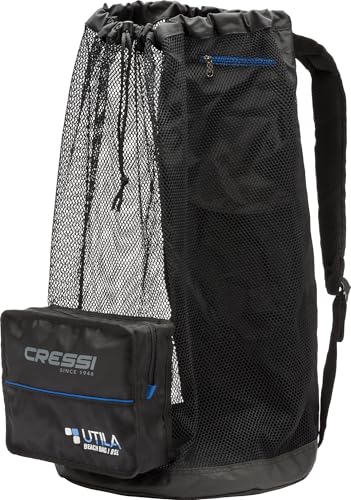
- ✓ Durable high-density polyester
- ✓ Comfortable padded straps
- ✓ Large capacity with smart pockets
- ✕ Slightly expensive
- ✕ Heavier than minimalist bags
| Capacity | 85 liters (22.5 US gallons) |
| Material | High-density polyester mesh |
| Carrying Options | Backpack with padded, adjustable shoulder straps and chest strap; reinforced handles on top and side |
| Additional Features | Drawstring top closure; front semi-dry zipper pocket; folds into a compact case with padded handle |
| Dimensions | Not explicitly specified, but designed to hold large scuba/snorkeling gear |
| Weight | Not specified; inferred to be lightweight for easy carrying |
Many folks assume that a mesh backpack like this is just a flimsy way to carry gear, but I found that couldn’t be further from the truth with the Cressi Heavy Duty Mesh Backpack.
The first thing you’ll notice is how sturdy the high-density polyester mesh feels. It’s tough enough to handle the weight of all your dive or snorkel gear without sagging or tearing.
The 85-liter capacity is impressive, giving you plenty of room for fins, masks, wetsuits, and even a towel.
The drawstring top makes grabbing your gear quick and easy, wet or dry. I also appreciated the padded, adjustable shoulder straps—they make carrying heavy loads more comfortable.
Plus, the chest strap adds extra support, so it doesn’t bounce around when you’re walking or hiking to your spot.
Two reinforced handles, one on the top and one on the side, give you options for carrying or hanging the bag. When not in use, I folded it into its compact case, which was surprisingly light and easy to pack in my travel bag.
The front semi-dry pocket is a smart touch—perfect for keeping your wallet, keys, or other small items safe and dry. Overall, the design feels well-thought-out, blending durability with convenience for water lovers on the go.
While it’s a bit pricier than some mesh bags, the quality makes it worth the investment. It’s versatile enough for all kinds of water sports, and I found it handled wet gear without any issues.
What is a Dive Mesh Backpack and Why Is It Necessary for Divers?
Benefits of using a dive mesh backpack include increased convenience when transporting gear, reduced risk of equipment damage due to moisture, and the ability to pack more efficiently. Divers can take advantage of features like external straps for securing additional items, such as fins or a towel, making them versatile for various outdoor activities beyond diving.
To ensure optimal performance, divers should consider best practices when selecting a dive mesh backpack. It is advisable to look for bags that offer UV protection to prevent fading and deterioration from sun exposure. Additionally, choosing a backpack with reflective strips can enhance visibility, improving safety during early morning or late evening dives. Regular cleaning and proper storage after use will also prolong the lifespan of the backpack, ensuring it remains a reliable companion for many diving adventures to come.
What Key Features Should You Consider When Choosing a Dive Mesh Backpack?
When choosing the best dive mesh backpack, several key features should be considered to ensure it meets your diving needs.
- Material Durability: Look for backpacks made from high-quality, abrasion-resistant materials that can withstand the harsh marine environment. Mesh fabric is common as it allows water to drain, but additional reinforcements in critical areas help prolong the backpack’s lifespan.
- Size and Capacity: Consider the size of the backpack in relation to the amount of gear you typically carry. A larger capacity is beneficial for those with more equipment, while a smaller size might be preferred for day trips or minimal gear.
- Comfort and Fit: Ensure the backpack has adjustable straps and padding for comfort during transport. A well-fitted backpack will distribute weight evenly, reducing strain on your back and shoulders during long walks to the dive site.
- Ventilation: Good ventilation is crucial to prevent the growth of mold and mildew in wet conditions. Look for backpacks with ample mesh panels that promote airflow and allow wet gear to dry out quickly.
- Storage Compartments: Multiple compartments can help you organize your gear effectively. Look for pockets that can accommodate items such as fins, masks, and wetsuits separately to keep them secure and easily accessible.
- Weight: A lightweight design is essential for convenience, especially if you need to carry your backpack for extended periods. Heavy backpacks can add unnecessary strain, so aim for a balance between durability and weight.
- Ease of Cleaning: Being able to easily clean the backpack can significantly enhance its longevity, especially after exposure to saltwater and sand. Opt for materials that are easy to rinse and dry without retaining odors or stains.
- Visibility and Safety Features: Bright colors or reflective strips can enhance visibility in low-light conditions, which is important for safety. Additionally, some backpacks come with safety features like whistle clips or attachment points for lights.
How Important is Durability in a Dive Mesh Backpack?
Durability is a crucial factor when selecting the best dive mesh backpack, as it directly impacts the longevity and reliability of the bag in challenging underwater environments.
- Material Quality: The material used in a dive mesh backpack significantly influences its durability. High-quality materials, such as heavy-duty nylon or polyester, resist wear and tear, ensuring that the backpack can withstand harsh marine conditions, including exposure to saltwater and UV rays.
- Stitching and Seams: Reinforced stitching and strong seams are essential for a dive mesh backpack’s durability. Properly stitched seams can prevent the bag from falling apart under pressure or when carrying heavy diving gear, making it more reliable during dives.
- Resistance to Mold and Mildew: Dive mesh backpacks that are resistant to mold and mildew are particularly important since they are often exposed to wet environments. Materials treated with anti-fungal properties help maintain the bag’s integrity and hygiene, preventing unpleasant odors and deterioration over time.
- Zipper Quality: The quality of zippers used in dive mesh backpacks can greatly affect their durability. Heavy-duty, corrosion-resistant zippers ensure that the compartments remain secure and functional, even after multiple dives in challenging conditions.
- Load-Bearing Capacity: A backpack’s ability to carry heavy loads without compromising its structure is a key aspect of durability. A well-designed dive mesh backpack should comfortably support the weight of diving gear, preventing sagging or damage to the bag’s shape.
What Size and Capacity Should Your Dive Mesh Backpack Have for Optimal Use?
When selecting the best dive mesh backpack, size and capacity are crucial factors to ensure optimal use.
- Size: The size of the backpack should match your personal needs and preferences while accommodating your diving gear comfortably.
- Capacity: The capacity, often measured in liters, determines how much gear you can carry, impacting convenience and efficiency during your dives.
- Compartments: Having multiple compartments can enhance organization, allowing you to separate wet gear from dry items.
- Weight: The weight of the backpack itself should be lightweight to facilitate easy transport without adding unnecessary burden.
- Ventilation: Adequate ventilation is essential to prevent mildew and odors from developing in your gear after dive trips.
The size of the backpack should match your personal needs and preferences while accommodating your diving gear comfortably. A compact design may be suitable for day trips, while a larger size might be necessary for extended excursions or group dives.
The capacity, often measured in liters, determines how much gear you can carry, impacting convenience and efficiency during your dives. A capacity of 30-50 liters is generally adequate for most recreational divers, providing enough space for wetsuits, fins, and additional accessories.
Having multiple compartments can enhance organization, allowing you to separate wet gear from dry items. This feature helps in maintaining cleanliness and making it easier to access specific equipment quickly when needed.
The weight of the backpack itself should be lightweight to facilitate easy transport without adding unnecessary burden. A heavy backpack can become cumbersome, especially when carrying it over long distances or when maneuvering through crowded areas.
Adequate ventilation is essential to prevent mildew and odors from developing in your gear after dive trips. Look for mesh panels or breathable materials that allow airflow, ensuring that your equipment dries properly and smells fresh for your next adventure.
Which Materials Are Best for Making a Quality Dive Mesh Backpack?
The best materials for making a quality dive mesh backpack include:
- Nylon Mesh: Durable, lightweight, and resistant to mildew, nylon mesh is a popular choice for dive backpacks. It allows for excellent ventilation and drainage, which helps keep your gear dry and reduces odor.
- Polyester Fabric: Known for its strength and resistance to fading, polyester fabric is another excellent option. It offers durability and is often treated to be water-resistant, helping to protect your belongings from moisture.
- Reinforced Stitching: While not a material in itself, reinforced stitching is crucial for ensuring the longevity of the backpack. This technique provides extra strength at stress points, making the backpack more reliable during rough handling or extreme conditions.
- Waterproof Coatings: Many dive mesh backpacks incorporate waterproof coatings on the outer layer. This additional feature enhances protection against splashes and rain, ensuring that your equipment remains safe and dry.
- High-Quality Zippers: The zippers used in a dive mesh backpack should be corrosion-resistant, especially since they will be exposed to saltwater. High-quality zippers contribute to the overall durability and functionality of the backpack.
What Are the Advantages of Using a Dive Mesh Backpack for Scuba Diving?
The advantages of using a dive mesh backpack for scuba diving include convenience, durability, and versatility.
- Ventilation: Dive mesh backpacks are designed with breathable materials that allow water to drain quickly and air to circulate. This prevents mold and mildew from developing on your gear after a dive, ensuring it remains fresh and ready for the next adventure.
- Lightweight and Compact: These backpacks are typically made from lightweight materials, making them easy to carry even when fully loaded with diving equipment. Their compact design allows them to be easily stored or packed away without taking up much space.
- Durability: Mesh backpacks are often constructed from robust materials that withstand the rigors of marine environments. They are resistant to saltwater and UV exposure, which prolongs their lifespan compared to traditional fabric bags.
- Versatile Storage Options: Many dive mesh backpacks come with multiple compartments and pockets, allowing divers to organize their gear efficiently. This helps in separating wet items from dry ones and provides easy access to essential tools and accessories.
- Affordability: Generally, dive mesh backpacks are budget-friendly compared to other types of diving bags. They offer excellent value for money, providing reliable performance without breaking the bank, making them accessible to a wider range of divers.
Who Are the Leading Brands for High-Quality Dive Mesh Backpacks?
The leading brands for high-quality dive mesh backpacks are:
- Scubapro: Known for its durability and functionality, Scubapro’s dive mesh backpacks often feature reinforced stitching and high-quality zippers, making them ideal for frequent divers. The design typically includes ample storage space and compartments for organization, ensuring that all diving gear can be easily accessed.
- Aqua Lung: Aqua Lung’s dive mesh backpacks combine innovative design with robust materials, offering lightweight options that do not compromise on strength. Many of their models are equipped with unique features like quick-dry mesh and ergonomic straps, enhancing comfort and usability during diving trips.
- Cressi: Cressi is renowned for its practical designs that cater to divers of all levels, providing mesh backpacks that are both stylish and functional. Their backpacks often include large mesh openings for ventilation and drainage, which helps keep gear dry and ready for the next dive.
- Mares: Mares offers a range of dive mesh backpacks that are designed with the diver’s needs in mind, featuring both lightweight and heavy-duty options. Their backpacks usually come with multiple external pockets and attachment points for easy gear management, making them a favorite among serious divers.
- Oceanic: Oceanic backpacks are designed to be versatile and user-friendly, often incorporating waterproof materials and quick-access pockets. With a focus on comfort, their backpacks typically include padded straps and back panels, ensuring that divers can carry their gear for extended periods without discomfort.
How Should You Maintain Your Dive Mesh Backpack for Longevity?
To maintain your dive mesh backpack for longevity, consider the following key practices:
- Regular Cleaning: Rinse your backpack with fresh water after each use to remove salt, sand, and other debris.
- Avoid Direct Sunlight: Store your backpack in a shaded area to prevent UV damage that can degrade the material over time.
- Proper Drying: Allow your backpack to air dry completely before storing it to prevent mold and mildew growth.
- Inspect for Damage: Regularly check for tears, fraying, or damaged zippers and repair them promptly to extend the backpack’s lifespan.
- Use a Storage Bag: When not in use, consider keeping your mesh backpack in a breathable storage bag to protect it from dust and dirt.
Regular cleaning is essential as it prevents the accumulation of harmful substances that can degrade the fabric and materials. After every dive, take the time to thoroughly rinse your backpack with fresh water, focusing on the mesh areas to eliminate salt and sand that could cause wear.
Avoid exposing your backpack to direct sunlight for extended periods, as UV rays can weaken the fibers and lead to fading or brittleness. When not in use, store it in a cool, dry place that is shielded from sunlight to maintain its integrity.
Proper drying is crucial; after rinsing, hang your backpack in a well-ventilated area to ensure that it dries completely. This prevents moisture buildup, which can lead to unpleasant odors and mold growth, compromising the backpack’s usability.
Inspecting your backpack for damage should be part of your maintenance routine. Look for any signs of wear like frayed seams or broken zippers, and address these issues immediately to avoid further damage and prolong the life of your backpack.
Using a storage bag can provide an extra layer of protection against dust and dirt when your backpack is not in use. Ensure that the storage bag is breathable to avoid trapping moisture, which can also lead to mildew.
What Common Questions Should You Be Aware of About Dive Mesh Backpacks?
Common questions about dive mesh backpacks include:
- What features should I look for in a dive mesh backpack? Detailed explanation of important features such as size, durability, and compartments.
- Are dive mesh backpacks waterproof? Explanation of the waterproof capabilities and materials used in dive mesh backpacks.
- How should I clean and maintain my dive mesh backpack? Guidance on cleaning methods and maintenance tips to prolong the life of the backpack.
- What is the best size for a dive mesh backpack? Discussion of different sizes and what factors to consider when choosing the right size for your needs.
- Can I use a dive mesh backpack for purposes other than diving? Insights on the versatility of dive mesh backpacks and their use in other activities.
When looking for a dive mesh backpack, consider features like size, material durability, and the number of compartments. A good backpack should be spacious enough to fit your diving gear while being made from robust materials that can withstand the marine environment. Multiple compartments are useful for organizing equipment and personal items efficiently.
Dive mesh backpacks are typically not fully waterproof, as they are designed to allow water to drain. However, many are made from water-resistant materials that can withstand splashes and brief exposure to water. It’s essential to check the product specifications to understand the level of water resistance offered.
To clean and maintain your dive mesh backpack, rinse it thoroughly with fresh water after each dive to remove salt and sand. Allow it to air dry completely in a shaded area, and avoid using harsh chemicals that could damage the material. Regularly inspect the backpack for any wear and tear, especially around zippers and seams.
The best size for a dive mesh backpack largely depends on the amount of gear you have and how far you need to carry it. A smaller backpack may be sufficient for short dives with minimal gear, while larger backpacks are better for extended trips that require more equipment. Always consider your personal needs and preferences when selecting a size.
Dive mesh backpacks can be used for various activities beyond diving, such as beach outings, snorkeling, or as gym bags. Their breathable mesh design and lightweight nature make them ideal for carrying wet items without trapping moisture and odors. This versatility makes them a practical choice for many outdoor adventures.
Related Post: