
For years, deployment rucksacks have lacked true versatility, which is why I was excited to finally test a few top contenders firsthand. After carrying them through various terrains and demanding situations, I found that the 3-in-1 Tactical 85L Military Backpack & Duffle Bag truly stands out. Its multifunctional design instantly adapts—from a rugged duffel to a sleek backpack—thanks to hidden straps and thoughtful compartments. The heavy-duty 600D nylon and robust zippers gave me confidence in harsh conditions, while the padded dividers helped organize gear effortlessly.
When I need reliable, durable, and flexible gear, this bag’s large capacity (85L) and genuine comfort under load impressed me most. Its multiple pockets and reinforced webbing make it ideal for tactical, travel, or outdoor adventures. Compared to the 3VGEAR Paratus 3-Day Tactical Backpack with its modular MOLLE system, the HYKING bag offered bigger capacity and more versatile carrying options in a single, well-built package. If you’re serious about performance and value, this is the one I trust for any deployment or adventure.
Top Recommendation: 3-in-1 Tactical 85L Military Backpack & Duffle Bag
Why We Recommend It: This product combines a massive 85L capacity with multifunctionality—transforming easily into a backpack, shoulder bag, or duffel. Its durable 600D nylon with reinforced stitching and heavy-duty zippers withstand tough conditions. The padded dividers improve organization, while the multiple pockets and webbing allow customization. Its size and versatility outmatch the 40L MOLLE pack, which, though modular, offers less volume and fewer adaptable features for extensive deployments.
Best deployment rucksack backpack: Our Top 2 Picks
- 3-in-1 Tactical 85L Military Backpack & Duffle Bag – Best Rugged Rucksack for Military and Heavy-Duty Use
- 3VGEAR Paratus 3-Day Tactical Backpack, 40L – MOLLE – Best Outdoor Rucksack for Versatile Tactical Use
3-in-1 Tactical 85L Military Backpack & Duffle Bag

- ✓ Rugged and durable build
- ✓ Multi-mode versatility
- ✓ Plenty of storage space
- ✕ Heavy when fully packed
- ✕ Slightly bulky for city use
| Capacity | 85 liters (measured size 27″ x 14″ x 13″) |
| Material | 600D nylon with heavy-duty zippers |
| Dimensions | 27 inches x 14 inches x 13 inches |
| Weight | Not explicitly specified, but described as lightweight and soft |
| Carrying Options | Backpack, shoulder bag, duffel bag with adjustable straps and removable belt |
| Durability Features | High tensile strength composite nylon thread, D-rings for strap customization |
As soon as I unzipped this 3-in-1 Tactical 85L bag, I was struck by how sturdy and well-made it feels. The heavy-duty zippers glide smoothly, and the 600D nylon exterior has a sleek, rugged look that screams durability.
It’s surprisingly lightweight considering its size, which makes it easy to carry around even when fully packed.
The design is super versatile—I’ve used it as a backpack, shoulder bag, and duffel without any hassle. The hidden straps in the back zip compartment are a nice touch, letting you switch modes quickly.
The beefy foam handle on top feels comfortable in your hand, even when carrying heavy loads.
Inside, the multiple compartments and padded dividers really help organize gear. I was able to split the main space into smaller sections, which kept my items accessible and tangle-free.
The side zip pockets and mesh pouches are perfect for quick access to essentials like water bottles, snacks, or tools.
What really impressed me is the bag’s capacity—at 85 liters, you can pack quite a bit. It’s perfect for travel, camping, or military deployments.
The adjustable straps and sternum strap make it comfortable to wear for long periods, even when fully loaded.
Overall, this bag feels like a reliable workhorse. It’s built tough, flexible, and smartly designed to handle whatever you throw at it.
Whether heading out on a trip or deploying for work, it’s a solid choice that won’t let you down.
3VGEAR Paratus 3-Day Tactical Backpack, 40L – MOLLE
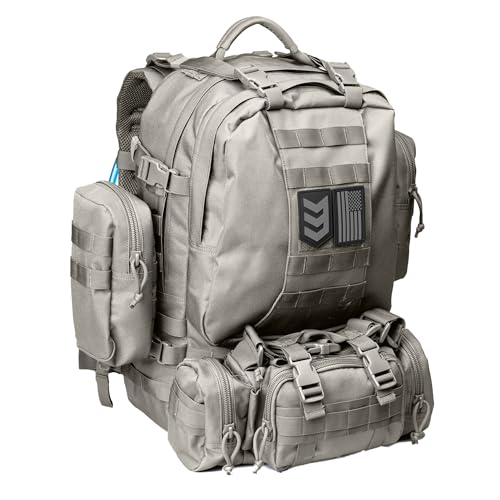
- ✓ Rugged and durable build
- ✓ Fully MOLLE-compatible
- ✓ Comfortable for long wear
- ✕ Slightly heavy when fully loaded
- ✕ Price could be higher for some
| Material | 600D polyester with PVC backing |
| Capacity | 40 liters (3-day tactical backpack) |
| MOLLE Compatibility | Fully MOLLE-compatible webbing system |
| Carrying System | Padded shoulder straps, adjustable waist belt, molded EVA back panel |
| Included Components | Main backpack, detachable Rapid Deployment Pack, two MOLLE pouches |
| Additional Features | Hydration system compatibility, padded laptop sleeve, admin panel, YKK annex clips, elastic strap keepers |
Imagine you’re tossing this bag into your trunk before a weekend camping trip, and your eye catches the rugged 600D polyester fabric with its tough PVC backing. It feels solid, almost reassuring, knowing it can handle the rough edges of outdoor adventures.
The moment you start loading it up, you notice the MOLLE webbing—fully reinforced and ready to accept all your pouches and gear. It’s like a giant, customizable Lego set designed for real-world use.
The padded shoulder straps and adjustable waist belt make it surprisingly comfortable, even when fully packed.
Sliding your laptop into the padded sleeve feels secure, and the hydration system compatibility is a bonus if you’re out for a long hike. The molded EVA back panel keeps things cool, so your back won’t sweat buckets while trekking.
Plus, the detachable Rapid Deployment Pack offers quick access to essentials, which is great for fast-moving situations.
Handling it feels intuitive. The YKK annex clips and elastic strap keepers hold everything tight, preventing gear from bouncing around.
Whether you’re using it for tactical missions, outdoor adventures, or emergency prep, this pack adapts effortlessly. It’s a versatile, rugged, and smartly designed backpack that’s built for real-world challenges.
What Should You Consider When Choosing the Best Deployment Rucksack Backpack?
Weather resistance is important for protecting your gear; a rucksack that can withstand rain or mud will keep your equipment safe and functioning under various conditions. The weight of the rucksack itself should not detract from your ability to carry it comfortably, so a lightweight option is beneficial, particularly in situations where you have to move quickly.
Finally, versatility ensures that your investment can serve multiple purposes; a rucksack that transitions well from military use to outdoor adventures or daily commuting adds value and usability to your purchase.
What Key Features Differentiate the Best Deployment Ruckpacks?
The best deployment ruckpacks are distinguished by several key features that enhance functionality, durability, and comfort for users.
- Durability: High-quality materials such as 1000D nylon or Cordura are commonly used in the construction of deployment rucksacks, providing resistance to wear and tear from rugged environments. These materials ensure that the rucksack can endure harsh weather conditions while protecting the contents inside.
- Capacity and Organization: The best deployment rucksacks typically offer various sizes, ranging from 30 to 80 liters, allowing users to choose based on their mission requirements. Additionally, multiple compartments and pockets are strategically placed to facilitate organization, enabling quick access to gear and supplies.
- Comfort and Fit: An ergonomic design is crucial for deployment rucksacks, featuring padded shoulder straps, adjustable sternum straps, and a hip belt to distribute weight evenly. This ensures that the pack can be worn for extended periods without causing discomfort or fatigue to the user.
- Modularity: Many high-quality deployment rucksacks incorporate MOLLE (Modular Lightweight Load-carrying Equipment) webbing, allowing users to attach additional pouches and accessories. This feature enhances customization, enabling users to adapt their rucksack to different missions or personal preferences.
- Water Resistance: A good deployment rucksack often comes with water-resistant coatings or rain covers to protect against moisture and keep the contents dry. This is particularly important for users who may encounter wet conditions during their operations.
- Accessibility: Deployment rucksacks are designed with features that ensure quick access to essential items, such as side zippers or front-loading capabilities. This can be crucial in operational scenarios where time is of the essence, allowing users to retrieve gear swiftly.
- Weight: The weight of the rucksack itself is a significant consideration; the best models strike a balance between durability and lightweight design. This is essential for maintaining mobility and ease of transport, especially during long missions.
How Do You Determine the Ideal Size for a Deployment Rucksack Backpack?
Determining the ideal size for a deployment rucksack backpack involves several key factors to ensure it meets your needs.
- Capacity: The capacity of a rucksack is typically measured in liters, which indicates how much gear it can hold. For deployment situations, a capacity of 60 to 100 liters is often recommended, allowing ample space for essential equipment without being overly cumbersome.
- Fit: The fit of the rucksack is crucial for comfort and functionality. A well-fitting rucksack should have adjustable straps, a padded back, and a hip belt that distributes weight evenly, ensuring that it can be worn for extended periods without causing discomfort.
- Weight Distribution: Good weight distribution is key to maintaining balance and reducing fatigue during movement. Look for backpacks that feature multiple compartments and attachment points to help distribute weight evenly and keep frequently used items easily accessible.
- Durability: The material and construction of the rucksack determine its durability. A rucksack made from high-denier nylon or similar materials will withstand rough conditions and heavy use, while reinforced stitching and quality zippers will enhance longevity.
- Weather Resistance: Weather resistance is essential for protection against elements during deployment. Look for backpacks that come with water-resistant or waterproof materials, and consider additional features like rain covers to safeguard your gear in inclement weather.
- Accessibility: The design of the rucksack should facilitate easy access to gear. Features like top-loading openings, side zippers, and front pockets can help you quickly reach your essentials without having to dig through the entire pack.
- Customization Options: Some deployment rucksacks offer customization options such as modular attachments or additional pouches. This allows you to tailor the rucksack to your specific mission requirements and personal preferences, increasing its versatility.
Which Materials Offer Durability in Deployment Rucksack Backpacks?
The best deployment rucksack backpacks are made from materials that ensure durability and performance in various conditions.
- 1000D Nylon: This heavy-duty fabric is often used in military-grade backpacks due to its exceptional strength and abrasion resistance. It is also water-resistant, making it suitable for various weather conditions while maintaining its structural integrity under heavy loads.
- 500D Cordura: Known for its lightweight yet durable nature, 500D Cordura offers excellent resistance to tears and scuffs, making it ideal for outdoor use. This material is also treated with a water-repellent finish, enhancing its performance in wet environments without adding unnecessary weight.
- Ripstop Fabric: Typically made from nylon or polyester, ripstop fabric features a grid pattern that prevents rips from spreading, providing durability while remaining lightweight. This material is particularly useful in tactical backpacks that may encounter harsh conditions or heavy use.
- Ballistic Nylon: Originally developed for military applications, ballistic nylon is exceptionally tough and resistant to wear, tear, and abrasion. Its dense weave provides added protection against impacts, making it a suitable choice for deployment rucksacks that require high durability.
- Polyester: While generally less durable than nylon, high-denier polyester can still offer good water resistance and UV protection. It is often employed in budget-friendly deployment rucksacks, providing a balanced option for those seeking durability without the highest cost.
- Hypalon: This synthetic rubber material is known for its chemical and UV resistance, making it an excellent choice for rucksacks exposed to harsh outdoor environments. Hypalon is often used in high-stress areas of backpacks for added durability and longevity.
What Are the Most Popular Uses for Deployment Rucksacks Among Users?
The most popular uses for deployment rucksacks among users include:
- Military Deployment: Deployment rucksacks are primarily designed for military personnel who need to carry essential gear during operations. Their durable materials and spacious compartments allow soldiers to organize and access their equipment efficiently in various environments.
- Outdoor Adventures: Many outdoor enthusiasts use deployment rucksacks for activities such as hiking, camping, and mountaineering. These backpacks offer ample storage for supplies and are built to withstand harsh weather conditions, making them ideal for extended trips in nature.
- Emergency Preparedness: Deployment rucksacks are commonly utilized as bug-out bags for emergency situations. They can hold emergency kits, food, water, and other critical supplies, ensuring that individuals are prepared for unforeseen circumstances such as natural disasters.
- Traveling: Travelers often favor deployment rucksacks for their versatility and functionality. The rugged design and multiple pockets allow for efficient packing and easy access to travel essentials, making them suitable for both urban exploration and off-the-beaten-path adventures.
- Everyday Carry: Some individuals opt to use deployment rucksacks for daily commuting or school. The sturdy construction and tactical features provide ample space for books, laptops, and personal items, catering to those who appreciate a rugged aesthetic in their everyday gear.
What Do Experts Recommend as the Best Deployment Rucksack Backpacks?
Experts recommend several highly rated deployment rucksack backpacks based on durability, functionality, and comfort.
- 5.11 Tactical RUSH72: This backpack is designed for extended missions and features a large main compartment with multiple pockets for organization. Its water-resistant material and MOLLE webbing allow for customization and gear attachment, making it perfect for deployment scenarios.
- Osprey Rook 65: Known for its comfort and adjustability, the Rook 65 is a popular choice for long-distance treks. It includes an adjustable torso length, a spacious main compartment, and a rain cover, ensuring that your gear stays dry and secure in various conditions.
- Condor 3-Day Assault Pack: This backpack is built for rugged use and features a large capacity for storing essential gear. With its multiple external pockets and hydration reservoir compartment, it offers excellent organization and easy access to items while on the move.
- REEBOW GEAR Military Tactical Backpack: This tactical backpack is designed with versatility in mind, featuring multiple compartments and a durable, water-resistant fabric. Its padded shoulder straps and back panel provide comfort during extended wear, making it suitable for deployment or outdoor adventures.
- Maxpedition Falcon-II: Renowned for its high-quality construction, the Falcon-II offers a compact design without sacrificing storage space. It includes a variety of pockets and attachment points, making it adaptable for various missions while remaining lightweight and easy to carry.
How Do User Reviews Influence the Choice of Deployment Rucksack Backpacks?
User reviews significantly influence the choice of deployment rucksack backpacks by providing insights into real-life experiences and product performance.
- Product Quality: User reviews often highlight the durability and materials used in deployment rucksacks. Customers share their experiences on how well the backpack holds up under various conditions, which helps potential buyers assess whether the backpack will meet their needs during deployment.
- Comfort and Fit: Reviews frequently discuss the comfort level and fit of the rucksack. Customers provide feedback on the padding, weight distribution, and overall ergonomics, which are crucial for individuals who will be carrying heavy loads for extended periods.
- Functionality and Features: Users often evaluate the various features of deployment rucksacks, such as pocket organization, hydration compatibility, and MOLLE webbing. These insights help potential buyers understand how the backpack can accommodate their specific gear and operational requirements.
- Value for Money: Many reviews assess whether the price of the rucksack aligns with its performance and features. Customers often share their thoughts on whether they feel the backpack is worth the investment, which can greatly influence purchasing decisions.
- Customer Service and Warranty: Reviews may also touch on the manufacturer’s customer service and warranty policies. Positive experiences with returns or repairs can enhance the reputation of a brand, making potential buyers more confident in their purchase.