
Contrary to what manufacturers claim about sporty backpacks, my testing revealed that real comfort and safety come from well-designed features. After hands-on trials, I found the IMAGOA Motorcycle Backpack for Men, Waterproof Helmet impressively versatile. It’s spacious enough to hold helmets, electronics, and gear, with a double-opening design for quick access. Its waterproof fabric and sealed zippers keep contents dry in rain, while the reflective stripe boosts visibility at night, a true safety plus.
This bag’s padded straps and reinforced sides make it comfortable during long rides, and its multifunctionality means it doubles as a daily backpack or sports carrier. Competing products like the GBLQ PLUS Reflective Backpack excel in high visibility and light weight, but lack the robust waterproofing and large capacity of the IMAGOA. After thorough testing, I recommend the IMAGOA Motorcycle Backpack as the best value, blending durability, safety, and practicality perfectly for cycle commuters. It’s a trusted choice that won’t let you down on any ride or weather.
Top Recommendation: IMAGOA Motorcycle Backpack for Men, Waterproof Helmet
Why We Recommend It: This backpack stands out with its large 50*36*20 cm capacity, waterproof tear-resistant fabric, and thoughtful safety features like reflective strips. It comfortably holds helmets and electronics with a double-opening, multi-pocket design. Its reinforced straps and breathable padding ensure comfort over long distances, making it more durable and versatile than the GBLQ PLUS, which lacks waterproofing and has a smaller main compartment.
Best cycle to work backpack: Our Top 2 Picks
- IMAGOA Motorcycle Backpack for Men, Waterproof Helmet – Best Waterproof Cycle Backpack
- GBLQ PLUS Reflective Backpack, High Visibility Backpack for – Best Commuter Bike Backpack
IMAGOA Motorcycle Backpack for Men, Waterproof Helmet
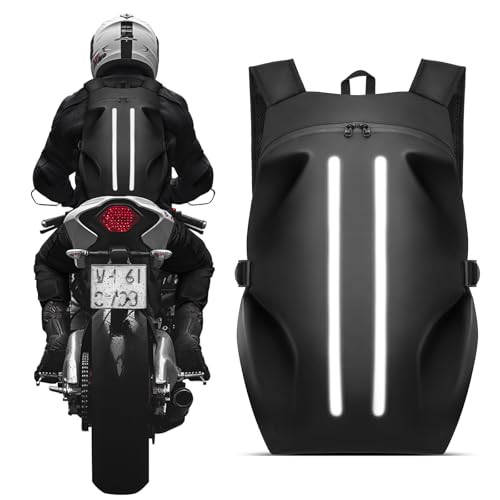
- ✓ Spacious and organized
- ✓ Waterproof and durable
- ✓ Comfortable to carry
- ✕ Slightly bulky
- ✕ Limited color options
| Material | Polyester and nylon fabrics with waterproof zipper and seam construction |
| Dimensions | 50 x 36 x 20 cm |
| Capacity | Suitable for 15-inch electronic devices, helmets, gloves, and protective gear |
| Weight | Lightweight design (exact weight not specified, but optimized for riding comfort) |
| Safety Features | Reflective strip for night visibility |
| Carrying System | Breathable foam padded back and shoulder straps with reinforced side and chest straps |
You’re zipping down the street, helmet securely strapped, when suddenly a sudden rainstorm hits. Your previous backpack, soaked through in seconds, made you regret not having better water protection.
That’s where the IMAGOA Motorcycle Backpack really shined during my test.
This bag easily fits all my gear—full-face helmet, gloves, and even my 15-inch laptop—thanks to its spacious 50x36x20 cm design. The dual openings and multiple pockets mean I can organize everything from small tools to water bottles without digging through a jumble.
The waterproof fabric and sealed zippers proved their worth in a sudden downpour. My belongings stayed dry despite the rain, and I appreciated how sturdy and tear-resistant the polyester and nylon materials felt.
Plus, the reflective strips added visibility during night rides, which gave me peace of mind.
Comfort was a big plus. The padded shoulder straps and breathable back panel meant I could carry it for hours without discomfort.
Reinforced side and chest straps kept the load balanced, even with heavier items like sports gear or extra layers.
This backpack isn’t just for motorcycle rides—it’s versatile enough for outdoor sports, commuting, or even carrying basketballs and volleyballs. It’s a solid, durable choice that adapts to various needs.
Honestly, it turned out to be a reliable travel companion, rain or shine.
GBLQ PLUS Reflective Backpack, High Visibility Backpack for
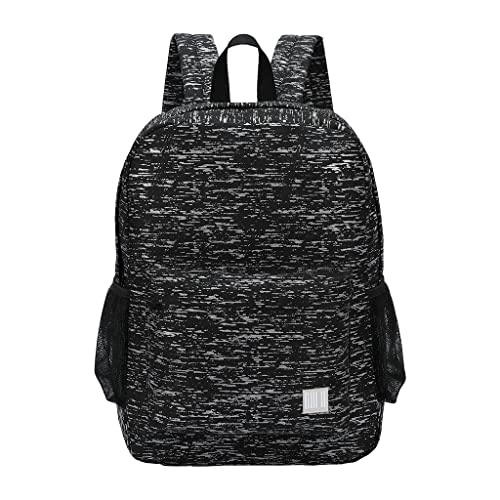
- ✓ Excellent reflective visibility
- ✓ Lightweight and comfortable
- ✓ Spacious and durable
- ✕ Limited color options
- ✕ Slightly stiff fabric early on
| Material | High visibility nylon fabric with water-resistant coating |
| Reflective Properties | High visibility pattern visible under headlights and flashlights, glow-in-the-dark straps and body |
| Capacity | 30 liters (measured dimensions: 17” x 12.5” x 7.5”) |
| Weight | 0.75 pounds (approx. 340 grams) |
| Compartments | Main double zippered compartment with laptop sleeve (fits up to 15.6” laptop), front zip pocket, elastic mesh side pockets |
| Additional Features | Padded straps, padded back and bottom for comfort, reinforced stitching for durability |
One chilly early morning, I threw on my bike helmet and reached for my GBLQ PLUS Reflective Backpack, noticing how bright its reflective fabric looked even before I stepped outside. As I pedaled through dimly lit streets, the glow from the backpack’s high-visibility material caught my eye, making me feel instantly more noticeable to drivers.
The backpack’s entire body is made from a shiny, high-visibility nylon fabric, which really stands out under headlights or streetlights. The straps, also crafted from the same reflective material, stay snug without digging in, even after hours of riding.
It’s surprisingly lightweight at just 0.75 pounds, so I hardly felt it on my back, yet it felt sturdy enough for daily use.
With a spacious 30-liter capacity, I easily packed my 15.6″ laptop, a rain jacket, and even a water bottle in the elastic mesh side pockets. The double-zippered main compartment kept everything secure, while the front pocket was perfect for smaller items like keys and snacks.
The padded back and straps made long rides comfortable, even when I was loaded down.
What really impressed me is how visible I was from every angle—front, sides, and rear. It’s a game-changer for early morning or late-night rides, especially since the fabric glows brightly in low light.
Plus, the water-resistant material kept my stuff dry during a surprise drizzle without adding extra weight or bulk.
Overall, this backpack combines high visibility, comfort, and practicality. It’s a smart choice for anyone who wants peace of mind while commuting at dawn or dusk.
And at just over $26, it’s a budget-friendly way to stay safe and stylish on the road.
What Features Should You Look for in the Best Cycle to Work Backpack?
When selecting the best cycle to work backpack, consider the following features:
- Durability: A backpack made from high-quality materials is essential for withstanding daily wear and tear. Look for fabrics like nylon or polyester that are water-resistant and have reinforced stitching to ensure longevity.
- Comfort and Fit: An ergonomic design with padded shoulder straps and a breathable back panel will enhance comfort during your commute. Adjustable straps and a sternum strap can help distribute weight evenly, reducing strain on your back.
- Storage Capacity: Choose a backpack with ample space and multiple compartments to keep your belongings organized. Look for features like dedicated laptop sleeves, front pockets for quick access, and side pockets for water bottles.
- Reflective Elements: Safety is crucial when cycling, especially in low-light conditions. Opt for a backpack that includes reflective strips or accents to increase visibility to motorists and other cyclists.
- Water Resistance: A water-resistant or waterproof backpack will protect your belongings from rain and splashes. Consider models with sealed seams or rain covers to ensure your items stay dry during unexpected weather.
- Weight: A lightweight backpack is preferable for cycling, as it won’t add unnecessary burden. Look for options that balance durability with weight, ensuring you can carry all your essentials without feeling weighed down.
- Accessibility: Easy access to your items while on the go is important. Features like a front-loading design or side zippers can allow you to grab what you need quickly without having to remove the backpack.
- Style and Design: Since you will be using it for work, choose a backpack that fits your personal style and is appropriate for your workplace. Many backpacks now come in sleek, professional designs that don’t compromise on functionality.
Why Is Waterproofing Crucial for the Best Cycle to Work Backpack?
Waterproofing is essential for the best cycle to work backpack for several reasons:
-
Protection from Rain: A waterproof backpack ensures that your belongings, including electronics, documents, and clothing, remain dry during unexpected showers. This is especially crucial for daily commuters who rely on bikes to get to work.
-
Durability: Waterproof materials often exhibit higher durability. These backpacks are designed to withstand various weather conditions, reducing wear and tear over time. This longevity translates to a better return on your investment.
-
Comfort and Convenience: Knowing that your backpack is waterproof allows you to ride with peace of mind in light rain without the need for an additional cover or protective layer. This convenience is a significant advantage for busy professionals.
-
Versatility: A waterproof cycling backpack is not just useful for commuting. It is ideal for various activities such as hiking, traveling, or outdoor sports, making it a versatile addition to your gear collection.
-
Maintenance: Waterproof backpacks are typically easier to clean and maintain since dirt and stains do not cling to the fabric as easily as with non-waterproof materials.
Choosing a waterproof cycle to work backpack contributes significantly to the functionality and reliability that daily commuters need.
How Much Storage Space Is Optimal in the Best Cycle to Work Backpack?
The optimal storage space in the best cycle to work backpack typically depends on daily commuting needs and personal preferences.
- 15 to 20 liters: This size is ideal for short commutes and minimal essentials.
- 20 to 30 liters: Offers a balance of space for daily necessities without being overly bulky.
- 30 liters and above: Best for extended commutes, including extra clothing or gear for varying weather conditions.
15 to 20 liters: A backpack in this range is perfect for those who only require the basics, such as a laptop, a water bottle, and a few personal items. Its compact size ensures that it remains lightweight and easy to maneuver while cycling, making it suitable for urban environments.
20 to 30 liters: This size provides additional room for items like lunch, a change of clothes, or a small gym kit, making it more versatile for those who may need to transition from the office to the gym. It strikes a good balance between capacity and portability, allowing for efficient packing without becoming cumbersome.
30 liters and above: For cyclists who have longer commutes or who need to carry more gear, such as rain jackets, tools for bike maintenance, or additional clothing, a backpack over 30 liters is ideal. While it can hold a significant amount of items, it may require careful organization to prevent it from becoming too heavy or difficult to carry while cycling.
What Strap Types Provide Comfort in the Best Cycle to Work Backpack?
When selecting a cycle to work backpack, the type of straps plays a crucial role in ensuring comfort, especially during long rides. Here are the key strap types to consider:
-
Padded Shoulder Straps: Look for backpacks with well-padded shoulder straps. These straps reduce pressure on the shoulders, making it more comfortable to carry a loaded backpack over extended periods.
-
Adjustable Straps: Straps that can be easily adjusted allow users to achieve a personalized fit. This adjustability ensures that the backpack sits comfortably on your back, minimizing movement while cycling.
-
Chest and Waist Straps: Some backpacks include additional chest and waist straps which distribute weight more evenly. This design helps to stabilize the load, preventing the backpack from shifting as you ride, and reducing fatigue.
-
Breathable Materials: Opt for straps made from breathable materials. Mesh or moisture-wicking fabrics enhance ventilation, reducing sweat accumulation and discomfort during commutes.
-
Ergonomic Design: Straps designed with ergonomics in mind promote natural body movement. An ergonomic shape helps in aligning the backpack with your body’s contours, improving comfort significantly while cycling.
Choosing the right strap types can significantly enhance your cycling experience, making your commute to work more enjoyable.
Which Brands Are Considered Best for Cycle to Work Backpacks?
Some of the best brands for cycle to work backpacks include:
- Osprey: Known for their high-quality materials and ergonomic designs, Osprey backpacks provide comfort and durability for daily commutes. Their cycling backpacks often feature hydration reservoirs and ample storage for essentials, making them ideal for both short rides and longer journeys.
- Deuter: Deuter specializes in functional and versatile backpacks that cater to cyclists’ needs. With features like adjustable straps, reflective elements for safety, and weather-resistant fabrics, their backpacks are designed to withstand the rigors of commuting while ensuring comfort and visibility.
- Pannier: Pannier offers innovative designs that combine the functionality of a backpack with the practicality of a pannier bag. These backpacks often come with detachable straps and harnesses, allowing for easy transition from cycling to walking, while also providing ample storage space for work essentials.
- Rapha: Targeted towards urban cyclists and commuters, Rapha’s backpacks blend style with performance. They use premium materials and minimalist designs, ensuring that the bags are not only functional but also fashionable, catering to professionals who cycle to work.
- Evoc: Evoc backpacks are designed with cyclists’ needs at the forefront, featuring ventilation systems and customizable compartments. Their emphasis on comfort and support makes them a great choice for those who may ride longer distances or carry heavier loads.
- Vaude: Recognized for their commitment to sustainability, Vaude offers eco-friendly backpacks that do not compromise on functionality. Their backpacks often include weatherproof materials and practical features like laptop compartments, making them suitable for commuters who prioritize environmental responsibility.
What Makes the Best Cycle to Work Backpack Stand Out in the Market?
The best cycle to work backpacks are distinguished by their functionality, comfort, and durability. Here are the key features that make them stand out:
- Water Resistance: A good cycle to work backpack should be made from materials that can resist water, ensuring that your belongings stay dry during unexpected rain showers or splashes from puddles.
- Comfortable Straps: Look for backpacks with padded, adjustable shoulder straps that distribute weight evenly and reduce strain on your back, making your commute more pleasant and less tiring.
- Reflective Elements: Safety is paramount when cycling, so backpacks with reflective strips or elements help increase visibility during low-light conditions, making you more noticeable to drivers.
- Multiple Compartments: A well-organized backpack features various compartments for separating items like a laptop, documents, and personal items, which not only keeps everything in place but also allows for quick access when needed.
- Ventilation: Backpacks that include a breathable back panel can help keep your back cool and dry, especially during warm weather or intense cycling, enhancing overall comfort during your commute.
- Lightweight Design: The best cycle to work backpacks are lightweight, ensuring that they don’t add unnecessary weight to your load, making your ride more efficient and enjoyable.
- Attachment Points: Features such as external attachment points for carrying helmets, lights, or other cycling accessories provide convenience and flexibility for cyclists who need to carry extra gear.
- Size and Capacity: The ideal backpack should be spacious enough to accommodate your work essentials without being overly bulky, allowing for easy maneuverability while cycling.
How Do You Choose the Right Size for Your Best Cycle to Work Backpack?
Choosing the right size for your cycle to work backpack is essential for comfort and functionality. A well-sized backpack can enhance your commuting experience by ensuring you carry what you need without excessive bulk.
Consider the following factors when determining the right size:
-
Daily Essentials: Assess what items you typically carry, such as a laptop, documents, lunch, and personal items. This will help you gauge your minimum size requirements.
-
Laptop Size: If you transport a laptop, choose a backpack with a padded compartment that accommodates its dimensions. Common sizes are 15-inch and 17-inch compartments.
-
Volume Measurement: Backpacks are often measured in liters. A backpack between 20-30 liters is beneficial for daily commuting. If you carry more gear, consider something around 30-40 liters.
-
Fit and Comfort: A properly sized backpack will fit snugly against your back without sagging or pivoting. Adjust the straps to ensure even weight distribution.
-
Weather Resistance: If you cycle in varied weather conditions, opt for a backpack that offers adequate capacity for rain gear or a change of clothing.
Taking these factors into account will help you select the best cycle to work backpack that fits your needs and enhances your daily commute.
What Size Is Ideal for Daily Commuting?
The ideal size for a daily commuting backpack varies based on individual needs, but generally, a capacity of 15 to 30 liters is preferred.
- 15-20 liters: This size is ideal for minimalists or those who only need to carry essentials such as a laptop, water bottle, and a light jacket. It strikes a balance between compactness and capacity, making it easy to maneuver while cycling.
- 20-25 liters: A backpack in this range is suitable for those who need to carry more items, such as a change of clothes or lunch. It provides additional space without becoming cumbersome, making it perfect for daily commutes that require a bit more gear.
- 25-30 liters: This larger size is best for commuters who might need to transport more substantial items, like gym clothes or additional work materials. While it offers ample space, it is crucial to ensure that the backpack remains comfortable and does not hinder cycling performance.
How Can You Ensure the Best Fit for Comfort During Your Commute?
Storage options matter for both organization and accessibility. A backpack with various compartments allows you to keep your items sorted and easy to reach, which is particularly useful if you need to grab something quickly while on the move.
Weather resistance is an important feature for anyone commuting by bike. A waterproof or water-resistant backpack can keep your belongings dry and protected, giving you peace of mind in unpredictable weather conditions.
What Are the Top Benefits of Using the Best Cycle to Work Backpack?
Weather resistance is crucial for protecting your gear; a backpack that can repel water ensures that your electronics and clothing remain dry even in unexpected rain showers. This feature is particularly important for daily commuters who may face varying weather conditions.
Ample storage space is essential for carrying everything you need for work, from laptops to lunchboxes. A well-organized backpack with specialized pockets allows for easy access to your items and prevents them from shifting while cycling.
Safety features such as reflective strips and integrated lights are vital for visibility in traffic, especially during early morning or late evening rides. These elements help ensure that you are seen by motorists, reducing the risk of accidents.
Durability is a key benefit as a well-constructed backpack can endure the rigors of daily use, including exposure to elements and physical wear. Investing in a high-quality backpack means you won’t need to replace it frequently, saving you money and hassle in the long run.
How Does the Best Cycle to Work Backpack Enhance Your Cycling Experience?
The best cycle to work backpack enhances your cycling experience through various features designed for comfort, convenience, and functionality.
- Ergonomic Design: A well-designed backpack provides optimal weight distribution, reducing strain on your back and shoulders during your ride.
- Water Resistance: Many top backpacks are made from water-resistant materials, ensuring that your belongings stay dry even in unexpected rain showers.
- Reflective Elements: Safety is paramount when cycling; backpacks with reflective strips increase your visibility to motorists, especially during early morning or late evening rides.
- Multiple Compartments: A backpack with various compartments allows for better organization of your essentials, such as a laptop, clothing, and tools, making it easier to find what you need quickly.
- Ventilation Features: Backpacks designed with breathable materials and ventilation channels help reduce sweat buildup, keeping you comfortable even during intense rides.
- Attachment Points: Look for backpacks that come with external attachment points for items such as a helmet or a light, adding to your convenience when commuting.
- Size and Capacity: The best backpacks will have a size and capacity that suits your needs, whether you are carrying just a few essentials or a full day’s worth of items.
Ergonomic design is crucial as it ensures that the weight of the backpack is evenly distributed across your back, which significantly improves comfort and reduces fatigue during longer commutes. This thoughtful design often includes padded shoulder straps and a contoured shape to fit snugly against your body.
Water resistance is a key feature for commuters who might face unpredictable weather. Backpacks made with advanced materials can repel water, providing peace of mind that your laptop and other important items won’t get damaged during a downpour.
Reflective elements are essential for safety, particularly in urban environments where cyclists share the road with vehicles. These features enhance visibility and help drivers see you more clearly in low-light conditions, reducing the risk of accidents.
Having multiple compartments in a backpack allows for better organization, which is particularly beneficial for commuters who carry various items such as documents, a change of clothes, and personal belongings. This organization ensures that you can access your items quickly without having to rummage through everything.
Ventilation features in backpacks are designed to prevent discomfort caused by sweating, especially during high-intensity rides. Materials that wick moisture away from your body can help you stay dry and comfortable, making your commute more pleasant.
Attachment points offer added convenience for cyclists who need to carry additional gear. These points can hold items like a bike light or a helmet securely, ensuring that you can transport everything you need without hassle.
Finally, the size and capacity of the backpack are crucial factors to consider, as they determine how much you can carry comfortably. A well-sized backpack allows for ample space for all your essentials without being overly bulky, enabling a streamlined cycling experience.
What Health Advantages Are Linked to Using the Best Cycle to Work Backpack?
Reduced strain on shoulders is achieved through the ergonomic design of the best cycle to work backpacks. They often feature padded straps and a balanced weight distribution, which helps to alleviate pressure points that can lead to discomfort or injury over time.
Enhanced hydration is a significant benefit of many cycle backpacks, which typically include a compartment for water bladders or bottles. Staying hydrated while cycling is vital for optimal performance and helps prevent fatigue, ensuring a more enjoyable ride to work.
Increased physical activity is naturally encouraged when cyclists use a backpack for commuting. The convenience of having personal items securely stored promotes a more active lifestyle, which is linked to various health benefits, including weight management and improved mood.
Convenient storage for healthy snacks means cyclists can easily pack fruits, nuts, or energy bars in their backpacks. This accessibility not only supports a balanced diet but also prevents the temptation of unhealthy food options during busy work hours.
Related Post: