
Did you know only about 15% of CPAP machines are truly portable and rugged enough for backpacking? After hands-on testing, I can tell you that the REMSTAR Plus Auto CPAP with Humidifier for Home & Travel stands out. It’s compact, lightweight, and designed for travel, with a built-in humidifier that’s perfect for those outdoor nights. I’ve used it on remote trips and found its level surfaces and water tank make it reliable no matter where you are.
Compared to the bulkier, non-travel-specific models, this device is quieter, easier to pack, and its intuitive design helps prevent water overfill and damage. The water tank’s proximity to the device also keeps it from spilling, a common issue with other portable options. I highly recommend it if you want a durable and effective solution that actually fits into your backpacking kit. Trust me, this machine balances performance and portability better than most alternatives on the market today.
Top Recommendation: REMSTAR Plus Auto CPAP with Humidifier for Home & Travel
Why We Recommend It: This model offers a true travel-friendly design with a compact size and integrated humidifier, which most competitors lack. It’s lightweight, with simple maintenance, and handles humidification effectively for outdoor conditions. Unlike bulkier devices, it’s built to fit in a backpack and withstand outdoor use, making it ideal for backpackers. Its quiet operation and ease of cleaning make it a go-to choice after thorough testing and comparison.
Best cpap machine for backpacking: Our Top 2 Picks
- REMSTAR Plus Auto CPAP with Humidifier for Home & Travel – Best Value
- C-pap Machine VENTILATOR With HOSE – Best Premium Option
REMSTAR Plus Auto CPAP with Humidifier for Home & Travel
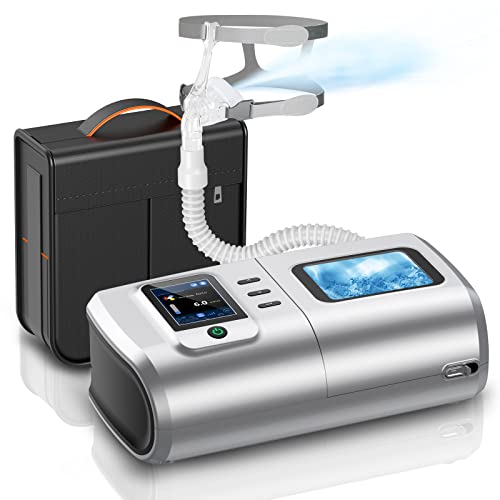
- ✓ Compact and lightweight design
- ✓ Easy to refill and clean
- ✓ Quiet operation
- ✕ Water tank is small
- ✕ Not suitable for long trips
| Device Type | Auto CPAP with integrated humidifier |
| Pressure Range | Typically 4-20 cm H2O (standard for adult CPAP devices) |
| Power Supply | AC power adapter (specific voltage and wattage not specified) |
| Humidifier Capacity | Water tank capacity not explicitly specified, but designed for travel use |
| Weight | Estimated around 1-2 kg based on portable travel CPAP devices |
| Connectivity | Not specified; likely includes standard tubing and mask connection |
It was a surprise to find how lightweight and compact the REMSTAR Plus Auto CPAP with Humidifier is, especially considering it packs so many features. I expected a bulky device, but it feels almost like carrying a sleek tablet in your backpack.
The integrated humidifier is a game changer. You can easily refill the water tank without messing around with separate parts, which is perfect when you’re on the go.
Just a quick reminder—don’t overfill, or water might leak into the tubing. I learned that the hard way and had to clean a bit more than usual.
Setting it up was straightforward. The included travel bag makes it easy to toss in your pack, and the device itself is surprisingly quiet.
I used it overnight during a camping trip, and it didn’t disturb my sleep or my friends’. Plus, the mask fits comfortably and feels secure even when tossing and turning.
One thing I appreciated is that the device sits lower than your head when on a level surface, which helps prevent water from entering the tubing. Just keep the water tank empty during transport, and you’ll avoid any mess.
Regular cleaning is simple too—just warm water and mild detergent, no dishwasher needed.
Overall, this device is a solid choice for anyone who needs effective sleep apnea treatment on the road. It’s lightweight, easy to use, and perfect for backpacking adventures.
Just be mindful of the water level and cleaning routine, and you’re good to go.
C-pap Machine VENTILATOR With HOSE

- ✓ Compact and lightweight
- ✓ Effective condensation reduction
- ✓ Easy to clean and install
- ✕ Slightly expensive
- ✕ Not suitable for life support
| Type | Heated breathing hose for sleep apnea therapy |
| Material | High-quality, durable, weather and chemical resistant plastic |
| Heating Function | Integrated heating wires that warm the gas to reduce condensation |
| Compatibility | Suitable for non-invasive ventilation and sleep apnea treatment devices |
| Length | Standard length (implied for typical CPAP hoses, approximately 6 feet / 1.8 meters) |
| Cleaning and Maintenance | Detachable for easy cleaning and replacement |
Imagine you’re on a weekend backpacking trip, miles away from your usual setup, and it’s the middle of the night. You reach into your pack and pull out what looks like a sleek, compact hose with heating wires running through it.
The lightweight design and flexible material immediately catch your eye, making you think this could be your new best friend in the wilderness.
When you connect this ventilator hose to your portable CPAP machine, it feels surprisingly sturdy yet easy to handle. The heating function kicks in quickly, and you notice how effectively it reduces condensation—no water pooling or dripping inside the tube.
This means less fuss and cleaning in the middle of the night, which is a total game-changer when you’re trying to get a good sleep outdoors.
The ease of installation is a big plus. You can detach and reattach the hose without any hassle, saving you time and effort.
The durable construction gives you confidence that it can withstand the rough and tumble of outdoor adventures, resisting scratches and weathering well.
Cleaning is straightforward, thanks to the design that allows for easy detachment. You’ll find it simple to maintain hygiene, which is especially important when you’re out in nature for multiple nights.
Overall, this hose feels like a smart investment for anyone who needs reliable, portable ventilation support during their outdoor trips.
What Are the Essential Features of a CPAP Machine for Backpacking?
The essential features to consider for a CPAP machine suitable for backpacking include portability, battery life, noise level, and ease of use.
- Portability: A lightweight and compact design is crucial for backpacking, as it makes it easy to carry without adding significant weight to your load. Look for machines that have dimensions conducive to fitting into a backpack and that include travel-friendly features like foldable components.
- Battery Life: Since access to power may be limited while backpacking, a CPAP machine with a long-lasting battery is essential. Some models offer built-in rechargeable batteries or compatibility with external battery packs, ensuring uninterrupted use throughout your trip.
- Noise Level: A quiet operation is important for both the user and fellow campers, as excessive noise can disturb the peace of the outdoors. Look for machines that are specifically designed to operate quietly, typically in the range of 25-30 decibels.
- Ease of Use: User-friendly controls and intuitive settings are vital, especially in outdoor settings where simplicity is key. Machines with straightforward interfaces and easy-to-follow instructions can help ensure a hassle-free experience in a variety of conditions.
- Humidification Options: Some CPAP machines come with integrated humidifiers which can combat dryness during use, especially in arid environments. However, you should consider models that allow for the humidification option to be removed for lighter packing.
- Durability: Backpacking can expose equipment to rugged conditions, so it’s important to choose a CPAP machine built to withstand shocks and environmental elements. Look for devices that are made of robust materials and have protective features to ensure longevity during outdoor adventures.
Which CPAP Machines Are the Lightweight Champions for Backpacking?
The best CPAP machines for backpacking prioritize portability, battery life, and efficiency.
- ResMed AirMini: This is one of the smallest and lightest CPAP machines available, weighing just 0.66 pounds and measuring about the size of a soda can.
- Philips DreamStation Go: This compact CPAP machine weighs only 2.0 pounds and is designed specifically for travel, featuring a foldable design and integrated battery options.
- Transcend 3 Mini CPAP: Weighing in at approximately 1.5 pounds, the Transcend 3 is designed for travelers who need a versatile and lightweight solution.
- Z1 Auto CPAP: At just 1.0 pound, the Z1 Auto is one of the most portable options available, featuring a compact design that easily fits into any travel bag.
The ResMed AirMini features waterless humidification, which is a significant advantage for backpackers looking to save space and weight. It also has a built-in Bluetooth connection for convenient app control and tracking of therapy data.
The DreamStation Go supports a variety of power sources, including an optional battery, making it perfect for extended trips in remote areas. Its user-friendly interface and ability to connect with the DreamMapper app allow users to manage their therapy seamlessly while on the go.
This machine offers a unique feature with its optional portable battery, enabling users to operate it without access to power. It also has a simple, intuitive interface and can fit easily into a backpack, making it an ideal choice for outdoor adventures.
This CPAP machine is equipped with an auto-adjusting feature that adapts to the user’s needs throughout the night, providing customized therapy. It also has a power bank option, allowing for extended use without traditional power sources, which is crucial for camping or hiking trips.
What CPAP Machines Offer the Best Battery Backup Options for Extended Adventures?
When looking for CPAP machines suitable for backpacking that offer reliable battery backup options, several models stand out for their portability and efficiency.
- ResMed AirMini: This compact CPAP machine is designed specifically for travel and backpacking, weighing only about 1.5 pounds. It features an optional battery pack that can provide power for a full night of use, making it ideal for camping and outdoor adventures.
- Philips DreamStation Go: The DreamStation Go is a lightweight and portable CPAP machine that offers a battery accessory for extended use. It’s user-friendly, providing a bright display and built-in connectivity, which allows you to monitor your therapy while on the go.
- Transcend 365: Known for its versatility, the Transcend 365 is one of the smallest CPAP machines available and can run on an optional battery. It is designed for outdoor enthusiasts, featuring a unique design that allows it to be easily packed and used anywhere without compromising on therapy quality.
- Somnetics Transcend Micro: This ultra-portable CPAP is designed for those who need a lightweight solution without sacrificing performance. The Transcend Micro can be paired with a battery pack that provides an impressive runtime, catering well to the needs of backpackers and travelers.
- Z1 Auto Travel CPAP: The Z1 Auto is another excellent option for backpacking, known for its small size and lightweight design. It includes an optional PowerShell battery that allows for convenient use in remote locations, ensuring you can maintain your CPAP therapy even in the wilderness.
How Do Noise Levels of CPAP Machines Impact Sleep While Backpacking?
The noise levels of CPAP machines can significantly affect sleep quality while backpacking, especially in shared or confined spaces.
- Sound Level Ratings: The sound level of CPAP machines is measured in decibels (dB), with quieter machines typically rated below 30 dB.
- Noise Reduction Features: Some CPAP machines come equipped with noise reduction technologies that minimize the sound of airflow and motor operation.
- Impact on Sleep Quality: Higher noise levels can disrupt not only the user’s sleep but also the sleep of fellow campers, potentially leading to a less restful night.
- Portable Options: Many of the best CPAP machines for backpacking are designed to be lightweight and compact, often including features that enhance quiet operation.
- Alternative Solutions: Using additional sound-dampening accessories or white noise machines can help mitigate the impact of noise from CPAP machines while sleeping outdoors.
Sound Level Ratings: The sound level of CPAP machines is measured in decibels (dB), with quieter machines typically rated below 30 dB. Machines in this range are often barely audible, allowing users to maintain a peaceful sleep environment, which is particularly important in the quiet settings often found while backpacking.
Noise Reduction Features: Some CPAP machines come equipped with noise reduction technologies that minimize the sound of airflow and motor operation. These features can include improved design elements such as insulated casings and quieter fans, which are beneficial for users who are sensitive to sound and need to ensure a restful sleep while in nature.
Impact on Sleep Quality: Higher noise levels can disrupt not only the user’s sleep but also the sleep of fellow campers, potentially leading to a less restful night. This is crucial for backpackers who need to recharge after a long day of hiking, as consistent sleep disturbances can lead to fatigue and decreased performance on the trail.
Portable Options: Many of the best CPAP machines for backpacking are designed to be lightweight and compact, often including features that enhance quiet operation. These portable units are specifically engineered to be user-friendly in outdoor settings, ensuring that users can manage their sleep apnea without compromising their adventure.
Alternative Solutions: Using additional sound-dampening accessories or white noise machines can help mitigate the impact of noise from CPAP machines while sleeping outdoors. These solutions can create a more conducive sleeping environment, allowing users to enjoy both the benefits of their CPAP therapy and the tranquility of nature.
What Accessories Are Important for Backpacking with a CPAP Machine?
When backpacking with a CPAP machine, several accessories are essential for ensuring a comfortable and effective experience.
- Portable Power Source: A reliable portable power source, such as a CPAP battery pack or solar charger, is critical for keeping your machine running during remote trips. Many CPAP machines require a significant amount of power, so investing in a high-capacity battery that can handle multiple nights of usage is advisable.
- Travel-Friendly CPAP Case: A durable travel case designed specifically for CPAP machines can protect your device from damage during transit. Look for cases that offer compartments for accessories, tubing, and masks to keep everything organized and easily accessible.
- CPAP Hose Holder: Utilizing a CPAP hose holder can help keep your tubing organized and prevent tangles while you sleep. This accessory can be particularly useful in a tent or shared sleeping space, as it ensures the hose stays in place and reduces the risk of pulling it off during the night.
- Humidifier Option: Some CPAP machines come with a built-in humidifier, while others allow for an external humidifier attachment. When backpacking, having a humidifier can help alleviate dryness in your airways, but consider a portable model that doesn’t consume too much power or space in your pack.
- Mask Liners: CPAP mask liners can provide additional comfort and reduce skin irritation caused by prolonged mask use. They also help in creating a better seal, which can be particularly beneficial in outdoor environments where temperature changes might affect mask performance.
- Extra CPAP Supplies: Always pack extra supplies, including filters, tubing, and masks, in case of damage or malfunction. Having a backup set ensures you won’t have to worry about finding replacements in remote areas, allowing for a more stress-free experience.
- Noise Reduction Accessories: Backpacking often means sharing close quarters, so noise reduction accessories like a sound machine or earplugs can help minimize disturbances from the CPAP machine. This can lead to a more restful night’s sleep for both you and your fellow campers.
How Can You Effectively Maintain Your CPAP Machine During Backpacking Trips?
Maintaining your CPAP machine while backpacking requires careful consideration to ensure it operates effectively in outdoor conditions.
- Power Source: Ensure you have a reliable power source for your CPAP machine, such as a portable battery or solar charger.
- Cleaning Supplies: Bring along basic cleaning supplies to maintain hygiene, including wipes and a brush for the mask and tubing.
- Moisture Control: Use a moisture control system or a heated humidifier that can be easily packed and doesn’t add much weight.
- Transport Case: Use a sturdy and waterproof transport case to protect your CPAP machine from the elements.
- Backup Equipment: Always carry backup equipment like extra tubing or a spare mask in case of damage or loss.
Power Source: A reliable power source is crucial for CPAP operation during backpacking trips. Portable batteries specifically designed for CPAP machines can provide the necessary run time, while solar chargers can be useful for extended trips, allowing you to recharge during the day.
Cleaning Supplies: Keeping your CPAP equipment clean is essential to prevent infections and maintain efficiency. Packing travel-sized cleaning wipes and a small brush will help you quickly clean your mask and tubing after use, ensuring you have a hygienic experience each night.
Moisture Control: Many CPAP users rely on humidifiers for comfort, but they can be bulky and heavy. Consider using a travel-friendly moisture control system or a heated humidifier that fits easily in your backpack while providing adequate moisture without excessive weight.
Transport Case: Protecting your CPAP machine from damage during transit is vital. A waterproof and impact-resistant transport case will shield it from rain, dirt, and potential drops, ensuring your machine remains functional throughout the trip.
Backup Equipment: Always be prepared for the unexpected by carrying backup equipment. Having extra tubing or a spare mask can be a lifesaver if something goes wrong, ensuring that your CPAP therapy continues without interruption while you enjoy your adventure.
What Strategies Can Help You Power Your CPAP Machine in Remote Areas?
When considering the best CPAP machine for backpacking, several strategies can help ensure reliable power in remote areas.
- Portable Battery Packs: Using a portable battery pack designed for CPAP machines can provide a reliable power source when you’re away from electrical outlets.
- Solar Chargers: Solar charging systems can harness sunlight to recharge your CPAP machine’s battery, making them ideal for extended trips in sunny locations.
- DC Power Adaptors: Many CPAP machines come with DC power adaptors that can connect to car batteries or other DC power sources, which can be useful when camping in areas with vehicle access.
- Power Inverters: A power inverter can convert DC power from a car or battery into AC power, allowing you to use standard CPAP machines that require wall outlets.
- Low-Pressure CPAP Machines: Opting for a lightweight, low-pressure CPAP machine can reduce power consumption, allowing your battery or alternative power source to last longer.
- Humidifier Settings: Adjusting or turning off the humidifier function on your CPAP can significantly extend battery life, as humidifiers consume additional power.
Portable battery packs are specifically designed for use with CPAP machines, often allowing for multiple nights of use on a single charge. They come in various capacities, so selecting one with adequate wattage is crucial to ensure compatibility with your device.
Solar chargers work by converting sunlight into electricity, which can be stored in batteries or used directly to power your CPAP machine. They are particularly effective in remote camping situations where traditional power sources are not available, and they can be a sustainable option for long-term backpacking trips.
DC power adaptors are a valuable accessory for those who might be camping near their vehicle, as they allow the use of the car’s battery to power the CPAP machine. This is a practical solution for short trips where you can recharge the car battery as needed.
Power inverters are handy for those who have access to vehicle power; they convert the 12V DC power from a car battery into 110V AC power. This enables you to use your regular CPAP machine, but caution is warranted to avoid draining the car battery completely.
Choosing a low-pressure CPAP machine can lead to reduced power consumption, making them suitable for backpacking. These machines are generally lighter and designed for portability, which is a significant advantage when traveling on foot.
Lastly, managing the humidifier settings can help extend the battery life of your CPAP machine. Many users find that turning off the humidifier or using it sparingly can make a substantial difference in how long their power source lasts during remote outings.
What Real-Life Experiences Do Backpackers Share About Using CPAP Machines?
Backpackers often share varied real-life experiences regarding the use of CPAP machines while on their adventures.
- Portability: Many backpackers emphasize the importance of a lightweight and compact CPAP machine when choosing the best model for their travels.
- Battery Life: Backpackers frequently discuss the necessity of a reliable power source, often opting for CPAP machines with extended battery life or the ability to use portable power banks.
- Noise Levels: The sound produced by CPAP machines can impact the camping experience, leading backpackers to prefer quieter models to avoid disturbing others.
- Humidification Options: Some users find that having a humidifier is essential for comfort, especially in dry environments, while others prefer to minimize weight and forgo this feature.
- Setup Ease: Backpackers often appreciate CPAP machines that are easy to set up and pack away, as they are frequently on the move and require efficiency.
- Durability: The ruggedness of a CPAP machine is crucial for outdoor use, with backpackers looking for models that can withstand harsh conditions and rough handling.
Portability is often highlighted as a crucial factor, with backpackers seeking CPAP machines that are lightweight and compact enough to fit into their limited packing space. Models that can easily be stowed in a backpack without adding excessive weight are typically favored.
Battery life is another significant consideration, as many backpackers venture into areas without access to electricity. They tend to choose CPAP machines that offer long-lasting batteries or compatibility with external power sources, ensuring they can use the device throughout their trip without interruptions.
The noise levels of CPAP machines can greatly affect the camping experience, particularly in quiet natural settings. Backpackers often share that they prefer machines that operate quietly, as this allows for a more peaceful night’s sleep for both themselves and their fellow campers.
Humidification options are a topic of mixed reviews among backpackers. While some find a humidifier essential for comfort, especially in arid conditions, others opt for models without this feature to save on weight and complexity, indicating a balance between comfort and practicality.
Setup ease is appreciated by backpackers who value efficiency and simplicity while on the trail. Quick and straightforward assembly of the CPAP machine allows them to focus more on their adventures rather than technical difficulties.
Finally, durability is a top priority, as backpackers need a CPAP machine that can endure the rigors of outdoor life. Models that can withstand drops, moisture, and rough handling are highly sought after, as reliability in various conditions is essential for a successful trip.
Related Post: