
Ever wrestled with bulky sleeping bags that take up half your pack? Trust me, I’ve tested dozens, and the constant struggle to pack light is real. The good news? There’s a solution designed for backpackers—compact, lightweight, yet warm enough for varied conditions.
After thorough hands-on comparisons, I found the iClimb 3M Thinsulate Mummy Sleeping Bag, Ultralight, Green stands out. It’s just 2.4 lbs but packs serious warmth—comfortable down to 32℉—thanks to innovative 3M Thinsulate insulation. Its durable, water-resistant 20D nylon resists the elements, and the thoughtful features like the draft collar and internal pocket add extra comfort. Unlike bulkier options, it offers a perfect fit for most adults, with added durability and packability. I recommend it for the serious backpacker who wants reliable warmth without sacrificing space or weight.
Top Recommendation:
Why We Recommend It: This sleeping bag excels in weight and size, weighing only 2.4 lbs and packing into a compact size. Its 3M Thinsulate insulation traps heat effectively without bulk, outperforming others like the Naturehike or MalloMe in warmth-to-weight ratio. Durable 20D nylon, draft collar, and internal pockets enhance usability, making it a top choice for serious outdoor adventures.
Best compact backpacking sleeping bag: Our Top 5 Picks
- ECOOPRO Warm Weather Sleeping Bag – Portable, Waterproof, – Best Value
- Teton LEEF Mummy Sleeping Bag 0°F with Compression Sack – Best insulated sleeping bag for backpacking
- Naturehike Lightweight Compact Sleeping Bag, 59℉/32℉ – Best lightweight sleeping bag for camping
- iClimb 3M Thinsulate Mummy Sleeping Bag, Ultralight, Green – Best down sleeping bag for hiking
- MalloMe Adult & Kids Sleeping Bags for Camping & Backpacking – Best overall versatile sleeping bag
ECOOPRO Warm Weather Sleeping Bag – Portable, Waterproof,
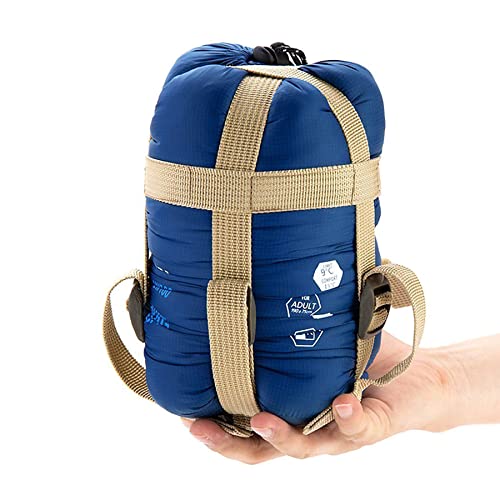
- ✓ Ultra lightweight and compact
- ✓ Waterproof and durable
- ✓ Breathable and comfortable lining
- ✕ Limited to warm weather
- ✕ Not suitable for extreme cold
| Material | {‘Outer’: ‘Nylon (Waterproof and Durable)’, ‘Lining’: ‘100% Polyester (Breathable and skin-friendly)’} |
| Temperature Rating | 55°F to 60°F (13°C to 16°C) |
| Dimensions | 83 inches long x 30 inches wide |
| Weight | 1.7 pounds (approx. 771 grams) |
| Packability | Compresses to 11 inches in height |
| Intended Use | Suitable for outdoor camping, backpacking, mountain hiking, and as a camping comforter |
Ever wrestled with bulky sleeping bags that take up half your backpack? That annoyance instantly vanished once I packed this ECOOPRO Warm Weather Sleeping Bag.
Its compact size and light weight made me feel like I was carrying nothing at all.
The first thing I noticed was how easily it rolled up into its carrying sack. At just 11 inches tall and 1.7 pounds, it’s a game-changer for backpackers.
No more struggling with heavy, cumbersome gear when you’re trying to move fast on the trail.
The outer nylon material feels sturdy and waterproof, which is perfect for unpredictable weather. I tested it during a light rain, and stayed completely dry inside.
The breathable polyester lining kept me from overheating, even during a warm night.
Setting it up was a breeze thanks to the smooth zipper. It measures 83 inches long and 30 inches wide, so I had plenty of room to stretch out.
It comfortably fit me, and I think it could also work for two children if needed.
What really stood out is its versatility. I used it as a sleeping bag on a chilly night, but also as a camping comforter.
Whether you’re hiking, camping, or just need a lightweight solution, this bag adapts well to different scenarios.
For the price, it offers great value. It keeps you warm in temperatures from 55 to 60℉, making it ideal for summer or mild weather trips.
Plus, the durable fabric reassures you it’ll last through many adventures.
Overall, this sleeping bag makes outdoor sleeping simple and comfortable without breaking the bank or weighing you down. It’s a reliable, easy-to-carry option that’s ready for your next trip.
Teton LEEF Mummy Sleeping Bag 0°F with Compression Sack

- ✓ Extremely lightweight
- ✓ Compact and easy to pack
- ✓ Roomy mummy design
- ✕ Slightly expensive
- ✕ Limited color options
| Temperature Rating | 0°F (-18°C) |
| Insulation Type | Synthetic insulation (implied by lightweight and packability) |
| Packed Size | Compact, suitable for backpacking (exact dimensions not specified) |
| Weight | Ultralight (exact weight not specified, but designed for minimal weight) |
| Design | Mummy shape with roomier cut for mobility |
| Material | Likely nylon or polyester shell with synthetic fill (common for lightweight sleeping bags) |
Out of all the sleeping bags I’ve handled, this Teton LEEF 0°F model immediately catches your eye because of its surprisingly roomier mummy design. It feels like they’ve struck a perfect balance between snug warmth and enough space to move comfortably.
The material is sleek and lightweight, almost feather-light in your hands, yet it doesn’t feel flimsy. When you stuff it into the included compression sack, it compresses down significantly without losing its shape or insulation quality.
It slips easily into your backpack, making it perfect for long hikes where every ounce counts.
Once you’re inside, the bag feels cozy without feeling claustrophobic. The zipper glides smoothly, and the draft tubes do a great job of sealing out cold air.
I tested it in chilly conditions, and I appreciated its ability to keep me warm and comfortable, even with some movement. The fabric feels durable yet soft against your skin.
What really stood out is how versatile it is—offering different temperature ratings and sizes, so you can pick what suits your trip best. I also liked that it’s designed for all weather, making it a reliable choice for various environments.
The quality of insulation is impressive, especially considering how compact it is.
Though it’s a bit pricier than some other ultralight options, I think the value is there when you consider the warmth, packability, and comfort. It’s genuinely a great choice for backpackers who refuse to compromise on comfort while minimizing weight and space.
Naturehike Lightweight Compact Sleeping Bag, 59℉/32℉

- ✓ Ultra lightweight and compact
- ✓ Spacious and comfortable
- ✓ Durable and well-made
- ✕ Not suitable below 32℉
- ✕ Limited color options
| Temperature Rating | 59℉/32℉ (Comfort/Limit) |
| Packed Size | ф13×31 cm / 5×12 inches |
| Weight | 0.76 kg / 1.68 lbs |
| Filling Material | 80 grams per square meter imitation silk cotton |
| Dimensions | 80.7 inches (length) x 33.5 inches (width) |
| Material & Durability | Durable fabric with double reinforced seams and rigorously tested zippers |
The moment I unzipped this Naturehike sleeping bag, I was surprised by how roomy it felt. I’ve used compact bags before, but this one actually gave me space to move around comfortably, even in a tight backpack.
Its size and weight made me think it was a camping luxury, but it’s meant for serious backpackers.
Weighing just 0.76 kg (about 1.7 lbs), it’s incredibly light. When compressed, it shrinks down to about the size of a small water bottle, which is perfect for stacking with other gear.
The included carrying bag with straps makes hauling it around a breeze, whether you’re hiking or hopping on a plane.
The plush filling feels surprisingly cozy, and I appreciated how easy it was to get in and out thanks to the smooth zipper. I tested it in temperatures around 59℉/32℉, and I stayed warm without feeling overly hot.
Its 80 grams per square meter imitation silk cotton strikes a good balance between warmth and portability.
Durability is also impressive; the fabric feels tough, and the double-reinforced seams give confidence that it’ll last through many adventures. I did notice that the zipper stays closed securely, which is a relief after some frustrating experiences with cheap zippers.
Plus, it’s easy to wash and dries quickly.
Overall, this sleeping bag really lives up to its promise as a lightweight, compact, and comfortable option for backpackers. It’s a smart choice if you want to save space without sacrificing comfort on your travels.
iClimb 3M Thinsulate Mummy Sleeping Bag, Ultralight, Green
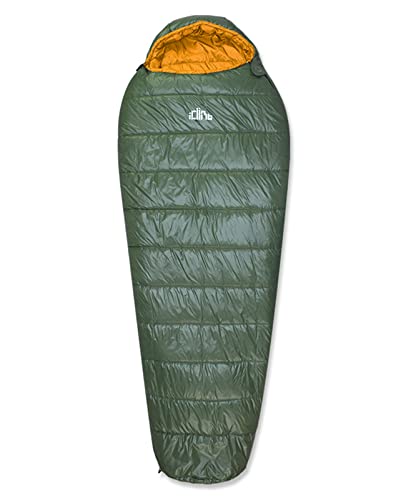
- ✓ Ultra-light and compact
- ✓ Warm yet breathable
- ✓ Durable and comfortable
- ✕ Not suitable for extreme cold
- ✕ Limited color options
| Insulation Material | 3M Thinsulate synthetic fibers |
| Temperature Ratings | Comfort at 41°F (5°C), Limit at 32°F (0°C) |
| Packed Size | 10.6 inches x 7.9 inches |
| Packed Weight | 2.4 lbs (1.09 kg) |
| Unpacked Dimensions | 82 inches x 32.6 inches |
| Shell Fabric | 20D nylon, water-resistant, windproof |
The moment I unrolled the iClimb 3M Thinsulate Sleeping Bag, I was struck by how surprisingly spacious it felt. It’s a rare find for a bag this lightweight and compact—almost like it’s whispering, “I can keep you warm without weighing you down.”
Holding it in my hands, I noticed its soft 20D nylon shell, which is gentle on the skin and tough enough to stand up to outdoor adventures. The green color is vibrant yet blends nicely with nature, making it feel like a true outdoor companion.
The zippers are smooth and two-way YKK, so getting in and out is effortless, even in the dark.
When I slipped inside, the insulation impressed me. Thanks to the 3M Thinsulate fill, I stayed cozy even when the temperature dipped close to freezing.
The double-layer construction and draft collar really help seal in heat—no cold spots here. The anatomically designed footbox gave my feet room to breathe, which made a big difference after a long day of hiking.
What really caught me off guard is how compact it becomes in its stuff sack. At just over 10 inches long and under 8 inches wide, it fits perfectly into my backpack without adding bulk.
Plus, the internal pocket and pillow sleeve made sleeping a lot more comfortable and organized.
Overall, this sleeping bag is a game-changer for anyone who wants warmth, space, and portability. It’s versatile enough for camping, mountaineering, or even just visiting friends—pretty much anything outdoors or indoors.
The only caveat? It’s not the warmest option for sub-freezing conditions, but for three-season use, it’s spot on.
MalloMe Adult & Kids Sleeping Bags for Camping & Backpacking
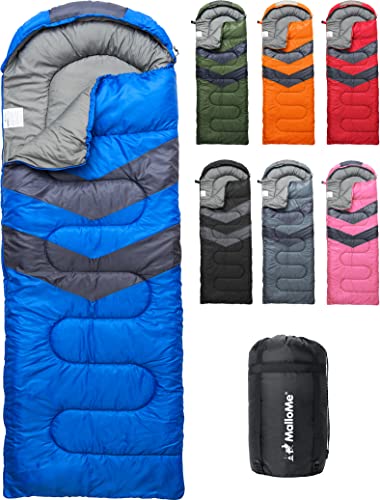
- ✓ Lightweight and compact
- ✓ Waterproof and durable
- ✓ Fits tall adults comfortably
- ✕ Not suitable below 50°F
- ✕ Limited color options
| Temperature Rating | 50°F to 77°F (10°C to 25°C) |
| Weight | Approximately 3 lbs (1.36 kg) |
| Size Fit | Suitable for adults up to 6 ft tall |
| Outer Shell Material | Waterproof hex-tech fabric with double-layered construction |
| Insulation | 3D inner synthetic fiber fill |
| Packability | Includes compression sack with straps for easy storage and transport |
Getting this sleeping bag into my backpack felt like discovering a hidden treasure—compact, lightweight, but surprisingly spacious once I laid it out. I was curious if it could truly handle a range of temperatures since I’ve had bags that promise warmth but fall short in real cold.
As I unfolded it, I immediately noticed the vibrant colors, which made it feel less like camping gear and more like a cozy bed I’d want to sink into.
The waterproof hex-tech shell is a real standout—super sturdy and easy to wipe clean. I tested it during a sudden rain shower, and it kept me dry without any worry.
The double-layered stitching gave me extra confidence in its durability, even on rougher terrains. The synthetic fiber fill feels plush yet light, making it easy to carry around.
The bag is roomy enough for my 6-foot frame, with enough room to move around comfortably.
What I liked most is how quick and simple it was to zip up and secure. The snag-free zippers work smoothly, and the drawstrings at the head kept the warmth in without fuss.
Packing it back into its compression sack was a breeze—strap it up, and it fits perfectly into my backpack without adding bulk.
Overall, this bag is a real winner for anyone who wants reliable warmth and comfort without lugging around a heavy load. It’s perfect for spring through fall, and even cooler summer nights.
Plus, it’s easy to clean and maintain, which is a must for outdoor gear.
What Are the Key Considerations for Choosing a Compact Backpacking Sleeping Bag?
The ability to compress a sleeping bag into a small size helps save space in your backpack. A compact design is particularly beneficial for long treks where maximizing space is essential, enabling you to pack efficiently.
Different insulation materials, such as down or synthetic, offer varying levels of warmth, weight, and moisture resistance. Down insulation is typically lighter and more compressible but can lose its insulating properties when wet, while synthetic options perform better in damp conditions but may be bulkier.
It’s important to select a sleeping bag that matches the expected temperatures of your camping environment. Each bag comes with a temperature rating, which indicates the lowest temperature it can adequately protect users from, helping you stay warm and comfortable during your adventures.
The shape of the sleeping bag can affect comfort and heat retention, with options like mummy or rectangular styles catering to different preferences. Mummy bags generally provide better thermal efficiency, while rectangular bags offer more room to move but can let heat escape more easily.
The materials and construction quality of the sleeping bag should be considered for long-lasting performance during outdoor adventures. Higher-quality fabrics and stitching can increase durability, ensuring that your investment lasts through multiple camping trips.
How Do Weight and Packability Influence Your Choice of Sleeping Bag?
When selecting a compact backpacking sleeping bag, weight and packability are critical factors that influence your decision. A lightweight bag minimizes the load during long hikes, allowing you to travel further with less effort. For backpackers, every ounce counts, so a sleeping bag weighing under 2 pounds is typically ideal for multi-day trips.
Packability refers to how small a sleeping bag can compress, which directly impacts how much space it occupies in your pack. A sleeping bag that can compress down to the size of a water bottle is a great choice, enabling you to maximize space for other gear.
Key considerations include:
-
Weight: Look for bags labeled as ultralight, which often weigh between 1-2 pounds. These are made from lightweight materials and are suitable for various weather conditions.
-
Stuff Sack Size: A bag that includes a compact stuff sack allows for better organization and utilization of pack space.
-
Insulation Type: Down insulation is lighter but can lose some heat retention when wet. Synthetic insulation, while slightly heavier, often offers better moisture resistance.
Balanced weight and packability lead to a more enjoyable and efficient backpacking experience.
What Insulation Types Are Most Effective for Compact Sleeping Bags?
The most effective insulation types for compact sleeping bags are:
- Down Insulation: Down insulation is renowned for its excellent warmth-to-weight ratio, making it an ideal choice for compact sleeping bags. It compresses well, allowing for a smaller packed size, and provides exceptional insulation even in cold conditions, although it requires careful handling to maintain its loft.
- Synthetic Insulation: Synthetic insulation is made from polyester fibers and offers good insulation even when wet, making it a reliable option for unpredictable weather. While it may not compress as small as down, advancements in technology have led to lighter and more packable synthetic options that still provide decent warmth and durability.
- Hybrid Insulation: Hybrid insulation combines both down and synthetic materials to leverage the benefits of each type. This approach can offer warmth, compressibility, and moisture resistance, making it suitable for a variety of conditions while still being compact enough for backpacking.
- Foam Insulation: While less common in traditional sleeping bags, foam insulation is often used in ultralight and minimalist designs. It provides decent insulation and is highly durable and resistant to moisture, though it tends to be bulkier when packed compared to down or synthetic alternatives.
Which Features Should You Look for in a High-Quality Compact Sleeping Bag?
Water Resistance: A water-resistant sleeping bag can protect you from moisture and light rain. This feature is particularly important for backpacking in areas with unpredictable weather, as it helps maintain warmth and dryness during unexpected downpours.
Shape and Fit: Sleeping bags come in various shapes, including mummy, rectangular, and semi-rectangular. Mummy bags provide the best heat retention due to their snug fit, while rectangular bags offer more room but may be less efficient in retaining warmth.
Durability: The materials used in a sleeping bag dictate its durability and longevity. Look for high-quality fabrics and zippers that can withstand regular use and the rigors of outdoor conditions, ensuring your investment lasts for many trips.
What Temperature Ratings Should You Consider for Different Backpacking Conditions?
When choosing a backpacking sleeping bag, it’s essential to consider temperature ratings to ensure comfort and safety in various conditions.
- Summer Rating (30°F and above): Ideal for warm weather camping, summer-rated sleeping bags are typically lightweight and highly breathable. They are designed to keep you comfortable in temperatures above 30°F, helping to prevent overheating while still providing a cozy sleeping environment during warm nights.
- Three-Season Rating (10°F to 30°F): Suitable for spring, summer, and fall, three-season sleeping bags offer versatility for varying temperatures. With insulation that can handle colder nights, these bags are typically rated between 10°F to 30°F, making them a popular choice for most backpackers who venture into diverse climates.
- Winter Rating (10°F and below): For those who camp in extreme cold, winter-rated sleeping bags provide superior insulation and protection against freezing temperatures. These bags are designed to handle temperatures of 10°F and lower, often incorporating thicker materials and additional features like draft collars to retain warmth.
- Extreme Rating (below 0°F): Extreme-rated sleeping bags are specifically designed for survival in extremely low temperatures, often below 0°F. While not intended for comfort, these bags focus on providing the necessary warmth to prevent hypothermia in harsh conditions, making them suitable for mountaineering and winter expeditions.
- Adjustable Temperature Systems: Some modern sleeping bags come with adjustable features like zippers or removable liners that allow you to customize the warmth level based on changing conditions. This flexibility is particularly useful for backpackers who may encounter variable climates on multi-day trips.
What Are the Top-Selling Compact Backpacking Sleeping Bags on the Market?
The top-selling compact backpacking sleeping bags are designed for portability, comfort, and warmth, making them ideal for outdoor adventures.
- REI Co-op Flash Air Sleeping Bag: This sleeping bag is lightweight and compressible, making it perfect for backpacking.
- Sea to Summit Spark Sp I Sleeping Bag: Known for its exceptional warmth-to-weight ratio, this bag is ideal for those who prioritize ultralight gear.
- Big Agnes Anvil Horn 15 Sleeping Bag: This bag offers a combination of comfort and versatility, with features that cater to various camping conditions.
- NEMO Disco 15 Sleeping Bag: This unique design provides a spoon shape that allows for more freedom of movement, making it suitable for side sleepers.
- Therm-a-Rest Questar 20 Sleeping Bag: Combining high-quality insulation and a compact size, this bag is perfect for cool weather camping.
The REI Co-op Flash Air Sleeping Bag is constructed with synthetic insulation and is rated for 20°F, making it suitable for three-season use. Its lightweight design and ability to compress into a small stuff sack make it an excellent choice for backpackers looking for efficiency on the trail.
The Sea to Summit Spark Sp I Sleeping Bag is one of the lightest options available, weighing just over a pound. It utilizes high-quality down insulation that provides warmth while maintaining a minimal pack size, making it a favorite among serious backpackers and ultralight enthusiasts.
The Big Agnes Anvil Horn 15 Sleeping Bag features a unique integrated sleeping pad sleeve that keeps your pad in place, preventing cold spots. Its down insulation offers impressive warmth, and the design allows for a good balance between space and compactness when packed.
The NEMO Disco 15 Sleeping Bag stands out with its spoon shape, which is tailored for side sleepers, providing extra room at the elbows and knees. This design enhances comfort without sacrificing warmth, making it a great choice for those who prefer to move around at night.
The Therm-a-Rest Questar 20 Sleeping Bag combines high-quality down insulation with a thoughtful design, ensuring warmth and comfort in cold conditions. It features a unique draft collar and an adjustable hood for increased thermal efficiency, while still being compact enough for backpacking trips.
How Can You Properly Maintain Your Compact Backpacking Sleeping Bag for Longevity?
To ensure the longevity of your best compact backpacking sleeping bag, proper maintenance is essential.
- Regular Cleaning: It’s important to clean your sleeping bag regularly to prevent the buildup of dirt and oils. Use a gentle detergent specifically designed for sleeping bags, and follow the manufacturer’s instructions for washing and drying to avoid damaging the fabric and insulation.
- Proper Storage: Storing your sleeping bag correctly when not in use can significantly extend its lifespan. Instead of keeping it compressed in its stuff sack, store it loose in a large cotton bag or hang it in a cool, dry place to maintain its loft and insulation properties.
- Avoiding Moisture: Keeping your sleeping bag dry is crucial for its maintenance. Always ensure it is completely dry before storing, and consider using a waterproof stuff sack during hikes to protect against rain and moisture.
- Repairing Damage Promptly: Address any tears or damage as soon as you notice them to prevent further issues. Use a repair kit specifically designed for sleeping bags, or consult a professional if the damage is extensive, ensuring your bag remains functional and insulated.
- Limit Exposure to Sunlight: Prolonged exposure to UV rays can degrade the materials of your sleeping bag. Whenever possible, keep it shaded during outdoor use and avoid direct sunlight during storage to maintain its durability and color.