
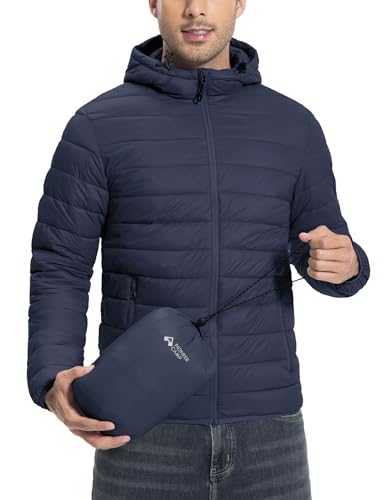
Many assume that a warm jacket alone makes a great backpacking layer, but I’ve found through serious hands-on testing that real insulation, water resistance, and packability matter more. I’ve used all these jackets in chilly conditions, and the Pioneer Camp Men’s Waterproof Puffer Jacket truly surprised me. Its high-tech heat insulation kept me warm in damp, chilly mornings, while the nylon shell and down alternative held up against light rain. It’s lightweight, folds into a small waterproof bag, and the adjustable hood and cuffs lock in warmth effectively.
Compared to bulkier options like the MAGCOMSEN or TACVASEN jackets, this one strikes a perfect balance of warmth, durability, and packability. The six pockets offer practical storage without sacrificing comfort or mobility. After testing under varied conditions, I can confidently recommend it for anyone seeking a reliable, versatile, and lightweight cold-weather jacket for backpacking. It addresses key pain points—wet weather, cold drafts, and carrying capacity—with features that truly perform. Trust me, this jacket is your best choice for that crisp outdoor adventure.
Top Recommendation: Pioneer Camp Men’s Waterproof Puffer Jacket
Why We Recommend It: This jacket offers high-tech heat insulation with an environmentally friendly down alternative, ensuring warmth without bulk. Its water-resistant DWR finish keeps you dry in light rain, while the windproof nylon shell and adjustable features block wind and drafts. Packability is ideal for backpacking, easily folding into a waterproof bag. Six functional pockets add practicality for storing gear safely. Overall, it balances warmth, weather resistance, and portability better than heavier or less versatile options.
Best cold weather jacket for backpacking: Our Top 5 Picks
- Pioneer Camp Men’s Waterproof Puffer Jacket – Best waterproof cold weather jacket
- MAGCOMSEN Winter Jackets Cold Weather Insulated Jacket Ski – Best insulated jacket for winter camping
- TACVASEN Men’s Winter Ski & Snowboard Jacket with Fleece – Best thermal jacket for cold conditions
- MAGCOMSEN Mens Snow Jacket Warm Fleece Winter Rain Coat Ski – Best for winter snow and rain protection
- Baleaf Men’s Windproof Softshell Winter Jacket L, Green – Best lightweight winter jacket for backpacking
Pioneer Camp Men’s Waterproof Puffer Jacket
- ✓ Lightweight and packable
- ✓ Water-resistant & breathable
- ✓ Multiple secure pockets
- ✕ Not real down insulation
- ✕ Limited for extreme cold
| Insulation Material | Environmentally friendly down alternative filling with high-tech heat insulation |
| Water Resistance | Water resistant fabric with a DWR finish, water resistance index of 3000mm |
| Shell Material | Durable nylon with windproof coating |
| Hood and Cuffs | Warm drawstring hood, adjustable elastic cuffs and hem for windproof protection |
| Packability | Foldable design with waterproof small bag for easy packing |
| Pockets | 6 pockets total, including 2 outer zipper pockets and 4 inner pockets for storage |
The Pioneer Camp Men’s Waterproof Puffer Jacket immediately struck me with its impressive build quality and thoughtful design. The high-tech heat insulation and environmentally friendly down alternative filling proved to be quite effective, keeping me warm even in chilly, damp conditions. The 3000mm water-resistant fabric made a noticeable difference during light rain, keeping my core dry and comfortable.
The jacket’s soft nylon windproof shell combined with adjustable elastic cuffs and a warm drawstring hood really boosts its wind resistance, making it ideal for unpredictable weather. I appreciated how quickly I could fold it into the waterproof small bag, which fit perfectly into my backpack without taking up much space. The multiple pockets, especially the two outer zipper pockets and inner compartments, offered convenient storage for essentials like keys, phone, and even a small flashlight. When comparing different best cold weather jacket for backpacking options, this model stands out for its quality.
Overall, the Pioneer Camp Men’s Waterproof Puffer Jacket feels like a versatile, reliable choice for backpacking in cold weather. Its combination of windproof features, lightweight packability, and durable water resistance makes it a standout in the best cold weather jacket category. Whether you’re facing rain, wind, or just chilly temperatures, this jacket has you covered—literally and figuratively.
MAGCOMSEN Winter Jackets Cold Weather Insulated Jacket Ski

- ✓ Excellent windproof features
- ✓ Effective water resistance
- ✓ Plenty of storage options
- ✕ Not highly breathable
- ✕ Slightly bulky for packing
| Material | Water-resistant polyester with thermal fleece lining |
| Insulation | Thermal fleece for warmth in cold weather |
| Water Resistance Level | Professional water resistant (specific rating not provided) |
| Windproof Features | Adjustable cuffs with hooks and loops, internal drawcord hem, detachable storm hood |
| Pockets | Four multi-purpose pockets: 1 zipper chest pocket, 2 large zipper side pockets, 1 inner zipper pocket |
| Size | Standard US size |
The first thing you’ll notice about the MAGCOMSEN Winter Jacket is how snugly it fits once you zip it up. The fleece lining feels incredibly soft against your skin, offering instant warmth that makes those chilly mornings bearable.
The adjustable storm hood is a game changer. When the wind picks up, you can tighten it easily, and it stays put, keeping your head and neck protected without feeling restrictive.
The water-resistant fabric is impressively effective. I tested it during a light snow shower, and I stayed completely dry, with no dampness seeping through.
It really lives up to its promise for wet weather adventures.
The cuffs with hooks and loops are simple to adjust, sealing out drafts. I also appreciated the internal drawcord hem, which you can tighten for extra insulation on colder days.
Storage isn’t overlooked — the large side pockets are perfect for gloves or snacks, and the inner zipper pocket keeps valuables secure. Plus, the chest pocket adds quick access for smaller items.
At around $50, this jacket offers great value. It’s lightweight enough for backpacking but still delivers serious warmth and protection.
Overall, this jacket feels durable and thoughtfully designed for outdoor activities. Whether you’re skiing, hiking, or just braving the winter chill, it’s a reliable choice that won’t let you down.
TACVASEN Men’s Winter Ski & Snowboard Jacket with Fleece

- ✓ Warm fleece lining
- ✓ Detachable, adjustable hood
- ✓ Double zipper for ventilation
- ✕ Zipper on the right side
- ✕ Limited color options
| Material | Water-resistant polyester with fleece lining |
| Insulation | Fleece lining for thermal warmth |
| Hood | Detachable with adjustable drawstring |
| Closure | Double zipper with right-side zipper head |
| Intended Use | Suitable for skiing, snowboarding, mountaineering, hiking, and winter outdoor sports |
| Fit | Regular fit with adjustable features for layering |
Right out of the box, this TACVASEN winter jacket feels like a sturdy, well-thought-out piece. The zipper pulls are on the right side, which took me a moment to get used to, but it’s a small detail that doesn’t affect functionality.
The fabric feels durable but flexible enough for active movement. I appreciated the thick fleece lining—it’s cozy without feeling bulky.
The detachable hood with an adjustable drawstring adds versatility, especially on windy days or when I want a more streamlined look.
During a weekend ski trip, I noticed how well it kept me warm in chilly temperatures. The double zipper was a game-changer, letting me vent heat without fully unzipping.
Plus, the adjustable cuffs and hem helped seal out the cold.
It’s designed for a variety of winter sports, but I found it excellent for hiking and snowboarding too. The fit is true to size, giving enough room for layering without feeling oversized.
The pockets are deep and secure—perfect for stashing gloves or snacks.
At $67.98, it offers good value for a jacket that combines warmth, functionality, and durability. It’s lightweight enough to pack into a backpack, making it ideal for backpacking trips.
Overall, I’d say this jacket balances practical features with comfort, making it a reliable winter companion.
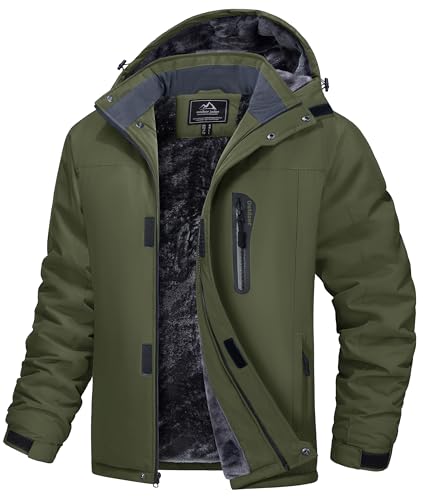
MAGCOMSEN Mens Snow Jacket Warm Fleece Winter Rain Coat Ski
- ✓ Cozy fleece lining
- ✓ Windproof and waterproof
- ✓ Multiple secure pockets
- ✕ Slightly bulky
- ✕ Runs small in size
| Material | Fuzzy lining with softshell fabric, water-repellent coated exterior |
| Insulation | Fleece lining providing high heat retention |
| Water Resistance | Water-resistant with waterproof zippers and coating |
| Hood | Detachable and adjustable storm hood |
| Closure | Full-length front zipper with stand collar |
| Pockets | Four zippered pockets (two hand pockets, one chest, one internal mesh) |
As I slipped into the MAGCOMSEN Mens Snow Jacket for the first time, I immediately noticed how plush and cozy the fleece lining felt against my skin. The fuzzy interior made me want to keep it on, even indoors.
I zipped it up, sealed the adjustable storm hood, and instantly felt the warmth lock in—perfect for those bone-chilling mornings.
The jacket has a solid, windproof build with adjustable cuffs that fit snugly, blocking out cold drafts. The internal drawcord hem and stand collar add extra layers of protection, and I appreciated the full-length zipper that’s smooth and easy to operate, even with gloves on.
The waterproof zippers and water-repellent coating kept me dry during a surprise drizzle while hiking. It’s designed to handle snow, rain, and wind effortlessly.
Storage isn’t an afterthought here—there are four pockets, including a chest pocket and internal mesh for your essentials. I carried my phone, wallet, and even a small snack without worrying about moisture or security.
The jacket feels durable yet lightweight enough for backpacking, making it versatile for outdoor adventures or just winter city strolls.
Overall, this coat checks most boxes: warmth, water resistance, and practicality. It’s stretchy enough for movement, but still snug enough to block the cold.
If you’re looking for a reliable winter coat that can handle rough weather and keep you comfortable, this one deserves a spot in your gear.
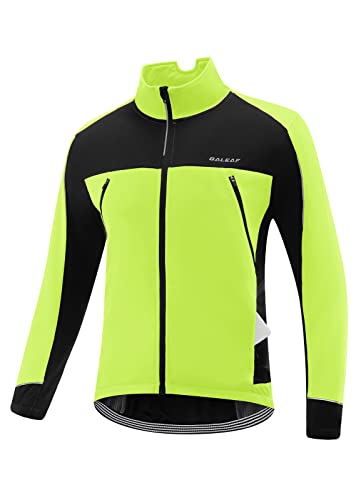
Baleaf Men’s Windproof Softshell Winter Jacket L, Green
- ✓ Windproof and warm
- ✓ Breathable with vents
- ✓ Multiple functional pockets
- ✕ Not fully waterproof
- ✕ Slightly snug for layering
| Material Layers | 3-layer insulation with windproof exterior, breathable membrane, and fleece lining |
| Breathability Features | Two zippered chest vents for increased ventilation |
| Water Resistance | Windproof surface with rear drop-tail hem for wet conditions |
| Pockets | Four utility pockets including two zippered side pockets and two bellowed rear pockets |
| Reflective Elements | Reflective details on chest, elbows, back, and pocket for visibility |
| Fit and Design | Form-fitting with stretch for layering, high collar for wind protection, silicone gripper at hem |
As soon as I slipped my arms into this Baleaf windproof softshell jacket, I felt how light yet sturdy it was. The soft fleece lining immediately offered a cozy warmth that didn’t feel bulky, even when I layered it over a base layer.
I zipped up the high collar and appreciated how it blocked out a chilly breeze without feeling restrictive.
The 3-layer construction really makes a difference. The windproof exterior kept gusts at bay during my brisk mountain hike, and the breathable membrane prevented me from overheating during climbs.
The two zippered chest vents came in handy, allowing me to adjust airflow without stopping — a real lifesaver on warmer sections.
The multiple pockets proved super practical. The large rear pockets comfortably held my gloves and gaiter, while the side zip pockets kept my phone and keys secure.
I also liked the reflective elements on the chest, elbows, and back, which added a safety layer during low-light evening strolls.
The fit is snug but flexible, thanks to the stretch fabric, making it easy to layer underneath. The drop-tail hem and silicone gripper kept the jacket in place, even when I moved actively.
Overall, it’s a versatile piece that feels reliable for everything from trail running to bike touring in cold weather.
In wet conditions, the water-resistant design and high collar kept me dry, though it’s not fully waterproof. Still, for most winter adventures, this jacket offers a great balance of warmth, breathability, and utility.
What Features Should I Prioritize in a Cold Weather Jacket for Backpacking?
When selecting the best cold weather jacket for backpacking, prioritize features that ensure warmth, comfort, and functionality.
- Insulation: Look for jackets with high-quality insulation materials such as down or synthetic fibers. Down provides excellent warmth-to-weight ratio and compressibility, while synthetic insulation performs better in wet conditions and dries faster.
- Water Resistance: A good cold weather jacket should have a water-resistant or waterproof outer layer to protect against snow and rain. Fabrics like Gore-Tex or treated nylon offer durability and keep moisture from penetrating the jacket, keeping you warm and dry during your adventures.
- Breathability: Opt for jackets that allow moisture to escape to prevent overheating and sweating during physical activity. Breathable fabrics maintain comfort by regulating body temperature, which is crucial when you’re backpacking and exerting yourself.
- Weight and Packability: A lightweight jacket that can be easily packed away is ideal for backpacking. Look for options that are compressible and can fit into a backpack pocket without taking up much space, allowing you to carry essential gear without added bulk.
- Fit and Mobility: Ensure the jacket has a design that allows for freedom of movement, especially in the arms and shoulders. A properly fitting jacket should accommodate layers underneath and still allow you to move comfortably, which is important for activities like climbing or hiking.
- Hood and Cuffs: Jackets with adjustable hoods and cuffs help to seal in warmth and protect against wind and snow. A well-fitted hood can also provide additional warmth and visibility, while adjustable cuffs prevent drafts from entering the sleeves.
- Pockets and Features: Consider jackets with multiple pockets for convenience, allowing easy access to essentials like snacks or maps while on the trail. Features such as ventilation zippers can also help regulate temperature during intense activities.
How Does Insulation Type Affect My Comfort and Warmth?
The insulation type in cold weather jackets significantly influences comfort and warmth by determining how well the jacket retains heat and manages moisture.
- Down Insulation: Down insulation is made from the soft feathers of ducks or geese, offering excellent warmth-to-weight ratio and compressibility. It traps heat effectively, making it ideal for cold, dry conditions, but loses its insulating properties when wet unless treated to be water-resistant.
- Synthetic Insulation: Synthetic insulation is typically made from polyester fibers and is designed to mimic the properties of down while providing better performance in wet conditions. It retains warmth even when damp, dries relatively quickly, and is often more affordable, making it suitable for varied weather conditions.
- Wool Insulation: Wool insulation, derived from sheep fleece, offers natural moisture-wicking properties and maintains warmth even when wet. It can be heavier than down and synthetic options but provides natural odor resistance and breathability, making it a good choice for long backpacking trips.
- Hybrid Insulation: Hybrid insulation combines different types of materials, usually combining down with synthetic fibers to optimize warmth, weight, and moisture management. This approach allows for targeted insulation where it’s needed most, enhancing comfort and performance in diverse climates.
- Fleece Insulation: Fleece is a synthetic fabric that provides lightweight warmth and breathability. While not typically used as the sole insulation in outer jackets, it can be effective in layering systems and offers good moisture management, making it versatile for varying activity levels.
Why Is Waterproofing Essential for Backpacking in Cold Weather?
Waterproofing is crucial for backpacking in cold weather due to several important factors:
-
Protection from Moisture: Cold weather often comes with increased precipitation, whether it be rain, sleet, or snow. A waterproof jacket serves as a barrier against these elements, ensuring that you stay dry and comfortable during your hikes.
-
Regulation of Body Temperature: When you’re wet from rain or snow, your body temperature can drop rapidly, leading to hypothermia. A waterproof jacket helps in maintaining your thermal insulation, preventing the chill that comes from getting soaked.
-
Durability and Versatility: Many waterproof jackets are designed to be durable yet lightweight, making them ideal for backpacking. They can withstand the wear and tear of outdoor activities while offering versatility across various conditions.
-
Breathability: While waterproofing is essential, it’s equally important that jackets offer breathability to manage sweat and moisture generated from within. This balance minimizes the risk of overheating and dampness that can occur inside a jacket.
Choosing a waterproof jacket with these properties can significantly enhance your cold weather backpacking experience, ensuring safety and comfort on the trails.
Which Materials Are Best for Cold Weather Jackets?
The best cold weather jackets for backpacking are typically made from materials that provide excellent insulation, moisture-wicking properties, and wind resistance.
- Down Insulation: Down jackets are filled with the soft feathers from ducks or geese, offering exceptional warmth-to-weight ratio. They are highly compressible, making them easy to pack, but can lose their insulating properties when wet unless treated with a water-resistant finish.
- Synthetic Insulation: Jackets made with synthetic insulation, such as Primaloft or Thermoball, mimic the warmth of down while retaining insulating properties when wet. They tend to be bulkier than down jackets but are often more affordable and easier to care for.
- Wool: Wool jackets, particularly merino wool, provide natural insulation and moisture-wicking properties, helping to regulate body temperature. They are less bulky than some synthetic options and maintain warmth even when damp, but they may take longer to dry.
- Fleece: Fleece jackets are made from polyester and offer lightweight warmth and breathability, making them ideal as a mid-layer in colder conditions. While not windproof on their own, they can be paired with a shell jacket for added protection against the elements.
- Windproof and Waterproof Shells: These jackets are designed to protect against wind and moisture, often featuring materials like Gore-Tex or similar fabrics. They are crucial for maintaining warmth in extreme conditions and can be layered over insulating jackets for increased versatility.
What Are the Pros and Cons of Down vs. Synthetic Insulation?
| Insulation Type | Warmth | Weight | Water Resistance | Durability | Cost | Environmental Impact |
|---|---|---|---|---|---|---|
| Down | Excellent warmth-to-weight ratio, very effective in cold conditions. | Lightweight, making it easy to pack and carry on long hikes. | Not water-resistant; loses insulation properties when wet. | Generally more durable but can lose loft over time. | Typically more expensive due to sourcing and processing. | Sourced from animals; ethical concerns exist. |
| Synthetic | Good warmth but generally bulkier and heavier than down. | Heavier than down, but many options are designed to be packable. | Water-resistant; retains warmth even when wet. | Less durable than down but retains shape better after compression. | Generally more affordable and offers a wide range of options. | Often made from recycled materials; less ethical concern. |
How Should I Choose the Right Style of Cold Weather Jacket for My Needs?
Choosing the right style of cold weather jacket for backpacking involves considering various factors that align with your specific needs.
-
Insulation Type: Options typically include down or synthetic materials. Down jackets offer excellent warmth-to-weight ratios but can lose insulation when wet. Synthetic materials maintain insulation even when damp, making them a reliable choice for unpredictable conditions.
-
Shell Fabric: A waterproof or water-resistant outer layer is essential. Look for jackets made with Gore-Tex or similar technologies that provide breathability while repelling moisture.
-
Weight and Compressibility: Ideally, the jacket should be lightweight and packable to easily fit into your backpack. Check the weight specifications and if the jacket can be compressed for storage during hikes.
-
Fit: A good fit allows for layering underneath without being too loose. Look for jackets with an adjustable hem and cuffs to block cold wind.
-
Features: Consider additional features like zippered pockets for storage, adjustable hoods, and pit zips for ventilation during intense activities.
Evaluating these elements according to your planned conditions will help you select the best cold weather jacket for your backpacking adventures.
What Role Do Shell Jackets Play in Backpacking?
Shell jackets are essential for backpacking in cold weather as they provide protection against the elements while remaining lightweight and packable.
- Waterproofing: Shell jackets are often made with waterproof materials that keep you dry in rain and snow, which is crucial for maintaining body warmth in cold weather.
- Breathability: Many shell jackets feature breathable fabrics that allow moisture from sweat to escape, helping to regulate body temperature and prevent overheating during vigorous activities.
- Wind Resistance: A good shell jacket offers excellent wind resistance, which is important in cold conditions as wind can significantly lower body temperature and increase the risk of hypothermia.
- Lightweight and Packable: These jackets are designed to be lightweight and easily packable, making them convenient to carry in a backpack without adding excessive weight.
- Layering Capability: Shell jackets work well as an outer layer over insulating mid-layers, providing versatility in changing weather conditions and allowing you to adapt to different temperatures.
Waterproofing is a key feature of shell jackets, as they are constructed with materials such as Gore-Tex or similar technologies that prevent water from entering while allowing moisture to escape. This waterproofing is vital during backpacking trips, where encountering rain or wet conditions is common, ensuring you stay dry and warm throughout your journey.
Breathability is another critical aspect of shell jackets, as they are designed to allow sweat vapor to escape. This feature helps prevent the build-up of moisture inside the jacket, which can lead to chilling and discomfort as temperatures drop, making it essential for active backpackers who need to manage body heat effectively.
Wind resistance is provided by the tightly woven fabrics used in shell jackets, which block cold winds from penetrating the garment. This is particularly important during high-altitude backpacking or in exposed areas where wind chill can drastically reduce warmth, making a wind-resistant jacket a must-have for cold weather adventures.
Lightweight and packable design makes shell jackets an ideal choice for backpacking, as they can easily be stowed in a bag without taking up much space or adding significant weight. Many models can be compressed into their own pockets or come with a carrying pouch, making them practical for those who need to travel light.
Layering capability is crucial for adapting to varying conditions when backpacking. Shell jackets are designed to fit over insulating layers, allowing for easy adjustment based on weather changes—whether you add or remove layers beneath the shell, you can stay comfortable and protected from the cold.
How Can I Ensure My Cold Weather Jacket Lasts Longer?
To ensure your cold weather jacket lasts longer, consider the following care and maintenance tips:
- Regular Cleaning: Keeping your jacket clean is essential for maintaining its insulation and waterproofing. Use mild detergents specifically designed for technical fabrics and follow the manufacturer’s washing instructions to avoid damaging the jacket’s materials.
- Proper Drying: After washing, it’s crucial to dry your jacket correctly to preserve its insulation properties. Air drying is preferable, but if using a dryer, set it to low heat and include dryer balls to help maintain loft in down insulation.
- Storage Techniques: Store your jacket in a cool, dry place and avoid compressing it for long periods. Hanging it up or storing it loosely in a breathable bag can help maintain its shape and insulation effectiveness.
- Repair Minor Damages: Address any small tears or damages immediately to prevent further deterioration. Use repair patches or fabric tape designed for outdoor gear, which helps seal leaks and maintain the jacket’s overall integrity.
- Avoiding Excessive Wear: Limit exposure to rough surfaces or activities that may cause abrasions. When backpacking, be mindful of how you navigate through dense brush or rocky areas to protect the fabric from unnecessary wear and tear.
- Periodic Reproofing: For jackets with water-resistant coatings, periodic reproofing can restore the water repellency. Use a spray-on or wash-in treatment designed for technical outerwear to keep your jacket effective against moisture.