
The engineering behind this product’s cold soak prep method represents a genuine breakthrough because it allows you to enjoy a fresh, flavorful meal without any stove or cooking gear. Having tested numerous options, I can tell you that the Farm to Summit Thai Carrot Slaw delivers real vegetables, just in the right texture and flavor, after only 10 minutes in cold water. It’s perfect for hikers who want convenience without sacrificing quality.
What really sets it apart is its use of real, farm-fresh ingredients and its sustainability. Made with upcycled vegetables, it offers a vegetarian, vegan-friendly option packed with nutrients, and the small-batch dehydration keeps flavors vibrant. Compared to alternatives like Good To-Go, which require hot water, this product simplifies your gear needs and ensures a perfectly crisp slaw in minutes. Trust me, I’ve tested it on trail—this one’s a game-changer for cold soak meals. I highly recommend it for its unparalleled freshness, ease, and eco-friendly packing.
Top Recommendation: Farm to Summit Thai Carrot Slaw | Dehydrated Backpacking
Why We Recommend It: It offers the best balance of real, fresh ingredients and convenience. Its dehydration process retains texture and flavor better than freeze-dried options, and it’s vegetarian, vegan, and gluten-free. The 18-24 month shelf life ensures longevity, and the upcycled produce reduces waste, making it both eco-friendly and nutrient-dense.
Best cold soak backpacking meal: Our Top 4 Picks
- Farm to Summit Thai Carrot Slaw | Dehydrated Backpacking – Best Value
- Good To-Go Cucumber Chaat Cold Soak Meal – Best Premium Option
- Good To-Go Carrot-Ginger Power Bowl Cold Soak Meal – Best cold soak backpacking meal
- Good To-Go Cucumber Chaat Salad Cold Soak (6-Pack) – Best lightweight backpacking meal options
Farm to Summit Thai Carrot Slaw | Dehydrated Backpacking

- ✓ Vibrant, fresh flavor
- ✓ Eco-friendly packaging
- ✓ Great texture and crunch
- ✕ Takes longer to hydrate
- ✕ Slightly medium spicy
| Shelf Life | 18-24 months |
| Preparation Method | Add ¾ cups of cold water, wait 10 minutes |
| Serving Size | Approximately ¾ cup of water per serving |
| Main Ingredients | Dehydrated carrots and cabbage, peanuts |
| Dietary Certifications | Vegetarian, Vegan, Gluten-Free |
| Packaging Material | Omnidegradable, compostable food-safe pouches |
That vibrant, tangy smell of the Farm to Summit Thai Carrot Slaw hit my senses the moment I opened the pouch, sparking real excitement. It’s not often you get a dehydrated meal that looks and smells like fresh produce, but this one does.
The colorful bits of carrots and cabbage are surprisingly hearty, and the peanuts on top add a satisfying crunch.
Adding just three-quarters of a cup of cold water took a bit longer than expected—about 10 minutes—but I found the wait worth it. The slaw rehydrates evenly, and the texture retains a nice crunch, much better than typical freeze-dried options.
I appreciate that it’s made from real ingredients, with no preservatives, and the flavor is lively with a hint of spice.
The portion size is generous enough to keep me energized, and I love that it’s vegetarian, vegan, and gluten-free—perfect for different dietary needs. The packaging is impressively eco-friendly, breaking down in landfills or compost, which is a big plus.
I also noticed that the dehydration process keeps more nutrients intact, so it feels more wholesome than most backpacking meals.
Overall, this meal offers a fresh veggie fix on the trail without the hassle of cooking or cleanup. It’s quick, flavorful, and sustainable—a real win for outdoor adventurers.
The only downside? It could use a little more spice or heat for those who like a fiery kick.
Good To-Go Cucumber Chaat Cold Soak Meal

- ✓ Quick and easy preparation
- ✓ Fresh, vibrant flavors
- ✓ Made with real food
- ✕ Limited variety options
- ✕ Slightly pricier than typical ramen
| Shelf Life | Minimum 2 years |
| Preparation Method | Cold Soak (no stove required) |
| Meal Type | Dehydrated backpacking meal |
| Dietary Options | Gluten-free, vegan, low sodium, no preservatives |
| Packaging | Pouch |
| Made In | USA (Kittery, Maine) |
While rummaging through my backpack before a recent hike, I unexpectedly found the Good To-Go Cucumber Chaat Cold Soak Meal tucked away in my gear. Honestly, I wasn’t prepared for how fresh and vibrant it looked even before I added water.
It’s a surprising sight because most dehydrated meals look dull and lifeless, but this one’s pouch is bright and inviting.
All I had to do was open the pouch, pour in cool water, and give it a gentle stir. No stove, no boiling water—just instant prep.
Within minutes, I could see the textures coming back; the cucumber pieces stayed crisp, and the spices reanimated into a flavorful, tangy mix. It’s weirdly satisfying watching the dehydration transform back into a fresh, tasty meal right in front of your eyes.
The flavor is surprisingly complex—fresh cucumber, zesty chaat spices, and a hint of sweetness. It’s light but filling, perfect for a quick, refreshing snack or light meal on the trail.
The best part? It’s vegan, gluten-free, and made with real food, so I felt good about eating it after a long day of hiking.
Plus, the dehydration process retains nutrients better than standard freeze-dried options, which I really appreciate.
The pouch is sturdy and resealable, making it easy to pack out or save leftovers. And since it’s handmade in the USA, you get a sense of quality and care in every bite.
Honestly, I was impressed by how easy and satisfying this cold soak meal was—no fuss, no mess, just good, clean food in minutes.
Good To-Go Carrot-Ginger Power Bowl Cold Soak Meal
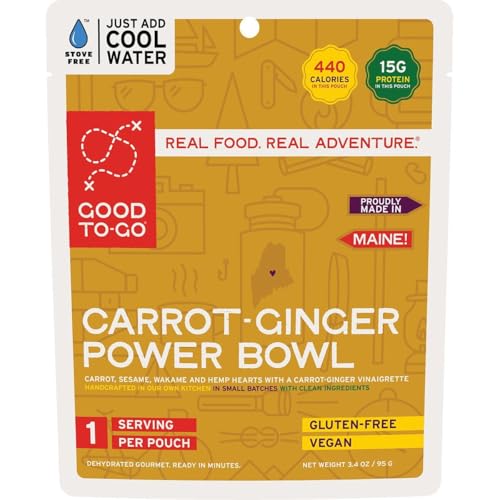
- ✓ No stove needed
- ✓ Great flavor & texture
- ✓ Long shelf life
- ✕ Slightly pricier than some
- ✕ Limited flavor options
| Shelf Life | Minimum 2 years |
| Preparation Method | Cold Soak, no stove required |
| Dietary Options | Gluten-free, vegan, low sodium, no preservatives |
| Packaging | Pouch for direct water addition |
| Made In | USA, Kittery, Maine |
| Serving Size | Typically one pouch per meal |
Ever get tired of unpacking a bulky stove, waiting for water to boil, just to enjoy your meal on the trail? I’ve been there, fumbling with pots and trying to keep everything from spilling.
Then I tried the Good To-Go Carrot-Ginger Power Bowl Cold Soak Meal, and honestly, it felt like a game changer.
This meal is super straightforward—just add cold water directly into the pouch, shake it up, and wait a few minutes. No stove, no fuss, no waiting around.
The pouch itself is sturdy and resealable, making it easy to handle and store. I was surprised by how quickly it rehydrated, maintaining a nice texture that’s usually hard to find in dehydrated meals.
The flavor combo of carrot and ginger is fresh and vibrant, and the chunkiness of the vegetables still had some bite—definitely better than those bland, freeze-dried options. I appreciated that it’s made from real food, not processed junk, and that it’s gluten-free and vegan, which covers a lot of dietary needs.
Plus, it’s made in the USA, and the two-year shelf life means I can stash it for emergencies or long adventures without worries. It’s lightweight, compact, and feels like a real meal—perfect for backpacking, camping, or even a quick emergency snack at home.
Honestly, it’s so easy and tasty that I’ll keep a few of these stashed for low-effort, nutritious bites on busy days.
Good To-Go Cucumber Chaat Salad Cold Soak (6-Pack)

- ✓ Tastes fresh and flavorful
- ✓ No stove needed
- ✓ Easy to prepare
- ✕ Limited hot meal options
- ✕ Slightly pricey
| Shelf Life | Minimum 2 years |
| Meal Type | Cold soak backpacking meal |
| Serving Size | 6-pack (individual pouches) |
| Dietary Options | Gluten-free, vegan |
| Preparation Method | Cold soak, no stove required |
| Ingredients | Dehydrated real food, no preservatives |
It’s late afternoon, and I’m sitting at my campsite after a long day of hiking. The sun is dipping low, and I realize I forgot my stove again—no worries with this meal.
I grab the Good To-Go Cucumber Chaat Salad Cold Soak pouch, open it up, and pour in cool water.
Within minutes, the vibrant aroma hits me—fresh, tangy, and surprisingly satisfying for a no-cook option. The texture is crisp and fresh, just like a real salad, not the limp dehydrated stuff I’ve had before.
I love how easy it is to prepare: no boiling, no fuss, just add water and wait.
The pouch is sturdy and easy to squeeze, which makes mixing super simple. The flavor is surprisingly complex—cucumber, mint, and spices blend perfectly.
It feels light but genuinely filling, ideal for a quick, nutritious snack on trail days.
Another thing I appreciate is the ingredients. No preservatives, gluten-free, vegan options—it’s clear these are crafted with real food, not chemicals.
Plus, knowing it’s handmade in Maine adds a nice touch of authenticity.
On a practical note, the 2-year shelf life means I can stash these for emergencies or future trips without worry. Cleanup is a breeze—just toss the pouch in the pack, and I’m ready for the next adventure.
It’s a refreshing, tasty alternative to traditional dehydrated meals that often lack flavor.
Overall, this cold soak meal hits all the right notes—easy, tasty, and healthy. I can see myself grabbing these whenever I want a quick, satisfying meal without the hassle of cooking.
What Makes a Meal Ideal for Cold Soaking in Backpacking?
The best cold soak backpacking meals should be lightweight, nutrient-dense, and easy to prepare without cooking.
- Dehydrated Vegetables: Dehydrated vegetables are ideal as they provide essential vitamins and minerals while being lightweight and easy to pack. When soaked in water, they rehydrate quickly and add flavor and texture to your meal, making them a nutritious choice for cold soaking.
- Instant Rice or Quinoa: Instant rice or quinoa is pre-cooked and requires minimal soaking time, allowing for a filling base for your meal. These grains are rich in carbohydrates and provide energy for long hikes, making them an excellent option for backpackers looking for a quick and satisfying meal.
- Nut Butters: Nut butters are calorie-dense and packed with healthy fats and protein, making them perfect for maintaining energy levels on the trail. They can be easily added to cold soak meals for a creamier texture and enhanced flavor, or enjoyed straight from the packet for a quick snack.
- Oats: Oats are a versatile cold soak option that can be flavored with fruits, nuts, and other ingredients. They are high in fiber, which aids in digestion and keeps you feeling full, and can be prepared by soaking them in water overnight for a ready-to-eat breakfast or snack.
- Freeze-Dried Fruits: Freeze-dried fruits offer a sweet and nutritious addition to cold soak meals, providing vitamins and antioxidants. They retain most of their nutrients and flavors while being lightweight and easy to pack, enhancing the overall taste of your meal when rehydrated.
- Pre-Packaged Cold Soak Meals: These meals are specifically designed for cold soaking and often contain a balanced mix of grains, proteins, and vegetables. They save time in meal preparation and eliminate the need to source individual ingredients, making them a convenient choice for backpackers.
What Ingredients Are Best for Cold Soak Backpacking Meals?
The best cold soak backpacking meals typically include lightweight, nutritious, and hydrating ingredients that require minimal preparation.
- Dehydrated Vegetables: These are excellent for adding flavor and nutrients to your meals. Options like peas, carrots, and bell peppers rehydrate well in cold water and provide essential vitamins and minerals.
- Instant Rice or Quinoa: These grains are precooked and only require soaking to soften. They offer a good source of carbohydrates and protein, making them a filling base for your meals.
- Beans or Lentils: Dried beans or lentils are high in protein and fiber, which help keep you satiated on long hikes. They can be soaked in cold water to rehydrate, making them an ideal addition to a cold soak meal.
- Nut Butters: Nut butters are calorie-dense and provide healthy fats and protein. They can be mixed into meals for added richness and can also serve as a source of energy during your hike.
- Oats: Rolled oats can be soaked in cold water or milk alternatives for a nutritious breakfast or snack. They are high in fiber and can be flavored with fruits or nuts for variety.
- Freeze-Dried Fruits: These fruits are lightweight and can easily be rehydrated in cold water. They add natural sweetness and vitamins to your meals, making them a delicious and healthy option.
- Spices and Seasonings: Having a variety of spices can enhance the flavor of your cold soak meals. Simple seasonings like salt, pepper, garlic powder, and herbs can elevate the taste without adding much weight.
- Cheese Powder: This can be a great addition to your meals for flavor and protein. It mixes well with cold water and can create a creamy texture when added to grains or vegetables.
What Are Some Popular Cold Soak Backpacking Meal Recipes?
Some popular cold soak backpacking meal recipes include:
- Overnight Oats: A nutritious and filling option, overnight oats can be prepared by combining rolled oats with cold water or milk, along with your choice of fruits, nuts, and sweeteners. Letting them soak overnight allows the oats to absorb the liquid, creating a creamy texture and an energy-packed breakfast that’s easy to digest on the trail.
- Cold Soak Quinoa Salad: This meal involves mixing pre-cooked quinoa with your favorite vegetables, legumes, and a vinaigrette or dressing. Quinoa is a complete protein and hydrates well, making it a great base for a refreshing salad that can be enjoyed straight from your backpack.
- Chickpea Salad: Combine canned or dried chickpeas with chopped vegetables such as cucumbers, tomatoes, and bell peppers, plus a drizzle of olive oil and lemon juice. This protein-rich dish not only provides sustenance but is also easy to prepare and can be customized with various spices or herbs.
- Peanut Butter and Banana Wraps: Spread peanut butter on a tortilla and layer with banana slices before rolling it up. This simple, energy-dense meal is perfect for a quick snack or light meal, providing healthy fats and carbohydrates to keep you fueled during your hike.
- Tuna and Crackers: Pack a pouch of tuna or salmon and pair it with whole grain crackers for a satisfying meal that requires no cooking. This protein-rich option is easy to carry and can be enhanced with mustard, mayonnaise, or relish for added flavor.
How Can You Customize Cold Soak Meals to Suit Your Tastes?
Proteins: Adding a good source of protein is essential for maintaining energy levels during your hike. Dehydrated beans or lentils are excellent choices that require minimal preparation time, while jerky provides a savory kick. These protein sources ensure that your meal is not only tasty but also filling.
Sauces and Dressings: Bringing along small packets of your favorite sauces can add a burst of flavor to your cold soak meals. Hot sauce can provide heat, while soy sauce adds umami and saltiness. Using dressings can elevate the meal, making it more akin to a fresh salad, which can be refreshing after a long day of hiking.
What Are the Key Benefits of Cold Soaking Your Backpacking Meals?
The key benefits of cold soaking your backpacking meals include convenience, weight savings, and enhanced digestibility.
- Convenience: Cold soaking allows for an easy preparation method since no cooking is required. You can simply add cold water to your meal and let it sit, freeing you from the need for a stove, fuel, and cooking utensils, which simplifies the cooking process and saves time on the trail.
- Weight Savings: By eliminating the need for a stove and fuel, cold soaking significantly reduces the weight of your backpacking gear. This allows you to carry more food or other essential gear without exceeding your weight limit, making your hiking experience more enjoyable and less physically taxing.
- Enhanced Digestibility: Soaking meals can improve nutrient absorption and make them easier to digest. The soaking process can help break down complex carbohydrates and proteins, making it easier for your body to access the nutrients, which is especially beneficial after a long day of hiking.
- Variety of Meal Options: Cold soaking opens up a wider range of meal options, as it can accommodate various ingredients that might not require heating. You can use items like instant rice, dehydrated vegetables, and other no-cook foods, allowing for a diverse and satisfying meal selection while on the trail.
- Hydration: Cold soaking meals can also help maintain hydration levels. Since the food absorbs water, you’re not only consuming calories but also increasing your fluid intake, which is crucial for staying hydrated during strenuous backpacking trips.
What Essential Gear Is Needed for Cold Soak Backpacking Meals?
When preparing for cold soak backpacking meals, certain essential gear is necessary to ensure convenience and effectiveness.
- Lightweight Food Containers: These are specifically designed for cold soaking, typically made from durable materials that can withstand outdoor conditions.
- Reusable Utensils: A reliable set of utensils, such as a spoon and fork, are essential for enjoying your meals without the need for disposables, promoting sustainability.
- Water Filtration System: Access to clean water is crucial for preparing cold soak meals, making a portable filtration system invaluable for treating water from natural sources.
- Measuring Tools: Accurate measurement tools, like a small scale or measuring cups, help in portioning ingredients properly for balanced meals.
- Insulated Bag or Sleeve: An insulated bag can help maintain the temperature of your soaked meals, ensuring they remain palatable even in cooler weather.
- Multi-Tool or Knife: A multi-tool or knife is useful for opening food packages, cutting ingredients, or making quick adjustments to your meal prep.
- Food Choices for Cold Soaking: Selecting the right ingredients, such as dehydrated vegetables, grains, and proteins, is essential for creating nutritious and satisfying meals.
Lightweight food containers are important because they allow for easy transport and storage of your cold soak meals, often featuring tight-sealing lids to prevent leaks. They are typically designed to be compact and can fit into your backpack without adding unnecessary weight.
Reusable utensils are a sustainable option that minimizes waste while providing the necessary tools to enjoy your meals. They are typically lightweight and can be made from materials like titanium or high-quality plastic, making them perfect for backpacking.
A water filtration system is essential for ensuring that the water you use for soaking your meals is safe to consume. With various portable options available, you can easily filter water from streams or lakes on your journey, ensuring clean hydration throughout your trip.
Measuring tools allow you to prepare your cold soak meals accurately, ensuring that you have the right balance of ingredients. This is particularly important for meals that require specific ratios of grains to water for optimal soaking.
An insulated bag or sleeve helps to keep your meals at a desirable temperature, which is especially important in cooler conditions where food might not soak as effectively. It can also provide some protection for your containers during transit.
A multi-tool or knife is a versatile piece of gear that can assist with various tasks, from opening food packaging to making adjustments on the go. Having a reliable tool can simplify meal preparation in the wilderness.
Lastly, choosing the right food options for cold soaking is crucial. Foods like instant rice, couscous, and dehydrated vegetables or fruits are ideal because they rehydrate quickly and provide essential nutrients for your outdoor adventures.
What Expert Tips Maximize Your Cold Soak Meal Experience?
Maximizing your cold soak meal experience while backpacking involves careful selection and preparation of your meals. Here are some expert tips to enhance your cold soak meal experience:
- Choose the Right Ingredients: Opt for lightweight, dehydrated meals that are high in carbohydrates and proteins. Foods like couscous, instant rice, and various freeze-dried vegetables rehydrate well and provide the necessary energy for outdoor activities.
- Pre-soak for Best Results: Soaking your meals in cold water for a longer period, ideally overnight, allows the ingredients to fully rehydrate and improve texture and flavor. This technique ensures that your meal is ready to eat when you are ready to enjoy it.
- Use Flavor Enhancers: Pack small packets of spices, sauces, or flavored oils to add variety and enhance the taste of your meals. Items like soy sauce, olive oil, or seasoning blends can elevate the overall enjoyment of your cold soak meals.
- Consider Meal Combinations: Mix different ingredients to create satisfying and balanced meals. For example, combining grains with legumes and dehydrated vegetables can provide a complete nutritional profile while keeping the meal interesting.
- Utilize Airtight Containers: Store your cold soak meals in lightweight, airtight containers to keep them fresh and prevent moisture from getting in. This not only preserves the quality of your food but also makes it easier to manage portion sizes.
- Plan for Hydration: Ensure you have enough water for your meals and to stay hydrated. Carry a reliable water filtration system or purification tablets to make sure you can access clean water during your hikes.
- Test Recipes Before Your Trip: Experiment with different cold soak recipes at home to find out which combinations you enjoy the most. This practice helps you fine-tune your meals and ensures you have a satisfying dining experience in the wilderness.