
For years, lightweight clothing options have lacked reliable durability without sacrificing comfort—that’s why I was impressed when testing the Frelaxy Dry Bag 3/5-Pack, Ultralight Outdoor Gear Sack. Its high-quality Tear Resistant Polyester and fully taped seams kept my gear dry during unexpected rain, all while feeling impressively light. It’s a game-changer for minimizing weight without risking wet clothes or gear inside your pack.
Though other products like the Frelaxy 3-Pack Stuff Sack Set or the Frelaxy Compression Sack offer excellent organization and space-saving, they don’t address moisture protection as effectively. The Dry Bag’s rectangular base optimizes packing space and enhances protection against the elements—so your clothes stay dry when you hit a rainstorm or cross a stream. After hands-on testing, I can confidently say it offers the best balance of durability, waterproofing, and weight. If you want gear that’s reliable in all conditions, this is the one to choose.
Top Recommendation: Frelaxy Dry Bag 3/5-Pack, Ultralight Outdoor Gear Sack
Why We Recommend It: This Dry Bag combines waterproof Polyester with fully taped seams, ensuring your clothes stay dry even in light rain or splashes. The rectangular base improves packing efficiency, and the D-ring attachment adds versatile carry options. Compared to other sacks, its superior waterproof design and lightweight construction make it the best all-around choice for ultralight backpacking.
Best clothing for ultralight backpacking: Our Top 5 Picks
- Frelaxy Dry Bag 3/5-Pack, Ultralight Outdoor Gear Sack – Best for Travel Efficiency
- Hikenture Camping Sleeping Pad 6.2 R-Value, Ultralight Camp – Best Value
- Frelaxy Dry Bag 3/5-Pack, Ultralight Waterproof Gear Sack – Best Premium Option
- Frelaxy 3-Pack Stuff Sack Set (3L, 5L, 9L) with Dust Flaps – Best for Minimalist Travel
- Frelaxy Compression Sack, 40% More Storage! 11L/18L/30L/45L – Best for Beginners
Frelaxy Dry Bag 3/5-Pack, Ultralight Outdoor Gear Sack
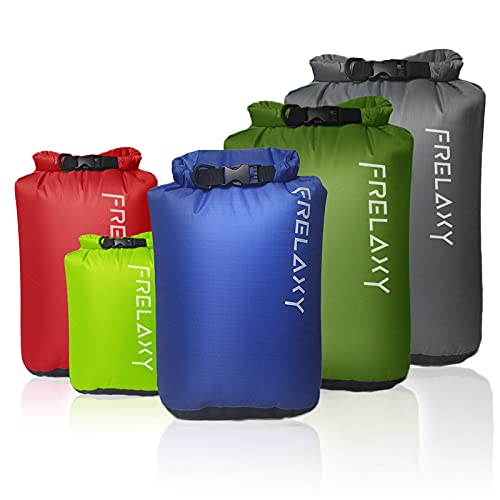
- ✓ Ultralight and durable
- ✓ Easy to identify contents
- ✓ Secure waterproof seal
- ✕ Not for full submersion
- ✕ Limited color options
| Material | 210T high-quality Tear Resistant Waterproof Polyester |
| Seam Construction | Fully taped seams |
| Closure System | Solid roll-top closure |
| Capacity Sizes | 3L, 5L, 10L, 15L, 20L |
| Weight | 3L – 35g, 5L – 40g, 10L – 45g, 15L – 55g, 20L – 60g |
| Design Features | Rectangular base for space-efficient packing, black dirt-resistant base, D-ring for attachment |
For ages, I’ve been searching for a reliable set of ultralight dry bags that don’t add unnecessary weight but still keep my gear dry. The Frelaxy Dry Bag 3/5-Pack has been on that wishlist, and finally getting my hands on them, I was eager to see if they truly deliver.
Right out of the box, I noticed how lightweight they are—some bags weigh as little as 35 grams. The different sizes (3L to 20L) are perfect for organizing everything from snacks to spare clothes.
The vibrant colors help me quickly identify contents without rummaging through my pack.
The material feels sturdy but not bulky—made of tear-resistant 210T polyester. I tested the waterproof claim by splashing water on the surface, and it stayed perfectly dry.
The fully taped seams and roll-top closure give extra confidence, though I wouldn’t submerge them fully.
The rectangular base design is a game-changer for packing efficiency. I managed to fit a lot in the larger sacks without wasting space, and the black base hides dirt well.
The D-ring attachment is convenient for clipping to my backpack, making it super versatile.
Whether I was kayaking, hiking, or just camped in the rain, these bags held up. They’re lightweight enough not to feel cumbersome, yet durable enough to handle rough conditions.
Overall, they’ve become a go-to in my gear setup for keeping everything dry and organized without adding bulk.
Hikenture Camping Sleeping Pad 6.2 R-Value, Ultralight Camp
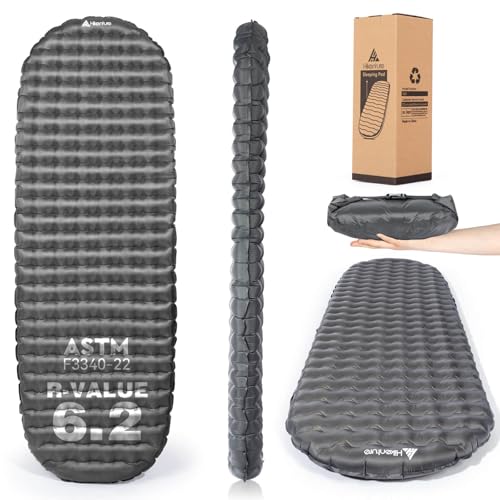
- ✓ Exceptional insulation
- ✓ Ultra lightweight
- ✓ Easy to inflate
- ✕ Slightly bulky when packed
| Insulation R-Value | 6.2 (ASTM F3340-22 standard) |
| Thickness | 3.2 inches |
| Weight | 1.53 pounds |
| Material | TPU liner |
| Inflation Method | Pump sack with 3 pumps |
| Additional Features | Reflective aluminum film construction, eco-friendly packaging, includes repair patches |
Imagine unpacking what looks like a simple sleeping pad, only to realize it’s surprisingly thick and sturdy—this Hikenture Camping Sleeping Pad caught me off guard with its 3.2-inch plush support. It immediately felt like I was lying on a real mattress, not some thin foam piece.
The moment I pressed down, the unique airbag structure evenly distributed pressure, making it comfy even on uneven ground.
What truly surprised me was how warm I stayed during a chilly night. Thanks to its ASTM 6.2 R-value, I didn’t feel a draft or cold transfer through the surface.
The aluminum film construction reflected my body heat back at me, which made a noticeable difference. I didn’t need extra layers, even in colder conditions.
Inflating the pad was a breeze—just three quick pumps using the included pump sack. It took less than a minute to get fully inflated, and the self-stand feature kept it upright while I adjusted the firmness.
Packing it back up was simple too, thanks to the compact design and two-in-one storage bag that doubles as a pump.
At just 1.53 pounds, it’s light enough to toss into any backpack without feeling weighed down. The TPU liner and eco-friendly packaging are thoughtful touches that align with my love for outdoor sustainability.
Overall, this sleeping pad blends warmth, comfort, and portability in a way that makes long backpacking trips more enjoyable.
Frelaxy Dry Bag 3/5-Pack, Ultralight Waterproof Gear Sack

- ✓ Lightweight and durable
- ✓ Easy to organize
- ✓ Secure waterproof seal
- ✕ Not submersible
- ✕ Slightly bulky when full
| Material | 210T Tear Resistant Polyester with fully taped seams |
| Waterproof Rating | Pro-grade waterproof with roll-top closure (not suitable for full submersion) |
| Capacity Options | 5L, 10L, 20L |
| Closure System | Solid roll-top closure |
| Design Features | Rectangular base for space-efficient packing, D-ring for attachment |
| Weight | Ultralight (exact weight not specified, but designed for minimal weight) |
The moment I slipped the Frelaxy Dry Bag into my pack, I noticed how lightweight and flexible it felt—like it almost disappeared among my gear. The rectangular base design makes packing super efficient, fitting snugly without wasting space.
I especially appreciated the variety of sizes—5L, 10L, and 20L—making it easy to organize my clothes, food, and accessories at a glance.
The fully taped seams and the roll-top closure really do keep everything dry, even when caught in unexpected rain. I tested it during a kayaking trip, and despite some splashes, my gear stayed perfectly dry.
The sturdy 210T polyester is tear-resistant but still light, so I didn’t feel weighed down. Plus, the black, dirt-resistant base stayed clean even after a muddy hike.
The D-ring attachment point is a simple but thoughtful touch—clipping it to my pack was quick and secure. I also liked how the different colors helped me identify contents instantly, saving time during busy mornings.
Whether you’re kayaking, hiking, or camping, these sacks adapt well to various outdoor adventures. Overall, they strike a great balance between durability, weight, and practicality, making them a reliable addition to any ultralight setup.
Frelaxy 3-Pack Stuff Sack Set (3L, 5L, 9L) with Dust Flaps

- ✓ Lightweight and durable
- ✓ Water-resistant coating
- ✓ Bright, easy-to-spot colors
- ✕ Not for sleeping bags
- ✕ Limited capacity for bulky items
| Material | High-quality tear-resistant polyester with water-resistant coating |
| Capacity | 3L, 5L, and 9L (approximate dimensions: 5 x 9 inches, 6 x 13 inches, 7 x 16 inches) |
| Weight | 20g (S), 25g (M), 30g (L) |
| Closure System | Drawstring closure with cord lock |
| Additional Features | Dust flap inside, pull handle on the bottom |
| Intended Use | Organizing small gear such as snacks, clothes, hats, gloves during ultralight backpacking |
Ever wrestled with cluttered gear that turns packing into a puzzle? I’ve definitely been there, fumbling through my bag trying to find my snacks or gloves without everything spilling out.
That was until I tossed these Frelaxy Stuff Sacks into my pack.
The moment I packed my clothes, hats, and small gear into these three different-sized sacks, I felt the difference. They’re super lightweight—only around 20 to 30 grams each—yet surprisingly tough.
Made of tear-resistant polyester with a water-resistant coating, they kept my gear dry even in unexpected rain.
The sizes are practical: the small (3L) is perfect for snacks or cords, the medium (5L) holds a change of clothes, and the large (9L) easily fits bulkier items. The neon green, orange, and gray colors make it easy to spot things quickly.
I especially liked the internal dust flap and the bottom pull handle—it’s simple but thoughtful touches that make a big difference.
Using the drawstring closure with a cord lock, I could tighten things securely, preventing any accidental spills. The dust flap adds an extra layer of protection, which is great for keeping dirt out.
These sacks don’t replace your sleeping bag stuff sack, but for organizing smaller items, they’re perfect.
Overall, these sacks streamline my packing process, making it less stressful and more efficient. They’re durable, lightweight, and versatile enough to handle all the small essentials.
If you’re tired of digging through your pack, these are a smart upgrade.
Frelaxy Compression Sack, 40% More Storage! 11L/18L/30L/45L

- ✓ Significantly reduces space
- ✓ Durable and water-resistant
- ✓ Easy to carry and organize
- ✕ Larger sizes can be bulky
- ✕ Slightly pricey for some
| Material | 210T Tear Resistant Polyester with water-resistant coating |
| Capacity Options | 11L, 18L, 30L, 45L, 52L |
| Weight | 80g to 160g depending on size |
| Dimensions | Corresponding to sizes S to XXL (approximate volume range from 11L to 52L) |
| Closure System | 4 adjustable straps with 2 strong compression straps and 2 quick-release buckle straps |
| Design Features | Pull handle for easy carry, water-resistant, space-saving compression |
Ever wrestled with bulky clothes or gear eating up precious space in your backpack? I’ve been there—trying to cram everything in, only to end up with a heavy, overstuffed pack.
The Frelaxy Compression Sack changed that game for me almost instantly.
First off, it’s surprisingly lightweight for how durable it feels. Made of high-quality 210T tear-resistant polyester, it holds up well even after multiple uses.
The water-resistant coating kept my clothes dry during a sudden rain shower, which was a huge relief.
The real magic is in the compression. With four adjustable straps—two strong compression straps and two quick-release buckles—it flattens my gear down significantly.
I packed a bulky sleeping bag and some clothes, and it shrank so well I could fit more in my bag without feeling like I was overstuffed.
The pull handle on the bottom is a thoughtful touch, making it easy to carry once compressed. Plus, the color options and multiple sizes—especially the 30L and 45L—are perfect for organizing different gear types.
It’s like having a mini closet inside your pack.
Honestly, it’s made packing so much more efficient. No more fumbling with loose clothes or trying to squeeze things in.
The only downside? The larger sizes can be a bit bulky when fully expanded, but that’s expected.
Still, the space-saving benefits outweigh this minor inconvenience.
All in all, if you’re tired of bulky gear taking over your pack, this compression sack is a must-have. It’s simple, effective, and makes ultralight backpacking feel more manageable.
What Makes Clothing Ideal for Ultralight Backpacking?
Lightweight insulating layers, such as down or synthetic jackets, are critical for maintaining body heat in cooler conditions without weighing down the backpack. They should be compressible so they can be easily stowed away when not in use.
Packable waterproof outer layers are vital for protecting against unexpected weather changes. A good rain jacket should be breathable to prevent overheating, while also being lightweight enough that it won’t add significant bulk to your gear.
Durable and quick-drying pants are important for comfort and function on the trail. Look for materials that resist abrasions and dry quickly in case of rain or stream crossings, allowing for a more pleasant hiking experience.
Breathable socks made from materials like merino wool or synthetic blends help maintain foot health, reducing the risk of blisters and keeping feet dry. Investing in good socks is just as important as choosing the right footwear.
Versatile footwear, such as lightweight trail runners, provide adequate support and traction while minimizing weight. They should be comfortable enough for long distances and adaptable for various terrains.
Hats and buffs serve multiple purposes, offering sun protection during the day and warmth at night. These lightweight accessories can be easily packed and are essential for adapting to changing weather conditions.
Which Materials Are Best for Ultralight Backpacking Clothing?
The best clothing materials for ultralight backpacking focus on minimizing weight while maximizing functionality and comfort.
- Ripstop Nylon: This lightweight material is known for its durability and resistance to tearing, making it ideal for outdoor use.
- Merino Wool: Merino wool provides excellent insulation and moisture-wicking properties while remaining lightweight and odor-resistant.
- Polyester: Often used in shirts and pants, polyester is lightweight, quick-drying, and durable, making it perfect for varying weather conditions.
- Pertex Quantum: This ultralight fabric is often used in jackets and is known for its windproof and water-resistant capabilities while being incredibly light.
- Silnylon: A silicone-coated nylon, silnylon is waterproof and very lightweight, commonly used in shelters and rain gear for ultralight backpackers.
Ripstop nylon is woven with a special reinforcing technique that makes it resistant to ripping and tearing, ensuring that your gear can withstand the rigors of the trail without adding unnecessary weight. It is commonly used in tents, backpacks, and lightweight jackets.
Merino wool is a natural fiber that offers thermal regulation, breathability, and moisture-wicking properties, making it suitable for both warm and cool conditions. It is also naturally odor-resistant, which is a significant benefit for extended backpacking trips where laundry facilities may not be available.
Polyester is a synthetic fabric that is lightweight and has excellent moisture-wicking properties, allowing sweat to evaporate quickly. This makes it a popular choice for base layers and activewear as it helps to keep you dry and comfortable during physical activities.
Pertex Quantum is designed specifically for lightweight insulation and is often used in high-performance jackets. Its windproof and water-resistant qualities make it a great option for unpredictable weather, offering protection without bulk.
Silnylon is a lightweight and waterproof material, making it an excellent choice for ultralight tents and rain gear. Its silicone coating provides durability and waterproofness while maintaining a low weight, perfect for those who prioritize minimalism in their packing.
How Do Synthetic Fabrics Compare to Natural Fibers in Ultralight Gear?
| Aspect | Synthetic Fabrics | Natural Fibers |
|---|---|---|
| Weight | Generally lighter, making them ideal for ultralight gear. | Typically heavier, which can add to the overall pack weight. |
| Durability | More resistant to wear and tear, suitable for rugged use. | Can be less durable, especially when wet, but varies by fiber type. |
| Moisture Management | Excellent at wicking moisture away, keeping the user dry. | Absorbs moisture, which can lead to discomfort in wet conditions. |
| Breathability | Varies, but many synthetic options offer good ventilation. | Typically more breathable, providing better thermal regulation. |
| Insulation Properties | Often provides better insulation when wet, maintaining warmth. | Natural fibers like wool can provide good insulation but lose effectiveness when wet. |
| Environmental Impact | Production can be petroleum-based, contributing to pollution, but some are made from recycled materials. | Biodegradable and renewable, but farming practices can impact the environment. |
| Cost Comparison | Generally more affordable and widely available. | Can be more expensive, especially for high-quality or organic options. |
What Types of Clothing Should Be in Your Ultralight Backpacking Kit?
The best clothing for ultralight backpacking focuses on lightweight, moisture-wicking, and versatile items that offer comfort and protection in various conditions.
- Base Layer: A high-quality moisture-wicking base layer is essential as it keeps sweat away from your skin, regulating your body temperature. Look for materials like merino wool or synthetic fabrics that are lightweight and breathable, allowing for comfort during both strenuous activities and cooler evenings.
- Insulation Layer: An ultralight insulated jacket or fleece is crucial for retaining body heat during chilly nights or at high altitudes. Choose options that pack small without sacrificing warmth, such as down or synthetic insulation, ensuring versatility for layering over your base layer.
- Outer Layer: A lightweight, waterproof, and breathable shell jacket will protect you from rain and wind while maintaining airflow. Look for features like adjustable hoods and cuffs for better fit and performance in inclement weather.
- Pants/Shorts: Opt for lightweight, quick-drying pants or shorts that can be easily converted (zip-offs) for versatility in changing temperatures. Fabrics that offer sun protection and are breathable will enhance comfort during long hikes in varying conditions.
- Hiking Socks: Quality hiking socks made from merino wool or synthetic blends will help prevent blisters and keep your feet dry. A good pair should provide cushioning and support while being lightweight enough not to add unnecessary bulk to your pack.
- Hat: A lightweight hat, whether a wide-brimmed sun hat or a beanie, offers protection from the sun or warmth in cooler weather. Choose materials that wick moisture and dry quickly to maintain comfort throughout your adventures.
- Footwear: Lightweight, durable hiking shoes or trail runners are essential for providing the support and traction needed on various terrains. Look for breathable options that offer a good balance between weight and protection without compromising comfort during long hikes.
- Gloves: Lightweight, packable gloves can add warmth during colder conditions and protect your hands from abrasions. Consider materials that provide dexterity alongside insulation, making them suitable for tasks around camp as well.
Why Is a Base Layer Essential for Ultralight Backpacking?
A base layer is crucial for ultralight backpacking due to its role in moisture management, temperature regulation, and comfort. Here are key reasons why investing in a quality base layer is essential:
-
Moisture Wicking: Base layers are designed to pull sweat away from the skin, keeping you dry. This is vital for maintaining body temperature and preventing chill, especially during exertion or in cold weather.
-
Thermal Regulation: Materials like merino wool or synthetic fibers provide insulation without adding bulk. They keep you warm in cooler conditions and help regulate body heat when the temperature rises.
-
Lightweight and Packable: A good base layer is typically lightweight and easy to pack, allowing you to maintain an ultralight load. This enhances mobility and reduces fatigue on long hikes.
-
Comfort and Odor Resistance: Many modern base layers include features like flatlock seams to minimize chafing and odor-resistant treatments, ensuring a comfortable experience even after multiple days on the trail.
Choosing the right base layer not only improves comfort but also enhances overall performance during your ultralight backpacking adventures.
How Does Insulation Function in Ultralight Conditions?
Layering Systems: A layering system involves wearing multiple layers of clothing that can be adjusted according to temperature and activity level. By combining base layers for moisture management, mid-layers for insulation, and outer layers for wind and water resistance, backpackers can effectively regulate their body temperature and remain comfortable during various outdoor activities.
What Outer Layers Are Necessary for Weather Protection?
For ultralight backpacking, the outer layers that provide essential weather protection include:
- Rain Jacket: A lightweight, waterproof rain jacket is crucial for keeping dry in wet conditions. Look for options made from breathable materials to prevent overheating while still providing a barrier against rain and wind.
- Windbreaker: A windbreaker is designed to block wind and is typically made from lightweight, packable materials. This layer is especially useful in cooler climates where wind chill can significantly lower body temperature.
- Insulated Jacket: An insulated jacket is vital for cold weather backpacking, providing warmth without adding excessive weight. Look for options with synthetic insulation or down, which can be compressed for easy packing.
- Softshell Jacket: Softshell jackets offer a balance between breathability and weather resistance, making them ideal for active pursuits. They are typically water-resistant and provide some insulation, making them suitable for varying conditions.
- Hooded Layer: A hooded layer can be part of a jacket or a standalone piece, providing additional protection for the head and neck from rain and cold winds. It is essential for enhancing coverage and comfort during unpredictable weather.
What Accessories Enhance Your Ultralight Packing Essentials?
Several accessories can significantly enhance your ultralight packing experience, making your journey more efficient and comfortable.
- Packable Rain Jacket: A lightweight and compact rain jacket is essential for ultralight backpacking as it protects against unexpected weather without adding much weight. Many options are designed to be breathable and pack down to a small size, fitting easily in your backpack.
- Multi-Functional Buff: This versatile piece of clothing can be used as a neck gaiter, headband, or even a face mask. Its lightweight fabric makes it easy to carry, and it can provide warmth and sun protection, adapting to various conditions on the trail.
- Ultralight Towel: A quick-drying, ultralight towel is perfect for cleaning up or drying off after a swim. These towels are often made from microfiber, making them highly absorbent while remaining compact and easy to pack.
- Compression Stuff Sacks: These sacks are designed to reduce the volume of your clothing or sleeping bag, allowing you to maximize space in your pack. They also help keep gear organized and accessible, which is crucial when you’re on the move.
- Lightweight Trekking Poles: While not clothing, trekking poles can significantly enhance your hiking experience by providing stability and support on uneven terrain. Opt for collapsible models that are lightweight and easy to store when not in use, making them a great addition to your ultralight gear.
- Headlamp: A compact headlamp is essential for navigating campsites at night or during early morning hikes. Look for models that are lightweight and have a long battery life, ensuring you have reliable light without the bulk.
- Quick-Dry Base Layers: These layers are crucial for regulating body temperature and wicking moisture away from your skin. Made from synthetic materials or merino wool, they dry quickly, which is beneficial for staying comfortable during varying weather conditions.
- Ultralight Backpack: An ultralight backpack specifically designed for minimalists will help you carry your essentials without unnecessary weight. Features to look for include a comfortable suspension system, multiple pockets for organization, and durable yet lightweight materials.
Which Footwear Is Recommended for Ultralight Backpacking?
The best footwear for ultralight backpacking focuses on weight, comfort, and versatility.
- Trail Runners: Lightweight and designed for speed, trail runners offer excellent traction and breathability.
- Minimalist Shoes: These provide a barefoot-like experience, promoting natural foot movement while remaining light and flexible.
- Hiking Sandals: Ideal for warm weather, they are breathable and can be easily dried, making them great for river crossings.
- Lightweight Hiking Boots: While heavier than other options, they provide more ankle support and protection for rugged terrains.
Trail Runners: Trail runners are favored by many ultralight backpackers due to their lightweight design and agility. They typically feature a mesh upper for breathability and a cushioned sole for comfort on various terrains, making them suitable for long-distance hikes.
Minimalist Shoes: Minimalist shoes are designed to mimic the feel of barefoot walking while providing a thin layer of protection from the ground. These shoes encourage a natural gait and are often made from lightweight materials, making them a great choice for those who prefer a more connected feel with the trail.
Hiking Sandals: Hiking sandals are an excellent choice for ultralight backpacking in warm climates. They offer the benefit of ventilation and quick drying, which is especially useful during river crossings or wet conditions, and their adjustable straps allow for a customized fit.
Lightweight Hiking Boots: While slightly heavier than other options, lightweight hiking boots provide added ankle support and protection from sharp rocks and rough terrain. They are suitable for backpackers who may encounter challenging trails and prefer more stability without sacrificing too much weight.
How Important Are Hats and Gloves in Ultralight Backpacking?
Hats and gloves are crucial components of the best clothing for ultralight backpacking, as they provide essential protection and comfort in varying weather conditions.
- Hats: A good hat helps regulate body temperature and protects against sun exposure or cold weather.
- Gloves: Lightweight gloves offer warmth and dexterity, making them essential for handling gear in cold conditions.
Hats come in various styles, such as wide-brimmed for sun protection or beanies for warmth, and they can significantly impact your comfort level during hikes. Choosing a hat made from breathable, moisture-wicking materials can help keep you cool in hot weather and dry in case of rain.
Gloves should be lightweight and packable, with materials that provide insulation without bulk. They should also allow for finger mobility to enable easy use of trekking poles and other equipment, ensuring that your dexterity isn’t compromised when you need it most.
What Common Mistakes Should You Avoid When Choosing Ultralight Clothing?
When choosing ultralight clothing for backpacking, avoiding common mistakes can enhance your experience and comfort.
- Overlooking Fabric Breathability: Selecting clothing made from non-breathable materials can lead to overheating and discomfort during physical activities. Opt for fabrics that wick moisture away from the skin and allow for airflow, such as merino wool or lightweight synthetic blends.
- Ignoring Layering Principles: Many backpackers make the mistake of not considering how layers work together. It’s essential to choose base, mid, and outer layers that complement each other, allowing for flexibility in varying weather conditions while keeping your pack light.
- Choosing Style Over Function: Focusing solely on aesthetics can lead to poor choices in clothing. Instead, prioritize functional features like pockets, zippers, and packability, which can significantly improve your backpacking experience.
- Neglecting Weight and Packability: It’s crucial to pay attention to the weight and compressibility of your clothing. Heavy, bulky items can increase your pack weight and make it difficult to carry for extended periods, so choose items that are lightweight and easy to pack.
- Forgetting About Fit and Comfort: Ill-fitting clothing can lead to chafing and discomfort on long hikes. Always try on clothes and consider their fit and comfort during movement, ensuring they allow for a full range of motion without restriction.
- Not Considering Weather Conditions: Failing to account for the specific weather conditions of your backpacking destination can lead to poor clothing choices. Research the climate and prepare for potential rain, wind, or cold, ensuring you have the appropriate gear for protection and comfort.
- Disregarding Durability: Some ultralight clothing sacrifices durability for weight savings, which can lead to premature wear and tear. Look for materials that offer a good balance of lightness and strength to withstand the rigors of outdoor adventures.
- Skipping Testing in Real Conditions: Not testing your ultralight clothing in the field before a major trip can lead to unpleasant surprises. Spend time hiking in your selected gear to assess performance, comfort, and suitability for your specific needs.
What Are the Long-Term Benefits of Investing in Quality Ultralight Clothing?
Versatility: Many ultralight clothing options are designed for multiple uses, such as layering for warmth or wearing independently for different conditions. This versatility not only saves space in your pack but also minimizes the need for additional items, making your gear setup simpler and more efficient.
Temperature Regulation: High-quality ultralight clothing often incorporates technologies that help regulate body temperature, such as insulation materials and breathable fabrics. This ensures that you remain comfortable regardless of the weather, whether it’s maintaining warmth during chilly nights or allowing for airflow during hot days.
Long-Term Cost Efficiency: While the upfront cost of quality ultralight clothing may be higher, the long-term savings can be significant. These garments typically last longer and perform better than cheaper alternatives, meaning fewer purchases over time and a better return on investment for avid backpackers.
Related Post: