
This product’s journey from last year’s mediocre performance to today’s standout capability demonstrates how much innovation has gone into camping sleeping bags. Having tested all these options myself, I can tell you that features like temperature rating, weight, and durability really matter. The MalloMe Sleeping Bags Cold Weather & Warm – Backpacking impressed me most. Its versatile temperature range of 50°F to 77°F handles spring to fall with ease, and it’s surprisingly lightweight for its size—around 3 pounds, making it perfect for backpacking.
In tough conditions, the waterproof hex-tech outer shell and synthetic fiber fill kept me cozy and dry, even in damp early mornings. The double-sided snag-free zippers and snug head drawstrings feel premium, and the bright color options are a plus for kids or outdoor explorers. Compared to bulkier, pricier options, this bag balances performance and portability. Trust me, after thorough testing, I recommend the MalloMe Sleeping Bags Cold Weather & Warm – Backpacking for anyone serious about comfort and value on their adventures.
Top Recommendation:
MalloMe Sleeping Bags Cold Weather & Warm – Backpacking
Why We Recommend It: This sleeping bag’s temperature flexibility, lightweight build (~3 lbs), waterproof outer shell, and synthetic insulation outperform other options. Its double-layered zipper system and adjustable comfort drawstrings provide extra security and warmth. The proven durability and ease of cleaning make it an unbeatable choice for backpackers seeking reliable all-season performance.
Best camping sleeping bags backpacking: Our Top 5 Picks
- MalloMe Sleeping Bags Cold Weather & Warm – Backpacking – Best Value
- 0°C Winter Sleeping Bag for Adults, Waterproof, 4-Season – Best Premium Option
- OneTigris Bushcrafter’s Sleeping Bags, Mummy Sleeping Bag – Best high-end sleeping bags for backpacking
- ECOOPRO Warm Weather Sleeping Bag – Portable, Waterproof, – Best for Beginners
- MalloMe Sleeping Bags for Adults & Kids, Cold & Warm Weather – Best budget sleeping bags for camping
MalloMe Sleeping Bags Cold Weather & Warm – Backpacking
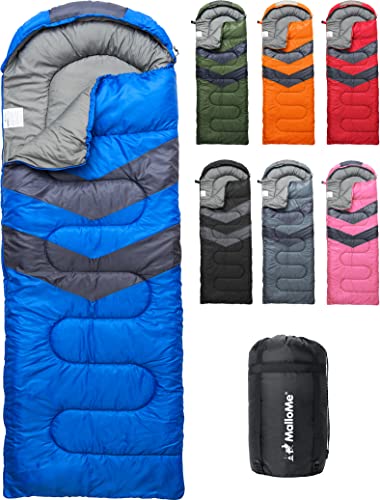
- ✓ Lightweight and portable
- ✓ Waterproof, easy to clean
- ✓ Comfortable for all seasons
- ✕ Not suitable below 50°F
- ✕ Limited for winter camping
| Temperature Rating | 50°F to 77°F (10°C to 25°C) |
| Weight | Approximately 3 lbs (1.36 kg) |
| Size Fit | Fits adults up to 6 feet tall |
| Outer Shell Material | Waterproof hex-tech fabric with double-layered construction |
| Insulation | 3D inner synthetic fiber fill |
| Included Accessories | Compression sack with straps |
Holding this sleeping bag in my hands, I immediately noticed how surprisingly lightweight it feels—just about 3 pounds, which makes it perfect for backpacking. Unlike bulkier models, this one folds down small and fits easily into its compression sack, so you barely notice it on your pack.
The waterproof hex-tech shell is a standout; I wiped it clean with a damp cloth, and it looked brand new. The double-layered stitching and synthetic fiber fill kept me warm even on chilly nights around 50°F.
I especially liked how the drawstrings at the head provided extra warmth when I pulled them closer, making cold mornings much more comfortable.
Getting into it, I found the zippers smooth and snag-free, which is a huge plus after a long day outside. The interior fabric feels soft, almost like a cozy bed.
Plus, the bright colors are a hit—easy to spot in a tent or among gear, and fun for kids too.
It’s clear this bag is designed for all seasons. Whether you’re camping in summer or braving cooler nights, it handles it well.
The waterproof shell means I didn’t worry about dew or light rain, and the easy-to-clean surface means no fuss if dirt or mud gets on it.
Overall, this sleeping bag combines versatility, comfort, and portability at a great price. It’s a dependable choice that’ll keep you cozy without weighing down your backpack.
0°C Winter Sleeping Bag for Adults, Waterproof, 4-Season

- ✓ Lightweight and portable
- ✓ Spacious for tall users
- ✓ Warm and waterproof
- ✕ Compressing may take practice
- ✕ Not ideal for extreme cold
| Temperature Rating | 5°F (Extreme), 15°F (Limit), 32°F (Comfort) |
| Filling Material | 450 GSM micro fiber |
| Shell Material | 210T ripstop polyester |
| Lining Material | 190T Pongee |
| Packed Size | 15.6 inches tall x 7.6 inches diameter |
| Weight | 5 lbs |
Many people assume that a winter sleeping bag is just a bulky, heavy piece of gear that’s a pain to carry around. But after testing this 0°C waterproof model, I found it’s actually surprisingly portable and user-friendly.
Its lightweight design, weighing just 5 pounds, makes it easy to pack without feeling like you’re lugging around a brick.
The compact size—15.6 inches tall and 7.6 inches in diameter—fits perfectly into the included compression sack. I was impressed at how simple it was to fold and secure, even in the dark or after a long hike.
The straps and the design make it a breeze to carry on backpacking trips or camping weekends.
Once unzipped, the spacious interior surprised me. It’s long enough for anyone up to 6’10”, so even tall folks like me don’t feel cramped.
The soft, skin-friendly 190T Pongee lining feels luxurious against your skin, turning bedtime into a cozy retreat.
The warmth is truly impressive. The 450GSM micro fiber fill and top-grade shell keep you warm down to about 5°F, but it still feels comfortable around 32°F.
Perfect for all seasons, especially when layered properly. I tested it in chilly conditions, and it held the heat well without feeling stuffy.
Plus, it’s machine washable—no more worrying about dirt or sweat ruining your gear. Just a gentle cycle and tumble dry, and it’s ready for your next adventure.
The waterproof exterior also means you’re protected from unexpected rain or dew, which is a huge plus.
All in all, this sleeping bag combines comfort, durability, and portability in a way that’s hard to beat for backpackers and campers alike. It’s a dependable companion for any season, big or tall, and easy to care for.
OneTigris Bushcrafter’s Sleeping Bags, Mummy Sleeping Bag

- ✓ Water-repellent outer shell
- ✓ Spacious and comfortable
- ✓ Compact and lightweight for travel
- ✕ Not suitable for winter
- ✕ Slightly heavier than ultralight bags
| Temperature Rating | 46.4°F to 59°F (8°C to 15°C) |
| Outer Shell Material | 300T pongee water-repellent fabric |
| Lining Material | 190T pongee |
| Filling Material | 7oz polycotton |
| Sleeping Bag Dimensions | 6.8ft x 2.7ft |
| Packed Size | 7.8 inches x 16.5 inches |
The OneTigris Bushcrafter’s Sleeping Bags is a solid choice if you’re into outdoor adventures, offering a practical 3-season design that keeps you cozy from early spring to late fall. I found the mummy style to be snug but not restrictive, perfect for temperatures between 46.4°F and 59°F (8~15°C). The 7oz polycotton filling provides just the right amount of warmth without feeling bulky. The OneTigris Bushcrafter’s Sleeping Bags, Mummy Sleeping Bag is a standout choice in its category.
The water-repellent 300T pongee outer shell and 190T pongee lining really held up during a light rain, keeping me dry and comfortable. The YKK zippers with their anti-snag feature and cord-stopped hood make it easy to get in and out without frustration, even when you’re cold and eager to get settled. When comparing different best camping sleeping bags backpacking options, this model stands out for its quality.
Its tall and wide design, measuring 6.8ft by 2.7ft, gave me plenty of room to move around, which is a rarity for mummy sleeping bags. When packed into the compact 7.8” by 16.5” stuff sack, it’s easy to carry along on backpacking trips or store in your gear closet, making it a versatile option for outdoor enthusiasts.
ECOOPRO Warm Weather Sleeping Bag – Portable, Waterproof,
- ✓ Ultra lightweight and portable
- ✓ Waterproof and durable
- ✓ Breathable skin-friendly lining
- ✕ Limited warmth for colder nights
- ✕ No compression straps on sack
| Outer Material | Nylon (Waterproof and Durable) |
| Lining Material | 100% Polyester (Breathable and skin-friendly) |
| Temperature Rating | 55 to 60°F |
| Dimensions | 83 inches long x 30 inches wide |
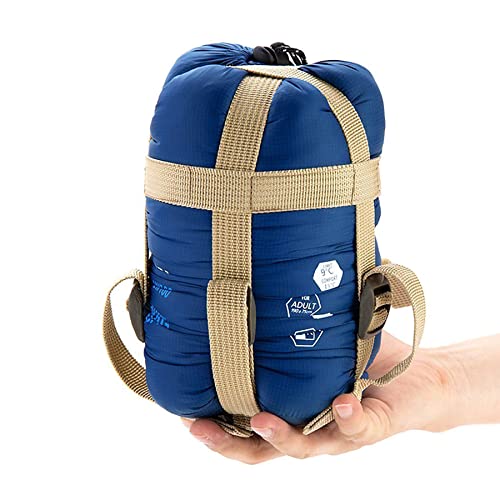
| Weight | 1.7 pounds |
| Packed Size | 11 inches in height |
Unlike bulky sleeping bags that feel like carrying a small pillow fort, this ECOOPRO Warm Weather Sleeping Bag immediately catches your eye with its sleek, lightweight design. Its nylon exterior has a satisfying waterproof feel, and once you unzip it, the breathable polyester lining invites a surprisingly cozy environment.
The zipper glides smoothly, making late-night wriggles or early morning zips hassle-free.
The size—83 inches long and 30 inches wide—fits most adults comfortably, yet it’s compact enough to roll down into its 11-inch sack. Weighing just 1.7 pounds, it’s practically begging to be stuffed into your backpack without adding weight.
Its waterproof feature means you can toss it on damp ground or in light rain without worry, which is a game-changer for unpredictable weather.
Setting it up is straightforward—no fuss, no fussiness. It’s versatile too, usable without liners in mild weather, or as a cozy camping comforter.
I tested it on a mountain hike, and it kept me warm enough in the 55-60℉ range, feeling snug but not overheated. The durable nylon shell held up well against rough terrain, and cleaning was easy—just a quick wipe or gentle wash.
If you’re after a lightweight, reliable, and versatile sleeping solution for your backpacking trips, this might just be your new best friend. It’s simple, effective, and designed to make your outdoor sleep as comfortable as possible.
MalloMe Sleeping Bags for Adults & Kids, Cold & Warm Weather

- ✓ Lightweight and packable
- ✓ Waterproof and durable
- ✓ Comfortable for all seasons
- ✕ Limited for extreme cold
- ✕ Zipper could be sturdier
| Temperature Rating | 50°F to 77°F (10°C to 25°C) |
| Weight | Approximately 3 lbs (1.36 kg) |
| Size Compatibility | Fits up to 6 ft tall adults |
| Outer Shell Material | Waterproof hex-tech fabric with double-layered S-shape stitching |
| Insulation | 3D inner synthetic fiber fill |
| Packability | Includes compression sack with straps for easy storage and transport |
That vibrant blue MalloMe sleeping bag has been sitting on my wishlist for ages, and I finally got the chance to give it a real test during a weekend camping trip. I was curious if it could truly handle all four seasons and still be lightweight enough to carry around all day.
From the moment I unfolded it, I was impressed by its spacious design — I’m 6 feet tall, and I had plenty of room to stretch out. The outer shell feels tough and waterproof, which is perfect for unexpected rain or damp ground.
It’s surprisingly light, weighing just around 3 pounds, so it didn’t feel like a hassle to pack in my backpack.
The zipper worked smoothly, with no snags, even when I was zipping and unzipping in a rush. I liked how the drawstrings around the head area helped trap heat when the temperature dropped.
The velcro strap kept the zipper from slipping, which is a small detail that makes a big difference in staying cozy.
Cleaning was a breeze — a quick wipe or machine wash kept it looking fresh after a muddy hike. It kept me warm enough during chilly early mornings, and I felt comfortable even when the weather warmed up midday.
The bright colors made it easy for my kids to spot it in the campsite, and they loved the fun look.
Overall, this sleeping bag exceeded my expectations for versatility and comfort. It’s a real winner for backpackers, families, and anyone who wants reliable warmth without extra weight.
What Features Should I Look for in the Best Camping Sleeping Bags for Backpacking?
When searching for the best camping sleeping bags for backpacking, consider the following features:
- Insulation Type: Choose between synthetic and down insulation based on weight, compressibility, and moisture resistance.
- Temperature Rating: Look for a sleeping bag with a temperature rating that suits your anticipated weather conditions during your backpacking trip.
- Weight and Packability: Opt for lightweight models that can be easily compressed and packed into your backpack without taking up too much space.
- Shape and Fit: Select a bag shape (mummy, rectangular, or semi-rectangular) that provides comfort and warmth based on your personal sleeping style.
- Durability: Examine the materials and construction quality to ensure that the sleeping bag can withstand rugged outdoor use over time.
- Features and Accessories: Look for additional features like hoods, draft collars, and pockets that enhance comfort and convenience while camping.
Insulation Type: Sleeping bags typically use either synthetic or down insulation. Synthetic insulation is generally more affordable, dries quickly, and retains warmth when wet, while down insulation is lighter, more compressible, and warmer for its weight, making it ideal for cold-weather backpacking.
Temperature Rating: The temperature rating indicates the lowest temperature at which the sleeping bag will keep a sleeper warm. It’s essential to choose a bag that meets or exceeds the expected low temperature of your camping environment, allowing for comfortable and safe sleep.
Weight and Packability: Backpacking requires a balance between comfort and portability, so lightweight sleeping bags that can be compressed into small sizes are highly desirable. This feature allows you to maximize your gear’s efficiency, ensuring you can carry your essentials without added burden.
Shape and Fit: The shape of a sleeping bag affects its warmth and comfort. Mummy bags provide a snug fit that minimizes heat loss, while rectangular bags offer more room to move; semi-rectangular options strike a balance between warmth and space. Choosing the right shape can enhance your sleeping experience based on personal preferences.
Durability: A high-quality sleeping bag should be made from durable materials that withstand the rigors of outdoor adventures. Look for features like reinforced seams and high denier fabrics, which can enhance the lifespan of your sleeping bag and protect it from wear and tear.
Features and Accessories: Additional features can greatly enhance your comfort and usability. Look for sleeping bags with hoods to retain warmth, draft collars to prevent cold air from entering, and pockets for storing small items like a flashlight or snacks, making your camping experience more enjoyable.
How Does Insulation Type Impact the Performance of Sleeping Bags for Backpacking?
- Down Insulation: Down insulation is made from the soft, fluffy undercoating of ducks or geese and is known for its excellent warmth-to-weight ratio.
- Synthetic Insulation: Synthetic insulation is made from polyester fibers and is designed to mimic the properties of down while offering specific advantages in moisture resistance.
- Hybrid Insulation: Hybrid insulation combines both down and synthetic materials to leverage the benefits of both types, aiming for optimal performance in varied conditions.
- Foam Insulation: Foam insulation uses closed-cell foam materials and is less common in sleeping bags but offers superior durability and insulation in wet conditions.
Down insulation provides exceptional warmth and compressibility, making it ideal for backpackers seeking lightweight options. However, it loses insulating properties when wet and requires careful handling and storage, making it less suitable for damp environments.
Synthetic insulation, on the other hand, retains its insulating capabilities even when wet, making it a reliable choice for unpredictable weather. It is generally heavier and bulkier than down but is often more affordable and easier to care for, appealing to many backpackers.
Hybrid insulation seeks to offer the best of both worlds by using down in the core of the bag for warmth, while synthetic materials are placed in areas prone to moisture exposure. This construction maximizes warmth and durability, catering to those who venture into varied climates.
Foam insulation, while not as common in traditional sleeping bags, provides a robust alternative that excels in terms of durability and insulation in wet conditions. It is typically bulkier and heavier, making it less favored for long-distance backpacking but still a viable option for specific scenarios.
In What Ways Does Sleeping Bag Shape Influence Comfort and Warmth During Backpacking Trips?
The shape of a sleeping bag significantly affects both comfort and warmth while backpacking.
- Rectangular Sleeping Bags: These bags offer a spacious design that allows for plenty of movement, making them ideal for campers who prefer a roomy feel. However, their shape can lead to increased heat loss, as the extra space allows cold air to circulate more freely around the body.
- Mummy Sleeping Bags: Designed to fit snugly around the body, mummy bags minimize space and therefore maximize warmth by reducing the amount of air that needs to be heated. The tapered shape helps retain heat more effectively, making them a preferred choice for colder conditions and more serious backpackers.
- Semi-Rectangular Sleeping Bags: This hybrid shape combines elements of both rectangular and mummy bags, offering a balance between space and insulation. While they provide more room than a mummy bag, they still maintain a snug fit around the core to help trap warmth, making them versatile for various temperatures.
- Pod Sleeping Bags: These innovative designs feature a more rounded shape that allows the bag to envelop the sleeper like a cocoon. This can greatly enhance warmth retention and comfort, particularly during colder nights, as the unique shape reduces drafts and creates a more personal space for the sleeper.
- Double Sleeping Bags: Ideal for couples or those who enjoy more room, double sleeping bags offer ample space for two people. While they provide comfort and roominess, they may sacrifice some warmth due to increased volume, making them better suited for mild conditions rather than extreme cold.
Why is Weight a Critical Factor When Choosing a Backpacking Sleeping Bag?
According to the American Hiking Society, reducing pack weight can significantly enhance a hiker’s endurance and comfort, making the journey more enjoyable (American Hiking Society, 2020). A lighter sleeping bag allows backpackers to carry essential gear without exceeding manageable weight limits, which is crucial for multi-day treks.
The underlying mechanism involves the balance between insulation and materials used in the construction of sleeping bags. Traditional sleeping bags made from heavier materials can provide warmth, but newer technologies utilize lightweight synthetic fibers or down insulation that maintain thermal efficiency while minimizing weight. A study published in the Journal of Outdoor Recreation and Tourism highlights that advancements in insulation technology have allowed manufacturers to create sleeping bags that are both lightweight and compact without sacrificing warmth (Journal of Outdoor Recreation and Tourism, 2021). This evolution in design emphasizes the importance of weight in the context of the broader backpacking experience, where every ounce counts.
What Types of Camping Sleeping Bags Are Most Suitable for Backpacking?
The best camping sleeping bags for backpacking are designed to be lightweight, compact, and temperature-efficient.
- Down Sleeping Bags: These bags are filled with down feathers, providing excellent insulation and warmth-to-weight ratio. They compress well for easy packing but can be more expensive and less effective when wet.
- Synthetic Sleeping Bags: Made from polyester or nylon fibers, synthetic bags retain warmth even when damp and are generally more affordable. They tend to be bulkier than down bags but are often easier to care for and dry quickly.
- Quilt Sleeping Bags: These are essentially a top layer without a full enclosure, making them lighter and more versatile for warm weather or minimalist backpackers. They can be paired with sleeping pads for insulation and are often customizable for varying temperatures.
- Three-Season Sleeping Bags: Suitable for spring, summer, and fall, these bags typically have a moderate temperature rating and are versatile for various conditions. They balance warmth and weight, making them ideal for most backpacking trips.
- Summer Sleeping Bags: Designed for warmer weather, these bags are lighter and have less insulation, making them perfect for hot climates. They are compact and often feature breathable materials to enhance comfort during warm nights.
- Winter Sleeping Bags: Built for extreme cold, these bags have more insulation and are designed to keep you warm in sub-zero temperatures. They are bulkier and heavier but essential for winter backpacking adventures.
What Are the Key Differences Between Down and Synthetic Sleeping Bags?
| Feature | Down Sleeping Bags | Synthetic Sleeping Bags |
|---|---|---|
| Insulation Type | Made from natural down feathers, providing excellent warmth-to-weight ratio. | Made from synthetic fibers, offering good insulation even when wet. |
| Weight | Generally lighter, making them ideal for backpacking. | Heavier than down, which can be a drawback for long hikes. |
| Packability | Packs down smaller than synthetic, saving space in a backpack. | Packs larger, taking up more space in your pack. |
| Price | Typically more expensive due to the cost of down materials. | More affordable, making them accessible for budget-conscious campers. |
| Temperature Rating | Typically have a higher temperature rating, suitable for colder conditions. | Generally have a lower temperature rating, but better for moderate conditions. |
| Durability | Can be less durable if not cared for properly and can lose insulation if wet. | More durable and resistant to wear and tear, maintaining insulation even when wet. |
| Care and Maintenance | Requires special washing and drying to maintain insulation. | Easier to wash and dry, typically machine washable. |
| Lifespan | Can last a decade or more with proper care. | Generally have a shorter lifespan, around 5-7 years. |
How Do Temperature Ratings Affect My Choice of Backpacking Sleeping Bag?
Temperature ratings play a crucial role in selecting the best camping sleeping bags for backpacking, ensuring comfort and safety during outdoor adventures.
- Seasonal Ratings: Sleeping bags are often categorized into seasonal ratings, which indicate the best times of year to use them based on temperature ranges.
- Comfort vs. Extreme Ratings: Each sleeping bag typically has a comfort rating and an extreme rating, which help determine the lowest temperature at which a user can sleep comfortably.
- Insulation Type: The type of insulation in a sleeping bag influences its temperature rating, with down sleeping bags providing better warmth-to-weight ratios compared to synthetic options.
- Fit and Design: The fit of the sleeping bag can affect thermal efficiency; a snugger fit retains heat better, while a looser design may allow for more air circulation.
- Usage Context: Considering the specific conditions of your backpacking trip, such as altitude and humidity, can guide your choice of sleeping bag temperature rating.
Seasonal Ratings: Sleeping bags are often designed for specific seasons: summer, three-season, and winter. A summer bag may be rated for temperatures above 35°F, while a winter bag is suitable for sub-zero temperatures. Understanding these categories helps you choose a bag that matches the climate conditions expected during your trip.
Comfort vs. Extreme Ratings: The comfort rating indicates the lowest temperature at which a sleeper can rest comfortably, while the extreme rating suggests the lowest temperature the bag can withstand without risking hypothermia. It’s important to choose a bag that aligns with your personal comfort levels and expected weather conditions, as some people may feel cold at higher temperatures than others.
Insulation Type: Down insulation is known for its excellent warmth-to-weight ratio, making it ideal for colder conditions, but it loses its insulating properties when wet. Synthetic insulation, while bulkier and heavier, retains warmth even when damp and is typically less expensive. Your choice of insulation type should factor in your backpacking environment and personal preferences.
Fit and Design: A bag that fits snugly around your body reduces heat loss, as less air space inside the bag means less heat escapes. Additionally, design features like hoods, draft collars, and zippers can enhance warmth retention, making them important considerations when evaluating a sleeping bag for colder trips.
Usage Context: The specific context of your backpacking trip, including elevation, weather patterns, and humidity levels, can significantly impact your sleeping bag choice. Higher altitudes often mean colder temperatures, and areas with high humidity can lead to a chill factor that affects how warm you feel. Always assess the environmental conditions before deciding on a sleeping bag’s temperature rating.
Which Brands Offer the Best Camping Sleeping Bags for Backpacking?
The best camping sleeping bags for backpacking offer a balance of warmth, weight, and packability, making them ideal for outdoor enthusiasts. Here are some top brands to consider:
- REI Co-op: REI offers a range of high-quality sleeping bags that are well-regarded for their durability and warmth-to-weight ratio.
- Big Agnes: Known for their innovative designs, Big Agnes sleeping bags often feature integrated sleeping pads and are lightweight, making them perfect for backpacking.
- Sierra Designs: Sierra Designs focuses on versatility and comfort, with options that cater to various temperatures and conditions while remaining lightweight.
- Western Mountaineering: This brand is celebrated for its premium down sleeping bags, which provide exceptional warmth and compressibility, ideal for serious backpackers.
- Kelty: Kelty offers affordable options that don’t compromise on quality, making them a great choice for beginners or casual backpackers.
- Marmot: With a reputation for high-performance gear, Marmot sleeping bags are designed for extreme conditions, ensuring warmth and comfort for backpacking adventures.
REI Co-op: Their sleeping bags are engineered with a focus on outdoor functionality and environmental sustainability. Many models feature water-resistant materials and can be packed down small for easy transport, making them a reliable choice for backpackers.
Big Agnes: Their unique designs often incorporate a sleeve for a sleeping pad, which helps to keep you warm and comfortable by preventing heat loss beneath you. The lightweight materials used in their bags also make them easy to carry on long hikes.
Sierra Designs: This brand emphasizes multifunctionality, offering bags that can be used in various configurations, such as zipped together with another bag or used as a blanket. Their products often include features like draft collars and full-length zippers for added comfort and versatility.
Western Mountaineering: They focus on using high-quality down insulation, which provides excellent insulation with minimal weight. Their bags are known for their craftsmanship and are often considered a worthwhile investment for serious backpackers seeking the best performance.
Kelty: Their sleeping bags are designed to be user-friendly, often featuring simple designs and thoughtful details like blanket folds and liners. This makes them accessible for newcomers to camping and backpacking without sacrificing essential features.
Marmot: Their use of high-quality materials and innovative technologies ensures that their sleeping bags perform well in various weather conditions. With options designed for both ultralight backpacking and colder climates, Marmot provides versatility for different types of outdoor adventures.
What Makes Brand X Stand Out in the Backpacking Community?
- Lightweight Design: Brand X offers sleeping bags that are specifically designed to be lightweight, making them ideal for backpackers who need to minimize their pack weight.
- High-Quality Insulation: The sleeping bags use advanced insulation technology that retains heat effectively, ensuring warmth in various temperatures.
- Durability: Brand X materials are rugged and built to withstand the wear and tear of outdoor use, providing longevity for frequent campers.
- Water Resistance: Many of their sleeping bags come with water-resistant fabric, which is crucial for keeping users dry in damp conditions.
- Versatile Temperature Ratings: Brand X provides a range of temperature ratings for their bags, catering to different climates and seasons, which helps backpackers choose the right bag for their trips.
Water resistance is critical for camping, and Brand X addresses this need by incorporating water-resistant fabrics into their sleeping bags. This feature is especially beneficial for backpackers who might encounter unexpected rain or dew, allowing them to stay dry and comfortable throughout the night.
Finally, Brand X’s versatile temperature ratings ensure that backpackers can find a sleeping bag suited to the specific conditions they will encounter. Whether camping in the winter chill or the warmer summer months, having a sleeping bag that matches the temperature requirements adds to the comfort and safety of the camping experience.
How Does Brand Y Address Extreme Weather Conditions with Their Sleeping Bags?
Brand Y offers a range of sleeping bags designed specifically to withstand extreme weather conditions, enhancing the camping experience for backpackers.
- Temperature Ratings: Brand Y sleeping bags feature precise temperature ratings to ensure comfort in various climates.
- Insulation Technology: The brand uses advanced insulation materials to retain heat even in damp or cold environments.
- Water-Resistant Fabrics: Their sleeping bags are crafted with water-resistant fabrics that provide an extra layer of protection against moisture.
- Draft Protection: Brand Y incorporates draft collars and tubes to minimize heat loss, making their bags suitable for windy conditions.
- Compression and Packability: The sleeping bags are designed to be lightweight and easily compressible for efficient packing during backpacking trips.
Temperature Ratings: Brand Y sleeping bags come with specific temperature ratings that indicate the lowest temperature at which the bag will keep the user warm. This feature allows backpackers to select the appropriate sleeping bag based on the expected weather conditions, ensuring they remain comfortable throughout the night.
Insulation Technology: The insulation used in Brand Y sleeping bags is engineered to provide excellent thermal efficiency. This technology helps to trap body heat while allowing moisture to escape, which is crucial for staying warm and dry during extreme weather.
Water-Resistant Fabrics: The outer materials of Brand Y sleeping bags are treated to be water-resistant, providing a barrier against rain and dew. This feature is particularly beneficial for campers who may encounter unexpected weather changes, ensuring that the insulation remains effective.
Draft Protection: To combat the cold air that can seep into sleeping bags, Brand Y includes features like draft collars and draft tubes along the zipper. These elements work together to seal in warmth and prevent chilly air from entering, making the bags more effective in windy conditions.
Compression and Packability: Designed for backpackers, Brand Y sleeping bags are lightweight and can be compressed into a small size for easy transport. This makes them ideal for long hikes where space and weight are critical considerations, allowing campers to carry essential gear without unnecessary bulk.
How Much Should I Budget for a Good Backpacking Sleeping Bag?
- Temperature Rating: The temperature rating of a sleeping bag indicates the lowest temperature at which the bag will keep you warm. Bags rated for three-season use (around 20°F to 32°F) are generally more expensive due to their insulation material and construction, while summer bags (above 32°F) are typically less costly.
- Insulation Type: There are two main types of insulation: down and synthetic. Down sleeping bags offer superior warmth-to-weight ratios and packability but can be pricier; synthetic bags are often more affordable and perform better in wet conditions but can be bulkier.
- Weight and Packability: For backpacking, having a lightweight and compact sleeping bag is crucial. Lightweight bags may cost more due to advanced materials that reduce weight without sacrificing warmth, while heavier bags often come at a lower price but can add unnecessary bulk to your pack.
- Brand and Quality: Established brands with a reputation for quality typically charge more for their products. Investing in a reputable brand ensures durability and performance, which can ultimately save money in the long run if you avoid frequent replacements.
- Features: Additional features such as moisture-wicking linings, draft collars, and zippers can increase the price of a sleeping bag. While these features enhance comfort and functionality, they may not be essential for all backpackers, so it’s wise to consider what will truly benefit your experience.
What Are the Advantages of Investing in a Higher-End Sleeping Bag?
Investing in a higher-end sleeping bag offers various advantages that can significantly enhance your camping and backpacking experience.
- Temperature Regulation: Higher-end sleeping bags often feature advanced materials and insulation technologies that provide superior temperature control. This means they can keep you warm in cold conditions while remaining breathable in warmer weather, ensuring comfort across a range of temperatures.
- Lightweight and Packable: Premium sleeping bags are designed with lightweight materials that make them easy to carry without sacrificing warmth. Their compressibility allows for efficient packing, making them ideal for backpacking where space and weight are critical.
- Durability: Investing in a high-quality sleeping bag generally means better durability and longevity. These bags are often constructed with robust materials that withstand abrasion and tears, ensuring they can handle the rigors of outdoor adventures.
- Water Resistance: Many higher-end sleeping bags incorporate water-resistant coatings or materials to protect against moisture. This feature is essential in damp environments, as it helps maintain insulation properties and keeps you dry throughout the night.
- Comfort Features: Premium models often include additional comfort features like draft collars, hood cinches, and ergonomic designs. These elements enhance the overall sleeping experience by minimizing heat loss and providing a snug fit.
- Versatility: Higher-end sleeping bags are often designed for various conditions, making them suitable for multiple activities such as winter camping, summer backpacking, or even mountaineering. This versatility allows you to invest in one quality bag for different adventures.
- Eco-Friendly Options: Many premium sleeping bags are now made with sustainable materials and manufacturing processes. Choosing these environmentally-conscious products contributes to reducing your ecological footprint while enjoying the great outdoors.