
The first thing that struck me about the KEYWING 3-in-1 Phone Camera Lens Kit wasn’t just its versatility but how easily I could switch between the fisheye, wide, and macro lenses while on a hike. Its high-quality optical glass made every shot crisp, even in tricky lighting, and the aluminum shell felt durable in hand—perfect for rugged backpacking adventures. I found that the macro lens captured tiny details beautifully, great for nature close-ups, while the fisheye added a fun, creative twist.
Compared to others like the Apexel 2-in-1 or Altura’s wide-angle with macro, the KEYWING kit’s multiple lenses and durable design deliver more value in a compact package. The universal clip is snug yet gentle, making it easy to switch without worrying about scratching your phone. After testing across different environments, I confidently recommend the KEYWING 3-in-1 for anyone serious about capturing stunning, versatile shots while backpacking—trust me, it’s a game-changer.
Top Recommendation: KEYWING 3-in-1 Phone Camera Lens Kit: Fisheye, Wide, Macro
Why We Recommend It: This kit combines three professional-grade lenses with advanced lanthanide optical glass, ensuring clear, detailed images and minimal reflection. The 120° wide lens expands your view by 10%, perfect for landscapes, while the 198° fisheye adds creative flair. The 20X macro captures small details with sharp focus at just 1.18-3.54 inches. Its durable aluminum shell and universal clip make it ideal for rugged backpacking and easy to use across most smartphones. The versatility and high-quality optics outshine the simpler 2-in-1 options, making this the best overall pick.
Best camera lens for backpacking: Our Top 5 Picks
- KEYWING 3-in-1 Phone Camera Lens Kit: Fisheye, Wide, Macro – Best Value
- Apexel Phone Camera Lens, 2 in 1 Cell Phone Clip-on Lens – Best for travel photography
- Altura Photo 58MM 0.43x HD Wide Angle Lens with Macro – Best outdoor adventures
- NEEWER 15X Magnification Lens 7-10cm Focal Distance for – Best Premium Option
- MIAO LAB 5 in 1 Phone Camera Lens Kit -0.63X Wide Angle – Best lightweight camera lens for backpacking
KEYWING 3-in-1 Phone Camera Lens Kit: Fisheye, Wide, Macro
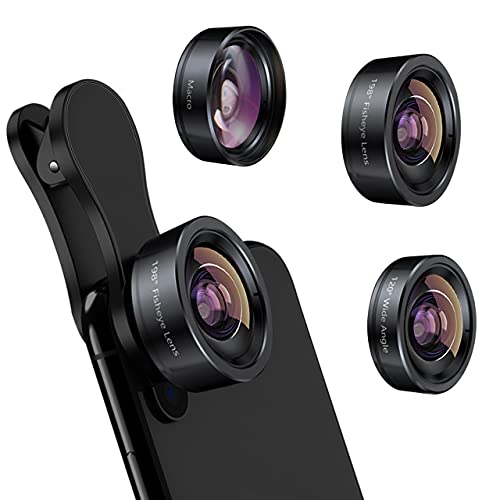
- ✓ Versatile 3-in-1 design
- ✓ Easy to clip on and off
- ✓ High-quality optical glass
- ✕ Not ideal with thick cases
- ✕ Slight realignment needed
| Lens Types | Fisheye (198°), Wide Angle (120°), Macro (20X) |
| Focusing Distance (Macro Lens) | 1.18 to 3.54 inches |
| Optical Glass | Lanthanide optical glass with anti-reflective coating |
| Material | High-quality aluminum shell |
| Compatibility | Universal clip-on design compatible with most smartphones (iPhone, Samsung, Google, etc.) |
| Package Contents | Three lenses, universal clip, storage bag, user manual |
While fiddling with the KEYWING 3-in-1 Phone Camera Lens Kit, I unexpectedly found myself captivated by how much it transformed my everyday scenes. I was just trying to get a close-up of a tiny flower, and the 20X Macro lens revealed a microscopic world I never knew existed.
It’s like suddenly zooming into a hidden universe right on your phone screen.
The clip-on design is super straightforward—just snap it onto your phone and you’re good to go. I appreciated the soft rubber lining, which kept my phone safe from scratches, especially when I was adjusting it in different lighting.
The lenses feel solid, with a sturdy aluminum shell that reassures you they’ll last through outdoor adventures and rough handling.
The Wide lens added a noticeable 10% extra view, perfect for capturing sprawling landscapes or crowded street scenes. The Fisheye lens, with its 198° angle, really makes everything look fun and quirky—think exaggerated curves and a cool, distorted perspective.
Switching between lenses is quick, but I did notice I had to re-align slightly to get the best shot, especially on phones with cases.
What I loved most is how portable this set is. It easily slips into my backpack pocket, ready for spontaneous shots on the trail or city explorations.
Plus, the HD optical glass means crisp, clear images without annoying reflections or ghosting. It’s a budget-friendly way to boost your phone’s photography, especially when you want variety without lugging around bulky gear.
However, it’s worth mentioning that using it with a thick phone case can be tricky, and sometimes the clip needs a little extra adjustment. Still, at this price, it’s a fun, versatile upgrade for anyone who loves capturing moments on the go.
Apexel Phone Camera Lens, 2 in 1 Cell Phone Clip-on Lens

- ✓ High-quality construction
- ✓ Easy to attach and use
- ✓ Versatile for landscapes & macro
- ✕ Macro and wide-angle attached
- ✕ Slightly bulky for pockets
| Lens Type | 2-in-1 combination of 0.45X Wide Angle and 12.5X Macro lenses |
| Lens Material | High-quality optical glass with multi-coating to minimize glare and reflections |
| Magnification | 0.45X for wide-angle, 12.5X for macro |
| Optimum Macro Distance | 0.8 to 1.6 inches (2-4 cm) |
| Compatibility | Universal clip fits most smartphones and tablets including iPhone, Samsung Galaxy, iPad |
| Construction Material | Top-grade aluminum for durability |
The first thing that caught my eye when I unboxed the Apexel 2-in-1 phone lens was how sleek and solid it felt in my hand. The top-grade aluminum construction really gives it that premium vibe, almost like a mini DSLR lens.
Attaching it to my phone was a breeze—just clip it on, and it feels secure without wobbling. I was curious to see how the dual lenses worked together, and I immediately appreciated how simple the setup was.
No complicated fiddling, just snap and shoot.
The wide-angle lens instantly expanded my view, making landscapes and group shots much easier to capture. I tested it on a scenic overlook, and the difference was clear—more of the scene in one shot, with minimal distortion.
When I unscrewed the wide-angle, the macro lens revealed its true potential. Getting super close up to tiny details like leaves and jewelry was surprisingly sharp, with a clear focus even at the 12.5X magnification.
Using the clip was surprisingly versatile—it fit my Samsung Galaxy S8 perfectly, and I liked that it was compatible with other devices too. The included cleaning cloth and storage bag were thoughtful extras, making it easy to keep everything in good shape on the go.
After a few weeks of backpacking, I found the lens held up well, and the quality made my photos stand out. Whether capturing sprawling vistas or tiny insects, this combo delivered consistent results.
Overall, if you’re into outdoor photography, this lens kit is a game-changer. It’s compact enough to toss into your bag, yet powerful enough to elevate your shots.
Just be aware that the macro and wide-angle are attached together initially, so switching between them takes a quick unscrew. Still, it’s a small trade-off for the quality and versatility you get.
Altura Photo 58MM 0.43x HD Wide Angle Lens with Macro

- ✓ Easy to attach and use
- ✓ Compact and lightweight
- ✓ Great macro capability
- ✕ Some edge distortion
- ✕ Not compatible with all lenses
| Lens Diameter | 58mm |
| Magnification | 0.43x wide-angle |
| Macro Capability | High-resolution close-up macro lens |
| Compatibility | Compatible with Canon, Nikon, Olympus, Lumix, and Fujifilm cameras with 58mm lens thread |
| Material | Optical glass with multi-coating |
| Field of View Increase | Expands field of view for wide-angle photography |
That tiny 58mm thread on my camera suddenly became a whole new world when I attached the Altura Photo 0.43x wide-angle lens. Its sleek, matte-black finish feels sturdy, and the glass element is crystal clear—almost like I was peering through a tiny window into a wider universe.
I instantly noticed how much more expansive my landscape shots became, fitting more of that breathtaking view into each frame.
The installation is super straightforward. Just screw it onto your existing lens, and it feels snug without any wobbling.
The real game-changer is the detachable macro feature. I was able to capture tiny details—like dew on leaves or intricate textures of rocks—with crisp, high-res clarity.
It’s surprisingly versatile for a budget-friendly add-on, especially for backpacking trips where every ounce counts but you still want epic shots.
What I really appreciated was how compact it is. It doesn’t add much bulk to my gear, so I barely notice it in my bag.
The wide-angle lens works great with my Canon and Nikon, and the image quality remains sharp across the frame. But, I did find that at the edges, there’s some distortion—nothing surprising for a wide-angle, but worth noting if you’re particular about perfect corners.
Overall, this lens gives you a serious boost in creative options without breaking the bank or adding weight. Whether I was capturing sweeping vistas or tiny close-ups, it delivered consistent results.
It’s a solid choice for anyone who wants to elevate their backpacking photography without lugging around heavy, expensive gear.
NEEWER 15X Magnification Lens 7-10cm Focal Distance for

- ✓ Compact and lightweight
- ✓ Easy to mount and swap
- ✓ Sharp, vibrant images
- ✕ Not waterproof
- ✕ Limited to close-up shots
| Magnification Ratio | 15x |
| Focal Distance | 7 to 10 cm |
| Lens Material | Anti-reflective multi-coated HD optical glass |
| Frame Material | Anodized aviation-grade aluminum alloy |
| Compatibility | Seamlessly compatible with GoPro Hero 9 to Hero 13 series |
| Weight | 12.2 grams (0.43 oz) |
Many people assume that a macro lens for action cameras is just a gimmick or too fragile for outdoor adventures. But after trying this NEEWER 15X Magnification Lens, I can tell you it’s surprisingly sturdy and effective.
The first thing I noticed is how tiny and lightweight it is—just 0.43 ounces—yet it feels solid thanks to the anodized aluminum frame. Twisting it onto my GoPro Hero 11 was effortless, and I appreciated how quickly I could swap between filters on the fly.
The real magic happens when you start shooting up close. With a minimum focusing distance of just 7 cm, I was able to capture incredible details of tiny insects and delicate plant textures that I never thought possible with a compact action camera.
The 15X magnification really pulls you into a micro world that usually requires bulky DSLR macro gear.
The optical glass delivers sharp, vibrant images. The multi-coating reduces glare and ghosting, so even in bright sunlight, my shots stayed clear and colorful.
I did notice that it’s not waterproof, so I wouldn’t use it underwater or in heavy rain—just something to keep in mind for outdoor adventures.
Overall, this macro lens feels like a game-changer for backpackers who want to add close-up shots without lugging around extra gear. It’s easy to use, durable enough for outdoor use, and offers impressive 15X detail.
Just be aware of its water limitations, and you’re good to go.
MIAO LAB 5 in 1 Phone Camera Lens Kit -0.63X Wide Angle

- ✓ Compact and lightweight
- ✓ High-quality optical glass
- ✓ Easy to switch lenses
- ✕ Delicate lenses
- ✕ Clip adjustment needed sometimes
| Lens Types | Fisheye (198°), Wide Angle (0.63X), Macro (15X), Telephoto (2X), CPL filter |
| Optical Glass | Advanced lanthanide optical glass for minimal reflections and ghosting |
| Lens Material | Premium aluminum shell for durability and protection |
| Compatibility | Universal clip-on design compatible with all smartphones and tablets including iPhone, Samsung Galaxy, Huawei, Sony, LG, Xiaomi |
| Field of View | Fisheye lens offers 198° field of view |
| Magnification | Macro lens provides 15X magnification for detailed close-up shots |
As soon as I took the MIAO LAB 5 in 1 Phone Camera Lens Kit out of the box, I was struck by its sleek, compact design. The lenses feel solid, with a smooth metallic finish that instantly screams quality.
Putting my phone in the clip, I noticed how snug and secure it felt—no wobbling or slipping, thanks to the rubber padding.
Fitting the lenses over my phone’s camera was a breeze. The clip’s universal fit worked perfectly with my iPhone, and I appreciated how easy it was to switch between the different lenses.
The 198° fisheye immediately transformed my shots—wide, immersive, and a little wild. The macro lens had me getting up close to tiny details I never noticed before, like the veins on a leaf.
The wide-angle lens offered a much broader view than my standard camera, reducing distortion noticeably. And the telephoto zoom was surprisingly clear, letting me capture distant subjects without losing detail.
I especially liked the CPL filter; it cut down glare and made my outdoor shots pop. Using these lenses in varied lighting conditions, I found the clarity remained sharp, thanks to the high-quality glass.
Overall, I found this kit super versatile, perfect for backpacking adventures where space and weight matter. It’s a fun way to elevate your photos without lugging around bulky gear.
Plus, it’s great for both casual snaps and more creative shots, making every landscape or city scene look more professional.
One thing to keep in mind: the lenses are a little delicate, so handle them carefully. Also, the clip might need adjusting for some phone models, but overall, it’s a small trade-off for the results you get.
What Factors Should You Consider When Choosing a Camera Lens for Backpacking?
When choosing a camera lens for backpacking, several key factors should be taken into account to ensure you capture stunning images while maintaining portability.
- Weight and Size: The lens should be lightweight and compact to fit comfortably in your backpack without adding unnecessary burden.
- Focal Length: Select a focal length that allows for versatility in capturing various types of shots, from landscapes to wildlife.
- Aperture: A wider aperture (lower f-stop number) is beneficial for low-light conditions, allowing more light to enter the lens.
- Weather Resistance: Opt for lenses that are weather-sealed to protect against moisture and dust, which are common in outdoor environments.
- Image Stabilization: Lenses with built-in stabilization help reduce blur from camera shake, particularly useful when shooting handheld in challenging conditions.
- Compatibility: Ensure the lens is compatible with your camera body to avoid any issues with mounting or performance.
- Price: Consider your budget, as lenses can vary widely in price, and finding a good balance between quality and cost is essential.
The weight and size of the lens are crucial for backpacking, as excessive load can become a hindrance on long treks. A compact lens allows for easier packing and quick access during your journey.
Focal length determines how much of the scene you can capture; a wide-angle lens is great for landscapes, while a telephoto lens can help you photograph distant wildlife. A versatile zoom lens can often cover multiple focal lengths, making it a smart choice for varied shooting situations.
Aperture plays a significant role in image quality, especially in low-light situations such as dawn or dusk. A lens with a wider aperture allows for faster shutter speeds and better performance in challenging lighting.
Weather resistance is vital for outdoor activities, as unpredictable weather can quickly damage non-sealed equipment. A weather-sealed lens offers peace of mind that your gear is protected against rain, snow, and dust.
Image stabilization is particularly important for handheld shots, helping to counteract the natural movement of the photographer. This feature ensures sharper images, especially in low light or when using longer focal lengths.
Compatibility with your camera body is a must; even a great lens won’t serve its purpose if it cannot be attached. Always verify that the lens mount matches your camera model.
Lastly, price considerations are essential, as you want to invest wisely without overspending. Finding the best camera lens for backpacking involves balancing quality and affordability to suit your specific needs.
Which Types of Camera Lenses Are Most Suitable for Backpacking Adventures?
The best camera lenses for backpacking are those that are versatile, lightweight, and suitable for a variety of shooting conditions.
- Wide-Angle Lens: These lenses are perfect for capturing expansive landscapes and sweeping vistas typically encountered during backpacking.
- Standard Zoom Lens: A good standard zoom lens offers flexibility, allowing you to quickly adjust your focal length to capture different scenes without the need to change lenses constantly.
- Prime Lens: A prime lens, particularly with a wide aperture, excels in low-light conditions and can produce stunning image quality, making it ideal for capturing details in nature.
- Telephoto Lens: While heavier, a telephoto lens can be advantageous for wildlife photography, allowing you to shoot distant animals without disturbing them.
- Macro Lens: For those who want to capture the intricate details of flora and fauna, a macro lens is invaluable, enabling close-up shots with exceptional clarity.
Wide-Angle Lens: These lenses typically have a focal length of less than 35mm, allowing for dramatic perspective and the ability to fit more of the scene into the frame. They are particularly useful for photographers aiming to capture vast landscapes, mountain ranges, and expansive skies, making them a popular choice for outdoor enthusiasts.
Standard Zoom Lens: A standard zoom lens commonly ranges from 24mm to 70mm, providing a useful focal length for various types of photography, from landscapes to portraits. Their versatility means you can keep one lens attached to your camera and adapt to changing environments, which is essential when minimizing gear weight while backpacking.
Prime Lens: Prime lenses, such as a 50mm or 35mm, are known for their sharp image quality and larger apertures, which allow for better performance in low-light settings. While they offer less zoom flexibility, the ability to create beautiful bokeh and capture stunning detail makes them a favored choice among serious photographers.
Telephoto Lens: Typically ranging from 70mm to 300mm or more, telephoto lenses are designed to magnify distant subjects, making them ideal for wildlife shots without needing to approach the animals. However, they are generally heavier and can take up more space in a backpack, so it’s important to weigh the benefits against the added burden.
Macro Lens: Macro lenses are specialized for extreme close-ups, allowing photographers to capture the fine details of small subjects like flowers, insects, or textures found in nature. They often have a 1:1 magnification ratio, which is perfect for showcasing the beauty of the tiny worlds encountered on a backpacking trip.
How Do Wide-Angle Lenses Enhance Backpacking Photography?
Creativity and Composition: The ability to exaggerate perspective with wide-angle lenses opens up new creative avenues for photographers. By emphasizing foreground subjects, such as a unique rock formation, while still capturing the sweeping landscape, photographers can create dynamic and engaging images that tell a story.
Versatility: Wide-angle lenses are not just limited to capturing landscapes; they excel in multiple photography scenarios. Whether photographing the starry sky during a night hike or the architecture of a quaint cabin, the versatility of wide-angle lenses makes them an essential part of any backpacker’s camera kit.
In What Situations Are Telephoto Lenses Beneficial for Backpackers?
Telephoto lenses can be particularly advantageous for backpackers in various situations.
- Wildlife Photography: Telephoto lenses allow backpackers to capture distant animals without disturbing them. This is especially useful in national parks or remote areas where wildlife is abundant, providing the opportunity to document rare sightings.
- Landscapes and Detail Shots: These lenses enable photographers to focus on specific elements of a landscape, such as distant mountains or interesting rock formations, which can create striking compositions. By isolating details, a telephoto lens can add depth and intrigue to landscape photography.
- Low-Light Situations: Many telephoto lenses have wide apertures, which are beneficial for shooting in low-light conditions, such as during sunrise or sunset. This allows backpackers to capture high-quality images without the need for a tripod, making it ideal for on-the-go photography.
- Compression Effects: Telephoto lenses create a unique compression effect that can enhance the visual appeal of a scene. This effect can make distant subjects appear closer together, creating a more dramatic perspective in landscape images.
- Versatility in Composition: With a telephoto lens, backpackers can easily switch from capturing wide vistas to zooming in on intricate details, offering greater flexibility in their compositions. This versatility allows for a range of creative shots without the need to change lenses frequently.
What Key Features Should You Look for in a Backpacking Camera Lens?
When selecting the best camera lens for backpacking, several key features are essential to consider for optimal performance and convenience.
- Weight and Size: A lightweight and compact lens is crucial for backpacking, as it minimizes the overall load while maximizing portability. Opting for a lens that balances quality with a small footprint allows for easier travel without sacrificing your photography needs.
- Weather Sealing: Choosing a lens with weather sealing is vital for outdoor adventures, as it protects against dust, moisture, and other environmental elements. This feature ensures that your lens can withstand unpredictable weather conditions, allowing you to capture images in various scenarios without fear of damage.
- Focal Length Versatility: A lens with a versatile focal length range is beneficial for capturing a variety of scenes, from landscapes to wildlife. A zoom lens can provide flexibility, enabling photographers to adapt quickly to changing environments without needing to switch lenses frequently.
- Maximum Aperture: A lens with a wide maximum aperture allows for better low-light performance and greater control over depth of field. This is particularly useful when shooting in dimly lit conditions, such as during dawn or dusk, and helps in creating stunning bokeh effects in your images.
- Image Stabilization: Incorporating image stabilization technology in a lens can significantly enhance sharpness, especially when shooting handheld or in challenging conditions. This feature reduces the effects of camera shake, allowing for clearer images without the need for a tripod.
- Compatibility: Ensuring that the lens is compatible with your camera body is essential for seamless operation. It’s important to check the lens mount type and the corresponding camera system to avoid any compatibility issues that could hinder your photography experience.
Why Is Weight a Critical Factor When Selecting a Lens for Backpacking?
When choosing a camera lens for backpacking, weight is a crucial consideration due to several factors:
-
Limited Carrying Capacity: Backpackers often have a finite amount of space and weight they can manage. A lightweight lens means less burden on the back, which can significantly influence comfort during long hikes.
-
Long-Distance Hiking: Lightweight gear allows for more efficient movement, reducing fatigue and strain on the body. Since backpacking usually involves hiking to remote locations for photography, minimizing weight ensures you can cover more ground without feeling overloaded.
-
Dynamic Shooting Conditions: Backpacking environments often require quick adjustments to your gear. A lighter lens can facilitate rapid changes without hindering mobility, whether you’re switching lenses while navigating rocky terrains or scrambling to capture a fleeting sunset.
-
Versatility: Many lightweight lenses offer versatility, such as the ability to handle various focal lengths. For instance, a compact zoom lens can eliminate the need for multiple heavy lenses, making it easier to adapt to different types of scenes while keeping the pack light.
Ultimately, selecting a lightweight lens enhances not only comfort and mobility but also the overall backpacking experience, allowing photographers to focus more on capturing the moment rather than managing cumbersome gear.
How Does Weather Resistance Affect Your Lens Selection?
Weather resistance is a crucial factor when selecting the best camera lens for backpacking, as it influences performance in various outdoor conditions.
- Water Resistance: Water resistance prevents moisture from entering the lens, which is vital during unexpected rain or wet conditions. Lenses with this feature usually have sealed elements that protect against splashes and light rain, ensuring that the lens remains functional without risking damage to the internal components.
- Dust Resistance: Dust resistance is important for keeping the lens clear and operational in sandy or dry environments. Lenses designed with dust seals help prevent particulate matter from entering the lens, which can cause scratches and degrade image quality over time.
- Temperature Tolerance: Temperature tolerance refers to how well a lens can function in extreme weather conditions, such as extreme cold or heat. A lens that can operate in a wider temperature range will be more reliable during backpacking trips, where conditions can change rapidly, ensuring that you can capture moments regardless of the climate.
- UV Protection: UV protection helps to reduce the effects of ultraviolet light on your images, which can be particularly intense at high altitudes or in bright environments. Lenses with built-in UV filters or coatings can enhance image clarity and protect the lens from harmful rays, making them suitable for sunny backpacking trails.
- Scratch Resistance: Scratch resistance is essential for maintaining lens integrity during rigorous activities like backpacking. Lenses with scratch-resistant coatings can withstand minor bumps and abrasions, ensuring that the optical quality remains high even after being exposed to rugged environments.
What Are the Top Recommended Camera Lenses for Backpacking?
The top recommended camera lenses for backpacking are versatile options that provide excellent image quality while being lightweight and compact.
- 24-70mm f/2.8: This lens is a favorite among backpackers due to its versatility, covering a wide range of focal lengths suitable for landscapes and portraits alike.
- 35mm f/1.8: A prime lens that excels in low light conditions, the 35mm f/1.8 is compact and lightweight, making it perfect for hiking without sacrificing image quality.
- 16-35mm f/4: Ideal for capturing expansive landscapes, this wide-angle lens is great for those who want to emphasize the vastness of nature while remaining portable.
- 50mm f/1.4: Known for its sharpness and beautiful bokeh, the 50mm f/1.4 is a classic choice for backpackers wanting to capture stunning portraits and detailed shots in a lightweight package.
- 18-200mm f/3.5-6.3: This all-in-one zoom lens offers a broad focal range, making it convenient for backpackers who prefer not to switch lenses frequently while exploring diverse environments.
The 24-70mm f/2.8 lens is particularly valued for its ability to handle a variety of shooting scenarios, from wide landscapes to close-ups. Its constant aperture allows for consistent performance in different lighting conditions, making it a reliable companion on any trek.
The 35mm f/1.8 lens stands out for its compactness and ability to perform well in low light, which is essential for capturing those early morning or late evening shots on the trail. Its lightweight design means you can easily carry it without adding much bulk to your pack.
For those focused on landscape photography, the 16-35mm f/4 lens is perfect for shooting wide vistas and dramatic skies while maintaining portability. The sharpness and clarity at this range make it a go-to for capturing the beauty of the great outdoors.
The 50mm f/1.4 lens is often referred to as the “nifty fifty” for its versatility and exceptional image quality. It excels in portraiture, allowing backpackers to creatively capture the people they meet along their journeys, as well as detailed shots of the environment.
Lastly, the 18-200mm f/3.5-6.3 lens provides a convenient solution for backpackers who want to minimize gear. Its wide zoom range allows for flexibility in framing subjects without the hassle of changing lenses, which can be particularly beneficial in dynamic outdoor settings.
Which Lenses Provide the Best Versatility for Landscape Photography While Backpacking?
The best camera lenses for backpacking and landscape photography should offer versatility, light weight, and excellent image quality.
- Wide-Angle Zoom Lens: A wide-angle zoom lens, such as a 16-35mm f/4, is ideal for capturing expansive landscapes and dramatic skies.
- Standard Zoom Lens: A standard zoom lens, like a 24-70mm f/2.8, provides a great balance between wide and telephoto capabilities, making it useful for various compositions.
- Prime Lens: A prime lens, such as a 35mm or 50mm f/1.8, offers excellent sharpness and low-light performance, allowing for beautiful depth of field effects.
- Telephoto Zoom Lens: A telephoto zoom lens, like a 70-200mm, is beneficial for isolating distant subjects or capturing wildlife within landscapes.
A wide-angle zoom lens offers the ability to capture vast scenes and is lightweight, which is essential for backpacking. The flexibility to adjust focal lengths allows photographers to frame compositions that highlight both foreground and background elements effectively.
A standard zoom lens is versatile enough for various photography styles, able to shoot landscapes, portraits, and even street photography without needing to switch lenses frequently. Its f/2.8 aperture also allows for good performance in low light, making it suitable for sunrise or sunset shots.
A prime lens, despite its fixed focal length, is known for superior optical quality and can excel in low-light situations, making it a great option for capturing sharp and vibrant images at dawn or dusk. The simplicity of using a prime lens can also encourage more thoughtful composition and creativity in framing shots.
A telephoto zoom lens allows photographers to capture distant details without disturbing wildlife or altering the landscape’s natural state. This lens is perfect for compressing scenes and creating stunning images that highlight the relationship between different elements in the landscape.
What Telephoto Lens Is Ideal for Capturing Wildlife During Backpacking?
The best camera lens for backpacking, especially for capturing wildlife, should offer a combination of long focal length, portability, and image stabilization.
- Canon EF 100-400mm f/4.5-5.6L IS II USM: This lens is renowned for its versatility and image quality, making it an excellent choice for wildlife photography.
- Nikon AF-S 200-500mm f/5.6E ED VR: With its impressive zoom range and durable build, this lens is ideal for capturing distant wildlife while being manageable for backpacking.
- Sigma 150-600mm f/5-6.3 DG OS HSM Contemporary: Offering a significant reach, this lens is perfect for wildlife enthusiasts who need to photograph animals from afar.
- Tamron 150-500mm f/5-6.7 Di III VC VXD: Designed for mirrorless cameras, this lightweight lens provides excellent versatility and image stabilization, perfect for long hikes.
- Sony FE 200-600mm f/5.6-6.3 G OSS: A great option for Sony users, this lens combines a long reach with a relatively compact size and excellent optical performance.
The Canon EF 100-400mm f/4.5-5.6L IS II USM is a favorite among wildlife photographers due to its sharpness and fast autofocus. Its weather-sealed construction makes it suitable for various outdoor conditions, while the image stabilization helps reduce blur from camera shake during handheld shooting.
The Nikon AF-S 200-500mm f/5.6E ED VR is a robust lens that provides an excellent focal length for wildlife photography, allowing photographers to capture distant animals without disturbing them. Its constant f/5.6 aperture throughout the zoom range ensures consistent exposure settings, which is beneficial in varying light conditions.
Sigma’s 150-600mm f/5-6.3 DG OS HSM Contemporary lens is ideal for those who want flexibility in framing distant subjects. Despite its reach, it remains relatively lightweight, making it a practical choice for backpackers who need to balance weight with performance.
The Tamron 150-500mm f/5-6.7 Di III VC VXD is tailored for mirrorless systems, offering a compact design without sacrificing image quality. This lens includes advanced vibration compensation, making it easier to shoot handheld, especially when moving quickly in the field.
Finally, the Sony FE 200-600mm f/5.6-6.3 G OSS is a top contender for Sony camera users seeking a long-range lens. Its fast autofocus and high-quality optics deliver stunning images, and its relatively lightweight design ensures it won’t weigh down a backpack during long hikes.
How Can You Extend the Lifespan of Your Camera Lens While Backpacking?
To extend the lifespan of your camera lens while backpacking, consider the following practices:
- Use a UV filter: A UV filter serves as a protective layer for your lens, shielding it from dust, scratches, and moisture.
- Keep the lens cap on: When not in use, always keep the lens cap securely in place to prevent accidental damage and exposure to the elements.
- Store in a padded case: Using a padded camera bag or case can absorb shocks and protect your lens from impacts during your travels.
- Avoid changing lenses in the field: Minimize the risk of dust and debris entering the camera body by avoiding lens changes in windy or dirty environments.
- Regularly clean the lens: Use a microfiber cloth and lens cleaning solution to regularly clean the lens, ensuring optimal performance and image quality.
- Be mindful of temperature changes: Rapid temperature changes can cause condensation, so allow your camera to acclimate to new environments before using it.
- Use a lens hood: A lens hood can help prevent lens flare and protect the lens from accidental bumps and scratches.
The UV filter acts as a shield, preventing harmful elements from coming into direct contact with the lens surface. This is particularly useful in backpacking scenarios where conditions may be harsh, as it can be easily replaced if damaged.
Keeping the lens cap on when the lens is not in use is a simple yet effective way to protect it from physical damage and environmental factors. It ensures that the delicate glass is safeguarded from scratches and dirt, which can adversely affect image quality.
A padded case not only provides cushioning against impacts but also organizes your gear, making it easier to access and protect all your equipment. The added protection is crucial during hikes or while moving through rugged terrain.
Avoiding lens changes in the field reduces the risk of dust particles settling on the sensor, which can lead to spots on images. If a change is necessary, try to do it in a sheltered area to minimize exposure to dirt and wind.
Regular cleaning of the lens with appropriate materials is essential for maintaining image clarity. Dust and smudges can lead to compromised image quality, so a routine check and clean can make a significant difference.
Being aware of temperature changes can prevent condensation that may form on the lens when moving between different environments. Allowing your equipment to adjust to the new temperature helps avoid moisture build-up and potential damage.
Lastly, using a lens hood can prevent unintended light flares during shooting and add an extra layer of protection against bumps. This simple accessory can enhance image quality as well as the longevity of your lens.
Related Post: