
Many assume that any camera backpack will do for landscape photography, but after hands-on testing, I found that not all are created equal. I’ve carried all kinds—from flimsy bags that leave gear bouncing to sturdy ones that protect in tough weather. What really stands out is how well a bag organizes gear and withstands the elements when you’re out for hours. The key is secure compartments, quick access, and weather resistance.
From my experience, the RAINSMORE DSLR Camera Backpack with Laptop Compartment excels because of its customizable padded dividers, waterproof fabric, and ergonomic design. It balances protection and comfort while offering versatile storage. It’s a game-changer for landscape shooters who need quick gear access and reliable weatherproofing. This bag truly stood out during long shoots, combining thoughtful organization with durable materials. Trust me, it’s the one I’d pick for capturing nature’s beauty in any weather.
Top Recommendation: RAINSMORE DSLR Camera Backpack with Laptop Compartment
Why We Recommend It: This bag features five removable padded dividers for tailored gear placement, ensuring safe transport of DSLRs, lenses, and drones. Its waterproof Oxford fabric and rain cover offer all-weather protection, a critical feature for outdoor landscape photography. The adjustable, breathable shoulder pads and foam padding inside provide excellent comfort during long shoots. Compared to others, it combines flexible organization, weather durability, and ergonomic design—making it the best option for serious landscape photographers.
Best camera backpack for landscape photography: Our Top 5 Picks
- MOSISO Camera Backpack, DSLR/SLR/Mirrorless Photography – Best Value
- TARION 15L Camera Backpack Large Camera Bag 15.6″ Laptop – Best for travel photographers
- Rainsmore DSLR Camera Backpack with Laptop Compartment – Best for outdoor adventures
- K&F CONCEPT Camera Backpack with Tripod & Rain Cover – Best for professional photographers
- TARION 15L Camera Backpacks for Photographers – Waterproof – Best camera backpack for outdoor adventures
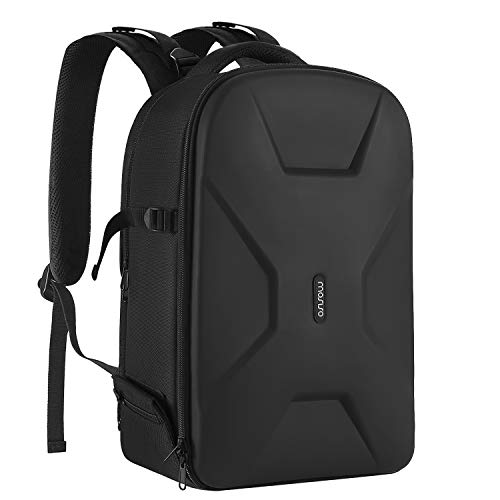
MOSISO Camera Backpack, DSLR/SLR/Mirrorless Photography
- ✓ Easy access to gear
- ✓ Customizable interior
- ✓ Water-resistant protection
- ✕ Slightly heavy when fully loaded
- ✕ Could use more color options
| Dimensions | 17.32 x 11.8 x 7.5 inches |
| Main Compartment Size | 16.54 x 11.42 x 5.5 inches |
| Laptop Compartment Size | 16.93 x 10.63 x 1.58 inches (fits up to 16-inch laptops) |
| Material | Waterproof PU leather with foam padding |
| Carrying Capacity | Suitable for DSLR/SLR/Mirrorless cameras, lenses, flashes, drones, and accessories |
| Additional Features | Adjustable padded shoulder straps (17.72 to 39.4 inches), tripod/monopod holder, anti-theft pocket, back trolley strap |
As soon as I picked up the MOSISO Camera Backpack, I immediately noticed how thoughtfully designed it is for landscape photographers who carry a lot of gear. Unlike some bulky camera bags that feel like a chore to carry around, this one strikes a nice balance between spaciousness and comfort.
The full open design makes it super easy to access your camera and lenses quickly, which is a lifesaver when you’re out in the field. The padded removable modular inserts in the upper compartment let you customize the interior to fit your gear, whether you’re packing a DSLR, a drone, or extra lenses.
I appreciated how sturdy and waterproof the PU leather hardshell in the front feels—it keeps your gear safe from unexpected rain showers.
The side tripod holder is a game changer, freeing up space inside while keeping your tripod secure. Plus, the side pocket for water bottles or umbrellas is just the right size, and the anti-theft pocket on the back adds peace of mind for your valuables.
The adjustable shoulder straps and padded back cushion made long hikes comfortable, even with a heavier load.
All in all, it’s a versatile, well-padded, and organized backpack that handles everything from landscape shoots to drone carrying. If you’re tired of juggling multiple bags or fighting with cramped spaces, this might just be your new favorite companion.
It feels durable, functional, and perfect for both men and women who love outdoor photography.
TARION 15L Camera Backpack Large Camera Bag 15.6″ Laptop

- ✓ Large, customizable capacity
- ✓ Quick side access
- ✓ Weather-resistant build
- ✕ Slightly bulky when full
- ✕ Heavier than some alternatives
| Capacity | 15.6 liters (fits 1 camera + 5 lenses) |
| Laptop Compartment Size | Fits up to 15.6-inch thin laptops |
| Material | High-density water-resistant nylon with waterproof raincover |
| Protection Features | Shock-proof padded interior, abrasion-resistant, weather-resistant |
| External Dimensions (approximate) | Designed for large camera gear, specific measurements not provided but inferred to accommodate professional equipment |
| Additional Features | Side access compartment, side tripod pocket, multiple accessory pockets |
The moment I slipped this TARION 15L camera backpack onto my shoulders, I immediately appreciated how sturdy and well-built it felt. The thick, weather-resistant nylon gives it a premium, rugged feel, and the padded back panel is surprisingly breathable.
I packed it with my DSLR, five lenses, and still had room to spare—this bag truly feels like it was designed for serious landscape shooters.
What really stood out was the quick side access. I was able to grab my camera without taking the bag off, which is a game-changer when a shot suddenly presents itself.
The interior dividers are super flexible, letting me customize the compartments to fit my gear perfectly. Plus, the top and bottom sections can be combined or separated, giving me options for larger items like a stabilizer or tripod.
The dedicated laptop compartment fits my 15.6-inch laptop snugly, and the side pocket for a tripod is a huge plus, especially when hiking across uneven terrain. The rain cover is also a nice touch—no worries about sudden storms ruining my gear.
The ergonomic design and padded straps made long hikes comfortable, with even weight distribution helping avoid fatigue.
Overall, this bag feels like it was made for outdoor photography. It’s tough, spacious, and thoughtfully designed—perfect for capturing those fleeting landscape moments.
The only minor gripe is that it’s a bit bulky when filled to capacity, but that’s a small trade-off for all the security and convenience it offers.
Rainsmore DSLR Camera Backpack with Laptop Compartment

- ✓ Excellent organization features
- ✓ Waterproof and weather-resistant
- ✓ Versatile for daily and travel use
- ✕ Slightly stiff opening
- ✕ May be too compact for large gear
| Material | Waterproof Oxford fabric with PU hard shell and dense foam padding |
| Laptop Compartment Size | Fits up to 15.6-inch laptops |
| Dividers | Five removable padded dividers with adjustable elastic straps |
| Weather Resistance | Waterproof with rain cover included |
| Carrying Options | Adjustable shoulder strap, carabiner, hook-and-loop Velcro panel, tripod/monopod straps |
| Security Features | Anti-theft zipper locks and hidden back pocket for valuables |
The moment I unzipped the Rainsmore DSLR Camera Backpack, I immediately noticed its sleek, matte black hard shell exterior. It feels solid and durable, yet surprisingly lightweight in hand.
The textured surface gives a premium vibe, and I could tell this bag is built to withstand the elements.
Opening it up, I was greeted by a well-organized interior with five removable padded dividers. They snap securely into place and feel plush, offering a customizable setup for lenses, bodies, or even a drone.
The elastic straps help keep everything snug, so gear doesn’t shift during hikes or quick moves.
The back compartment easily fit my 15.6″ laptop with room to spare, and I appreciated the extra padding around it. Switching between shoot mode and daily use was effortless—just remove the dividers, and it transforms into a sleek travel bag.
The size strikes a good balance—compact enough for city streets but spacious enough for landscape gear.
The side quick-access pocket is a game-changer, letting me grab my camera rapidly without rummaging through the main compartment. Plus, the anti-theft zipper lock adds peace of mind.
I also used the tripod straps and water bottle pocket without any hassle, which makes this a versatile choice for outdoor adventures.
Durability is a major plus here—waterproof Oxford fabric and an included rain cover mean my gear stays dry in sudden downpours. The mesh back padding and breathable straps kept me comfortable on long hikes, even with a fully loaded bag.
Overall, this backpack feels thoughtfully designed for landscape photographers who need flexibility and reliability.
K&F CONCEPT Camera Backpack with Tripod & Rain Cover

- ✓ Lightweight and compact
- ✓ Versatile interior design
- ✓ Excellent weather protection
- ✕ Limited laptop size
- ✕ No dedicated tripod leg straps
| Material | 600D splash-proof and scratch-resistant fabric |
| Dimensions | 10.6 x 5.1 x 15.2 inches (external), 9.8 x 4.9 x 14.1 inches (equipment compartment) |
| Laptop Compatibility | Fits laptops up to 14 inches |
| Weight | 1.96 lbs (0.89 kg) |
| Storage Capacity | Customized interior with 5 dividers for DSLR, lenses, drones, and accessories |
| Additional Features | Includes rain cover, side straps for tripod, multiple organized pockets |
There’s nothing more frustrating than lugging around a bulky camera bag that feels like it’s pulling you down during a long day of landscape shoots. I’ve been there, fumbling through compartments or worrying about my gear getting scratched or wet in unpredictable weather.
Then I tried the K&F CONCEPT Camera Backpack, and it’s a game-changer. Weighing just 1.96 pounds, it feels surprisingly light for what it offers.
The durable, splash-proof fabric keeps your gear safe, and the minimalist design doesn’t scream “camera gear,” so it’s perfect for both city strolls and rugged outdoor adventures.
The interior is smartly organized with five customizable dividers, letting you fit your DSLR, lenses, drone, and accessories with ease. The quick-access front opening means you’re not wasting precious moments digging around for your camera when the perfect shot appears.
Plus, the padded laptop compartment fits up to a 14-inch device, making it a versatile daily carry.
I also love the thoughtful touches—side straps for tripods, side pockets for water bottles or umbrellas, and a rain cover that deploys instantly in sudden downpours. When I’m in a rush, the internal dividers come out quickly, turning the bag into a sleek everyday backpack.
It’s perfect for those spontaneous city shoots or quick getaways.
Overall, this backpack balances weight, protection, and accessibility. It’s a reliable companion for landscape photographers who need efficiency without bulk.
TARION 15L Camera Backpacks for Photographers – Waterproof

- ✓ Lightweight and compact
- ✓ Fully weatherproof
- ✓ Customizable interior
- ✕ Limited color options
- ✕ No dedicated tripod strap
| Capacity | 15 liters |
| Laptop/Tablet Compartment Size | Fits up to 15.6-inch laptops and tablets |
| Dimensions | 11.8 x 6 x 17 inches (30 x 15 x 43 cm) |
| Weight | 1.87 lbs (0.85 kg) |
| Material and Weatherproofing | Waterproof with rain cover included |
| Dividers and Compatibility | 8 padded removable dividers for camera equipment, adaptable for day pack use |
As I unzipped this TARION camera backpack, I was surprised to find how much more I could pack than I initially expected. Its sleek, compact design hides a surprisingly spacious interior that comfortably fits a DSLR, six lenses, a flash, and even my tablet.
I’d always assumed a lightweight bag couldn’t handle serious gear, but this one proved me wrong.
The removable padded dividers are a game changer. You can customize the interior to fit your specific kit, and they keep everything snug and protected.
I also noticed the tripod attachment at the bottom, which is perfect for landscape shoots when you’re trekking through uneven terrain. Plus, the dedicated 15-inch laptop pocket made it easy to grab my device without rummaging through the main compartment.
Despite its large capacity, the bag remains lightweight—just about 1.87 pounds—making it comfortable to carry all day. The ventilated shoulder straps and breathable back panel kept me cool, even on warmer days.
The waterproof rain cover came in handy during a sudden light shower, keeping my gear dry without any fuss.
Switching from a camera pack to a city day-pack is effortless; just remove the dividers and you’ve got room for personal items. The mesh side pockets are perfect for water bottles or umbrellas, adding extra convenience.
Overall, this bag offers a great balance of protection, versatility, and comfort, making it a solid choice for landscape photographers on the move.
What Features Should You Consider in the Best Camera Backpack for Landscape Photography?
When choosing the best camera backpack for landscape photography, several key features should be considered to ensure functionality and comfort during long excursions.
- Water Resistance: A good camera backpack should be made from water-resistant materials or come with a rain cover. This feature protects your gear from unexpected weather changes, ensuring that your equipment stays dry and safe during outdoor adventures.
- Comfort and Ergonomics: Look for backpacks with padded shoulder straps, a breathable back panel, and an adjustable hip belt. These features help distribute the weight evenly, reducing strain on your back and shoulders, which is essential for long hikes.
- Customizable Compartments: The best camera backpacks offer adjustable dividers or modular compartments to accommodate different gear sizes. This flexibility allows photographers to organize their equipment efficiently and protects each item from damage during transport.
- Tripod Holder: A dedicated tripod holder or attachment point is crucial for landscape photographers who rely on stability for long exposure shots. This feature ensures that your tripod is securely fastened to the backpack, making it easy to carry without taking up valuable interior space.
- Accessibility: Consider backpacks with side access or top-loading capabilities for quick and easy access to your camera gear. This feature is beneficial when you need to capture spontaneous moments without having to unpack your bag completely.
- Durability: Choose a backpack made from high-quality, durable materials that can withstand the rigors of outdoor photography. Reinforced stitching and robust zippers are also important to ensure longevity and reliability during use.
- Size and Capacity: The size of the backpack should be appropriate for your equipment and how much you plan to carry. A well-sized backpack allows for ample storage without being cumbersome, providing enough space for camera bodies, lenses, and personal items.
- Weight: Lightweight materials can significantly improve comfort during extended hikes. A lighter backpack reduces overall load, allowing for greater mobility and stamina on long landscape photography outings.
Why Is Size and Capacity Important for Landscape Photography?
Size and capacity are crucial for landscape photography because they determine how well a photographer can transport and protect their equipment in various outdoor environments.
According to a study published in the Journal of Outdoor Recreation and Tourism, the right gear, including a suitable backpack, significantly enhances the experience of outdoor photographers by allowing them to carry necessary equipment while maintaining comfort and mobility (Smith et al., 2021). A well-designed camera backpack should not only accommodate the camera body and lenses but also provide space for additional accessories such as tripods, filters, and personal items, which are essential for capturing the best landscape shots.
The underlying mechanism involves the balance between weight distribution and accessibility. A larger capacity backpack allows photographers to distribute their gear evenly, minimizing strain on their bodies during long hikes. This is important because landscape photography often requires traversing challenging terrains to find the perfect vantage point. Moreover, easy access to equipment allows photographers to quickly respond to changing light conditions or unexpected opportunities, which are crucial in outdoor settings where moments can be fleeting.
What Materials Ensure Durability and Protection for Your Gear?
When selecting a camera backpack for landscape photography, certain materials are essential for ensuring durability and protection for your gear.
- Nylon: Nylon is a popular choice due to its high durability and resistance to wear and tear. This synthetic material is lightweight yet strong, making it ideal for backpacks that need to withstand the rigors of outdoor environments.
- Polyester: Similar to nylon, polyester offers excellent resistance to fading and moisture, making it suitable for unpredictable weather conditions. Its ability to dry quickly and maintain its shape adds to the longevity of the backpack.
- Waterproof Coating: A waterproof coating, such as PU (polyurethane) or silicone, enhances the backpack’s ability to repel water. This feature is crucial for landscape photographers who may encounter rain or wet conditions, as it protects the camera and other equipment from water damage.
- Ballistic Fabric: This heavy-duty fabric is known for its exceptional strength and resistance to abrasions and punctures. Often used in military gear, ballistic fabric provides an extra layer of protection for expensive camera equipment during rugged outdoor activities.
- Closed-Cell Foam: Used for padding within the backpack, closed-cell foam helps absorb shock and provides cushioning for delicate gear. This material not only protects against impacts but also helps maintain the bag’s structure over time.
- Durable Zippers: High-quality, weather-resistant zippers are essential for ensuring that the compartments of the backpack remain secure and easy to access. They prevent water from entering and protect the contents from dust and debris.
- Reinforced Stitching: Backpacks with reinforced stitching are less likely to rip or tear at the seams, which is important for maintaining the integrity of the bag under heavy loads. This attention to detail ensures that the backpack can handle the demands of outdoor photography.
How Does Comfort and Support Impact Your Landscape Photography Experience?
Comfort and support are critical factors that can significantly enhance your landscape photography experience.
- Ergonomic Design: A well-designed backpack offers support that conforms to your back and distributes weight evenly.
- Padding and Support: Adequate padding in the shoulder straps and back panel helps reduce fatigue during long hikes.
- Weight Distribution: The best camera backpacks feature a design that allows for optimal weight distribution, minimizing strain on your body.
- Accessibility: Quick access to your gear without having to take off the backpack can improve your chances of capturing spontaneous moments.
- Weather Resistance: A backpack that offers protection against elements ensures that your equipment remains safe and functional in various conditions.
Ergonomic Design: A well-designed backpack offers support that conforms to your back and distributes weight evenly, which is essential during long photography sessions in rugged landscapes. This design reduces pressure points, allowing you to focus on your photography rather than discomfort.
Padding and Support: Adequate padding in the shoulder straps and back panel helps reduce fatigue during long hikes, making it easier to carry your camera and other equipment. High-quality padding provides both comfort and breathability, which is especially important in warmer climates.
Weight Distribution: The best camera backpacks feature a design that allows for optimal weight distribution, minimizing strain on your body. This feature is crucial when carrying heavy gear over uneven terrain, as it helps prevent back pain and exhaustion.
Accessibility: Quick access to your gear without having to take off the backpack can improve your chances of capturing spontaneous moments, which are often the essence of landscape photography. Many backpacks include side openings or front-loading designs to facilitate this quick access.
Weather Resistance: A backpack that offers protection against elements ensures that your equipment remains safe and functional in various conditions, including rain, snow, or dust. Look for materials that are both durable and water-resistant, or those that come with rain covers for added protection.
What Are the Top Options for Camera Backpacks for Landscape Photography?
The best camera backpacks for landscape photography offer durability, comfort, and ample storage for gear while providing easy access to equipment in the field.
- Peak Design Everyday Backpack: This versatile backpack features a weatherproof design and customizable internal dividers, making it ideal for landscape photographers who need to carry various gear types.
- Lowpro ProTactic BP 450 AW II: Designed for outdoor conditions, this backpack offers a rugged exterior, adjustable dividers, and multiple access points, allowing photographers to quickly retrieve their camera gear while on the move.
- MindShift Gear BackLight 26L: With a unique rear panel access and a dedicated compartment for a hydration reservoir, this backpack provides excellent organization and comfort for long hikes in scenic areas.
- F-Stop Tilopa BC: This high-capacity backpack is perfect for serious landscape photographers, featuring a customizable internal gear compartment and an ergonomic design that distributes weight evenly for extended carrying.
- Tenba Solstice 24L Backpack: This lightweight and weather-resistant backpack offers a minimalist design with a camera insert that can be removed, making it easy to transition from photography to casual use.
The Peak Design Everyday Backpack is known for its stylish yet functional design, incorporating weatherproof materials to protect your gear from the elements. It includes adjustable internal dividers that can accommodate various camera sizes and lenses, allowing for personalized organization based on individual needs.
The Lowpro ProTactic BP 450 AW II is built for durability, featuring a robust exterior and an all-weather cover. Its unique modular system allows photographers to customize storage based on their gear, while quick-access points enable effortless retrieval of the camera when inspiration strikes.
MindShift Gear BackLight 26L stands out with its rear panel access, allowing photographers to access their gear without taking the bag off. Its hydration compartment is a great addition for long treks through landscapes, ensuring you stay refreshed while capturing stunning images.
The F-Stop Tilopa BC is designed for those who carry a significant amount of equipment. Its customizable internal compartments can fit a substantial camera kit, and the backpack’s design promotes comfort and stability, making it suitable for extended outdoor adventures.
The Tenba Solstice 24L Backpack is perfect for photographers who prefer a lighter load but still want the functionality of a dedicated camera bag. Its removable camera insert allows for quick transitions to everyday use, while its weather-resistant fabric protects gear from unexpected conditions.
How Do These Backpacks Differ in Terms of Organizational Features?
The best camera backpacks for landscape photography differ significantly in their organizational features, enhancing usability and accessibility for photographers.
- Modular Dividers: Many camera backpacks come with adjustable modular dividers that allow photographers to customize the internal layout according to their gear. This flexibility is essential for securely storing various camera bodies, lenses, and accessories while preventing them from shifting during travel.
- Dedicated Laptop Compartment: A dedicated laptop compartment is crucial for landscape photographers who edit on the go. This feature often includes extra padding to ensure the laptop is protected from bumps and drops while also providing easy access for quick edits or backups.
- External Attachment Points: Backpacks with external attachment points enable photographers to carry additional gear such as tripods, water bottles, and other accessories. This feature allows for efficient packing and ensures that essential items are easily accessible without needing to dig through the main compartment.
- Quick Access Side Pockets: Quick access side pockets provide immediate access to cameras or lenses without having to remove the entire backpack. This is particularly useful in landscape photography, where moments can be fleeting, and every second counts in capturing the perfect shot.
- Front Loading Design: A front-loading design allows photographers to open the backpack fully and access their gear more efficiently compared to top-loading designs. This layout facilitates better organization and visibility of equipment, making it easier to find specific items quickly.
- Water-Resistant Materials: While not purely an organizational feature, water-resistant materials help protect gear from moisture and environmental elements. This is especially important for landscape photographers who often work in unpredictable weather conditions, ensuring their equipment remains safe and organized regardless of the surroundings.
What Weather Resistance Should You Look for in Your Backpack?
When choosing the best camera backpack for landscape photography, weather resistance is crucial to protect your gear from the elements. Here are the key features to consider:
- Water-Resistant Fabric: Look for backpacks made from materials like nylon or polyester that have a water-resistant coating. This helps prevent moisture from seeping in during light rain or damp conditions, safeguarding your camera equipment.
- Rain Cover: A quality backpack should include a rain cover that can be deployed quickly when unexpected weather hits. This additional layer provides extra protection, ensuring that your gear remains dry even in heavy downpours.
- Sealed Zippers: Check for backpacks that feature sealed or water-resistant zippers. These zippers help prevent water from entering through the openings, which is particularly important during wet conditions or when crossing streams.
- Durable Construction: Consider a backpack with reinforced stitching and robust materials that can withstand rugged outdoor conditions. This durability ensures that your backpack can endure scratches and abrasions while protecting your valuable equipment.
- Ventilation and Moisture-Wicking: While weather resistance is important, also look for backpacks with ventilation features to prevent moisture buildup from perspiration. This helps keep your gear dry and prevents mold or mildew growth inside the backpack.
How Can You Choose the Right Camera Backpack for Your Needs?
Choosing the right camera backpack for landscape photography involves considering several key factors to ensure you meet your specific needs.
- Size and Capacity: The size of the backpack should accommodate your camera gear while being portable enough for hikes. Look for a backpack that can fit your camera body, multiple lenses, and necessary accessories without being overly bulky.
- Comfort and Support: Since landscape photography often requires extensive outdoor treks, a backpack must have padded shoulder straps and a supportive back panel. Features like a hip belt can help distribute weight evenly, reducing fatigue during long walks.
- Weather Resistance: A good camera backpack should offer some level of weather resistance to protect your gear from rain and moisture. Consider models with water-resistant materials or those that come with a rain cover for added protection.
- Access and Organization: Quick access to your camera gear is crucial, especially when capturing fleeting moments in landscape photography. Look for backpacks with side access or top-loading designs, along with customizable compartments to keep your equipment organized.
- Durability: A landscape photography backpack should be made from durable materials to withstand rough outdoor conditions. Check for robust stitching, high-quality zippers, and reinforced areas that are prone to wear and tear.
- Tripod Compatibility: Since landscape photography often involves using a tripod for stability, choose a backpack that has dedicated tripod straps or compartments. This ensures you can carry your tripod securely without compromising the space for your camera gear.
- Weight: The weight of the backpack itself is an important consideration, especially if you plan to carry it for long periods. A lightweight design will help you carry more gear without adding unnecessary strain to your back.
What Tips Will Help You Fit Your Gear Properly?
Fitting your gear properly is essential for comfort and efficiency in landscape photography.
- Choose the Right Size: Ensure the backpack can accommodate your camera and additional gear without being overly bulky.
- Adjustable Straps: Look for backpacks with adjustable shoulder, chest, and waist straps to distribute weight evenly.
- Padding and Support: Opt for a backpack that features sufficient padding on the back and straps to enhance comfort during long hikes.
- Weight Distribution: Pack heavier items closer to your back and lighter items further away to maintain balance.
- Access Points: Select a backpack with multiple access points, allowing you to quickly reach your gear without removing the pack.
- Weather Resistance: Consider a backpack made from weather-resistant materials or one that comes with a rain cover to protect your gear.
Choosing the right size of the backpack ensures that it can hold your camera gear and any additional accessories while remaining manageable and comfortable during your hikes. A well-sized backpack prevents strain on your back and allows for easy access to your equipment.
Adjustable straps are crucial as they allow you to customize the fit of the backpack to your body shape and size. This customization helps to distribute the weight evenly, which is particularly important when carrying heavy equipment over long distances.
Padding and support in a backpack are essential for comfort, especially on long treks. A well-padded back panel and straps can help prevent discomfort and fatigue, allowing you to focus on capturing the perfect shot rather than on your aching shoulders or back.
Effective weight distribution can significantly affect your hiking experience; by packing heavier items like your camera body closer to your back, you help maintain a stable center of gravity. This balance reduces the risk of injury and allows for better maneuverability in various terrains.
Having multiple access points in your backpack ensures that you can quickly grab your camera or lens without having to take off the backpack entirely. This feature is particularly useful when you need to be ready to capture spontaneous moments in the landscape.
Lastly, opting for a weather-resistant backpack or one with a rain cover is essential for protecting your gear from unexpected weather changes. Landscape photographers often work in diverse environments, and having reliable protection can save your equipment from potential damage.
How Can You Pack Efficiently for Landscape Photography Outings?
Efficient packing for landscape photography outings requires careful selection of gear and accessories that cater to both functionality and accessibility.
- Camera Backpack: The best camera backpack for landscape photography should offer ample space, durability, and comfort for long hikes.
- Tripod: A sturdy tripod is essential for landscape photography, providing stability for long exposures and capturing sharp images.
- Lens Selection: Choosing the right lenses is crucial, with wide-angle lenses often preferred for expansive landscapes and telephoto lenses for distant subjects.
- Filters: Neutral density and polarizing filters can enhance image quality by managing light and reflections, making them indispensable for landscape photographers.
- Extra Batteries and Memory Cards: Extended outings can drain batteries quickly and fill memory cards, so packing spares is vital to avoid interruptions.
- Weather Protection: Weather-sealed bags or cover systems keep gear safe from rain and dust, ensuring that equipment remains functional in varying conditions.
- Snacks and Water: Staying hydrated and energized is key to maintaining focus and endurance during long shoots in the field.
The best camera backpack for landscape photography should provide a perfect blend of organization, comfort, and protection for your gear. Look for features like adjustable compartments, padded straps, and breathable back panels to enhance your hiking experience. A well-designed backpack can easily accommodate your camera, lenses, tripod, and personal items, allowing for quick access when inspiration strikes.
A sturdy tripod is essential for landscape photography, as it allows for long exposure shots and ensures that images remain sharp, even in low light. Look for a lightweight yet robust model that can handle varying terrain and is easy to set up. Additionally, consider a tripod with adjustable height and leg angles to give you the flexibility to capture different perspectives.
Choosing the right lenses significantly impacts your landscape photography results. Wide-angle lenses (such as 16-35mm) are ideal for capturing sweeping vistas, while telephoto lenses (70-200mm or longer) allow you to isolate distant details and compress the landscape. Having a versatile lens selection ensures you are prepared for various scenes and compositions.
Filters play a crucial role in landscape photography, enhancing images by controlling light and reflections. Neutral density (ND) filters can help with long exposure shots in bright conditions, allowing for creative effects like smooth waterfalls or blurred clouds. Polarizing filters are excellent for reducing glare from water and enhancing the colors of the sky and foliage, providing more vibrant images.
Extra batteries and memory cards are must-haves for any landscape photography outing, as they ensure you won’t run out of power or storage space during critical shooting moments. Bring at least one or two spare batteries, especially if you are planning to shoot for an extended period. Similarly, having additional memory cards on hand allows you to capture as many images as inspiration strikes, without the need to delete previous shots.
Weather protection is essential for landscape photography, as conditions can change rapidly in the field. Invest in a weather-sealed camera backpack or use rain covers to safeguard your equipment from moisture and dust. This precaution helps ensure that your gear remains functional and safe, even in adverse weather conditions.
Staying fueled and hydrated is just as important as your photographic gear. Long hikes can deplete your energy, so packing snacks like energy bars, nuts, or lightweight meals, along with sufficient water, will keep you alert and ready to capture the perfect shot. Consider a compact water bottle or hydration pack for convenience during your outing.
Related Post: