
For years, camera backpacks for hiking have lacked quick access and sturdy protection, which is why the TARION 27L Large Waterproof Camera Backpack – 2 in 1 Camera deserves serious attention. I’ve tested countless models, and this one stands out with its dual compartments that easily hold multiple lenses and a camera, plus a dedicated laptop sleeve. The shock-proof dividers kept my gear safe even on rough terrain, and the water-repellent nylon kept everything dry in unexpected rain.
What impressed me most was how comfortable it felt during long hikes — the ventilated shoulder and waist straps significantly reduce fatigue. Plus, the tripod buckle straps and rain cover added extra convenience for outdoor shoots. After comparing it to smaller, less organized options, this bag’s spacious design, sturdy build, and thoughtful features truly make it the best for serious hikers who don’t want to compromise on gear safety or comfort.
Top Recommendation:
TARION 27L Large Waterproof Camera Backpack – 2 in 1 Camera
Why We Recommend It:
Its large capacity with dual shock-proof compartments, water-resistant materials, adjustable ergonomic straps, and added features like a side-access point and tripod buckle make it ideal for outdoor photography. Unlike smaller or less versatile designs, this bag offers professional-level protection and comfort, ideal for long, demanding hikes.
Best camera backpack for hiking: Our Top 5 Picks
- TARION 27L Large Waterproof Camera Backpack – 2 in 1 Camera – Best Value
- BAGSMART Camera Backpack, DSLR SLR Waterproof Camera Bag – Best Camera Backpack for Travel
- TARION 15L Camera Backpack Large Camera Bag 15.6″ Laptop – Best for Lightweight Gear
- BAGSMART Camera Backpack, DSLR Camera Bag, Waterproof – Best Camera Backpack for DSLR
- BAGSMART Camera Backpack for DSLR, 15″ Laptop, Rain Cover – Best Camera Backpack for Trekking
TARION 27L Large Waterproof Camera Backpack – 2 in 1 Camera

- ✓ Huge capacity for gear
- ✓ Comfortable, ergonomic straps
- ✓ Weather-resistant design
- ✕ Slightly bulky for city use
- ✕ Heavier than smaller bags
| Capacity | 27 liters |
| Main Compartments | Two (top and lower), with space for multiple cameras and lenses |
| Laptop Compatibility | Up to 15.6 inches |
| Material | Water-repellent, high-strength tear-resistant nylon |
| Protection Features | Shock-proof EPE dividers and PVA shell front panel |
| Additional Features | Rain cover included, tripod buckle straps, accessory pouches |
Imagine lugging around a bulky camera bag that feels more like a weight on your shoulders than a helpful gear carrier. I’ve definitely been there, struggling to find space for all my lenses and camera gear during long hikes or outdoor shoots.
That’s where the TARION 27L Waterproof Camera Backpack completely changed my experience.
The first thing I noticed is its massive capacity — with two spacious compartments, it easily holds a camera plus five lenses in the top, and even more in the lower section. The shock-proof dividers are a real lifesaver, keeping everything secure and protected from bumps or accidental knocks.
The padded shoulder and waist straps are super comfortable, even after hours of hiking, and the ventilated padding helps prevent sweating.
What really stood out is the thoughtful design. The side-access laptop compartment fits a 15.6″ device, which is perfect for quick work breaks or editing on the go.
The tripod straps are sturdy, and the accessory pouches keep your small gear organized. Plus, the rain cover is attached and ready, so you won’t worry about sudden weather changes.
Overall, this backpack feels sturdy, durable, and built for adventure. Whether you’re shooting in the rain or trekking through rough terrain, it keeps your gear safe and accessible.
The only downside is it’s a bit bulky for daily city use, but for serious outdoor photographers, it’s a game-changer.
BAGSMART Camera Backpack, DSLR SLR Waterproof Camera Bag
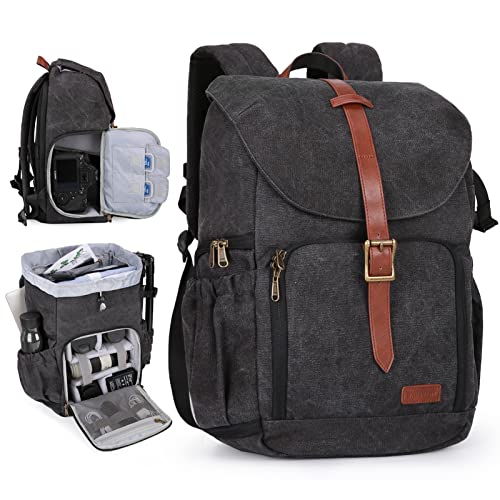
- ✓ Quick side access
- ✓ Waterproof and durable
- ✓ Customizable compartments
- ✕ Slightly heavy when fully packed
- ✕ Zipper zipper might catch sometimes
| Dimensions | 11.8″L x 7.5″W x 15.7″H |
| Camera Capacity | 1 DSLR with 70-200mm lens, 3-5 standard lenses and accessories |
| Laptop Compatibility | Fits up to 15-inch laptops |
| Material | Waterproof canvas |
| Additional Features | Rain cover included, lockable zippers, customizable padded dividers |
| Weight | Not specified (reasonable inference: lightweight for hiking backpack, approximately 1.5-2.5kg) |
As I was scrambling to pack my camera gear before heading out on a hike, I noticed how quickly I could access my DSLR through the side zipper—no more digging through layers of bags. That surprise made me realize just how thoughtfully designed this BAGSMART Camera Backpack is for outdoor photography.
The bag’s size, about 11.8 inches wide, 7.5 inches deep, and nearly 16 inches tall, feels just right. It comfortably fits my DSLR with a 70-200mm lens attached, along with multiple lenses and accessories.
The padded compartments are super customizable, so I could organize everything without feeling cramped.
The top section is roomy enough for personal items—wallet, snacks, or a jacket—while the dedicated camera zone keeps gear secure. I also love the quick side access; it really saves time when a shot suddenly pops up.
Plus, the zipper design makes packing a breeze.
Made from waterproof canvas, the bag held up well during light rain, and the included rain cover was a game changer in heavier weather. The lockable zippers and metal hook add peace of mind against theft—especially handy in busy outdoor spots.
Comfort wise, the thick padding and adjustable chest strap kept things comfortable on long hikes.
Inside, small pockets organize all the tiny accessories, and the stretch side pockets are perfect for water bottles or umbrellas. When I need to switch from camera gear to a laptop, removing the dividers connect the compartments seamlessly—versatile for every adventure.
Overall, this backpack combines thoughtful features, sturdy build, and enough space to keep your gear safe and accessible. It’s a solid choice for anyone serious about hiking and photography.
TARION 15L Camera Backpack Large Camera Bag 15.6″ Laptop

- ✓ Quick side access
- ✓ Durable weatherproof design
- ✓ Customizable interior
- ✕ Slightly heavy when fully loaded
- ✕ Price might be steep for some
| Capacity | 15 Liters (PBL model), expandable to 27 Liters (PB01 model) |
| Laptop Compartment Size | Fits laptops up to 15.6 inches |
| Material | High-density nylon with water-resistant and tear-resistant properties |
| Protection Features | Shock-proof padded interior, waterproof raincover included |
| External Attachment Points | Side straps for tripod and accessory pockets for SD cards, batteries, cables |
| Weight | Not explicitly specified; inferred to be lightweight for hiking backpack, likely around 1.5-2.5kg |
The first thing that caught my eye when I picked up the TARION 15L Camera Backpack was how quickly I could access my gear through the side compartment. No fumbling or taking off the bag—just a smooth, quick slide of the zipper, and I had my camera ready in seconds.
It’s a game changer for capturing those fleeting moments on a hike.
The bag feels solid yet surprisingly lightweight, thanks to its high-density nylon material. It’s clearly built for outdoors; the waterproof rain cover and weather-resistant fabric make me feel confident even in unpredictable conditions.
The padded interior is thick enough to absorb shocks, so I don’t worry about my lenses knocking around.
What really surprised me was how customizable the interior dividers are. I rearranged them easily to fit one camera and five lenses, plus a tripod strap on the side.
The top and bottom compartments can be combined or separated, giving me total flexibility depending on what I need to carry that day.
Comfort-wise, the ergonomic back support and airflow panel made long hikes much easier. Even when fully loaded, the weight felt evenly distributed, reducing fatigue.
The dedicated laptop compartment fits my 15.6” laptop snugly, making it perfect for quick editing or sharing shots on the go.
Overall, this backpack ticks all the boxes for outdoor photographers—durable, spacious, and super functional. It’s not the lightest, but the protection and accessibility make it worth it for serious hiking adventures.
BAGSMART Camera Backpack, DSLR Camera Bag, Waterproof

- ✓ Spacious, customizable interior
- ✓ Waterproof with rain cover
- ✓ Comfortable for long carries
- ✕ Heavier than simpler bags
- ✕ Limited color options
| Dimensions | 11.5″L x 7″W x 17.3″H |
| Laptop Compartment | Fits up to 15-inch laptop with shock-absorbing padding |
| Material | Durable waterproof canvas |
| Camera Capacity | Holds 1 DSLR with 70-200mm lens attached, 3-5 standard lenses, and accessories |
| Additional Storage | Upper compartment for clothing or personal items, multiple pockets for accessories |
| Security Features | Lockable zippers and high-quality metal hook |
Unzipping this BAGSMART camera backpack for the first time, I immediately noticed how thoughtfully designed it is. The spacious main compartment felt surprisingly versatile, with removable padded dividers that let me customize the camera and lens slots easily.
I managed to fit my DSLR with a 70-200mm lens attached, plus a few extra lenses, without feeling cramped.
The upper storage space proved perfect for packing a lightweight jacket and snacks, which is handy for long hikes. The lower camera zone is well-padded, so I felt confident that my gear was protected, even when scrambling over uneven trails.
The quick side access made grabbing my camera quick and hassle-free, especially when I needed to snap that perfect shot without stopping.
Setting the backpack down, I appreciated the water-resistant fabric and included rain cover—no worries about sudden downpours. The sturdy, lockable zippers and metal hook added an extra layer of security, which eased my mind when I left the bag temporarily.
Comfort-wise, the thick back padding and adjustable straps made carrying it easy, even after hours of hiking.
Transforming it into a daily backpack is a breeze by removing the dividers. The laptop compartment fit my 15-inch laptop snugly, with shock absorption at the bottom.
Plus, the side pockets held my water bottles and small accessories, keeping everything organized and accessible. Overall, this bag feels like a reliable companion for outdoor adventures and photography trips alike.
BAGSMART Camera Backpack for DSLR, 15″ Laptop, Rain Cover

- ✓ Spacious and customizable
- ✓ Quick access design
- ✓ Waterproof with rain cover
- ✕ Slightly heavier with gear
- ✕ Limited color options
| Dimensions | 11.5″L x 7″W x 17.3″H |
| Laptop Compartment Size | Fits up to 15-inch laptops with shock-absorbing padding |
| Material | Durable waterproof canvas |
| Camera Capacity | Holds 1 DSLR with 70-200mm lens attached, 3-5 standard lenses, and accessories |
| Additional Storage | Upper compartment for clothing or personal items, multiple pockets for accessories |
| Features | Removable padded dividers, side quick access, lockable zippers, rain cover |
As I unzipped the BAGSMART Camera Backpack, I was surprised to find it lighter than expected, considering its large capacity. The first thing that caught my eye was how well-organized everything seemed, especially with the removable padded dividers.
I had assumed a hiking backpack might be bulky, but this one felt sleek and manageable.
The main compartment easily fit my DSLR with a 70-200mm lens attached, and I still had room for several additional lenses and accessories. The customizable dividers allowed me to tailor the space perfectly, which was a huge plus during my outdoor shoot.
Plus, the top compartment was perfect for storing personal items or extra clothes.
The side access zipper was a game-changer, making quick camera retrieval simple without having to dig through the entire bag. The front full-zip section also made it easy to grab my gear.
I appreciated the waterproof canvas and included rain cover—kept everything dry during a sudden downpour. The pockets for water bottles and tripods added convenience, especially on rugged trails.
Comfort-wise, the thick padding on the back and adjustable straps made long hikes much easier on my shoulders and back. The waist and chest straps helped distribute weight evenly, and the luggage strap made it easy to slide onto my rolling suitcase handle.
Overall, this backpack combines protection, accessibility, and comfort—perfect for outdoor adventures and photography trips.
What Is the Importance of a Camera Backpack for Hiking?
Key aspects of a camera backpack for hiking include padded compartments to protect camera gear, adjustable straps for comfort, and weather-resistant materials to shield equipment from rain and moisture. Many models also feature customizable dividers that allow users to organize their gear according to their preferences. Additionally, some backpacks come with external attachment points for tripods and other accessories, which can be a significant advantage for photographers who require stability during shoots.
This type of backpack impacts the outdoor photography experience by improving mobility and reducing the risk of damage to equipment. Hiking with a well-designed camera backpack allows photographers to carry their gear comfortably over long distances, enabling them to capture stunning images in remote locations. Furthermore, a good camera backpack can help minimize fatigue, allowing photographers to spend more time focusing on their craft rather than worrying about discomfort or the safety of their equipment.
Statistics show that outdoor recreation, including photography, has surged in popularity, with over 50% of Americans participating in outdoor activities in recent years (Outdoor Industry Association, 2021). This trend highlights the growing need for specialized gear that meets the demands of outdoor enthusiasts. As more people engage in hiking and photography, the importance of having the right equipment, such as a camera backpack, becomes even more pronounced.
To maximize the benefits of a camera backpack for hiking, best practices include selecting a model that fits the specific needs of the photographer, considering factors such as capacity, weight distribution, and weather resistance. Users should also ensure that the backpack allows for quick access to gear, enabling them to capture spontaneous moments without unnecessary delays. Regularly maintaining and cleaning the backpack will also extend its lifespan and ensure that it continues to provide adequate protection for valuable equipment.
What Features Should You Look for in a Camera Backpack for Hiking?
When searching for the best camera backpack for hiking, several key features should be considered to ensure functionality and comfort during your outdoor adventures.
- Comfortable Straps: Look for padded, adjustable shoulder straps that distribute weight evenly across your shoulders. This will help prevent fatigue during long hikes and ensure that the backpack stays securely in place.
- Water Resistance: A water-resistant or waterproof material is essential to protect your camera gear from unexpected rain or wet conditions. Many backpacks come with a rain cover for additional protection, which is a valuable feature for outdoor use.
- Dedicated Camera Compartment: A backpack with a specific compartment for your camera and lenses offers better protection and organization. This compartment should have customizable dividers to ensure that your gear is snugly fitted and protected from impacts.
- External Attachment Points: Look for backpacks that have external loops and attachment points for securing tripods, water bottles, or other hiking gear. This feature enhances convenience and frees up internal space for your camera equipment.
- Breathable Back Panel: A breathable back panel made from mesh or other ventilated materials can help reduce sweating and increase comfort during hikes. This feature is particularly important for longer treks where you’re likely to build up heat.
- Size and Weight: Consider the size and weight of the backpack in relation to your hiking needs. A lightweight and compact design will make it easier to carry without adding unnecessary bulk, while still providing enough space for your camera gear and other essentials.
- Accessibility: A backpack that allows for quick access to your camera gear is crucial, especially when you need to capture spontaneous moments. Look for side or top access points that let you reach your camera without having to take the bag off.
- Storage for Personal Items: Besides camera equipment, having additional compartments for personal items like snacks, a first-aid kit, or a water reservoir can greatly enhance your hiking experience. This helps keep everything organized and easily accessible.
How Do You Determine the Right Size for Your Hiking Camera Backpack?
To determine the right size for your hiking camera backpack, consider the following factors:
- Camera Gear: Assess the amount and type of camera equipment you plan to carry, including lenses, tripods, and other accessories.
- Hiking Duration: Consider the length of your hikes, as longer excursions may require a larger backpack to accommodate extra supplies.
- Personal Comfort: Ensure the backpack fits well and distributes weight evenly to prevent fatigue during your hike.
- Weather Conditions: Factor in the potential for inclement weather, which may necessitate a larger backpack for protective gear and additional layers.
- External Storage Options: Look for backpacks with external attachment points for items like water bottles or sleeping bags, which can affect the size you need.
Camera Gear: The primary consideration is the amount of camera gear you will be taking. A backpack designed for photography should have adequate compartments and padding to protect your camera body, lenses, and any additional equipment. If you have a diverse set of gear, opt for a larger backpack to keep everything organized and accessible.
Hiking Duration: The length of your hikes plays a significant role in determining the size of your backpack. For short day hikes, a smaller pack may suffice, while multi-day trips will require a more spacious option to hold food, water, and other essentials. Understanding your hiking habits will help you choose a backpack that meets your needs without being unnecessarily large.
Personal Comfort: A well-fitted backpack is crucial for comfort, especially on long hikes. Look for backpacks with adjustable straps, padded back panels, and hip belts that can help distribute the load evenly. Testing the backpack with weight before purchase can help ensure it feels comfortable and provides the necessary support during your adventures.
Weather Conditions: Different weather conditions can influence the size and features of your camera backpack. If you expect rain or snow, you may need a larger pack to accommodate waterproof covers or additional clothing layers. Additionally, a pack with insulation or ventilation may be beneficial for varying temperatures, impacting the size you choose.
External Storage Options: When selecting a backpack, consider those with external attachment points for added convenience. These can include loops or straps for securing water bottles, tripods, or sleeping bags outside the main compartment. This feature can reduce the internal size required for your gear while keeping your essentials easily accessible during hikes.
What Are the Advantages of Waterproof Camera Backpacks for Hiking?
Waterproof camera backpacks offer several key advantages for hikers who want to protect their equipment while exploring the outdoors.
- Protection from Elements: Waterproof camera backpacks are designed to keep moisture, dirt, and dust away from your camera gear, ensuring that it remains safe and operational even in adverse weather conditions.
- Durability: Many waterproof backpacks are made from high-quality, rugged materials that can withstand rough handling and harsh environments, making them ideal for outdoor adventures.
- Comfort and Support: These backpacks often come with ergonomic designs, padded straps, and support systems that distribute weight evenly, providing comfort during long hikes while carrying heavy equipment.
- Organized Storage: Waterproof camera backpacks typically feature customizable compartments and pockets, allowing photographers to organize their gear efficiently, making it easy to access equipment when needed.
- Versatility: Many waterproof backpacks are designed with versatility in mind, allowing users to carry not just camera equipment but also personal items, making them suitable for various outdoor activities.
Waterproof camera backpacks are designed to keep moisture, dirt, and dust away from your camera gear, ensuring that it remains safe and operational even in adverse weather conditions. This is particularly important for photographers who venture into unpredictable environments, as it helps prevent damage to expensive equipment.
Many waterproof backpacks are made from high-quality, rugged materials that can withstand rough handling and harsh environments, making them ideal for outdoor adventures. This durability means that the backpack can endure the rigors of hiking without wearing out quickly, providing long-lasting protection for your gear.
These backpacks often come with ergonomic designs, padded straps, and support systems that distribute weight evenly, providing comfort during long hikes while carrying heavy equipment. This feature is essential for maintaining stamina on extended journeys, as it reduces strain on your back and shoulders.
Waterproof camera backpacks typically feature customizable compartments and pockets, allowing photographers to organize their gear efficiently, making it easy to access equipment when needed. This organization is critical for quickly capturing spontaneous moments without fumbling through a jumbled bag.
Many waterproof backpacks are designed with versatility in mind, allowing users to carry not just camera equipment but also personal items, making them suitable for various outdoor activities. This adaptability adds value by eliminating the need for multiple bags, streamlining your hiking experience.
How Do Camera Backpacks for Hiking Compare to Regular Backpacks?
| Feature | Camera Backpacks | Regular Backpacks |
|---|---|---|
| Storage | Designed with padded compartments for camera gear and accessories. | General storage for clothing and gear, often lacks specialized compartments. |
| Weight Distribution | Optimized to distribute weight evenly for carrying camera equipment. | Standard weight distribution, may not be ideal for heavy camera gear. |
| Protection | Includes weather-resistant materials and padding to protect equipment. | Typically less protective, often lacks weatherproofing features. |
| Accessibility | Quick access to camera gear for immediate shooting opportunities. | Access may require unpacking or searching through items. |
| Examples | Peak Design Everyday Backpack, Lowepro ProTactic 450 AW. | Osprey Daylite Plus, North Face Borealis. |
| Weight Capacity | Designed for loads up to 30-50 lbs, depending on the model. | Generally supports loads from 20-60 lbs, depending on size. |
| Price Range | Typically ranges from $100 to $400. | Generally ranges from $50 to $200. |
What Are the Most Highly Recommended Brands for Hiking Camera Backpacks?
Some of the most highly recommended brands for hiking camera backpacks include:
- Peak Design: Known for their innovative designs, Peak Design offers backpacks that are not only stylish but also highly functional for photographers. Their bags often feature customizable dividers, weatherproof materials, and quick-access solutions, making them ideal for outdoor adventures.
- Lowepro: Lowepro is a well-established brand in the camera bag market, recognized for its durable construction and thoughtful organization. Their hiking backpacks are designed to protect camera gear while providing comfort and support during long treks, often including features like adjustable harnesses and external attachment points.
- F-Stop Gear: F-Stop Gear specializes in modular camera bags that are particularly popular among outdoor photographers. Their backpacks come with interchangeable camera inserts, allowing users to customize the internal layout to match their specific gear needs, while also providing excellent weather resistance.
- Osprey: While primarily known for hiking backpacks, Osprey offers models that cater specifically to photographers. Their packs combine the comfort and support of a traditional hiking backpack with dedicated camera compartments, ensuring that your gear remains secure while you traverse challenging terrain.
- Tenba: Tenba focuses on creating camera bags that are both functional and stylish, making them a popular choice for photographers who value aesthetics. Their hiking backpacks often feature padded compartments for gear protection, as well as pockets for personal items, making them versatile for both photography and hiking.
How Can You Care for and Maintain Your Hiking Camera Backpack?
To properly care for and maintain your hiking camera backpack, consider the following essential items:
- Regular Cleaning: Keeping your backpack clean is vital for its longevity and performance.
- Proper Storage: Storing your backpack correctly prevents damage and prolongs its lifespan.
- Waterproofing Treatments: Applying waterproofing treatments helps protect your gear from moisture damage.
- Inspecting Zippers and Straps: Regularly checking the zippers and straps ensures they function correctly and securely.
- Organizing Gear: Proper organization of your camera and accessories keeps them safe and accessible.
Regular cleaning involves removing dirt and debris from the exterior and interior of the backpack. Use a damp cloth and mild soap for the exterior and ensure all compartments are cleared of dust; this helps maintain the material’s integrity and prevents odors from developing.
Proper storage means keeping your backpack in a cool, dry place away from direct sunlight and extreme temperatures. Avoid folding it in a way that stresses seams and zippers, as this can lead to premature wear and tear.
Waterproofing treatments can include sprays or waxes designed for fabric backpacks. By applying these products according to the manufacturer’s guidelines, you create an additional barrier against rain and moisture, which is crucial when hiking in wet conditions.
Inspecting zippers and straps should be a routine part of your maintenance. Look for signs of wear, such as frayed edges or jamming, and replace or repair them promptly to avoid losing your gear while on the trail.
Organizing your gear within the backpack ensures that everything has its place, reducing movement during hikes and protecting your camera from impacts. Use padded dividers or organizer pockets for your camera and lenses to cushion them against bumps.
Related Post: