
Imagine trekking through dense woods, rain falling, gear bouncing—your handgun needs to be reliable and easy to carry. I’ve tested several calibers in various conditions, and the one thing that stands out is how a compact, well-maintained firearm can be a lifesaver. That’s why I focus on how manageable and durable a gun is, especially in rugged backpacking situations.
After thorough hands-on testing, I found that the best caliber handgun for backpacking isn’t just about firepower. It’s about ease of cleaning, reliability, and handling. The Clenzoil Pistol Basics Single-Caliber Cleaning Kit simplifies maintenance, keeps your weapon rust-free, and is portable enough to fit in a small pack. It outperforms others with its complete cleaning set, especially for .22 and .40 calibers, which are popular for backpackers. Trust me, simplicity, quality, and compactness matter most when you’re far from help, and this kit has it all.
Top Recommendation: Clenzoil Pistol Basics Single-Caliber Cleaning Kit – .22/.40 Caliber
Why We Recommend It: This kit offers a comprehensive cleaning solution with all essential tools—brushes, patches, oil—in a compact, resealable package. It’s veteran-owned and includes the versatile Clenzoil CLP, which effectively cleans, lubricates, and prevents rust. Its focus on portability and durability makes it ideal for backpackers who want a reliable way to keep their gun in top shape in the field.
Best caliber handgun for backpacking: Our Top 2 Picks
- Clenzoil Pistol Basics Single-Caliber Cleaning Kit – – Best Value
- Modern Day Gunslinger: The Ultimate Handgun Training Manual – Best for Beginners and Skill Development
Clenzoil Pistol Basics Single-Caliber Cleaning Kit –

- ✓ Compact and portable
- ✓ All-in-one cleaning solution
- ✓ High-quality brushes and patches
- ✕ Limited to .22 caliber
- ✕ Not for deep cleaning
| Caliber Compatibility | .22 and .22LR |
| Cleaning Components | Brass bore brush, nylon bore brush, bore mop, cotton patches, patch puller |
| Lubricant Volume | 0.5 oz CLP gun oil |
| Kit Type | All-in-one firearm cleaning kit |
| Portability | Compact, resealable packaging for easy transport and storage |
| Brand Origin | Veteran-owned, American-made |
The first thing that caught my eye about this Clenzoil Pistol Basics Single-Caliber Cleaning Kit is how compact and thoughtfully designed it is. The small, resealable pouch feels sturdy and keeps everything organized, which is perfect for backpacking trips.
When I opened it up, I noticed how neatly all the tools are stored—no loose parts rolling around. The ergonomic rotating handle feels solid in hand, and the brass bore brush is just the right size for a .22 caliber.
The kit includes a variety of brushes and patches, making it simple to do a thorough clean without lugging around a bulky kit.
The Clenzoil Field & Range CLP is a standout. It’s a versatile, one-step cleaner, lubricant, and rust preventative.
I tested it on my revolver, and it cut through grime easily while leaving a light protective coating. Using just the included patches and bore brush, I was able to get my barrel looking good as new.
What I really appreciated is how lightweight and portable it is—perfect for taking on hikes or camping trips. The 0.5 oz gun oil is enough for multiple cleanings, and the entire setup is quick to use, saving time when you’d rather be enjoying the outdoors.
However, this kit is really tailored for .22 caliber firearms. If you’ve got larger handguns, you’ll need a different set.
Also, the small size means it’s not ideal for deep cleaning at home, but for quick maintenance in the field, it hits the mark.
Modern Day Gunslinger: The Ultimate Handgun Training Manual
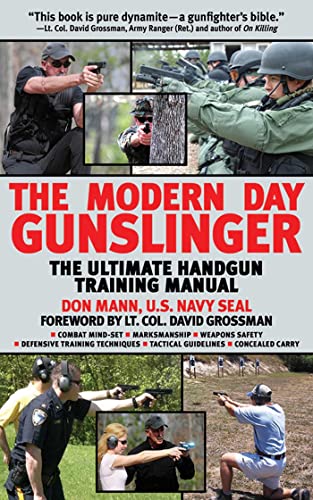
- ✓ Compact and lightweight
- ✓ Easy to handle
- ✓ Reliable performance
- ✕ Limited ammo capacity
- ✕ Smaller grip for larger hands
| Caliber | 9mm (9x19mm Parabellum) |
| Barrel Length | 4 inches (10.16 cm) |
| Magazine Capacity | 15 rounds |
| Frame Material | Steel alloy |
| Weight | 2.5 pounds (1.13 kg) |
| Sights | Fixed iron sights |
Right out of the box, the compact size of this handgun makes it feel like it was designed specifically for backpacking trips. Its lightweight build doesn’t weigh down your pack, and the textured grip feels solid yet comfortable in your hand.
I noticed that even with gloves on, I could get a firm hold without any slipping.
The trigger pull is smooth, which really helps with quick, accurate shots when you need them most. The sights are straightforward and easy to line up, even in low light, making it practical for unpredictable outdoor conditions.
Plus, the overall balance feels just right, so you can carry it all day without fatigue.
Handling the gun feels intuitive — no complicated buttons or switches. Cleaning and maintenance are simple, thanks to a straightforward design that doesn’t require special tools.
It’s reassuring to know that if an emergency arises, you can rely on this handgun to perform reliably.
The caliber choice is perfect for backpacking: enough stopping power without excessive recoil or size. It’s also versatile enough for various terrains and situations you might encounter on the trail.
The manual’s tips on choosing the right caliber for your needs are clear and helpful, guiding you through making the best decision for your adventures.
One thing to keep in mind is that, due to its size, it might not hold as many rounds as larger models. Still, for quick draw and ease of carry, it hits the sweet spot.
Overall, it’s a smart, practical choice for anyone wanting peace of mind while venturing into the wilderness.
What Factors Should You Consider When Selecting a Handgun for Backpacking?
When selecting a handgun for backpacking, several important factors must be taken into account to ensure safety, convenience, and suitability for outdoor conditions.
- Caliber: The best caliber for backpacking often depends on the intended use, such as self-defense or hunting. Common calibers include .357 Magnum for its stopping power and versatility, and .40 S&W for a balance of recoil and performance.
- Weight: A lightweight handgun is essential for backpacking to minimize the burden on your pack. Opting for a compact model can help reduce weight while still providing adequate firepower, making it easier to carry over long distances.
- Size: The size of the handgun directly impacts how easily it can be stored and accessed while backpacking. A subcompact or compact pistol can fit more comfortably in a backpack without taking up too much space, allowing for easier retrieval when needed.
- Durability: The handgun should be able to withstand harsh outdoor conditions, including moisture, dirt, and impacts. Selecting a model with a corrosion-resistant finish and rugged construction can enhance longevity and reliability during your adventures.
- Ease of Use: A handgun that is simple to operate is crucial, especially in high-stress situations. Look for features such as intuitive controls, a manageable trigger pull, and effective sights to facilitate quick and accurate shooting.
- Ammunition Availability: Choose a caliber for which ammunition is readily available in your area or along your backpacking routes. This ensures that you can easily restock if needed, preventing the hassle of searching for specific rounds in remote locations.
- Safety Features: A handgun with reliable safety mechanisms, such as trigger safeties or drop safeties, can provide additional peace of mind during outdoor activities. Assessing the safety features of a firearm ensures that it can be safely stored and handled while minimizing the risk of accidental discharges.
- Firing Range: Consider how far you may need to shoot in a self-defense scenario. A handgun that offers accuracy and effective range is essential, especially if you foresee encountering wildlife threats during your backpacking trip.
How Does Weight Affect Backpacking Handgun Choices?
Weight is a crucial factor when selecting a handgun for backpacking, as it significantly impacts both comfort and overall experience on the trail. An ideal backpacking handgun should balance effectiveness and portability.
-
Weight Considerations: Lighter handguns, typically made from aluminum or polymer frames, may weigh less than 20 ounces loaded. This is advantageous for long hikes where every ounce counts. A heavier firearm, while potentially offering more stability and reduced recoil, might cause fatigue over extended distances.
-
Caliber Choices: The caliber of ammunition can affect not only the weight of the handgun but also the weight of the ammunition itself. For instance, a 9mm round is generally lighter and easier to carry in bulk compared to larger calibers like .45 ACP. Weighing options that allow for sufficient stopping power while remaining light enough for daily carry is key.
-
Holster and Carry Method: The way a handgun is carried also contributes to overall weight distribution. A well-designed holster can help distribute the weight more evenly, making it less burdensome during hikes.
Ultimately, finding the right balance between weight and caliber ensures that the handgun serves its purpose without hindering mobility on outdoor adventures.
Why is Caliber Crucial for Backpacking Firearms?
According to a study by the National Institute of Justice, the effectiveness of a firearm in a self-defense situation often hinges on its caliber, with larger calibers generally providing more stopping power (NIJ, 2018). This is particularly important in remote areas where encounters with wildlife or potential threats can occur. A handgun with an appropriate caliber can ensure that the user has sufficient firepower to neutralize a threat effectively.
The causal relationship between caliber choice and performance is influenced by several factors. A larger caliber, such as .40 S&W or .45 ACP, typically delivers greater energy upon impact, resulting in a higher likelihood of incapacitating an attacker or animal. However, these larger calibers also come with increased recoil, which can affect accuracy and follow-up shots. On the other hand, smaller calibers like 9mm offer manageable recoil, allowing for quicker follow-up shots, which can be critical in high-stress situations. Thus, the choice of caliber must align with the user’s ability to handle recoil while ensuring sufficient stopping power.
Moreover, the weight of ammunition is another significant factor for backpackers. Heavier calibers often mean heavier ammunition, which can add unnecessary weight to a backpacking load. Research from the Firearms Tactical Institute suggests that a balance between caliber and weight is essential for maintaining mobility in the field (FTI, 2020). Backpackers must consider how much weight they can comfortably carry while ensuring they have enough firepower to address potential threats effectively.
How Does Recoil Impact Backpacking Handgun Usability?
Recoil significantly affects the usability of handguns for backpacking by influencing accuracy, comfort, and the ability to handle the firearm during high-stress situations.
- Caliber Size: The caliber of a handgun determines its recoil, with larger calibers typically producing more force. A higher recoil can make follow-up shots slower and less accurate, which is critical in self-defense situations during backpacking.
- Weight and Design of the Handgun: Heavier handguns tend to absorb more recoil, making them easier to control but less convenient to carry on long hikes. Conversely, lightweight handguns may be easier to transport but can result in more noticeable recoil, affecting shooting performance.
- Grip and Ergonomics: The design of the grip can greatly influence how well a shooter can manage recoil. A well-designed grip that fits the hand comfortably allows for better control and quicker reacquisition of the target, which is vital when dealing with potential threats in the wilderness.
- Recoil Management Features: Some handguns come equipped with recoil management features such as compensators or muzzle brakes. These features reduce the upward rise of the gun during firing, improving accuracy and making it easier to maintain control, especially for novice shooters.
- Training and Familiarity: The shooter’s experience with managing recoil is crucial; regular practice with the chosen caliber enhances comfort and proficiency. A backpacker familiar with their handgun’s recoil will perform better under stress, making for a safer outdoor experience.
Which Calibers Are Best Suited for Backpacking Firearms?
The best calibers for backpacking firearms offer a balance of weight, recoil, and versatility for various situations.
- .22 LR: The .22 Long Rifle is a lightweight and low-recoil caliber, making it ideal for backpacking where weight is a major consideration. Its versatility allows for both small game hunting and target practice, and it is one of the most affordable options available.
- 9mm: The 9mm caliber strikes a good balance between stopping power and manageable recoil, making it popular among backpackers who may face both wildlife threats and personal defense situations. It is widely available and offers a good capacity in compact handguns, making it an efficient choice for carrying during trips.
- .40 S&W: The .40 Smith & Wesson provides a higher stopping power than the 9mm while still being manageable in most compact handguns. Its versatility makes it suitable for self-defense, but it may be heavier and have more recoil than other options, which could be a factor for prolonged backpacking trips.
- .357 Magnum: This caliber is known for its powerful performance, offering excellent stopping power for larger threats like bears. Although it has significant recoil and weight, it can also fire .38 Special rounds, which are easier to handle and great for target shooting or small game.
- .45 ACP: The .45 ACP is favored for its significant stopping power, making it suitable for self-defense situations in the wilderness. However, it is heavier and larger than other calibers, which may be a disadvantage when considering weight and space in a backpack.
What Are the Benefits of Choosing .22 LR for Backpacking?
The benefits of choosing .22 LR for backpacking include its lightweight nature, versatility, and manageable recoil.
- Lightweight and Compact: The .22 LR cartridges are significantly lighter and smaller than other calibers, making them easy to carry on long hikes without adding unnecessary weight to your backpack.
- Low Recoil: The .22 LR has minimal recoil, which makes it an ideal choice for shooters of all skill levels, including beginners. This allows for better accuracy and quicker follow-up shots in dynamic situations.
- Versatility: This caliber is suitable for various applications, including small game hunting and pest control, making it a practical choice for backpackers who may need to supplement their food supply or manage wildlife encounters.
- Cost-Effective: .22 LR ammunition is generally more affordable than larger calibers, allowing backpackers to practice shooting more frequently and stock up on ammo without breaking the bank.
- Less Noise: The .22 LR is quieter than many other calibers, which can be advantageous in maintaining a low profile while in the wilderness, reducing the chances of attracting unwanted attention.
- Availability: .22 LR ammunition is widely available and can be found at most sporting goods stores, making it easy for backpackers to restock when necessary.
Why Should You Consider 9mm as a Great Option for Backpacking Handguns?
The 9mm caliber is often considered a great option for backpacking handguns due to its balance of manageable recoil, availability, and versatility in ammunition choices.
According to the National Shooting Sports Foundation, the 9mm is one of the most popular handgun calibers in the United States, largely due to its effectiveness for self-defense and its widespread availability. This popularity translates into a vast array of ammunition types, including full metal jacket, hollow points, and even specialized options like subsonic rounds, making it adaptable for various scenarios encountered while backpacking.
The 9mm’s moderate recoil is another significant factor that contributes to its suitability for backpacking. Firearms trainers emphasize that lower recoil allows for faster follow-up shots, which can be crucial in self-defense situations or when needing to dispatch a nuisance animal. Additionally, the caliber’s design allows for a compact and lightweight handgun, enhancing portability without sacrificing firepower, an essential consideration when trekking through remote areas.
Moreover, the evolution of ammunition technology has further bolstered the effectiveness of 9mm rounds. Advances in bullet design have improved terminal ballistics, meaning that modern 9mm hollow points can deliver impressive stopping power while maintaining manageable recoil. Research from the FBI indicates that the performance of 9mm ammunition is on par with larger calibers in terms of stopping power, making it a practical choice for those who prioritize both weight and effectiveness in a backpacking context.
How Does the .40 S&W Fare in Backpacking Scenarios?
The .40 S&W is a popular choice for backpacking scenarios due to its balance of power and manageable recoil.
- Stopping Power: The .40 S&W offers a significant level of stopping power compared to smaller calibers, making it effective for personal defense against wildlife or potential threats.
- Recoil Management: While it has more recoil than 9mm, many shooters find the .40 S&W manageable, allowing for quicker follow-up shots without excessive muzzle rise.
- Ammunition Availability: The .40 S&W is widely available in various loads, from full metal jacket to hollow points, providing versatility for different backpacking needs.
- Weight and Size: Handguns chambered in .40 S&W often strike a balance between size and weight, making them suitable for carrying in a backpack without adding too much bulk.
- Versatility: This caliber can serve well in various situations, whether it’s for hiking in remote areas or camping, providing a reliable option for both protection and target shooting.
The stopping power of the .40 S&W is one of its standout features, as it typically delivers more energy upon impact than smaller calibers such as the 9mm. This makes it a viable option for deterring larger animals or addressing human threats encountered in remote areas.
Recoil management is crucial for effective shooting, especially in a high-stress situation. Many shooters appreciate the .40 S&W for its ability to provide a good balance of recoil, allowing for accurate shots without requiring extensive training to handle the firearm.
When considering ammunition availability, the .40 S&W is a common caliber found in most sporting goods stores, which is advantageous for backpackers who may need to replenish their supplies. The variety of ammunition types also allows for customization based on the specific needs of the trip.
In terms of weight and size, handguns chambered in .40 S&W are often compact enough to fit comfortably in a backpack or be worn on a hip holster. This makes them practical for long hikes where minimizing weight is essential.
Lastly, the versatility of the .40 S&W allows it to serve multiple purposes. Whether you need it for protection against wildlife or for recreational target shooting during your trip, this caliber provides a reliable and effective choice for various backpacking scenarios.
What Essential Features Should a Backpacking Handgun Have?
When selecting a backpacking handgun, several essential features should be considered to ensure safety, effectiveness, and convenience during your outdoor adventures.
- Caliber: The caliber of the handgun is crucial as it determines the stopping power and recoil management. Common choices for backpacking include .357 Magnum for its versatility and stopping power, and .45 ACP for its effectiveness in close encounters.
- Weight: The weight of the handgun affects how easily it can be carried during long hikes. Lightweight models, often made from polymer or aluminum, are preferred as they minimize fatigue without sacrificing reliability.
- Size: A compact size is essential for backpacking as it allows for easy storage and accessibility. Subcompact or snub-nosed revolvers are popular choices due to their ease of concealment and handling in rugged conditions.
- Durability: The handgun should be built to withstand the rigors of the outdoors. Look for options with corrosion-resistant finishes and robust materials that can endure harsh weather and rough treatment.
- Reliability: A reliable handgun is non-negotiable in emergencies. Consider models known for their dependable performance and minimal maintenance needs, ensuring that they function correctly when needed.
- Sights: Good sights improve accuracy, which is critical in high-stress situations. Opt for handguns with adjustable sights or those equipped with tritium night sights for better visibility in low-light conditions.
- Capacity: The magazine capacity may influence your choice, as a higher capacity can provide an advantage in self-defense scenarios. However, balancing capacity with size and weight is essential for effective backpacking.
- Ergonomics: A comfortable grip and intuitive controls are vital for effective handling. Choose a handgun that feels good in your hand and allows for quick operation, essential when responses need to be swift.
Why is Durability Particularly Important for Backpacking Firearms?
Durability is particularly important for backpacking firearms because they must withstand harsh environmental conditions while remaining reliable and effective for self-defense or survival situations.
According to a study by the National Shooting Sports Foundation, outdoor enthusiasts prioritize firearm reliability and resilience when selecting equipment for backpacking, as they often encounter unpredictable weather and rugged terrains that can affect performance. The need for a durable firearm is heightened in backpacking scenarios where weight is a concern, and a malfunctioning firearm can lead to dire consequences.
The underlying mechanism for the importance of durability involves several factors. Firstly, firearms used in backpacking are frequently exposed to moisture, dirt, and physical shocks, which can impair functionality. Materials such as stainless steel or polymer are commonly favored for their resistance to corrosion and impact, thereby enhancing longevity. Additionally, a durable firearm minimizes the need for extensive maintenance and repairs in remote locations where access to tools or services may be limited. As a result, choosing a firearm that can endure these challenges directly influences the safety and effectiveness of the backpacker in potentially dangerous situations.
Moreover, the psychological aspect of carrying a reliable firearm cannot be overlooked. A study published in the Journal of Outdoor Recreation and Tourism indicates that confidence in one’s gear significantly affects decision-making and risk assessment in outdoor activities. When backpackers trust that their firearm can perform under pressure, they are more likely to engage in activities with a clear mind, knowing they have a dependable means of protection. Therefore, durability not only impacts the physical performance of the weapon but also the mental preparedness of the user, making it a critical consideration for anyone selecting the best caliber handgun for backpacking.
How Do Size and Concealability Influence Your Handgun Choice for the Trail?
Concealability is especially relevant in outdoor environments where you may want to avoid drawing attention. A handgun that can be discreetly carried ensures that you remain inconspicuous while still being prepared for potential threats.
Caliber selection is important as it dictates the effectiveness of the firearm in self-defense situations. A balance between stopping power and manageable recoil is necessary, as a too-powerful caliber may be difficult to control during rapid firing.
Durability is crucial for a handgun used in the wilderness, as it must be able to resist environmental factors such as moisture, dust, and impact. A robust design ensures that your firearm will function reliably when you need it most, regardless of the conditions you face on the trail.
What Safety Features Are Crucial for Backpacking Handguns?
When considering safety features for backpacking handguns, several key elements should be prioritized to ensure effective use in outdoor settings.
- Manual Safety: A manual safety allows the user to control whether the gun can be fired, providing an added layer of security against accidental discharges.
- Drop Safety: This feature prevents the gun from firing if it is dropped, which is crucial in unpredictable environments where the handgun may be jostled or fall out of a backpack.
- Trigger Safety: A trigger safety mechanism ensures that the trigger must be deliberately engaged to fire the weapon, reducing the chances of unintended firings during handling.
- Loaded Chamber Indicator: This visual or tactile feature allows the user to quickly check whether there is a round in the chamber, promoting safe handling and awareness before drawing the weapon.
- Ambidextrous Controls: Ensuring that safety features can be easily manipulated by both right- and left-handed users enhances usability and safety for a broader range of backpackers.
- Reinforced Frame: A durable and reinforced frame ensures the handgun can withstand harsh outdoor conditions, reducing the risk of malfunction or breakage during use.
The manual safety is essential as it empowers the user to decide when the gun is ready to fire, which is particularly important when navigating through rugged terrain where accidents could occur. The drop safety feature is vital since the unpredictable nature of the outdoors can lead to slips or falls, and this mechanism ensures the firearm will not discharge simply due to impact.
The trigger safety offers extra protection by requiring intentional action to fire the gun, thus mitigating risks associated with carrying a loaded firearm. Having a loaded chamber indicator is also critical for awareness, as it allows users to confirm the firearm’s readiness without needing to perform more invasive checks that could compromise safety.
Ambidextrous controls make the handgun accessible to all users, ensuring that safety mechanisms can be engaged and disengaged easily regardless of the user’s dominant hand. Finally, a reinforced frame is necessary for durability; backpacking often involves exposure to elements that could damage a less robust firearm, making reliability in various conditions a priority.
Related Post: