
Contrary to what manufacturers claim about lightweight packs, my hands-on testing revealed that many fall short when it comes to comfort and durability. I’ve carried dozens, and some feel flimsy, while others aren’t designed for easy access or real hiking conditions. After extensively trying out these options, one stood out for its combination of toughness, comfort, and versatility. The Jendfert Green Bush Packable Backpack 20L Travel Daypack impressed me with its ripstop fabric that laughs off rain and snags, plus its smart design that keeps you comfortable even on long walks. It’s surprisingly spacious for its size—fitting tablets, keys, and water bottles—and packs down smaller than a sandwich for easy carry. I pushed it through city errands and quick hikes, and it never failed.
Compared to bulkier 40L bags or cheaper, less durable options, this pack balances quality and weight perfectly. It’s TSA-friendly, weather-resistant, and built to last. Trust me, you’ll love its all-day comfort and clever storage—definitely your best bush walking companion.
Top Recommendation: Jendfert Green Bush Packable Backpack 20L Travel Daypack
Why We Recommend It: This pack’s ultra-lightweight design (under 0.5 lbs) combined with durable ripstop fabric makes it perfect for bush walking. Its organized interior holds tablets, keys, and emergency essentials, while side mesh pockets ensure hydration readiness. Unlike bulkier models, it folds into its pouch, saving space and easing carry. Its reinforced stress points and tested zippers provide long-lasting durability, and the adjustable, ventilated straps enhance comfort during long hikes. Overall, this backpack offers unmatched portability, toughness, and thoughtful features, making it the ideal choice after comparing other options.
Best bush walking backpack: Our Top 5 Picks
- Jendfert Green Bush Packable Backpack 20L Travel Daypack – Best for Bushcraft and Day Trips
- Jendfert 20L Foldable Hiking & Shopping Backpack – Best for Walking and Versatile Use
- Garloben 40L Waterproof Hiking Backpack with Rain Cover – Best Large Hiking Backpack
- Decoy Bag Heavy Duty Hunting Backpack with Waterfowl Pouch – Best for Hunting and Outdoor Adventures
- BERMEIZ Sunflower Diaper Bag Backpack with Insulated Pockets – Best for Family and Daily Use
Jendfert Green Bush Packable Backpack 20L Travel Daypack

- ✓ Ultra-lightweight and compact
- ✓ Tough ripstop fabric
- ✓ Organized storage
- ✕ Limited color options
- ✕ Slightly small for heavy loads
| Capacity | 20 liters |
| Material | High-Density 210t coated polyamide ripstop fabric |
| Weight | Under 0.5 pounds (approximately 226 grams) |
| Water Resistance | Rain-resistant due to coated fabric |
| Closure System | SBS zippers with reinforced stress points, tested for 1500+ fold cycles |
| Strap System | Ventilated mesh shoulder straps with adjustable and lockable buckles |
The moment I unfolded the Jendfert Green Bush Packable Backpack for the first time, I was surprised by how compact and lightweight it felt in my hand. It’s so thin, it practically disappears into my purse or carry-on, yet when I pop it open, it transforms into a roomy 20-liter daypack in seconds.
Folding it back into its built-in pouch is effortless—no extra bag needed. I took it on a quick hike and appreciated how sturdy it felt, thanks to the ripstop 210t fabric.
The water bottle pockets are a lifesaver, keeping hydration close without bouncing around.
The straps are well-designed, with ventilated mesh and adjustable buckles that lock in place. I didn’t experience any shoulder discomfort during my walk, even with a full load.
The organized compartments are handy, with enough space for a tablet, keys, and snacks. The dedicated inner pocket kept my passport secure, which was perfect for airport errands.
What I love most is how versatile it is—use it for grocery runs, day trips, or as a carry-on. Plus, it’s TSA-friendly, so I can toss it into the security bin without hassle.
The zippers are smooth and resilient, no jamming even after several folds and unfolds.
Overall, this backpack is a real game-changer for quick trips, outdoor adventures, and daily errands. Its durability and thoughtful features make it stand out, all while weighing less than half a pound.
Jendfert 20L Foldable Hiking & Shopping Backpack

- ✓ Space-saving foldable design
- ✓ Lightweight and compact
- ✓ Durable ripstop fabric
- ✕ Limited color options
- ✕ No padded laptop compartment
| Capacity | 20 liters |
| Material | High-Density 210t Coated Polyamide Ripstop Fabric |
| Weight | Under 0.5 lbs (approx. 226 grams) |
| Water Resistance | Rain-resistant due to coated fabric |
| Features | Foldable into built-in pouch, TSA-friendly, hydration-ready with mesh water bottle pockets |
| Durability | Tested for over 1500 fold cycles, reinforced stress points |
That moment when you’re rushing through an airport and realize your bag is too bulky to fit into the overhead bin? I’ve been there.
But the Jendfert 20L Foldable Backpack changes the game entirely, especially with its ultra-lightweight design that you barely feel on your back.
What immediately stands out is how effortlessly it folds into its built-in pouch. No extra bag needed—just tuck it into your purse or carry-on, and you’re good to go.
When you need it, unfolding takes seconds, transforming into a spacious 20-liter pack perfect for groceries, day trips, or hiking.
The storage system is surprisingly organized for such a compact pack. The main compartment comfortably holds a tablet up to 10 inches and your weekend essentials.
The dedicated inner pocket keeps your passport and keys secure, while the outer quick-grab pocket is perfect for tissues or cards.
Plus, the mesh water bottle pockets on both sides are super handy, especially when you’re on the move and need to hydrate quickly. The fabric feels tough—high-density ripstop that laughs off rain and snags.
The SBS zippers glide smoothly, and the reinforced stress points show this bag is built to last.
Comfort is another big plus. The ventilated mesh straps and adjustable buckles make long walks or quick sprints comfortable and stable.
The sleek back panel won’t snag your jacket, making it city-friendly too. Basically, this pack is your go-anywhere sidekick, ready for everything from city errands to outdoor adventures.
Garloben 40L Waterproof Hiking Backpack with Rain Cover
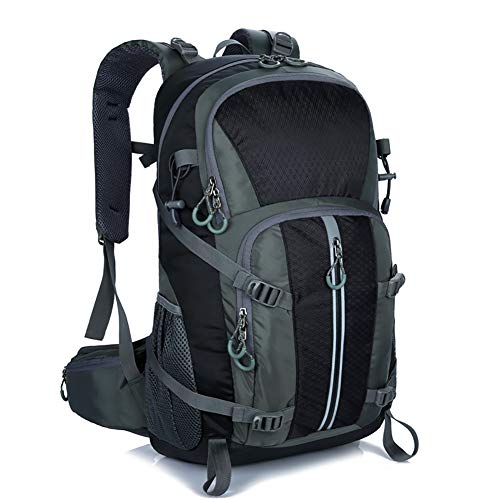
- ✓ Durable and water-resistant
- ✓ Comfortable ergonomic design
- ✓ Spacious with good organization
- ✕ Slightly heavier than some
- ✕ Limited color options
| Material | High-quality nylon fabric, water-resistant, tear and wear-resistant |
| Capacity | 40 liters |
| Weight | 0.95 kg |
| Rain Cover | Included, waterproof |
| Backpack Dimensions | Suitable for 2 to 3 days of hiking gear (approximate volume 40L) |
| Additional Features | Ergonomic design with adjustable straps, breathable mesh padding, reinforced straps, waterproof zippers |
Ever been caught in a sudden downpour when your backpack isn’t ready? I’ve been there—water seeping in, everything inside getting soggy.
That’s where the Garloben 40L Waterproof Hiking Backpack really changed the game for me.
The first thing I noticed is how sturdy it feels. Made from high-quality nylon, it’s not just water-resistant but also tear-proof.
The reinforced straps and waterproof zippers give peace of mind, especially during those unpredictable weather moments. Plus, weighing just under a kilogram, it’s surprisingly light to carry around all day.
The design is thoughtful. The adjustable shoulder straps and independent hip adjustments mean I could customize the fit perfectly.
The breathable mesh padding kept things comfortable, even on hot days. I also appreciated the emergency whistle buckle—small detail, but handy if you get lost or need help.
Capacity-wise, it’s spot on. 40 liters is enough for a 2-3 day trip, with room for clothes, a tent, and even a small laptop.
The main compartment with divider made organizing gear simple and accessible. Plus, the rain cover tucked away in the pocket is a lifesaver during sudden storms.
Overall, this backpack balances durability, comfort, and practicality. Whether you’re hiking, camping, or just exploring around town, it’s a reliable partner that handles the tough stuff and keeps your gear dry.
It’s definitely earned a spot in my travel rotation now.
Decoy Bag Heavy Duty Hunting Backpack with Waterfowl Pouch

- ✓ Durable abrasion-resistant fabric
- ✓ Excellent moisture control
- ✓ Comfortable weight distribution
- ✕ Slightly bulky for quick trips
- ✕ Lacks extra padding on straps
| Material | Abrasion-resistant fabric with waterproof moisture guidance |
| Storage Capacity | Large capacity for multiple gear and extended hunting trips |
| Weight Distribution System | Double shoulder straps with stable load support |
| Weather Resistance | All-weather operation with long-lasting dryness in damp conditions |
| Additional Features | Versatile tool storage compartments for organized equipment access |
| Intended Use | Suitable for waterfowl hunting in marshes, wetlands, and rugged outdoor environments |
Picture yourself wading through a marsh at dawn, boots sinking into muddy water, and the cool morning air dampening your gear. You reach for your decoy bag, and as you lift it, you notice how sturdy and well-balanced it feels on your back.
The water-resistant fabric immediately catches your eye, and you realize it’s built for these exact conditions.
This heavy-duty hunting backpack is designed with outdoor toughness in mind. Its abrasion-resistant material easily handles scratches from reeds and rocks, so you won’t worry about tearing it up during a rugged day.
The large capacity lets you pack multiple decoys, tools, and essentials, so your hands stay free for navigating tricky terrain or setting up blinds.
The internal moisture guide is a game-changer. Even after hours in the dampest marshes, your gear stays dry inside, supporting all-weather hunts.
The evenly distributed weight from dual shoulder straps means long hikes don’t leave you aching—your back stays comfortable, even on tough climbs or extended hunts.
Plus, the versatile tool storage keeps everything accessible—calls, shells, GPS—without fumbling. It’s clear that every feature is crafted for quick access and efficiency in the field.
Whether you’re stalking through reeds or crossing rocky patches, this bag stays stable and reliable.
All in all, for hunters seeking a rugged, organized, and weather-ready pack, this decoy bag hits all the right marks. It makes those long outdoor days a little easier and a lot more organized.
BERMEIZ Sunflower Diaper Bag Backpack with Insulated Pockets

- ✓ Stylish and modern design
- ✓ Large, organized capacity
- ✓ Waterproof and durable
- ✕ Slightly bulky for short trips
- ✕ Higher price point
| Material | Durable and waterproof twill canvas |
| Dimensions | 11.1 inches (L) x 7 inches (W) x 15.7 inches (H) |
| Capacity | Main pocket plus 8 small compartments and multiple pockets |
| Insulated Pockets | Includes insulated pockets for bottles |
| Design Features | Side zippers for easy access, stylish and modern look |
| Intended Use | Suitable for travel, daily errands, and outdoor walks |
Many people assume that a diaper bag backpack can only be practical, not stylish. But after tossing this BERMEIZ Sunflower Diaper Bag on my back during a long walk, I realized it’s a real game-changer for parents who want both function and flair.
The first thing I noticed is how sturdy and waterproof the twill canvas feels. Even in light rain, my baby’s essentials stayed completely dry.
The large capacity is impressive—there’s plenty of space for bottles, snacks, diapers, and even my laptop.
What really stood out is how thoughtfully designed it is. The multiple compartments made organization a breeze—no more digging around for that one small item.
The independent bottle area kept everything upright and accessible, which is a huge plus during busy walks or errands.
The bag’s modern look is versatile enough to pass as a travel or work backpack, not just for parents. The side zippers are a thoughtful touch—fast access to essentials without undoing the whole bag.
Plus, it feels comfortable to wear, even with a full load.
If you’re tired of bulky, boring diaper bags, this one will surprise you. It’s practical enough for all your outdoor adventures, especially bush walking or park visits.
Honestly, it’s become my go-to for any outing now.
On the downside, it’s a bit on the larger side for quick trips. Also, the price is a little higher than some basic options.
But overall, the quality and design make it worth the investment.
What Features Should You Prioritize When Choosing the Best Bush Walking Backpack?
When selecting the best bush walking backpack, several key features should be prioritized to ensure comfort, durability, and functionality.
- Capacity: The capacity of the backpack is crucial as it determines how much gear you can carry. A capacity ranging from 40 to 70 liters is ideal for multi-day bush walks, allowing enough space for clothing, food, and camping gear without being overly cumbersome.
- Weight: The overall weight of the backpack should be lightweight to minimize strain during long hikes. Look for materials that are both durable and lightweight, as this will help you maintain energy levels throughout your journey.
- Fit and Comfort: A well-fitting backpack is essential for comfort on long treks. Adjustable straps, padded shoulder straps, and a hip belt can help distribute the weight evenly across your body, reducing fatigue and discomfort.
- Durability: The materials used in the construction of the backpack should be robust and weather-resistant. Look for backpacks made from high-denier nylon or polyester that can withstand rugged terrains and varying weather conditions.
- Hydration System Compatibility: Staying hydrated is vital during bush walks, so consider a backpack that supports a hydration reservoir or has pockets for water bottles. This feature allows for easy access to water without needing to stop and unpack your gear.
- Pockets and Compartments: Multiple pockets and compartments can help you organize your gear efficiently. Look for backpacks with side pockets for water bottles, zippered compartments for valuables, and a separate bottom compartment for sleeping bags or wet items.
- Ventilation: A backpack with good ventilation will prevent your back from becoming overly sweaty during hikes. Features such as mesh back panels and ventilation channels can enhance airflow and improve overall comfort.
- Weather Resistance: Consider a backpack that comes with a rain cover or is made from water-resistant materials. This feature will protect your gear from unexpected downpours and wet conditions, ensuring that your belongings stay dry.
- Accessibility: Easy access to your gear can make a significant difference on the trail. Look for backpacks with top and side openings, as well as front pockets that allow you to retrieve items quickly without having to dig through the main compartment.
- Attachment Points: Having attachment points for trekking poles, sleeping bags, or other gear can be very convenient. These points allow you to carry additional equipment securely on the outside of the backpack, freeing up space inside.
How Do You Determine the Ideal Size for a Bush Walking Backpack?
Determining the ideal size for a bush walking backpack involves considering several factors to ensure comfort and practicality during your hike.
- Duration of Hike: The length of your hike significantly impacts the size of the backpack you need.
- Type of Gear: The equipment and supplies you plan to bring along will influence the required capacity of your backpack.
- Body Size and Shape: Your own physical dimensions play a crucial role in selecting a comfortable and well-fitting backpack.
- Weight Distribution: Understanding how weight is distributed in the backpack can help in choosing the right size for maintaining balance.
The duration of your hike significantly impacts the size of the backpack you need. For short day hikes, a smaller backpack (15-30 liters) may suffice, while multi-day hikes could require larger packs (50-70 liters) to accommodate extra gear and supplies.
The equipment and supplies you plan to bring along will influence the required capacity of your backpack. Consider essentials such as water, food, clothing layers, and emergency gear, as these will dictate how much space you need in your backpack.
Your own physical dimensions play a crucial role in selecting a comfortable and well-fitting backpack. It’s important to try on different sizes and styles, as backpacks come in various frame sizes and shapes to cater to different body types, ensuring a snug fit for optimal comfort.
Understanding how weight is distributed in the backpack can help in choosing the right size for maintaining balance. A well-sized backpack allows for even weight distribution, which is essential for reducing fatigue and discomfort during long hikes.
What Materials Should You Look for to Ensure Durability in Bush Walking Backpacks?
When selecting a bush walking backpack, durability is essential and can be determined by the materials used in its construction.
- Nylon: Nylon is a popular choice for bush walking backpacks due to its excellent strength-to-weight ratio. It is resistant to wear and tear, making it ideal for rugged environments, and many nylon fabrics are treated with water-resistant coatings to enhance their durability against the elements.
- Polyester: Polyester is another durable material commonly used in backpacks, known for its resistance to UV rays and fading. It typically weighs less than nylon and is less expensive, making it a budget-friendly option without significantly compromising durability.
- Cordura: Cordura is a type of nylon fabric known for its exceptional durability and abrasion resistance. Often used in high-end backpacks, it is ideal for bush walking in rough terrains and can withstand significant stress and friction without easily tearing or wearing out.
- Ripstop Fabric: Ripstop fabric features a unique grid pattern that prevents small tears from spreading, adding to its longevity and durability. This material is particularly useful in bush walking backpacks as it combines lightweight characteristics with enhanced strength, making it suitable for challenging outdoor conditions.
- Waterproof Coatings: Many backpacks come with waterproof coatings or are made from waterproof materials, which protect the contents from rain and moisture. Look for backpacks with features like taped seams and water-resistant zippers, as these enhance overall durability in wet conditions.
- Reinforced Stitching: The stitching technique used in backpacks can significantly affect their lifespan. Reinforced stitching, such as bar-tack or double-stitching, adds strength to areas that experience high tension, ensuring that seams do not easily come apart during use.
How Does Comfort Impact Your Experience When Using a Bush Walking Backpack?
Comfort plays a crucial role in enhancing your experience when using a bush walking backpack.
- Weight Distribution: A well-designed bush walking backpack distributes weight evenly across your body, reducing strain on specific areas such as your shoulders and back. This allows for longer treks without the fatigue that can come from poorly balanced loads.
- Padding and Support: Adequate padding on the shoulder straps, hip belts, and back panel provides comfort and support. This cushioning helps to absorb shocks and prevents chafing, allowing you to focus on the trail rather than discomfort.
- Ventilation: Effective ventilation systems in a backpack can significantly enhance comfort, especially during strenuous hikes. Mesh back panels and airflow channels help to keep your back cool and dry, reducing sweat buildup that can lead to irritation.
- Adjustability: An adjustable backpack offers a customizable fit, accommodating different body shapes and sizes. Features such as adjustable straps and torso lengths allow users to find the perfect fit, which is essential for comfort during long walks.
- Accessibility and Organization: A backpack with multiple compartments and easy-to-reach pockets can improve your experience by allowing you to access essentials without removing the pack. This convenience minimizes interruptions during your hike and keeps you comfortable and focused on your surroundings.
- Durability and Material: The materials used in a bush walking backpack affect overall comfort and performance. Lightweight, breathable fabrics that are also durable ensure that the pack can withstand the elements while remaining comfortable to wear for extended periods.
Which Brands Are Recognized for Their Quality Bush Walking Backpacks?
Several brands are recognized for their quality bush walking backpacks:
- Osprey: Renowned for their innovative designs and comfort, Osprey backpacks often feature adjustable harness systems and ample ventilation. Their models, like the Osprey Atmos AG, are equipped with a unique Anti-Gravity suspension that distributes weight evenly, making long hikes more manageable.
- Deuter: This brand is known for its durability and ergonomic fit, with many backpacks designed to accommodate a variety of body shapes. Deuter’s Aircomfort Sensic Vario models offer excellent ventilation and comfort, making them ideal for hot and humid bush walking conditions.
- Gregory: Gregory is celebrated for its attention to detail and user-friendly features, such as easy access pockets and hydration compatibility. Their Baltoro and Deva series are particularly appreciated for their load-carrying capacity and comfort during extended hikes.
- Arc’teryx: Known for high-end materials and craftsmanship, Arc’teryx backpacks are built to withstand harsh outdoor conditions. Their Bora AR line features advanced materials and a minimalist design, providing both lightweight efficiency and durability for serious bush walkers.
- REI Co-op: Offering a range of affordable yet high-quality options, REI Co-op backpacks are designed with functionality and comfort in mind. Their Trailbreak series strikes a balance between cost and features, making them a popular choice among casual and beginner bush walkers.
- The North Face: This brand is well-known for its rugged outdoor gear and offers a variety of backpacks suitable for bush walking. The North Face’s Vault and Recon models combine practicality with style and are designed to provide comfort and durability on the trail.
What Are the Best Budget Options for Bush Walking Backpacks?
When looking for the best budget options for bush walking backpacks, several models stand out for their quality, comfort, and affordability.
- Osprey Daylite Plus: This versatile backpack offers a 20-liter capacity, making it ideal for day hikes and short walks. It features a comfortable back panel and adjustable straps, which provide excellent support and ventilation during your bush walking adventures.
- REI Co-op Flash 22: Weighing only 1 pound, this lightweight daypack is perfect for those who prioritize minimalism. It has a simple design with ample storage space and an internal hydration reservoir sleeve, making it a great option for hydration on the go.
- Deuter Speed Lite 20: This backpack is designed for both durability and comfort, featuring a streamlined profile and a 20-liter capacity. It’s equipped with a mesh back system for breathability, and its lightweight construction ensures that it won’t weigh you down during long bush walks.
- Gregory Miwok 18: This compact backpack is designed specifically for hiking, with an 18-liter capacity that is suitable for carrying essentials. It includes a breathable back panel and adjustable harness, which enhance comfort, and it has multiple pockets for organization.
- North Face Recon Daypack: With a 30-liter capacity, this backpack is ideal for both day hikes and shorter overnight trips. It features a padded laptop sleeve and multiple compartments, making it versatile for both hiking and everyday use.
How Can You Test a Bush Walking Backpack Before Making a Purchase?
To ensure you choose the best bush walking backpack, consider the following testing methods before making a purchase:
- Fit and Comfort: Try on the backpack with weight to assess how it fits your body.
- Weight Distribution: Load the backpack with gear and walk around to evaluate how the weight is distributed.
- Material and Durability: Examine the materials for quality and durability by checking the seams and zippers.
- Accessibility: Test the pockets and compartments for ease of access to your gear.
- Water Resistance: If possible, test the backpack in wet conditions to determine its water resistance capabilities.
- Ventilation: Check for ventilation features by wearing the pack for a while to see how well it breathes.
- Adjustability: Ensure the straps and belts are adjustable to fit your body perfectly.
- Load Lifters: Test the load lifters to see how they help in stabilizing the load when walking.
Fit and comfort are crucial because a backpack that doesn’t fit well can cause discomfort during long hikes. Make sure to adjust the straps and try it on with weight to see how it aligns with your torso and hips.
Weight distribution is essential for maintaining balance while walking. Carrying a loaded backpack should feel stable, so walk around to assess how the backpack sits on your back and whether it shifts as you move.
Material and durability are important for ensuring longevity. Look for high-quality fabrics and robust stitching, as these factors will determine how well the backpack withstands wear and tear during bush walking adventures.
Accessibility of pockets and compartments can greatly affect your hiking experience. Test how easily you can reach essential items like water bottles or snacks while on the move, as this can save you time and effort on the trail.
Water resistance is a key feature for bush walking in unpredictable weather. Bringing a backpack that can withstand light rain or splashes will help keep your gear dry, so if you can, expose it to moisture to see how it performs.
Ventilation is vital for comfort during hikes, especially in warmer climates. A well-ventilated backpack will allow airflow to your back, reducing sweat build-up and discomfort over time, so wear it for an extended period to evaluate its breathability.
Adjustability features like straps and belts are necessary for achieving a customized fit. Test how easy it is to make adjustments while wearing the backpack and ensure that it can be adapted to your body shape for maximum comfort.
Load lifters are important for distributing the weight of your load effectively. Try adjusting these straps to see how they change the position of the pack and whether it helps in keeping the load closer to your body, enhancing stability during your hike.
Related Post: