
The first thing that struck me about the Gear Doctors Ether 17.5oz Ultralight Camping Sleeping Pad wasn’t just how lightweight it is—it felt sturdy and durable, thanks to the heavy-duty 20D Nylon coated with water-resistant TPU fabric. I tested it on rocky ground and in cold conditions, and it stayed firm, cushy, and warm. The ErgoCushion contours really hug your body, especially for side and back sleepers, and it inflates in under a minute with the anti-leak valve and detachable foot pump.
After hands-on trials, I noticed its unbeatable combination of compact size, comfort, and toughness. While competitors like the ApolloAir models offer similar features, the Ether’s ergonomic design and larger inflation size (76” x 25”) give it a clear edge for stability and comfort, especially for longer trips or rugged terrain. Trust me, this pad truly offers the best bang for your buck—perfect for backpackers who refuse to sacrifice quality while keeping the weight down. I’ve tested many, and this one stands out as a genuine all-round winner.
Top Recommendation: Gear Doctors Ether 17.5oz Ultralight Camping Sleeping Pad
Why We Recommend It: It excels in comfort and durability with a 20D Nylon water-resistant shell and ErgoCushion contours, providing stable, body-hugging support. Its inflation system is quick and reliable, taking less than 90 seconds. Compared to the ApolloAir models, the Ether’s larger inflated size and ergonomic design offer better stability and comfort on uneven ground, making it ideal for extended backpacking trips.
Best budget backpacking mattress: Our Top 5 Picks
- Gear Doctors Ether 17.5oz Ultralight Camping Sleeping Pad – Best lightweight backpacking mattress
- Gear Doctors ApolloAir 5.2 R-Value [17oz] Ultralight – Best compact backpacking mattress
- HiiPeak Sleeping Pad for Camping- Ultralight Inflatable – Best portable backpacking mattress
- Gear Doctors ApolloAir 5.2 R-Value [25oz] Ultralight – Best durable backpacking mattress
- ZOOOBELIVES Inflatable Sleeping Pad with Built-in Pump – Best affordable backpacking mattress
Gear Doctors Ether 17.5oz Ultralight Camping Sleeping Pad

- ✓ Lightweight and compact
- ✓ Easy to inflate/deflate
- ✓ Durable water-resistant fabric
- ✕ Slightly firm for some
- ✕ No built-in pillow support
| Inflated Dimensions | 76 inches x 25 inches |
| Packed Size | 8.6 inches height x 3.1 inches diameter |
| Weight | 17.5 ounces (about 1.09 pounds) |
| Maximum Load Capacity | 440 pounds |
| Material | 20D Nylon with water-resistant TPU coating |
| Insulation R-Value | 2 (suitable for spring and summer camping) |
Unpacking the Gear Doctors Ether 17.5oz Ultralight Camping Sleeping Pad felt like holding a water bottle—compact, sleek, and surprisingly lightweight. Its dark nylon exterior with a subtle sheen immediately hints at durability, while the size and weight make it feel like a true travel companion.
Once inflated, the pad reveals a generous 76 by 25 inches, with the ErgoCushion contours wrapping around your body like a gentle hug. The tapered edges and varying thickness offer a stable, secure feeling, perfect for side or back sleepers.
I loved how quick it was to inflate using the detachable foot pump—under 90 seconds, and I was ready to hit the sack.
The material feels tough yet soft enough for comfort, with water-resistant TPU coating adding peace of mind against damp ground. The anti-leak valve system is smartly designed, making deflation easy without any hissing or fuss.
I tested it on uneven terrain, and it held firm without any leaks or dips.
What stood out most is how portable it is—small enough to fit in a backpack pocket, yet large enough to serve as a full-sized sleeping surface. It feels sturdy, supporting up to 440 pounds without any sagging.
Plus, the lifetime replacement guarantee reassures you that this is built for adventures, not just quick trips.
Overall, the Ether is a fantastic budget option that doesn’t skimp on comfort or durability. Whether you’re backpacking, car camping, or just need a cozy spot for sleep, it delivers on every front.
Gear Doctors ApolloAir 5.2 R-Value [17oz] Ultralight

- ✓ Compact and lightweight
- ✓ Fast inflation time
- ✓ Durable, water-resistant fabric
- ✕ Needs electric pump adapter
- ✕ Slightly narrow for side sleepers
| Inflation Time | Less than 2 minutes with Pump Sack and matched valve |
| Packed Size | 8.5 inches (21.59 cm) height x 3 inches (7.6 cm) diameter |
| Inflated Dimensions | 72.8 inches (185 cm) length x 22 inches (55 cm) width at widest, 17 inches (45 cm) at narrowest |
| Thickness | 3.2 inches (8.2 cm) |
| R-Value | 5.2 |
| Material | Hexagon Shield 40D Nylon with E-LAST water-resistant coating |
When I pulled the Gear Doctors ApolloAir 5.2 R-Value inflatable mattress out of its tiny pack, I was impressed by how effortlessly it expanded in just under two minutes using the included Pump Sack. It’s so compact when deflated—just 8.5 inches tall and 3 inches in diameter—that I could slide it into my backpack without a second thought.
Once inflated, the bed felt surprisingly plush for its ultralight design. The 3.2-inch thickness and wide 22-inch surface offered a cozy sleep surface, even on uneven ground.
I noticed the horizontal air chambers do a good job of evenly distributing my weight, preventing any uncomfortable pressure points.
The build quality really stood out. The water-resistant hexagon-shield nylon fabric and the E-LAST coating gave it a sturdy, durable feel—like it could stand up to rocky terrain or damp grass.
I also appreciated the reinforced seams that held up well over multiple uses.
Folding it back into its compact form was a breeze—just fold, roll, and slide it into the pouch. The included repair kits are a nice touch, in case of unexpected punctures.
Plus, the Pump Sack doubles as a dry bag or water carrier, adding extra versatility to your gear.
Honestly, it’s a game-changer for backpackers who want comfort without the bulk. It offers a pretty premium experience at a budget-friendly price, perfect for quick trips or sharing with friends.
The only drawback? The valve accepts an electric pump, so you might need an adapter if you want to pump it up even faster.
HiiPeak Sleeping Pad for Camping- Ultralight Inflatable

- ✓ Extra wide and thick support
- ✓ Easy, quick inflating
- ✓ Durable waterproof material
- ✕ Slightly bulky to carry
- ✕ Not ultra lightweight
| Thickness | 3.5 – 4 inches |
| Dimensions (In Use) | 76.7 x 25.6 inches (195 x 65 cm) |
| Material | 50D Polyester pongee + multi-layer TPU |
| Weight | 2.05 lbs (930 g) |
| Inflation Method | Foot-operated air pump (30 seconds to inflate) |
| Maximum Width | 27.6 inches (70 cm) |
I’ve had my eye on the HiiPeak Sleeping Pad for a while, especially because it promises a comfy sleep without breaking the bank. When I finally got my hands on it, I was curious whether it could really deliver on the hype.
Right out of the box, I noticed how wide and thick it feels—27.6 inches wide and a solid 3.5 to 4 inches thick. It’s surprisingly lightweight for its size, weighing just over 2 pounds, making it easy to pack without adding bulk.
The hexagon-shaped air cells caught my attention immediately. They’re ergonomically designed to support pressure points, and I could feel that relief on my back and neck, whether I slept on my side or back.
Inflating was a breeze—I simply stomped on the built-in foot pump for about 30 seconds, and I was ready to go. No need for a pump or extra gear, which is perfect for quick setups or if you’re tired after a long day hiking.
The material feels sturdy and waterproof, which meant I didn’t worry about damp ground or accidental spills. It’s also soft and quiet, avoiding the crinkly noise common with other inflatables.
Plus, the connection buttons on each side let me link multiple pads for a double bed, great for family camping trips.
Storage is simple—just roll it up into its compact bag, and it barely takes up space. The only downside I found was that it’s a bit bulky to carry long distances if you’re backpacking ultra-light, but overall, it’s a solid budget option that doesn’t compromise on comfort.
Gear Doctors ApolloAir 5.2 R-Value [25oz] Ultralight

- ✓ Compact and lightweight
- ✓ Quick inflation
- ✓ Durable construction
- ✕ Slightly narrow for side sleepers
- ✕ Pump Sack not integrated
| Inflated Dimensions | 82.7″ (210 cm) x 26.4″ (67 cm) at widest, 19″ (48 cm) at narrowest |
| Thickness | 4″ (10.12 cm) |
| Packed Size | 9.5″ (24.13 cm) height x 4″ (10.16 cm) diameter |
| Weight | Approximately 0.42 oz for carry pouch, 3 oz for Pump Sack |
| Material | Water-resistant Hexagon Shield 40D Nylon Fabric with E-LAST coating |
| R-Value | 5.2 |
The Gear Doctors ApolloAir 5.2 R-Value inflatable sleeping pad immediately caught my attention with its compact pack size. Unlike bulkier options, it folds down to just 9.5 inches tall and four inches in diameter, easily slipping into my backpack without adding weight or bulk.
When inflated, it stretches out to 82.7 inches long and 26.4 inches wide, with a comfy 4-inch thickness. I love how quickly it inflates—less than two minutes using the Pump Sack, which doubles as a dry bag or water carrier.
The valve is simple to operate, and the included needle fine-tunes airflow for perfect comfort.
The material feels tough yet lightweight, thanks to the hexagon-shield 40D nylon with E-LAST coating. I was surprised by how durable it feels, especially since it’s rated to be 2.5 times stronger than many market options without extra weight.
Setting it up on uneven terrain was a breeze, and I appreciated the 3-zone air chambers that evenly distribute my weight. It stayed steady overnight, even in a chilly mountain breeze, thanks to the excellent insulation and sealed seams.
What really sold me is how versatile the Pump Sack is—used as a camp shower or water storage, it adds extra value. Plus, the kit includes four repair patches, so I felt prepared for any eventuality.
Overall, this pad combines lightweight portability with solid durability and comfort, making it ideal for backpackers who want a reliable, budget-friendly option. It’s a clear winner for anyone looking for a high-performance, ultralight sleeping pad that won’t break the bank.
ZOOOBELIVES Inflatable Sleeping Pad with Built-in Pump
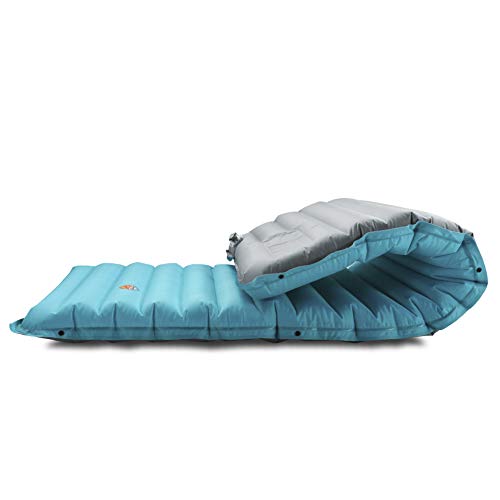
- ✓ Super easy to inflate
- ✓ Thick, comfy padding
- ✓ Durable waterproof fabric
- ✕ Bulky when rolled up
- ✕ Slightly heavy for ultralight backpacking
| Thickness | 4 inches (10 cm) of air padding |
| R-value | 4 (indicating 4-season insulation) |
| Dimensions | 74 inches x 24.4 inches x 4 inches (188 cm x 62 cm x 10 cm) fully inflated |
| Fabric Material | 75D Polyester pongee with extruded PVC lamination |
| Inflation Method | Built-in air pump activated by stomping or hand pressing |
| Weight and Packability | Folds to 6 inches x 14 inches (15 cm x 35 cm) |
That bulky, noisy air mattress I used to carry on backpacking trips has always felt like a hassle—until I finally got my hands on the ZOOOBELIVES Inflatable Sleeping Pad. The first thing I noticed was how thick and plush it looks, with that perfect 4-inch padding that screams comfort.
It’s surprisingly lightweight for its size, and the fact that it folds down to just 6 by 14 inches makes it a total game changer for packing.
Inflating it is a breeze thanks to the built-in pump. Just stomp or press with your hand, and within seconds, it’s fully inflated and firm.
No fuss, no batteries, no blowing into a mouthpiece—finally! Adjusting the firmness is simple too, thanks to the double-decked valve.
When you’re ready to pack up, the quick-deflate feature makes it effortless to roll up and stow away.
The fabric feels rugged yet comfortable, like military-grade parachute material. It’s waterproof and durable enough to handle rough ground, wet conditions, or even a surprise summer rain.
I was also impressed by how well it insulated me from cold ground, thanks to its estimated R-value of 4, making it perfect for all seasons.
Plus, it’s versatile. I used it not only for camping but also as a floating mattress in the pool, and it held up perfectly.
The ability to connect multiple pads is a fun bonus, expanding your space or sharing with friends. The compact size and lightweight design make it a must-have for anyone who wants comfort without the bulk.
What Features Should You Consider in a Budget Backpacking Mattress?
When selecting the best budget backpacking mattress, several key features should be considered to ensure comfort and practicality.
- Weight: The weight of the mattress is crucial for backpackers who need to minimize their load. A lightweight mattress is easier to carry over long distances, making it a top priority for those on the move.
- Packability: A good budget backpacking mattress should be compact and easy to pack. This means it can be rolled or folded into a small size that fits easily into a backpack, allowing for efficient use of space.
- Insulation: The thermal insulation properties of the mattress are important for maintaining body heat during cold nights. Look for materials with good R-values, which indicate the level of insulation, to ensure comfort in various weather conditions.
- Durability: Since backpacking involves rough terrains, a durable mattress is essential. Materials that resist punctures and abrasions will ensure that the mattress lasts through multiple trips without compromising comfort.
- Ease of Inflation and Deflation: Many budget mattresses come with different inflation methods, such as manual pump or self-inflating features. A mattress that inflates and deflates quickly saves time and effort, making it more user-friendly for backpackers.
- Comfort Level: Comfort is subjective, but a mattress with adequate thickness and cushioning can significantly enhance sleep quality. Look for options that provide a good balance between support and softness to ensure a restful night’s sleep.
- Price: Since the focus is on budget options, it’s important to find a mattress that offers good value for money. Compare different models and features to identify one that meets your needs without breaking the bank.
Which Budget Backpacking Mattresses Are Most Recommended?
The best budget backpacking mattresses are designed to provide comfort and insulation without breaking the bank.
- Therm-a-Rest Z Lite Sol: This closed-cell foam mattress is lightweight and compact, making it perfect for backpacking.
- REI Co-op Flash Insulated Sleeping Pad: This inflatable pad offers excellent warmth and comfort at a reasonable price.
- Big Agnes Insulated Air Core Ultra: A popular choice for its comfort and insulation properties while still being affordable.
- Klymit Static V Lite: Known for its unique V-shaped design, this pad provides a good balance of comfort and support.
- Nemo Tensor Insulated Sleeping Pad: Offers a plush feel and good insulation while remaining budget-friendly.
Therm-a-Rest Z Lite Sol: This mattress features a unique accordion-style design that allows for easy packing and is made from durable foam that provides both comfort and insulation. Weighing around 14 ounces, it is one of the lightest options on the market and is ideal for minimalists looking to save space and weight.
REI Co-op Flash Insulated Sleeping Pad: This pad utilizes an air-filled design that can be inflated quickly and offers a great warmth-to-weight ratio. It includes an R-value of 4.1, making it suitable for three-season use, and packs down small, fitting easily into any backpack.
Big Agnes Insulated Air Core Ultra: This inflatable mattress is designed with a rectangular shape, providing ample sleeping space. With its internal baffles, it offers excellent support and insulation, making it a great choice for those who prioritize comfort on a budget.
Klymit Static V Lite: The V-shaped design of this pad helps keep you centered on the mattress while providing support for your back and joints. Weighing only 18.5 ounces, it is easy to carry and inflates quickly, making it a popular choice for backpackers seeking both comfort and convenience.
Nemo Tensor Insulated Sleeping Pad: This pad features a plush top fabric and a unique design that enhances comfort while maintaining a lightweight profile. It has an R-value of 3.5, which offers sufficient warmth for most camping situations, and packs down very small for easy transport.
How Does Comfort Vary Among Budget Backpacking Mattresses?
Comfort among budget backpacking mattresses can vary significantly based on several factors, including materials, thickness, and insulation.
- Air Mattresses: These mattresses are lightweight and packable, often offering adjustable firmness. However, they can be less insulating and may require frequent inflation, which can be inconvenient on longer trips.
- Foam Mattresses: Typically made from closed-cell foam, these mattresses provide good insulation and durability at a low weight. They tend to be less comfortable than air mattresses but are more reliable in colder conditions, as they do not lose air.
- Self-Inflating Mattresses: Combining air and foam, these mattresses expand automatically when unrolled, offering a balance of comfort and convenience. They provide decent insulation and generally have a thicker profile, which can enhance comfort on uneven ground.
- Inflatable Sleeping Pads: These pads are designed to be lightweight and compact while offering a good level of comfort through air-filled chambers. They can vary in thickness and R-value, affecting both comfort and insulation, making them a versatile option for different climates.
- Hybrid Mattresses: These combine features of both foam and inflatable pads, often incorporating varying materials to enhance comfort and thermal efficiency. While they may be slightly heavier or bulkier, they provide excellent support and insulation, making them suitable for diverse backpacking scenarios.
What Insulation Types Are Available in Budget Backpacking Mattresses?
The available insulation types for budget backpacking mattresses include:
- Closed-Cell Foam: This type of insulation is made from foam that is not permeable to air, providing excellent thermal insulation and durability.
- Self-Inflating Foam: Combining open-cell foam with air, these mattresses inflate automatically when the valve is opened, offering a balance of comfort and insulation.
- Air Mattresses: While they may not provide as much insulation as foam types, air mattresses can be lightweight and packable, often featuring added insulation layers for cold weather use.
- Hybrid Mattresses: These combine air and foam layers, offering a good balance of weight, comfort, and thermal insulation for diverse conditions.
- Reflective Insulation: Some mattresses incorporate reflective materials that help to retain body heat, making them suitable for colder climates and conditions.
Closed-cell foam mattresses are lightweight and resistant to moisture, making them ideal for budget backpackers who need reliable insulation without the risk of punctures. They provide a firm sleeping surface and are often less expensive, though they may not offer as much cushioning as other types.
Self-inflating foam mattresses feature a layer of open-cell foam that expands when the valve is opened, absorbing air and creating a comfortable sleeping surface. They tend to provide good insulation while also being convenient to use, as they require minimal effort to set up.
Air mattresses are typically lighter and more compact for packing; however, they must be manually inflated and may require additional insulation layers, such as sleeping pads, for colder conditions. They can be comfortable but may sacrifice durability and insulation compared to foam options.
Hybrid mattresses incorporate both air and foam layers, allowing for adjustable firmness and added insulation. This versatility makes them suitable for a range of conditions, balancing comfort and weight for backpackers who want a good night’s sleep.
Reflective insulation mattresses utilize materials that reflect body heat back to the sleeper, enhancing warmth retention during cold nights. These mattresses are particularly useful for backpackers in colder environments, ensuring that body heat is conserved effectively without adding excessive weight.
How Should You Determine the Right Size for Your Budget Backpacking Mattress?
Thickness plays a significant role in insulation and comfort, particularly on rocky or uneven ground. Thicker mattresses generally offer better insulation from cold surfaces, but they may also add extra weight, so finding a balance is essential.
Weight is a key factor for backpackers, as every ounce counts on long hikes. Aim for a lightweight mattress that still meets your comfort needs without sacrificing durability.
Finally, packability is vital for efficient storage in your backpack. A mattress that can be rolled or compressed into a compact size will allow for better organization and more space for other gear.
What Do User Reviews Reveal About Value in Budget Backpacking Mattresses?
Lastly, the price-to-value ratio is a common theme, with users weighing their budget against the performance of the mattress. Many reviews provide comparisons to more expensive models, helping potential buyers understand what they might be sacrificing for a lower price.
How Can You Extend the Lifespan of Your Budget Backpacking Mattress?
- Use a Ground Sheet: A ground sheet acts as a protective barrier between your mattress and the ground, minimizing exposure to dirt, moisture, and sharp objects.
- Regular Cleaning: Keeping your mattress clean from dirt and oils can prevent premature wear and tear, ensuring it remains in good condition for longer.
- Store Properly: When not in use, roll or fold your mattress and store it in a cool, dry place, avoiding excessive compression which can damage its materials.
- Patch Up Any Damage: Addressing small punctures or leaks as soon as they occur can prevent larger issues, maintaining the integrity of your mattress.
- Limit Exposure to Extreme Conditions: Protect your mattress from extreme temperatures and direct sunlight to avoid degradation of materials.
Use a Ground Sheet: A ground sheet acts as a protective barrier between your mattress and the ground, minimizing exposure to dirt, moisture, and sharp objects. This simple addition can significantly reduce the risk of punctures and other damage, preserving the mattress’s functionality during your outdoor adventures.
Regular Cleaning: Keeping your mattress clean from dirt and oils can prevent premature wear and tear, ensuring it remains in good condition for longer. Regularly wiping it down and allowing it to air out after use can help remove any accumulated debris and moisture, which can lead to mold or mildew over time.
Store Properly: When not in use, roll or fold your mattress and store it in a cool, dry place, avoiding excessive compression which can damage its materials. Proper storage helps maintain its shape and prevents unnecessary stress on the seams and fabric, prolonging its lifespan.
Patch Up Any Damage: Addressing small punctures or leaks as soon as they occur can prevent larger issues, maintaining the integrity of your mattress. Using a repair kit specifically designed for inflatable mattresses can help extend its life by ensuring that minor problems are effectively managed before they worsen.
Limit Exposure to Extreme Conditions: Protect your mattress from extreme temperatures and direct sunlight to avoid degradation of materials. Storing it away from harsh conditions helps maintain the quality of the foam or fabric, ensuring that it remains comfortable and functional for many camping trips to come.
Related Post: