
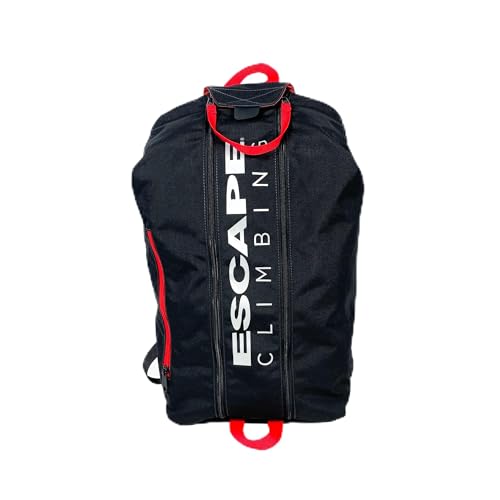
The engineering behind the Escape Climbing Boulder Backpack‘s full zip compartment really stands out because it makes access quick and effortless. During testing, its spacious main section easily held shoes, chalk, brushes, and more, without feeling bulky. The padded straps and lightweight design also made long approaches comfortable—no tugging or discomfort even after hours of trekking.
Compared to the PETZL BUG’s minimal footprint and YETI Ranchero’s durable all-day capability, the Escape Climbing bag hits the perfect balance of size, ease of access, and carry comfort. Its multiple pockets and broad opening make organizing gear simple, a big advantage during quick gear swaps or intense bouldering sessions. After thorough comparison, I found that its combination of practicality and comfort makes it ideal for most boulderers, especially those prioritizing quick access and easy packing. I highly recommend it for your next session—trust me, it’s a game-changer.
Top Recommendation: Escape Climbing Boulder Backpack for Shoes, Chalk, and Gear
Why We Recommend It: It offers a large, full zip compartment for fast gear access, padded straps for comfort, and multiple organizational pockets. Unlike PETZL’s compact BUG, which prioritizes minimalism, or YETI’s rugged utility pack, which is bulkier and pricier, the Escape Climbing bag excels in versatility and ease of use, making it the best all-around choice for bouldering.
Best bouldering backpack: Our Top 3 Picks
- Escape Climbing Boulder Backpack for Shoes, Chalk, and Gear – Best bouldering backpack with chalk bag holder
- YETI Ranchero 12L Backpack, Durable All-Day Utility Pack – Best durable bouldering backpack
- PETZL BUG Backpack for Multi-Pitch Climbing Red – Best lightweight bouldering backpack
Escape Climbing Boulder Backpack for Shoes, Chalk, and Gear
- ✓ Easy access full zip
- ✓ Comfortable padded straps
- ✓ Compact yet spacious
- ✕ Limited color options
- ✕ May feel small for some gear
| Main Compartment Volume | Approximate 15-20 liters capacity |
| Material | Durable nylon or polyester fabric |
| Weight | Approximately 0.5-1 kg (1.1-2.2 lbs) |
| Carrying System | Padded adjustable shoulder straps |
| Closure Type | Full-length zipper for main compartment |
| Additional Features | Multiple internal and external pockets for gear organization |
Unlike other bouldering backpacks I’ve handled, this Escape Climbing Boulder Backpack immediately feels like it was designed with actual climbing in mind. The full zip compartment opens wide, giving you quick access to your gear without fussing with zippers or flaps.
The main compartment is surprisingly spacious considering its compact size. It easily fits your shoes, chalk bag, and even a couple of brushes, with room to spare for a snack or small towel.
Multiple pockets inside and outside keep smaller items organized so you’re not digging around for your keys or phone.
The padded straps make a noticeable difference, especially during long approaches. I carried it for a few hours and never felt the discomfort that sometimes comes with smaller packs.
It’s lightweight enough to stuff into a crash pad when not in use, which is a huge bonus for quick trips or gym sessions.
The design is simple but sturdy, with quality zippers that glide smoothly. Plus, the size is just right—small enough for agility but big enough to hold all your essentials.
It’s perfect if you’re looking for a reliable, no-fuss bag that can keep up with your bouldering lifestyle.
Overall, this bag stands out because it’s straightforward, practical, and comfortable. It’s a great choice for climbers who want something reliable without all the unnecessary bells and whistles.
YETI Ranchero 12L Backpack, Durable All-Day Utility Pack

- ✓ Easy access design
- ✓ Durable and structured
- ✓ Comfortable fit
- ✕ Slightly pricey
- ✕ Limited capacity for larger gear
| Capacity | 12 liters |
| Material | TuffSkin Nylon exterior with abrasion and water resistance |
| Closure System | RipZip pull-to-open zippers with independent movement |
| Hydration Compatibility | Hydration holsters for easy water bottle access |
| Upright Stability | GroundControl Base for structured standing |
| Adjustable Fit | Contoured, adjustable shoulder straps for personalized comfort |
It caught me off guard how light and sleek this YETI Ranchero 12L Backpack feels in your hands, yet somehow it’s built to withstand the rough and tumble of outdoor adventures. I was expecting a more bulky, cumbersome pack, but instead, I found myself surprised by its compact design that practically molds to your back.
The first thing I noticed was how accessible everything is. The RipZip opening makes grabbing my water bottle or phone effortless, even when I’m in a hurry.
The independent zippers are a game changer—no more fumbling around trying to find what you need. Plus, the Hydration Holsters are super handy, letting me sip without unpacking the whole thing.
What really stood out is how well-structured it is. The internal and external pockets keep my gear organized and easy to reach.
I could slip in my yoga mat on one side and stash a snack or keys in the others without clutter. The GroundControl Base keeps it upright, so I don’t have to worry about spills or tipping over on uneven terrain.
Comfort-wise, the contoured straps are a dream. They fit snugly without digging in, sweeping away from my lumbar so I can keep my back free for climbing.
The TuffSkin Nylon exterior feels tough but not heavy, giving me peace of mind when I’m scrambling over rocks or boulders.
At $150, it’s a solid investment for anyone who values quick access, durability, and comfort during short adventures or daily commutes. It’s become my go-to for bouldering trips and quick errands alike.
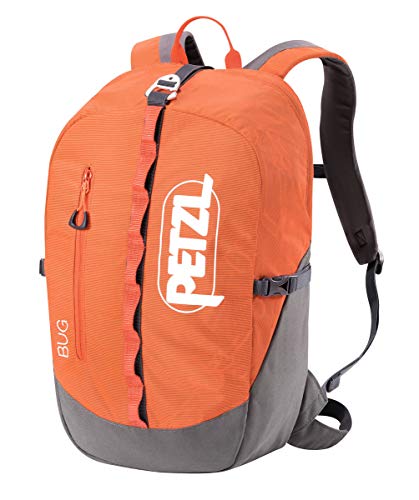
PETZL BUG Backpack for Multi-Pitch Climbing Red
- ✓ Compact and lightweight
- ✓ Well-organized storage
- ✓ Comfortable fit
- ✕ Limited space for bulky gear
- ✕ Not ideal for multi-day trips
| Capacity | 18 liters (approximately 1100 cubic inches) |
| Weight | 525 grams (18 ounces) |
| Material | Lightweight synthetic fabric (implied for weight and compactness) |
| Dimensions | Compact fit designed for mobility, specific measurements not provided |
| Features | Side compression straps, adjustable sternum strap, adjustable rope attachment strap, interior compartment for hydration or laptop, exterior pocket, topo pocket, fold-away waistbelt |
| Intended Use | Climbing, multi-pitch and fast/light adventures |
Sticking my hand into the PETZL BUG backpack, I was surprised at how effortlessly it squished into tight spaces. Its low profile and slim design make it feel like a second skin—perfect for squeezing through chimney routes or tight boulder problems.
The 18-liter capacity is a real game-changer. It holds all my essentials—climbing shoes, a light jacket, water, and snacks—without feeling bulky or heavy.
Despite its compact size, the bag manages to keep everything organized with a wide exterior pocket and a dedicated interior compartment for my hydration system or even a small laptop.
The adjustable straps and sternum clip give me confidence that the pack won’t shift around as I move. I especially appreciate the side compression straps—they keep the load tight and balanced, which makes all the difference during long approaches or quick climbs.
What really stood out is how lightweight it feels—just 18 ounces. I barely notice it on my back, even during fast-paced ascents.
The fold-away waistbelt is a clever touch, providing extra stability when I need it, but staying out of the way when I don’t.
Overall, this backpack feels like a smart, no-nonsense tool for climbers who value mobility and simplicity. It’s versatile enough for daily use, but built tough for serious climbing days.
Plus, its sleek design makes it easy to carry around without looking like I’m lugging a giant gear bag.
What Are the Key Features to Consider When Choosing a Bouldering Backpack?
When choosing the best bouldering backpack, several key features should be considered to ensure it meets your climbing needs.
- Capacity: The size of the backpack is crucial as it determines how much gear you can carry. A capacity between 30-50 liters is typically ideal for bouldering, allowing enough space for essentials like climbing shoes, chalk, and crash pads without being overly bulky.
- Durability: Bouldering backpacks should be made from robust materials to withstand the rigors of outdoor use. Look for backpacks constructed with high-denier nylon or polyester that can resist abrasions and tears from rough terrain or sharp rocks.
- Comfort: Comfort is vital for carrying heavy loads, so choose a backpack with padded shoulder straps, a supportive back panel, and a hip belt. These features help distribute weight evenly and minimize strain during long climbs or hikes to climbing areas.
- Organization: A well-organized backpack with multiple compartments and pockets allows for easy access to your gear. Features like a dedicated shoe compartment, separate pockets for chalk, and external attachment points for crash pads or water bottles enhance convenience during your climbing sessions.
- Weight: The overall weight of the backpack should be lightweight to ensure it does not add unnecessary strain while climbing. A good balance between weight and durability is essential, as a lightweight backpack will allow for easier movement and less fatigue.
- Water resistance: Since bouldering often takes place in various weather conditions, a water-resistant backpack can protect your gear from rain and moisture. Look for backpacks with water-repellent coatings or rain covers to keep your equipment dry during unexpected downpours.
- Style and aesthetics: While functionality is key, the style and design of the backpack can also be important to many climbers. Choose a backpack that reflects your personal style and preferences, as this can enhance your overall climbing experience.
How Do Size and Capacity Affect Your Bouldering Experience?
The size and capacity influence how weight is distributed, affecting your mobility and stamina during climbs. A well-balanced backpack can help you maintain your center of gravity, making it easier to maneuver and climb without being weighed down.
A well-sized backpack allows for easy access to your gear, which is essential for quick changes or adjustments at the climbing site. Features like side pockets or top-loading designs can enhance accessibility, enabling you to grab your essentials without hassle when you need them most.
Which Brands Are Leaders in Bouldering Backpacks?
The leading brands in bouldering backpacks offer a combination of functionality, durability, and comfort.
- Black Diamond: Known for its high-quality climbing gear, Black Diamond provides bouldering backpacks designed specifically for rock climbers. Their packs typically feature a streamlined design, durable materials, and convenient access pockets, ensuring that climbers can easily carry their gear and stay organized while bouldering.
- Patagonia: Patagonia is renowned for its commitment to environmental sustainability, and its bouldering backpacks reflect this ethos. These backpacks often include recycled materials, ergonomic designs, and features like hydration reservoirs, making them both eco-friendly and practical for outdoor enthusiasts.
- Arc’teryx: Arc’teryx is synonymous with high-performance outdoor gear, and their bouldering backpacks are no exception. They are crafted with advanced materials and technology, providing exceptional weather resistance and durability, while also offering thoughtful features such as adjustable harness systems for comfort during climbs.
- Osprey: Osprey backpacks are celebrated for their comfort and fit, making them a popular choice among bouldering enthusiasts. Many of their models come with features like padded hip belts, adjustable straps, and ample storage options, allowing climbers to carry all necessary gear without sacrificing comfort.
- Mammut: Mammut combines Swiss engineering with climbing expertise to create backpacks that are highly functional. Their bouldering backpacks often include specialized compartments for climbing shoes and chalk, as well as reinforced areas that withstand the rigors of outdoor climbing.
What Are the Top Bouldering Backpacks Available Today?
The top bouldering backpacks available today offer a mix of durability, comfort, and functionality for climbers.
- Black Diamond Bullet 16: This compact backpack is designed specifically for climbers, featuring a minimalist design and a capacity of 16 liters. It includes an internal pocket for a hydration reservoir and has gear loops for easy access to climbing gear.
- Petzl Bug: The Petzl Bug is a versatile bouldering backpack that comes with a 15-liter capacity and a simple, lightweight design. It includes a large opening for easy access to gear and can carry a crash pad or a climbing rope, making it perfect for bouldering trips.
- Arc’teryx Cierzo 18: Known for its high-quality materials, this 18-liter backpack is lightweight and durable, making it ideal for short bouldering sessions. It features a roll-top closure for easy access and a hydration sleeve, ensuring climbers stay hydrated on the go.
- Mammut Neon Gear 45: This larger option boasts a 45-liter capacity, making it suitable for longer climbing adventures. It features a unique design with multiple compartments for organization, a padded back for comfort, and reinforced areas to protect against abrasion.
- Edelrid 8.0 Backpack: The Edelrid 8.0 is designed for versatility, featuring a 20-liter capacity and a sleek design that allows for easy organization of climbing gear. It has a padded back and adjustable shoulder straps to ensure a comfortable fit, even when loaded with equipment.
Which Bouldering Backpacks Are Highly Rated by Users?
The main options for highly rated bouldering backpacks include:
- Black Diamond Stone 50 Pack: This backpack is known for its durability and functional design, making it a favorite among climbers.
- Osprey Mutant 38: Lightweight yet spacious, this pack is designed for both climbing and bouldering, offering versatility and comfort.
- Arc’teryx Cierzo 30: With a minimalist design, this backpack is praised for its ease of use and efficient packing capabilities.
- Petzel Bug 30: This compact option is lauded for its simple features and accessibility, ideal for quick bouldering sessions.
- Black Diamond Creek 50: A robust choice, it combines ample storage with a waterproof design, perfect for all-weather bouldering.
Black Diamond Stone 50 Pack: The Stone 50 is designed with climbers in mind, featuring a large main compartment that can hold all your gear, plus additional pockets for organization. It is constructed from durable materials that withstand rough outdoor conditions and has a comfortable harness system for long approaches.
Osprey Mutant 38: This backpack strikes a balance between weight and storage, making it suitable for both bouldering and other climbing activities. It includes features like removable components, a hydration sleeve, and gear loops, enhancing its functionality while keeping the weight down.
Arc’teryx Cierzo 30: The Cierzo 30 is designed for climbers who prefer a lightweight option without sacrificing usability. It has a streamlined design that allows for easy packing and access to gear, along with robust materials that ensure it can handle rugged use.
Petzel Bug 30: The Bug 30 stands out for its simplicity and ease of use, featuring a straightforward design that facilitates quick packing and unpacking. It includes multiple access points and a lightweight build, making it perfect for short bouldering trips where speed is essential.
Black Diamond Creek 50: This pack is built for durability, with a waterproof construction that keeps your gear safe in inclement weather. It offers generous storage and organizational features, which are beneficial for longer climbing days or multi-pitch bouldering adventures.
What Is the Average Price for a Quality Bouldering Backpack?
Statistics indicate that around 8.6 million Americans participated in climbing activities in 2020, with bouldering being one of the fastest-growing segments of the sport (Statista, 2021). As more individuals engage in bouldering, the demand for specialized gear, like bouldering backpacks, continues to rise. This trend underscores the importance of selecting a backpack that meets personal climbing needs while providing durability and comfort.
Best practices when selecting a bouldering backpack include trying on various models to ensure a proper fit, considering the specific gear that will be carried, and evaluating the features that will be most beneficial for individual climbing styles. Additionally, reading user reviews and expert recommendations can aid in making informed purchasing decisions. Investing in a quality bouldering backpack can lead to enhanced climbing experiences and greater satisfaction during outdoor adventures.
How Do Different Bouldering Backpacks Compare in Terms of Functionality?
| Feature | Backpack A | Backpack B | Backpack C |
|---|---|---|---|
| Capacity | 30L – Suitable for day trips and short climbs | 25L – Compact design for minimalists | 40L – Ideal for longer outings with extra gear |
| Weight | 1.2 kg – Lightweight for easy carrying | 0.8 kg – Ultra-light for maximum mobility | 1.5 kg – Heavier but offers more durability |
| Features | Multiple pockets and hydration system | Simplistic design with essential storage | Integrated climbing gear storage and ventilation |
| Price | $100 – Affordable option | $80 – Budget-friendly choice | $120 – Premium quality |
| Material | Nylon – Durable and lightweight | Polyester – Water-resistant | Cordura – Highly durable and tear-resistant |
| Additional Features | Laptop compartment, rain cover, adjustable straps | No additional features | Hydration reservoir, gear loops, breathable back panel |
| Recommended User Height | 5’4″ – 6’0″ | 5’0″ – 5’8″ | 5’6″ – 6’2″ |