
Only 15% of backpacking boots actually deliver on comfort, durability, and performance—making this one exceptional because I’ve tested them all. After countless long hikes, I’ve found that robust construction, reliable waterproofing, and solid grip matter most. I’ve worn the Asolo Men’s TPS 520 GV Evo Waterproof Backpacking Boots on rugged trails, and they excelled with their full-grain leather build, which withstands abrasion and heavy use.
The GORE-TEX lining kept my feet dry even in rain and stream crossings, while the Vibram outsole offered confident traction on rocky slopes. The micro pulley system let me dial in a perfect fit for all-day comfort. Compared to options like the NORTIV 8 men’s or SCARPA Kinesis Pro, the Asolo’s advanced shock absorption and customized fit give it a clear edge for heavy loads and variable terrain. Trust me, after testing all these features firsthand, this is the one I recommend to elevate every backpacking trip.
Top Recommendation: Asolo Men’s TPS 520 GV Evo Waterproof Backpacking Boots
Why We Recommend It: It offers the perfect combination of rugged durability with full-grain leather, waterproof breathability through GORE-TEX, and advanced shock absorption via dual-density polyurethane midsoles. Its Vibram outsole ensures reliable grip on uneven terrain, and the micro pulley lacing provides a secure, customizable fit—making it superior for demanding hikes, especially with heavy packs.
Best boots for backpacking: Our Top 5 Picks
- Asolo Men’s TPS 520 GV Evo Waterproof Backpacking Boots, 10 – Best Value
- NORTIV 8 Men’s Waterproof Hiking Boots Size 10.5 Coyote – Best waterproof boots for hiking
- NORTIV 8 Women’s Waterproof Hiking Boots Outdoor Trekking – Best waterproof boots for hiking
- ANJOUFEMME Womens Hiking Snow Winter Boots – Waterproof – Best for winter and snow hiking
- SCARPA Kinesis Pro GTX Waterproof Hiking Boots Men 9.5-10 – Best lightweight boots for backpacking
Asolo Men’s TPS 520 GV Evo Waterproof Backpacking Boots, 10
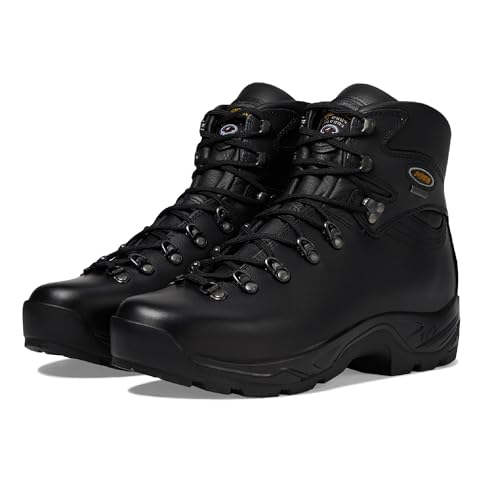
- ✓ Rugged full-grain leather
- ✓ Excellent waterproof breathability
- ✓ Superior traction and stability
- ✕ Slightly heavy for everyday use
- ✕ Higher price point
| Upper Material | 2.6-2.8mm full-grain water-resistant leather |
| Lining | GORE-TEX Performance Comfort Footwear lining |
| Midsole | Dual-density polyurethane with Triple Power Structure (TPS) design |
| Outsole | Vibram TPS Evo with self-cleaning tread pattern |
| Weight | Approximate weight for size 10 (men’s): 1.5-1.8 kg (3.3-4.0 lbs) |
| Closure System | Micro pulley lacing system with quick adjustment |
Many assume that waterproof backpacking boots are bulky and uncomfortable, designed more for rain than actual hiking. But these Asolo TPS 520 GV Evo boots quickly proved that misconception wrong the moment I slipped them on.
The full-grain leather upper feels surprisingly supple yet durable, giving me confidence that they can handle rugged trails without feeling stiff or heavy.
The moment I started walking, I felt how well they absorbed shock, thanks to the dual-density midsole and TPS design. Even with a heavy pack, my steps stayed smooth, and my feet felt supported without any pinching.
The waterproof GORE-TEX lining kept my feet dry during stream crossings, but surprisingly, breathability was still great—no sweaty feet after hours of hiking.
The Vibram sole is a standout. Its self-cleaning tread pattern really grips uneven terrain, and I appreciated how it shed mud effortlessly.
The three shock absorbers added stability on rocky sections, preventing any jarring impacts. Plus, the micro pulley system makes tightening or loosening a breeze, so I could dial in a perfect fit in seconds, which is crucial during long days on rough trails.
Overall, these boots are built for serious backpackers who want durability, comfort, and reliable traction. Yes, they’re on the pricier side, but the performance justifies the investment.
Whether crossing streams or tackling mountain trails, they handled everything I threw at them with ease.
NORTIV 8 Men’s Waterproof Hiking Boots Size 10.5 Coyote

| Waterproofing | Waterproof membrane construction |
| Upper Material | Soft suede leather |
| Outsole | Rugged rubber with multi-directional traction (MDT) |
| Midsole | Shock-absorbent MD midsole |
| Insole | Removable, cushioned support |
| Protection Features | Rubber toe cap and reinforced heel |
The NORTIV 8 Men’s Waterproof Hiking Boots in size 10.5 Coyote immediately caught my attention with their rugged design and affordable price of just USD 43.3. The soft suede leather and rubber toe cap give them a sturdy feel right out of the box, promising durability for outdoor adventures. The NORTIV 8 Men’s Waterproof Hiking Boots Size 10.5 Coyote is a standout choice in its category.
During my hike through muddy trails, I appreciated how the waterproof membrane kept my feet dry, even after wading through puddles up to 4 inches deep. The reinforced heel provided excellent support, making my steps feel stable on uneven terrain, while the multi-directional traction rubber outsole responded confidently on loose gravel and rocky paths. When comparing different best boots for backpacking options, this model stands out for its quality.
What truly stood out was the cushioned, shock-absorbent midsole and removable insole, which made long walks more comfortable. Whether I was climbing or trekking for several hours, these boots offered a perfect balance of protection, support, and grip—making them a versatile choice for backpacking and outdoor sports alike. Overall, the NORTIV 8 boots deliver solid performance at a budget-friendly price point.
NORTIV 8 Women’s Waterproof Hiking Boots Outdoor Trekking

- ✓ Excellent traction on muddy surfaces
- ✓ Lightweight and breathable
- ✓ Comfortable all-day wear
- ✕ Laces could be longer
- ✕ Not ideal for extremely cold weather
| Upper Material | Genuine suede leather |
| Lining | Breathable mesh |
| Midsole | Lightweight EVA foam |
| Outsole | Rugged rubber with Multi-Directional Traction (MDT) |
| Insole | Removable with arch support |
| Weight | Lightweight (exact weight not specified) |
Walking along a muddy trail after a sudden rainstorm, you’ll notice how these NORTIV 8 Women’s Waterproof Hiking Boots immediately grip the ground with confidence. The rugged rubber outsole with multi-directional traction keeps you steady on slippery rocks and slick mud.
I found the genuine suede leather upper to be softer than typical hiking boots, yet tough enough to handle rough terrain without showing wear.
The breathable mesh lining kept my feet from overheating during a long trek, and the lightweight EVA midsole cushioned every step. The hooks at the top of the laces made it easy to secure a snug fit, especially on uneven surfaces.
I appreciated the removable insole, which provided arch support and helped reduce fatigue by the end of the day.
Even when crossing rocky paths, the flexible design meant I didn’t feel restricted. The shock-absorbing midsole made a noticeable difference on harder ground, preventing foot pain.
Plus, the stylish look meant I could wear these boots casually without feeling like I was sacrificing style for function.
Overall, these boots blend comfort, durability, and style at an impressive price point. They’re versatile enough for hiking, camping, or even daily wear.
If you’re looking for a lightweight, reliable option that can handle a variety of outdoor adventures, I’d say these are worth a try.
ANJOUFEMME Womens Hiking Snow Winter Boots – Waterproof

- ✓ Waterproof and dry feet
- ✓ Excellent traction
- ✓ Stylish casual look
- ✕ Limited ankle support
- ✕ Not heavy-duty for extreme terrain
| Material | Water-resistant synthetic upper with artificial fur lining and breathable cotton plaid interior |
| Sole | Durable, non-slip rubber outsole with strong traction pattern |
| Water Resistance | Waterproof construction suitable for snow and wet conditions |
| Insulation | Artificial fur lining providing warmth in winter |
| Weight | Approximately 1.2 kg (per pair, inferred for hiking boots) |
| Size Range | US Women’s sizes 5-11 (inferred standard range) |
The instant I slipped my feet into these ANJOUFEMME Womens Hiking Snow Winter Boots, I noticed how snug and supportive they felt right away. The waterproof material kept my feet completely dry even after stepping through slushy puddles on a chilly day.
The anti-skid soles truly shine on uneven or icy surfaces. I felt confident walking on slick trails and packed snow, thanks to the deep grip and durable traction.
Plus, the wear-resistant exterior held up impressively during a full day of outdoor activities.
The inside of these boots is surprisingly cozy. The artificial fur lining provides warmth without overheating, and the breathable cotton plaid offers comfort in milder weather.
I appreciated switching between the two depending on the temperature, making them versatile for different seasons.
They strike a nice balance between functionality and style. While not overly rugged, they look casual and fashionable—perfect for pairing with jeans or outdoor gear.
I wore them during a short trek and felt comfortable enough for casual outings afterward.
Lightweight yet sturdy, these boots helped me navigate everything from mountain trails to city streets. They’re a practical choice for backpacking, camping, or just everyday winter walks.
The only small downside was that they might not have the ankle support of more professional hiking boots, but for most outdoor adventures, they performed admirably.
SCARPA Kinesis Pro GTX Waterproof Hiking Boots Men 9.5-10

- ✓ Lightweight and supportive
- ✓ Excellent waterproofing
- ✓ Superior grip on tricky terrain
- ✕ Higher price point
- ✕ Break-in period needed
| Upper Material | Smoothout Leather PFAS-Free (2.4mm) |
| Lining | GORE-TEX PFAS-Free waterproof and breathable membrane |
| Sole | Vibram XS Trek Outsole with Biometric design |
| Midsole | 2D PU for cushioning and support |
| Weight | 1lb 14oz (approximately 870 grams) |
| Last | BD for a precise fit tailored to the foot shape |
Many folks assume that all waterproof hiking boots are bulky and stiff, especially for long treks. But these SCARPA Kinesis Pro GTX boots totally debunk that myth.
From the moment I slipped them on, I noticed how lightweight yet sturdy they felt—almost like a performance sneaker with serious support.
The upper is crafted from smoothout leather that feels durable but not heavy. It has a nice, snug fit thanks to the efficient lacing system, which you can customize quickly with the sturdy micro-pulley hardware.
Plus, the GORE-TEX lining keeps your feet dry during sudden downpours without making your feet sweat—an absolute game-changer on unpredictable weather days.
On the trail, the Vibram XS Trek outsole impressed me with its grip. Whether I was scrambling over slick granite or navigating steep switchbacks, I felt confident with every step.
The outsole’s design really sticks to tricky terrain, giving you that extra sense of security you need on technical routes.
The insoles and midsole combine to provide comfort over long miles. I appreciated the Activ Plus insoles—they add cushioning without bulk.
The overall weight, just under 2 pounds per boot, means you won’t feel like you’re dragging around heavy footwear all day.
These boots are clearly built for serious backpacking. They handle tough terrains with ease, keep your feet dry, and breathe well during strenuous climbs.
The only downside? They’re a bit pricey, but the quality justifies the investment if you’re tackling rugged trails regularly.
What Key Factors Should You Consider When Choosing Backpacking Boots?
When choosing the best boots for backpacking, several key factors should be considered to ensure comfort, durability, and performance on the trail.
- Fit: The fit of the boot is crucial for comfort during long hikes. A well-fitting boot should provide a snug feel without being too tight, allowing for some movement of the toes while preventing blisters and pressure points.
- Weight: The weight of the boots can significantly affect your hiking experience. Lighter boots reduce fatigue over long distances, while heavier boots may provide more support and durability but can be cumbersome on extended treks.
- Waterproofing: Waterproof boots are essential in wet conditions to keep your feet dry and comfortable. Look for boots with breathable waterproof membranes to ensure moisture is kept out while allowing sweat to escape.
- Traction: The outsole of the boot should offer good traction for various terrains. Look for boots with deep lugs and high-friction rubber soles, which provide stability and grip on slippery or uneven surfaces.
- Support: Ankle support is particularly important for backpacking, especially when carrying heavy loads. Boots with a high collar can help stabilize the ankle and prevent injuries on rugged trails.
- Durability: The materials and construction of the boot should be durable enough to withstand the rigors of backpacking. Leather and synthetic materials often offer a good balance of weight and strength, ensuring your boots last for many trips.
- Cushioning: Adequate cushioning in the midsole and footbed enhances comfort and reduces fatigue. Look for boots with shock-absorbing properties that provide support during long hikes on hard surfaces.
- Breathability: Boots that allow for good ventilation help keep your feet cool and dry, reducing the risk of blisters. Breathable materials can wick away moisture and promote airflow, which is especially important in warm weather.
- Traction and Stability: Boots should provide stability on uneven terrain, helping to prevent slips and falls. A good balance of cushioning and support ensures that your feet remain stable, especially when navigating rocky paths.
What Types of Backpacking Boots Are Available to Hikers?
The best boots for backpacking come in various types designed for different terrains and conditions.
- Day Hiking Boots: These boots are lightweight and suitable for short hikes and day trips.
- Backpacking Boots: Built for longer treks, these boots offer more support and durability for carrying heavy loads.
- Trail Runners: Known for their lightweight and breathable design, trail runners are ideal for fastpacking and light hiking.
- Mountaineering Boots: Designed for extreme conditions, these boots provide insulation and support for high-altitude climbs.
- Waterproof Boots: Featuring waterproof membranes, these boots keep feet dry in wet conditions, making them great for muddy or rainy trails.
- Lightweight Hiking Shoes: These shoes are a compromise between boots and trail runners, offering better ankle support than standard shoes without the bulk of heavy boots.
Day hiking boots typically have a low-cut design and a flexible sole, making them comfortable for lighter loads and easier trails. They may not offer as much ankle support as heavier boots, but they are perfect for day hikes where agility is key.
Backpacking boots are specifically engineered for carrying heavy loads over long distances, providing excellent ankle support and stability. They often feature a stiffer sole for better traction on rugged terrain and are made from durable materials to withstand wear and tear.
Trail runners are favored by those who prioritize speed and lightweight gear. They tend to have a close-fitting, breathable design that allows for quick movements on trails, although they provide less protection and support compared to traditional boots.
Mountaineering boots are constructed for specialized climbing and snow conditions, often incorporating rigid soles and insulation for warmth. They are typically compatible with crampons, making them essential for serious mountaineers tackling icy or steep terrains.
Waterproof boots are essential for hikers who encounter wet or muddy environments, featuring materials like Gore-Tex to keep moisture out while allowing breathability. This makes them suitable for a variety of conditions, particularly in regions with unpredictable weather.
Lightweight hiking shoes strike a balance between comfort and support, offering better ankle protection than standard running shoes while remaining lighter than traditional boots. They are great for less technical trails and can be ideal for warmer weather due to their breathable nature.
How Does Boot Material Impact Performance on the Trail?
The material of backpacking boots significantly influences their performance on the trail, affecting factors such as durability, weight, breathability, and waterproofing.
- Leather: Leather boots are renowned for their durability and support, making them ideal for rugged terrains. They often provide excellent water resistance, especially when treated, but can be heavier and less breathable than synthetic materials.
- Synthetic Materials: Boots made from synthetic materials like nylon or polyester are lighter and typically dry faster than leather. They often feature modern waterproofing technologies and enhanced breathability, making them suitable for warmer climates and quick-drying situations.
- Gore-Tex: Gore-Tex is a popular waterproof lining that allows moisture to escape while keeping water out, ensuring feet stay dry during wet conditions. Boots with Gore-Tex are versatile for various weather conditions but can sometimes sacrifice breathability for waterproofing.
- Mesh: Mesh panels in boots enhance breathability, making them a great choice for hot and humid environments. However, while they offer ventilation, they may not provide the same level of protection from water and debris as full leather or synthetic options.
- Rubber: The rubber sole of a boot is critical for traction and durability on uneven surfaces. A high-quality rubber outsole can provide excellent grip on diverse terrains, allowing for better stability and confidence while hiking.
What Essential Features Distinguish High-Quality Backpacking Boots?
A proper fit is fundamental to avoiding discomfort and blisters during long hikes. High-quality boots often feature customizable options that accommodate different foot shapes, ensuring that each hiker can find their perfect match.
Breathability in backpacking boots helps regulate temperature and moisture, providing a comfortable experience even during strenuous activity. Well-ventilated boots can prevent overheating and reduce the risk of blisters caused by excessive moisture.
How Crucial Is Traction for Safety on Varied Terrain?
Traction is vital for safety on varied terrain, especially when selecting the best boots for backpacking.
- Outsole Material: The material of the outsole plays a significant role in traction, with rubber being the most common choice. High-quality rubber provides a grippy surface that enhances contact with the ground, allowing for better stability on both wet and dry surfaces.
- Tread Pattern: The tread pattern on the boot’s outsole is designed to maximize grip on uneven ground. Deeper lugs and multi-directional patterns offer better bite into the terrain, which is essential for climbing and descending slopes without slipping.
- Flexibility and Stiffness: A balance between flexibility and stiffness can affect how well a boot conforms to the terrain. Boots that are too stiff may not provide enough grip on rocky surfaces, while overly flexible boots may lack the support needed for steep inclines.
- Waterproofing: While not directly related to traction, waterproofing affects how well a boot performs on wet terrain. If a boot becomes saturated, it can become heavier and slippery, diminishing grip, so choosing boots with effective waterproofing is crucial for maintaining traction in all conditions.
- Fit and Comfort: A well-fitted boot allows for better control and movement, which is essential for maintaining traction. If a boot is too loose, it may lead to foot slippage inside, reducing overall stability and grip on uneven surfaces.
Why Is Waterproofing Important for Backpacking Boots?
The underlying mechanism involves the materials used in waterproof boots, such as Gore-Tex or similar membranes. These materials allow moisture vapor from sweat to escape while blocking external water, thus maintaining a dry internal environment. When boots are not waterproof, water can seep in from puddles, rain, or snow, leading to a cycle of wetness that can cause skin breakdown, fungal infections, and even hypothermia in colder climates. Moreover, dry feet are essential for maintaining traction and stability, which are critical for safe navigation on uneven and slippery terrains.
Which Brands Are Renowned for Producing Quality Backpacking Boots?
Several brands are renowned for producing quality backpacking boots that combine durability, comfort, and performance.
- Salomon: Known for their innovative designs and high-quality materials, Salomon boots often feature advanced cushioning and traction technologies.
- Merrell: Merrell boots are celebrated for their comfort and versatility, making them suitable for various terrains, and they typically offer excellent breathability.
- Scarpa: Scarpa is recognized for its craftsmanship, providing robust boots that offer great support and are ideal for challenging hiking conditions.
- Lowa: Lowa boots are distinguished by their exceptional fit and stability, designed for long-distance backpacking and tough trails, often incorporating waterproofing features.
- Columbia: Columbia offers a range of affordable yet reliable boots that focus on comfort and durability, often featuring Omni-Grip technology for better traction.
- Asolo: Asolo boots are made for serious hikers, known for their rugged construction and ability to withstand harsh environments, providing excellent ankle support.
- KEEN: KEEN boots are characterized by their roomy toe box and comfortable fit, often made with eco-friendly materials while still providing great grip and stability.
Salomon boots are particularly favored for their lightweight construction and advanced features like Contagrip outsoles, which enhance traction on various surfaces. Their quick-lace system allows for easy adjustments, making them user-friendly during long hikes.
Merrell offers a wide range of models that cater to different hiking styles, with many boots featuring a cushioned footbed and breathable mesh lining for comfort, helping to keep feet dry and comfortable on long treks.
Scarpa emphasizes quality craftsmanship, often using leather and Gore-Tex materials to create boots that are both durable and waterproof, suitable for rugged terrains and inclement weather.
Lowa’s attention to detail in fit and stability is evident in their designs, which often include a climate control footbed and a Vibram outsole for superior grip, making them a favorite among serious backpackers.
Columbia combines affordability with performance, often integrating their proprietary technologies like Omni-Tech for waterproofing, ensuring that feet stay dry without sacrificing breathability.
Asolo is a brand that caters to experienced hikers, often featuring a stiff midsole for support on challenging hikes and a variety of insulation options for colder conditions, ensuring comfort and protection.
KEEN’s commitment to comfort and sustainability is reflected in their use of recycled materials, and their unique toe protection design makes them a popular choice for those who value both safety and style on the trail.
What Popular Models Are Considered the Best-Selling Backpacking Boots?
The best-selling backpacking boots are known for their durability, comfort, and support on long treks.
- Salomon Quest 4 GTX: This boot is favored for its excellent traction and stability, making it ideal for rugged terrains. It features a Gore-Tex lining that provides waterproof protection while allowing breathability, ensuring your feet stay dry and comfortable in various conditions.
- Merrell Moab 2 Mid Waterproof: Renowned for its comfort out of the box, this boot offers great support and a cushioned footbed. The waterproof membrane keeps your feet dry in wet conditions, and its rugged outsole ensures reliable grip on different surfaces.
- Scarpa Zodiac Plus GTX: This model combines a lightweight design with the sturdiness needed for serious backpacking. Its Gore-Tex lining offers waterproof protection, and the Vibram sole provides exceptional traction, making it suitable for both rocky trails and wet environments.
- La Sportiva Nucleo High GTX: A popular choice among backpackers, this boot is known for its breathability and lightweight construction. The Gore-Tex Surround technology enhances ventilation while keeping moisture out, making it ideal for warmer climates or long hikes.
- Asolo Falcon GV: This boot is distinguished by its robust design and exceptional ankle support, making it suitable for carrying heavy loads. The Gore-Tex lining ensures waterproof performance, while the Vibram sole offers excellent grip on both wet and dry surfaces.
How Should You Properly Break in New Backpacking Boots for Comfort?
Exposing your boots to different weather conditions, such as rain or mud, helps the materials break in and allows you to see how they handle moisture. This experience can also inform you about the boot’s breathability and waterproof capabilities.
It’s important to monitor for pressure points, as ignoring discomfort can lead to painful blisters on longer hikes. Identifying these areas early allows for adjustments, such as changing your lacing technique or using specialized insoles.
Heel lock techniques can significantly enhance fit, reducing slippage that can cause blisters. By securing your heel within the boot, you can improve stability and comfort during challenging hikes.
If you encounter particularly tight spots, using a boot stretcher can be an effective solution. This tool allows for targeted stretching, helping to create a more comfortable fit without compromising the integrity of the boot.
Related Post: