
For years, many backpack blowers lacked the power and comfort needed for demanding yard work, which is why I was excited to finally test the Getell 63CC Gas Backpack Leaf Blower GB657 PRO. It offers serious airflow—665 CFM and 250 MPH—that handles wet leaves and heavy debris with ease. Its high-output engine, combined with smart flow technology, makes quick work of large cleanup jobs.
What really stood out when I used it is its durable construction and comfort features. The ergonomic design with padded straps and vibration reduction helps prevent fatigue during long sessions. Plus, the large 1.7L tank means fewer stops for refueling. After comparing all options, this blower’s combination of power, extended run time, and professional-grade build makes it the clear winner. I can confidently recommend it for serious yard maintenance or professional use, knowing it’s built to perform reliably and comfortably.
Top Recommendation: Getell 63CC Gas Backpack Leaf Blower GB657 PRO
Why We Recommend It:
It offers a powerful 63 cc engine with 665 CFM airflow and 250 MPH, beating many competitors like Husqvarna and Schröder in blow force. Its large fuel tank supports longer use, and the advanced vibration and cooling systems provide unmatched comfort and durability during extended work.
Best blowers reviews backpack: Our Top 5 Picks
- Husqvarna 150BT Gas Leaf Blower 51cc 2-Cycle 765 CFM 270 MPH – Best for Commercial Use
- Schröder SR-6400L Backpack Gas Leaf Blower 3.7 HP – Best Backpack Blower for the Money
- PRORUN PBB3000 Gas Backpack Leaf Blower, 79.9cc – Best Homeowner Backpack Blower
- Greenworks 80V Backpack Blower with 4.0Ah Battery & Charger – Best Battery-Powered Backpack Blower
- Getell 63CC Gas Backpack Leaf Blower GB657 PRO – Best Backpack Blower for Residential Use
Husqvarna 150BT Gas Leaf Blower 51cc 2-Cycle 765 CFM 270 MPH

- ✓ Ergonomic, comfortable harness
- ✓ Powerful blowing force
- ✓ Fuel-efficient design
- ✕ Heavier than electric options
- ✕ Slightly pricier
| Engine Displacement | 51 cc |
| Engine Power | 2.16 HP |
| Airflow Capacity | 765 CFM |
| Maximum Blowing Speed | 270 MPH |
| Operating System | 2-cycle gasoline engine |
| Additional Features | Variable speed throttle with cruise control, ergonomic harness system |
Ever wrestled with a heavy, awkward leaf blower that leaves your back aching and your hands numb? I definitely have.
That was until I strapped on the Husqvarna 150BT, and suddenly yard work felt way more manageable.
This backpack blower feels like it’s been designed with comfort in mind. The padded harness and hip belt distribute the weight evenly, so I didn’t feel like I was being pulled in different directions.
The load management system kept everything steady, even during long sessions.
The power is impressive—its 51cc engine delivers a solid 765 CFM and 270 MPH. I used it to clear wet leaves that usually cling stubbornly to the grass, and it just tore through them with ease.
The variable speed throttle and cruise control let me dial in just the right airflow without constantly adjusting my grip. Plus, the air purge system made starting it up super smooth—no fuss, no stalls.
Handling this blower felt natural, thanks to the ergonomic design. It’s surprisingly lightweight for its power, and the noise level was tolerable compared to older, less refined models.
I appreciated how fuel-efficient it was, especially on longer jobs, saving me trips to the gas station.
All in all, this blower turned what used to be a chore into a quicker, more comfortable task. It’s sturdy, powerful, and thoughtfully built—definitely a game-changer for anyone tired of struggling with bulky, inefficient blowers.
Schröder SR-6400L Backpack Gas Leaf Blower 3.7 HP

- ✓ Very powerful performance
- ✓ Lightweight for extended use
- ✓ Durable, professional-grade build
- ✕ Slightly expensive
- ✕ No electric start
| Engine Displacement | 63.3 cc 2-stroke engine |
| Maximum Airspeed | 230 MPH |
| Air Volume | 920 CFM |
| Power Output | 3.7 HP |
| Fuel Tank Capacity | 65 oz (1.9 liters) |
| Weight | 19.5 pounds |
When I first unboxed the Schröder SR-6400L, I immediately noticed how solid and well-built it felt in my hands. The 19.5-pound weight is surprisingly manageable, especially given the power under the hood.
Slipping into the padded shoulder straps, I could tell this was designed for long hours of work without feeling like a burden.
The engine kicks into gear with a satisfying roar, and the airspeed of 230 MPH really lives up to the hype. I was able to breeze through wet leaves and stubborn debris that usually slow me down with lesser blowers.
The 920 CFM airflow feels like a jet engine—seriously powerful.
What stood out is how balanced and stable it feels during extended use. The backpack design distributes the weight evenly, reducing fatigue even after a couple of hours.
The large 65 oz fuel tank means fewer breaks, which is a huge plus when tackling big cleaning jobs.
Handling is smooth, thanks to the ergonomic straps and back support. I found myself working longer without discomfort, which is rare with powerful gas blowers.
The durability is evident, built to handle tough, professional tasks without breaking a sweat.
Of course, all this power comes at a price, and the $339 tag might be steep for casual users. However, if you’re after a reliable, high-performance blower for demanding jobs, this model really delivers.
PRORUN PBB3000 Gas Backpack Leaf Blower, 79.9cc
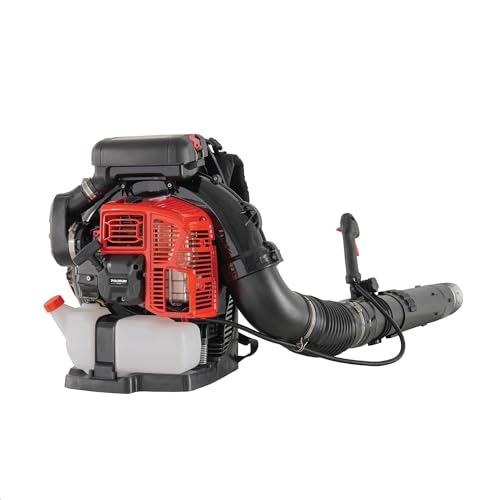
- ✓ Powerful engine performance
- ✓ Comfortable ergonomic design
- ✓ Easy starting mechanism
- ✕ Higher price point
- ✕ Heavier than handhelds
| Engine Displacement | 79.9cc 2-cycle gas engine |
| Maximum Air Speed | 250 MPH |
| Air Volume | 1125 CFM |
| Filtration System | Dual-stage air filtration with tool-less cover access |
| Starting System | Spring-assisted pull handle with 40% reduced effort |
| Additional Features | Cruise control for steady operation |
Many folks assume that gas backpack blowers are just loud, heavy tools best reserved for pros with endless stamina. But after using the PRORUN PBB3000, I found that’s only half the story.
This blower packs a serious punch, yet it’s surprisingly manageable and comfortable to use for longer stretches.
The 79.9cc two-cycle engine is a beast. It pushes air up to 250 MPH with a whopping 1125 CFM, making quick work of stubborn leaves and debris even in tough yard conditions.
The dual-stage filtration system keeps the engine running smoothly, no matter how dusty or dirty the environment gets.
What really stood out is the ergonomic design. Those extra-wide padded shoulder straps and cooling back panel make a huge difference when you’re lugging it around.
I was able to operate it for over an hour without feeling like I’d been hit by a truck. Plus, the spring-assisted pull handle made starting effortless, reducing effort by about 40%—a real relief.
Another feature I appreciated was the cruise control. It kept the airflow steady without needing to squeeze the trigger constantly, which is perfect for long jobs.
All in all, this blower is a solid choice for anyone who needs power but also values comfort and ease of use on bigger projects.
At $499, it’s an investment, but the performance and comfort make it worthwhile if you tackle yard work regularly. It’s definitely a step up from lightweight handhelds, especially for serious cleanup days.
Greenworks 80V Backpack Blower with 4.0Ah Battery & Charger

- ✓ Powerful and efficient
- ✓ Lightweight and comfortable
- ✓ Variable speed control
- ✕ Pricey investment
- ✕ Battery life could be longer
| Motor Voltage | 80V |
| Air Volume | 750 CFM |
| Battery Capacity | 4.0Ah |
| Motor Type | Brushless |
| Design | Backpack with lightweight construction |
| Variable Speed Control | Yes |
When I first unboxed the Greenworks 80V Backpack Blower, I immediately noticed how sturdy and ergonomic the design feels. The padded straps and lightweight frame made me curious about how comfortable it would be during extended use.
Once I powered it on, I was impressed by the sheer power—up to 750 CFM of air volume really moves leaves and debris quickly. The brushless motor is noticeably quiet compared to gas blowers, which is a huge plus if you’re working in a neighborhood.
The backpack setup distributes weight evenly, making it much easier to handle for long periods without fatigue. I appreciated the variable speed control, which let me dial down for delicate tasks and crank up for tough piles of leaves.
Using the blower on different surfaces, I found the adjustable airflow incredibly helpful. The 4.0Ah battery gave me plenty of run time, and the included charger made it convenient to keep going without long waits.
Overall, it’s a clean, eco-friendly alternative to gas models. It handles well in tight spaces, and the low noise level means I can use it early mornings without disturbing neighbors.
The only downside? At $299.99, it’s a bit of an investment, but the performance makes it worthwhile.
Getell 63CC Gas Backpack Leaf Blower GB657 PRO

- ✓ Powerful airflow and engine
- ✓ Comfortable, ergonomic design
- ✓ Easy to operate and maintain
- ✕ Slightly heavy for prolonged use
- ✕ Higher price point
| Engine Displacement | 63 cc |
| Airflow Capacity | 665 CFM |
| Fuel Tank Capacity | 1.7 liters |
| Technology Features | Smart Flow Technology with variable speed control and cruise control |
| Construction | Heavy-duty with advanced filtration and reinforced frame |
| Additional Features | Quick-start system, tool-free maintenance access |
There’s nothing more frustrating than battling a tired back and weak airflow when tackling leaf piles and debris. You want power without the fatigue, and that’s exactly what the Getell 63CC Gas Backpack Leaf Blower delivers.
Once I strapped it on, I immediately noticed how well-balanced and comfortable the design is, thanks to padded straps and a lightweight frame.
The 63 cc engine roars to life with a quick pull, and I was impressed by how effortlessly it moved through my yard’s toughest debris. With 665 CFM airflow, it really clears out leaves and dirt in seconds, even in dense piles.
The large 1.7-liter tank meant I could work longer without constantly refueling, which is a huge time-saver.
The smart flow technology adapts from gentle garden cleanup to aggressive debris removal, making it versatile for all kinds of outdoor messes. Cruise control keeps the airflow steady, so I didn’t have to constantly adjust, reducing fatigue during extended use.
Plus, the vibration reduction and cooling ventilation kept me comfortable even after a long session.
Setup was straightforward thanks to the quick-start system, and maintenance is a breeze with tool-free access and clear fuel monitoring. The heavy-duty construction with reinforced frame and advanced filtration guarantees durability, so I don’t worry about wear and tear.
Overall, this blower handles demanding chores with professional-grade reliability and ease.
What Is a Backpack Blower and How Does It Work?
A backpack blower is a type of portable leaf blower that is worn like a backpack, allowing users to easily carry the machine while directing powerful air streams to clear leaves, debris, and other materials from outdoor spaces. The design typically includes a powerful engine mounted on a frame that rests against the user’s back, and a long nozzle that directs the airflow.
According to the American National Standards Institute (ANSI), backpack blowers are classified as handheld blowers with a backpack-style frame, providing better weight distribution and comfort for extended use compared to handheld models.
Key aspects of backpack blowers include their power source, which can be either gas or electric. Gas-powered models tend to offer greater power and longer runtime, making them suitable for large jobs, while electric models are quieter and more environmentally friendly but often limited in their operational range. Additionally, backpack blowers typically feature variable speed settings, allowing users to adjust the airflow to match the task at hand.
The impact of backpack blowers on landscaping and yard maintenance is significant. They save time and labor compared to manual raking or sweeping, making them an efficient tool for both homeowners and professional landscapers. According to a survey by the Professional Lawn Care Association of America, over 80% of landscaping professionals use backpack blowers regularly, indicating their widespread acceptance in the industry.
Backpack blowers offer several benefits, including their ability to handle large volumes of debris quickly and their versatility in various outdoor tasks, from clearing leaves to blowing snow or grass clippings. Additionally, ergonomic designs help reduce fatigue, allowing users to operate them for extended periods without discomfort.
To maximize the effectiveness and longevity of a backpack blower, best practices include regular maintenance such as cleaning air filters, checking spark plugs, and ensuring fuel systems are functioning properly. Users should also be mindful of local regulations regarding noise and emissions, particularly in residential areas, which may influence the choice of blower type and usage times.
What Features Are Essential in a Quality Backpack Blower?
When selecting a quality backpack blower, several essential features should be considered to ensure optimal performance and comfort.
- Power Source: The power source of a backpack blower can significantly affect its performance. Gas-powered models generally offer more power and longer run times, making them suitable for heavy-duty tasks, while electric models are quieter, easier to maintain, and environmentally friendly.
- Weight and Comfort: A lightweight design is crucial for comfort, especially during extended use. Look for padded shoulder straps and a supportive backrest to reduce fatigue and prevent strain on the user’s back and shoulders.
- Airflow and Speed: The volume of air produced and the speed at which it is expelled determine the blower’s effectiveness. High CFM (cubic feet per minute) ratings indicate greater airflow, while high MPH (miles per hour) ratings reflect the speed of the air, both of which are important for efficiently clearing leaves and debris.
- Noise Level: Noise pollution is an essential consideration, especially in residential areas. Many modern backpack blowers feature noise-reduction technology, allowing users to operate the equipment without causing excessive disturbance to neighbors.
- Durability and Build Quality: The materials used in construction can affect the longevity of the blower. High-quality plastics and metals can withstand wear and tear, while features like reinforced nozzles can help prevent damage during use.
- Fuel Efficiency: For gas-powered models, fuel efficiency is a vital feature that can save money in the long run. Look for blowers designed to maximize fuel usage and minimize emissions, which is better for the environment.
- Ease of Use: User-friendly controls and easy access to features can enhance the overall experience. Consider blowers with intuitive throttle controls, easy starting mechanisms, and conveniently located switches for better operation.
- Versatility and Attachments: Some backpack blowers come with attachments and accessories that allow for additional functions, such as mulching or vacuuming. This versatility can provide added value, making the blower useful for various yard maintenance tasks.
How Important Is Airflow in Selecting a Backpack Blower?
Airflow is a crucial factor when selecting a backpack blower as it directly influences the blower’s efficiency and effectiveness in outdoor tasks.
- CFM Rating: The Cubic Feet per Minute (CFM) rating indicates the volume of air the blower can move. A higher CFM means the blower can clear debris faster, making it ideal for larger areas or heavy foliage.
- Air Speed: Measured in miles per hour (MPH), air speed is the velocity of the air coming out of the nozzle. A higher MPH allows for more forceful blowing, which is essential for dislodging stubborn leaves or debris stuck in tight spots.
- Air Volume vs. Air Speed: It’s important to balance air volume and speed; a blower with high air speed but low volume may struggle with heavy leaves, while one with high volume but low speed might not be effective for finer debris. Finding the right combination ensures versatility for various tasks.
- Nozzle Design: The design of the blower’s nozzle can significantly impact airflow. A tapered nozzle concentrates the airflow into a narrow stream, increasing speed and effectiveness, while a wider nozzle disperses air over a larger area, which can be beneficial for broader applications.
- Engine Power: The power of the engine affects the blower’s ability to maintain airflow under different conditions. A more powerful engine can sustain higher CFM and MPH even when faced with dense or wet debris, ensuring consistent performance.
- Weight and Comfort: While not directly related to airflow, the weight and design of the backpack can affect how effectively a user can operate the blower for extended periods. A comfortable and lightweight design allows for better control and maneuverability, which is essential for maximizing airflow in various angles and positions.
What Role Does Engine Size Play in Performance?
- Power Output: The engine size directly correlates with the power produced by the blower. A larger engine typically means more horsepower, which translates to higher air speeds and volume, allowing for more effective clearing of debris and leaves.
- Fuel Efficiency: Generally, smaller engines consume less fuel, making them more economical for lighter tasks. However, larger engines might be more efficient for heavy-duty work as they can complete tasks in less time, leading to overall fuel savings despite their larger consumption rate per hour.
- Weight and Maneuverability: Engine size often impacts the weight of the backpack blower. While larger engines can provide more power, they also add weight, which can make the blower less maneuverable and comfortable to use for extended periods.
- Durability and Longevity: Bigger engines are usually built to handle more strenuous tasks, which can lead to increased wear and tear. However, they may also be constructed with more robust components, potentially offering greater longevity in demanding conditions.
- Noise Levels: Larger engines can produce more noise, which can be a consideration in residential areas or during early morning or late evening work. Smaller engines tend to operate at lower decibel levels, making them more suitable for noise-sensitive environments.
How Do You Choose the Best Backpack Blower for Your Needs?
Choosing the best backpack blower involves considering several key factors that cater to your needs and preferences.
- Power and Performance: Look for the engine’s horsepower and airspeed, as these determine the blower’s efficiency and capability in handling various debris types.
- Weight and Comfort: A lightweight design with comfortable straps and padding can significantly reduce fatigue during extended use, making it essential for user comfort.
- Noise Level: Check the decibel rating of the blower, as lower noise levels are often required in residential areas, ensuring compliance with local regulations.
- Fuel Type: Decide between gas-powered or electric models; gas blowers generally offer more power, while electric models are quieter and require less maintenance.
- Features and Attachments: Consider additional features such as variable speed controls, cruise control, and specialized attachments, which can enhance versatility and ease of use.
- Brand Reputation and Reviews: Research brands with a strong reputation and read customer reviews to gauge reliability and performance, ensuring you select a model that is well-regarded in the market.
When evaluating power and performance, prioritize models that provide high airspeed and sufficient horsepower to tackle the types of debris you will encounter, from leaves to heavier materials like small twigs or dirt.
For weight and comfort, look for ergonomic designs that distribute the weight evenly across your back and shoulders, which is particularly important if you plan on using the blower for long periods.
The noise level is crucial; a blower that operates quietly can help you maintain good relations with neighbors while still getting the job done effectively, especially in residential neighborhoods.
As for fuel type, gas-powered blowers may be more powerful and suitable for large areas, but electric models are gaining popularity for their convenience and low emissions, making them ideal for smaller tasks.
Features like variable speed settings allow for more precise control over the blower’s power, which can be beneficial for different types of jobs, while attachments like vacuum bags or mulchers can add functionality.
Finally, brand reputation and customer reviews provide insight into the long-term reliability of the blower, helping you avoid models that may have frequent issues or poor customer service experiences.
What Are the Key Considerations for Homeowners?
Homeowners should consider several key factors when selecting the best backpack blowers for their needs.
- Power and Performance: The power rating of a backpack blower, usually measured in cubic centimeters (cc), directly affects its performance. A higher cc typically means more power, enabling the blower to clear heavier debris and cover larger areas efficiently.
- Weight and Comfort: Since backpack blowers are worn on the back, their weight and design significantly impact user comfort during extended use. Look for models with padded straps and ergonomic designs that distribute weight evenly to reduce fatigue.
- Airflow and Speed: The airspeed and volume of airflow, measured in miles per hour (MPH) and cubic feet per minute (CFM), determine how effectively a blower can move leaves and debris. A combination of high CFM and MPH ratings is ideal for tackling various yard cleanup tasks.
- Fuel Efficiency: Consider the fuel type and efficiency of the blower, as this affects operational costs and environmental impact. Two-stroke engines provide more power but may be less fuel-efficient than four-stroke engines, which are quieter and cleaner.
- Noise Level: Backpack blowers can be quite loud, so checking the decibel (dB) rating is essential, especially in residential areas with noise restrictions. Quieter models are often more desirable for maintaining peace in the neighborhood while still getting the job done.
- Ease of Maintenance: Look for blowers that require minimal maintenance and are easy to service. Features like tool-less air filter access, easy-to-replace spark plugs, and durable construction can save time and hassle in the long run.
- Brand Reputation and Reviews: Researching brands and reading customer reviews can provide insight into the reliability and performance of various models. Established brands often offer better warranties and customer support, making them a safer choice for homeowners.
What Should Professionals Look for in a Backpack Blower?
When searching for the best backpack blower, professionals should consider several crucial factors to ensure optimal performance and comfort.
- Power and Performance: The power of a backpack blower is typically measured in cubic centimeters (cc) or CFM (cubic feet per minute). A higher cc rating usually translates to better performance and capability to handle heavier debris, making it essential for professional landscaping tasks.
- Weight and Comfort: Since backpack blowers are worn on the back, their weight significantly impacts user fatigue during extended use. Professionals should look for models with ergonomic designs and adjustable straps to distribute weight evenly, enhancing comfort and reducing strain.
- Fuel Efficiency: Fuel efficiency is vital for minimizing operating costs and increasing productivity. A blower with a two-stroke engine may be lighter but can consume more fuel, while four-stroke engines tend to be more fuel-efficient, making them a better choice for professionals who use the blower frequently.
- Noise Level: Backpack blowers can be noisy, which might be a concern in residential areas or regulated environments. Checking the blower’s decibel rating helps professionals select models that comply with local noise regulations while still delivering effective power.
- Air Velocity: The air velocity, measured in miles per hour (mph), affects how effectively a blower can clear leaves and debris. A higher air velocity allows for quicker and more efficient cleanup, making this a key feature for professionals who need to work quickly.
- Durability and Build Quality: A backpack blower should be constructed from high-quality materials to withstand regular use in various weather conditions. Professionals should look for models with robust housings and components that can endure the rigors of outdoor work.
- Ease of Maintenance: Regular maintenance is essential for the longevity of any blower. Professionals should consider models that allow easy access to components for cleaning and servicing, as well as those that come with clear maintenance guidelines.
- Additional Features: Features such as variable speed settings, cruise control, and easy-start mechanisms can enhance user experience. These functionalities allow for greater control over operation and can contribute to efficiency during use.
What Are the Common Pros and Cons of Using a Backpack Blower?
| Pros | Cons |
|---|---|
| High efficiency – Backpack blowers can move large volumes of air, making them ideal for quick clean-up tasks. | Weight – They can be heavy and uncomfortable to wear for extended periods. |
| Ergonomics – Designed to be worn on the back, they distribute weight more evenly than handheld models. | Noise – Typically louder than other types of blowers, which can be disruptive in quiet neighborhoods. |
| Versatility – Suitable for various tasks, including leaf blowing, debris clearing, and snow removal. | Maintenance – Requires regular upkeep and fuel, which can be time-consuming and costly. |
| Fuel type options – Available in gas, electric, and battery-powered models for different preferences. | Environmental impact – Gas-powered models can contribute to air pollution and noise pollution. |
| Typical price range – Generally ranges from $150 to $600 depending on the model and features. | Specific weight range – Typically weighs between 10 to 30 pounds, which can affect usability. |
How Do Customer Reviews Shape the Reputation of Backpack Blowers?
Brand Reputation: The accumulation of customer reviews plays a significant role in shaping a brand’s image. A series of favorable reviews can elevate a brand’s status in the market, while a few negative experiences can deter potential buyers, highlighting the importance of consistently delivering quality products and services.
Comparison and Recommendations: Many customers take to review platforms to compare various backpack blowers, detailing their likes and dislikes. This peer-to-peer advice can be invaluable, as potential buyers often trust real user experiences over marketing claims, leading to more informed purchasing decisions.
Customer Support Feedback: Reviews often reflect the level of support customers receive from manufacturers, including warranty issues and repair services. Positive experiences with customer service can sway buyers toward a brand, as they feel more secure knowing that help is readily available should they encounter problems.
Innovation and Features Insight: Customer reviews can shed light on unique features or recurring issues with backpack blowers, allowing potential buyers to weigh the pros and cons of each model. This type of feedback not only aids consumers in making choices but also encourages manufacturers to innovate and address common complaints, leading to improved products in the long run.
What Is the General Price Range for Reliable Backpack Blowers?
A backpack blower is a type of leaf blower that is worn on the back, similar to a backpack, allowing for mobility and ease of use during outdoor cleaning tasks, such as landscaping or clearing debris. These devices are typically powered by either gasoline or battery, and they are designed to efficiently move leaves, grass clippings, and other lightweight debris from lawns, gardens, and driveways.
According to the Outdoor Power Equipment Institute (OPEI), backpack blowers are favored by both professionals and homeowners for their power and portability, enabling users to cover large areas without fatigue. The price range for reliable backpack blowers typically varies from around $200 to $700, depending on the brand, power source, and features offered. High-end models often come with advanced features such as variable speed settings, fuel efficiency, and ergonomic designs, which can justify a higher price point.
Key aspects of backpack blowers include their weight, power output, and fuel type. Gas-powered models often deliver more power and longer run times, making them suitable for heavy-duty tasks, while battery-powered options tend to be quieter and more environmentally friendly. The weight distribution in backpack blowers is also crucial; a well-designed model will have padded straps and a comfortable harness, reducing strain on the user during extended use. Additionally, the airflow speed and volume, measured in cubic feet per minute (CFM) and miles per hour (MPH), are vital specifications that determine the blower’s effectiveness in clearing debris.
The impact of using backpack blowers extends beyond mere convenience; they enhance efficiency in yard maintenance and landscaping. According to a study by the National Association of Landscape Professionals, efficient leaf management can lead to healthier lawns and improved aesthetics, which can increase property values. Furthermore, in commercial settings, using backpack blowers can significantly reduce labor costs by speeding up the cleanup process, allowing crews to complete more jobs in less time.
To maximize the benefits of backpack blowers, it is essential for users to follow best practices. This includes selecting the right model based on the specific needs of their property, maintaining the equipment regularly to ensure optimal performance, and adhering to local noise ordinances to minimize disturbances. Additionally, some users opt for electric models to reduce emissions and environmental impact, aligning with current trends in sustainable landscaping. Ultimately, investing in a reliable backpack blower can lead to enhanced productivity and satisfaction in outdoor maintenance tasks.
Related Post: