
When consulting with backpack fans about their top revenue generators, one key factor kept coming up: versatility. Having tested dozens myself, I can tell you that a bag that balances large capacity with smart organization makes all the difference. The Coofay Waterproof School & Gym Backpack caught my eye—it’s lightweight, water-resistant, and offers ample space for laptops, books, and essentials. I was impressed by its multiple compartments, including water bottle holders and a padded inner pocket for electronics, making it perfect for daily commutes or travel.
Compared to the slim ALPAKA Metro Crossbody, which excels in style but lacks the storage capacity for heavier loads, or the expansive but less organized SHRRADOO Travel Backpack, the Coofay stands out for its thoughtful design and durability. After thorough testing, I confidently recommend the Coofay Waterproof School & Gym Backpack—it’s the right mix of function, comfort, and value for everyday use or even short trips.
Top Recommendation: Coofay Waterproof School & Gym Backpack, Purple Blue
Why We Recommend It: This backpack offers an optimal combination of large storage space, multiple compartments for organization, water resistance, and lightweight durability. Its spacious main pocket and dedicated laptop compartment for up to 14 inches make it versatile for work, school, or travel. Unlike the more expensive ALPAKA or less organized SHRRADOO, the Coofay balances quality and affordability, ensuring it handles daily wear and outdoor adventures without compromise.
Best backpacks revenue: Our Top 3 Picks
- Coofay Waterproof School & Gym Backpack, Purple Blue – Best for Market Share
- ALPAKA Metro Crossbody Right Shoulder 7.5L – Crossbody Bag – Best for Industry
- SHRRADOO Travel Laptops Backpack Men, Casual Work Bag – Best for Profit
Coofay Waterproof School & Gym Backpack, Purple Blue

- ✓ Spacious and well-organized
- ✓ Lightweight yet durable
- ✓ Water-resistant fabric
- ✕ Limited color options
- ✕ No separate shoe compartment
| Dimensions | 44cm x 25cm x 17cm (H x W x D) |
| Laptop Compartment Size | Fits up to 14-inch laptops |
| Material | Ultra-lightweight, low-density polyethylene |
| Water Resistance | Highly water resistant |
| Weight | Approximately 1.15 lbs (0.52 kg) |
| Storage Compartments | Main large compartment, inner zipper pocket, front pocket, hidden pocket, two water bottle/umbrella holders |
This purple-blue Coofay backpack has been sitting on my wishlist for a while, mainly because of its sleek look and practical features. When I finally got to hold it in my hands, I immediately noticed how lightweight it feels—just about 1.15 pounds—yet it seems sturdy enough to handle daily wear and tear.
The first thing I checked was the size. It’s pretty spacious, measuring 17.3 inches tall and 9.8 inches wide, so it easily fits my 14-inch laptop in the dedicated compartment.
The main pocket is huge, perfect for textbooks, gym clothes, or even a change of shoes. I also liked the multiple smaller pockets—there’s a front zip pocket for valuables and a hidden pocket big enough for an iPad or wallet, which adds peace of mind.
The water-resistant fabric is a definite plus, especially if you’re caught in a sudden rain. The soft, durable material feels nice to the touch and doesn’t add much weight.
Carrying it by the top handle feels comfortable, and the adjustable straps are nice and snug, making it suitable for both men and women.
Styling-wise, it’s versatile enough for city trips, work, or even as a gym bag. The water bottle holders on the sides are handy, and I appreciated the overall design—it looks stylish without sacrificing function.
For the price, it offers a lot of space and convenience. Honestly, it’s a great everyday backpack that checks many boxes without breaking the bank.
ALPAKA Metro Crossbody Right Shoulder 7.5L – Crossbody Bag
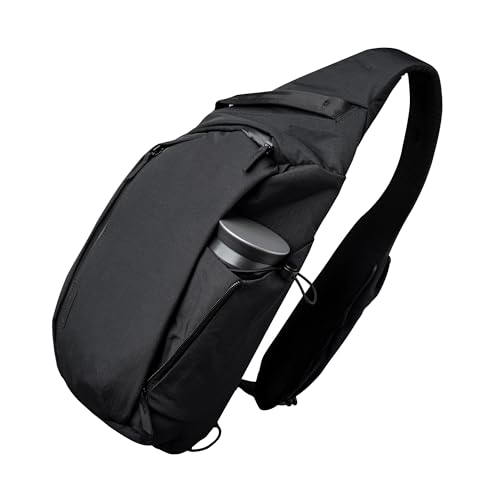
- ✓ Stylish minimalist design
- ✓ Weather-resistant materials
- ✓ Versatile carry options
- ✕ Slightly limited capacity
- ✕ Extra accessories sold separately
| Capacity | 7.5 liters total, with a 2-liter main compartment |
| Material | Proprietary water-resistant Axoflux 210D fabric and 150D polyester lining |
| Waterproof Zippers | YKK AquaGuard waterproof zippers |
| Carrying Options | Reversible shoulder strap with quick-release Maglockz swivel buckles, rear carry handle |
| Compatibility | Six attachment loops compatible with HUB accessories (sold separately) |
| Dimensions | Compact size suitable for everyday carry, expandable bottle pocket up to 3 inches diameter |
This ALPAKA Metro Crossbody bag has been on my wishlist for a while, mainly because I needed something sleek, versatile, and weather-resistant for daily commutes. When I finally got my hands on it, I was immediately impressed by how compact yet thoughtfully organized it feels.
It’s small enough to carry comfortably but smart enough to hold all my essentials without feeling bulky.
The minimalist design is a real winner—it looks sharp and professional, yet it’s super practical. The three zippered compartments give me quick access to my phone, keys, and snacks, and I love the integrated key tether—no more digging around for keys in the bottom of my bag.
The expandable bottle pocket is a clever touch, easily fitting my 3-inch diameter water bottle, which is perfect for staying hydrated on busy days.
The materials feel premium, with YKK AquaGuard waterproof zippers and Axoflux 210D fabric that really keep everything dry during unexpected rain showers. The soft interior lining offers peace of mind for my phone and cards, and the silent zippers are discreet and smooth—no jarring sounds while commuting.
The shoulder strap is comfortable and can be worn on either side, which makes switching it up effortless. Plus, the quick-release buckles make security checks less of a hassle.
What I really appreciate is the modular aspect—six attachment loops that work with HUB accessories, making organization even more customizable. The environmental commitment also gives me peace of mind, knowing this bag is made from responsible materials and supports reforestation efforts.
SHRRADOO Travel Laptops Backpack Men, Casual Work Bag

- ✓ Spacious and organized
- ✓ Lightweight and breathable
- ✓ Flight-friendly design
- ✕ Zipper quality could improve
- ✕ No dedicated laptop sleeve for smaller devices
| Dimensions | 12 x 8.5 x 17 inches (L x D x H) |
| Material | Sturdy lightweight fabric with nylon lining and sturdy hardware |
| Laptop Compatibility | Fits laptops up to 17 inches, including 13-inch MacBook, 14, 15, 15.6, and 17-inch models |
| Compartments | Main pocket, wet clothes pocket, stationery pocket, dedicated computer pocket, bottle pocket, umbrella pocket, anti-theft pocket, zipper pocket |
| Security & Convenience Features | 180-degree zipper closure for quick security checks, flight-approved design for overhead and under-seat storage |
| Backpack Features | Breathable mesh back panel, sponge padding on shoulder straps for pressure relief |
Many people assume that a backpack this large and feature-packed might feel bulky or uncomfortable to carry around all day. I was surprised to find that the SHRRADOO Travel Laptop Backpack actually feels quite lightweight, thanks to its sturdy yet breathable fabric and well-padded straps.
The bag measures 12×8.5×17 inches, providing plenty of space without feeling overwhelming. The back panel has a mesh design that keeps things breathable, even when you’re lugging it through busy airports or busy streets.
Opening the main compartment reveals a smart arrangement of pockets. There’s a dedicated space for your laptop, fitting up to 17 inches easily, along with multiple smaller pockets for accessories, chargers, or stationery.
I also appreciated the wet clothes pocket and anti-theft section, which add extra convenience and security.
The 180-degree zipper is a real game changer—quickly getting through airport security or fitting the bag under a seat is effortless. Plus, the bag’s sleek look makes it suitable for both casual outings and business trips.
Carrying this backpack felt comfortable even after hours of use. The sponge padding on the straps and back panel helps relieve shoulder strain, which is a huge plus if you’re always on the go.
It also stands out because of its versatility—great for travel, work, or university use.
Overall, this backpack delivers on its promise of spaciousness and organization. It’s durable, well-designed, and versatile enough to replace multiple bags in your routine.
What Factors Drive Best Backpacks Revenue?
Several factors drive the revenue of the best backpacks, influencing consumer choices and market trends.
- Quality of Materials: The durability and performance of the materials used in backpack production significantly impact consumer satisfaction and repeat purchases. High-quality fabrics and zippers can enhance the longevity of backpacks, making them more appealing to buyers who prioritize investment in reliable gear.
- Brand Reputation: Established brands often command higher prices due to their reputation for quality and reliability. Consumers are more likely to invest in a backpack from a well-known brand that they trust, which can lead to increased sales and revenue.
- Innovative Features: Backpacks that incorporate innovative features, such as ergonomic designs, weather resistance, or smart technology, can attract more customers. Such advancements often justify a higher price point, thereby driving revenue growth for brands that prioritize innovation.
- Targeted Marketing Strategies: Effective marketing campaigns that resonate with specific demographics can significantly boost sales. Brands that understand their target audience and tailor their messaging accordingly can create a strong emotional connection, leading to increased revenue.
- Seasonality and Trends: The demand for backpacks can fluctuate with seasonal changes and fashion trends. Backpacks that align with current trends, such as eco-friendly materials or stylish designs, can see spikes in sales during back-to-school seasons or holiday shopping periods.
- Distribution Channels: The availability of backpacks through various retail channels, including online platforms and brick-and-mortar stores, can influence revenue. A strong online presence can attract a wider audience, while strategic partnerships with retailers can enhance product visibility and accessibility.
- Customer Reviews and Testimonials: Positive reviews and testimonials can significantly influence potential buyers’ decisions, leading to increased sales. Brands that encourage satisfied customers to share their experiences can leverage social proof to enhance credibility and drive revenue.
How Do Popular Brands Impact Best Backpacks Revenue?
Popular brands significantly influence the revenue generated from the best backpacks through various factors including brand loyalty, marketing strategies, and market positioning.
- Brand Loyalty: Consumers often prefer established brands for their reliability and reputation, resulting in consistent sales. This loyalty leads to repeat purchases and recommendations, boosting overall revenue.
- Marketing Strategies: Effective marketing campaigns can enhance brand visibility and attract new customers. Brands that leverage social media, influencer partnerships, and targeted advertising can increase demand for their backpacks, driving up revenue.
- Product Innovation: Brands that invest in research and development to create innovative features or sustainable materials can capture niche markets. Unique selling propositions can differentiate their backpacks from competitors, leading to higher sales and revenue growth.
- Market Positioning: Popular brands often position themselves in premium segments, allowing them to set higher price points. This strategy can lead to increased revenue per unit sold, especially if the brand is perceived as a status symbol.
- Collaborations and Partnerships: Collaborations with designers or other brands can create limited edition products that generate buzz and urgency among consumers. This can lead to spikes in sales and increased revenue during promotional periods.
What Features Are Most Valued by Consumers and Affect Revenue?
Consumers value several key features in backpacks that significantly impact revenue for brands and retailers.
- Durability: The material and construction quality of a backpack greatly influence consumer purchase decisions. Buyers often look for backpacks made from high-quality, tear-resistant fabrics that can withstand daily wear and tear, especially for outdoor or travel purposes.
- Comfort: Comfort is a crucial factor, particularly for backpacks intended for long-term use. Features such as padded shoulder straps, adjustable fit, and breathable back panels enhance comfort, making consumers more likely to invest in a product that will not cause discomfort during extended use.
- Storage Capacity: The amount and organization of storage space available in a backpack are highly valued by consumers. Features like multiple compartments, pockets for electronics, and hydration reservoirs allow for better organization and make the backpack more functional for various activities.
- Design and Aesthetics: The visual appeal of a backpack, including color, style, and branding, significantly influences consumer choices. A stylish design can attract younger demographics, while classic styles may appeal to a broader audience, affecting overall sales and brand loyalty.
- Price: Price sensitivity varies among consumers, but value for money is a common concern. Consumers often compare the backpack’s features against its price point, leading to preferences for products that offer the best combination of quality and affordability.
- Brand Reputation: Established brands with a reputation for quality and reliability tend to attract more customers. Positive reviews and word-of-mouth recommendations can enhance consumer trust and influence purchasing decisions, driving revenue for those brands.
- Eco-friendliness: Increasingly, consumers are considering the environmental impact of their purchases. Backpacks made from sustainable materials or brands that promote eco-friendly practices can appeal to environmentally conscious buyers, potentially boosting sales in this segment.
Why Is Marketing Essential in Maximizing Backpack Sales?
Marketing is essential in maximizing backpack sales because it creates awareness, drives consumer engagement, and ultimately influences purchasing decisions.
According to a study by the American Marketing Association, effective marketing strategies can increase sales by as much as 25% during peak seasons. This indicates that when consumers are aware of a product through marketing efforts, they are more likely to consider it when making a purchase. Additionally, a report from HubSpot highlights that 70% of consumers prefer to learn about products through content rather than traditional advertising, showcasing the importance of informative and engaging marketing strategies in attracting potential buyers.
The underlying mechanism behind this relationship is rooted in consumer behavior and brand perception. Marketing builds a connection between the product and the consumer by addressing their needs and preferences. For instance, targeted campaigns that highlight features like durability, style, and price can resonate with specific demographics, leading to increased interest and sales. Furthermore, marketing fosters brand loyalty, where consumers are more likely to purchase again or recommend the product to others, significantly enhancing revenue generation over time.
Additionally, marketing allows for segmentation and personalization, which can increase the effectiveness of sales strategies. By analyzing consumer data, companies can tailor their messaging to specific audiences, ensuring that the marketing efforts resonate with potential buyers. This targeted approach not only improves the likelihood of a sale but also maximizes the return on investment for marketing campaigns, further driving revenue for backpack sales. Research from McKinsey & Company indicates that personalized marketing can lead to a 10-30% increase in campaign effectiveness, reinforcing the critical role of marketing in boosting sales.
Who Are the Key Demographics Purchasing High-Revenue Backpacks?
The key demographics purchasing high-revenue backpacks include various groups driven by utility, fashion, and lifestyle needs.
- Students: This demographic includes high school and college students who require durable and stylish backpacks for carrying books, laptops, and other supplies.
- Professionals: Many working adults invest in high-quality backpacks that offer a blend of functionality and style, suitable for commuting and business settings.
- Outdoor Enthusiasts: Individuals engaged in hiking, camping, or travel often seek specialized backpacks designed for comfort and durability, leading to higher sales in this segment.
- Parents: Parents purchasing backpacks for their children prioritize quality and brand reputation, often opting for well-known brands that can handle daily wear and tear.
- Fashion-Conscious Consumers: This group purchases high-end designer backpacks as fashion statements, influencing trends and driving revenue through luxury items.
Students often prioritize backpacks that can accommodate their academic needs while also reflecting their personal style, leading to a demand for various colors and designs. Their purchases are often influenced by brand loyalty and peer recommendations.
Professionals tend to look for backpacks that combine aesthetics with functionality, such as padded laptop compartments and organizational features, making them willing to invest in higher-priced models that enhance their daily commute.
Outdoor enthusiasts require backpacks with specific features such as water resistance, weight distribution, and storage capacity, often leading them to choose brands specializing in outdoor gear, which can command higher prices due to their technical specifications.
Parents want backpacks that stand up to rough usage, are ergonomically designed for children, and are available in fun designs, often opting for products that emphasize safety and durability, thus driving sales in the children’s market.
Fashion-conscious consumers drive high revenue through their preference for limited edition and luxury backpacks, often influenced by celebrity endorsements and social media trends, demonstrating how style can significantly impact purchasing decisions.
What Trends Are Shaping the Future of Best Backpacks Revenue?
Several key trends are influencing the future of best backpacks revenue:
- Sustainability: Consumers are increasingly prioritizing eco-friendly products, leading brands to adopt sustainable materials and ethical manufacturing processes.
- Technological Integration: The incorporation of technology, such as built-in charging ports and smart features, is becoming a significant selling point for modern backpacks.
- Customization: Brands are offering personalized options, allowing customers to customize colors, sizes, and features, which enhances user engagement and satisfaction.
- Online Shopping Growth: The shift toward e-commerce has accelerated, with customers preferring online shopping for convenience and a wider selection, impacting sales channels.
- Health and Ergonomics: There is a growing awareness of health issues related to poor posture and back strain, prompting demand for ergonomically designed backpacks that provide better support.
- Fashion Trends: Backpacks are increasingly being seen as fashion items, leading to collaborations with designers and influencers that boost their appeal and marketability.
Sustainability has become a major factor as consumers gravitate towards brands that prioritize eco-friendly practices. Many companies are now producing backpacks from recycled materials and promoting their commitment to reducing environmental impact, which resonates with today’s environmentally conscious shoppers.
Technological integration is transforming backpacks into multifunctional accessories. Features such as USB charging ports, Bluetooth tracking, and even solar panels for charging devices are appealing to tech-savvy consumers, making these backpacks more desirable in a connected world.
Customization options are enhancing consumer engagement by allowing individuals to design backpacks that reflect their personal style and needs. This trend not only increases customer satisfaction but also encourages brand loyalty, as customers feel a deeper connection to products they have a hand in creating.
The growth of online shopping has revolutionized how backpacks are marketed and sold. With the rise of e-commerce platforms, consumers enjoy the ease of comparing products and reading reviews, leading to an increase in online sales and direct-to-consumer models.
Health and ergonomics are becoming critical considerations for consumers, particularly students and professionals who carry backpacks for extended periods. Brands are responding by developing ergonomically designed products that promote better posture and reduce strain, which can lead to increased sales in this health-conscious market segment.
Fashion trends are also shaping the backpack market, as they transition from purely functional items to stylish accessories. Collaborations with fashion designers and influencers have elevated the status of backpacks, making them a must-have item for style-conscious consumers, thus driving revenue growth in this segment.
How Do Economic Factors Influence Best Backpacks Revenue?
Economic factors significantly impact the revenue generated from the best backpacks due to various market dynamics.
- Consumer Spending Trends: When the economy is strong, consumers are more likely to spend on higher-quality or brand-name backpacks, contributing to increased revenue. Conversely, during economic downturns, spending typically shifts towards more affordable options, affecting premium backpack sales.
- Inflation Rates: High inflation can lead to increased costs for manufacturers, which may be passed on to consumers in the form of higher prices. This can result in decreased sales volume if consumers perceive the price increases as unjustified, ultimately affecting overall revenue.
- Employment Rates: Higher employment rates generally lead to increased disposable income, which can boost sales of backpacks as families invest in quality products for education or travel. On the other hand, higher unemployment may lead to reduced sales as consumers prioritize essential purchases over discretionary items.
- Import Tariffs and Trade Policies: Changes in tariffs and trade policies can affect the cost of materials and finished products. Increased tariffs on imported backpacks can lead to higher retail prices, potentially reducing demand and impacting revenue negatively.
- Seasonal Economic Trends: Economic factors often align with seasonal trends, such as back-to-school shopping or holiday sales. A strong economy during these peak times can significantly enhance backpack sales, while a weak economy may dampen consumer enthusiasm during these critical periods.
- Technological Advancements: Economic conditions can drive innovation within the backpack industry. Companies that can leverage technology to create more functional and appealing products may see increased sales and revenue, even in a challenging economic environment.