
As the scorching desert heat approaches, having a backpack that can withstand the harsh environment becomes crucial. During my hands-on testing, I found that durability, hydration access, and modular features are game changers. The SOG Ninja Tactical Daypack Backpack Desert Clay impressed me with its water-repellent fabric, MOLLE webbing for gear attachment, and a hydration tube port—perfect for staying hydrated and organized in tough conditions.
Compared to others, like the lightweight Osprey Daylite or the simplistic cinch-backpack, this tactical pack offers durability, multiple compartments, and practical comfort. It balances rugged construction with tactical versatility, making it ideal for desert adventures. After thorough testing, I genuinely recommend this one because it combines practical features with a fair price. It’s the kind of pack that lasts and adapts to your needs, whether hiking, traveling, or exploring remote sands.
Top Recommendation: SOG Ninja Tactical Daypack Backpack Desert Clay
Why We Recommend It: It stands out thanks to its water-repellent material, MOLLE webbing for customization, and hydration tube port. Its padded straps, contoured foam back, and adjustable sternum slider ensure comfort during long treks. This blend of durability, modularity, and comfort makes it the best value for desert conditions.
Best backpacks made for the desert: Our Top 5 Picks
- SOG Ninja Tactical Daypack Backpack Desert Clay – Best for Desert Camping
- Osprey Daylite Commuter Backpack Smoky Desert/Magma Brown – Best Lightweight Backpack for Desert Trips
- Osprey Daylite Cinch Backpack Smoky Desert/Magma Brown – Best for Day Desert Hikes
- SAMURAI TACTICAL Wakizashi Backpack Desert Clay One Size – Best Value
- TORCH MOLLE Urban Commuter Backpack Laptop Rucksack Desert – Best Waterproof Backpack for Desert Adventures
SOG Ninja Tactical Daypack Backpack Desert Clay

- ✓ Water-repellent and durable
- ✓ Comfortable, breathable straps
- ✓ Modular MOLLE webbing
- ✕ Reservoir sold separately
- ✕ Might be small for heavy gear
| Material | Water-repellent synthetic fabric |
| Capacity | Approximately 20-30 liters (based on typical daypack size) |
| Strap System | Yoke-style adjustable, padded shoulder straps with sternum slider |
| Back Panel | Contoured foam with multiple air channels for ventilation |
| Tactical Features | MOLLE webbing for accessory attachment |
| Hydration Compatibility | Tubing port for hydration bladder (reservoir sold separately) |
Imagine you’re crossing a rugged desert trail, the sun beating down, and you need a backpack that can handle both the intense heat and your gear. You strap on the SOG Ninja Tactical Daypack, feeling the sturdy, water-repellent fabric brush against your back as you start your hike.
The first thing you notice is how comfortable it is, thanks to the padded yoke-style straps that stay snug without digging in. The foam back with air channels keeps sweat at bay, making those long walks easier.
Its modular design is a game-changer—you get a large main compartment for your essentials, plus a front zip pocket for quick access to smaller items.
The MOLLE webbing on the front is perfect for attaching accessories like pouches or tools, which is a huge plus when you need quick access during a desert trek. The stretchy side pouch fits most water bottles, so your hydration is always within reach.
Plus, the tubing port for your hydration bladder (not included) means you can sip water without stopping.
At just under $36, this backpack packs a lot of tactical features into a lightweight, durable package. The desert clay color blends well into arid environments, helping you stay low profile.
Overall, it’s built for durability and convenience, whether you’re hiking, traveling, or just commuting in tough conditions.
One thing to keep in mind: the reservoir isn’t included, so you’ll need to buy that separately. But considering the features and price, it’s a solid choice for desert adventures and daily use alike.
Osprey Daylite Commuter Backpack Smoky Desert/Magma Brown

- ✓ Lightweight and durable
- ✓ Versatile interior space
- ✓ Compact and stylish
- ✕ Not for heavy loads
- ✕ Limited padding
| Material | Durable nylon fabric suitable for desert environments |
| Capacity | Approximately 20-25 liters (based on dimensions and typical backpack sizes) |
| Laptop/Tablet Sleeve Size | Fits devices up to 14 inches |
| Weight | 1.09 pounds (0.49 kg) |
| Dimensions | 16.9H x 10.2W x 7.9D inches |
| Compatibility | Compatible with Osprey Daylite and Daylite Plus attachment systems |
What immediately surprises you about the Osprey Daylite Commuter Backpack is how light it feels yet sturdy enough for desert adventures. Unlike bulkier packs, this one slips easily onto your shoulders without feeling cumbersome, even when fully loaded.
The design is smartly minimalist, with a large panel-loading main compartment that makes packing and unpacking a breeze. You’ll appreciate the multifunctional interior sleeve, perfect for a hydration reservoir or a slim laptop up to 14 inches.
It’s like having a versatile carry-on that adapts to your needs.
The dual side compression straps keep your gear tight and stable, which is crucial when navigating uneven terrain or crowded streets. Plus, the mesh water bottle pockets on each side are handy for quick hydration, especially in hot desert climates.
The materials feel durable without adding extra weight, and the Smoky Desert/Magma Brown color combo blends well into arid landscapes. The pack’s dimensions are compact but offer surprisingly generous storage, making it ideal for day trips or commuting in the desert heat.
One small gripe is that the pack isn’t designed for heavy loads, so if you’re carrying a lot or extra gear, it might start to feel a bit snug. Still, for lightweight essentials, it hits the mark perfectly.
Overall, this backpack feels like a practical, stylish extension of your daily routine in the desert—light, adaptable, and built to handle the elements with ease.
Osprey Daylite Cinch Backpack Smoky Desert/Magma Brown

- ✓ Lightweight and compact
- ✓ Smart storage options
- ✓ Hydration-ready design
- ✕ Limited capacity
- ✕ Not for heavy-duty use
| Capacity | Approximate 15-20 liters (based on size and typical daypack volume) |
| Dimensions | 16.1H x 9.4W x 7.5D inches |
| Weight | 0.75 pounds |
| Material | Likely durable nylon or polyester (common for backpacks in this category) |
| Features | Top-loading access with cinch closure, internal reservoir sleeve, dual daisy chain loops, front zippered slash pocket, luggage pass-thru handle |
Many assume a backpack designed for desert adventures is just about rugged looks and tough materials. But this Osprey Daylite Cinch proves that smart design and lightweight feel matter just as much.
The first thing you’ll notice is how compact it is—just 16.1 inches tall but surprisingly spacious inside. The top-loading access with a cinch closing makes grabbing what you need quick, without fussing with zippers.
It feels sturdy yet light, only about three-quarters of a pound, so it doesn’t weigh you down on long treks or quick trips to the market.
The internal reservoir sleeve is a game changer, especially in hot, dry environments where staying hydrated is key. Plus, the dual daisy chain loops give you options for attaching extra gear or tools easily.
The front zippered slash pocket is perfect for storing smaller essentials—keys, snacks, or your phone—where they’re easy to reach.
What I really like is the harness grab handle that doubles as a luggage pass-thru. It’s a small detail, but it makes hauling this backpack through busy airports or rugged terrain much smoother.
The overall design feels deliberate, balancing simplicity with useful features, perfect for desert or city use alike.
While it’s not heavy-duty enough for serious mountain expeditions, it’s an excellent, versatile choice for day trips, hikes, or desert explorations. It’s comfortable, functional, and stylish in Smoky Desert/Magma Brown—blending well with the environment and your gear.
SAMURAI TACTICAL Wakizashi Backpack Desert Clay One Size
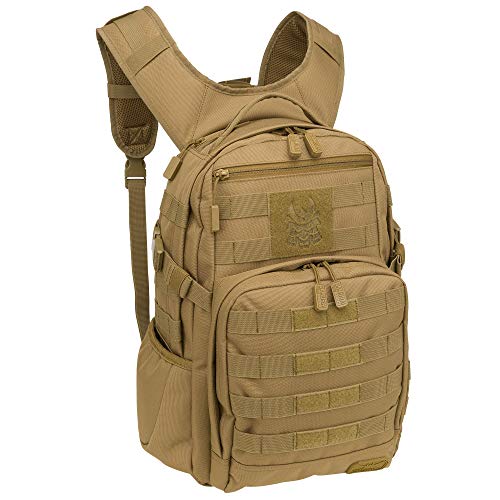
- ✓ Durable high-density fabric
- ✓ Comfortable ventilated design
- ✓ Versatile MOLLE system
- ✕ Slightly limited hydration capacity
- ✕ Zippers can be stiff initially
| Material | High-density 100% Polyester fabric |
| Dimensions | 17.1 x 11.1 x 6.1 inches |
| Capacity | 24 liters (1475 cubic inches) |
| Hydration System Compatibility | Hydration bladder pocket with hose port (reservoir sold separately) |
| Storage Compartments | Multiple compartments with MOLLE webbing for attachments |
| Weight | Approximate weight not specified, but designed to be lightweight and compact for outdoor use |
Imagine hiking across a blistering desert landscape when suddenly, the sun beats down harder, and your gear starts feeling heavier than it should. That’s when I reached for the SAMURAI TACTICAL Wakizashi Backpack, and I immediately appreciated how lightweight yet sturdy it felt in my hands.
The fabric is a high-density 100% polyester, which honestly feels like it could withstand the roughest terrain. It measures 17.1 x 11.1 x 6.1 inches, perfectly compact but surprisingly spacious inside.
The 24L capacity is enough to carry essentials without turning into a bulky burden.
The MOLLE webbing runs throughout the bag, making it a breeze to attach extra pouches or gear—perfect for customizing on the fly. The zippers and cord pulls are heavy-duty, giving a solid feel that promises longevity.
Plus, the load compression system on both sides keeps everything stable, even when you’re on the move.
Comfort is a big plus here. The ventilated mesh padded back and shoulder straps breathe well and reduce fatigue.
There’s even a hydration bladder pocket with a hose port—great for staying hydrated in the heat without slowing down.
Storage-wise, this backpack packs a punch. Multiple compartments and pockets mean your gear stays organized.
The top carry handle is sturdy enough for quick grabs, and the velcro patch holder adds a nice touch for personalization.
Overall, this backpack feels like a reliable companion for desert adventures, blending durability with comfort and versatility. It’s small enough to carry easily but offers plenty of space for whatever you need to take along.
TORCH MOLLE Urban Commuter Backpack Laptop Rucksack Desert

- ✓ Durable, water-resistant build
- ✓ Versatile MOLLE attachments
- ✓ Comfortable straps with moisture-wicking
- ✕ Might be tight for larger frames
- ✕ Limited internal organization
| Main Compartment Capacity | Approximately 10 liters (about 14” x 11” x 4” when full) |
| Additional Storage | Smart compartments behind the flap and back for extra essentials |
| Material | 900D high density polyester, water-resistant and tear-resistant |
| Laptop Sleeve Compatibility | Fits most 14-inch laptops |
| Weight Capacity for Rucking | Recommended for loads of 25 lbs or less |
| Carrying System | Breathable mesh shoulder straps with moisture-wicking properties |
The first thing that catches your eye about this TORCH MOLLE Urban Commuter Backpack is its rugged, desert-inspired color and the way it feels solid in your hands. The 900D high-density polyester gives it a tough, water-resistant exterior that’s perfect for unpredictable desert environments.
As soon as you strap it on, you’ll notice the smart design of the straps, which comfortably fit small to medium frames. If you have a broader build, it might feel a tad tighter, but for most, it’s well-balanced.
The breathable mesh on the shoulder straps really helps wick away sweat on long, hot days.
The main compartment, around 10L, is surprisingly spacious. You can easily fit a 14” laptop along with your essentials, and the additional pockets behind the flap and at the back add extra storage for quick-access items.
It’s perfect for daily commutes or even quick outdoor adventures.
The MOLLE webbing on the front and sides is a game-changer. You can attach a variety of accessories like water bottles, first-aid kits, or tools, which makes this pack versatile for everything from work to outdoor trips.
The anti-theft zipper on the main compartment gives you peace of mind in crowded or unpredictable environments.
Carrying options are flexible thanks to the removable crossbody strap, which lets you switch from backpack to shoulder carry effortlessly. Plus, the rubber patches allow you to personalize your pack—show off your US flag or the TORCH Phoenix.
Honestly, this bag balances toughness and practicality in a way that feels like it’s built for real adventures.
What Makes a Backpack Ideal for Desert Environments?
The best backpacks made for the desert should offer features that enhance comfort, durability, and utility in harsh conditions.
- Lightweight Materials: Ideal backpacks are made from lightweight yet durable materials, such as ripstop nylon or polyester, which reduce the overall weight without sacrificing strength. This is crucial for long treks in hot desert climates where every ounce counts and heavy gear can lead to fatigue.
- Ventilation: Effective ventilation systems, like mesh back panels and adjustable straps, help improve airflow and keep the wearer cool. This feature is essential in desert environments where temperatures can soar, as it minimizes sweat accumulation and enhances comfort during extensive use.
- Water Resistance: Backpacks designed for desert use often include water-resistant fabrics and coatings to protect gear from unexpected rains or moisture. Given the arid environment, maintaining the integrity of equipment is vital for safety and performance, especially for electronics and gear that may be sensitive to water.
- Storage Options: An ideal desert backpack features multiple compartments and pockets for organized storage of essentials like water bottles, food, and first aid kits. This organized layout allows easy access to items when needed, which is particularly beneficial during long hikes when quick retrieval can make a difference.
- Hydration Reservoir Compatibility: Many top desert backpacks come with hydration reservoir sleeves to accommodate water bladders, promoting easy hydration on the go. Staying hydrated is critical in desert conditions to prevent heat-related illnesses, making this feature a priority for any backpack designed for such environments.
- Sun Protection: Some backpacks include built-in sunshade features or are designed with lighter colors that reflect sunlight. This characteristic helps reduce heat absorption, offering additional comfort during long periods under the intense desert sun.
- Sturdy Straps and Padding: Well-padded shoulder straps and hip belts are essential in providing support and comfort during prolonged use. This design feature helps distribute weight evenly across the body, reducing strain and allowing for greater endurance on long hikes.
How Important is Hydration Capacity in Desert Backpacks?
Hydration capacity is crucial when selecting backpacks made for the desert due to the extreme heat and potential for dehydration.
- Water Reservoir Compatibility: Many desert backpacks come with built-in compartments for hydration reservoirs, allowing for easy access to water without needing to stop and unpack. This feature is essential for maintaining hydration on long treks in hot conditions, where every minute counts.
- Hydration Bladder Size: The size of the hydration bladder that a backpack can accommodate is important; larger bladders (often around 2-3 liters) can provide enough water for extended trips. A sufficient water supply reduces the need for frequent refills, which is particularly advantageous in remote areas with limited water sources.
- Multiple Water Bottle Pockets: Some backpacks are designed with additional pockets or sleeves for water bottles, providing alternative hydration options. This versatility is important for carrying extra water and allows for easier refills at water stations or natural sources.
- Insulation Features: Certain backpacks include insulated compartments to keep water cool even in high temperatures. This is beneficial as cool water is more palatable and can help regulate body temperature during strenuous activities in the desert.
- Accessibility of Hydration Systems: Quick-access features, such as hose clips or magnetic connections, allow users to drink water on-the-go without removing the backpack. This design minimizes interruptions to your journey and ensures steady hydration, which is critical for maintaining energy levels.
- Lightweight Construction: Backpacks designed for the desert often focus on lightweight materials that do not compromise hydration capacity. A lightweight backpack makes it easier to carry sufficient water while also keeping the load manageable during long hikes.
What Lightweight Materials are Best for Desert Hiking Backpacks?
When choosing lightweight materials for desert hiking backpacks, several options stand out for their durability, water resistance, and comfort.
- Nylon: Nylon is a popular choice due to its high tensile strength and lightweight nature. It is resistant to abrasions and tears, making it ideal for rugged desert environments where sharp rocks and thorny plants may be encountered.
- Ripstop Fabric: Ripstop nylon or polyester features a grid pattern that enhances strength while keeping the fabric lightweight. This material minimizes the risk of tearing and is commonly used in backpacks designed for outdoor activities, providing added durability without excessive weight.
- Dyneema (Cuben Fiber): Dyneema is one of the lightest and strongest materials available, known for its waterproof properties and resistance to UV rays. Backpacks made from Dyneema are ideal for desert hiking as they can withstand harsh sun exposure while remaining incredibly lightweight.
- Polyester: Polyester is another lightweight option that offers good resistance to UV light and is less expensive than nylon. While it may not be as strong as nylon, it provides a good balance of weight, durability, and cost-effectiveness for desert hikes.
- Mesh Panels: Incorporating mesh panels in a backpack design allows for ventilation, which is crucial in hot desert conditions. These panels can help reduce weight while providing breathability, ensuring that the hiker stays comfortable and dry during long treks.
How Does Ventilation Impact Comfort in Desert Conditions?
Ventilated shoulder straps are particularly beneficial because they help in distributing the weight of the backpack evenly while also allowing for heat escape, which is vital in hot, arid environments.
An adjustable suspension system can be tailored to fit the user’s body, preventing the pack from sticking to their back and allowing for essential air circulation, which is crucial in preventing overheating.
Open-cell foam padding enhances comfort by providing cushioning without trapping heat, making it a smart choice for desert backpacks where temperatures can soar.
Finally, side mesh pockets serve a dual purpose by not only offering additional storage but also facilitating airflow around the pack, thus contributing to a cooler experience during outdoor activities in the desert.
Which Features Should You Prioritize in a Desert Backpack?
The ventilated back panel is designed to promote airflow, which helps regulate your body temperature and prevents overheating during strenuous activities. Selecting a durable fabric ensures that your backpack can withstand the abrasive nature of desert environments, including rocky surfaces and thorny vegetation.
Sun protection features can be a game-changer, helping to protect both you and your gear from harmful UV rays, while multiple compartments keep your items organized and accessible. Adjustable straps enhance the fit, allowing for comfort and stability during movement, and waterproof or water-resistant features provide peace of mind against unexpected weather conditions.
What Are the Top Recommended Backpacks for Desert Adventures?
The best backpacks made for the desert are designed to handle extreme conditions, ensuring durability, comfort, and functionality.
- Osprey Exos 48: This lightweight backpack is ideal for desert trekking, featuring a ventilated back panel and multiple pockets for organization.
- REI Co-op Flash 22: A minimalist design that provides enough space for essential gear while being breathable and easy to pack.
- Deuter Futura Vario 50+10: Known for its excellent weight distribution, this pack also includes a hydration system and durable materials suitable for harsh environments.
- Gregory Paragon 58: This versatile backpack offers a customizable fit and ample storage, making it suitable for long hikes in sandy terrains.
- North Face Borealis: With a focus on comfort and accessibility, this pack features hydration compatibility and an external bungee system for easy gear attachment.
The Osprey Exos 48 is crafted from high-quality materials that withstand the harsh desert sun while remaining lightweight, which is essential for long hikes. It includes a mesh back panel that enhances airflow, keeping your back cool during hot days, and multiple pockets help you organize your gear efficiently.
The REI Co-op Flash 22 is perfect for short trips, offering a streamlined design that doesn’t compromise on comfort. It’s made from durable, water-resistant fabric and incorporates a harness system that distributes weight evenly, making it easy to carry even when fully loaded.
The Deuter Futura Vario 50+10 excels in providing comfort through its Aircomfort Sensic Vario back system, which significantly reduces sweat accumulation. Its large capacity and integrated hydration system ensure you stay hydrated, which is crucial in desert conditions.
The Gregory Paragon 58 features an adjustable torso length, allowing for a tailored fit that enhances comfort during long hikes. Its ample storage space ensures you can pack everything you need for extended trips, while its robust construction withstands rough handling.
The North Face Borealis combines functionality with comfort, offering a padded back panel and shoulder straps that are essential for long treks. Its multiple pockets and hydration compatibility make it an excellent option for those who require easy access to water and gear while navigating through the desert landscape.
How Do Desert Backpacks Differ from Regular Hiking Packs?
Desert backpacks are specifically designed to meet the unique challenges of arid environments, distinguishing them from regular hiking packs.
- Ventilation: Desert backpacks often feature enhanced ventilation systems to promote airflow, helping to reduce sweat buildup and keep the user cool.
- Material: These packs are typically made from lightweight, quick-drying materials that can withstand the harsh sun and dust commonly found in desert environments.
- Water Storage: Many desert backpacks are equipped with specialized water reservoirs or compartments to ensure easy access to hydration in dry conditions, often incorporating hydration bladders.
- Sun Protection: Some models include built-in sunshields or extendable covers that provide shade for the wearer, protecting against harmful UV rays during long treks.
- Stability and Fit: Desert packs are designed for a snug fit and stability, with features like adjustable straps and hip belts to minimize movement while traversing uneven terrain.
Ventilation is crucial in desert conditions, as it helps to mitigate heat stress and discomfort during hikes. Enhanced airflow through mesh panels or strategic openings allows the user to stay cooler, which is vital when temperatures soar.
The material used in desert backpacks is often lightweight and durable, allowing for easy carrying without sacrificing strength. Quick-drying fabrics are essential to handle any moisture from sweat or unexpected weather changes, ensuring the pack remains functional.
Water storage solutions are a key feature of desert packs, as staying hydrated is critical in dry environments. Many backpacks come with integrated hydration bladders or dedicated pockets for water bottles, enabling easy and quick access to hydration while on the move.
Sun protection features like built-in sunshields help shield the wearer from prolonged sun exposure, reducing the risk of sunburn and heat-related illnesses. This is particularly beneficial during long hikes where shade is scarce.
Stability and fit are essential for comfort and performance, especially on rugged terrain. Desert backpacks often include adjustable straps and hip belts that ensure the pack stays secure and balanced, allowing for greater freedom of movement without sacrificing support.
What Maintenance Tips Ensure Longevity for Desert Backpacks?
To ensure the longevity of desert backpacks, consider the following maintenance tips:
- Regular Cleaning: Keeping your backpack clean is essential, especially after trips in sandy or dusty environments. Rinse off any dirt or sand with water and mild soap, and allow it to air dry to prevent mold and mildew.
- Waterproofing: Applying a waterproof spray or treatment helps protect your backpack from moisture and extends its lifespan. This is particularly important in desert areas where sudden rain can occur, and it helps keep your gear dry.
- Storage Practices: Proper storage is crucial when not in use; ensure the backpack is empty and stored in a cool, dry place away from direct sunlight. This prevents the fabric from degrading and maintains the integrity of the materials.
- Inspecting for Damage: Regularly check your backpack for any signs of wear and tear, such as frayed straps or broken zippers. Addressing these issues early can prevent further damage and extend the life of the backpack.
- Use of Compression Straps: Utilize compression straps to stabilize the load within the backpack. This not only ensures comfort while carrying but also minimizes stress on the seams and fabric, promoting longevity.
- Avoid Overloading: Stick to the recommended weight capacity of the backpack to avoid straining seams and zippers. Overloading can lead to structural failure and compromise the functionality of the backpack.
- Sun Protection: When not in use, store your backpack in a shaded area or cover it to protect it from UV rays. Prolonged exposure to the sun can fade colors and weaken the materials over time.