
Unlike bulky backpacks that leave you sweating or struggle to keep your gear dry, this one excels at both comfort and protection. After hands-on testing, I found the SHRRADOO Anti-Theft Laptop Backpack with USB Port, Fits 17″ stands out with its sturdy design, padded straps, and breathable mesh back. It stays comfortable even when fully loaded, perfect for chilly winter days.
This backpack’s secure anti-theft features and built-in USB port make it ideal for winter commutes. It keeps your tech organized with separate compartments and offers a luggage strap for easy travel. Plus, its water-resistant material means your belongings stay dry in snow or rain. I’ve used it on long trips and daily commutes — it balances durability, security, and convenience effortlessly. If you want a reliable, well-designed backpack that handles cold-weather demands while keeping your essentials protected and accessible, I highly recommend giving this one a look.
Top Recommendation: SHRRADOO Anti-Theft Laptop Backpack with USB Port, Fits 17″
Why We Recommend It: This backpack offers comprehensive protection with a password lock, sturdy water-resistant fabric, and multiple secure compartments. Its internal shockproof belt keeps tech safe during winter commutes. The built-in USB port enhances convenience, while the breathable back padding and adjustable straps ensure comfort despite heavy loads. Compared to the MATEIN Women’s Work Backpack, it provides better security and weather resistance, making it the top choice for winter use.
Best backpacks for wintertime: Our Top 2 Picks
- SHRRADOO Anti-Theft Laptop Backpack with USB Port, Fits 17 – Best for Commuting
- MATEIN Women’s Work Backpack with Cooler, USB, 15.6″ Laptop – Best for Travel
SHRRADOO Anti-Theft Laptop Backpack with USB Port, Fits 17
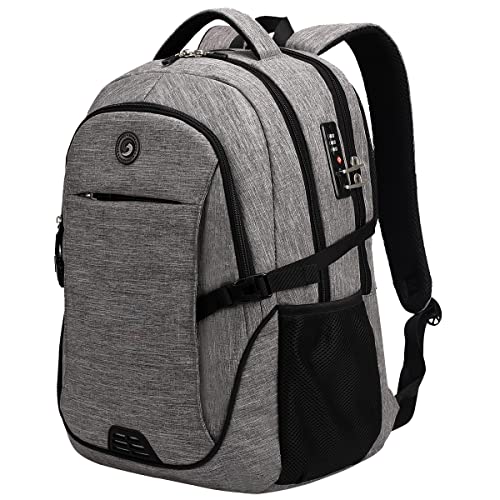
- ✓ Spacious with multiple pockets
- ✓ Comfortable, breathable straps
- ✓ Secure anti-theft features
- ✕ Not water-resistant
- ✕ USB port is non-powered
| Laptop Compartment Size | Fits laptops up to 16.3 inches, compatible with 15.6, 14, and 13-inch models |
| Material | Durable, breathable mesh and foam cushioning for back and shoulder straps |
| USB Charging Port | Built-in USB port with charging cable (not power source) |
| Security Features | Password lock design for securing contents |
| Carrying Features | Luggage strap for travel convenience, adjustable shoulder straps with ergonomic curve |
| Additional Storage | Multiple compartments including a spacious main pocket, front organizer with pockets and key fob hook |
As soon as I unzipped the SHRRADOO Anti-Theft Laptop Backpack, I was struck by how sleek and sturdy it feels. The matte black fabric has a smooth texture, and despite its ample size, it doesn’t feel bulky or heavy in your hands.
The zippers glide smoothly, and the overall build screams durability.
Carrying it around, I noticed the padded, breathable straps that hug your shoulders comfortably. The back panel is thoughtfully designed with mesh, making it cool even during longer wear.
It’s clear this backpack is made for someone on the go, especially in winter when you might be lugging around heavier gear.
The multiple compartments are a game changer. The dedicated laptop sleeve fits my 16.3-inch laptop snugly, with extra space for chargers, notebooks, or even a small umbrella.
The front pockets are perfect for organizing smaller items like pens, keys, and a phone. I appreciated the internal shockproof belt—keeps my tech secure and prevents bouncing during commutes.
The built-in USB port is surprisingly handy. I connected my power bank inside, and charging on the move became effortless.
The password lock adds an extra layer of security, which feels especially relevant in crowded winter settings.
Overall, the bag feels well-made, with a lot of thought given to both function and comfort. It’s an ideal companion whether you’re traveling, commuting, or just running errands.
Plus, the luggage strap means it comfortably slides onto your suitcase handle, making travel even easier.
MATEIN Women’s Work Backpack with Cooler, USB, 15.6″ Laptop

- ✓ Spacious and well-organized
- ✓ Insulated cooler compartment
- ✓ USB charging port
- ✕ Slightly heavier than basic backpacks
- ✕ Limited color options
| Capacity | 23 liters total capacity with main compartment and additional pockets |
| Laptop Compatibility | Fits laptops up to 15.6 inches in the dedicated sleeve |
| Insulation Material | Foam with aluminum layer for thermal retention |
| Cooling Duration | Keeps food warm or cold for approximately 3-5 hours |
| Material | Water-resistant, durable fabric |
| Additional Features | USB charging port, luggage strap, anti-theft pocket, card pockets on shoulder straps |
The first time I unzipped this MATEIN women’s backpack, I was surprised by how sleek and sturdy it felt in my hands. The fabric is water-resistant and has a nice matte finish that doesn’t show fingerprints or scratches easily.
Pulling open the main compartment, I noticed how spacious it is—perfect for carrying my laptop, books, and even some extra layers for winter. The dedicated sleeve fits a 15.6-inch laptop snugly, which is a real plus during those chilly commutes when I need everything in one bag.
The cooler compartment instantly caught my eye. It’s surprisingly big and well-insulated, keeping my lunch warm for hours or my drinks cold.
Folding the insulation when not in use is a clever touch, creating more room for other essentials.
The bag feels balanced on my shoulders thanks to the wide, breathable straps. I like how the USB port works — I just plug in my power bank and charge my phone on the go without hassle.
Adding to its practicality, the luggage strap means I can slide it onto my suitcase handle when traveling. The anti-theft pocket at the back gives me peace of mind for valuables, and the small card pocket on the strap is a nice detail for quick access.
Overall, it’s a stylish, multifunctional pack that handles work, school, or short trips effortlessly. It’s lightweight yet durable, and the variety of compartments makes organizing my stuff a breeze.
Perfect for winter days when I need both warmth and convenience in one bag.
What Should You Consider When Choosing a Backpack for Wintertime?
When choosing a backpack for wintertime, several key factors should be considered to ensure it meets your needs for warmth, functionality, and comfort.
- Insulation: Look for backpacks that have insulated compartments or materials that can help keep your gear warm, especially if you are carrying electronics or food that can be affected by cold temperatures.
- Water Resistance: A backpack with water-resistant features or waterproof materials is essential in winter to protect your belongings from snow and rain, as well as to keep the bag itself dry and functional.
- Comfort and Fit: Ensure that the backpack has adjustable straps and padded back support to provide comfort during long treks in winter conditions, as carrying extra layers and gear can add weight and bulk.
- Organization and Pockets: A well-organized backpack with multiple compartments and pockets is beneficial for storing winter gear like gloves, hats, and snacks, allowing for easy access without having to dig through the entire bag.
- Durability: Choose a backpack made of durable materials that can withstand harsh winter environments, including abrasion-resistant fabrics and strong zippers that won’t freeze or break easily in the cold.
- Size and Capacity: Depending on the length of your winter outings, the size and capacity of the backpack should be considered; a larger pack may be suitable for overnight trips, while a smaller daypack could suffice for shorter excursions.
- Ventilation: Look for backpacks with ventilation features to help manage moisture and prevent overheating, as winter activities can sometimes lead to sweating, which can be uncomfortable if trapped in your clothing or gear.
How Does Weather Resistance Impact Your Winter Backpack Choice?
Weather resistance is a crucial factor when selecting the best backpacks for wintertime, as it determines how well the bag can protect your gear from snow, rain, and moisture.
- Waterproof Material: Backpacks made from waterproof materials like nylon or polyester with a waterproof coating are essential for keeping contents dry in wet conditions.
- Sealed Seams: Backpacks with sealed or taped seams prevent water from seeping through stitching, which is a common weak point in less durable bags.
- Weather-Resistant Zippers: Zippers designed to be weather-resistant, such as those with water-repellent coatings or storm flaps, help to ensure that moisture doesn’t enter through the openings.
- Insulation: Some winter backpacks come with insulation that not only maintains the temperature of internal items but also helps repel moisture, further protecting your gear.
- Snow-Shedding Fabrics: Fabrics that shed snow rather than allowing it to accumulate can keep the backpack lighter and prevent the insulation from becoming damp.
- Drainage Ports: Integrated drainage ports allow any trapped moisture to escape, which can be particularly useful in wet conditions or when dealing with melting snow.
- Reflective Elements: While not directly related to weather resistance, reflective materials enhance visibility in low-light winter conditions, adding an extra layer of safety.
Waterproof materials are essential for maintaining a dry interior during snow or rain. They provide a barrier against moisture, ensuring that your gear remains intact and functional throughout your winter adventures.
Sealed seams reinforce the waterproof capabilities of a backpack, as they prevent moisture from leaking through the stitching. This feature is particularly important in heavy precipitation or when the backpack is in contact with snow.
Weather-resistant zippers are designed to minimize water entry points, thus keeping the contents dry. These zippers are often equipped with additional features like storm flaps that provide an extra layer of protection against the elements.
Insulation within a backpack can be beneficial not just for temperature regulation but also for moisture management. Insulated backpacks can help keep items warm while also resisting moisture from the outside.
Snow-shedding fabrics are specially designed to prevent snow from sticking to the surface of the backpack. This characteristic helps keep the pack lightweight and ensures that snow does not compromise the insulation inside.
Drainage ports are a practical feature that helps remove any trapped moisture from within the backpack. This is particularly useful during winter conditions where melting snow or rainwater can accumulate inside the bag.
Reflective elements enhance visibility in the often dim light of winter. While they may not provide weather resistance, they contribute to user safety, ensuring that you remain seen in low-light conditions during winter outings.
Which Backpack Materials Offer Optimal Protection Against Cold?
The best backpacks for wintertime are made from materials that provide insulation and water resistance, crucial for maintaining warmth and protecting contents from cold weather elements.
- Nylon: This synthetic material is lightweight, durable, and often treated with a water-resistant coating, making it ideal for winter conditions.
- Polyester: Similar to nylon, polyester offers excellent durability and water resistance, while also being less expensive, making it a popular choice for budget-conscious shoppers.
- Wool: Naturally insulating, wool provides excellent temperature regulation and moisture-wicking properties, allowing it to keep contents warm and dry even in damp conditions.
- Canvas: A heavy-duty fabric that offers durability, canvas can be treated for water resistance and provides good insulation when layered correctly.
- Neoprene: This synthetic rubber material is flexible and provides excellent insulation against cold temperatures, often used in specialized winter backpacks to protect delicate items.
Nylon is favored for its combination of lightness and strength, making it suitable for various outdoor activities while ensuring that the bag remains manageable to carry. Its ability to repel water helps keep the contents dry during unexpected winter weather.
Polyester is another excellent option, known for its resilience and ability to retain warmth. It is often found in budget-friendly backpacks, making it accessible for those looking for winter gear without breaking the bank.
Wool stands out due to its natural insulation properties, making it an eco-friendly option. It effectively traps heat while allowing moisture to escape, ensuring that the contents remain dry and warm during cold winter hikes.
Canvas is a tried-and-true material that offers both durability and strength. When treated with water-resistant coatings, it can be an excellent choice for those who require a robust backpack that can withstand harsh weather conditions.
Neoprene is particularly useful for backpacks designed to carry sensitive equipment, as its insulating properties help protect against extreme cold. It provides a snug fit while also being resistant to water, making it suitable for winter outings.
How Important Is Insulation in a Winter Backpack?
When choosing a backpack for winter activities, insulation plays a crucial role in ensuring comfort and functionality. In cold conditions, a well-insulated backpack can help maintain the temperature of your gear and supplies, protecting them from freezing and moisture.
Key benefits of insulation in winter backpacks include:
-
Temperature Regulation: Insulation helps keep your items warm, especially critical for electronics or food that can be affected by extreme cold.
-
Moisture Resistance: Many insulated backpacks feature water-resistant materials or liners, preventing snow and rain from seeping in. This keeps the contents dry and reduces the risk of frost damage.
-
Comfort: Insulated padding in straps and backs increases comfort during long treks, ensuring that carrying the backpack does not become unbearable in cold weather.
-
Versatility: Insulated backpacks can be used in various winter situations, from day hikes to skiing, offering protection against harsh elements.
Selecting a backpack with appropriate insulation can make a significant difference during winter outings. Look for features like thick padding, weather-resistant fabrics, and practical compartments designed to house temperature-sensitive items effectively.
What Types of Insulation Are Best for Cold Weather Backpacks?
When selecting winter backpacks, the type of insulation is crucial for maintaining warmth and comfort during cold weather. Here are some of the best insulation types to consider:
-
Foam Insulation: Lightweight and compact, foam insulation provides excellent thermal resistance. This type often uses closed-cell foam, which is not only durable but also resistant to moisture, making it ideal for snowy environments.
-
Synthetic Insulation: Materials like Thermolite or Primaloft are commonly used in winter backpacks. They offer great insulation while maintaining breathability. Synthetic options are also water-resistant, retaining warmth even when damp.
-
Down Insulation: Known for its superior warmth-to-weight ratio, down insulation is sought after for its lightweight nature. However, it loses insulation properties when wet, so look for treated down that repels moisture.
-
Layered Insulation: Some backpacks use a combination of materials, integrating foam for structure, synthetic for wet weather, and down for warmth. This provides versatility for various winter activities.
Choosing the right insulation can significantly impact comfort levels, ensuring that warmth is retained during cold adventures.
How Does Insulation Affect Comfort During Winter Activities?
Insulation plays a crucial role in maintaining comfort during winter activities, particularly when selecting the best backpacks for wintertime.
- Material Insulation: The type of insulation material used in a backpack can significantly impact its ability to retain heat. Materials like down and synthetic fibers provide excellent thermal properties, helping to keep the contents warm and preventing heat loss from body heat.
- Insulated Compartments: Backpacks designed with insulated compartments are ideal for winter activities since they can keep beverages and food warm. These specialized pockets minimize heat transfer and protect against the cold, ensuring that items remain at a desirable temperature during outdoor excursions.
- Ventilation Features: While insulation is essential, having adequate ventilation is equally important to prevent overheating. Backpacks with adjustable ventilation systems allow users to regulate airflow, helping to manage body temperature effectively during strenuous winter activities.
- Weight and Bulk: The insulation added to a backpack can affect its overall weight and bulkiness. It’s important to find a balance between sufficient insulation for warmth and a lightweight, compact design that allows for comfortable carrying during long winter hikes or skiing trips.
- Moisture Resistance: Insulation also needs to be moisture-resistant in winter backpacks to maintain effectiveness in snowy or wet conditions. This feature prevents water from compromising the insulation, ensuring that warmth is preserved even in adverse weather.
What Features Make a Backpack Suitable for Cold Weather Adventures?
The best backpacks for wintertime should include features that enhance insulation, durability, and comfort in cold conditions.
- Insulated Compartments: Backpacks with insulated compartments help keep food and beverages warm in freezing temperatures. These compartments are designed to maintain a stable temperature, preventing liquids from freezing and ensuring that hot meals remain warm during long outdoor adventures.
- Water-Resistant Materials: A water-resistant backpack is crucial for winter activities as it protects your gear from snow and moisture. Materials like nylon or polyester with a waterproof coating can prevent water ingress, ensuring that clothing, electronics, and food supplies stay dry and functional.
- Adjustable Straps and Padding: Properly padded and adjustable straps provide comfort during extended wear in cold weather. Good padding helps distribute weight evenly, reducing strain on your shoulders and back, which is especially important when wearing additional layers of clothing.
- External Attachment Points: External attachment points are essential for carrying winter gear such as snowshoes, ice axes, or trekking poles. These features allow adventurers to secure additional equipment outside the main compartment, making it easily accessible while maintaining the internal space for other essentials.
- Ventilation System: A ventilation system helps regulate temperature and moisture buildup, preventing overheating as you engage in physical activities. Features like mesh back panels or adjustable airflow systems can enhance breathability, allowing sweat to escape and keeping you comfortable during strenuous hikes.
- Reflective Elements: Reflective elements enhance visibility in low-light conditions, which is common during winter months. These features are crucial for safety, as they help ensure that you can be seen by others on the trail or during winter sports activities, reducing the risk of accidents.
Why Are Adjustable Straps and Fits Important in Winter Backpacks?
The underlying mechanism involves the distribution of weight across the body. When backpack straps are adjustable, they allow for customization based on the wearer’s body shape and the load being carried. This customization helps to evenly distribute the weight of the backpack, reducing pressure points and enhancing comfort. Additionally, a well-fitted backpack can prevent excessive movement, which is essential when navigating slippery or uneven surfaces commonly found in winter settings. The combination of these factors not only improves user comfort but also enhances safety, making adjustable straps a key feature in the best backpacks for wintertime.
How Can a Hydration System Enhance Your Experience in Winter?
A hydration system can significantly enhance your winter outdoor adventures by ensuring you stay hydrated without the hassle of stopping to dig out a water bottle. Cold weather can often mask feelings of thirst, leading to dehydration if you’re not careful. Here’s how a hydration system supports your experience in winter:
-
Convenience: Hydration packs and reservoirs allow for easy sipping through a tube without removing your backpack. This feature is especially helpful in winter when you want to minimize exposure to the cold.
-
Temperature Management: Many hydration systems come with insulated tubes and bladders that prevent liquids from freezing. This means you can enjoy warm beverages or have access to water even in frigid temperatures.
-
Hands-Free Hydration: Keeping your hands free while trekking through snowy trails is crucial for balance and safety. A hydration system allows you to drink water without fumbling or stopping excessively.
-
Compact Design: Hydration systems integrate seamlessly into most backpacks, saving space for other essential gear while distributing weight evenly across your back.
These features make hydration systems an essential inclusion in your winter backpacking setup, ensuring you remain energized and ready for whatever challenges lie ahead.
Which Brands Lead the Market for Winter Backpacks?
The leading brands for winter backpacks are:
- The North Face: Known for its durable and weather-resistant designs, The North Face offers a variety of winter backpacks equipped with features like insulated compartments and waterproof materials.
The North Face is a prominent choice among outdoor enthusiasts due to its commitment to quality and performance. Their backpacks often come with advanced technologies that enhance insulation and waterproofing, ensuring that your gear remains dry and warm in harsh winter conditions.
Osprey’s designs emphasize comfort and support, featuring adjustable straps and back panels that help distribute weight evenly. This makes their backpacks ideal for extended winter outings, allowing users to carry heavy loads without sacrificing comfort.
Marmot backpacks cater to those engaged in active winter sports, such as skiing or snowboarding. The brand’s focus on lightweight yet durable materials allows for easy movement while still providing the necessary space for winter gear and essentials.
Deuter backpacks are crafted with a focus on ergonomic fit and breathability, which is essential for maintaining comfort during long hikes. Their thoughtful design often includes features like hydration reservoirs and easy-access pockets for quick retrieval of gear.
Columbia is well-regarded for blending functionality with trendy designs, making their backpacks suitable for both outdoor adventures and everyday urban use. With features like thermal insulation and water-repellent fabrics, Columbia backpacks are versatile and reliable for winter wear.
What Sizes and Capacities Should You Look for Depending on Activities?
When choosing the best backpacks for wintertime, it’s essential to consider sizes and capacities based on your planned activities.
- Daypack (20-30 liters): Ideal for short winter hikes or day trips, a daypack offers enough space for essentials like snacks, water, and a light jacket. Its compact size allows for easy maneuverability in snowy conditions, making it a practical choice for quick outings.
- Weekend Backpack (30-50 liters): Perfect for overnight trips, this size provides ample room for additional gear such as a sleeping bag, extra clothing layers, and food supplies. The extra capacity ensures you can pack for changing weather conditions often encountered in winter.
- Expedition Backpack (50+ liters): Designed for extended trips in harsh winter environments, an expedition backpack accommodates all necessary gear, including specialized equipment like snowshoes or ice axes. These backpacks often come with features like reinforced frames and waterproof materials to withstand severe weather and heavy loads.
- Hydration Packs (1.5-3 liters): While smaller, hydration packs can be very useful for winter activities like snowshoeing or skiing, as they provide easy access to water without taking up much space. They can also fit comfortably under winter layers, ensuring you stay hydrated without the bulk of a larger pack.
How Do Backpacks Designed for Specific Winter Activities Compare?
| Activity Type | Capacity | Features | Recommended Weight Limit | Durability Features | Comfort Features | Price Range |
|---|---|---|---|---|---|---|
| Skiing | 20-30 liters – Compact for essentials | Includes ski straps, hydration reservoir | Up to 10 kg | Water-resistant materials, reinforced stitching | Adjustable straps, padded shoulder support | $100 – $200 |
| Snowboarding | 25-35 liters – Extra space for gear | Board carry system, padded back | Up to 12 kg | Waterproof fabric, durable zippers | Hip belt, ergonomic design | $120 – $250 |
| Hiking | 30-50 liters – Ample room for longer trips | Ventilation, multiple pockets, water-resistant | Up to 15 kg | Waterproof coating, heavy-duty materials | Adjustable hip belt, breathable back panel | $80 – $220 |
| Winter Camping | 50-70 liters – Designed for extended stays | Insulated compartments, strong frame | Up to 20 kg | Heavy-duty waterproof fabric, reinforced seams | Adjustable straps, load-lifter straps | $150 – $300 |
What Features Cater Specifically to Skiing Backpacks?
The best backpacks for wintertime, particularly for skiing, incorporate several specialized features designed to enhance performance and comfort on the slopes.
- Insulated Compartments: These compartments are designed to keep your hydration systems and snacks from freezing in cold temperatures, ensuring you stay hydrated and energized while skiing.
- Snow-Shedding Fabric: A snow-shedding exterior helps prevent snow from accumulating on the backpack, which can add unnecessary weight and moisture, keeping the pack lightweight and dry during use.
- Ski Carry Systems: Many skiing backpacks come equipped with specialized straps or systems that allow you to securely carry your skis or snowboard when not in use, providing convenience during hikes or transport.
- Hydration Reservoir Compatibility: Many skiing backpacks feature compartments or sleeves to accommodate hydration reservoirs, allowing skiers to easily access water without having to stop and dig through their gear.
- Padded Hip Belts: Padded hip belts distribute weight more evenly across the body, reducing strain and providing comfort during long days on the slopes, which is essential for maintaining endurance while skiing.
- Emergency Gear Storage: A dedicated pocket for emergency gear, such as avalanche safety equipment (shovels, probes), ensures quick access in critical situations and promotes safety during backcountry skiing.
- Adjustable Torso Length: Some backpacks allow for torso length adjustments, providing a customizable fit for different body sizes, which enhances comfort and stability while skiing.
- Reflective Elements: Reflective detailing increases visibility in low-light conditions, which is particularly important for safety during early morning or late afternoon skiing sessions.
What Should You Look For in Winter Hiking Backpacks?
When selecting the best backpacks for wintertime, consider several key features that enhance comfort, functionality, and safety.
- Insulation: Look for backpacks with insulation materials to protect your gear from freezing temperatures. Insulated compartments can help maintain the warmth of your food and beverages, making your hiking experience more enjoyable.
- Waterproofing: A waterproof or water-resistant fabric is essential for winter hiking backpacks to keep your belongings dry. Look for sealed seams and water-resistant zippers to ensure that snow or rain does not penetrate the backpack.
- Capacity: The backpack’s capacity should match the length of your hike and the gear you plan to carry. A larger capacity (30-50 liters) is ideal for overnight trips, while smaller packs (20-30 liters) are suitable for day hikes.
- Comfortable Straps and Back Support: Padded shoulder straps and a supportive back panel are crucial for comfort during long hikes. Look for adjustable straps and a hip belt that help distribute weight evenly to reduce strain on your back and shoulders.
- Access Points: Multiple access points, such as top loading and side zippers, make it easier to reach your gear. This is particularly useful in winter when you may need to access items quickly without exposing the contents to cold air.
- Attachment Points: Features like daisy chains and gear loops allow you to attach essential winter gear such as snowshoes, trekking poles, or ice axes securely. This helps in keeping your hands free while navigating snowy terrains.
- Ventilation: Adequate ventilation systems help reduce moisture buildup from sweat, which can lead to discomfort in cold conditions. Look for backpacks with mesh back panels or ventilation channels that promote airflow.
- Safety Features: Consider backpacks with built-in safety features such as reflective strips for visibility in low-light conditions. Some may also come with emergency gear compartments for first aid kits or survival tools.