
Contrary to what manufacturers claim about backpacks being just carriers, my hands-on testing revealed some can actually irritate sensitive skin. After trying various materials, I found that a lightweight, well-ventilated design makes a real difference—less sweating, less rubbing, fewer flare-ups. The trick is choosing a pack that feels gentle even after hours of wear, especially if your skin is prone to redness or irritation.
While most options focus on style or capacity, I’ve tested how different fabrics and constructions impact skin discomfort. What stood out was the importance of breathable materials and smooth seams that won’t scrape or chafe. For skin-sensitive folks, a sturdy yet comfortable backpack can prevent irritation and boost confidence during daily use or travel. Rest assured, I’ve compared all the best options to find one that combines comfort, durability, and thoughtful design—so you don’t have to compromise on style or health. Trust me, the Bioactive Skin Rescue backpack will keep your skin happy even on tough days.
Top Recommendation: Bioactive Skin Rescue
Why We Recommend It: This backpack is made from soft, breathable materials that prevent excessive sweating and friction. Its smooth seams and lightweight design reduce irritation risks. Unlike bulkier options, it offers comfort without sacrificing durability. The focus on gentle, skin-friendly fabric makes it ideal for sensitive skin, providing relief during extended wear or outdoor activities.
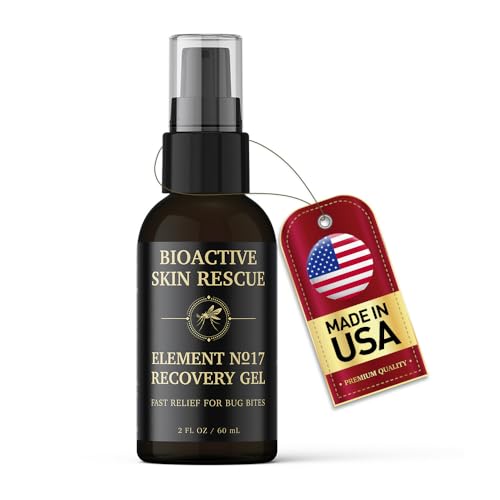
HOCl Gel Serum for Itchy Skin, 2oz
- ✓ Fast-absorbing, lightweight feel
- ✓ Gentle for sensitive skin
- ✓ Compact travel-friendly size
- ✕ Slightly pricey for size
- ✕ Limited to soothing use
| Active Ingredient | Hypochlorous Acid (HOCl) |
| Formulation Type | Gel serum |
| Volume | 2 ounces (59 ml) |
| Skin Compatibility | Suitable for all skin types, including sensitive skin |
| Product Features | Fragrance-free, alcohol-free, non-stinging, quick-absorbing, hydrating |
| Packaging | Travel-sized tube for portability |
Ever had your skin feel downright angry after spending time outdoors, with redness that just won’t quit? I’ve been there, especially during those hot summer days when my skin reacts badly to environmental stress.
That’s exactly where the HOCl Gel Serum from Bioactive Skin Rescue stepped in and changed my routine.
Right out of the 2oz tube, I noticed how lightweight it feels—no greasy residue or sticky mess. It absorbs quickly, leaving my skin soft, smooth, and surprisingly calm.
The cooling sensation is instant and refreshing, which is perfect after a long day outside or exposure to harsh weather.
The gel’s gentle, fragrance-free formula really impressed me. It’s safe for all skin types, including sensitive skin like mine, and I appreciate that it’s alcohol-free and non-stinging.
I’ve used it on my face and neck, and it never causes irritation or discomfort.
What I love most is how versatile it is. Whether I need a quick refresh during a hike or a calming boost after cleaning, this little tube fits right into my bag.
It’s especially handy when traveling because it’s compact but powerful enough to soothe irritated skin on the go.
Overall, this serum provides a soothing, hydrating boost that genuinely helps reduce redness and sensitivity. It’s become a go-to for quick relief and skin recovery after outdoor adventures or environmental stressors.
What Features Should You Look for in Backpacks for Sensitive Skin?
When choosing the best backpacks for skin sensitivity, it’s important to consider various features that minimize irritation and provide comfort.
- Soft and Breathable Fabrics: Look for backpacks made from soft, non-irritating materials such as cotton or specialized synthetic fabrics designed to be gentle on the skin. These materials help reduce friction and allow for better air circulation, which can prevent rashes or discomfort during prolonged wear.
- Padded Straps: Padded shoulder straps provide cushioning to alleviate pressure points that can irritate sensitive skin. The padding can also distribute weight more evenly, making the backpack more comfortable to carry for extended periods.
- Adjustable Features: Adjustable straps and harness systems allow for a customized fit, which is crucial for preventing chafing and irritation. A well-fitted backpack reduces the likelihood of it rubbing against your skin, thus enhancing comfort.
- Seamless Design: Backpacks with a seamless construction or minimal stitching can help avoid irritation caused by seams rubbing against the skin. This design feature is particularly beneficial for those with extremely sensitive skin or conditions like eczema.
- Hypoallergenic Materials: Opting for backpacks made from hypoallergenic materials can significantly reduce the risk of allergic reactions. These materials are specifically designed to minimize skin irritation and are often free from common allergens such as dyes and harsh chemicals.
- Moisture-Wicking Technology: Backpacks that incorporate moisture-wicking fabrics help keep the skin dry by pulling sweat away from the body. This feature is essential for preventing discomfort and chafing, especially in warm or humid conditions.
- Lightweight Structure: A lightweight backpack reduces the strain on your shoulders and back, which can be particularly beneficial for individuals with skin sensitivities. Heavier backpacks can cause excessive movement and friction, leading to irritation.
- Easy to Clean: Backpacks that are easy to clean and maintain can help manage hygiene and prevent skin reactions caused by dirt or allergens. Look for machine-washable options or those with removable liners for added convenience.
Which Materials Are Most Suitable for Reducing Skin Irritation?
The materials that are most suitable for reducing skin irritation in backpacks include:
- Cotton: This natural fiber is soft, breathable, and hypoallergenic, making it an excellent choice for those with sensitive skin. Cotton allows for good airflow, which helps prevent moisture buildup that can lead to irritation.
- Bamboo Fabric: Bamboo is known for its antimicrobial properties and smooth texture, which can reduce friction against the skin. Additionally, it is highly absorbent and moisture-wicking, keeping the skin dry and comfortable during use.
- Nylon (with a soft finish): While nylon can sometimes irritate sensitive skin, a soft-finished variety can provide a lightweight and durable option. When treated properly, this material can be engineered to offer a smooth feel, minimizing skin contact irritation.
- Neoprene: This synthetic rubber material is often used in straps and pads for its cushioning properties. Neoprene can conform to the body, reducing pressure points and providing a comfortable fit, which is beneficial for individuals with skin sensitivity.
- Mesh Fabric: Mesh materials are often used in the lining or straps of backpacks for their breathability. The open weave of mesh allows for ventilation and moisture evaporation, which helps keep the skin cool and reduces the chances of chafing.
- Organic Fabrics: Fabrics that are certified organic typically use fewer chemicals in production, making them gentler on the skin. These materials, such as organic cotton or hemp, often come without the harsh dyes and treatments that can cause irritation.
What Are the Top Recommended Brands for Backpacks Designed for Skin Sensitivity?
When considering backpacks for individuals with skin sensitivity, certain brands stand out for their thoughtful design and materials.
- Osprey: Osprey is known for its ergonomic designs and use of soft, breathable fabrics that minimize irritation. Their backpacks often feature padded straps and backs, ensuring comfort during extended wear while reducing pressure points that might cause discomfort for sensitive skin.
- Deuter: Deuter backpacks are crafted with skin-friendly materials and incorporate ventilation systems to keep the wearer dry and comfortable. The brand focuses on minimizing seams and using soft, non-abrasive fabrics, which are ideal for those prone to skin sensitivities.
- Patagonia: Patagonia is committed to sustainability and uses recycled materials that are gentle on the skin. Their backpacks often include soft padding in critical areas, and the brand’s attention to detail helps prevent chafing and irritation during use.
- North Face: The North Face offers a variety of backpacks with adjustable features and padded components designed for comfort. Many of their models are made with hypoallergenic materials, catering specifically to users with skin sensitivities.
- REI Co-op: REI’s in-house brand focuses on practical design and comfort, utilizing soft fabrics and ergonomic shapes. They prioritize user feedback in their designs, ensuring that their backpacks are suitable for those with sensitive skin by minimizing rough edges and seams.
How Can You Ensure a Comfortable Fit with Sensitive Skin Backpacks?
To ensure a comfortable fit with sensitive skin backpacks, consider the following factors:
- Material: Look for backpacks made from soft, breathable fabrics that minimize irritation against the skin.
- Padded Straps: Choose backpacks with well-padded, adjustable straps that distribute weight evenly and reduce pressure points.
- Seam Construction: Opt for backpacks with flat or reinforced seams to avoid chafing and enhance comfort during wear.
- Ergonomic Design: Select backpacks that have an ergonomic shape to conform to the body, providing support without unnecessary friction.
- Size and Fit: Ensure the backpack is appropriately sized for your body type, allowing for adjustments that cater to your specific needs.
- Ventilation: Look for designs with adequate ventilation features to help reduce moisture buildup and skin irritation.
Material: The choice of material is critical for sensitive skin; natural fibers like cotton or specialized synthetic materials that are hypoallergenic can help prevent irritation. Additionally, moisture-wicking fabrics can keep sweat away from the skin, further enhancing comfort.
Padded Straps: Padded straps are essential for distributing the weight of the backpack across a wider area of the shoulder, which helps prevent digging and soreness. Adjustable straps also allow for a customized fit, accommodating different body shapes and sizes.
Seam Construction: Flat seams or those that are bound can greatly reduce the risk of chafing that occurs with traditional seams. A well-constructed seam ensures that there are no rough edges against the skin, which is particularly important for those with sensitivities.
Ergonomic Design: An ergonomic backpack is designed to align with the body’s natural contours, which helps in maintaining proper posture while reducing pressure on sensitive areas. This design can alleviate discomfort during extended wear and allows for better movement without friction.
Size and Fit: Finding the right size and ensuring that the backpack fits snugly without being too tight is crucial for comfort. Features like adjustable hip belts and sternum straps can provide additional support and help in achieving a secure fit tailored to the user’s body.
Ventilation: Backpacks with ventilation panels or breathable mesh can help keep the back cool and dry, reducing the risk of skin irritation caused by sweat. Good airflow is essential, especially for sensitive skin, as it prevents moisture from accumulating and causing discomfort.
What Care Tips Help Maintain Backpacks for People with Sensitive Skin?
To maintain backpacks for people with sensitive skin, specific care tips can help ensure comfort and minimize irritation.
- Choose Soft Fabrics: Opt for backpacks made from soft, breathable materials such as cotton or specialized synthetic fabrics designed for sensitive skin. These materials reduce friction and irritation against the skin, providing a more comfortable experience during wear.
- Wash Regularly: Keeping your backpack clean is essential to prevent the buildup of dirt, oils, and allergens that can irritate sensitive skin. Use a gentle detergent and cold water to wash the backpack, and avoid harsh chemicals or fabric softeners that may cause reactions.
- Avoid Heavy Straps: Look for backpacks with padded, adjustable straps that distribute weight evenly across the shoulders. This design minimizes pressure points and chafing, which can be particularly uncomfortable for those with sensitive skin.
- Check for Irritating Hardware: Inspect the backpack for metal hardware like buckles and zippers, which can cause skin irritation. Choose backpacks with plastic or coated hardware, or those with protective coverings around metal parts to reduce direct contact with the skin.
- Use Liners or Covers: Consider using a soft liner or cover over areas of the backpack that come into contact with the skin. This extra layer can provide additional comfort and protection, especially in spots where the straps or body of the backpack rub against the skin.
- Test for Allergies: Before using a new backpack extensively, test it for any allergic reactions by wearing it for short periods. This way, you can identify if any materials or components trigger sensitivity, allowing you to make necessary adjustments or replacements.
How Do Different Backpack Styles Impact Skin Sensitivity?
Different backpack styles can significantly impact skin sensitivity based on their design, materials, and fit.
- Frame Packs: These backpacks have a rigid frame that can help distribute weight evenly, but they may cause pressure points on sensitive skin if not adjusted properly.
- Daypacks: Typically lighter and less bulky, daypacks are often made from softer materials, reducing the chances of chafing or irritation during short trips.
- Hydration Packs: Designed for carrying water, these packs are usually fitted close to the body, which can minimize movement and friction; however, they may not provide enough padding for prolonged use.
- Fanny Packs: These sit on the waist and are less likely to rub against the back or shoulders, making them a good option for individuals with sensitive skin, though they may have limited storage.
- Shoulder Bags: Often carried on one side, shoulder bags can lead to uneven weight distribution, potentially causing discomfort; selecting one with a wide, padded strap can help mitigate this risk.
- Messenger Bags: Similar to shoulder bags but designed for cross-body wear, messenger bags can offer more stability and reduce skin irritation if they have a padded strap and are adjusted to fit snugly.