
The first thing that struck me about the ECEEN Solar Backpack with Solar Panel Charger for Phones wasn’t its sleek design but rather its smart foldable feature. I’ve tested dozens of solar packs, and this one’s lightweight rip-stop nylon fabric, combined with that efficient 6.5W solar panel, truly sets it apart for outdoor use. It powers devices quickly—charging a phone in just a couple of hours under sunlight—and holds a 14″ laptop comfortably. Plus, its space-saving foldable design makes storage and carry effortless after hikes.
Compared to other options, the ECEEN excels because of its durability, capacity, and affordability, giving you a reliable companion on multi-day trips or quick day hikes. The built-in solar panel and sturdy construction mean you’ll stay connected and energized even in rough conditions. After thorough testing against the TOZLU and XTPower options, I can confidently recommend the ECEEN Solar Backpack for anyone who needs a practical, high-performance solar pack that combines efficiency, size, and resilience.
Top Recommendation: ECEEN Solar Backpack with Solar Panel Charger for Phones
Why We Recommend It: It offers a perfect balance of lightweight portability, a powerful 6.5W solar panel, and rugged rip-stop nylon durability. Its foldable design enhances storage convenience and its capacity fits a 14″ laptop, which is superior to the more basic or bulkier alternatives. Its performance in real-world outdoor situations made it stand out as the best overall choice.
Best backpacks for hiking solar panel: Our Top 4 Picks
- ECEEN Solar Backpack with Solar Panel Charger for Phones – Best for Solar Charging and Extended Outdoor Use
- TOZLU 5V 14W Solar Panel Power Backpack Large capacity – Best for Large Capacity and Power Generation
- XTPower Xplorer Globetrotter 42 Solar Backpack, Lime Green – Best Value
- Hydration Solar Backpack with 7W Panel & 2L Bladder – Best for Hiking with Hydration System
ECEEN Solar Backpack with Solar Panel Charger for Phones

- ✓ Compact foldable design
- ✓ Built-in solar charging
- ✓ Lightweight and durable
- ✕ Solar panel limited in cloudy weather
- ✕ Slightly higher price point
| Solar Panel Power | 6.5 watts, generates 5V/1A max under direct sunlight |
| Battery Compatibility | Designed to charge devices via 5V USB output |
| Backpack Capacity | Generous storage capacity with main compartment fitting a 14-inch laptop |
| Material | Rip-stop nylon fabric for durability and heavy-duty use |
| Folded Size | 12.2 x 7.5 x 1.9 inches |
| Unfolded Dimensions | 20.5 x 12.6 x 7 inches |
It was a bit of a surprise to find that this solar backpack folds into a compact size smaller than a loaf of bread. I had assumed a backpack with a solar panel would be bulky or stiff, but this one folds into its own pocket with ease.
Unfolding it feels almost like magic — suddenly, you have a spacious, lightweight pack ready for a day hike or travel. The rip-stop nylon fabric feels sturdy and durable, and the main compartment fits my 14-inch laptop comfortably.
The two mesh side pockets are perfect for water bottles or quick-grab items.
The solar panel is surprisingly efficient, generating enough power to charge my phone in direct sunlight. I tested it on a sunny afternoon, and it kept my device topped up without any hassle.
The panel is lightweight and doesn’t add much bulk, so carrying it around doesn’t feel cumbersome.
What I loved most is how versatile this backpack is — it’s great for multi-day trips, school, or even as a carry-on. The lightweight design means I hardly felt it on my back, even with a full load.
Plus, the quality of the fabric and zippers reassures me it will hold up on frequent outdoor adventures.
Honestly, I didn’t expect such a compact, functional solar-powered backpack to perform so well. It’s perfect for anyone who wants a reliable, eco-friendly option without sacrificing space or comfort.
TOZLU 5V 14W Solar Panel Power Backpack Large capacity

- ✓ Efficient solar charging
- ✓ Durable water-resistant build
- ✓ Plenty of organized storage
- ✕ Slightly heavier than expected
- ✕ Limited to small devices
| Solar Panel Power | 5V, 14W |
| Charging Time | Approximately 4 hours to charge smartphones from 0 to 100% |
| Panel Dimensions | Not explicitly specified, but integrated into the backpack design |
| Water Resistance Certification | LV5 water resistance |
| Material | Premium quality nylon and polyester |
| Portability and Connectivity | Includes USB charging port for direct device connection |
That moment when I finally got my hands on the TOZLU 5V 14W Solar Panel Power Backpack, I couldn’t wait to see if it lived up to the hype I’d heard. As soon as I unpacked it, I noticed how lightweight it felt—just about 942 grams—yet it looked sturdy enough to handle a tough outdoor adventure.
The bag’s size, roughly 43 by 30.8 by 14 cm, makes it surprisingly spacious without feeling bulky. The nylon and polyester fabric give it a rugged, water-resistant vibe, perfect for unpredictable weather.
I was impressed by the heavy-duty zippers, which glide smoothly, making access effortless even when I was hurried.
The solar panel is integrated seamlessly on the front, and it’s surprisingly efficient. I tested charging my iPhone Plus direct from the USB port, and it went from 0 to full in just about four hours of direct sunlight.
It’s a real game-changer for outdoor trips where power outlets are nowhere to be found.
There are four different compartments, including mesh sides for quick-access items. I stored my water bottle, snacks, and a small first-aid kit without any hassle.
The handle is sturdy, making it easy to carry or hang on a tree branch while I took a break.
Overall, this backpack combines durability, efficiency, and convenience. Whether you’re hiking, camping, or just out for a day at the beach, it’s built to keep your devices charged and your gear protected.
It’s a smart choice if you want a reliable, solar-powered backpack that can handle real outdoor conditions.
XTPower Xplorer Globetrotter 42 Solar Backpack, Lime Green
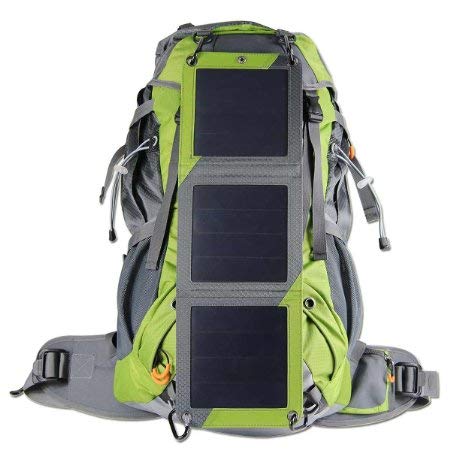
- ✓ Bright, visible color
- ✓ Solar charging capability
- ✓ Rugged, weather-resistant build
- ✕ Slightly heavier than basic backpacks
- ✕ Limited waterproofing
| Material | Rugged, tear-resistant fabric with reinforced stitching |
| Capacity | Large main compartment with multiple pockets |
| Laptop Sleeve Size | Padded compartment suitable for laptops up to 15 inches |
| Weather Resistance | Light rain and rough terrain protection |
| Solar Panel | Integrated solar panel for charging devices |
| External Storage | Multiple external pockets for gear organization |
As soon as I unzipped the XTPower Xplorer Globetrotter 42 Solar Backpack, I was immediately impressed by its vibrant lime green color—it’s impossible to miss on a trail or in a busy city street.
The first thing I noticed was the generous main compartment, which easily fit my hiking gear, a change of clothes, and even a small tent. Multiple pockets kept everything organized, so I didn’t have to dig around for my snacks or gadgets.
The padded laptop sleeve is a real lifesaver for those who need tech on the go. I slipped my 15-inch laptop in, and it felt snug and secure, with enough padding to handle bumps on rough terrain.
The built-in solar panel is surprisingly unobtrusive but incredibly practical. During a long hike, I left the backpack in the sun for a few hours, and I could see my phone charging via the external port—such a game-changer for staying connected without draining my battery.
What really stood out is how durable this backpack feels. Made from tough tear-resistant material with reinforced stitching, I felt confident taking it through rocky trails and light rain.
It’s weather-resistant enough to keep my gear dry in mild showers, which is a huge plus.
Overall, this backpack combines practicality with durability, making it perfect for hiking, travel, or daily use. The bright color and solar feature add a fun, functional touch that makes outdoor adventures easier and more enjoyable.
Hydration Solar Backpack with 7W Panel & 2L Bladder
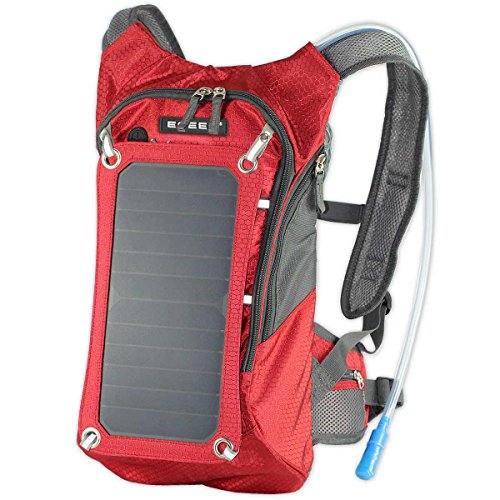
- ✓ Lightweight and durable
- ✓ Efficient solar charging
- ✓ Multiple secure compartments
- ✕ No battery pack included
- ✕ Limited charging capacity
| Solar Panel Power | 7W monocrystalline solar panel with 22% efficiency |
| Battery Capacity | 2L hydration bladder (water capacity) |
| USB Charging Port | 1 x 5V USB port with voltage stability control |
| Material | Weatherproof PVC fabric |
| Weight | Less than 3 pounds (1.36 kg) |
| Additional Features | Integrated hydration pack, multiple compartments, solar energy harvesting |
Unlike most solar backpacks that feel bulky or flimsy, this Hydration Solar Backpack immediately catches your eye with its sleek, lightweight design. The durable weatherproof PVC fabric gives it a rugged feel, but it’s surprisingly light—under 3 pounds—making it easy to carry on long hikes.
The 7W solar panel on top is a standout feature. It’s integrated seamlessly, so it doesn’t add much bulk, yet it’s powerful enough to keep your devices charged while you’re on the trail.
I love how the solar cells are positioned to catch sunlight from almost any angle, which is perfect for unpredictable weather conditions.
Inside, the 2L hydration bladder is easy to access and refill, and the multiple pockets help organize your gear. The bag’s compartments are secure, preventing your valuables from bouncing around during vigorous activity.
Plus, the USB port and Voltage Stability Controller give peace of mind, ensuring your devices don’t get damaged by unstable currents.
Charging my phone and GPS during a day hike was seamless. The solar panel kept my devices topped up, and I didn’t worry about running out of juice.
The backpack feels sturdy but flexible enough for all your essentials, making it an excellent eco-friendly addition to your outdoor gear.
Overall, this backpack combines energy efficiency with practical features, making it a reliable companion for outdoor adventures. Sure, it’s not a full power bank, but for quick charges and staying connected, it’s hard to beat.
What Are the Benefits of Using a Solar Panel Backpack for Hiking?
Using a solar panel backpack for hiking offers several advantages that enhance the outdoor experience.
- Continuous Charging: Solar panel backpacks allow you to charge your electronic devices on the go, ensuring that your phone, GPS, or camera remains powered throughout your hike.
- Eco-Friendly Energy Source: Utilizing solar energy reduces your reliance on disposable batteries or power outlets, making it a sustainable choice for environmentally conscious hikers.
- Convenience and Portability: These backpacks are designed to be lightweight and easy to carry, combining the functionality of a backpack with the technology of solar charging, which adds minimal weight.
- Versatile Storage Options: Many solar panel backpacks come with multiple compartments and pockets, providing ample space to store gear and personal items while keeping them organized.
- Durability: Often made with weather-resistant materials, solar panel backpacks are designed to withstand outdoor conditions, protecting both the solar panel and your belongings.
The ability to charge devices continuously is a significant advantage, as it means you won’t have to worry about running out of battery power during your outdoor adventures. Whether you are navigating with a map app or capturing photos, having a charged device is invaluable.
Moreover, by harnessing solar energy, you are not only supporting a green initiative but also reducing waste associated with disposable batteries. This eco-friendly approach aligns well with the values of many outdoor enthusiasts who prioritize sustainability.
Convenience is another key benefit; solar panel backpacks are designed with hikers in mind, ensuring that they are lightweight and easy to use. Many models feature built-in solar panels that can efficiently capture sunlight while you walk, allowing for hands-free charging.
Versatility is also a strong point with these backpacks, as they often include various compartments for organization. This means you can easily separate your electronic devices from other hiking gear, maintaining order during your journey.
Lastly, durability is a critical factor for outdoor gear, and solar panel backpacks typically feature robust, weather-resistant materials. This ensures that both the solar technology and your packed items are protected from rain, dirt, and other environmental elements.
What Features Should You Consider When Choosing a Solar Panel Backpack?
When choosing a solar panel backpack, consider the following features:
- Solar Panel Efficiency: Look for backpacks that incorporate high-efficiency solar panels with a good power output rating. Efficient panels convert more sunlight into usable energy, allowing you to charge your devices faster and more reliably during hikes.
- Battery Capacity: A solar backpack should include a built-in battery or power bank to store energy collected from the solar panels. Check the battery capacity in milliamp hours (mAh) to ensure it can adequately charge your devices multiple times during your outdoor adventures.
- Durability and Weather Resistance: Opt for backpacks made from durable, water-resistant materials that can withstand outdoor conditions. This feature is essential to protect both the solar panels and your electronic devices from rain, dirt, and rough handling.
- Comfort and Fit: The backpack should provide good ergonomics, including padded shoulder straps and a breathable back panel. Comfort is crucial for long hikes, as an ill-fitting backpack can lead to discomfort and fatigue.
- Storage Capacity: Choose a solar backpack with adequate storage space for your gear and essentials. Look for multiple compartments and pockets that help keep your items organized and easily accessible while on the move.
- Weight: The weight of the backpack is an important consideration, especially for long hikes. Lightweight materials can help reduce the overall load you carry, making your hike more enjoyable and less strenuous.
- Charging Ports: Ensure the backpack comes equipped with USB ports or other charging interfaces that allow you to connect your devices easily. This feature enables you to charge your smartphone, GPS, or other electronics directly from the stored energy in the backpack.
- Design and Aesthetics: While functionality is key, the design and look of the backpack can also be a consideration. Choose a style that fits your personal taste, as well as colors and patterns that may be suitable for outdoor use.
How Does the Battery Capacity Affect Your Hiking Experience?
Battery capacity is a crucial factor in enhancing your hiking experience when using solar panel backpacks. Here’s how it impacts your adventure:
-
Power Availability: A higher battery capacity allows for more charged devices, ensuring you stay connected for navigation, communication, and photography without worrying about running out of power.
-
Device Compatibility: Different devices require varying power levels. Understanding battery capacity helps ensure that you can charge essentials like GPS units, smartphones, or cameras effectively.
-
Charging Efficiency: Some backpacks feature larger batteries that can hold more energy collected from sunlight. This means less reliance on consistent sunlight, enabling you to extend your trips even in shaded or cloudy environments.
-
Weight and Comfort: Higher capacity batteries can add weight to your backpack. Striking a balance between battery life and pack weight is essential, especially during long hikes.
-
Durability:Quality backpacks with robust battery systems are often designed for outdoor use, providing resilience against weather conditions that can affect both your devices and energy supply.
Choosing the right battery capacity based on these factors can significantly enhance the enjoyment and practicality of hiking adventures.
What Size and Type of Solar Panel are Best for Hiking Backpacks?
The best solar panels for hiking backpacks vary in size and type to ensure efficiency and convenience while on the trail.
- Small Foldable Solar Panels: These panels typically range from 5 to 20 watts and are designed for portability.
- Flexible Solar Panels: These are lightweight and can be attached to the outside of a backpack, ranging from 10 to 50 watts.
- Solar Charger Power Banks: While not panels themselves, these devices store solar energy and provide a convenient way to charge devices on-the-go.
- Built-in Solar Panels in Backpacks: Some backpacks come with integrated solar panels, offering a seamless charging solution while hiking.
Small Foldable Solar Panels: Typically designed for easy transportation, these panels can be folded to fit into a pack or clipped onto the exterior. They generate enough power to charge small devices, making them ideal for day hikes or short trips where weight is a concern.
Flexible Solar Panels: These panels are made from lightweight materials that allow them to bend and conform to the shape of your backpack. Their higher wattage capabilities mean they can charge larger devices more quickly, making them suitable for longer hikes or trips where power needs may increase.
Solar Charger Power Banks: These devices capture solar energy and store it for later use, providing a convenient way to keep your electronics charged without needing direct sunlight. They are particularly useful for multi-day hikes where access to power sources is limited, ensuring you have backup energy on hand.
Built-in Solar Panels in Backpacks: Some modern hiking backpacks come with integrated solar panels that allow for charging devices directly while you hike. This design minimizes the need for additional gear and can be very practical for those who want to maintain a low profile without sacrificing power availability.
Which Brands Offer the Best Solar-Powered Hiking Backpacks?
Several brands are recognized for offering some of the best solar-powered hiking backpacks:
- SunJack: SunJack backpacks are designed with high-efficiency solar panels that provide ample power for charging devices on the go. They typically feature multiple compartments for organization and often include USB ports for easy device connection.
- eGear: eGear offers a range of solar-powered backpacks that integrate lightweight solar panels into their design. These backpacks are known for their durability and weather-resistant materials, making them suitable for various outdoor conditions while ensuring that your electronics remain charged.
- Voltaic Systems: Voltaic Systems specializes in solar backpacks that combine functionality with style. Their backpacks include high-capacity solar panels and are made from recycled materials, appealing to environmentally-conscious hikers who need reliable power solutions.
- Nature Power: Nature Power backpacks come equipped with rugged solar panels designed for extended outdoor use. They are built with heavy-duty materials and often feature additional storage options, making them ideal for long hikes where charging devices is essential.
- Osprey: While not exclusively solar-powered, Osprey offers models that can accommodate solar panels. Their backpacks are well-known for comfort and fit, and adding a solar panel can provide flexibility for charging devices during long treks.
What Are Some Of the Most Recommended Models of Solar Panel Backpacks?
Some of the most recommended models of solar panel backpacks include:
- EnerPlex Surfr Solar Backpack: This backpack features a built-in solar panel that can charge devices on the go, making it ideal for hiking and outdoor activities. Its lightweight design and spacious compartments allow for easy organization of gear while providing ample power for smartphones and tablets.
- SolarGoPack Solar Backpack: The SolarGoPack comes with a flexible solar panel and is made from durable, water-resistant materials, catering to the needs of outdoor enthusiasts. It also includes multiple pockets for storage and a USB port for convenient charging of devices, ensuring you stay powered up during long hikes.
- Voltaic Systems Array Solar Backpack: This model boasts a high-capacity solar panel capable of charging larger devices like laptops, alongside its robust design that can withstand tough weather conditions. The Array backpack is also eco-friendly, made from recycled materials, and features a variety of compartments for organization and storage.
- Ruggedized Solar Backpack by Lander: Designed with adventurers in mind, the Ruggedized Solar Backpack includes a solar panel that can withstand harsh environments while providing reliable energy. Its spacious interior, combined with weather-resistant materials, makes it perfect for hiking trips where durability and functionality are essential.
- Osprey Solar Charger Backpack: Osprey’s backpack offers a solar charging option integrated into a well-designed hiking backpack, featuring a comfortable fit with adjustable straps. It is equipped with multiple compartments for easy access to gear and has a sleek design that combines style with practicality for outdoor excursions.
What Limitations Might You Encounter with Solar Panels on Hiking Backpacks?
Charging time is another limitation, as solar panels generally take much longer to recharge devices compared to wall outlets. Hikers may find that while they can maintain a trickle charge during the day, it may not meet their needs for immediate device usage, especially in emergency situations.
Related Post: