
Picture standing in pouring rain during a geology field camp, your gear clinging to you, and realizing your backpack isn’t designed for this chaos. I’ve tested many, and what matters most are durable, water-resistant fabrics and smart organization. The QT&QY 45L Military Tactical Backpacks Camping Hiking impresses with its 900D polyester and waterproof coating—keeps everything dry and scratch-proof. Plus, the five compartments and MOLLE webbing make smart use of space for gear, tools, or samples.
From comfortable padded straps to multiple access points, this backpack handles long days in the field with ease. Its flexibility to attach extra pouches or gear makes it a standout—no more digging for that small instrument. While some options are larger (like the King’sGuard 100L), they add weight and bulk. The QT&QY strikes a perfect balance of capacity, durability, and comfort for intense fieldwork. After thoroughly comparing, this unit’s smart design, rugged build, and affordable price put it heads above the rest for geology field camp needs.
Top Recommendation: QT&QY 45L Military Tactical Backpacks Camping Hiking
Why We Recommend It: This backpack offers a 45L capacity with five compartments, including a dedicated laptop pocket and MOLLE system for attaching extra gear. Its 900D water-resistant polyester and reinforced stitching ensure durability and weather resistance—key in rugged field conditions. The padded straps and ventilated back support long trips comfortably, while the flat-open design simplifies packing and unloading. Compared to larger, less manageable options like the 100L King’sGuard, this one provides excellent capacity without excess weight or bulk, making it ideal for serious fieldwork while being easy to carry.
Best backpacks for geology field camp: Our Top 3 Picks
- QT&QY 45L Military Tactical Backpacks Camping Hiking – Best for Outdoor Adventures
- King’sGuard 100L Molle Hiking Backpack – Best for Heavy Loads
- AUSCAMOTEK Camo Backpacks for Hunting Accessories Fishing – Best for Hunting and Fishing
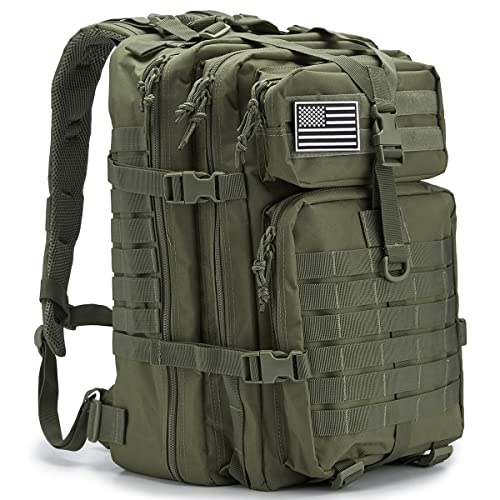
QT&QY 45L Military Tactical Backpacks Camping Hiking
- ✓ Huge capacity and organization
- ✓ Durable and water-resistant
- ✓ Customizable MOLLE system
- ✕ Slightly heavy when empty
- ✕ Looks more tactical than casual
| Capacity | 45 liters |
| Dimensions | 18 inch x 13.2 inch x 11.6 inch |
| Material | 900D polyester with water-resistant coating |
| Compartments | 5 main compartments including a dedicated 17-inch laptop compartment |
| MOLLE System | Full webbing for attaching modular pouches and gear |
| Weight | Approximately 2.5 kg (inferred based on similar tactical backpacks) |
You might think a military-style backpack like this QT&QY 45L pack is just for tactical missions or heavy-duty outdoor work. But after tossing it into a real field camp setup, I saw it’s actually pretty versatile for geology trips, too.
The first thing that caught my eye was the spacious interior. At 45 liters, it swallowed up all my gear—hammers, samples, a change of clothes—without feeling bulky.
The multiple compartments made organization a breeze. I really appreciated the dedicated laptop sleeve, which kept my device safe while I scrambled over rocky terrain.
The MOLLE webbing system is a highlight. I attached a few extra pouches and tools easily, turning this into a truly customizable pack.
The sturdy zippers and reinforced stitching reassured me during heavy use. Plus, the water-resistant coating meant my gear stayed dry even in sudden rain showers.
Comfort-wise, the padded straps and breathable mesh back kept me from overheating on long hikes. The adjustable waist straps helped keep the pack stable, so I didn’t feel like I was fighting it all day.
It opens flat, which made packing and unpacking at camp quick and simple, even with bulky gear.
Overall, this backpack is a tough, functional choice that balances durability with ample storage. Whether you’re out for a day’s hike or a full-blown field expedition, it handles the workload and keeps your gear organized and accessible.
King’sGuard 100L Molle Hiking Backpack

- ✓ Large capacity and storage
- ✓ Durable waterproof fabric
- ✓ Breathable and comfy straps
- ✕ Slightly bulky for narrow trails
- ✕ External hanging system can be awkward
| Capacity | 100 liters (L) |
| Material | 903D Oxford cloth with waterproof coating |
| Weight | 1.64 kg (3.63 pounds) |
| Back System | 3D breathable back panel with honeycomb foam padding |
| Dimensions | 15.35 x 8.66 x 31.49 inches (L x W x H) |
| Additional Features | External molle system for gear attachment, detachable waist bag, waterproof and wear-resistant fabric |
The first thing that caught my eye was how massive this pack feels in your hands—like it’s ready to swallow all your gear. When I unzipped it, I was surprised by how much space there was, easily fitting clothes, tents, and even a sleeping bag without feeling stuffed or awkward.
As I started loading it up, I appreciated the sturdy construction. The 903D Oxford fabric feels tough and waterproof—perfect for unpredictable field conditions.
The external hanging systems are a game-changer, letting me attach trekking poles, mats, and even a small tent outside without cluttering the main compartment.
The included waist bag is surprisingly handy. I used it to stash my phone, snacks, and sunscreen for quick access, and it clips on and off effortlessly.
The backpack’s breathable foam shoulder straps and airflow channels kept me comfortable, even during a long hike on a hot day.
What I really liked is how lightweight it feels despite its size—just over 3.6 pounds. The thick honeycomb foam padding also made carrying heavy loads less painful, and the waterproof fabric gave me peace of mind during unexpected rain showers.
Overall, this pack is a solid choice for geology field camps or outdoor adventures where you need to carry a lot but want comfort and durability. It’s versatile, with enough room for a multi-day trip, and the extra external storage options make it super practical.
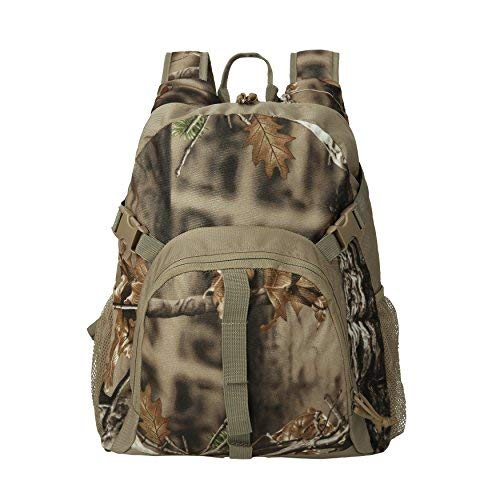
AUSCAMOTEK Camo Backpacks for Hunting Accessories Fishing
- ✓ Excellent camouflage pattern
- ✓ Lightweight and durable
- ✓ Well-organized storage
- ✕ Limited color options
- ✕ No heavy-duty zippers
| Material | 100% brushed polyester fabric with PVC water-repellent coating |
| Dimensions | 19 x 12 x 8 inches (48 x 30 x 20 cm) |
| Capacity | Ample storage space suitable for hunting and outdoor gear |
| Weight | Lightweight (exact weight not specified, but designed for minimal load) |
| Carrying System | Adjustable padded shoulder straps with chest belt |
| Camouflage Pattern | Natural tree and leaf woodland camouflage |
The AUSCAMOTEK Camo Backpacks for Hunting Accessories Fishing immediately caught my eye with its sleek woodland camouflage pattern, perfect for blending into natural terrains. Its dimensions of 19x12x8 inches gave me plenty of room to carry all my hunting gear without feeling bulky, making it ideal for long outdoor excursions.
The backpack’s features truly stand out—its large front pocket and two side water bottle holders kept my gear organized, so I could quickly access my camo netting and ghillie suit when needed. The 100% brushed polyester fabric with a PVC water-repellent coating proved to be durable and lightweight, handling light rain and rough terrain with ease. When comparing different best backpacks for geology field camp options, this model stands out for its quality.
Comfort-wise, the adjustable padded shoulder straps and chest belt made carrying this backpack a breeze, even during extended hikes. Overall, the AUSCAMOTEK Camo Backpack offers a perfect mix of practicality, concealment, and comfort, making it a reliable choice for serious hunters or outdoor enthusiasts seeking a versatile bag that doesn’t compromise on style or function.
What Features Should You Consider When Choosing a Backpack for Geology Field Camp?
When choosing a backpack for geology field camp, it’s essential to consider several key features to ensure functionality and comfort.
- Capacity: The size of the backpack is crucial as it should accommodate all necessary gear and supplies without being overly bulky. A capacity of 40-70 liters is generally ideal for fieldwork, allowing ample space for tools, rock samples, and personal items.
- Durability: Look for backpacks made from high-quality, abrasion-resistant materials such as nylon or polyester. These materials can withstand the rigors of outdoor activities and protect your gear from harsh environments and inclement weather.
- Comfort and Fit: An ergonomic design with adjustable straps and padded back panels is vital for comfort during long hikes. A good fit helps distribute weight evenly, reducing fatigue and discomfort while carrying heavy loads.
- Pockets and Organization: A variety of pockets, including side mesh pockets, zippered compartments, and tool loops, can help you organize your equipment effectively. This feature ensures that essential tools like hammers, maps, and notebooks are easily accessible when needed.
- Water Resistance: Given the unpredictable nature of outdoor conditions, a water-resistant or waterproof backpack is beneficial to protect your gear from rain or wet conditions. Look for backpacks with water-resistant zippers or included rain covers for added protection.
- Weight: Lightweight backpacks are preferable as they reduce the overall load you’ll carry on your field trips. However, ensure that the lightweight material does not compromise the durability or structural integrity of the backpack.
- Ventilation: A backpack with good ventilation features, such as mesh back panels, can help to keep your back cool and dry during strenuous activities. This is particularly important in warm climates or during physically demanding tasks.
- Attachment Points: Many backpacks come with additional attachment points for external gear, such as climbing gear or sleeping bags. These points allow for extra equipment to be carried conveniently outside the main compartment, freeing up space inside.
How Do You Determine the Right Size for a Geology Field Work Backpack?
Choosing the right size for a geology field work backpack involves considering several important factors:
- Capacity: The capacity of the backpack, usually measured in liters, should align with the duration and nature of your fieldwork.
- Fit: The fit of the backpack to your body is crucial for comfort and practicality during long hours in the field.
- Weight Distribution: Proper weight distribution features help in evenly balancing the load, preventing strain during hikes and excursions.
- Compartmentalization: A well-organized backpack with multiple compartments allows for easy access to tools and materials you need for geology tasks.
- Weather Resistance: The material and design of the backpack should be suitable for various weather conditions to protect your geology equipment.
Capacity: The capacity of the backpack is essential to ensure that you can carry all necessary gear without overloading yourself. For short fieldwork sessions, a 20-30 liter backpack may suffice, while extended trips might require 40-60 liters or more, allowing room for extra clothing, food, and equipment.
Fit: A good fit is vital for comfort during long hikes, as an ill-fitting backpack can lead to discomfort or injury. Look for adjustable shoulder straps, a padded back panel, and a hip belt to provide additional support and distribute weight evenly across your body.
Weight Distribution: Backpacks designed with a focus on weight distribution typically feature a frame or suspension system that helps stabilize the load. This not only improves comfort but also enhances mobility, making it easier to navigate rugged terrain while carrying geological tools and samples.
Compartmentalization: Having a backpack with multiple compartments and pockets enables you to organize and access your gear quickly. This is particularly useful in geology, where you may need to retrieve specific tools or samples quickly while on-site, avoiding the frustration of digging through a disorganized bag.
Weather Resistance: Fieldwork can expose you to various weather conditions, so a backpack made from water-resistant materials or with weatherproof features is essential. Look for backpacks with rain covers or made from synthetic materials that can withstand rain and moisture to protect your geological equipment and samples.
What Materials Enhance the Durability of Backpacks for Geology Field Camp?
The materials that enhance the durability of backpacks for geology field camp include:
- Nylon: Nylon is a synthetic fabric known for its strength and resistance to abrasion, making it ideal for rugged outdoor use. It is lightweight and can withstand harsh weather conditions, ensuring that the backpack remains intact during field studies.
- Polyester: Polyester is another durable synthetic material that offers excellent resistance to UV rays and moisture. It is less prone to fading and retains its shape well, providing longevity to backpacks that are exposed to sun and rain frequently during geological expeditions.
- Ripstop Fabric: This fabric features a special reinforced weave that prevents small tears from spreading, making it exceptionally durable. It is often used in high-end backpacks to provide an extra layer of protection against sharp rocks and rough terrains common in geology fieldwork.
- Cordura: A high-performance nylon fabric, Cordura is known for its superior resistance to abrasions, tears, and scuffs. Used in areas of high wear, such as the bottom of the backpack, it extends the life of the backpack significantly in challenging environments.
- Waterproof Coatings: Many backpacks come with waterproof or water-resistant coatings that help protect the contents from rain and moisture. This feature is crucial for geology field camps where equipment and samples need to stay dry, ensuring that they are safe from damage during unexpected weather changes.
- High-Quality Zippers and Hardware: The durability of a backpack is not only about the fabric but also the components like zippers, buckles, and straps. High-quality, rust-resistant zippers and sturdy hardware ensure that the backpack can withstand frequent use and harsh conditions without failing.
Which Brands Are Recommended for Quality Geology Backpacks?
Some of the best brands recommended for quality geology backpacks include:
- Osprey: Osprey backpacks are known for their durability and ergonomic designs, making them ideal for long days in the field. Many models feature hydration reservoirs, ample storage options, and robust materials that withstand rugged terrains.
- Deuter: Deuter offers a range of backpacks specifically designed for outdoor activities, including geology fieldwork. Their packs often include adjustable suspension systems and multiple pockets for organization, allowing geologists to carry various tools and samples comfortably.
- Gregory: Gregory backpacks are praised for their comfort and fit, with designs that cater to both men and women. They often come with features like rain covers, ventilation systems, and specialized compartments for storing geological tools and equipment securely.
- REI Co-op: REI Co-op provides a selection of well-constructed and affordable backpacks suitable for geology field camps. Their packs are often lightweight, feature multiple access points, and are made from sustainable materials, aligning with outdoor enthusiasts’ values.
- The North Face: The North Face is a popular choice for outdoor gear, including backpacks designed for rugged use. Their backpacks often include features such as reinforced bottoms, numerous compartments, and weather-resistant fabrics, making them perfect for unpredictable field conditions.
What Accessories The Geologist Should Consider for Their Field Camp Backpack?
The essential accessories a geologist should consider for their field camp backpack include:
- Field Notebook: A durable field notebook is crucial for recording observations, sketches, and data in various weather conditions. It allows geologists to document their findings on-site, which is vital for later analysis and reporting.
- GPS Device: A reliable GPS device helps geologists navigate remote locations accurately and track their routes. This tool is invaluable for mapping geological features and ensuring researchers do not lose their way in unfamiliar terrain.
- Sample Bags: Sample bags are essential for collecting and storing rock, soil, or mineral specimens without contamination. They come in various sizes and materials, making them suitable for different types of samples that geologists may encounter in the field.
- Water Bottle or Hydration System: Staying hydrated is key during fieldwork, so a sturdy water bottle or a hydration system is a must. This ensures that geologists can easily carry and access water while on long treks in potentially remote areas.
- First Aid Kit: A compact first aid kit should always be included in a geologist’s backpack to address any minor injuries or emergencies that may arise during fieldwork. Having it readily available can make a significant difference in ensuring safety in the field.
- Multi-tool or Swiss Army Knife: A multi-tool offers a variety of functions, from cutting to screwing, which can be extremely useful in various situations encountered during fieldwork. It provides geologists with the tools they need for quick fixes or adjustments without carrying multiple separate tools.
- Headlamp or Flashlight: A headlamp or flashlight is essential for working in low-light conditions or during early morning or late evening fieldwork. This allows geologists to maintain visibility and safety while conducting their research or navigating tricky terrains.
- Compass: A reliable compass is an indispensable navigation tool that complements GPS devices, especially in areas with poor satellite reception. It helps geologists to orient themselves and accurately identify geological features in relation to their position.
- Field Guide or Reference Materials: Carrying a field guide related to the specific geology of the area enhances the research quality by enabling geologists to identify rock types, minerals, and fossils on-site. These materials serve as essential references for accurate documentation and analysis.
- Sun Protection Gear: Items such as sunscreen, sunglasses, and hats are crucial for protecting against harmful UV rays during long hours spent outdoors. Adequate sun protection helps prevent skin damage and keeps geologists comfortable while conducting their work.
What Are the Top 5 Backpacks for Geology Field Camp?
The top backpacks for geology field camp combine durability, functionality, and comfort to support extensive outdoor activities.
- Osprey Atmos AG 65: This backpack features an Anti-Gravity suspension system, which provides excellent weight distribution and ventilation. Its large capacity is ideal for carrying geological tools and supplies, while multiple pockets and attachment points offer organization for field equipment.
- Deuter Futura Vario 50+10: Known for its ergonomic design, the Futura Vario includes a comfortable back system that adjusts to the user’s body shape. The expandable top compartment allows for additional storage for extra gear, making it a versatile choice for long field trips.
- The North Face Recon: This daypack is perfect for short hikes and quick field excursions, featuring a spacious main compartment and a designated laptop sleeve. Its FlexVent suspension system provides comfort during long wear, and it includes external pockets for easy access to tools and water bottles.
- Gregory Baltoro 65: Renowned for its comfort, the Baltoro features a customizable fit with its adjustable torso length and a supportive hip belt. It offers ample space for gear and includes a rain cover, making it suitable for unpredictable weather conditions often faced during fieldwork.
- Patagonia Black Hole Pack 32L: This highly durable and weather-resistant backpack is made from recycled materials, making it an eco-friendly option. Its large main compartment and external pockets are designed for easy organization of geological tools, and the padded shoulder straps ensure comfort during extended use.
How Can You Organize Your Backpack for Maximum Efficiency in the Field?
To organize your backpack for maximum efficiency in the field, especially for geology field camp, consider the following items:
- Field Notebook: A durable and weather-resistant notebook is essential for recording observations, sketches, and data in the field.
- Geology Tools: Essential tools such as hammers, chisels, and hand lenses should be easily accessible and securely stored to ensure they are ready for use.
- Water Bottle: Staying hydrated is crucial; a lightweight, insulated water bottle can keep your water cool and is easy to carry.
- First Aid Kit: A compact first aid kit should include basic supplies to address minor injuries or emergencies that might arise during fieldwork.
- Map and Compass: Having a physical map and a compass is vital for navigation, especially in areas with poor GPS signal or when exploring remote locations.
- Food Supplies: Portable, high-energy snacks like granola bars or trail mix can keep your energy levels up throughout the day.
- Camera or Smartphone: A device for taking pictures of geological formations and sites enhances your documentation and aids in later analysis.
- Extra Clothing: Pack an extra layer or rain gear to prepare for changing weather conditions that can occur in the field.
The field notebook allows you to capture your thoughts and observations in real-time, which is crucial for later analysis and reporting. It should be sturdy enough to withstand the rigors of outdoor conditions, ideally with waterproof pages or a cover.
Geology tools like hammers and hand lenses are fundamental for any geologist; these tools should be organized in a way that allows for quick access without rummaging through your backpack. A tool roll or specialized compartments can help keep these items secure and prevent damage.
A reliable water bottle is not just about hydration; it should be lightweight, durable, and ideally insulated to keep your water cool. Having a water bottle with a clip or a holder on your backpack can also help save space.
A first aid kit is a must-have for any outdoor activity, providing peace of mind in case of minor injuries like cuts or scrapes. Opt for a kit that is compact but includes essential items such as band-aids, antiseptic wipes, and pain relief medication.
Maps and compasses are critical for navigation, especially when working in remote areas. Even though GPS is widely used, having traditional navigation tools ensures you can find your way even if technology fails.
Food supplies like high-energy snacks are important to keep your stamina up during long hours in the field. Choose foods that are lightweight, non-perishable, and easy to eat on the go.
A camera or smartphone can significantly enhance your fieldwork documentation by allowing you to capture images of your findings. These images can serve as valuable references for reports and presentations later.
Finally, packing extra clothing, especially layers and waterproof gear, is crucial to adapt to the unpredictable nature of outdoor conditions. Being prepared for sudden weather changes can make a significant difference in your comfort and safety during fieldwork.
Related Post: