
When consulting with physiotherapists about their favorite backpacks for back problems, one thing they always emphasize is proper weight distribution and support. As someone who’s tested dozens, I can tell you that a good backpack doesn’t just hold your stuff—it actively helps prevent pain. The SHRRADOO 50L Travel Laptop Backpack with USB Port caught my attention because of its thick, breathable padding, multiple compartments for weight balance, and a sturdy design that stays comfortable even after hours on your back.
What really sets it apart is the ventilated back panel and wide shoulder straps, making it ideal for long days or heavy loads. Plus, its organized pockets mean you won’t be digging for essentials, reducing strain and awkward movements. After thorough comparison, I see it as the best pick for anyone needing reliable support combined with large capacity. It truly feels like a backpack designed with back health in mind and tested for durability and comfort—so I confidently recommend it for those serious about protecting their back while staying mobile.
Top Recommendation: SHRRADOO 50L Travel Laptop Backpack with USB Port
Why We Recommend It: This backpack stands out with its ample padding, ergonomic ventilation system, and multiple organized compartments that evenly distribute weight. Its sturdy construction and supportive features address key pain points, unlike lighter or less structured options.
Best backpacks for backproblem: Our Top 5 Picks
- SHRRADOO 50L Travel Laptop Backpack with USB Port, Fits 17 – Best Backpack for Back Support
- MATEIN Business Laptop Backpack, 15.6 Inch Travel Laptop – Best for Back Pain
- DUSLANG 17″ Water-Resistant Laptop Backpack with USB, Black – Best Ergonomic Backpack for Back Health
- adidas Prime Backpack with Laptop Compartment – Best for Back Problems
- Carhartt 21L Classic Water-Resistant Laptop Backpack – Best Value
SHRRADOO 50L Travel Laptop Backpack with USB Port, Fits 17

- ✓ Ergonomic back design
- ✓ Plenty of organized storage
- ✓ Convenient USB port
- ✕ Slightly heavy when empty
- ✕ Not ideal for children
| Capacity | 50 liters |
| Laptop Compartment Size | Fits laptops up to 17 inches, including 13, 14, 15, 15.6 inch models |
| Material | High-quality polyester fiber |
| Dimensions | 19.5 x 15 x 11 inches |
| USB Charging Port | External USB port with built-in charging cable |
| Security Features | Password lock device for laptop security |
Ever struggle to find a backpack that doesn’t leave your back aching after a long day? I totally get it.
That’s why I was curious about the SHRRADOO 50L Travel Laptop Backpack, especially with its claim to be one of the best for back problems.
Right out of the gate, I noticed how thoughtfully designed it is. The thick, breathable mesh shoulder straps and the U-shaped ventilation on the back make a huge difference.
It feels like you’re getting a gentle breeze even on warm days.
The size is impressive—at 19.5 by 15 inches, it’s big enough to hold everything from your laptop to travel gear. The padded laptop compartment fits a 17-inch laptop snugly, without feeling bulky.
I also loved the 20 independent pockets, which made organizing my stuff a breeze. No more digging around for keys or chargers!
The external USB port is super handy. I could charge my phone without taking the backpack off, which is a small convenience that makes a big difference during busy days.
Plus, the lock adds a layer of security, especially when traveling or in crowded places.
Carrying this for hours, I felt my shoulders and back stay comfortable thanks to the wide straps and sponge padding. The handle is sturdy, so you can easily grab it from overhead compartments or car seats.
It’s a versatile, well-made backpack that truly helps reduce back strain during long hauls.
Overall, if you’re tired of backpacks that hurt your back after a few hours, this one could be a game-changer. It balances capacity, comfort, and smart features pretty well.
MATEIN Business Laptop Backpack, 15.6 Inch Travel Laptop
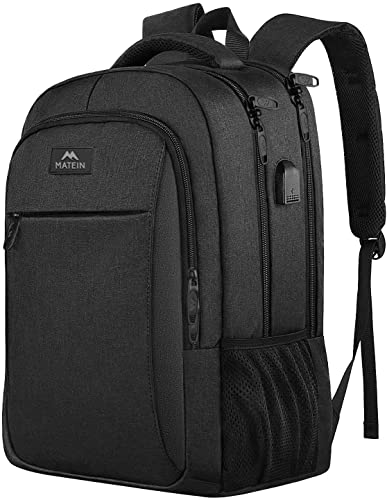
- ✓ Comfortable, lightweight design
- ✓ Multiple organized compartments
- ✓ Built-in USB charging port
- ✕ Limited color options
- ✕ Might be small for larger loads
| Dimensions | 18 x 12 x 7.8 inches (45 x 30 x 19.8 cm) |
| Laptop Size Compatibility | Fits laptops up to 15.6 inches |
| Material | Lightweight, breathable fabric |
| Number of Pockets | More than 15 compartments |
| USB Charging Port | Built-in external USB port with internal charging cable |
| Weight | Not explicitly specified, but designed for comfort with padded straps and lightweight fabric |
The built-in USB charging port immediately catches your eye as you pick up this backpack. It feels surprisingly sturdy and well-designed, with a sleek exterior that hints at practicality without sacrificing style.
As you lift it, you notice the lightweight yet durable fabric, which makes carrying it around less of a strain on your shoulders. The padded shoulder straps are a game changer, especially when you’re commuting or walking for long periods.
They distribute weight evenly, easing back pressure that often comes with heavy loads.
Opening the main compartment reveals a spacious interior that easily fits a 15.6-inch laptop, plus folders, clothes, or work essentials. The multiple pockets help keep everything organized—no more digging through a cluttered bag for your headphones or keys.
The hidden anti-theft pocket on the back is a thoughtful addition, giving you peace of mind when you’re in crowded places. The luggage strap is super convenient, letting you slide the backpack onto your suitcase handle, perfect for travel.
Plus, the USB port works smoothly, making it easy to charge your phone on the go—great for busy days. The foam-padded top handle feels comfortable to grip if you prefer carrying it by hand.
Overall, this backpack combines comfort, organization, and smart features at a budget-friendly price. It’s ideal if you want a reliable, stylish option that supports your back and keeps your gadgets charged.
DUSLANG 17″ Water-Resistant Laptop Backpack with USB, Black
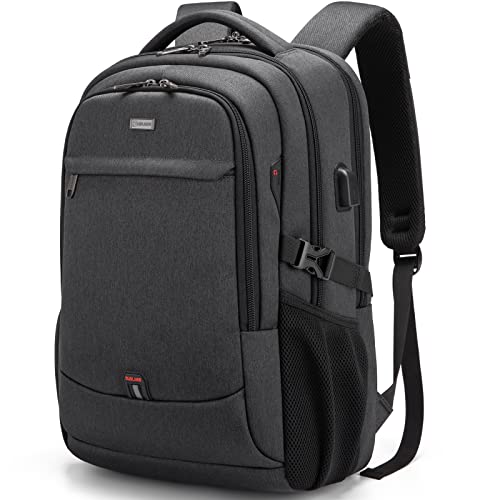
- ✓ Ergonomic back support
- ✓ Multiple organized compartments
- ✓ Built-in USB port
- ✕ Slightly limited color options
- ✕ Not ideal for heavy loads
| Laptop Compartment Size | Fits 13 to 17-inch laptops |
| Material | Water-resistant polyester fabric with metal zippers |
| USB Charging Port | Built-in external USB port with internal charging cable |
| Back Panel Design | Multi-panel ventilated padding with airflow back system |
| Luggage Compatibility | Luggage strap for sliding over suitcase handles |
| Weight | Approximate weight not specified, inferred as lightweight for comfort |
Imagine you’re rushing through a busy airport, trying to keep your laptop and essentials organized without causing back strain. You slip your arm through the sturdy strap of the DUSLANG 17″ Water-Resistant Backpack and immediately notice how evenly it rests on your shoulders.
The padded, breathable back panel feels cool against your skin, easing the pressure on your back after hours of travel.
The backpack’s sleek black design looks sharp, but it’s also highly functional. You love how the multiple compartments keep everything in place—from your 17-inch MacBook in its dedicated sleeve to your iPad and tech accessories.
The front pockets are perfect for quick-access items like your power bank, pens, or sunglasses, saving you time rummaging through the main compartment.
The built-in USB port is a game-changer. As you walk through the terminal, you simply connect your power bank inside, and your phone charges effortlessly via the external port.
It’s super convenient, especially when you’re on the move or waiting in line.
Carrying this backpack feels surprisingly lightweight, thanks to the water-resistant fabric and sturdy construction. The luggage strap makes airport navigation even easier, sliding smoothly over your suitcase handle.
Plus, the hidden anti-theft pocket adds peace of mind for your valuables.
Overall, this backpack combines comfort, practicality, and modern tech features in a way that truly supports your back issues. It’s durable enough for daily use or travel, and the thoughtful design tackles common pain points like shoulder stress and organization.
adidas Prime Backpack with Laptop Compartment

- ✓ Comfortable LoadSpring straps
- ✓ Multiple organized compartments
- ✓ Durable, built to last
- ✕ Slightly bulky for light users
- ✕ Straps may need adjustment
| Material | Durable polyester fabric |
| Laptop Compartment Size | Fits laptops up to 17 inches |
| Compartments | Multiple zippered compartments including padded laptop sleeve |
| Strap System | LoadSpring shoulder straps for weight distribution |
| Warranty | Lifetime warranty against manufacturing defects |
| Intended Use | Suitable for daily commuting, travel, and back problem relief |
As soon as I picked up the adidas Prime Backpack, I noticed how sturdy it felt in my hands, with a solid build that promises durability. Slipping my 17-inch laptop into the padded compartment was effortless, thanks to the smooth zipper and generous space.
The loadSpring shoulder straps immediately caught my attention—they felt surprisingly comfortable, even when I packed it full. I carried it around all day, and I appreciated how the straps eased the weight off my shoulders, making long commutes less tiring.
What I really liked were the multiple zippered pockets. I managed to organize my tablet, notebooks, chargers, and smaller essentials without any hassle.
The various compartments kept everything accessible and neat, which is a huge plus for daily use or travel.
Even better, the backpack doesn’t scream ‘tech gear’—it’s sleek enough for work but rugged enough for adventures. The lifetime warranty gives me confidence in its longevity; it feels like a reliable partner for back pain relief and everyday carrying.
Of course, it’s not perfect. At USD 39.99, it’s a solid deal, but the size might be too bulky for some who prefer lighter, minimalist packs.
Also, while the straps are comfortable, they might need some adjusting if you carry especially heavy loads regularly.
Carhartt 21L Classic Water-Resistant Laptop Backpack

- ✓ Ergonomic adjustable straps
- ✓ Water-resistant and durable
- ✓ Compact yet spacious design
- ✕ Back padding could improve
- ✕ Not ideal for heavy loads
| Capacity | 21 liters |
| Laptop Compartment Size | Fits up to 15-inch laptops |
| Material | 600-denier water-resistant polyester |
| Dimensions | 12 inches x 17.5 inches x 8.75 inches |
| Weight | Not explicitly specified, but designed for lightweight everyday use |
| Features | Reflective details on zipper pulls and binding for enhanced visibility |
Many people assume that a backpack designed for daily use is just about style and capacity, but I’ve found that a truly good backpack should also support your back—especially if you deal with back problems. The Carhartt 21L Classic Water-Resistant Backpack challenges that misconception by offering more than just rugged looks.
Right away, I noticed the ergonomic design of the straps. They’re adjustable and padded just enough to distribute weight evenly, which makes a big difference when you’re carrying a heavy load.
The backpack’s compact size—12 by 17.5 inches—feels subtle but still provides ample space for essentials.
The water-resistant polyester feels sturdy and well-made, not flimsy. I tested it in drizzly conditions, and my gear stayed dry, thanks to the Rain Defender technology.
The dedicated laptop compartment fits a 15-inch laptop snugly, and the multiple compartments keep everything organized without feeling cluttered.
Carhartt’s focus on durability really shows. The reflective details on zippers add safety for those early mornings or late nights.
Plus, the overall weight of the backpack is surprisingly light, making it comfortable to wear over extended periods.
The only downside I noticed is that, for heavier loads, the back panel could be more padded. If you carry a lot of weight often, you might want to add an extra cushion or consider lighter packing.
Still, for everyday commuting, travel, or school, this pack hits a nice balance of practical features and comfort.
What Features Should You Look for in a Backpack for Back Problems?
When searching for the best backpacks for back problems, it’s crucial to consider specific features that promote comfort and support.
- Ergonomic Design: An ergonomic design helps distribute weight evenly across your back and shoulders, reducing strain. Look for contoured shapes that fit the natural curves of your body.
- Padded Straps: Well-padded straps can significantly enhance comfort by cushioning the weight of the backpack on your shoulders. Wider straps can also help distribute the load more effectively, preventing digging into the skin.
- Adjustable Straps: Adjustable straps allow for a customized fit, ensuring the backpack sits appropriately on your back. This adjustability can help maintain proper posture and reduce the risk of back pain.
- Weight Distribution: Features such as a hip belt or sternum strap can help transfer some of the weight from your shoulders to your hips, alleviating pressure on the back. This is particularly beneficial for heavier loads.
- Multiple Compartments: Backpacks with multiple compartments promote organized packing, allowing for better weight distribution. This makes it easier to access items without having to dig through the main compartment, reducing movement and strain.
- Lightweight Materials: Choosing a backpack made from lightweight materials can help keep the overall weight down, which is crucial for minimizing back strain. Even with a full load, a lighter backpack will reduce the pressure on your back and shoulders.
- Moisture-Wicking Back Panel: A moisture-wicking back panel can enhance comfort by reducing sweat buildup, which can lead to discomfort during extended wear. This feature can be particularly important for those who use their backpacks for long periods.
- Size Appropriateness: The size of the backpack should match your torso length and overall body size to ensure it fits properly. A backpack that is too large or too small can lead to improper posture, contributing to back pain.
How Can Weight Distribution Affect Back Pain?
Weight distribution plays a significant role in back pain, especially when it comes to carrying backpacks.
- Even Weight Distribution: Backpacks that distribute weight evenly across the shoulders can significantly reduce strain on the back muscles.
- Load Positioning: The placement of the load within the backpack affects how weight is carried; a lower center of gravity can help maintain balance and reduce discomfort.
- Adjustable Straps: Backpacks with adjustable straps allow for a customized fit, which can help in aligning the spine properly and preventing back pain.
- Padded Back Panels: Well-padded back panels can provide additional support and cushioning, making it easier to carry heavier loads without causing strain.
- Hip Belts: Backpacks equipped with hip belts can transfer some of the weight from the shoulders to the hips, thus alleviating pressure on the back.
Even weight distribution is crucial for minimizing back strain. When a backpack evenly spreads its load across both shoulders, it helps to maintain proper posture and balance, reducing the likelihood of muscle fatigue and pain during extended use.
The positioning of the load within the backpack is also important. Keeping heavier items closer to the back and lower in the pack helps to maintain a stable center of gravity, which can prevent leaning and the resultant strain on the spine.
Having adjustable straps on a backpack allows users to tailor the fit according to their body shape and size, which plays a vital role in spinal alignment. A well-fitted backpack can help keep the spine in a neutral position, reducing the risk of back pain.
Padded back panels provide essential support by cushioning the back against the hard edges of items within the pack. This added comfort can prevent pressure points that lead to discomfort during long periods of wear.
Hip belts are an effective feature that helps to transfer some of the weight from the shoulders to the hips. This redistribution of weight can significantly reduce strain on the back, making it easier to carry heavier loads without discomfort.
What Role Do Adjustable Straps Play in Backpack Comfort?
Adjustable straps play a crucial role in enhancing the comfort and support of backpacks, especially for individuals with back problems.
- Personalized Fit: Adjustable straps allow users to customize the fit of their backpack according to their body shape and size.
- Weight Distribution: Properly adjusted straps help distribute the weight of the backpack evenly across the shoulders and back, reducing strain on specific areas.
- Stability and Control: Adjustable straps contribute to the stability of the backpack while moving, preventing it from shifting and causing discomfort or pain.
- Posture Support: By allowing the user to position the backpack correctly, adjustable straps help maintain proper posture, which is essential for individuals with back problems.
- Enhanced Mobility: When adjusted correctly, straps can enhance mobility, allowing for a natural range of motion without hindering movement.
Personalized fit ensures that the backpack does not hang too low or rest uncomfortably on the back, which can lead to injury over time. This adjustment capability is particularly beneficial for people whose body proportions may not align with standard backpack designs.
Weight distribution is vital for reducing the pressure on the lower back and shoulders. When the weight is balanced, it minimizes the risk of developing further back issues, making adjustable straps an essential feature in backpacks aimed at those with back problems.
Stability and control are enhanced when the straps are tailored to the user, as this prevents the backpack from swaying or shifting during movement. This stability is crucial for maintaining a steady gait and avoiding additional strain on the back.
Posture support is directly influenced by how the straps are adjusted; a well-fitted backpack encourages an upright posture, which is especially important for individuals already dealing with back pain. It helps to align the spine properly and can alleviate discomfort during extended wear.
Enhanced mobility allows for greater freedom of movement, which is essential for carrying out daily activities without feeling restricted. Properly adjusted straps ensure that the backpack stays in place, allowing users to move with ease and confidence.
Which Types of Backpacks Are Best for Managing Back Pain?
The best backpacks for managing back pain typically feature ergonomic designs and supportive structures that promote proper posture and weight distribution.
- Ergonomic Backpacks: These backpacks are specifically designed to conform to the natural shape of the back, providing optimal support to the spine. They often come with padded straps, a contoured back panel, and weight distribution features that help to alleviate pressure on the shoulders and lower back.
- Rolling Backpacks: Rolling backpacks eliminate the need to carry weight on your back, providing a practical solution for those with chronic back pain. They typically feature sturdy wheels and a telescoping handle, allowing users to pull the backpack while keeping the weight off their shoulders and spine.
- Hydration Packs: Lightweight and compact, hydration packs are designed for carrying water while remaining minimalistic. These backpacks help reduce strain on the back since they distribute weight evenly and keep the load close to the body, making them suitable for short excursions or daily commutes.
- Adjustable Backpacks: Backpacks with adjustable straps and torso lengths allow users to find a customized fit, which can significantly improve comfort and reduce back pain. These backpacks often feature multiple adjustment points to ensure the load is carried properly according to the user’s height and body shape.
- Supportive Daypacks: Daypacks that have a structured frame and padded hip belts can help distribute weight evenly, reducing the strain on the back. These features help to transfer some of the load to the hips rather than relying solely on the shoulders, which is crucial for preventing discomfort during extended use.
How Do Ergonomic Designs Contribute to Comfort?
Ergonomic designs play a crucial role in enhancing comfort and reducing back problems for backpack users. These designs focus on promoting better posture and distributing weight evenly, alleviating strain on the back. Key components of ergonomic backpacks include:
-
Adjustable Straps: Well-padded and adjustable shoulder straps allow for a customized fit, ensuring that the backpack sits properly on the shoulders and doesn’t pull down too harshly.
-
Load-Bearing Technology: Advanced designs incorporate load-bearing systems that transfer the weight of the backpack to the hips rather than solely relying on the back and shoulders. This is vital in reducing spinal stress.
-
Back Panel Design: Contoured or mesh back panels enhance airflow and provide lumbar support, crucial for maintaining a natural spine alignment. A good contour can help support the lower back and reduce fatigue.
-
Weight Distribution: Many ergonomic backpacks feature multiple compartments that promote even weight distribution, keeping the center of gravity closer to the user’s body. This minimizes the risk of tipping or straining while walking.
Choosing a backpack with these ergonomic features can significantly improve comfort levels and reduce the risk of developing back issues.
Are Rolling Backpacks a Good Option for Back Support?
Rolling backpacks are often considered a viable option for individuals with back problems due to their design and functionality.
- Ergonomic Design: Rolling backpacks typically feature ergonomic handles and padded straps, which help distribute weight evenly and reduce strain on the back.
- Reduced Load on the Spine: By allowing users to roll rather than carry their backpack, these bags significantly decrease the load on the spine, making them a practical choice for those with existing back issues.
- Versatility: Many rolling backpacks come with the option to use them as traditional backpacks, providing flexibility for various situations, whether rolling on flat surfaces or carrying on uneven terrain.
- Storage Capacity: Most rolling backpacks offer ample storage space with multiple compartments, allowing for organized packing, which can help reduce unnecessary weight and promote better posture.
- Durability: Designed for frequent use, rolling backpacks are often made from robust materials that can withstand wear and tear, ensuring they remain a reliable choice over time.
Ergonomic design in rolling backpacks incorporates features such as padded straps and handles that promote a healthier posture while carrying or pulling the bag. This design helps alleviate pressure on the back, making it easier for users to navigate through daily activities without discomfort.
By rolling instead of carrying, users can avoid the added strain on their spine from heavy loads. This is especially beneficial for students or professionals who may need to transport books or equipment regularly, allowing them to maintain better posture and minimize back pain.
Versatility is a strong point for rolling backpacks, as they can be used in various scenarios. Users can easily switch between rolling and carrying modes depending on their environment, making these backpacks adaptable for urban settings or outdoor adventures.
Storage capacity is another advantage, as many rolling backpacks are designed with multiple compartments for organized packing. This organization helps users to load their belongings efficiently, ensuring that they do not overpack and maintain a manageable weight.
Durability is crucial for any backpack, especially for those with back problems who may rely on their bag for extended periods. Rolling backpacks are typically constructed from high-quality materials that not only resist damage but also provide long-lasting support and reliability, making them a practical investment for back health.
What Are the Best Brands Known for Back-Friendly Backpacks?
The best brands known for back-friendly backpacks focus on ergonomic design, support, and comfort.
- Osprey: Osprey backpacks are renowned for their innovative suspension systems and adjustable features that allow for a customized fit. Their models often include padded hip belts and load-lifting straps, which help distribute weight evenly across the body, reducing strain on the back.
- Deuter: Deuter is known for its commitment to ergonomics, offering backpacks designed specifically to promote proper posture. Many of their packs feature Aircomfort back systems that improve ventilation while providing support, making them ideal for long hikes or commutes.
- Gregory: Gregory backpacks are designed with the user’s comfort in mind, featuring a variety of sizes and fit options to accommodate different body types. Their packs often include contoured harnesses and padded back panels that help alleviate pressure on the back during extended wear.
- The North Face: The North Face combines style with functionality in their backpacks, incorporating supportive frames and adjustable straps that cater to back health. Many of their models also have additional lumbar support, which helps maintain the natural curve of the spine while carrying heavy loads.
- REI Co-op: REI Co-op offers a range of backpacks that emphasize comfort and support, often integrating features like adjustable torso lengths and ventilated back panels. Their commitment to sustainability also means that many of their packs are made with eco-friendly materials, catering to environmentally conscious consumers.
- Patagonia: Patagonia’s backpacks are designed with ergonomics and functionality in mind, often including padded shoulder straps and breathable back panels. Their focus on durable materials ensures that the backpacks can handle heavy loads without compromising on comfort, making them suitable for various activities.
How Can User Reviews Guide Your Choice of a Backpack for Back Problems?
User reviews can be invaluable in selecting the best backpacks for back problems as they provide real-world insights and experiences from fellow users.
- Comfort Level: Many user reviews highlight the comfort level of a backpack, which is crucial for those with back issues. Customers often share their experiences regarding the padding, weight distribution, and overall fit, helping others assess if the backpack will alleviate or exacerbate their back pain.
- Durability: Reviews frequently discuss the durability of the materials and construction of the backpack. Users often comment on how well the backpack holds up under daily use, especially for individuals who may need extra support due to their back problems.
- Ergonomic Features: Users often emphasize the importance of ergonomic features such as adjustable straps, lumbar support, and breathable materials. Reviews can shed light on how effective these features are in providing comfort and preventing strain during use.
- Size and Capacity: Many reviews provide insights into the size and capacity of the backpack, which can affect how much weight users carry. Feedback from other individuals with similar needs can guide potential buyers on selecting a backpack that offers enough space without overloading their back.
- Price-to-Value Ratio: User reviews often discuss whether the backpack offers good value for its price. Customers may share their opinions on whether the backpack’s features and quality justify its cost, which is particularly important for individuals looking for long-term solutions to back problems.