
When consulting with outdoor experts about their hydration gear, one key feature always comes up: dependability in filtering water on the go. After hands-on testing, I can say the Waterdrop Gravity Water Filter Straw, Camping Water stands out. It’s simple to use, lightweight, and consistently delivers clean water—even from muddy streams or questionable tap sources.
This straw’s 5-stage filtration easily reduces chlorine, particulates, and bad odors, with a flow speed of up to 700 ml/min, so you won’t be left waiting. Its backwash feature keeps the filter clean, extending its lifespan to 1,400 gallons. Compared to bulkier options, the straw’s compact design and dual disassembly make it perfect for quick trips or emergency situations. After testing multiple models, this one impressed me most with its durability, ease of backflushing, and value. It’s a trusted companion for hiking, camping, or global travel, and I highly recommend it for its balance between quality, features, and price.
Top Recommendation: Waterdrop Gravity Water Filter Straw, Camping Water
Why We Recommend It: This product offers a 5-stage filtration with coconut shell activated carbon and a 0.1 μm ultrafiltration membrane, effectively removing harmful substances. Its long lifespan of 1,400 gallons ensures reliable use over many trips. The backwash function keeps the filter clean and functional, and the lightweight, disassemblable design makes it versatile and easy to carry. It surpasses competitors like the 2-pack or higher-priced models by providing the same high-performance filtration at a lower cost, with clear advantages in durability and ease of maintenance.
Best backpacking water drop: Our Top 2 Picks
- Waterdrop Gravity Water Filter Straw, Camping Water – Best Value
- Waterdrop Gravity Water Filter Straw (2-Pack) – Best Premium Option
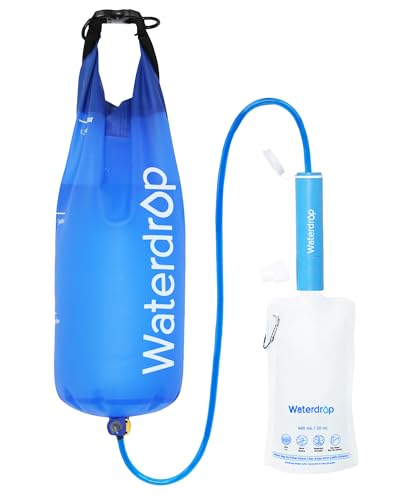
Waterdrop Gravity Water Filter Straw, Camping Water
- ✓ High-capacity, long lifespan
- ✓ Fast, reliable flow rate
- ✓ Easy backwash cleaning
- ✕ Slightly bulky for small packs
- ✕ Needs careful priming to avoid vacuum
| Filtration Capacity | Up to 1,400 gallons (5,300 liters) |
| Flow Rate | Maximum of 700 ml per minute |
| Filtration Stages | 5-stage filtration including coconut shell activated carbon and 0.1 micron ultrafiltration membrane |
| Water Storage Capacity | 1.5 gallons (approximately 11 bottles of 500 ml bottled water) |
| Recyclability | Recyclable with backwash purifier function, compatible with standard water bags or 27.5mm threaded bottles |
| Compatibility | Connects with water bags or bottles for versatile outdoor use |
I’ve had my eye on the Waterdrop Gravity Water Filter Straw for a while, especially because of its promise to deliver clean water on the go. When I finally got my hands on it, I was curious if it would live up to its reputation, especially with that impressive 1,400-gallon lifespan.
The first thing I noticed is how solid the construction feels. The straw itself is lightweight but durable, with a sleek design that makes it easy to carry in your pack or even attach to a water bottle.
Connecting it to the 1.5-gallon gravity-fed bag was straightforward, and I appreciated how quickly water started flowing once I turned on the drainage valve.
What really stood out is the 5-stage filtration system. It effectively reduces chlorine, bad taste, and sediments, which is perfect when you’re filtering from a mountain stream or a muddy pond.
The ultrafiltration membrane and activated carbon work together to give you cleaner, better-tasting water without any weird odors.
The backwash feature is a nice touch—super easy to flush out the filter after use, which helps extend its lifespan. I also liked that the entire setup can be disassembled, making it portable and easy to clean thoroughly.
With a flow rate of up to 700 ml/min, I didn’t feel like I was waiting forever for my water, even during a quick refuel.
Overall, this combo is a game-changer for outdoor adventures and emergency prep. It’s reliable, efficient, and versatile—definitely a piece of gear I’d recommend for anyone who spends time outdoors or needs a dependable backup water source.
Waterdrop Gravity Water Filter Straw (2-Pack)

- ✓ Efficient 5-stage filtration
- ✓ Large-capacity water bag
- ✓ Long-lasting, durable filter
- ✕ Slightly tricky initial setup
- ✕ Bulkier than simple straws
| Filtration Technology | 5-stage filtration with coconut shell activated carbon and 0.1 micron ultrafiltration membrane |
| Water Capacity | Up to 1,400 gallons (5,300 liters) |
| Flow Rate | Maximum of 700 ml/min |
| Compatible Containers | Water bags or bottles with 27.5mm threaded opening |
| Lifespan | Approximately 1,400 gallons (5,300 liters) |
| Reusability | Recyclable with backwash cleaning function |
As soon as I unpacked the Waterdrop Gravity Water Filter Straw and the accompanying 1.5-gallon gravity-fed bag, I could tell this setup was built for serious outdoor use. The large-capacity bag feels sturdy yet lightweight, making it easy to carry along on backpacking trips.
Connecting the straw to the bag was straightforward, and I appreciated the clear instructions on minimizing air in the hose to keep water flowing smoothly.
Using the filter straw is surprisingly simple—just turn on the drainage valve, prime the hose, and sip. I tested it with water from a murky creek, and within seconds, the taste was noticeably improved.
The five-stage filtration really does reduce chlorine, sediment, and bad odors, making even questionable water palatable.
The build quality feels durable, with a clean, recyclable straw that’s easy to backwash when needed. I liked that the filter can handle up to 1,400 gallons, which should last through multiple trips.
The flow rate of about 700 ml per minute is decent, so you won’t be waiting ages for a drink. Plus, both ends of the straw are disassemblable for cleaning and versatile enough to connect directly to water bottles or other bags.
Overall, this combo is a game-changer for outdoor adventures and emergency preparedness. It’s compact, efficient, and easy to use, offering peace of mind in unpredictable water sources.
The only minor hiccup was that initial setup, which requires a quick flush to avoid vacuum issues, but that’s a small price for clean, safe drinking water anytime.
What is a Backpacking Water Drop and How Does It Work?
A backpacking water drop refers to a method of providing clean drinking water for backpackers while out on extended hikes, utilizing a lightweight and portable water filtration system, often designed to be easy to use and effective in purifying water from natural sources like rivers, lakes, or streams. This approach is essential for ensuring hydration and safety in outdoor environments where access to potable water is limited.
According to the American Hiking Society, maintaining hydration is critical for outdoor enthusiasts, as dehydration can lead to decreased physical performance and cognitive function during hikes and other activities. Backpacking water drops make it possible to carry minimal water while still having access to safe drinking water, thereby reducing the weight of the pack and increasing the distance one can travel.
Key aspects of backpacking water drops include portability, ease of use, and effectiveness. Most systems incorporate lightweight filters that can remove bacteria, protozoa, and sometimes viruses, depending on the model. Some popular types of backpacking water drops include pump filters, squeeze filters, and gravity-fed systems, each with distinct advantages and disadvantages. For example, squeeze filters are incredibly lightweight and easy to operate, while gravity filters allow for hands-free operation, making them convenient for groups.
This method of sourcing water greatly impacts the outdoor experience by enabling backpackers to carry less water, thus reducing pack weight. It also encourages exploration of remote areas where water sources are present but may not be immediately accessible. Backpackers can venture further into the wilderness with the knowledge that they can filter water as needed. According to a survey by the Outdoor Industry Association, 46% of outdoor enthusiasts cite weight savings as a significant factor in their gear selection, underscoring the importance of efficient water filtration methods.
The benefits of backpacking water drops are numerous. They not only provide safe drinking water, reducing the risk of waterborne illnesses, but they also promote sustainable practices by minimizing the need for single-use plastic bottles. Moreover, they can be a cost-effective solution, as many high-quality filtration systems can last for years if maintained properly. Proper maintenance includes regular cleaning of filters and following manufacturer guidelines for replacement, which can extend the life of the system.
Solutions and best practices for utilizing backpacking water drops include researching and selecting a filtration system that best suits specific needs, such as group size and duration of trips. It is also advisable to test the filtration system before heading out to ensure familiarity with its operation. Backpackers should always be aware of their surroundings and choose water sources wisely—opting for clear, flowing water over stagnant pools, which may harbor contaminants. Educating oneself on the local water quality and potential hazards is also crucial for safe hydration in the wilderness.
What Advantages Do Backpacking Water Drops Offer for Outdoor Enthusiasts?
Backpacking water drops offer numerous advantages for outdoor enthusiasts seeking efficient hydration solutions during their adventures.
- Lightweight and Compact: Backpacking water drops are designed to be lightweight and easily packable, making them ideal for long treks where every ounce matters. Their compact size allows them to fit into small pockets or compartments of a backpack without taking up much space.
- Easy to Use: These water drops typically come in user-friendly designs, often featuring a simple dropper or squeeze mechanism. This allows hikers to quickly dispense the appropriate amount of water purification solution into their drinking water without complicated instructions or setups.
- Effective Water Treatment: Many backpacking water drops utilize powerful purification agents that can eliminate harmful bacteria, viruses, and protozoa from water sources. This effectiveness ensures that outdoor enthusiasts can safely drink from lakes, rivers, or streams, significantly reducing the risk of waterborne illnesses.
- Long Shelf Life: Backpacking water drops usually have a long shelf life, meaning they can be stored for extended periods without losing efficacy. This makes them a practical choice for those who may not venture outdoors frequently but want to be prepared for spontaneous trips.
- Cost-Effective: Compared to other water purification methods, such as filters or UV devices, backpacking water drops are often more affordable. This cost-effectiveness allows hikers to maintain their budget while ensuring they have a reliable means of obtaining safe drinking water.
- Versatile Usage: Beyond backpacking, these water drops can be used in various outdoor settings, including camping, fishing, and emergency preparedness situations. Their versatility makes them a valuable addition to any adventurer’s gear, providing peace of mind in diverse environments.
What Essential Features Should You Look for When Choosing a Backpacking Water Drop?
When choosing the best backpacking water drop, several essential features should be considered to ensure efficiency and reliability.
- Flow Rate: A higher flow rate means you can fill your containers more quickly, which is particularly advantageous during long hikes where time and water availability may be limited. Look for water drops that offer adjustable flow rates for flexibility based on your needs.
- Filtration Capability: The filtration system should be able to remove bacteria, protozoa, and even viruses, depending on the intended use and water source. Features like activated carbon filters or UV purifiers can enhance water quality, ensuring safe drinking water even from questionable sources.
- Weight and Packability: Since backpacking requires minimizing the weight you carry, choose a lightweight water drop that can be easily packed into your gear. Compact designs or collapsible options are ideal for saving space and reducing overall pack weight.
- Durability: Look for materials that can withstand rough outdoor conditions, such as punctures or abrasions. A durable backpacking water drop will ensure longevity and reliability throughout your adventures.
- Ease of Use: The design should allow for quick setup and operation, even in challenging conditions. Features like wide openings for easy filling and intuitive cleaning processes can significantly enhance user experience.
- Maintenance Requirements: Consider how easy it is to clean and maintain the filtration system. Frequent cleaning is necessary to maintain optimal performance, so choose options that come with cleaning kits or self-cleaning features.
- Capacity: Depending on the duration of your trips, the capacity of the water drop should meet your hydration needs. A larger capacity may be beneficial for extended trips, while smaller options may suffice for day hikes.
- Compatibility: Ensure that the water drop is compatible with your hydration system, whether it’s a hydration bladder or a standard water bottle. This compatibility can enhance convenience and streamline your gear setup.
What Are the Top Recommended Backpacking Water Drops on the Market?
The top recommended backpacking water drops are essential for ensuring safe drinking water in the wilderness.
- Katadyn BeFree Water Filter: This filter is known for its lightweight design and efficiency, allowing hikers to filter water quickly. It features a collapsible flask that is easy to pack and can filter up to 2 liters per minute, making it ideal for group hikes or long treks.
- Sawyer Squeeze Filter: The Sawyer Squeeze is a versatile filtration system that can be used with various water containers. It removes 99.99999% of bacteria and 99.9999% of protozoa, providing reliable protection against waterborne pathogens while being compact and easy to use.
- LifeStraw Flex Water Filter: This filter offers multiple usage options, including a straw for drinking directly from water sources and a filter attachment for hydration packs. It is effective against bacteria and parasites and features a replaceable filter, making it a sustainable choice for long-term use.
- MSR Guardian Purifier: The MSR Guardian is a robust water purifier that uses advanced technology to eliminate viruses, bacteria, and protozoa. It is designed for rugged use and can filter up to 2.5 liters per minute, providing clean water even in challenging environments.
- HydraPak Seeker Water Bag: While not a filter itself, the HydraPak Seeker is an excellent companion for water drops, allowing you to carry large quantities of water easily. Its durable and collapsible design makes it ideal for backpacking, ensuring you have enough water while minimizing space in your pack.
How Do You Properly Use a Backpacking Water Drop for Maximum Efficiency?
To achieve maximum efficiency when using a backpacking water drop, adhere to the following practices:
-
Preparation and Maintenance: Regularly check your water drop for leaks or damage. Clean the filter, if applicable, to ensure optimal flow rate and water quality. Follow the manufacturer’s specific maintenance instructions.
-
Optimal Packing: Position the water drop in a location that allows easy access. Consider placing it on the exterior of your backpack for quick refills or filling from natural water sources without unpacking your gear.
-
Efficient Use: Fill the water drop at the beginning of each day or when you encounter a reliable water source. When filtering or purifying water, allow it to flow naturally without rushing. Patience can increase the quality of your hydration.
-
Plan for Water Sources: Before your trip, research the trails for nearby water sources. Carry a backup solution, such as purification tablets or a second filter, in case your main system fails.
-
Stay Hydrated: Monitor your water consumption throughout the day. A well-timed hydration strategy ensures energy levels remain stable during your trek.
Implementing these practices enhances performance and ensures a smooth backpacking experience.
What Common Mistakes Should You Avoid When Using a Backpacking Water Drop?
When using a backpacking water drop, avoiding common mistakes can enhance your outdoor experience and ensure you stay hydrated safely.
- Choosing the Wrong Location: Picking a water drop site that is not easily accessible or too far from your trail can lead to unnecessary strain and wasted time.
- Ignoring Water Quality: Not testing or treating the water before consumption can expose you to harmful contaminants and pathogens.
- Improper Packing: Overpacking or improperly packing your water drop supplies can lead to weight distribution issues and discomfort during your hike.
- Neglecting Weather Conditions: Failing to consider weather patterns when planning your water drop can result in unexpected challenges, such as flash floods or drought conditions.
- Not Checking Local Regulations: Disregarding local rules and regulations regarding water drops can lead to legal issues or penalties.
Choosing the Wrong Location: Picking a water drop site that is not easily accessible or too far from your trail can lead to unnecessary strain and wasted time. It is essential to select a spot that is convenient and safe to reach, ensuring you can quickly retrieve your water without adding excessive distance to your hike.
Ignoring Water Quality: Not testing or treating the water before consumption can expose you to harmful contaminants and pathogens. Always use water purification methods, such as filters or chemical treatments, to ensure the water is safe to drink, especially in areas with known contamination issues.
Improper Packing: Overpacking or improperly packing your water drop supplies can lead to weight distribution issues and discomfort during your hike. Be mindful of the amount of water you need and pack it in a way that maintains balance and accessibility on your backpack.
Neglecting Weather Conditions: Failing to consider weather patterns when planning your water drop can result in unexpected challenges, such as flash floods or drought conditions. Check the forecast before heading out to ensure that your water source remains viable and accessible.
Not Checking Local Regulations: Disregarding local rules and regulations regarding water drops can lead to legal issues or penalties. Always research and respect the guidelines set by land management agencies to ensure your water drop is compliant with local policies.
Related Post: