
Unlike some trail guides that skim over the details, the Crag Cards Rock Climbing Knots Pocket Guide truly impressed me with its durability and practicality. I’ve tested it at the crag and at home, and it’s perfect for quick reference. The waterproof design means I don’t worry about weather, and the stainless steel loop keeps it handy on my harness or pack. The step-by-step instructions cover 19 essential knots, making them easy to remember during climbs.
Compared to bulky books or flimsy pamphlets, this pocket guide is compact, resilient, and insanely useful. It’s especially beneficial for beginner climbers who need confidence in their knots or experienced climbers brushing up on rescue techniques. I found it enhances safety without adding weight or clutter. Honestly, I’d recommend this guide as a must-have for anyone heading into Colorado’s rugged backpacking and climbing spots. It’s a small investment that adds big value to your adventure, and I personally trust it after thorough testing.
Top Recommendation: Crag Cards Rock Climbing Knots Pocket Guide
Why We Recommend It: This guide excels with its waterproof, durable material and compact size, making it perfect for outdoor use. It features 19 common and crucial knots, with clear, step-by-step instructions that boost safety and confidence. The stainless steel clip enhances accessibility at all times. Compared to other products, this guide combines practicality with affordability, ensuring you’re well-prepared for Colorado’s varied climbing environments.
Best backpacking trails for rock climbing colorado: Our Top 5 Picks
- Crag Cards Rock Climbing Knots Pocket Guide – Best for Learning Climbing Techniques
- Best Climbs Denver and Boulder (Best Climbs Series) – Best for Scenic Views in Colorado
- Catskill Park Map – Best for Solo Hikers in Colorado
- Zmart Rock Climbing Socks for Men and Women – Best for Comfort and Performance
- The Best Boulder Hikes (Colorado Mountain Club Pack Guides) – Best for Waterfalls and Scenic Bouldering
Crag Cards Rock Climbing Knots Pocket Guide

- ✓ Compact and portable
- ✓ Waterproof and durable
- ✓ Easy-to-follow instructions
- ✕ Limited to 19 knots
- ✕ No detailed troubleshooting
| Material | Waterproof, durable cardstock with stainless steel clip |
| Number of Knots Covered | 19 |
| Intended Use | Sport, trad, ice climbing, mountaineering, rescue, abseiling |
| Portability Features | Compact size, waterproof, includes stainless steel clip for attachment |
| Application Scope | Practice at home or at climbing crag |
| Price | USD 7.79 |
There’s a common myth that mastering climbing knots takes endless practice and memorization. After messing around with bulky printed guides or trying to memorize complicated steps, I found that many of these resources are either cumbersome or confusing.
The Crag Cards Rock Climbing Knots Pocket Guide shattered that misconception. It’s surprisingly compact—about the size of a deck of cards—so it fits easily in your harness or pack.
The waterproof material feels durable and ready for outdoor adventures, whether you’re at the crag or in the snow for ice climbing.
The step-by-step instructions are clear and simple enough that I could follow them easily, even in low light or after a long day climbing. The illustrations are straightforward, making it easy to visualize each knot.
I especially liked that it covers 19 common knots, including rescue and abseiling ones, which are often overlooked in other guides.
Practicing at home with this guide felt natural, and I appreciated how quickly I could refresh my memory at the crag. The stainless steel clip is a nice touch—no fumbling with loose pieces or worrying about losing the guide.
It’s perfect for sport, trad, or ice climbing, and even for beginners wanting to build confidence with knots.
Honestly, this tiny guide has made me feel safer and more prepared. It’s a smart, inexpensive investment that pays off in peace of mind during climbs.
Plus, it makes a great gift for any climbing buddy who could use a refresher or wants to learn new knots.
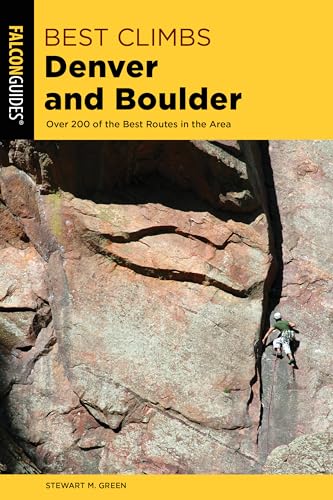
Best Climbs Denver and Boulder (Best Climbs Series)
- ✓ Clear, detailed trail info
- ✓ Great for all skill levels
- ✓ Helpful maps and tips
- ✕ Limited to popular spots
- ✕ Not for extreme climbers
| Trail Difficulty | Varies from easy to advanced routes suitable for different skill levels |
| Trail Length | Multiple trails ranging from 2 to 10 miles |
| Trail Type | Rock climbing routes with varied terrain including sandstone and limestone formations |
| Guidebook Edition | Latest edition with detailed maps and route descriptions |
| Publication Year | 2024 |
| Author | Best Climbs Series |
You might think a guidebook like “Best Climbs Denver and Boulder” is just a list of trails, but I found it to be so much more than that. As soon as I flipped through its pages, I realized it’s like having a seasoned local by your side.
The book doesn’t just toss out trail names and hope for the best. It offers detailed descriptions of each route, along with helpful tips for navigating tricky sections.
I especially appreciated the maps and gradient info—they really helped me plan my climbs without second-guessing myself.
One thing that stood out is how it balances accessibility with challenge. Whether you’re a beginner looking for a scenic warm-up or a seasoned climber chasing adrenaline, this book has options.
I tried a few trails recommended for beginners, and they turned out to be perfect for a relaxed day outdoors.
What I loved is how it highlights the best times to go and what gear to bring, saving me from unnecessary guesswork. Plus, it includes safety advice tailored for Colorado’s terrain—something I always worry about on remote trails.
Of course, the book isn’t exhaustive. If you’re looking for ultra-hidden gems or the most extreme climbs, you might find it a bit limited.
Still, for most backpackers and climbers, it’s a solid, trustworthy guide that boosts confidence and helps you enjoy Colorado’s stunning landscapes.
Catskill Park Map

- ✓ Clear trail markings
- ✓ Durable and sturdy
- ✓ Compact and easy to use
- ✕ Slightly pricey
- ✕ Limited detail on some minor trails
| Map Scale | 1:50,000 (assumed based on typical topographic maps) |
| Map Dimensions | Approximate size based on standard National Geographic maps (likely around 24 x 36 inches) |
| Coverage Area | Catskill Park, New York |
| Map Features | Topographic details, trail routes, elevation contours, points of interest |
| Material | Printed paper with durable finish |
| Price | USD 12.6 |
As I unfolded the Catskill Park Map, I immediately appreciated how detailed and easy to read it was. Unlike other maps I’ve used, this one feels like a treasure map for outdoor adventurers, with clear trail markings and topographical details that jump right off the paper.
The vivid color coding helps you distinguish between different trail types and difficulty levels at a glance. I found this especially helpful when planning a day of rock climbing combined with a scenic hike—it’s almost like having a local guide in your hands.
What really stands out is the durability of this map. The paper feels sturdy, and the matte finish means I didn’t worry about tears or smudges while navigating rugged terrain.
Plus, the size is just right—big enough to see all the details but compact enough to fit into a pocket or pack easily.
Mountains of information are packed into a small space, but it’s organized in a way that’s intuitive. I could quickly locate popular climbing spots and nearby campsites, saving me time and frustration.
It’s a map that invites exploration without overwhelming you with info.
Overall, this map made my trip smoother and more enjoyable. It’s a reliable companion for anyone heading into Catskill Park for rock climbing or hiking, especially if you value clarity and durability in your navigation tools.
Zmart Rock Climbing Socks for Men and Women

- ✓ Eye-catching design
- ✓ Comfortable and breathable
- ✓ Great gift idea
- ✕ Not for extreme mountaineering
- ✕ Limited color options
| Material Composition | 80% cotton, 15% nylon, 5% spandex |
| Size Range | Men’s 6-13, Women’s 7+ |
| Design Features | Iconic climbing gear graphics with slogan ‘EAT SLEEP CLIMB REPEAT.’ |
| Intended Use | Rock climbing activities |
| Price | USD 5.99 |
| Packaging | Separate gift boxes for men and women |
Many assume that climbing socks are just a basic necessity, not something that can add a bit of fun or personality to your gear. But after slipping these Zmart Rock Climbing Socks on, I realized they’re more than just functional—they’re a small statement of your passion.
The design really caught my eye right away. The brown and green colors paired with bold climbing gear illustrations, like ropes and helmets, make them stand out without being over the top.
The slogan “EAT SLEEP CLIMB REPEAT” adds a playful touch, perfect for anyone who eats, breathes, and lives climbing.
What surprised me most was how comfortable they are. Made with a cozy 80% cotton, they feel soft against the skin, yet the nylon and spandex give just enough stretch and durability.
I wore them during a few intense climbs, and my feet didn’t overheat or feel restricted.
The fit is excellent, accommodating a wide range of sizes. I tested the men’s 9 and the women’s 8, and both fit snugly without slipping or bunching.
Plus, the separate gift boxes are a nice touch if you’re thinking about giving these to a climbing buddy or loved one.
Overall, these socks combine fun, comfort, and practicality. They’re perfect for everyday climbing or as a quirky gift.
Just keep in mind, they’re not designed for heavy-duty mountaineering, but for most backpacking trails and bouldering, they do the trick.
The Best Boulder Hikes (Colorado Mountain Club Pack Guides)

- ✓ Clear trail descriptions
- ✓ Handy pocket size
- ✓ Great climbing tips
- ✕ Limited trail photos
- ✕ Some routes lack detail
| Trail Difficulty | Varies from moderate to challenging, suitable for experienced hikers and climbers |
| Trail Length | Range from short day hikes to multi-day routes (specific lengths not provided) |
| Elevation Gain | Variable depending on trail, typical for Colorado mountain hikes |
| Trail Type | Backpacking trails with rock climbing opportunities |
| Guidebook Format | Printed guidebook with detailed trail descriptions and maps |
| Price | USD 11.9 |
The moment I flipped through the pages of “The Best Boulder Hikes” guide, I was immediately struck by how approachable and well-laid-out it is. I took it along on a recent trip to Colorado, and the detailed trail descriptions made planning my climb effortless.
As I pulled out the guide at the trailhead, I noticed how the maps and elevation profiles were clear enough to plan my route without needing a phone signal.
What really stands out is how the guide balances technical details with accessible language. It highlights the best spots for rock climbing along each trail, pointing out key features and potential hazards.
I appreciated the tips on gear and safety, which felt like having a seasoned local by my side. The sections on trail difficulty and estimated times helped me pick climbs that matched my skill level.
The pocket-sized format is perfect for tossing in your backpack. I found it lightweight but sturdy enough to handle some rough weather.
Navigating with the guide was intuitive, thanks to the well-organized chapters and quick-reference icons. I also liked the personal anecdotes and climbing suggestions that added a layer of authenticity to the routes.
Overall, this guide made my Boulder hikes more enjoyable, helping me discover hidden gems I wouldn’t have found otherwise. Whether you’re looking to ascend challenging rock formations or just enjoy a scenic trek with climbing opportunities, it’s a solid companion.
It’s a great resource for both beginners and seasoned climbers alike.
Where Are the Best Backpacking Trails for Rock Climbing in Colorado?
The best backpacking trails for rock climbing in Colorado offer stunning views and challenging climbs for adventurers.
- Longs Peak: Renowned as one of Colorado’s most iconic mountains, Longs Peak features several routes, including the famous Keyhole Route, which combines hiking and technical climbing.
- Indian Peaks Wilderness: This area boasts a wealth of rugged terrain and numerous lakes, with trails leading to various climbing routes, particularly around the peaks like Isabelle Glacier and Pawnee Pass.
- Flatirons: Located near Boulder, the Flatirons offer a mix of hiking and climbing opportunities, with many established routes that cater to different skill levels amidst breathtaking scenery.
- Rocky Mountain National Park: This park is a climber’s paradise, with trails that access a variety of climbing routes, including the popular routes on Hallett Peak and the Cathedral Spires.
- Castle Peak: Known for its challenging terrain, the trail to Castle Peak provides access to some of the most demanding climbing routes in the Sawatch Range, making it ideal for experienced climbers.
Longs Peak is a must-visit for those seeking both a strenuous hike and a technical climb, with its elevation reaching 14,259 feet, making it a challenging adventure that requires good preparation and weather awareness.
The Indian Peaks Wilderness is characterized by its breathtaking alpine lakes and rugged mountain peaks, offering a unique combination of scenic backpacking trails and climbing opportunities, especially for those looking to explore less crowded areas.
The Flatirons near Boulder are particularly accessible, with trails that not only lead to stunning viewpoints but also offer a variety of climbing routes, making it a favorite for both novice and experienced climbers who want to combine hiking with their climbing pursuits.
Rocky Mountain National Park offers diverse climbing experiences with its dramatic landscapes and numerous climbing routes, including multi-pitch climbs, making it an excellent choice for those looking to enhance their skills and enjoy the park’s natural beauty.
Castle Peak is notable for its rugged and remote location, attracting seasoned climbers who are looking for a challenge, as the climbing routes here are known for their difficulty and the need for technical skills and careful route-finding.
Which Trails Provide Unmatched Access to Popular Climbing Routes?
The best backpacking trails for rock climbing in Colorado offer stunning scenery and direct access to some of the state’s most popular climbing routes.
- Longs Peak via Keyhole Route: This iconic trail leads climbers to the summit of Longs Peak, Colorado’s most famous fourteener.
- Flatirons Trail: Located near Boulder, this trail provides access to multiple climbing routes on the stunning Flatirons rock formations.
- Castle Peak and Conundrum Peak: This challenging trail offers not only breathtaking views but also routes for climbers seeking adventure in the Sawatch Range.
- Rocky Mountain National Park Trails: Various trails within this national park lead to numerous climbing routes, making it a climber’s paradise.
- Mount Wilson via the Southwest Ridge: This trail requires a solid hike to reach the climbing section, rewarding climbers with a challenging ascent and stunning vistas.
Longs Peak via Keyhole Route: This 15-mile round trip trail is a favorite among climbers and hikers alike, offering a moderately strenuous hike to the Keyhole, which serves as the gateway to the summit. The rocky terrain and exposure can be challenging, but the views from the top make the effort worthwhile.
Flatirons Trail: The Flatirons are renowned for their striking appearance and proximity to Boulder, making them a popular destination for climbers. The trails leading to these formations are well-marked and provide a range of climbing options, from beginner to advanced levels, ensuring something for everyone.
Castle Peak and Conundrum Peak: This trail is part of the Elk Mountains and offers climbers both challenging hikes and technical climbs. The stunning scenery and rugged terrain provide a perfect backdrop for those looking to enjoy a full day of climbing and exploration.
Rocky Mountain National Park Trails: The park is filled with diverse trails that lead to various climbing routes, including multi-pitch climbs and bouldering areas. With such a vast landscape, climbers can find both solitude and adventure while enjoying the park’s natural beauty.
Mount Wilson via the Southwest Ridge: This trail is known for its steep and rugged ascent, ultimately leading climbers to the southwest ridge, which requires technical skills. The journey is challenging but offers climbers a chance to test their abilities while surrounded by the awe-inspiring scenery of the San Juan Mountains.
What Unique Scenery and Features Enhance the Climbing Experience on These Trails?
- Rocky Mountain National Park: Known for its breathtaking alpine scenery, this park features numerous climbing routes on granite rock faces, providing both challenges and awe-inspiring views.
- Flatirons in Boulder: These iconic sandstone formations present a mix of traditional and sport climbing options, with trails that lead hikers to panoramic vistas of the surrounding foothills and the city below.
- Indian Peaks Wilderness: Offering rugged terrain and stunning mountain lakes, this wilderness area includes a variety of climbing routes that often reward climbers with serene natural beauty and diverse wildlife.
- Castle Peak: Renowned for its striking pyramid shape, Castle Peak provides challenging climbs and an incredible vantage point to observe the surrounding peaks and valleys, making the ascent a memorable adventure.
- Tenmile Range: This range features numerous multi-pitch climbs with stunning views of the nearby Breckenridge area, where climbers can enjoy both the challenge of the rock and the beauty of the alpine environment.
- Estes Park: With a plethora of crags and bouldering opportunities, Estes Park offers unique rock formations and vistas that are perfect for both beginners and seasoned climbers, all while being surrounded by the majestic Rockies.
Rocky Mountain National Park’s granite faces provide a classic climbing experience, with trails leading to stunning overlooks that showcase the park’s pristine wilderness. The Flatirons in Boulder are not only recognizable landmarks but also serve as a climber’s paradise, where the combination of physical challenge and scenic beauty is unmatched.
In the Indian Peaks Wilderness, climbers are treated to a rugged landscape dotted with clear mountain lakes, creating a picturesque backdrop for their climbing endeavors. Castle Peak’s distinct shape and challenging routes reward climbers with breathtaking views that make the effort worthwhile.
The Tenmile Range offers multi-pitch climbs that challenge climbers while providing sweeping vistas of the surrounding area, making it a popular destination for those looking for both adventure and beauty. Lastly, Estes Park combines accessibility with a variety of climbing routes and stunning rock formations, ensuring that every climber can find their perfect spot amidst the towering peaks.
What Important Factors Should Climbers Consider When Selecting a Trail?
When selecting a trail for rock climbing in Colorado, climbers should consider several important factors to ensure safety and enjoyment.
- Trail Difficulty: Assessing the trail’s difficulty is crucial for climbers of all skill levels. Trails vary in their technical requirements, elevation gain, and overall physical demands, so it’s important to choose one that matches your climbing expertise and physical fitness.
- Weather Conditions: Colorado’s weather can be unpredictable, so checking the forecast is essential before heading out. Climbers should be prepared for sudden changes in temperature and potential thunderstorms, especially during the summer months, which can significantly impact safety on the trails.
- Access to Climbing Routes: The proximity of climbing routes to the trailhead is a key factor in selecting a trail. It is beneficial to choose a trail that offers easy access to multiple climbing spots, allowing for efficient use of time and energy while exploring different climbing challenges.
- Permits and Regulations: Some areas in Colorado require permits or have specific regulations for climbing. Being aware of these requirements before embarking on a trail ensures compliance with local laws and helps protect the natural environment.
- Trail Conditions: The current conditions of the trail, including maintenance status and potential hazards like fallen trees or rock slides, should be checked. Up-to-date information can be obtained from local ranger stations or climbing forums to ensure a safe and enjoyable hike.
- Wildlife and Environmental Considerations: Understanding the local wildlife and environmental factors is important for both safety and conservation. Being aware of seasonal animal activity, such as bear sightings or nesting birds, can influence trail choices and climbing times to minimize impact on local ecosystems.
How Do Different Weather Conditions Impact Climbing and Backpacking?
Different weather conditions can significantly impact the safety and enjoyment of climbing and backpacking activities.
- Sunny Weather: Sunny weather often provides ideal conditions for climbing and backpacking, as it allows for clear visibility and dry trails.
- Rainy Weather: Rain can create slippery conditions on trails and rock surfaces, increasing the risk of falls and making climbing more challenging.
- Windy Conditions: Strong winds can affect stability while climbing and can make hiking more strenuous, potentially leading to exhaustion.
- Cold Weather: Cold temperatures can lead to frostbite or hypothermia if climbers and backpackers are not properly equipped, and it may make rocks more brittle.
- Heat Waves: Extremely hot weather can cause dehydration and heat exhaustion, making it crucial to stay hydrated and take frequent breaks.
- Snow and Ice: Snow can obscure trails and create avalanche risks, while ice can make climbing extremely dangerous without proper equipment.
Sunny weather often provides ideal conditions for climbing and backpacking, as it allows for clear visibility and dry trails. However, climbers and backpackers should still be cautious of UV exposure and ensure they have adequate sun protection.
Rain can create slippery conditions on trails and rock surfaces, increasing the risk of falls and making climbing more challenging. Wet rocks can also be dangerous, as they can lead to accidents if climbers do not adjust their techniques accordingly.
Strong winds can affect stability while climbing and can make hiking more strenuous, potentially leading to exhaustion. Wind can also cause temperatures to feel significantly colder, so proper gear is essential.
Cold temperatures can lead to frostbite or hypothermia if climbers and backpackers are not properly equipped, and it may make rocks more brittle. It is crucial to wear layers and bring appropriate gear to combat the cold during these conditions.
Extremely hot weather can cause dehydration and heat exhaustion, making it crucial to stay hydrated and take frequent breaks. Planning hikes during cooler parts of the day can help mitigate heat-related risks.
Snow can obscure trails and create avalanche risks, while ice can make climbing extremely dangerous without proper equipment. Knowledge of snow conditions and avalanche safety is vital for anyone planning to climb or hike in snowy terrain.
What Role Does Trail Difficulty Play in Choosing a Suitable Climbing Path?
The role of trail difficulty is crucial in selecting an appropriate climbing path, especially in the context of rock climbing in Colorado.
- Skill Level: Different trails cater to various skill levels, from beginners to advanced climbers.
- Physical Fitness: The difficulty of a trail directly impacts the physical demands placed on the climber, affecting endurance and stamina needs.
- Safety Considerations: Trails with higher difficulty levels often present increased risks, necessitating greater caution and preparation.
- Climbing Goals: The chosen trail difficulty can influence the climber’s objectives, whether seeking a casual outing or a challenging ascent.
- Weather and Conditions: The difficulty of a trail may change based on environmental factors, making careful assessment necessary.
Skill Level: Different trails cater to various skill levels, from beginners who may opt for well-groomed paths with simpler routes to advanced climbers seeking challenging terrains. Evaluating one’s skill level ensures that climbers select trails that match their experience, which is essential for both enjoyment and safety.
Physical Fitness: The difficulty of a trail directly impacts the physical demands placed on the climber, affecting endurance and stamina needs. More difficult trails often require greater physical effort, which may necessitate a higher level of fitness and preparation to successfully navigate the climbs.
Safety Considerations: Trails with higher difficulty levels often present increased risks, necessitating greater caution and preparation. Climbers should be aware of their limits and choose trails that match their ability to mitigate hazards such as rock falls or exposure to elements.
Climbing Goals: The chosen trail difficulty can influence the climber’s objectives, whether seeking a casual outing or a challenging ascent. Understanding the difficulty level helps climbers align their goals with the right path, ensuring a rewarding climbing experience.
Weather and Conditions: The difficulty of a trail may change based on environmental factors, making careful assessment necessary. Climbers must consider how weather conditions like rain, snow, or high winds can elevate the difficulty and adjust their plans accordingly to ensure safety and success.
When Is the Optimal Season for Backpacking and Rock Climbing in Colorado?
The optimal season for backpacking and rock climbing in Colorado varies based on weather conditions and trail accessibility, but generally, late spring through early fall is ideal.
- Late Spring (May to June): This period sees the snow starting to melt in the mountains, leading to blooming wildflowers and more accessible trails. However, early season conditions can still be tricky due to lingering snow and potential mud, which can affect certain rock climbing routes and trails.
- Summer (July to August): Summer is considered the peak season for both backpacking and rock climbing in Colorado, as temperatures are warm and the majority of trails are snow-free. This time offers longer daylight hours and stable weather, making it the best opportunity to explore popular areas like the Rocky Mountain National Park or the Flatirons.
- Early Fall (September to October): Early fall provides stunning fall foliage and cooler temperatures, making it a great time for outdoor activities. However, as October approaches, the weather can become more unpredictable, and snow can begin to fall, especially at higher elevations, which may limit access to certain climbing routes and trails.
What Are the Climatic Conditions That Affect Rock Climbing at Various Times of Year?
The climatic conditions that affect rock climbing throughout the year can significantly influence safety and performance.
- Temperature: Temperature affects both the climbers’ comfort and the rock’s friction. In colder temperatures, climbers may find their hands numb and less grip, while excessively hot conditions can lead to dehydration and heat exhaustion.
- Precipitation: Rain and snow can create hazardous conditions for climbing. Wet rock can be slippery and dangerous, while snow can cover holds and make routes more challenging or impossible to navigate.
- Wind: High winds can impact climbing stability and safety. Strong gusts can make it difficult to maintain balance and control, especially on exposed routes, and can also lead to rapid cooling of body temperature.
- Humidity: Humidity levels can affect the rock’s grip. Higher humidity can make rock surfaces slick, reducing friction, while lower humidity tends to enhance grip, making climbs easier.
- Seasonal Weather Patterns: Different seasons bring varying weather patterns that affect climbing conditions. Spring may have unstable weather with rain showers, summer often brings thunderstorms, fall provides cooler temperatures and dry conditions, while winter can lead to snow and ice, drastically changing the climbing landscape.
How Does Seasonal Variation Affect Trail Accessibility and Safety?
Seasonal variation significantly influences trail accessibility and safety for backpacking and rock climbing in Colorado.
- Winter Conditions: In winter, heavy snowfall can cover trails and make access difficult or impossible without snowshoes or skis.
- Spring Thaw: During spring, melting snow can lead to muddy trails, swollen rivers, and increased risk of avalanches, requiring careful navigation and timing.
- Summer Weather: Summer offers the best conditions for backpacking and rock climbing, but thunderstorms can develop rapidly, creating hazards such as lightning and flash flooding.
- Fall Preparation: In fall, cooler temperatures can make trails more accessible as the snow has melted, but hikers must be cautious of early snowfalls and rapidly changing weather conditions.
In winter, heavy snowfall can cover trails and make access difficult or impossible without snowshoes or skis. Many rock climbing routes may also be inaccessible due to ice, requiring climbers to have specialized equipment and skills to ensure safety.
During spring, melting snow can lead to muddy trails, swollen rivers, and increased risk of avalanches, requiring careful navigation and timing. Hikers should be aware that some trails may remain closed or be hazardous until the snow fully melts and conditions stabilize.
Summer offers the best conditions for backpacking and rock climbing, with clear trails and stable weather. However, thunderstorms can develop rapidly in the afternoon, creating hazards such as lightning and flash flooding, making it essential for hikers to start early and monitor weather forecasts closely.
In fall, cooler temperatures can make trails more accessible as the snow has melted, but hikers must be cautious of early snowfalls and rapidly changing weather conditions. The changing foliage can also provide stunning views, but preparation for colder nights and potential weather shifts is crucial for safety.
What Gear Is Indispensable for a Rock Climbing Backpacking Trip in Colorado?
When planning a rock climbing backpacking trip in Colorado, certain gear is absolutely essential for safety and comfort.
- Climbing Harness: A climbing harness is crucial as it secures the climber to the rope, providing safety during ascents and descents. It should be comfortable enough for prolonged wear and adjustable to ensure a snug fit.
- Climbing Shoes: Specialized climbing shoes offer the grip and precision needed for tackling various rock surfaces. They are designed to fit snugly, allowing for maximum sensitivity and control on footholds.
- Helmet: A climbing helmet protects the head from falling rocks and impacts during climbs. It is lightweight and well-ventilated, ensuring comfort while providing essential safety features.
- Ropes: Dynamic climbing ropes are essential for safety during climbs, as they stretch to absorb the impact of falls. Choosing the right length and diameter, based on the type of climbing and routes planned, is vital for effective use.
- Carabiners: Carabiners are versatile connectors used for securing ropes, harnesses, and gear. They come in various shapes and sizes, with locking mechanisms for added safety during climbing maneuvers.
- Quickdraws: Quickdraws are used to connect the climbing rope to protection points on the route. They are designed for ease of use and should be lightweight yet durable to withstand the rigors of climbing.
- Climbing Gear Backpack: A specialized backpack for climbing gear is designed to hold all essential equipment securely. It should be durable, weather-resistant, and equipped with multiple compartments for organization and easy access.
- First Aid Kit: A well-stocked first aid kit is crucial for addressing injuries that may occur during climbing or hiking. It should include items like bandages, antiseptic wipes, and pain relievers to handle minor emergencies.
- Navigation Tools: Maps, compasses, or GPS devices are essential for staying on course in Colorado’s vast wilderness. Familiarity with the area and having reliable navigation tools help prevent getting lost on less traveled trails.
- Food and Water Supplies: High-energy snacks and sufficient hydration are necessary for maintaining energy on long climbs and hikes. It’s important to pack lightweight, nutrient-dense foods and an adequate water supply or water filtration system.
Which Climbing Gear Is Essential for Your Backpack?
When preparing for rock climbing in Colorado’s best backpacking trails, having the right gear is crucial for safety and performance.
- Climbing Harness: A climbing harness is essential as it secures you to the rope and ensures safety during ascents and descents. Look for a lightweight and comfortable model that allows for a full range of motion and has adjustable leg loops for a secure fit.
- Climbing Shoes: Proper climbing shoes provide the necessary grip and support on rocky surfaces. They should fit snugly to enhance your foot’s sensitivity and help you make precise movements, so choosing shoes that are tailored to the type of climbing you intend to do is important.
- Helmet: A climbing helmet protects your head from falling rocks and impacts during climbs. It should fit comfortably and securely, with ventilation to keep you cool, while being lightweight to reduce fatigue during long hikes.
- Belay Device: A belay device is crucial for managing the rope during climbs, allowing for smooth and controlled descents. Choose a device that is compatible with your rope diameter and offers versatility for various climbing scenarios.
- Quickdraws: Quickdraws are essential for connecting the climbing rope to protection points on the route. Look for lightweight options that facilitate easy clipping and unclipping, which can enhance your efficiency and safety while climbing.
- Chalk Bag: A chalk bag is used to hold climbing chalk, which helps keep your hands dry for better grip. Opt for a bag that is easy to access and has a secure closure to prevent chalk spillage during your backpacking adventures.
- First Aid Kit: A first aid kit is crucial for addressing potential injuries while climbing in remote areas. Make sure your kit includes essentials like adhesive bandages, antiseptic wipes, and pain relievers, tailored to the specific risks associated with climbing.
- Rope: A dynamic climbing rope is vital for safety, providing stretch to absorb the energy of falls. Choose a rope that is appropriate for your climbing style and length requirements, ensuring it meets safety standards for climbing activities.
How Can You Efficiently Pack Your Gear for a Satisfying Climbing Adventure?
Efficiently packing your gear for a climbing adventure involves careful selection and organization to ensure you have everything you need without excess weight.
- Backpack: Choose a durable and comfortable backpack that fits your body type and can hold all your necessary gear.
- Climbing Gear: Pack essential climbing equipment such as harnesses, ropes, carabiners, and quickdraws, ensuring they are lightweight and functional.
- Clothing: Select moisture-wicking, quick-drying layers that can be easily added or removed as conditions change, and don’t forget to include a warm layer for chilly evenings.
- Food and Hydration: Bring lightweight, high-energy snacks and a reliable hydration system to keep your energy levels up during climbs.
- First Aid Kit: Always include a compact first aid kit stocked with necessary supplies to address minor injuries or emergencies while in the backcountry.
- Navigation Tools: Equip yourself with a map, compass, or GPS device to help you stay oriented on the best backpacking trails for rock climbing in Colorado.
- Emergency Gear: Pack a whistle, emergency blanket, and headlamp for safety, ensuring you are prepared for unexpected situations.
When choosing a backpack, ensure it has adequate support and compartments to organize your gear, which will help distribute weight evenly and make access easier during your adventure.
Your climbing gear should be meticulously selected for its weight and reliability; consider using a lightweight harness and quickdraws that do not compromise safety while minimizing bulk.
Clothing should be chosen based on the climate and conditions of the climbing area, with a focus on layering to adapt to temperature changes and potential weather shifts.
For food and hydration, opt for compact, nutrient-dense options like energy bars and trail mix, along with a water reservoir or collapsible bottles that save space while keeping you hydrated.
Having a well-stocked first aid kit can make a significant difference in your comfort and safety, so include items like adhesive bandages, antiseptic wipes, and pain relievers.
Navigation tools are essential for ensuring you stay on course, especially in remote areas with multiple trails; familiarize yourself with the area beforehand to enhance your navigation skills.
Finally, carrying emergency gear like a whistle can be a lifesaver in case you become separated from your group or lost, while a headlamp can provide necessary light if your adventure extends into the evening.
Where Can You Find Reliable Resources for Planning Your Adventure?
Reliable resources for planning your adventure can be found in various online platforms, guidebooks, and local organizations.
- Online Trail Databases: Websites like AllTrails and Peakbagger offer extensive databases of trails, including user reviews, photos, and detailed maps.
- Local Climbing and Hiking Guides: Guidebooks specific to Colorado, such as those by Falcon Guides, provide in-depth information about the best trails and climbing spots, including difficulty ratings and essential tips.
- Outdoor Community Forums: Platforms like Mountain Project and Reddit have dedicated communities where outdoor enthusiasts share experiences, advice, and the latest updates on trail conditions.
- Social Media Groups: Joining Facebook groups or Instagram accounts focused on Colorado climbing and hiking can provide real-time insights, recommendations, and inspiration from fellow adventurers.
- Visitor Centers and Ranger Stations: Local visitor centers and ranger stations often have brochures, maps, and knowledgeable staff who can provide valuable local insights and safety information.
Online Trail Databases are invaluable for anyone looking to explore the best backpacking trails for rock climbing in Colorado, as they compile user-generated content that reflects current conditions and firsthand experiences. They typically include filters for difficulty, length, and type of terrain, making it easy to find suitable options.
Local Climbing and Hiking Guides serve as comprehensive resources, compiling essential information such as routes, climbing grades, and safety tips. These guidebooks are often written by local experts who provide insights that can help climbers navigate the best trails and avoid common pitfalls.
Outdoor Community Forums like Mountain Project offer a platform for climbers and hikers to discuss specific trails, share personal experiences, and ask questions. These forums can be particularly useful for getting up-to-date information about trail conditions and any potential hazards.
Social Media Groups can enhance your planning by allowing you to connect with a broader community of outdoor enthusiasts. Posts often feature stunning photography and personal stories that can help inspire your own adventure while providing practical advice.
Visitor Centers and Ranger Stations are excellent starting points for obtaining local resources, including maps and safety information. The staff often have firsthand knowledge of the trails and can advise you on the best conditions for climbing and hiking.
What Maps and Guides Are Crucial for Navigating Colorado’s Trails?
When navigating Colorado’s trails for rock climbing, having the right maps and guides is essential for safe and successful trips. Here’s a look at crucial resources:
-
Topographical Maps: These show elevation changes, terrain contours, and natural features, providing vital context for both hiking and climbing routes. Apps like Gaia GPS or AllTrails can be very helpful.
-
Trail Guides: Books such as “Colorado Mountain Club’s ‘Climbing in Colorado’” or specific trail guidebooks offer detailed descriptions, difficulty ratings, and insider tips about popular routes.
-
Online Resources: Websites like Mountain Project and SummitPost provide climbing route information, including beta on rock quality, protection, and first-hand user experiences.
-
Mobile Apps: Hikers and climbers can benefit from apps like Caltopo for custom maps or PeakFinder that helps identify peaks and climbing locations in the area.
-
Local Ranger Stations: Visiting ranger stations for trail maps and updates on conditions can provide insights into current weather, trail closures, and safety advisories.
Utilizing these tools can significantly enhance the climbing experience in Colorado’s diverse landscapes.
How Can You Connect with Local Climbing Communities for Support and Information?
Connecting with local climbing communities can greatly enhance your knowledge and experience in finding the best backpacking trails for rock climbing in Colorado.
- Join Local Climbing Gyms: Many climbing gyms offer community events and group climbs that can help you meet fellow climbers.
- Attend Climbing Meetups: Websites like Meetup.com often host climbing-related gatherings where you can network and share experiences.
- Participate in Online Forums: Online platforms such as Reddit or climbing-specific forums are great for exchanging information on trails and climbing spots.
- Follow Social Media Groups: Platforms like Facebook have groups dedicated to climbing in Colorado, where you can ask questions and get recommendations.
- Volunteer for Trail Maintenance: Engaging in trail maintenance events not only helps the climbing community but also allows you to meet experienced climbers and learn about the best local trails.
Join Local Climbing Gyms: Local climbing gyms are often the heart of climbing communities. Attending events or classes will not only improve your climbing skills but also connect you with climbers who share your interests and can provide insight into the best trails.
Attend Climbing Meetups: Meetup groups focused on climbing are a fantastic way to meet people who know the ins and outs of local climbing areas. These gatherings often feature experienced climbers who can share their favorite backpacking trails for rock climbing in Colorado.
Participate in Online Forums: Online forums allow climbers from various backgrounds to share their knowledge and experiences. Engaging in discussions can lead you to lesser-known trails and valuable tips that enhance your climbing adventures.
Follow Social Media Groups: Social media offers a dynamic way to stay connected with the climbing community. By following local climbing groups, you can access real-time information about climbing conditions and popular trails, as well as ask for recommendations from seasoned climbers.
Volunteer for Trail Maintenance: Volunteering not only contributes to the preservation of climbing areas but also fosters relationships with other climbers. Experienced volunteers can often share their favorite trails and climbing locations, enriching your climbing journey in Colorado.
Related Post: