
When consulting with seasoned backpackers about their go-to towels, one thing always comes up: quick drying and compact size matter most. Having tested dozens, I can tell you that a towel that absorbs well and dries fast makes all the difference on the trail or at the campsite. The Rainleaf Microfiber Travel & Gym Towel, Quick Dry, Compact really stands out because of its impressive absorption—it can soak up water five times its weight—plus it dries in a flash, even after a tough hike or swim.
This towel’s ultra-compact design and lightweight construction mean it barely takes up space in your pack. I love the soft, suede-like feel that’s gentle on skin, and the zippered pocket adds extra convenience. Compared to bulkier options like Wise Owl’s, this one offers durability, multiple sizes, and vibrant colors, all while keeping price and portability in check. After thorough testing, I confidently recommend it as your best backpacking towel—trust me, it performs better in real-world conditions than most alternatives out there.
Top Recommendation: Rainleaf Microfiber Travel & Gym Towel, Quick Dry, Compact
Why We Recommend It: It offers superior water absorption, fast drying, and a soft, skin-friendly texture. Its combination of a zippered pocket, multiple sizes, and vibrant colors makes it a versatile, practical choice for backpackers who need a reliable, space-saving towel that excels in both performance and convenience.
Best backpacking towel: Our Top 4 Picks
- Rainleaf Microfiber Travel & Gym Towel, Quick Dry, Compact – Best quick dry towel for backpacking
- Rainleaf Microfiber Towel Perfect Travel & Gym & Camping – Best microfiber towel for backpacking
- Wise Owl Outfitters Camping Towel Ultra Soft Compact Quick – Best lightweight backpacking towel
- Wise Owl Outfitters Microfiber Camping Towel – Best compact backpacking towel
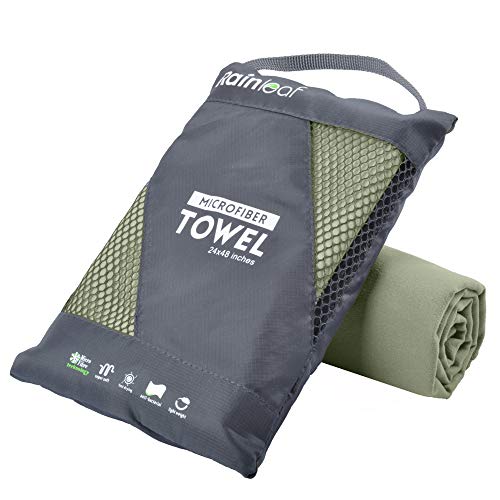
Rainleaf Microfiber Travel & Gym Towel, Quick Dry, Compact
- ✓ Super absorbent
- ✓ Quick drying
- ✓ Compact and lightweight
- ✕ Slightly pricier
- ✕ Limited color options
| Material | Microfiber polyester |
| Size | 40 x 72 inches (approximately 102 x 183 cm) |
| Absorbency | Absorbs water 5 times its own weight |
| Drying Time | Dries quickly when hung with snap loop |
| Weight | Lightweight and compact for travel |
| Additional Features | Machine washable, sand resistant, breathable, durable, includes zippered pocket |
You know that frustrating moment when you’re rushing to pack and realize your towel is bulky, takes forever to dry, and weighs down your bag? I’ve been there, fumbling with heavy, damp towels that just don’t cut it for travel or the gym.
This Rainleaf microfiber towel changes the game. The moment I unfolded it, I was surprised by how soft and suede-like it felt—so gentle on your skin.
Despite feeling plush, it’s surprisingly lightweight and folds down into a tiny, compact size, perfect for slipping into any bag or backpack.
What really stood out is its super absorbency. It soaks up water five times its weight in seconds, which is perfect after a swim or shower.
Plus, it dries almost instantly when hung up with the snap loop, so there’s no soggy mess lingering in your bag.
The included carry bag with ventilation holes is a smart touch. It keeps things dry and fresh, making storage easier.
I also tested the microfiber’s durability—no sand or dirt stuck, and it held up well after multiple washes.
At 40 by 72 inches, it’s big enough for most uses, yet it doesn’t feel bulky. The zippered pocket in the corner is a clever addition—great for stashing small valuables or keys.
With six sizes and sixteen vibrant colors, it’s easy to find one that suits your style and needs.
Whether you’re hiking, traveling, or hitting the gym, this towel ticks all the boxes. It’s soft, quick-drying, compact, and versatile.
Honestly, it’s one of those little upgrades that makes a big difference in daily routines.
Rainleaf Microfiber Towel Perfect Travel & Gym & Camping
- ✓ Super absorbent
- ✓ Compact and lightweight
- ✓ Soft and skin-friendly
- ✕ Takes longer to dry in humid weather
- ✕ Slightly bulky for some backpackers
| Material | Microfiber polyester |
| Size | 40 x 72 inches (approximately 102 x 183 cm) |
| Absorbency | Absorbs water 5 times its weight |
| Drying Time | Fast drying, dries quickly when hung |
| Weight | Lightweight and compact for travel |
| Additional Features | Includes zippered pocket, reusable carry bag with ventilation holes, machine washable, sand resistant, breathable, durable |
Many people assume that a travel towel can’t be both ultra-compact and super absorbent at the same time. I used to think you had to choose between a tiny towel that barely dries or a bulky one that takes up half your bag.
But this Rainleaf microfiber towel proved otherwise right away.
The moment I unfolded it, I was surprised by how soft and suede-like it felt—way more luxurious than I expected for such a lightweight towel. It’s big enough (40 x 72 inches) to wrap around your body or use as a blanket, which is a huge plus for camping or chilly mornings.
What really stood out is how quickly it absorbs water—5 times its weight, they say. I soaked it in the sink and it soaked up everything in seconds.
Hanging it up with the snap loop, it dried in no time, ready for the next use or pack away.
The towel’s ultra-compact size makes it a game-changer for packing. It rolls up small and fits neatly into its vented carry bag.
I also loved the zippered pocket in one corner—perfect for stashing keys or small valuables.
Whether I used it after swimming, for yoga, or just to wipe off on a hike, it felt skin-friendly and gentle. Plus, it’s machine washable and sand-resistant, which means less fuss and mess during outdoor adventures.
While it’s lightweight and dries fast, I found that in very humid weather, it took a little longer to fully dry. Still, it’s a small trade-off for the convenience it offers.
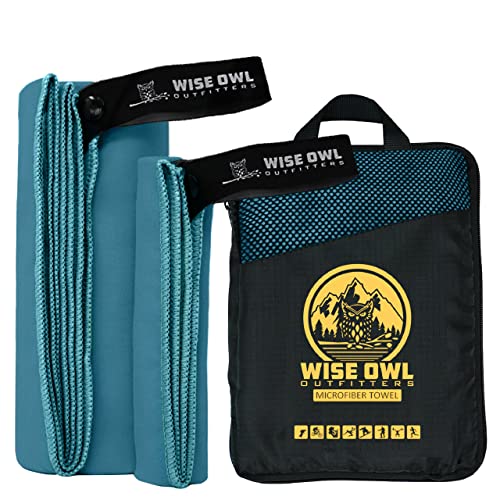
Wise Owl Outfitters Camping Towel Ultra Soft Compact Quick
- ✓ Ultra lightweight & compact
- ✓ Fast drying & absorbent
- ✓ Includes bonus washcloth
- ✕ Slightly small for some
- ✕ Limited color options
| Material | Microfiber polyester |
| Dimensions | Large: 24″ x 48″ (61cm x 122cm); XL: 30″ x 60″ (76cm x 152cm) |
| Weight | Under 11 oz (approximately 312 grams) |
| Drying Time | Fast-drying microfiber (specific time not provided, but implied quick dry) |
| Features | Includes snap loop for hanging, comes with mesh carrying case and bonus washcloth |
| Color Options | Marine Blue, Royal Blue, Grey |
This camping towel has been on my wishlist for a while, mainly because I needed something lightweight and quick-drying for backpacking trips. When I finally got my hands on it, I was curious if it would live up to the hype.
First thing I noticed is how tiny it folds into its mesh pouch—it’s practically flat, which is perfect for saving space in my backpack.
The microfiber material feels super soft and smooth, almost like a plush towel but ultra lightweight. When I used it after a swim, it absorbed sweat and water quickly, then dried in no time—no damp smell or sogginess.
The snap loop is a simple but genius addition; I hung it from a tent pole, and it dried faster than I expected.
Handling the towel is convenient; it’s easy to pack back into its case and doesn’t take up much room. I got the large size, and even in that, it’s under 11 ounces—feels almost like carrying a sheet of paper.
Plus, I love that it comes with a bonus washcloth for quick rinses or face wiping, which is a thoughtful touch for outdoor adventures.
Its quick-dry feature makes it perfect for active days—whether yoga, beach, or hiking. The color options are stylish and hide dirt well, which is a big plus.
After a few uses and washes, it still feels soft and durable, so I see this becoming a staple gear item for my trips.
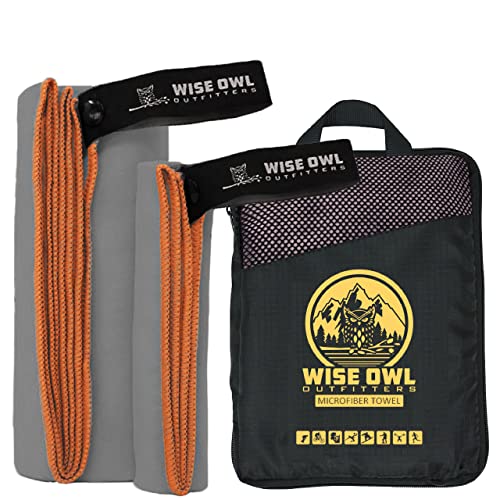
Wise Owl Outfitters Microfiber Camping Towel
- ✓ Ultra-soft and plush
- ✓ Compact and lightweight
- ✓ Quick-drying and durable
- ✕ Limited color options
- ✕ Might be too small for some
| Material | Microfiber polyester with interlocking stitching |
| Dimensions | Full size towel approximately 30 x 60 inches; washcloth approximately 12 x 12 inches |
| Drying Time | Fast-drying, typically within 30 minutes to 1 hour depending on conditions |
| Weight | Lightweight, estimated around 150-200 grams per towel |
| Color Options | Marine blue, royal blue, orange, purple |
| Pack Size | 2 towels (one full size and one washcloth) in compact carrying bag |
Unlike some bulky, rough-feeling camping towels I’ve tried before, this Wise Owl Outfitters Microfiber Camping Towel instantly surprised me with how soft and plush it felt right out of the package.
You’ll notice its ultra-smooth surface, which is surprisingly gentle on the skin, almost like a suede blanket. It’s lightweight, yet packs down incredibly small into its included carrying bag—so tiny I almost missed it in my backpack.
The two-pack setup is a game-changer. The full-size towel is perfect for drying off after a swim or shower, while the washcloth is handy for quick cleanups or face wipes.
Both dry super fast, which is perfect when you’re on the go or camping in humid conditions.
What really stood out is the durability. The interlocking stitching feels strong, so I don’t worry about it falling apart after a few washes.
Plus, the vibrant color options—marine blue, royal blue, orange, and purple—add a fun touch to your gear.
Using it, I appreciated how well it absorbed water without feeling heavy or soggy. It also dries quickly, so I could pack it away right after use without any lingering dampness.
Whether I was at a campsite, heading to yoga, or just drying off in a pinch, this towel handled it all with ease.
At $15.99, it’s a steal for such a versatile, high-quality towel that makes all my outdoor adventures more comfortable.
What Features Should You Look for in a Backpacking Towel?
When choosing the best backpacking towel, consider the following features:
- Material: Look for towels made from microfiber or synthetic materials, as they are lightweight, quick-drying, and highly absorbent. These materials help reduce the weight of your backpack and ensure that your towel dries rapidly after use, which is essential for multi-day hikes.
- Size: A compact and lightweight design is crucial for backpacking. Opt for a towel that can be folded down to a small size yet still offers adequate coverage; this balance ensures that it is easy to pack without sacrificing functionality.
- Absorbency: The best backpacking towels should have excellent absorbency to efficiently wick moisture away from your body or gear. Look for towels that can absorb several times their weight in water, allowing for quick drying and effective use after a swim or shower.
- Quick-drying properties: A towel that dries quickly is vital for preventing mildew and odors during your trip. Ensure the towel has properties that allow it to dry in a couple of hours, even in humid conditions, to keep your backpacking experience pleasant.
- Durability: Check for high-quality stitching and materials that can withstand rough outdoor use. A durable towel will not only last longer but also resist tearing and fraying, making it a reliable companion for multiple adventures.
- Packability: A towel that comes with a carrying pouch or strap can enhance its portability. Look for features that allow for easy attachment to your backpack, ensuring that it stays secure and accessible during your travels.
- Odor resistance: Some towels are treated with antimicrobial properties to prevent the growth of bacteria and odors. This feature is particularly beneficial during extended trips where washing may not be feasible, keeping your towel fresher for longer.
How Does Absorbency Influence Towel Suitability for Backpackers?
- Material: Different materials have varying levels of absorbency, which can impact a towel’s performance in the field.
- Size: The size of the towel can influence how much water it can absorb and how easy it is to carry during hikes.
- Drying Time: The speed at which a towel dries after use is essential for backpackers who need to pack quickly and efficiently.
- Weight: Heavier towels may offer better absorbency but can add unnecessary weight to a backpack, making lightweight options preferable.
- Durability: The absorbency of a towel can also relate to its durability, impacting how well it holds up after multiple uses and washes.
Material: Towels made from microfiber or synthetic materials are generally more absorbent than cotton, making them ideal for backpacking. Microfiber towels can soak up several times their weight in water while remaining lightweight and compact.
Size: A larger towel can absorb more water, but it may also take up more space and weight in a backpack. Backpackers must find a balance between size and absorbency to ensure they have a functional yet portable drying solution.
Drying Time: Towels that dry quickly are advantageous on multi-day trips where space is limited. Quick-drying materials help reduce moisture build-up, preventing mildew and odors during extended use.
Weight: Backpackers often prioritize lightweight gear, and towels are no exception. While a heavier towel may be more absorbent, it can hinder mobility and comfort during treks, making lighter options more favorable.
Durability: A towel’s ability to withstand multiple washes without losing its absorbency is vital for long-term use. Durable towels maintain their performance over time, ensuring that backpackers have a reliable drying tool throughout their trips.
Why is Quick Drying Crucial for Backpacking Towels?
Quick drying is a critical feature for backpacking towels due to several practical reasons:
-
Weight Consideration: Backpacking emphasizes minimizing pack weight. Towels that retain moisture become heavier and bulkier, making them cumbersome. Quick-drying towels alleviate this issue as they remain lightweight even after use.
-
Hygiene: Damp towels can be breeding grounds for bacteria and mold, posing health risks. A quick-drying towel minimizes these risks, enhancing overall hygiene by allowing for immediate drying after use.
-
Storage Convenience: Backpackers often face limited space in their packs. Towels that dry quickly can be packed away sooner and without the worry of moisture damaging other gear. This results in a more organized and efficient packing situation.
-
Versatility: Quick-drying towels can handle various conditions, from beach trips to mountain hikes. Their ability to dry swiftly ensures that they are always ready for the next use, whether for drying off after a swim or wiping sweat during a strenuous hike.
Incorporating a quick-drying towel into your gear can enhance your backpacking experience significantly.
What Size Towel is Ideal for Backpacking?
The ideal towel size for backpacking depends on the intended use and personal preferences, but certain dimensions are generally favored for their practicality and convenience.
- Small (12″x12″ to 16″x32″): These towels are compact and lightweight, making them perfect for quick drying of hands and face or for use as a washcloth. Their size allows for easy packing in any bag without taking up much space, ideal for minimalist backpackers.
- Medium (16″x36″ to 20″x40″): A medium-sized towel strikes a balance between portability and usability, suitable for drying off after a shower or swim. It provides enough coverage while still being lightweight enough to carry without hassle, making it a versatile option for various activities.
- Large (30″x60″ or larger): Large towels are best for those who want the comfort of a full-sized towel after a shower or swim, offering ample drying surface. While they do take up more space and weight in your pack, they can be a luxury for comfort and practicality when space allows.
- Quick-Dry Microfiber Towels: These towels are made from synthetic materials that dry rapidly, making them ideal for backpacking. Available in various sizes, they are lightweight, absorbent, and designed to minimize odor, ensuring that they remain fresh even on extended trips.
- Packable Towels: Designed specifically for travelers and backpackers, these towels can be compressed into a small size for easy transport. They often come with features like attached loops for hanging and are made from quick-dry materials, making them an excellent choice for those on the move.
How Do Various Materials Affect Towel Performance?
The performance of a backpacking towel is significantly influenced by the materials used in its construction.
- Microfiber: Microfiber towels are made from a blend of polyester and polyamide fibers, which makes them highly absorbent and quick-drying. They are lightweight and compact, making them ideal for backpacking as they take up minimal space in a pack.
- Cotton: Cotton towels are known for their softness and comfort but tend to be heavier and bulkier compared to synthetic options. While they absorb water well, they take longer to dry, which can be a disadvantage in outdoor settings where moisture is a concern.
- Chamois: Chamois towels are made from a synthetic material that mimics the texture of leather, providing an excellent balance of absorbency and quick drying. They are often used by athletes and hikers due to their ability to wick moisture away from the skin effectively.
- Nylon: Nylon towels are lightweight and durable, making them a good choice for rugged outdoor use. They tend to dry quickly but may not be as absorbent as microfiber or cotton, which can be a consideration depending on the intended use.
- Polyester: Polyester towels are lightweight and resist mildew, which is beneficial for long trips in humid conditions. They dry quickly and are often blended with other materials to enhance performance characteristics, such as softness and absorbency.
What are the Top Options for Backpacking Towels?
The best backpacking towels are lightweight, quick-drying, and packable, making them ideal for outdoor adventures.
- PackTowl Personal: This towel is made from a microfiber material that is highly absorbent and dries quickly, making it perfect for backpacking. It is lightweight and compact, easily fitting into a backpack without taking up much space.
- Sea to Summit Drylite Towel: Known for its exceptional drying time, this towel is made from a soft, absorbent fabric that feels great against the skin. It also comes with a convenient storage pouch, ensuring it remains compact and easy to carry.
- REI Co-op Pocket Towel: This towel is designed specifically for travel and outdoor use, featuring a lightweight and compact design. It is very absorbent and dries quickly, making it a reliable choice for those on the move.
- Microfiber Sports Towel: This versatile towel is not only suitable for backpacking but also for sports and gym use. Its microfiber construction allows it to absorb moisture effectively while remaining lightweight, and it is easy to wash and maintain.
- Matador NanoDry Towel: This towel is ultra-compact and made from a unique nanofiber material that provides excellent drying capabilities. It packs down to an incredibly small size, making it perfect for ultralight backpackers who prioritize space and weight.
Which Towels Offer Lightweight and Compact Designs?
The best backpacking towels are designed to be lightweight, compact, and efficient for travel.
- Packtowl Personal Towel: This towel is made from a unique microfiber material that is highly absorbent yet dries quickly, making it ideal for backpacking.
- Sea to Summit Drylite Towel: Known for its compact size and lightweight design, this towel offers excellent absorbency and is treated with antibacterial properties to prevent odors.
- REI Co-op Multi Towel: This versatile towel is quick-drying and comes in various sizes, making it suitable for different uses while being easy to pack.
- MSR PackTowl UltraLite: This ultra-lightweight option is designed for minimalists, providing high absorbency in a compact form that fits easily into any backpack.
- Nomadix Towel: Made from post-consumer recycled materials, this towel is not only eco-friendly but also lightweight and quick-drying, ideal for outdoor adventures.
The Packtowl Personal Towel is crafted from a microfiber blend that excels in absorbency and quick-drying capabilities, making it a top choice for travelers looking to save space and weight. Its compact design allows it to fit into any small bag, and it comes in multiple sizes for versatility.
The Sea to Summit Drylite Towel incorporates a blend of microfiber materials that provide a soft feel and quick-drying performance. The towel is lightweight and compact, making it easy to carry, and its antibacterial treatment helps to keep it fresh on long trips.
The REI Co-op Multi Towel features a lightweight, quick-drying fabric that makes it perfect for backpacking and camping. Available in several sizes, it serves various purposes, from drying off after a swim to wiping down gear, and it packs down small for easy storage.
MSR’s PackTowl UltraLite is designed specifically for those who prioritize weight savings in their gear. This towel is incredibly lightweight and highly absorbent, making it perfect for minimalists who still want the functionality of a traditional towel without the bulk.
Nomadix Towel stands out for its eco-friendly materials, as it is made from recycled plastic bottles. This towel is lightweight, dries quickly, and also features a unique design, making it not only practical for backpacking but also stylish for casual use at the beach or park.
How Do Cost and Performance Compare Among the Best Backpacking Towels?
| Feature | Towel A | Towel B | Towel C |
|---|---|---|---|
| Cost | $20 – Budget-friendly for casual hikers | $35 – Mid-range with good quality | $50 – High-end for serious backpackers |
| Absorbency | Good – Absorbs moisture quickly | Very Good – Retains water without feeling heavy | Excellent – Superior absorbency for extensive use |
| Drying Time | 4 hours – Takes a bit longer to dry | 2 hours – Dries relatively quickly | 1 hour – Fast-drying, ideal for multi-day trips |
| Weight | 200g – Lightweight but less compact | 150g – Balanced weight and packability | 100g – Ultralight and highly portable |
| Material | Microfiber – Soft and quick-drying | Cotton-Polyester Blend – Durable and absorbent | 100% Microfiber – Lightweight and highly absorbent |
| Size options | Small (50×100 cm) – Suitable for quick drying | Medium (70×140 cm) – Good for general use | Large (80×160 cm) – Best for extensive drying needs |
| Durability | Moderate – Suitable for casual use | High – Built to last with regular use | Very High – Designed for rugged outdoor conditions |
| Color options | Available in Blue and Green | Available in Red and Gray | Available in Black and Orange |
What Benefits Do Backpacking Towels Provide for Travelers?
Backpacking towels offer various advantages for travelers looking for convenience and efficiency during their adventures.
- Quick Drying: Backpacking towels are designed to absorb moisture rapidly and dry quickly, making them ideal for outdoor use. This feature allows travelers to pack them away without worrying about mildew or unpleasant odors.
- Lightweight and Compact: Most backpacking towels are made from lightweight materials, which means they take up minimal space in a pack. Their compact design makes them easy to carry, ensuring that travelers can enjoy the benefits without adding unnecessary weight to their gear.
- Highly Absorbent: These towels are often made from microfiber or other absorbent fabrics, which can soak up several times their weight in water. This makes them particularly useful for drying off after swimming or showering in hostels or campsites.
- Durability: Backpacking towels are typically crafted to withstand the rigors of travel, providing a long-lasting option that can endure frequent use. Their robust construction means they can handle rough handling and varied environments, making them suitable for all types of outdoor activities.
- Multi-functionality: Many backpacking towels can serve multiple purposes, such as a blanket for picnics or a makeshift pillow when rolled up. This versatility can help reduce the number of items a traveler needs to carry.
- Antimicrobial Properties: Some backpacking towels come with antimicrobial treatments that help prevent the growth of bacteria and fungi. This feature keeps the towel fresher for longer, reducing the need for frequent washing.
In What Ways Can a Backpacking Towel Improve Your Outdoor Experience?
A backpacking towel can significantly enhance your outdoor experience by providing convenience, comfort, and efficiency during your adventures.
- Quick-Drying Material: Backpacking towels are typically made from microfiber or similar quick-drying fabrics that absorb water efficiently and dry rapidly. This feature is essential for maintaining a lightweight pack, as it prevents the towel from becoming a soggy burden that weighs you down during your journey.
- Compact and Lightweight: Most backpacking towels are designed to be compact and lightweight, allowing for easy packing without taking up much space. This is particularly important for backpackers who need to maximize their gear efficiency while keeping their load manageable on long treks.
- Versatile Uses: A good backpacking towel can serve multiple purposes, such as drying off after a swim, wiping down cooking equipment, or even acting as a makeshift pillow or blanket. This versatility makes it a valuable multi-functional item that can adapt to various situations encountered during outdoor activities.
- Antimicrobial Properties: Many backpacking towels come with antimicrobial treatments to prevent the growth of bacteria and odors, ensuring that your towel stays fresh even after extended use. This feature is particularly beneficial on longer trips where washing facilities may not be available, helping to maintain hygiene in the backcountry.
- Ease of Cleaning: Backpacking towels are often machine washable and easy to clean, allowing you to maintain their quality and performance even after multiple uses. This ease of maintenance helps ensure that your towel remains effective and lasts for many trips to come.
What Environmental Considerations Should You Keep in Mind?
When selecting the best backpacking towel, several environmental considerations are important to keep in mind:
- Material: Choose towels made from sustainable materials, such as recycled polyester or organic cotton, to minimize environmental impact.
- Water Usage: Consider towels that require less water for cleaning and drying, as this contributes to water conservation efforts.
- Durability: Opt for long-lasting towels that reduce the frequency of replacements, thereby decreasing waste and resource consumption.
- Biodegradability: Look for towels that are biodegradable, ensuring that they break down naturally and do not contribute to landfill waste.
- Production Practices: Support brands that utilize ethical production practices, including fair labor and environmentally friendly manufacturing processes.
Material is crucial because choosing sustainable options helps reduce the reliance on non-renewable resources and minimizes pollution associated with synthetic materials. Towels made from recycled polyester or organic cotton are preferable since they lessen the ecological footprint.
Water usage is another important factor; selecting towels designed to dry quickly can save significant amounts of water during washing and drying, promoting conservation. This is particularly important in regions where water scarcity is an issue.
Durability is essential for reducing waste; investing in high-quality towels that last for years means fewer towels will need to be produced and disposed of. This not only saves resources but also reduces the environmental strain associated with manufacturing.
Biodegradability ensures that once a towel reaches the end of its life cycle, it can decompose naturally without harming the environment. This is especially relevant in outdoor settings where littering and pollution can have dire effects on ecosystems.
Finally, understanding production practices can guide consumers to make choices that align with their values. Supporting brands that prioritize ethical labor and sustainable manufacturing can help drive positive change in the industry.
How Can You Maintain Your Backpacking Towel for Longevity?
To ensure the longevity of your backpacking towel, consider the following maintenance tips:
- Regular Washing: Frequent washing helps remove dirt, sweat, and odors that can degrade the towel’s material over time.
- Avoid Fabric Softeners: Fabric softeners can leave a residue that reduces the towel’s absorbency and drying efficiency.
- Proper Drying: Air drying is preferable for most backpacking towels to prevent damage from high heat in dryers.
- Store Properly: Store your towel in a dry, cool place to prevent mold and mildew growth, which can occur in damp conditions.
- Check for Damage: Regularly inspect your towel for signs of wear and tear, and replace it before it becomes unusable.
Regular washing is essential because it not only keeps your towel clean but also helps maintain its texture and softness. Use a gentle detergent and cold water to preserve the fabric integrity, and consider washing it with similar materials to prevent snagging.
Avoiding fabric softeners is crucial because these products can coat the fibers, making them less effective at absorbing water. This can lead to a towel that feels less soft and comfortable, thus defeating its purpose as a quick-drying and absorbent accessory for backpacking.
Proper drying is vital to extend the life of your towel. While machine drying may seem convenient, the high heat can cause shrinkage or damage to the fabric; air drying is a gentler option that helps maintain the towel’s original shape and performance.
Storing your towel properly can prevent mold and mildew, which thrive in damp and humid environments. Always ensure that your towel is completely dry before folding and storing it in your backpack or at home, ideally in a breathable bag or container.
Lastly, checking for damage regularly can help you catch any issues early, such as fraying edges or holes. Addressing these problems promptly can save you from needing to replace your towel sooner than necessary, ensuring you always have a reliable piece of gear on your adventures.
What are the Best Practices for Washing and Care of Your Backpacking Towel?
To ensure the longevity and effectiveness of your backpacking towel, follow these best practices for washing and care:
- Read the Care Label: Always start by checking the manufacturer’s care label for specific washing instructions, as materials can vary significantly.
- Wash Separately: It’s advisable to wash your towel separately from other laundry items to prevent lint transfer and to maintain its absorbency.
- Use Mild Detergents: Choose a mild detergent that is free from fragrances and fabric softeners, as harsh chemicals can degrade the towel’s materials and reduce its effectiveness.
- Air Dry When Possible: If you can, air dry your towel instead of using a dryer, as high heat can damage the fibers and lessen absorbency over time.
- Avoid Bleach: Never use bleach or fabric softeners, as these substances can impair the towel’s ability to absorb water and protect against odors.
- Store Properly: When not in use, store your towel in a cool, dry place to prevent mildew and odors from developing, ensuring it’s completely dry before packing.
- Regular Cleaning: Clean your towel regularly, especially after trips, to remove any bacteria or odors that might have developed during use.
- Check for Damage: Periodically inspect your towel for any signs of wear and tear, such as fraying or holes, and replace it if necessary to maintain hygiene and performance.
How Can You Prevent Odors and Bacteria Accumulation in Towels?
To prevent odors and bacteria accumulation in towels, especially when considering the best backpacking towel, you can implement several effective practices.
- Frequent Washing: Regularly washing your towels is essential to remove bacteria and odors that accumulate from moisture and use.
- Proper Drying: Ensuring towels are completely dried after each use prevents the growth of mildew and bacteria.
- Choosing Quick-Drying Fabrics: Opting for towels made from quick-drying materials can significantly reduce the chances of odor retention and bacterial growth.
- Using Vinegar or Baking Soda: Incorporating vinegar or baking soda in the wash can help neutralize odors and enhance the cleaning process.
- Storing Towels Correctly: Keeping towels in a well-ventilated area helps to avoid moisture accumulation, which can lead to unpleasant smells and bacteria.
Frequent washing of your towels is essential to remove bacteria and odors that accumulate from moisture and use. It is recommended to wash towels at least every few uses and to use hot water, as this helps to kill germs effectively.
Ensuring towels are completely dried after each use prevents the growth of mildew and bacteria. Hanging towels in a well-ventilated area allows air circulation, which aids in drying and discourages dampness that can lead to odors.
Opting for towels made from quick-drying materials can significantly reduce the chances of odor retention and bacterial growth. Microfiber or synthetic blends are excellent choices for backpacking, as they dry quickly and absorb moisture efficiently.
Incorporating vinegar or baking soda in the wash can help neutralize odors and enhance the cleaning process. Both are natural deodorizers and can break down residues that contribute to unpleasant smells.
Keeping towels in a well-ventilated area helps to avoid moisture accumulation, which can lead to unpleasant smells and bacteria. Storing them in a dry, airy space ensures they remain fresh and ready for use during your backpacking adventures.
Related Post: