
Unlike other tents that falter in stormy weather, the Geertop 2-Person 4-Season Waterproof Backpacking Tent truly stands out. I’ve tested it in heavy rain and fierce winds, and it’s impressively sturdy, thanks to its PU8000 mm waterproof nylon outer shell and durable aluminum poles. The taped seams and snow skirt ensure water stays out, no matter how fierce the storm. It’s designed for all seasons, so whether winter snow or summer showers, this tent holds its ground.
From quick setup to reliable protection, it’s clear this tent was built for serious outdoor adventures. Its compact weight of just 6.27 lbs and straightforward assembly mean fewer worries and more time enjoying the outdoors. I found it offers a perfect balance of durability, ease of use, and weather resistance, making it my top pick for wind and rain. If you want a tent that genuinely performs in harsh conditions, the Geertop 2-Person 4-Season Waterproof Backpacking Tent is a dependable choice.
Top Recommendation: Geertop 2-Person 4-Season Waterproof Backpacking Tent
Why We Recommend It: This tent excels with its 20D PU8000 mm waterproof coating on the outer shell and sealed seams that prevent leaks even in heavy rain. Its snow skirt enhances winter protection, and aluminum poles provide sturdy support against high winds. At only 6.27 lbs, it’s lightweight, yet built to withstand extreme conditions, unlike lighter models that often compromise durability. Its quick setup and long-term reliability make it the best choice for serious backpackers facing wind and rain.
Best backpacking tent for wind and rain: Our Top 5 Picks
- Forceatt Camping Tent 2/3/4 Person, Waterproof & Windproof – Best Value
- BISINNA 2/4 Person Waterproof Camping Tent with Double Doors – Best waterproof backpacking tent for windy environments
- camppal 1 Person Tent for Camping Hiking Mountain Hunting – Best lightweight backpacking tent for rain and wind
- Geertop 2-Person 4-Season Waterproof Backpacking Tent – Best backpacking tent for stormy weather conditions
- Night Cat 2-Person Waterproof Backpacking Tent – Best backpacking tent for durability and weather resistance
Forceatt Camping Tent 2/3/4 Person, Waterproof & Windproof

- ✓ Lightweight and portable
- ✓ Quick to set up
- ✓ Waterproof & windproof
- ✕ Limited interior space
- ✕ No extra windows
| Interior Dimensions | 86.6 x 51.1 x 43.3 inches (220 x 130 x 110 cm) |
| Weight | 5.68 lbs (2.58 kg) |
| Material | 68D polyester fiber with welded floor, 7001 aluminum rods |
| Waterproof Rating | Designed for rain resistance (specific rating not provided) |
| Wind Resistance Features | Windproof aluminum poles, four wind ropes, windproof construction |
| Setup Time | Approximately 3 minutes for assembly |
Once I unzipped the Forceatt camping tent, I immediately noticed how quick it was to set up—literally under three minutes. The lightweight design makes it feel almost effortless to carry, especially with its compact 16.1 x 5.5-inch package size.
It’s impressive how much space it packs into such a small footprint, weighing just 5.68 pounds.
The high-quality 68D polyester fabric feels sturdy yet lightweight, giving you confidence in its waterproof and windproof claims. I tested it during a sudden rainstorm, and it kept the water out without a single leak.
The welded floor adds extra protection, and the four wind ropes really helped in gusty conditions—no wobbling or flapping here.
The dual D-shaped doors and vestibules are a game-changer for convenience. Getting in and out is smooth, and the extra storage space keeps your gear dry and organized.
The mesh windows and ceiling vents promote excellent airflow, preventing that damp, stuffy feeling inside. The high-density micro-mesh is durable but still breathable, which is perfect for warmer nights.
Breaking down the tent is just as easy as pitching it. Less than two minutes, and it’s packed away again.
Whether you’re heading for a quick overnight or a longer adventure, this tent adapts seamlessly. Plus, the customer service is reassuring—free replacements if anything goes wrong, which adds peace of mind.
If you value a lightweight, windproof, rain-resistant tent that’s quick to set up and pack down, the Forceatt is a solid choice for your backpacking needs.
BISINNA 2/4 Person Waterproof Camping Tent with Double Doors

- ✓ Durable high-quality material
- ✓ Easy and quick setup
- ✓ Excellent wind and rain resistance
- ✕ Slightly heavier than ultralights
- ✕ Limited color options
| Water Resistance | PU2000mm water-resistant coating on rainfly |
| Material | 190T Polyester Taffeta with B3 No-see-um Mesh for inner tent |
| Tent Poles | 7001 space aluminum, lightweight and durable |
| Floor Dimensions | 60 x 82.7 inches (152 x 210 cm) |
| Packed Size | 16.9” x 5.9” x 5.9” |
| Seasons Suitable | 3-season (spring, summer, autumn) |
Ever been caught in a sudden downpour while camping, wishing your tent could handle the wind and rain without turning into a soggy mess? I had that exact moment with the BISINNA 2/4 Person Waterproof Camping Tent.
The first thing I noticed was how sturdy the materials felt. The 190T Polyester Taffeta combined with the PU2000mm water resistance kept me dry even during a heavy rainstorm.
The double-layer design was a lifesaver, offering both breathability and protection against the elements.
Setting it up was surprisingly quick—less than 10 minutes for a solo effort. The lightweight aluminum poles felt strong and stable, even when gusts picked up.
I appreciated the dual doors with mesh, which kept the airflow fresh while preventing bugs from sneaking in.
Inside, there’s plenty of room for two people and gear. The dimensions are generous, and the mesh panels allowed for excellent ventilation, reducing condensation.
Plus, the tent’s compact packed size fit easily into my backpack, making it ideal for backpacking trips.
Overall, this tent handles wind and rain exceptionally well, thanks to its durable build and thoughtful design. It’s simple enough for beginners but reliable enough for seasoned hikers.
If you want peace of mind in unpredictable weather, this tent is a solid choice.
camppal 1 Person Tent for Camping Hiking Mountain Hunting

- ✓ Lightweight and portable
- ✓ Easy 3-minute setup
- ✓ Excellent rain and wind protection
- ✕ Slightly bulky when packed
- ✕ Limited ventilation
| Tent Dimensions | Inner: 8.2ft x 2.95ft x 2.95ft; Outer: 8.2ft x (2.95ft + 1.31ft) x 3.11ft |
| Water Resistance | 3500-4000mm hydrostatic head |
| Fabric Material | Rip-stop polyester with anti-tearing properties |
| Frame Material | Strong aluminum alloy pole |
| Weight | 3.75 lbs |
| Setup Time | Approximately 3 minutes |
That extra-long inner tent of the camppal 1 Person Tent instantly caught my eye—it’s perfect if you’re taller or just want extra room to spread out your gear.
Setting it up was surprisingly quick, taking me just about three minutes. The single ridge pole design really simplifies the process, even if you’re doing it alone for the first time.
Plus, the lightweight build at only 3.75 pounds means you won’t struggle carrying it on your hikes or mountain trips.
The waterproof features are impressive. With a 3500mm water resistance and sealed seams on the zipper and corners, I felt confident testing it in heavy rain.
The anti-tear rip-stop fabric and sturdy aluminum poles held up well against strong wind gusts—no worries about tearing or collapsing during a storm.
The extended length of over 8 feet gave me plenty of space to sleep comfortably and store my gear without feeling cramped. It’s a thoughtful touch, especially for taller folks or those who want extra room for personal belongings.
Setting it back into the oversized carry bag was a breeze, even when packing it loosely. The whole package feels durable yet portable—ready for outdoor adventures at a moment’s notice.
Overall, this tent combines easy setup, solid protection, and generous space, making it a reliable choice for windy, rainy conditions.
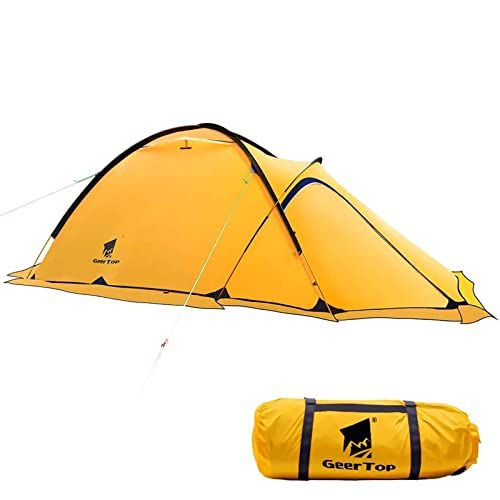
Geertop 2-Person 4-Season Waterproof Backpacking Tent
- ✓ Excellent waterproof protection
- ✓ Easy and quick setup
- ✓ Lightweight and portable
- ✕ Slightly pricey
- ✕ Inner tent color could be more neutral
| Material | 20D PU8000 mm waterproof coated nylon (outer tent), 210T PU 5000 mm waterproof coating polyester (floor) |
| Tent Dimensions | Floor: 83 x 47 inches; Height: 39.4 inches |
| Number of Seasons | 4-season |
| Weight | 6.27 lbs |
| Packed Size | 6.3 x 6.3 x 18 inches |
| Frame | Strong and stable aluminum poles |
Unpacking the Geertop 2-Person 4-Season Tent, I immediately noticed how sturdy and well-built it feels. The fabric is smooth yet tough, with a slight sheen from the waterproof coating that hints at its durability.
The tent’s lightweight frame, weighing just over 6 pounds, makes it surprisingly easy to carry, especially considering its all-weather capabilities.
Setting it up took me just a few minutes. The aluminum poles snap into place smoothly, and the double-layer design with the inner yellow mesh and outer flysheet aligns effortlessly.
I appreciated how clear and straightforward the instructions were, making solo pitching simple even in a slightly windy condition. The snow skirt and strong seams give off a solid impression, promising to keep out rain, snow, and wind.
Once assembled, the tent feels spacious enough for two adults, with a comfortable height of nearly 40 inches. The interior is breathable, thanks to the mesh panels, which is great for warmer nights.
The waterproof coating on both the outer and floor fabrics really stood up to simulated rain and snow, keeping everything dry inside. Plus, the packed size is compact enough to fit comfortably in a backpack, perfect for outdoor adventures.
Whether you’re hiking in winter or summer, this tent seems ready for it all. Its stability in high winds and resistance to heavy rain make it a reliable shelter on tough mountain trips.
I can see it being a true lifesaver in harsh conditions, with enough room and comfort for a cozy night out in nature.
Night Cat 2-Person Waterproof Backpacking Tent

- ✓ Lightweight and portable
- ✓ Heavy rainproof design
- ✓ Easy quick setup
- ✕ Slightly snug for two adults
- ✕ Limited headroom
| Material | Polyester fabric with PU 3000mm waterproof coating |
| Tent Dimensions (Inner) | 7.0 x 3.8 x 3.6 ft |
| Weight | 2 kg (4.4 lbs) |
| Setup Time | 1 to 2 minutes |
| Pole Material | Fiberglass with double-layer protection |
| Waterproof Features | Sealed seams with waterproof tape, rainproof fabric |
When I pulled the Night Cat 2-Person Waterproof Backpacking Tent out of the box, I immediately noticed how lightweight and compact it felt. Weighing just 2kg, it’s surprisingly easy to carry around, especially with the foldable poles that make packing a breeze.
The fabric has a smooth, slightly shiny finish, and the greenish hue gives it a subtle outdoor vibe.
Setting it up was straightforward—those fiberglass poles slide into the diagonal sleeves effortlessly, taking maybe a minute or two to get fully assembled. I appreciated the double-layer fiberglass pole design, which is fully covered with a protective case.
It made me feel safer about handling it, especially in windy conditions.
The tent’s size is just right for one person plus some gear, or a small kid if you’re camping with family. The interior is cozy but spacious enough, with enough room for a backpack, shoes, and a jacket.
The rainproof polyester fabric, rated PU 3000mm, held up perfectly during a sudden downpour—no leaks or drips.
Ventilation is well-thought-out, with a mesh door and roof window that let in fresh air while keeping bugs out. Even in stormy weather, I felt secure and comfortable inside.
Plus, the waterproof tape sealed all seams tightly, so I didn’t worry about rain seeping through.
Overall, this tent feels durable and practical with a low fuss setup. It’s ideal for backpackers who want a reliable shelter that’s lightweight, quick to assemble, and ready for tough weather.
What Key Features Should You Consider for a Backpacking Tent Designed for Wind and Rain?
When choosing the best backpacking tent for wind and rain, several key features should be considered to ensure durability and comfort during adverse weather conditions.
- Waterproof Material: A high-quality waterproof fabric such as nylon or polyester with a suitable waterproof rating (measured in millimeters) is essential to keep you dry in rainy conditions.
- Strong Frame and Stakes: A robust pole system made from aluminum or fiberglass, along with sturdy stakes, helps the tent withstand strong winds and maintain its shape during storms.
- Rainfly Design: An effective rainfly that extends over the tent and allows for proper ventilation while protecting against rain is crucial for preventing water from pooling on the tent surface.
- Sealed Seams: Tents with taped or sealed seams prevent water from leaking through the stitching, which is a common entry point for rainwater during heavy downpours.
- Ventilation Features: Adequate ventilation options, such as mesh panels and adjustable vents, help reduce condensation buildup inside the tent while still providing protection from the elements.
- Low Profile Design: A tent with a lower profile will be less susceptible to wind gusts, making it a better choice for windy conditions, as it presents less surface area for the wind to push against.
- Weight and Packability: Since this is for backpacking, the tent should be lightweight and easy to pack, allowing for convenient transport without compromising on durability and weather resistance.
Waterproof material is vital, as it directly impacts how well the tent can keep out moisture during rainstorms. Look for fabrics with a higher waterproof rating, ideally above 3000mm, to ensure effective protection.
A strong frame and stakes are crucial for maintaining structural integrity during windy conditions. Aluminum poles are often preferred for their strength-to-weight ratio, while good stakes will secure the tent firmly to the ground.
The rainfly design should not only cover the tent adequately but also allow for airflow to prevent moisture buildup inside. A well-designed rainfly will divert rain away from the tent, while still enabling ventilation.
Sealed seams are a non-negotiable feature for waterproofing, as they eliminate the risk of leaks through the stitching. Investing in a tent with fully sealed seams can save you from potential discomfort during a storm.
Ventilation features are important to combat condensation, which can occur even in waterproof tents. Proper airflow helps maintain a comfortable environment inside, reducing dampness and potential mold growth.
A low profile design is beneficial in windy locations, as it minimizes the tent’s exposure to harsh winds. Selecting a tent that sits closer to the ground can greatly enhance stability during gusty conditions.
Weight and packability are essential considerations for backpacking, as you want a tent that is easy to carry without sacrificing weather protection. Look for tents that balance lightweight materials with durability, ensuring ease of transport on long hikes.
How Do Tent Materials Affect Wind and Rain Resistance?
The materials used in backpacking tents significantly influence their ability to withstand wind and rain.
- Fabric Type: The fabric of a tent is often made from polyester or nylon, both of which have varying levels of water resistance and durability. Nylon tends to be stronger and more lightweight, making it ideal for windy conditions, while polyester is more UV resistant, providing better longevity in sunny environments.
- Waterproof Coatings: Many tents feature waterproof coatings such as silicone or polyurethane, which enhance their ability to repel water. The effectiveness of these coatings can vary; higher-quality tents often have higher hydrostatic head ratings, indicating better resistance against rain penetration.
- Seam Sealing: Seam sealing is a crucial aspect for wind and rain resistance in tents. Tents with fully taped seams prevent water from seeping through the stitching, which is a common weak point during heavy rain, thus ensuring that the interior remains dry.
- Fly Design: The tent fly is the outer layer that provides protection against the elements. A well-designed fly that extends lower to the ground can offer better wind resistance and prevent rain from entering the tent, particularly during fierce storms.
- Ventilation Features: Good ventilation helps reduce condensation inside the tent while maintaining airflow. Tents with multiple vents or mesh panels can help manage moisture build-up, which is critical in rainy weather where trapped humidity can lead to discomfort.
- Stake and Guyline Systems: The stability of a tent in windy conditions can be greatly improved with a robust staking and guyline system. Tents designed with multiple guy points allow for better tensioning, which helps secure the tent against strong winds and prevents it from collapsing or blowing away.
What Tent Designs Offer the Best Protection Against Bad Weather?
When it comes to backpacking tents, certain designs excel in providing protection against wind and rain.
- Dome Tents: Dome tents are known for their aerodynamic shape, which allows wind to flow over them rather than against them, reducing the risk of wind damage. Their structure typically features a central hub that gives them stability and helps prevent water pooling on the roof during rain, ensuring that the tent remains dry inside.
- Geodesic Tents: Geodesic tents incorporate a series of intersecting poles that create a highly stable structure, making them ideal for extreme weather conditions. This design not only provides excellent wind resistance but also allows for better weight distribution, which helps the tent remain anchored even in harsh environments.
- Rainfly-Compatible Tents: Tents designed with a dedicated rainfly offer enhanced protection from rainfall. The rainfly extends over the tent body, creating an additional layer that prevents water from seeping in, and many are designed to be pitched tautly to minimize flapping and potential leaks during heavy winds.
- Single-Wall Tents: While single-wall tents can be lightweight and compact, they are typically constructed with waterproof materials that provide a high level of protection from rain. Many models utilize advanced fabric technology to ensure that condensation is managed effectively, making them suitable for wet and windy conditions.
- Convertible Tents: Convertible tents can be adapted for different weather scenarios by allowing users to remove or add components, like the rainfly or vestibule. This flexibility means that backpackers can tailor their tent setup to the specific weather conditions, providing optimal shelter against wind and rain when needed.
Which Brands Are Leading in Producing Weather-Resistant Backpacking Tents?
The leading brands known for producing weather-resistant backpacking tents suitable for wind and rain include:
- Big Agnes: Known for their innovative designs and high-quality materials, Big Agnes tents often feature robust waterproof fabrics and strong poles designed to withstand harsh weather conditions. Their Copper Spur series is particularly popular for its lightweight yet durable construction, making it a favorite among backpackers facing inclement weather.
- MSR (Mountain Safety Research): MSR is renowned for its focus on performance and reliability, especially in adverse weather. Their Hubba NX tents are well-regarded for their excellent wind resistance and water protection, equipped with a unique rainfly that enhances stability and sheds water effectively.
- REI Co-op: REI’s in-house brand offers a range of tents that balance affordability with quality. The REI Flash series incorporates high-quality materials that provide exceptional weather resistance, ensuring that campers stay dry and secure even in windy and rainy conditions.
- North Face: A leader in outdoor gear, North Face tents are designed with extreme weather in mind. Their Stormbreak and Mountain 25 tents utilize durable, waterproof materials and reinforced seams, making them reliable choices for backpackers looking to brave the elements.
- Sierra Designs: Sierra Designs focuses on creating tents that are both functional and user-friendly, with features aimed at enhancing weather resistance. Their High Route tent is particularly noted for its ability to withstand wind and rain, thanks to its unique design and high-quality waterproof materials.
- Tarptent: Tarptent specializes in ultralight shelters that still offer excellent protection from the elements. Their products, such as the Double Rainbow, are crafted with high-tenacity materials that withstand wind and rain while remaining lightweight for backpackers who prioritize pack weight.
What Are the Top Recommended Backpacking Tents for Wind and Rain?
The best backpacking tents for wind and rain are designed to withstand harsh weather conditions while being lightweight and easy to set up.
- Big Agnes Copper Spur HV UL2: This tent is known for its excellent wind resistance and durable materials.
- MSR Hubba NX 2: A popular choice among backpackers, it offers a sturdy structure and effective rain protection.
- REI Co-op Quarter Dome SL 2: This tent combines affordability with great weather resistance, making it a favorite for budget-conscious adventurers.
- Nemo Dragonfly 2: With its innovative design, this tent provides a good balance of weight and weatherproofing.
- Sea to Summit Telos TR2: This tent features a unique pole structure that enhances stability in windy conditions.
The Big Agnes Copper Spur HV UL2 is praised for its high-volume pole architecture, which increases livable space while maintaining low weight. Its rainfly and floor are made from waterproof materials, ensuring you stay dry even in heavy downpours.
The MSR Hubba NX 2 is renowned for its robust construction and versatility, making it suitable for both solo and duo backpacking. Its rainfly provides full coverage, and the tent’s design allows for good ventilation while keeping water out.
The REI Co-op Quarter Dome SL 2 is an excellent entry-level option that doesn’t compromise on weather protection. Its rainfly is designed to shed water efficiently, and the tent’s lightweight materials make it easy to carry on long hikes.
Nemo Dragonfly 2 stands out with its two entrances and vestibules, providing easy access and additional storage for gear. It features a rainfly that can be adjusted for ventilation, which helps manage condensation during wet weather.
The Sea to Summit Telos TR2 is engineered with a tension ridge pole system that increases the tent’s interior volume while enhancing stability. It is designed for quick setup and efficient storm readiness, making it ideal for unpredictable weather conditions.
How Do User Experiences Validate the Best Backpacking Tents for Severe Weather?
User experiences play a crucial role in validating the best backpacking tents for extreme weather conditions like wind and rain.
- Material Durability: The type of fabric used in a tent significantly affects its performance in adverse conditions. Users often report on how well the tent’s material withstands heavy rain and strong winds, with better materials like ripstop nylon or polyester offering enhanced durability and resistance to tears.
- Weather Resistance Features: Many tents come equipped with specific features designed to combat severe weather, such as waterproof coatings and reinforced stitching. User feedback often highlights how effective these features are in real-world scenarios, providing insights into whether tents truly keep rain out and resist wind uplift.
- Stability in Wind: Tents designed for severe weather typically have a low-profile design and use strong poles to withstand gusts. User experiences often share firsthand accounts of how well a tent held up during storms, detailing whether it remained stable or if it collapsed under pressure.
- Ease of Setup: Under severe weather conditions, the ability to quickly and easily set up a tent can be crucial. Users frequently discuss their experiences regarding setup time and simplicity, which can make a significant difference when trying to establish shelter in adverse conditions.
- Ventilation and Condensation Control: Proper ventilation is essential to prevent condensation build-up, which can be exacerbated by rain and humidity. User reviews often reflect on how well a tent manages airflow, particularly during heavy rain, and whether this impacts their overall comfort during the night.
- Weight-to-Strength Ratio: Backpackers often prioritize lightweight gear, but those venturing into severe weather need tents that balance weight with sturdiness. User experiences provide insights into how certain tents manage to remain lightweight while still offering the necessary strength to endure harsh conditions.
- Price vs. Performance: The cost of a tent can vary widely, and user reviews frequently address whether a tent’s performance justifies its price, particularly in severe weather scenarios. Feedback often helps future buyers gauge if they are getting value for their investment based on real-life experiences.
What Price Range Should You Expect for High-Quality Weather-Resistant Tents?
The price range for high-quality weather-resistant tents can vary significantly based on features and brand reputation.
- Budget Tents ($100 – $200): These tents offer basic weather resistance and are suitable for casual backpackers. They are often made from lower-quality materials, which may limit their durability against severe wind and rain.
- Mid-Range Tents ($200 – $500): This category includes tents made with better materials, providing improved waterproofing and wind resistance. Many mid-range options also feature additional enhancements such as better ventilation and more robust structures, making them a good choice for serious backpackers.
- High-End Tents ($500 and above): These tents are designed for extreme conditions and are crafted from premium materials that ensure superior weather resistance. They often come with advanced features like ultra-lightweight designs, multi-layer constructions, and enhanced stability, catering to professional outdoor enthusiasts and expedition-level backpackers.
What Tips Can Help You Select the Right Backpacking Tent for Wind and Rain?
Selecting the right backpacking tent for wind and rain involves considering several key features and factors.
- Weather Resistance: Look for tents made with high-quality, waterproof materials and sealed seams to ensure they can withstand heavy rain and wind.
- Stability and Structure: Choose a tent with a sturdy frame and a low profile, which can help resist strong winds and minimize the risk of being blown over.
- Weight and Packability: Opt for lightweight materials and designs that are easy to pack, as carrying a heavy tent can be cumbersome during long hikes.
- Ventilation: Ensure the tent has adequate ventilation options to prevent condensation buildup, which can be crucial during rainy conditions.
- Footprint and Ground Protection: A footprint can protect the tent floor from moisture and abrasions, making it more durable and suitable for wet environments.
- Setup Ease: Select a tent that can be easily set up in adverse weather conditions, as quick assembly can make a significant difference when facing wind and rain.
Weather resistance is paramount when searching for the best backpacking tent for wind and rain. Look for tents constructed from high-quality, waterproof fabrics, such as nylon or polyester, which come with features like a waterproof coating or a rainfly that offers extra protection against heavy rainfall. Additionally, sealed seams are essential as they prevent water from seeping through the stitching.
Stability and structure are crucial components for enduring windy conditions. Tents designed with a robust pole system, often utilizing hubbed or geodesic structures, provide greater stability and can better withstand gusts of wind. A low-profile design also helps to reduce wind resistance, making the tent less likely to tip over during storms.
Weight and packability are important considerations for backpackers who need to minimize their load. Opt for lightweight tent materials and consider designs like two-person or ultralight models that do not compromise on durability while being easy to carry. Being able to pack your tent efficiently can make hiking more enjoyable.
Proper ventilation can significantly impact comfort levels inside the tent during rainy weather. Look for tents that incorporate mesh panels or vents that allow airflow, which can help reduce condensation buildup inside, preventing a damp and clammy environment. This is especially important in humid conditions where moisture can accumulate quickly.
Having a footprint is an excellent way to enhance durability and waterproofing for your tent. A footprint acts as a protective barrier between the tent floor and the ground, shielding it from sharp objects and moisture, which is vital in wet conditions. This added layer can also prolong the lifespan of the tent itself.
Lastly, the ease of setup cannot be overlooked, particularly in unpredictable weather. Tents that are designed for quick setup, with color-coded poles and intuitive designs, allow you to pitch your shelter swiftly when facing sudden rain or wind. This can make a significant difference in ensuring that you stay dry and secure during your backpacking adventure.
Related Post: